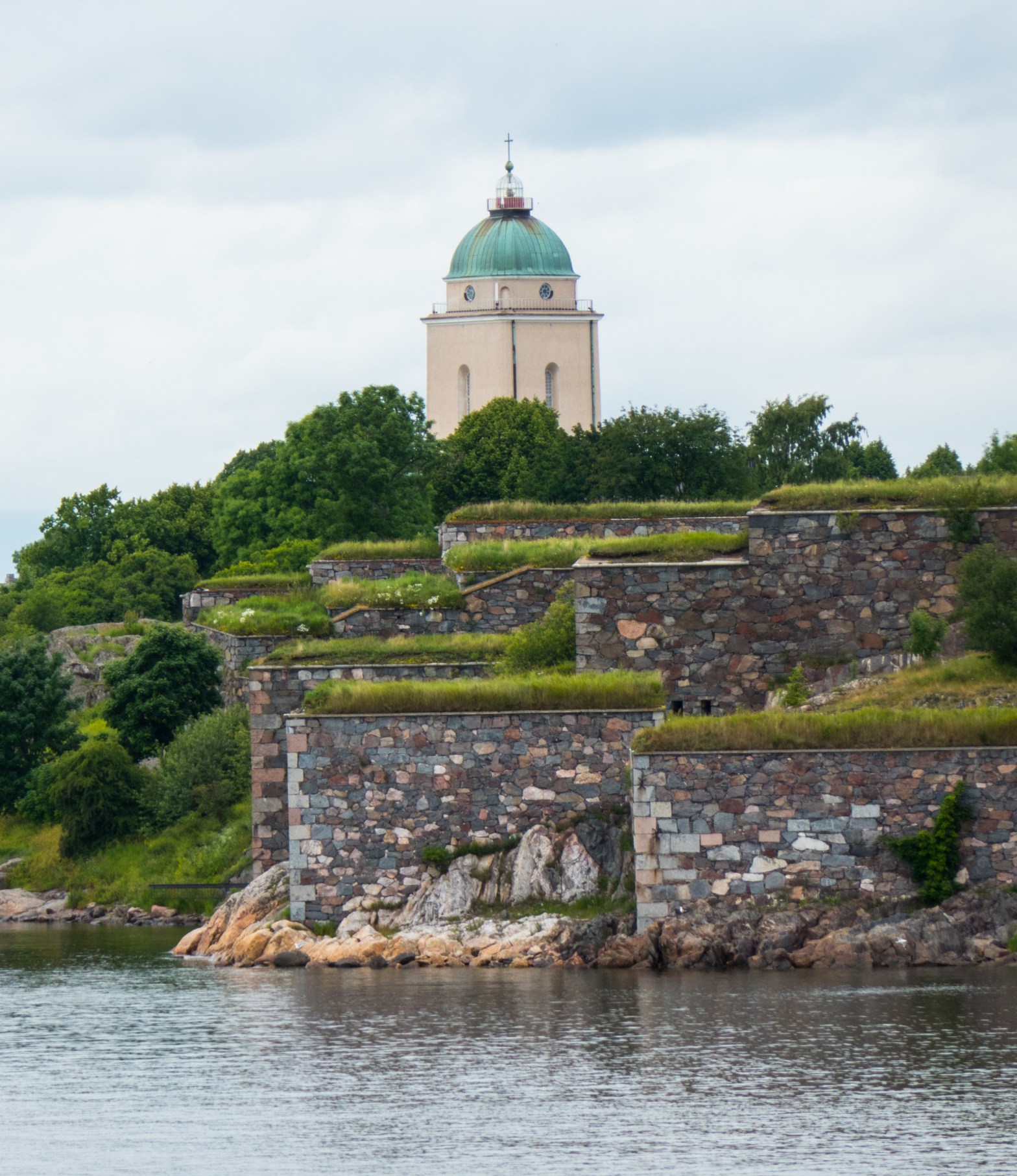
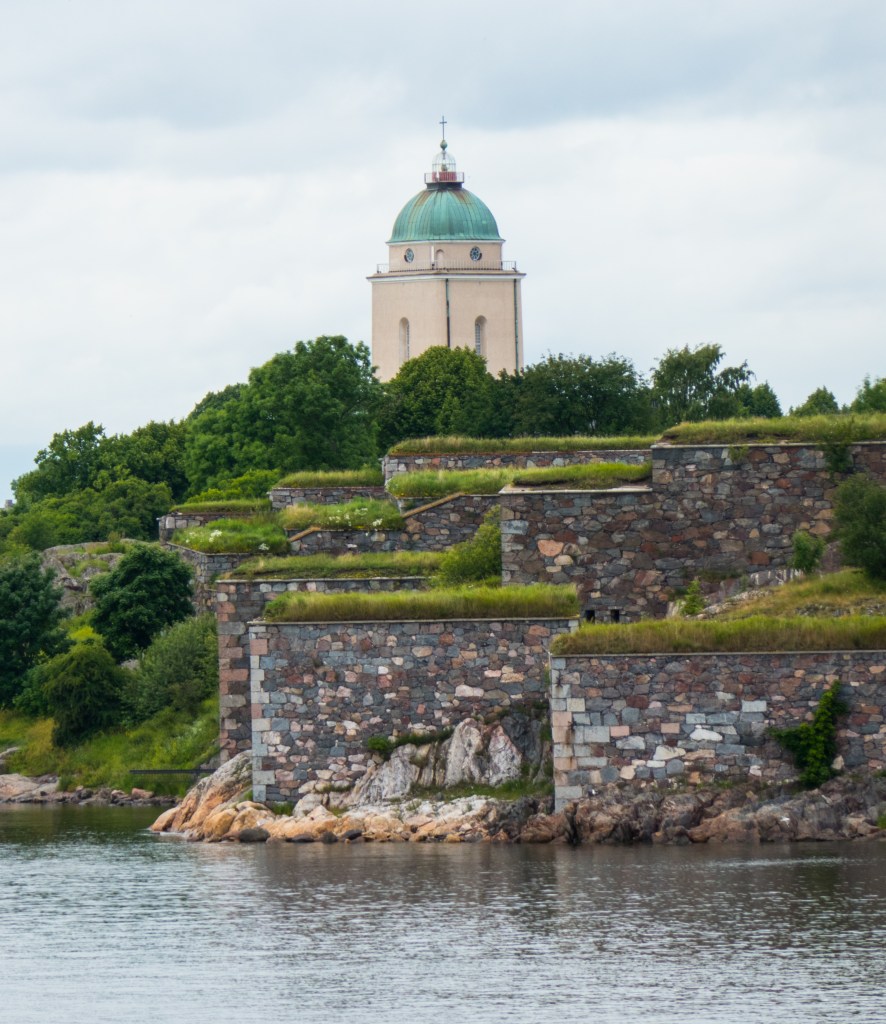
How did it come about that the Suomenlinna-Sveaborg fortress in front of Helsinki contributed to the French revolution? The answer can be found in the great power politics of 18th century Europe.
Sweden, which at this time included Finland, had been a great power in the 17th century, ruling major areas around the Baltic and Northern Germany. But by the early 1700s those times had gone. In 1703 Peter the Great had conquered the banks of river Neva, and founded St. Petersburg where the Swedish town of Nyen had been. The presence of the capital increased considerably the importance of Baltic Sea in Russian foreign policy and made it necessary for Sweden to be constrained. The Great Northern War of 1714-1721 and the Russo-Swedish war of 1741-43 made Russia the dominant power around the Baltic, enabling Empress Elizabeth to dictate the terms of peace, including installing her favourite Adolf Frederick of Holstein-Gottorp as the crown prince (and later king) of Sweden.
As a result of these wars Sweden had lost all its border fortifications in Finland to Russia, and needed to reorganise the defence of the realm to take into account that the eastern border had been moved considerably westwards. Nor were they happy to be under heavy Russian influence and turned to Prussia and France instead of Russia. France, already a historical ally, ended up being the main supporter of Swedish foreign policy from the 1740s onwards.
In line with prevailing custom, France provided Sweden with large payments to support its policy. These yearly payments were around 400 000 silver dalers in the 1750s and continued until 1788. The amounts were not trivial and allowed Sweden to embark upon constructing fortifications along its new eastern border. The main navy base and armoury for the whole eastern part of the country was to be the Sveaborg fortress in front of Helsinki.
Construction started in 1747 and continued until the French support stopped coming. At times there were up to 5000 people working in the construction site, making it the largest construction project in the history of Sweden up to that point.
When the Russian army then came twenty years later, during the Napoleonic wars in 1808, the fortress could not be provisioned in the winter and, after a siege, ended up surrendering to the Russians without fight. That was the end of its military significance – although English and French ships fired upon it during the Crimean War to make a point. But 50 years of financial support to Sweden’s fortifications contributed to the catastrophic state of the French state finances at the end of 1780s, necessitating a call for the Estates General to raise new taxes – and the rest is history. Thus, arguably the greatest impact of the Suomenlinna-Sveaborg fortress in the world ended up being on the French revolution. Talk about unintended consequences.
Sources: Aalto-Gustafsson-Granqvist: Linnoituskaupunki – Helsinki ja Viapori 1721-1808.
 Rails, wines, worlds