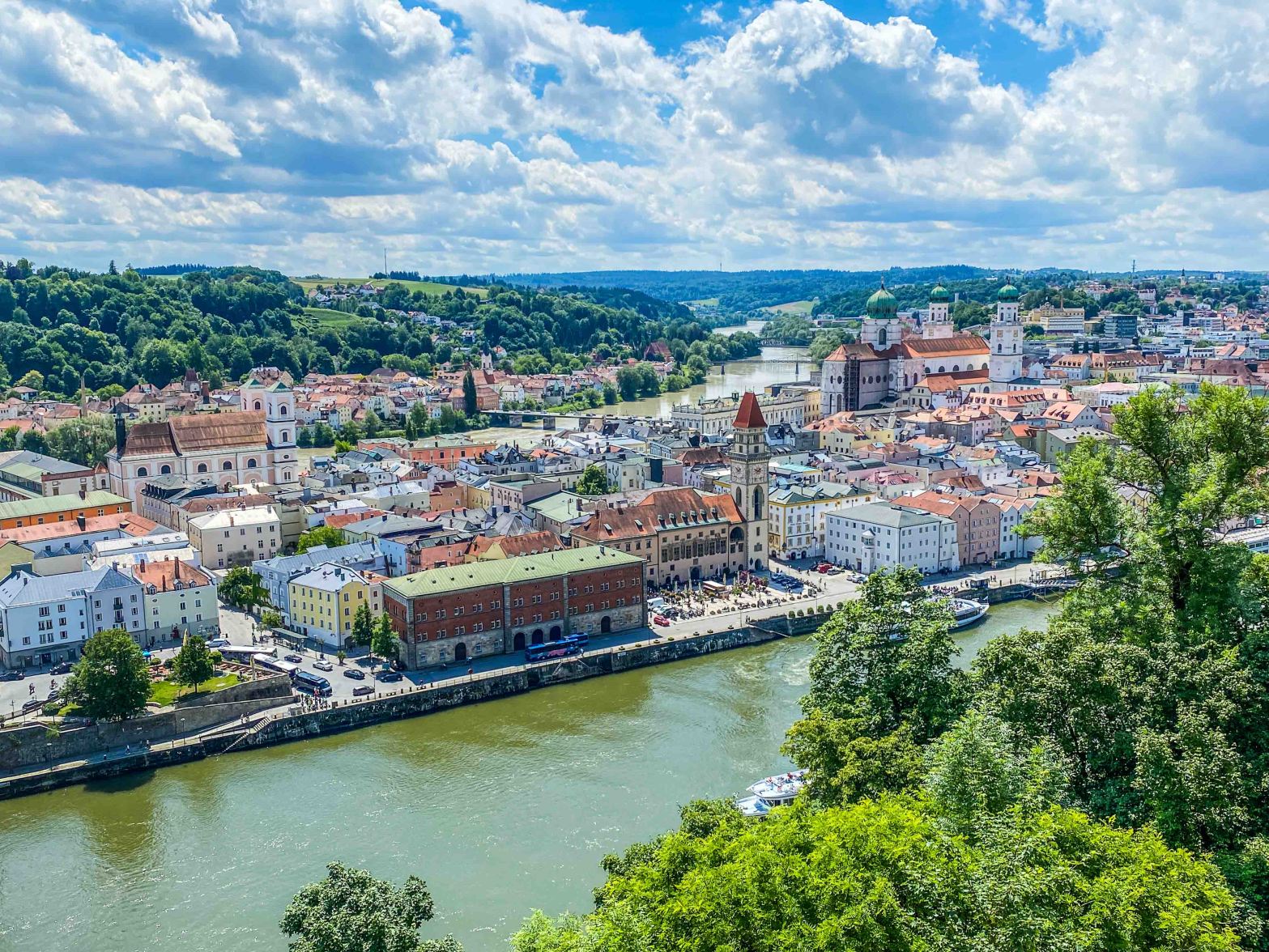
The Bavarian town of Passau sits at the point where rivers Danube, Inn and Ilz conflux. It is a cathedral city, and used to be the seat of the largest diocese in the Holy Roman Empire. It was established by an Anglo-Saxon monk, St. Boniface, in 739. The complexities of the setup of the Holy Roman Empire meant that the secular and ecclesiastical domains of the prince-bishop of Passau did not coincide – the diocese covered much of present-day Austria. Of course, the prince-bishop needed his capital to reflect the importance of the diocese (and his own).
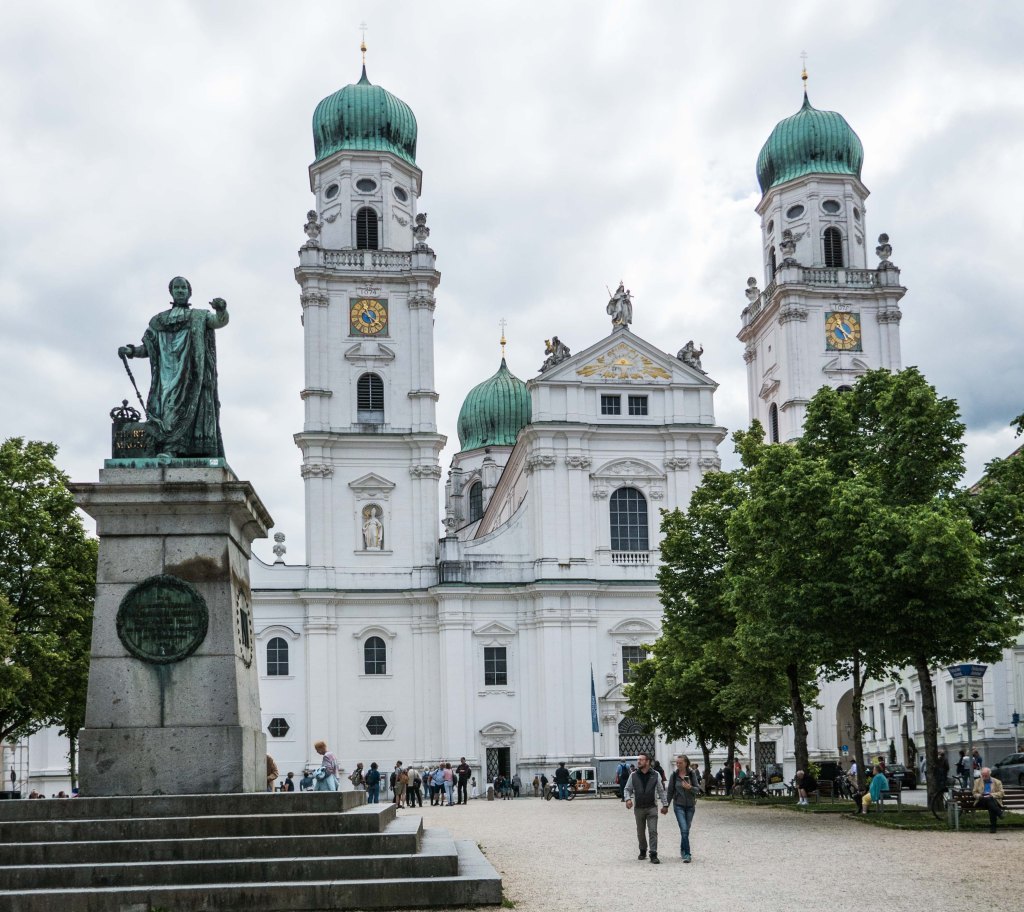


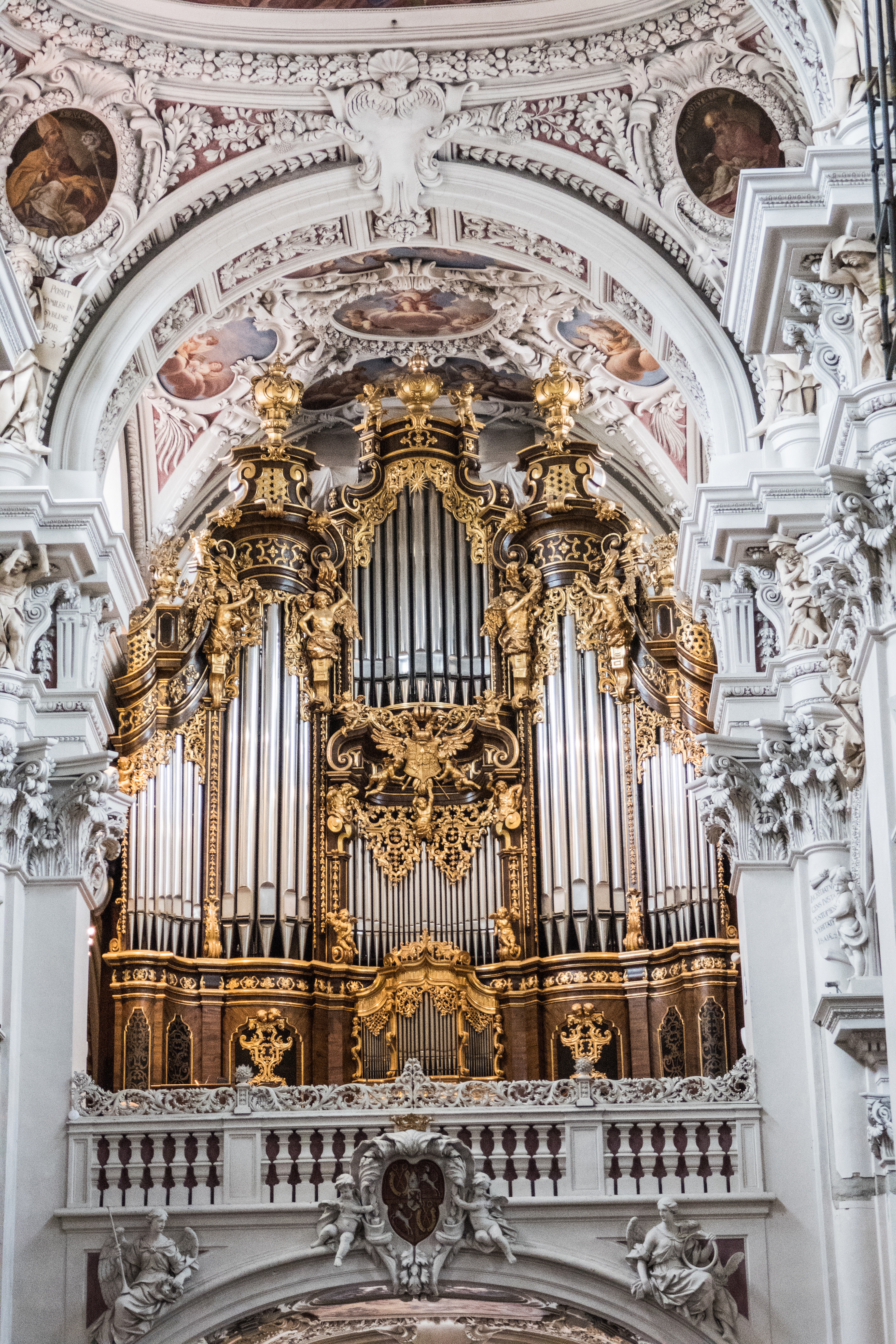
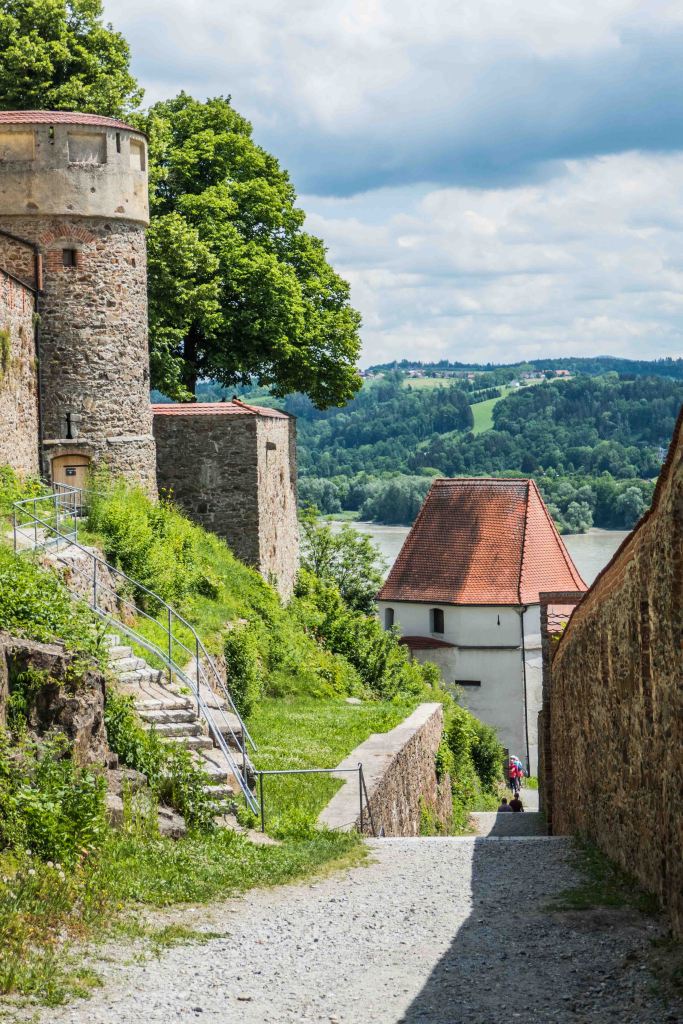
Fires destroyed much of the city in the second half of 17th century, and provided an opportunity to rebuild in Italian Baroque and Rococo styles. The Cathedral of St. Stephan (above) is a prime example of this – the organ is the largest church organ in Europe. To emphasise the power of the prince-bishop, a new residence (Neue Bischofsresidenz, below left). was also required to complement the old one in town and the castle above the city (Veste Oberhaus, below right).
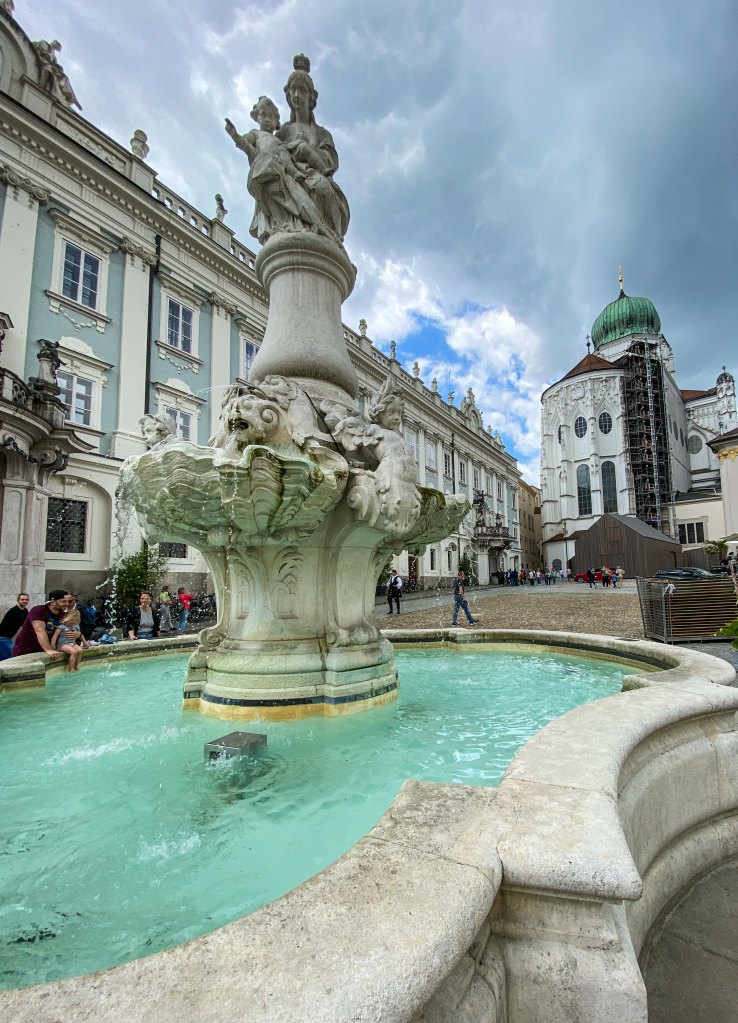
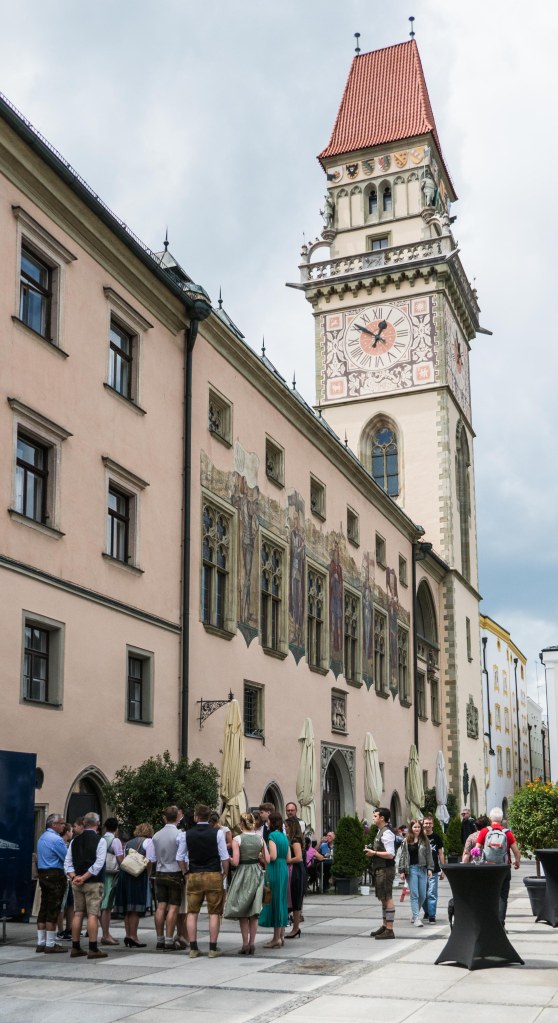
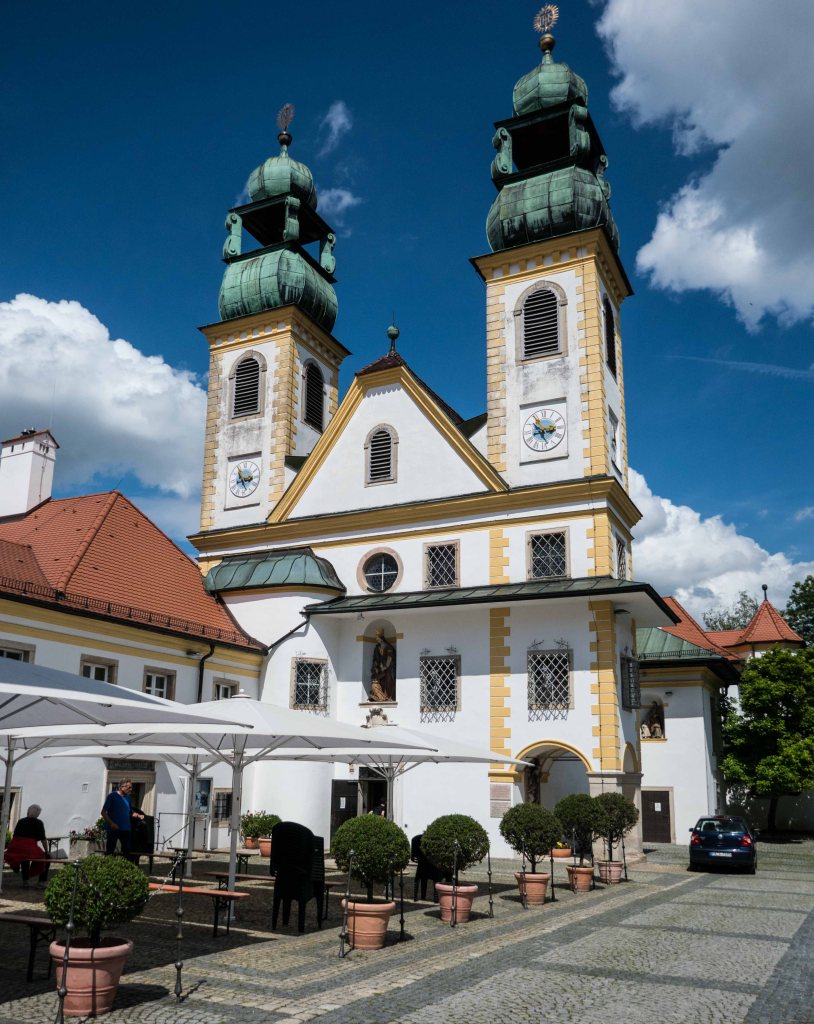
The Town Hall (Altes Rathaus, below left) has preserved its medieval character, whereas the pilgrimage church of Mariahilf high above the town (below right) is again Baroque. A covered stairway of 321 steps leads up to it – the old tradition was to climb these on your knees (evidently some still do).
 Rails, wines, worlds