
Take a couple of earls, a billionaire businessman, a truckload of paintings, and you get an English stately home.
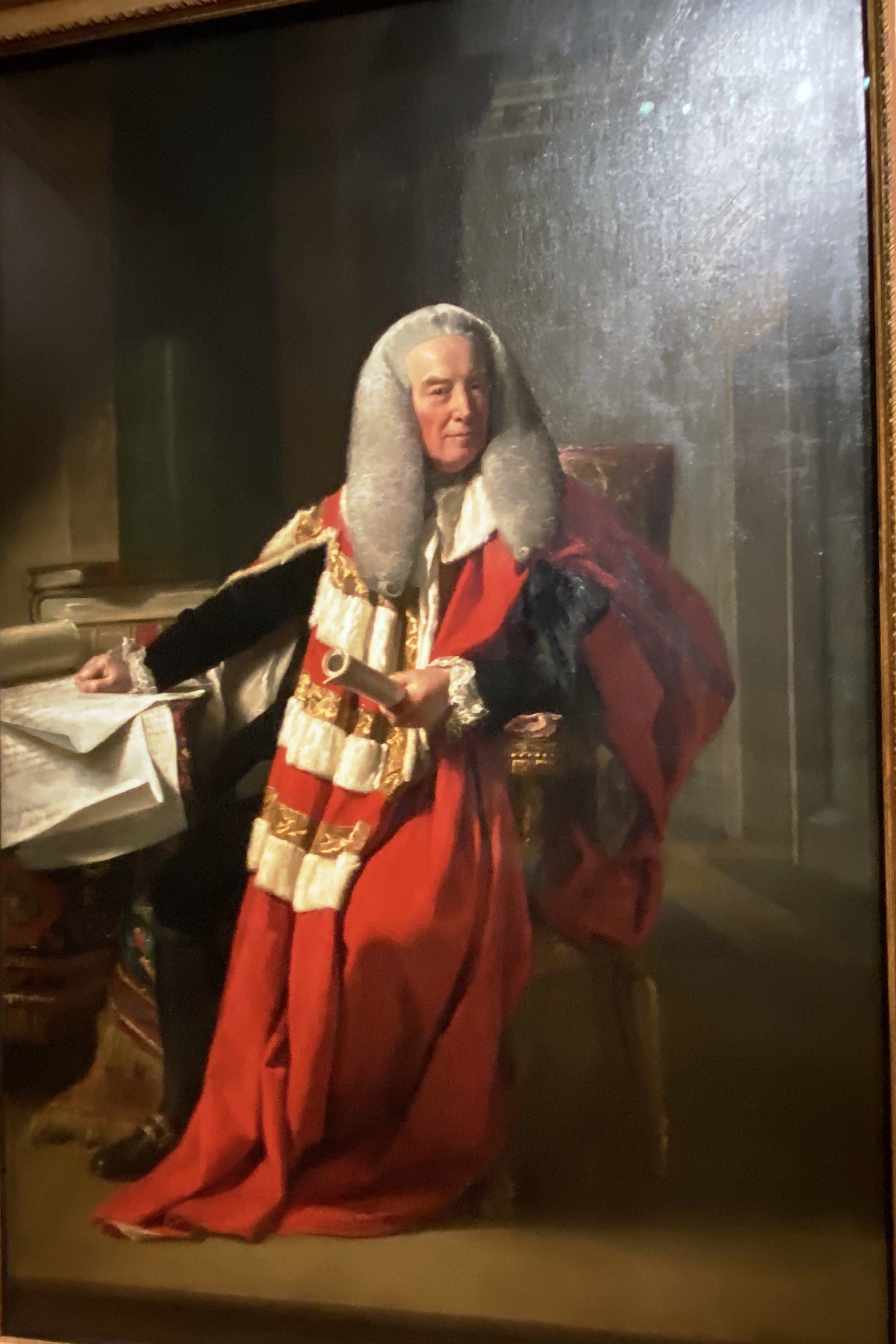
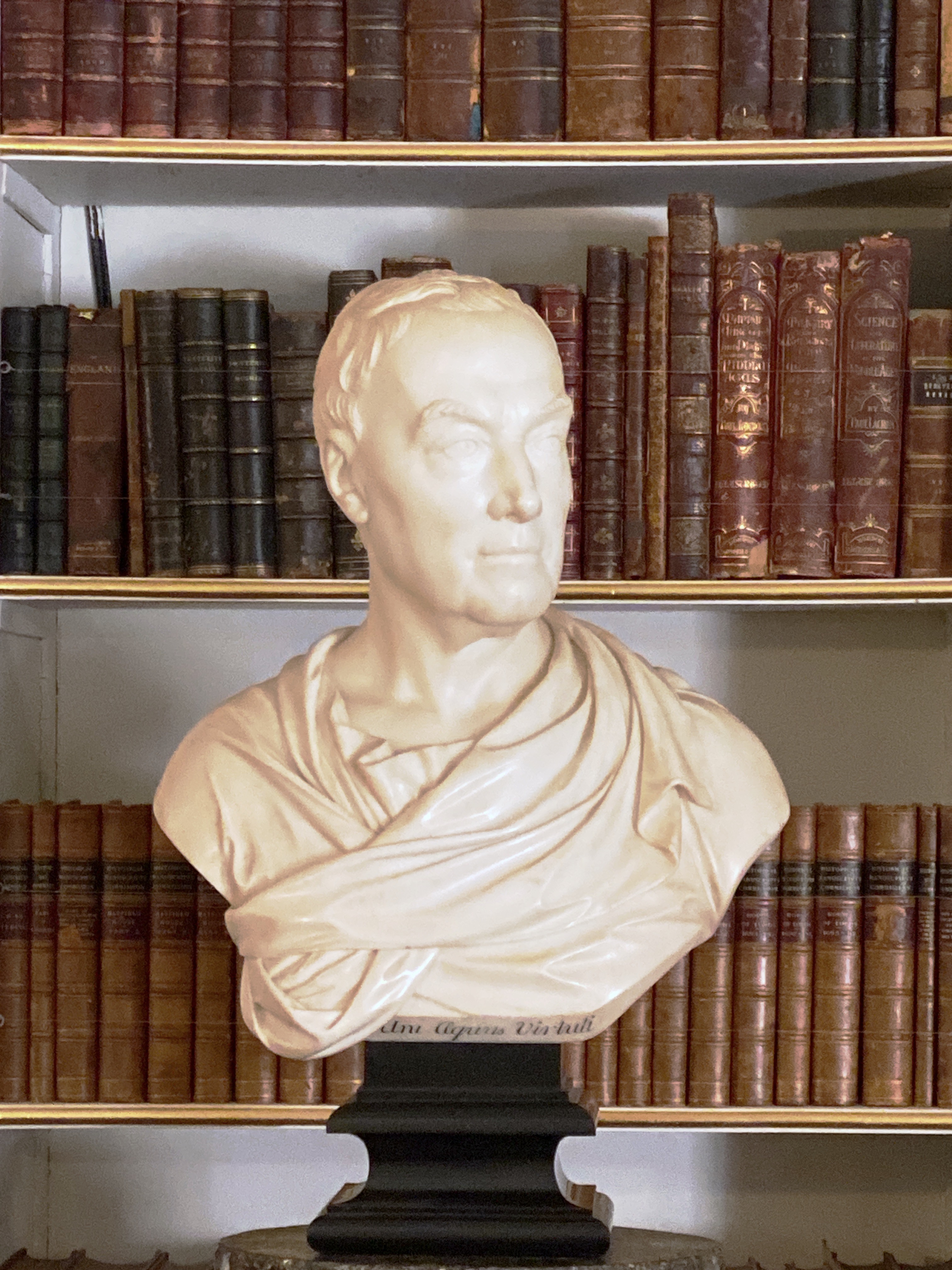
Kenwood House was built for Lord Mansfield, the Lord Chief Justice in the second half of the 1700s (above left in his robes, and right as a Roman senator). He was the guy who made the ruling that was interpreted as confirming that slavery was outlawed on British soil. Although the colonies had to wait a bit.
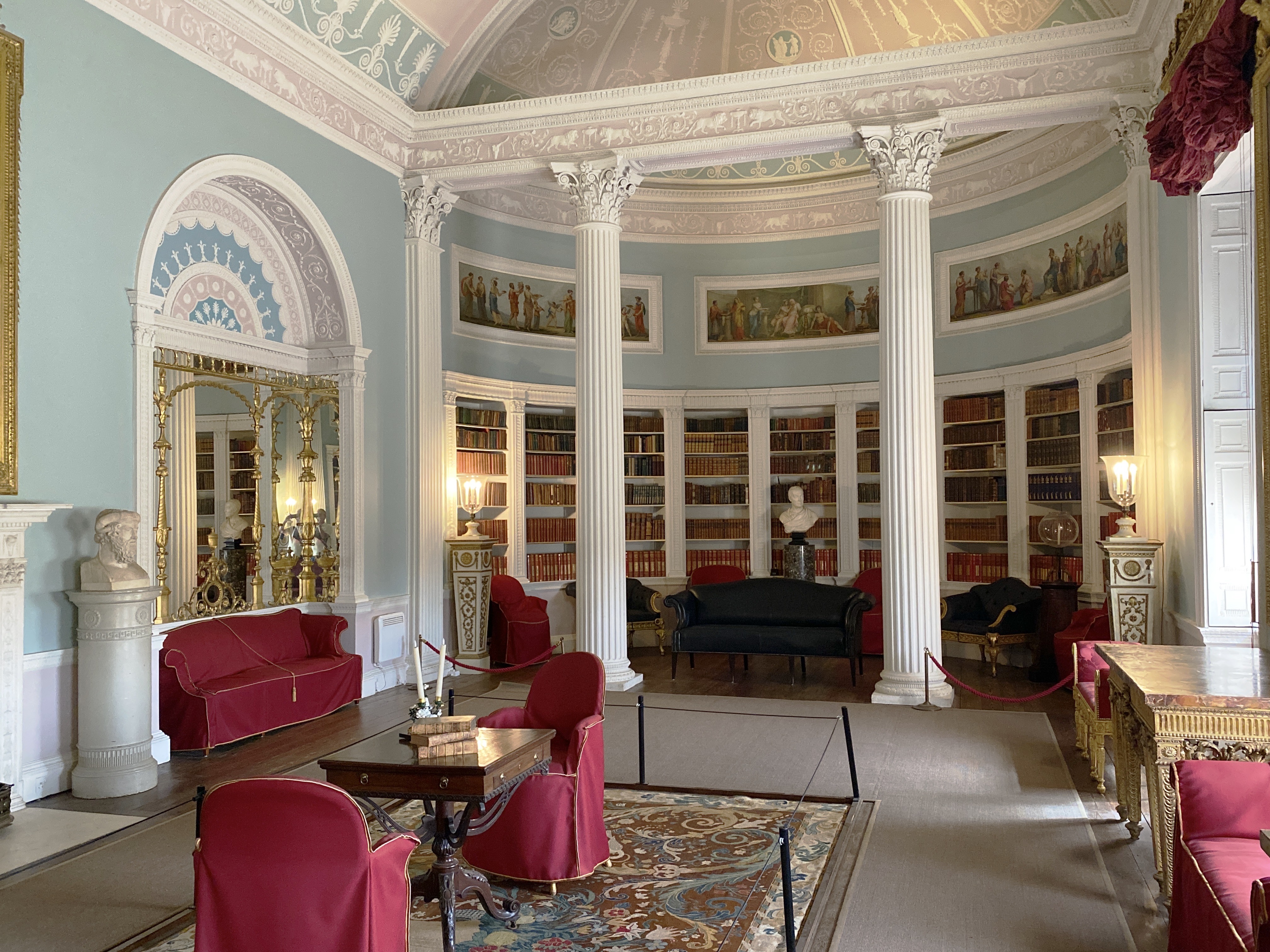

The good lord used his library (above left) as an entertainment space for dinners, music, games and discussions. As king George III and his queen were frequent visitors, the whole space had to be up to royal standards (music room above right).
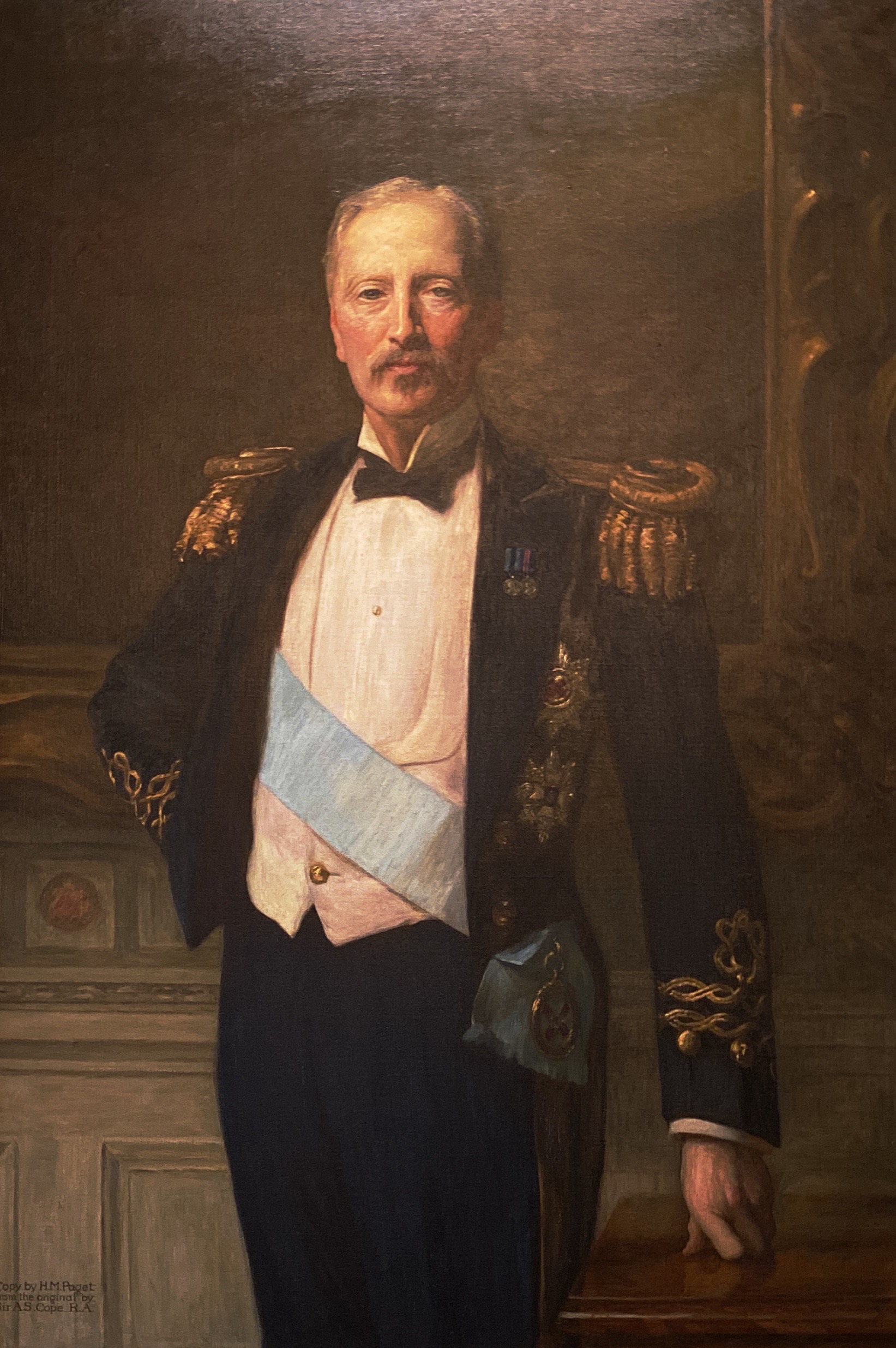
In the late 1800s and early years of the 20th century, the Mansfields focused more on their Scottish Scone Palace and Kenwood house was first rented – to the Russian Grand Duke Mihail Mihailovitch (grandson of tsar Nicholas I) – and then in 1924 it was purchased by the first Earl of Iveagh, Edward Cecil Guinness (above). His wealth came from the family firm that sold black brewed stuff to the masses – and there was a lot of money in it.
Iveagh had acquired a collection of paintings and thought that Kenwood house would be a good spot to exhibit his 217 paintings. Although the collection was later divided between Kenwood House, the family and other museums, it is still considerable.
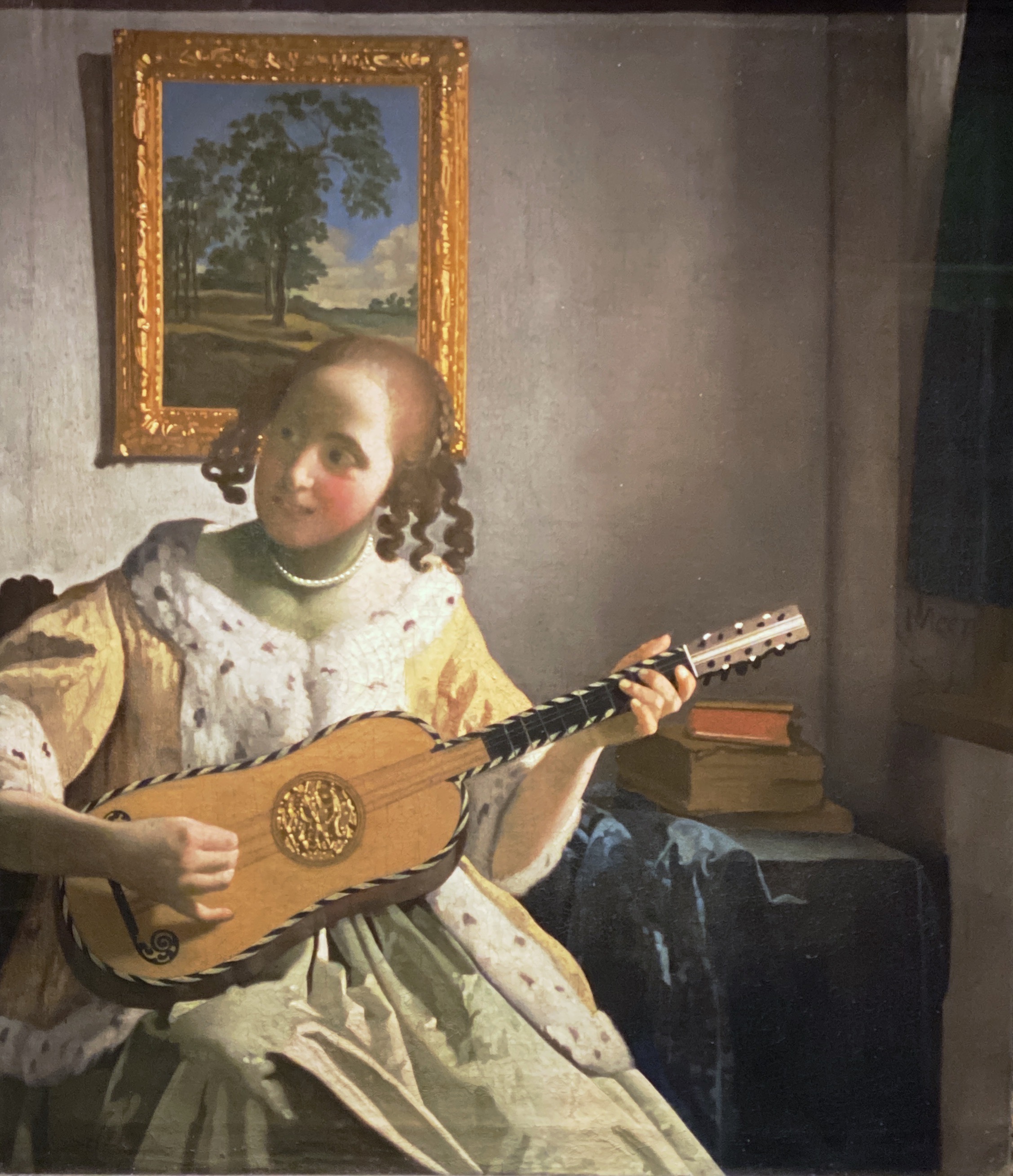
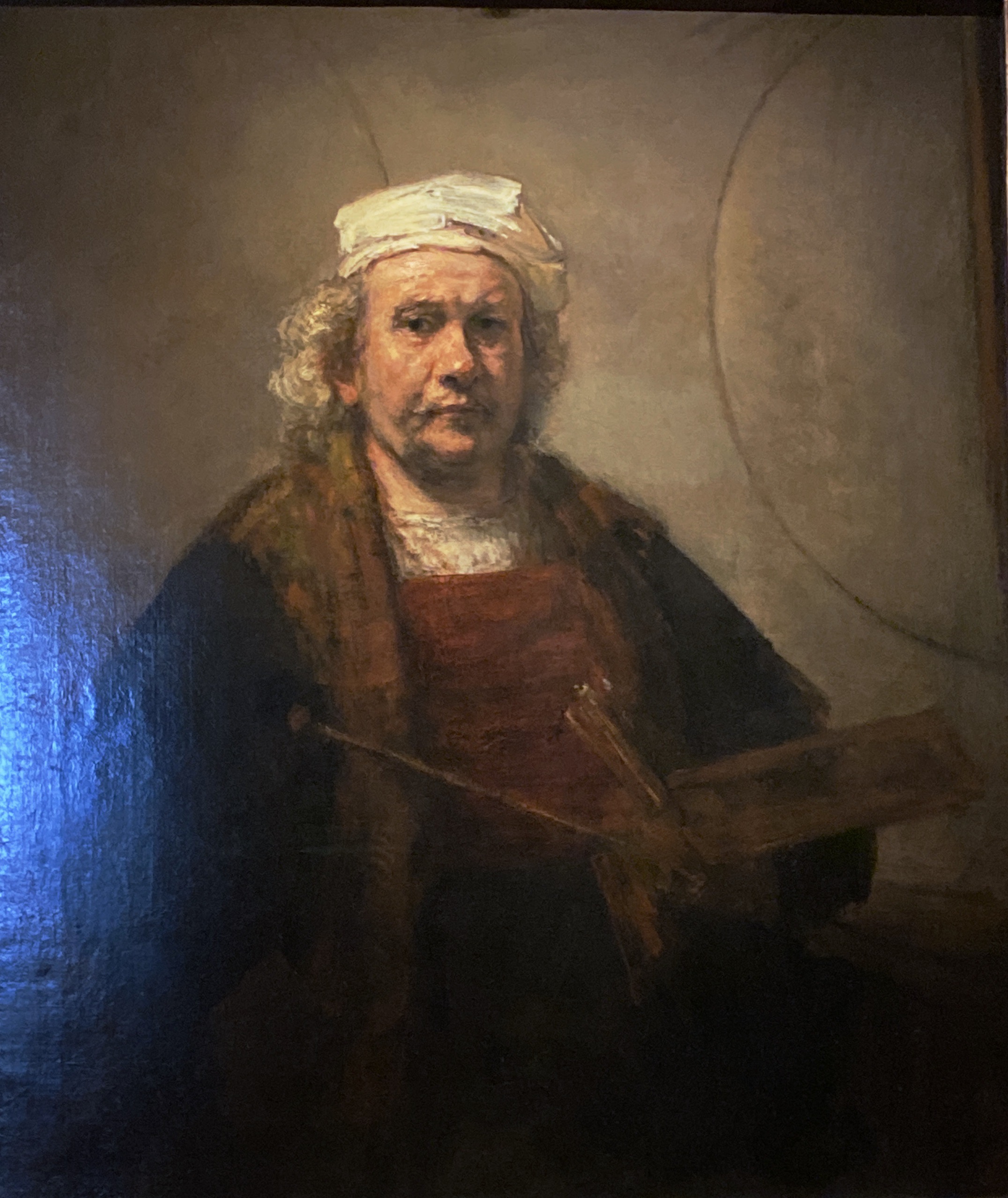
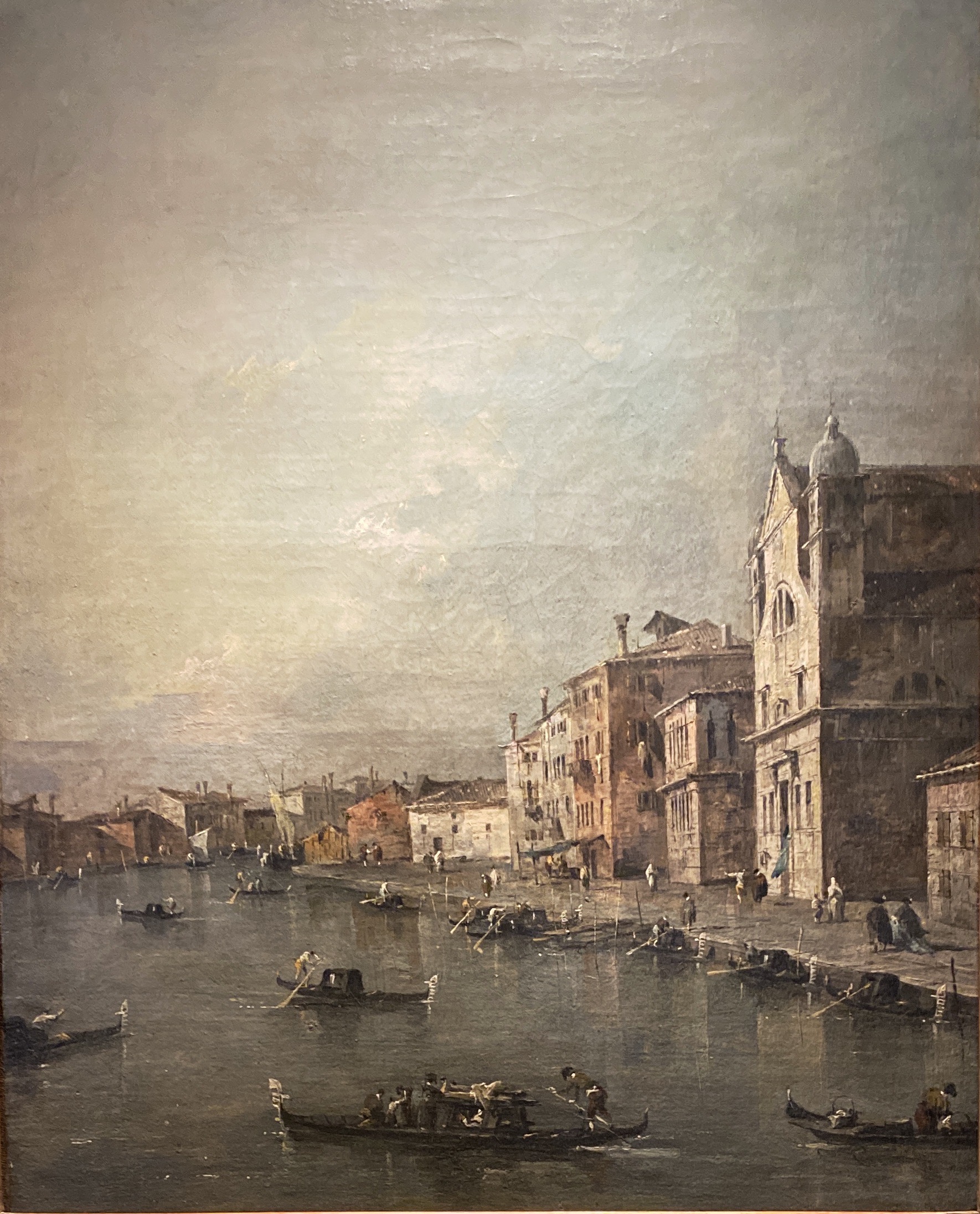
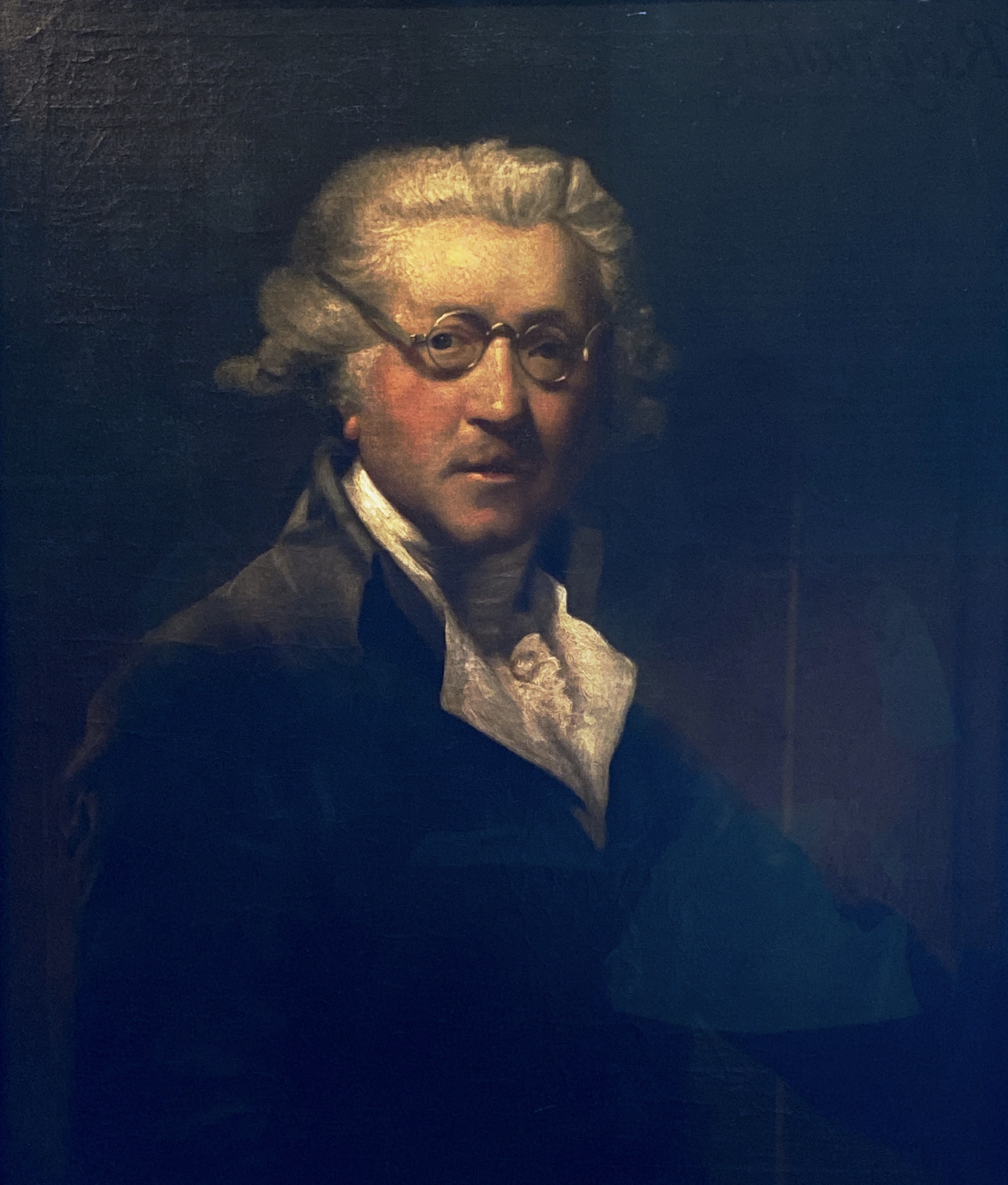
What does an art collector, who has plenty of money and newly available supply from cash-strapped British noble families, go for? Well, naturally, a Vermeer (above left), a Rembrandt self portrait (above right), some Guardis (below left), plenty of Reynoldses (a self-portrait below right), and other bits and pieces.
And his testament bequested the paintings to the nation, stipulating that access to Kenwood House should be free in perpetuity. It still is.
 Rails, wines, worlds