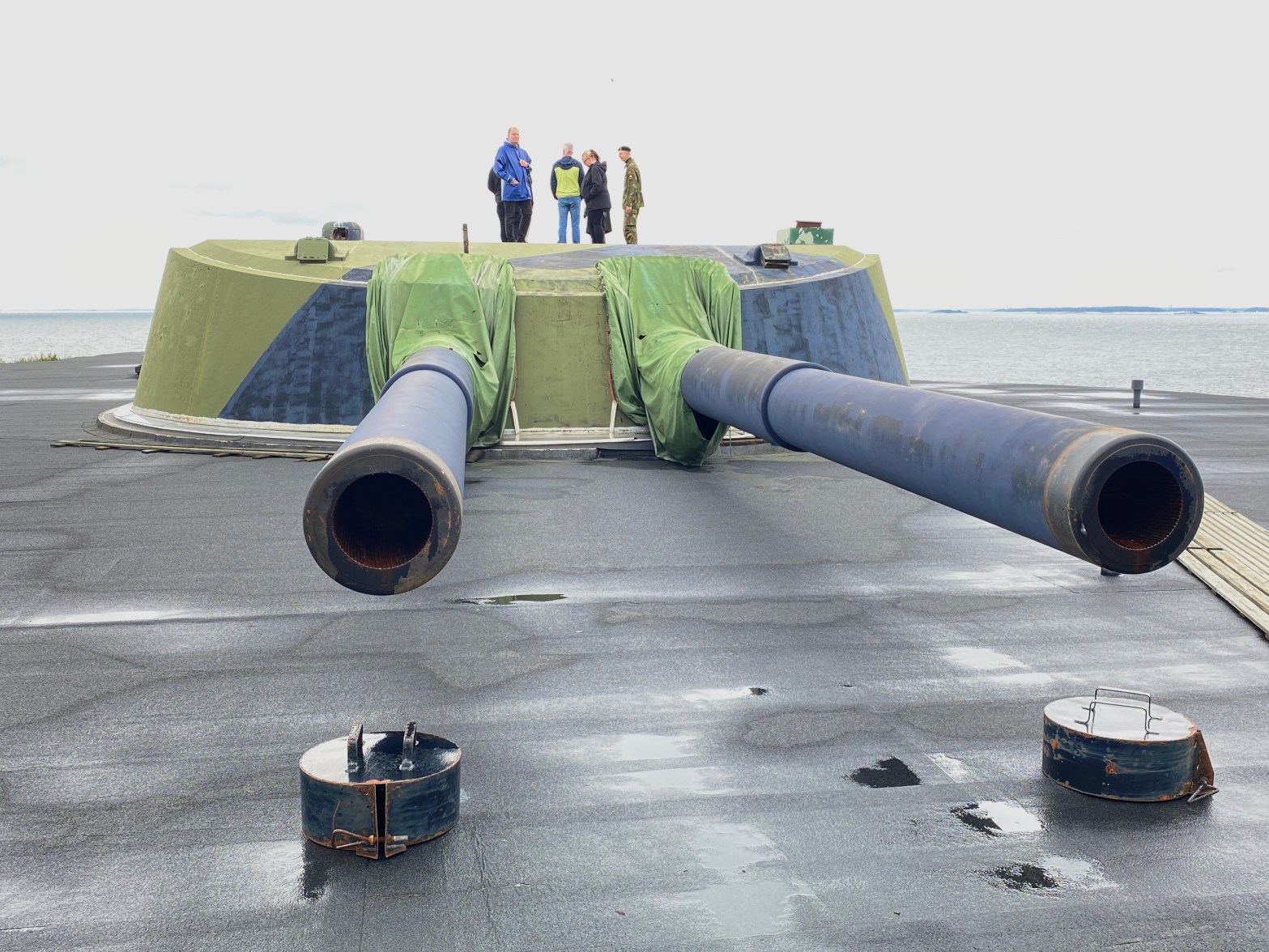
A Russian 12-inch gun from 1911, ready for action? Or a cavalcade of historical coastal artillery up to 1970s? All this can be seen in the former fortress island of Kuivasaari outside Helsinki.
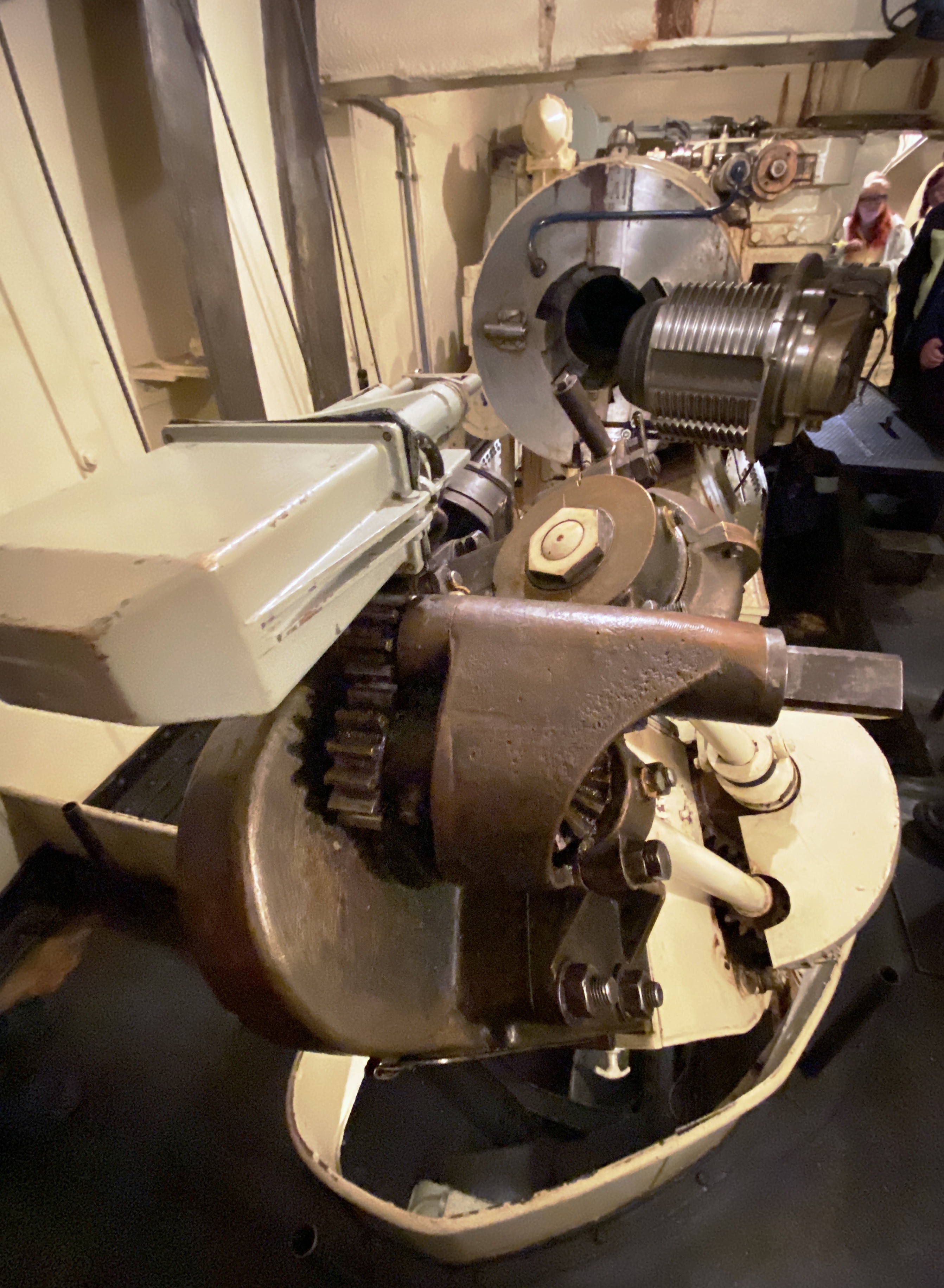
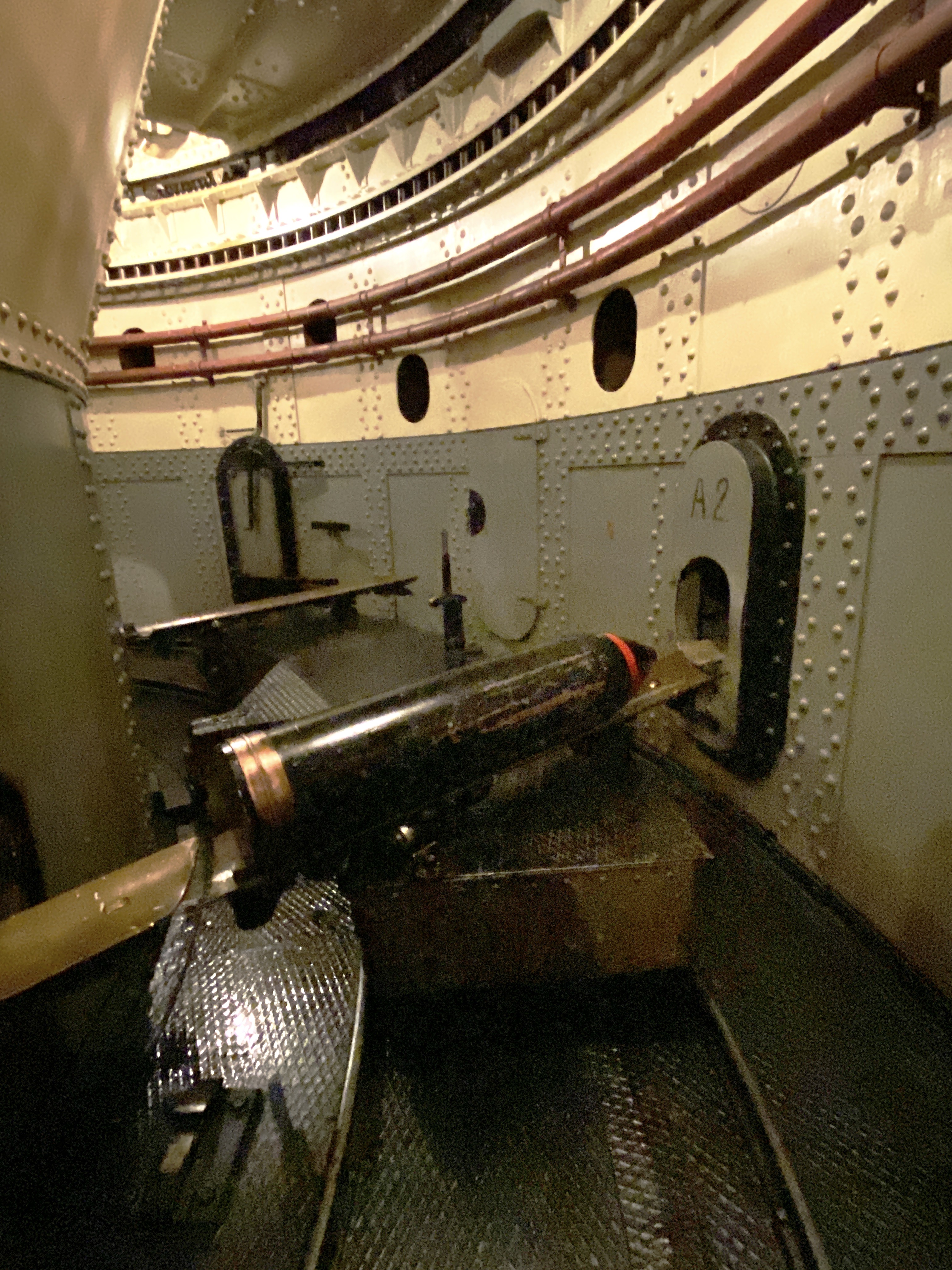
Although these days the 12-inchers (305mm) only shoot water (!), because using real shells would entail closing the Helsinki airspace and many busy shipping lanes. The loading mechanism is below left and the second level of the turret, where the ammunition gets in, is below right. But even water shoots require so much powder that the volunteers keeping the island in shape cannot afford it.
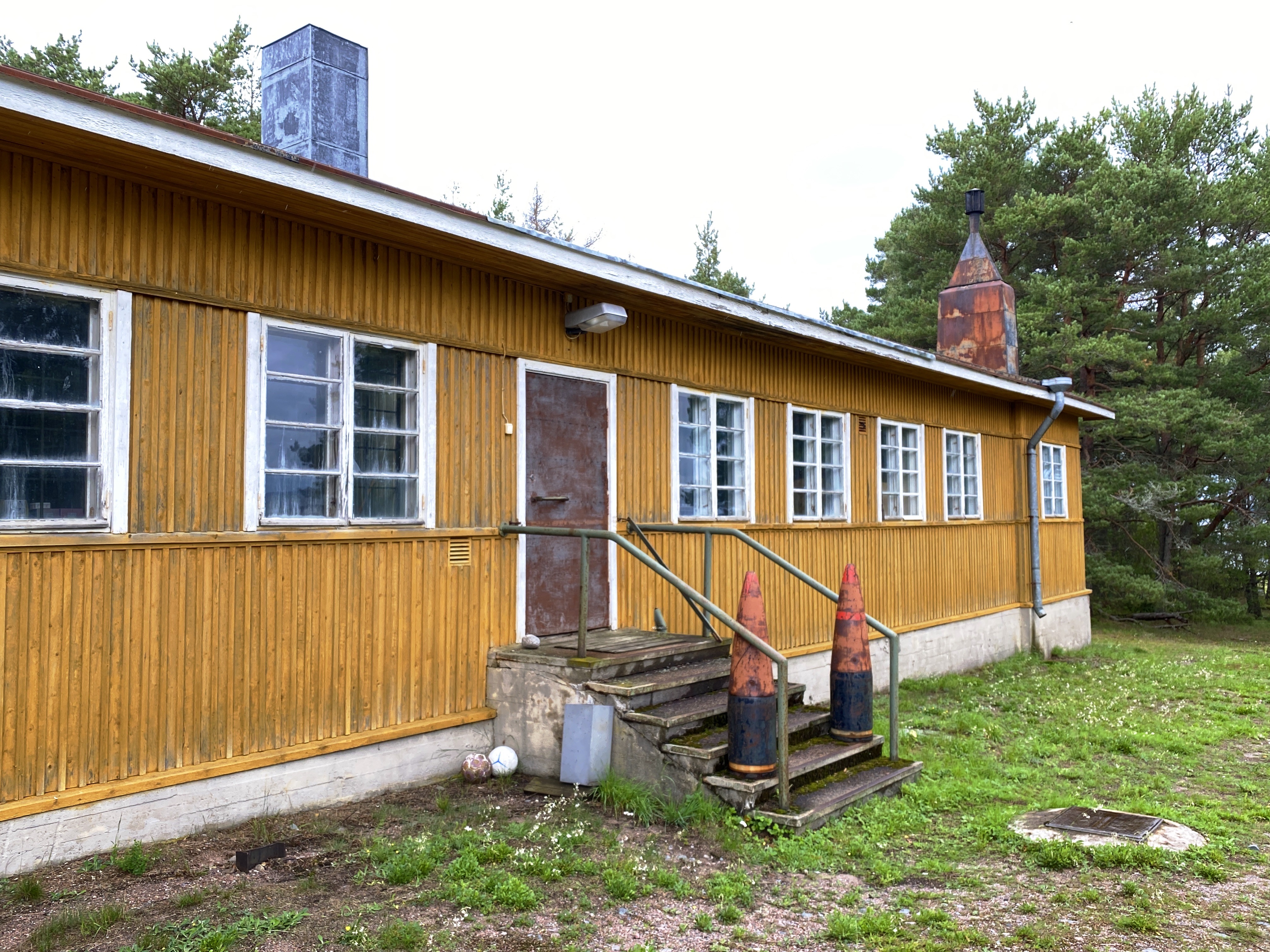
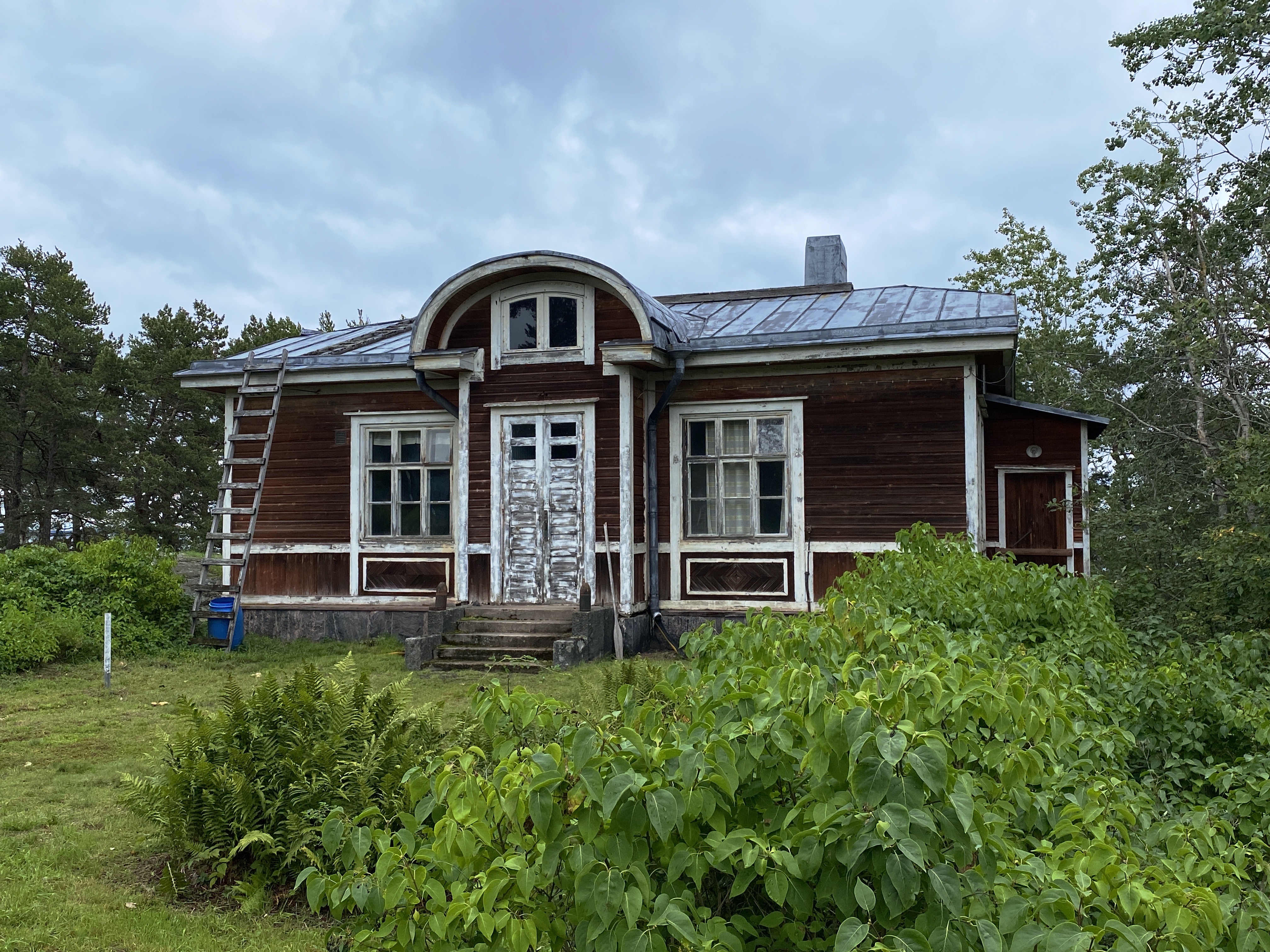
Originally the island was fortified after the Russo-Japanese war of 1904-1905 as part of a wider effort to close off the Gulf of Finland to protect St. Petersburg. Some of the original Russian garrison buildings are still there (soldiers’ barrack below left and officers’ quarters below right). The Russians never needed these fortresses, and they were then inherited by the newly independent Finland after 1917.
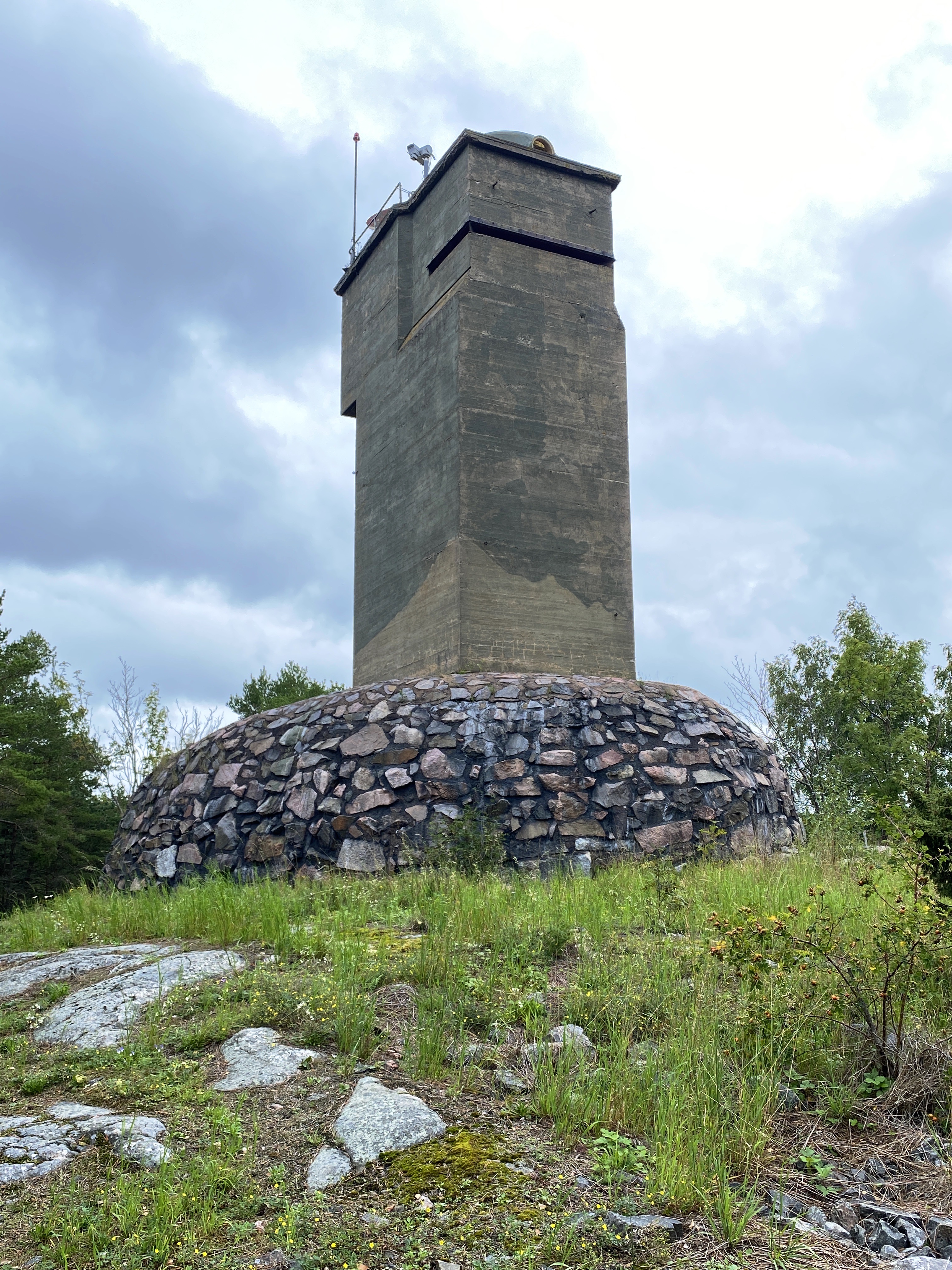
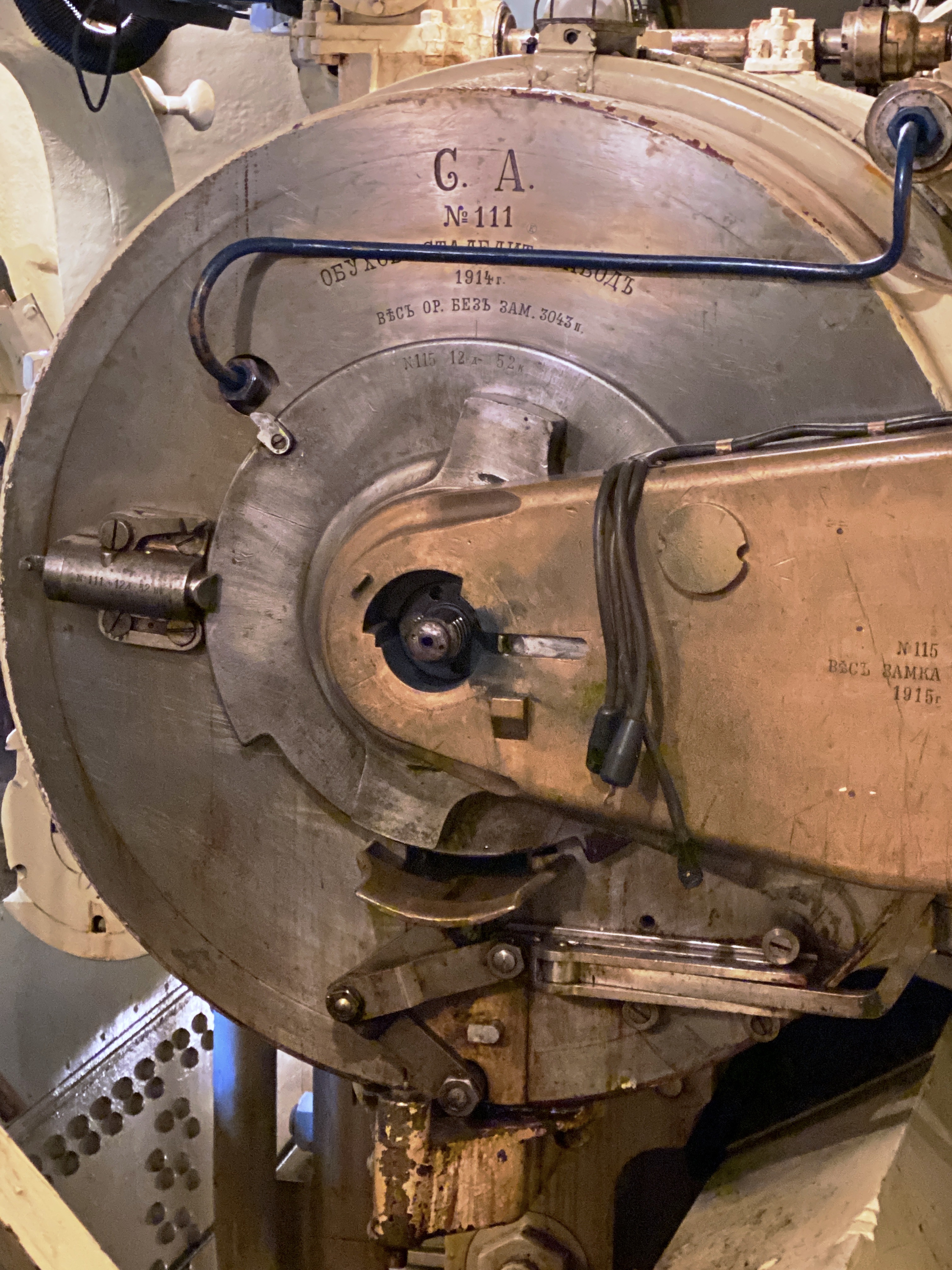
The observation tower (below left) was built in 1935 as part of the modernisation of the coastal artillery. Again at this time, the 12-inchers were intended to close the gulf, this time to keep the Russian navy from getting out. The guns were built from material left behind by the Russians after the revolution, and the barrels (manufactured in St. Petersburg in 1911 and 1914, below right) were brought here from another former Russian fortress. The guns acted as a deterrent throughout the Second World War, but were only used in anger once in 1941 to keep withdrawing Russians at a distance.
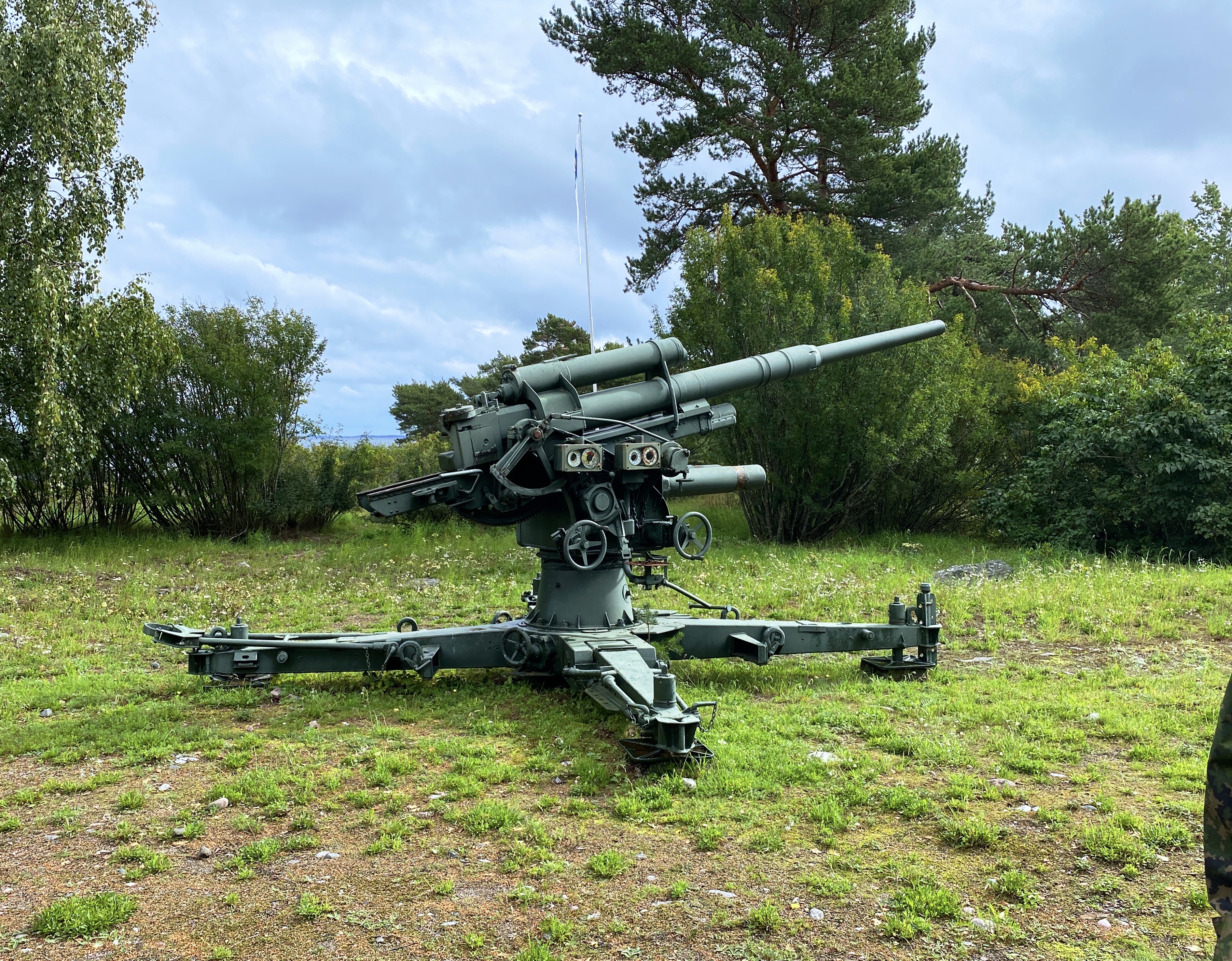
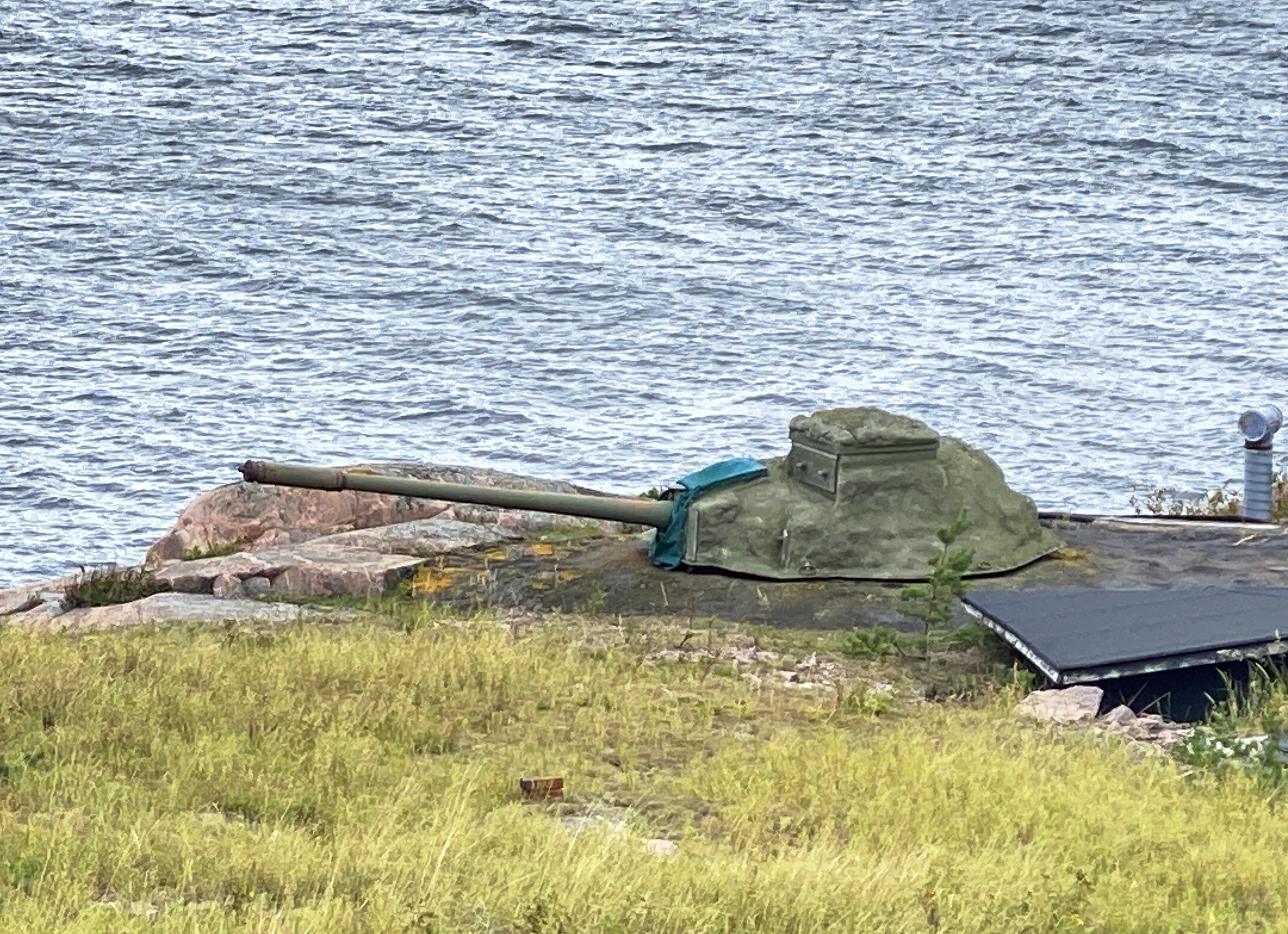
After the war the gun barrels were removed, but they were restored in 1960, and were used in gunning practice up to the 1970s. When the 12-inchers were used, the resulting noise was heard across Helsinki. Since the 1990s the island has been used as an artillery museum area, and many other pieces were transferred to the island. These include a German 88mm anti-aircraft gun (below left), a coastal artillery turret converted from the gun of a Russian T-54 tank (below right), and various other museum pieces.
Despite the electrics having basically given up in the 1970s, the 12-inchers have been used to fire salutes in independence days in the 2000s, but only using water charges. The island is still owned by the Defence Forces, but it is maintained by volunteers and there are some organised tours to the island.
 Rails, wines, worlds