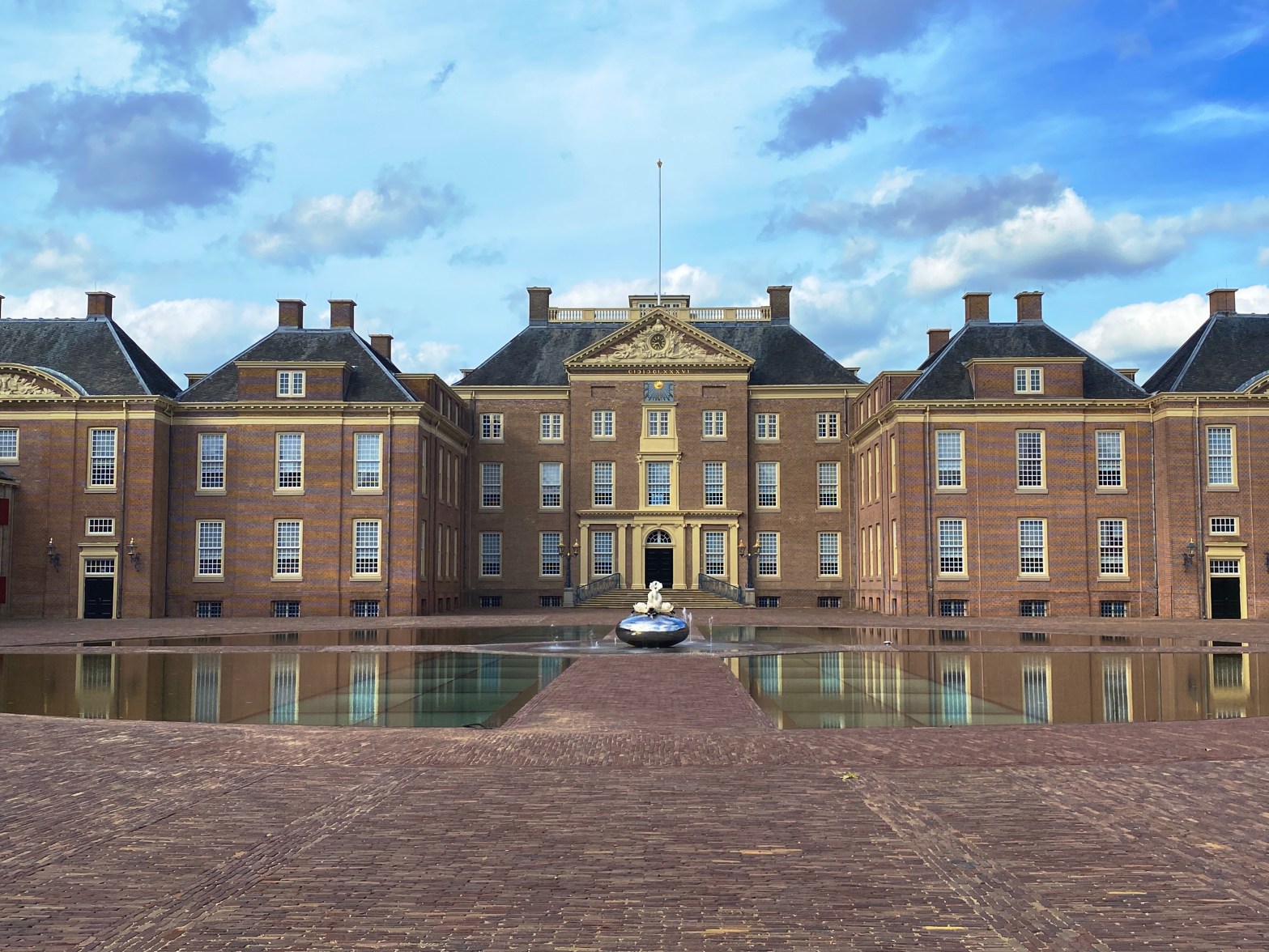
This is the summer cottage of the house of Orange-Nassau. Orignally built by William III, the same that extended his rule to the islands a bit northwards, it was used as a summer residence by most of the Dutch monarchs until 1962.
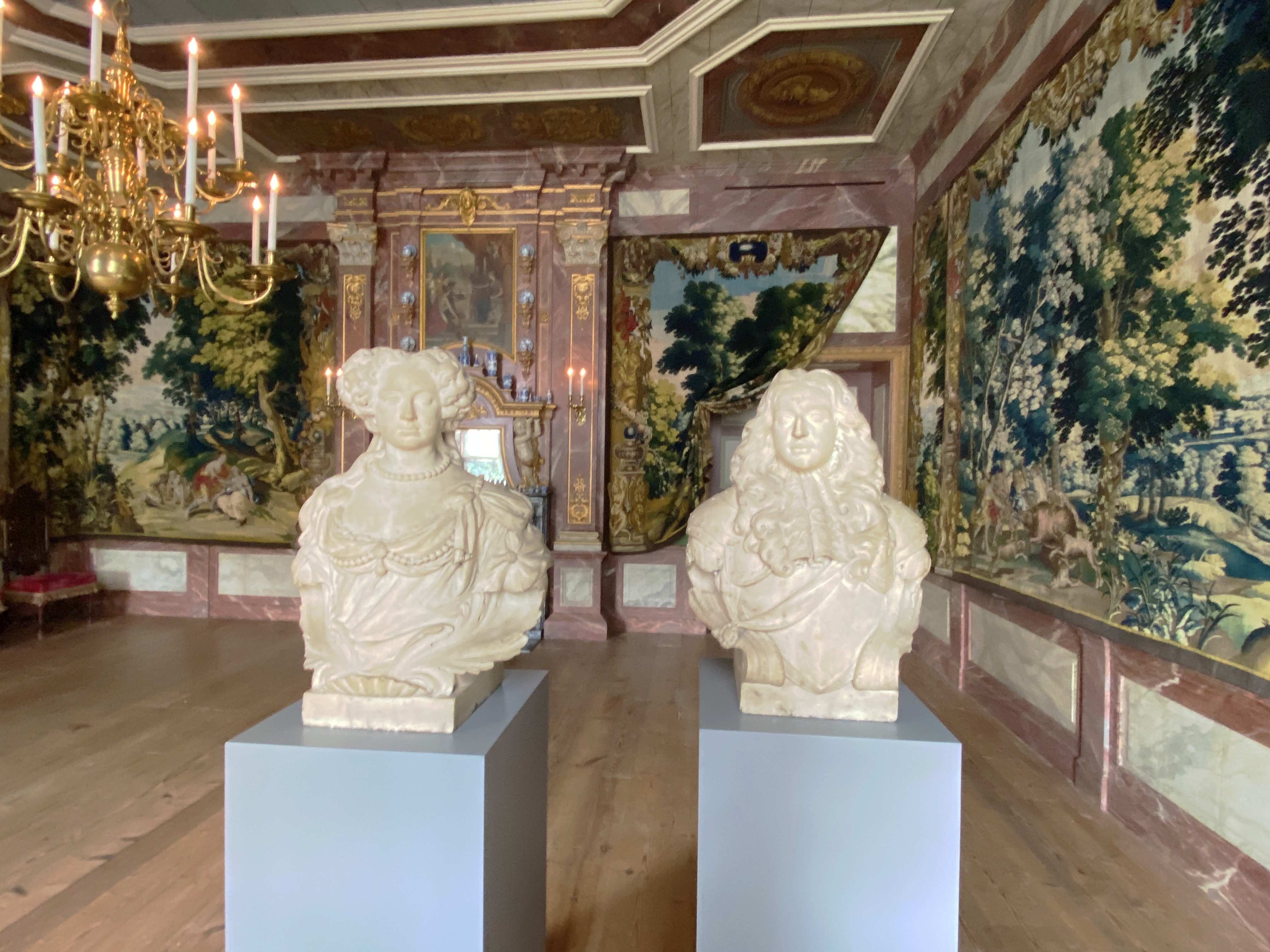

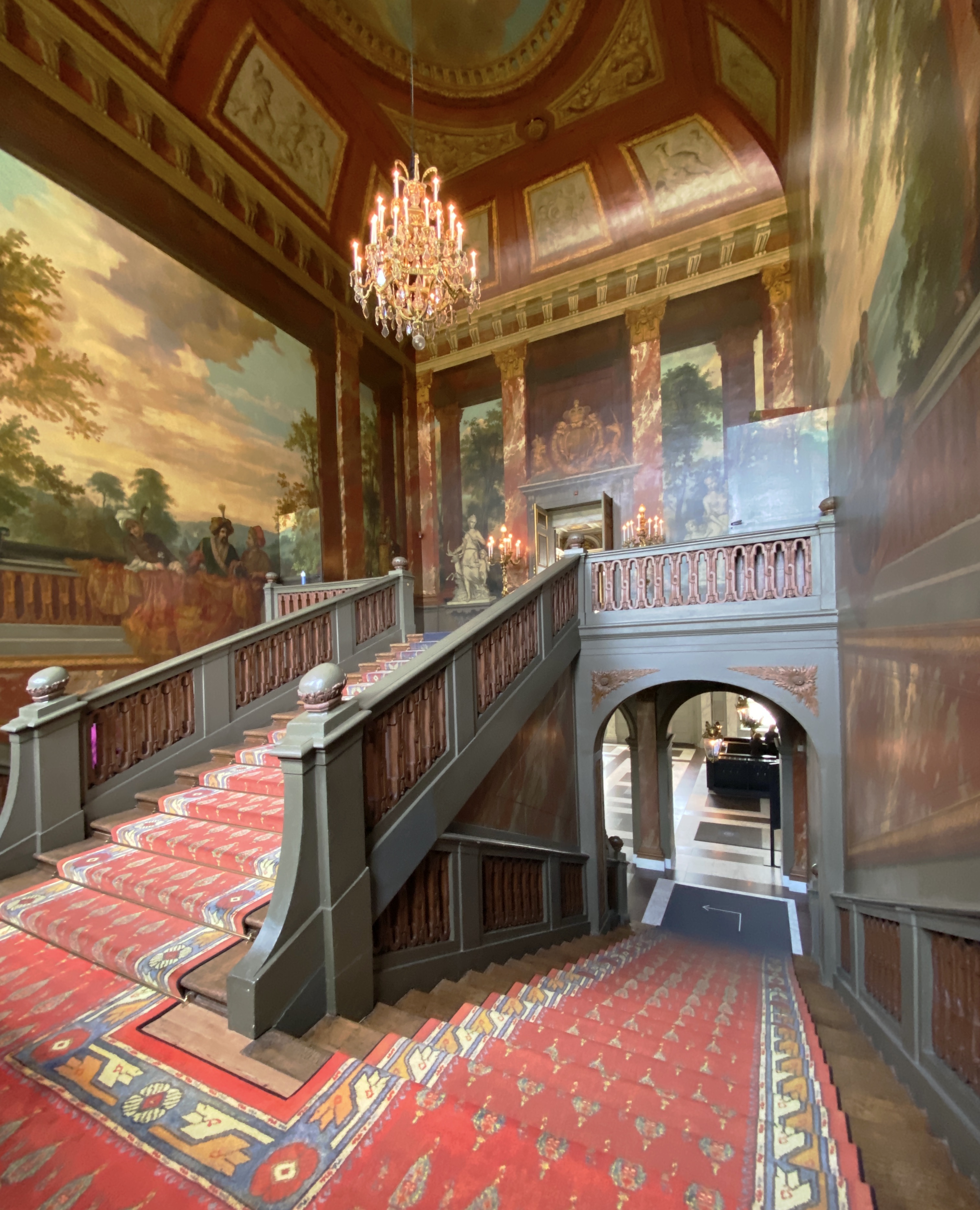
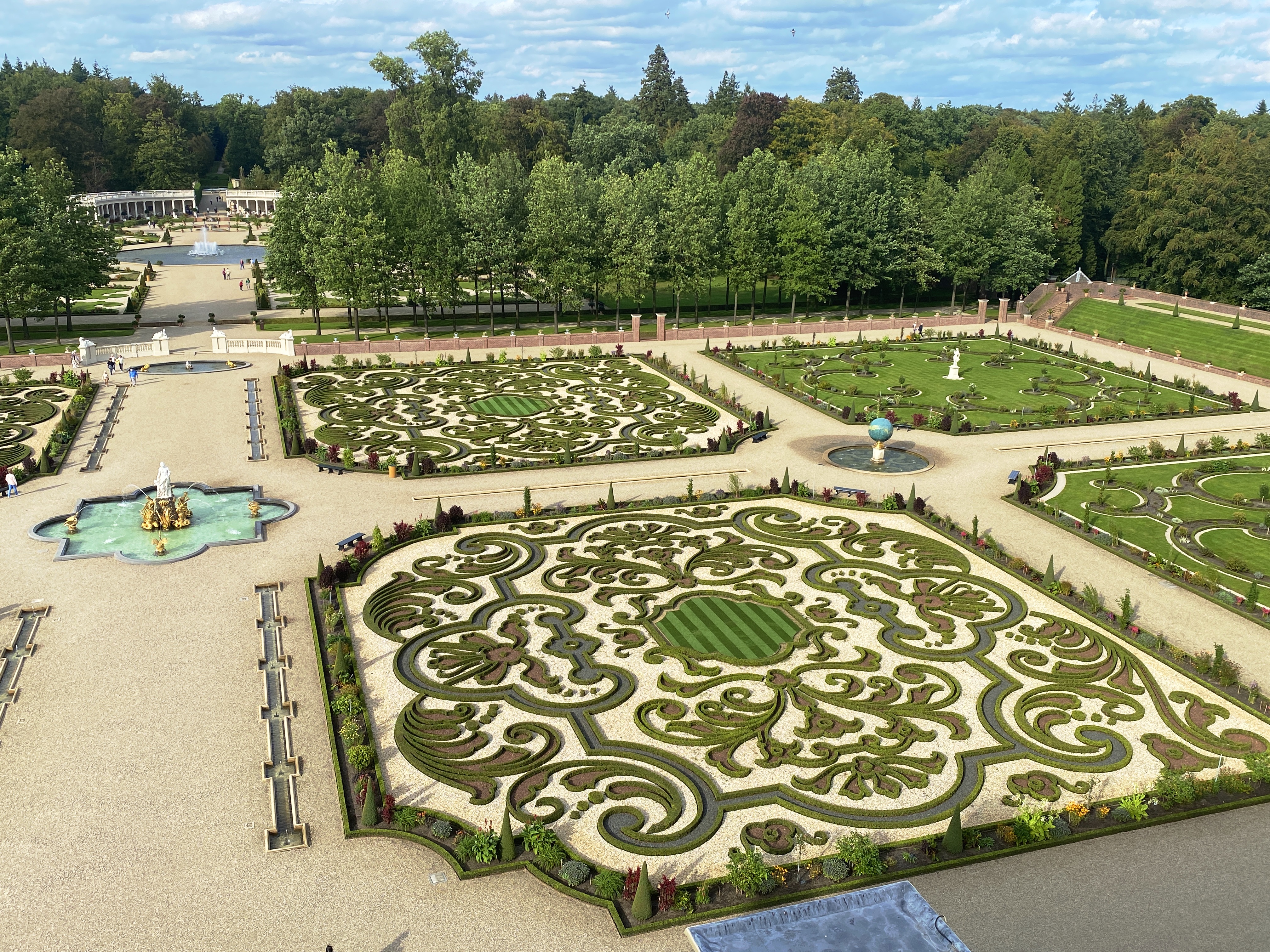
Parts of the palace go back to the time of William and Mary (busts above left), but unfortunately many room interiors reflect the dark and stuffy tastes of the second half of the 19th century (including dead animals on the floor, above right). But the monarchs could always climb the main staircase (below left) to the roof and admire views of the formal gardens and the surrounding woodland (below right).
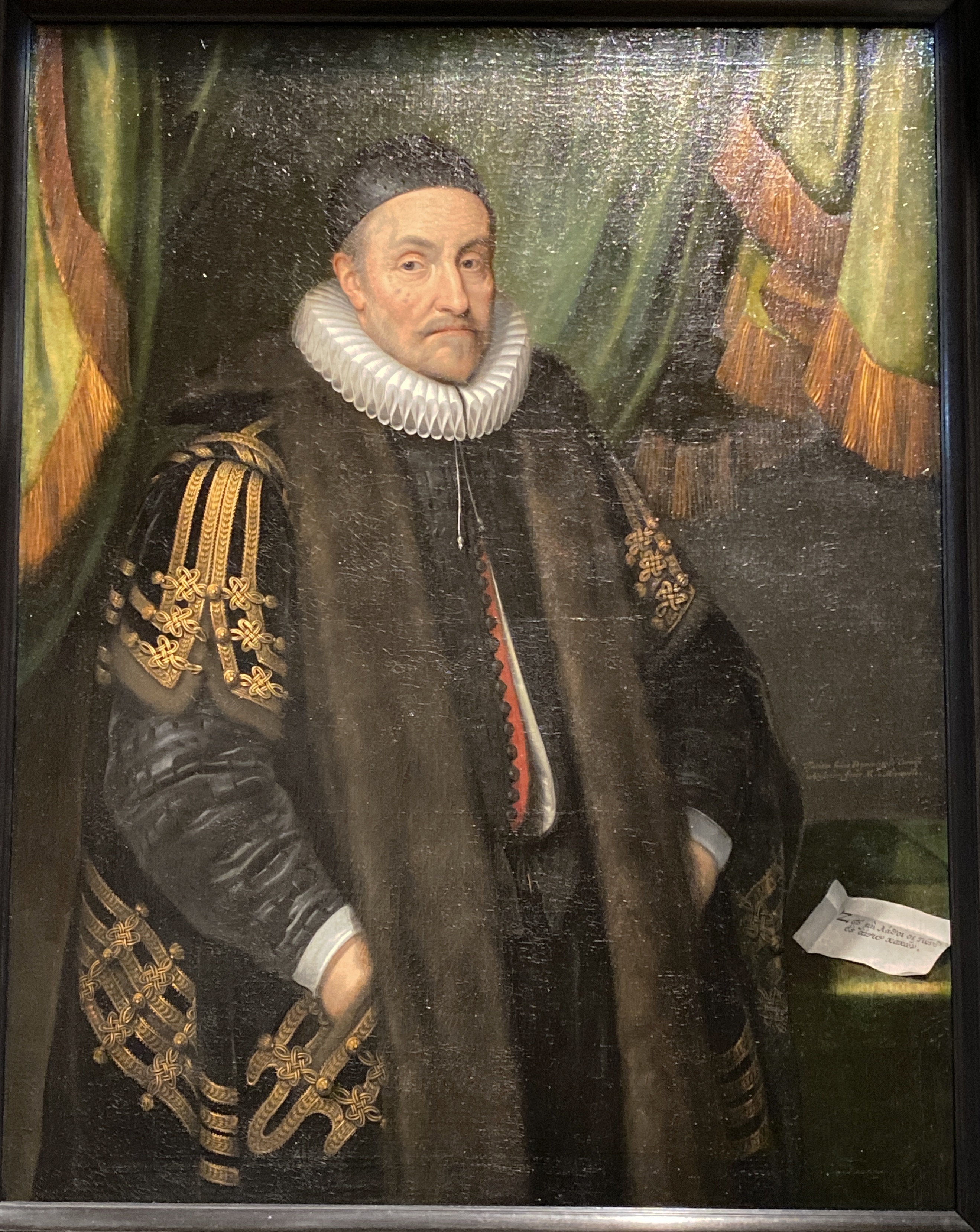
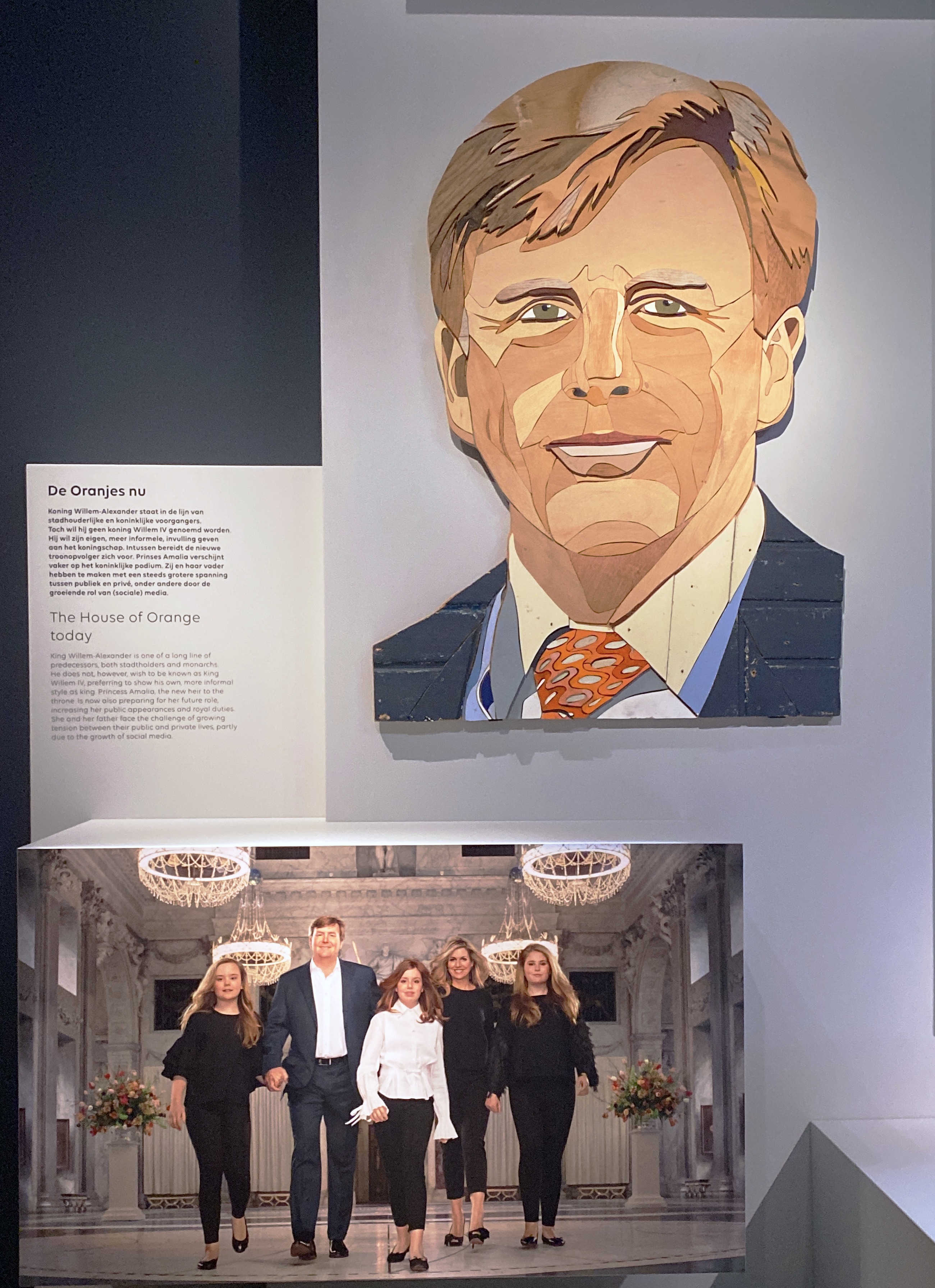
Visitors are provided with a thorough overview of the history of the Dutch rulers. Although the visitor only gets the history from the hero of the resistance against the Spaniards, William the Silent (William of Orange, also ’Pater Patriae’, below left), onwards, the history of the house of Nassau extends back to the year 1100. And then they married Claudia of Châlon-Orange in 1515 and gave birth to the double-barreled name. Of course, the current crop also gets a mention (below right).
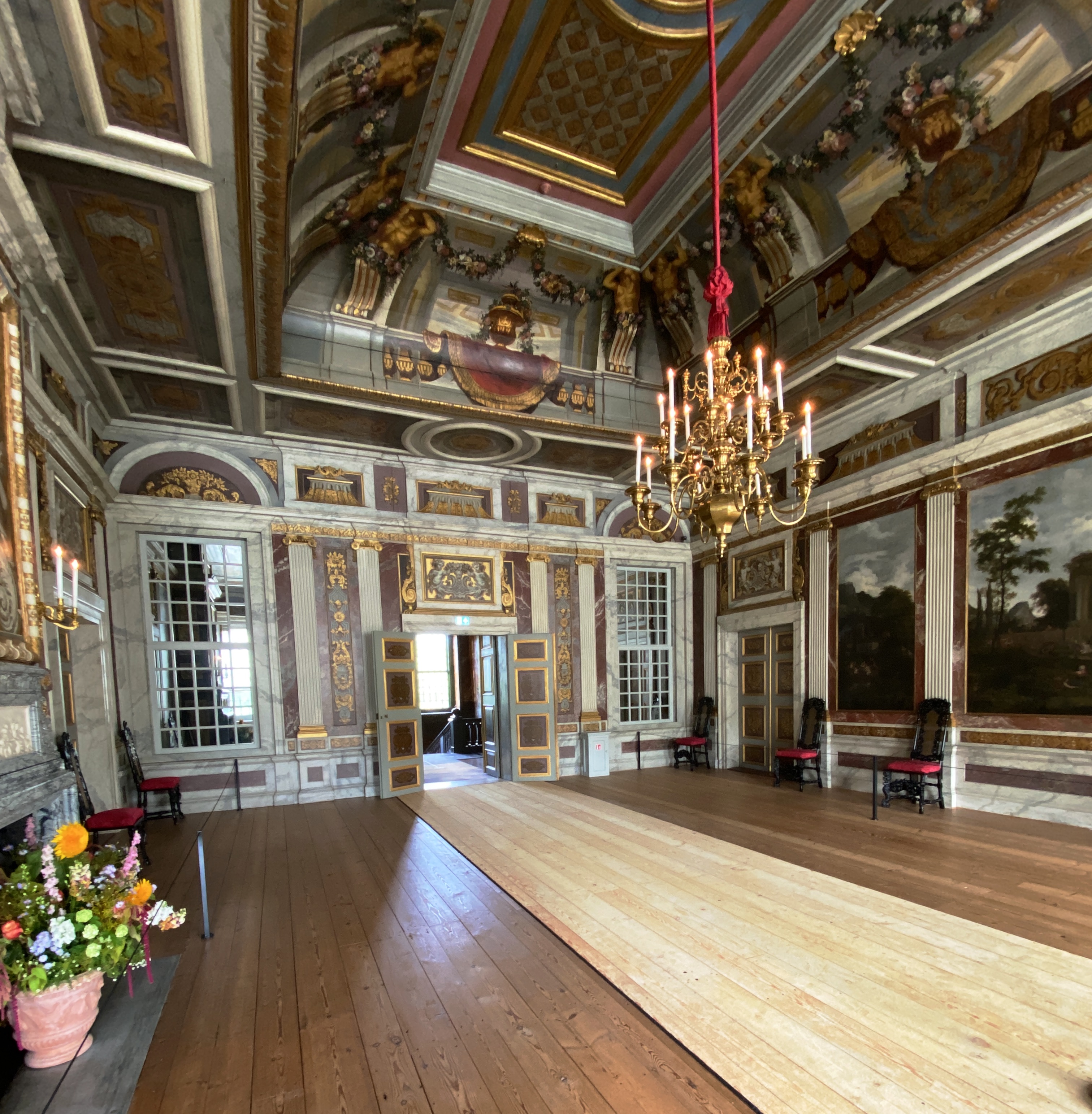
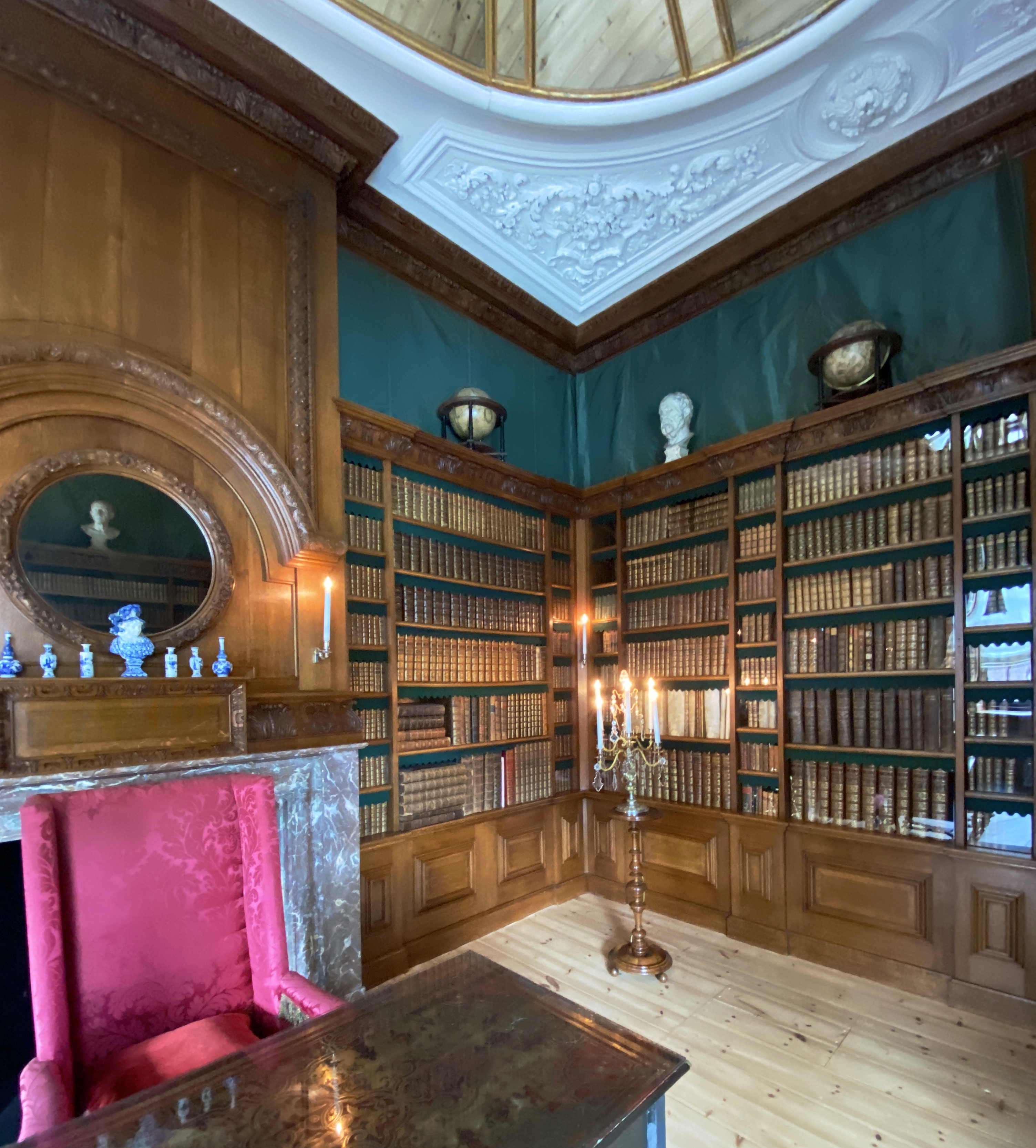
As is customary in summer cottages, some areas for entertaining the occasional visitor are needed (below left), and a few books for rainy days (below right).
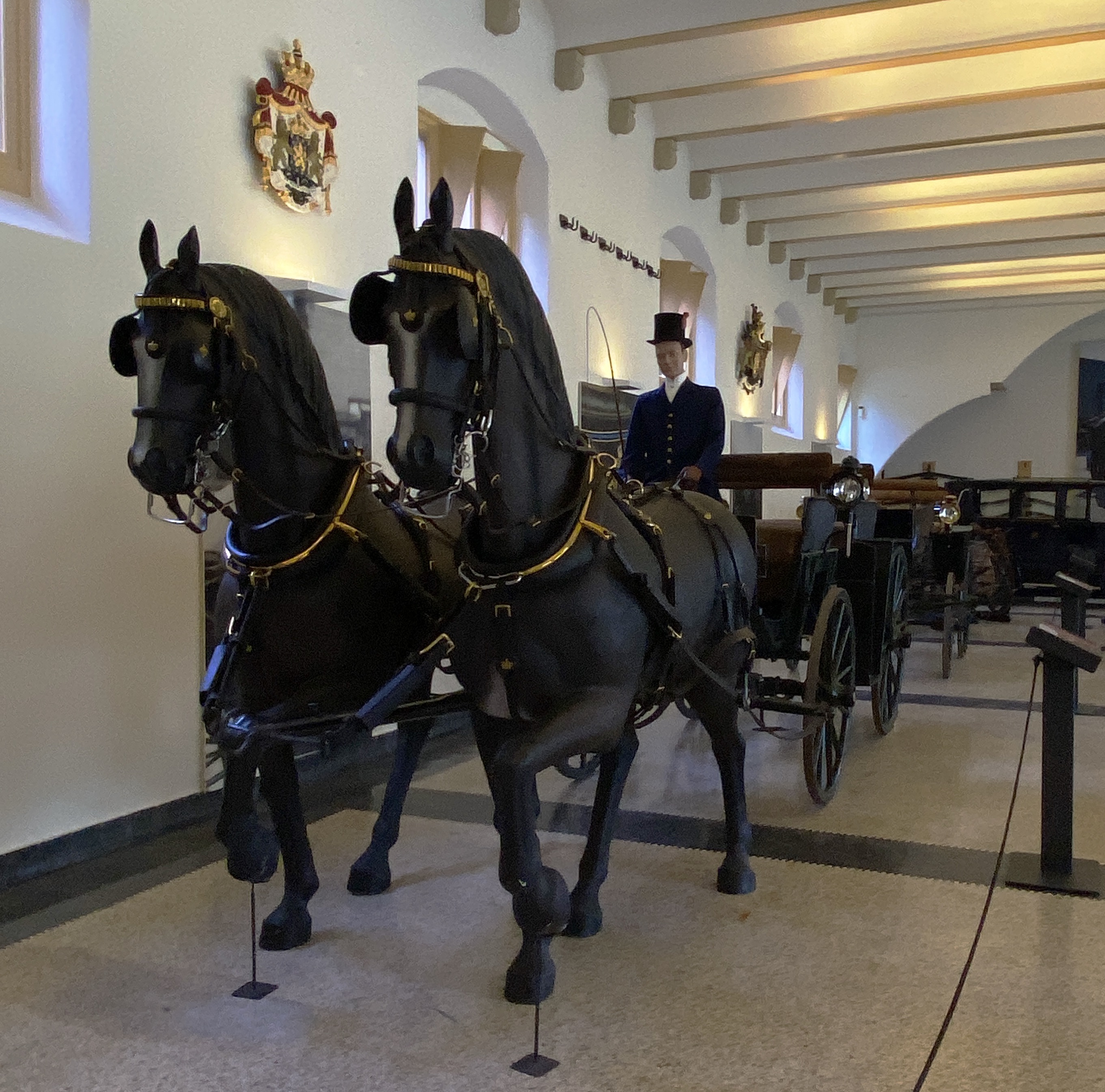
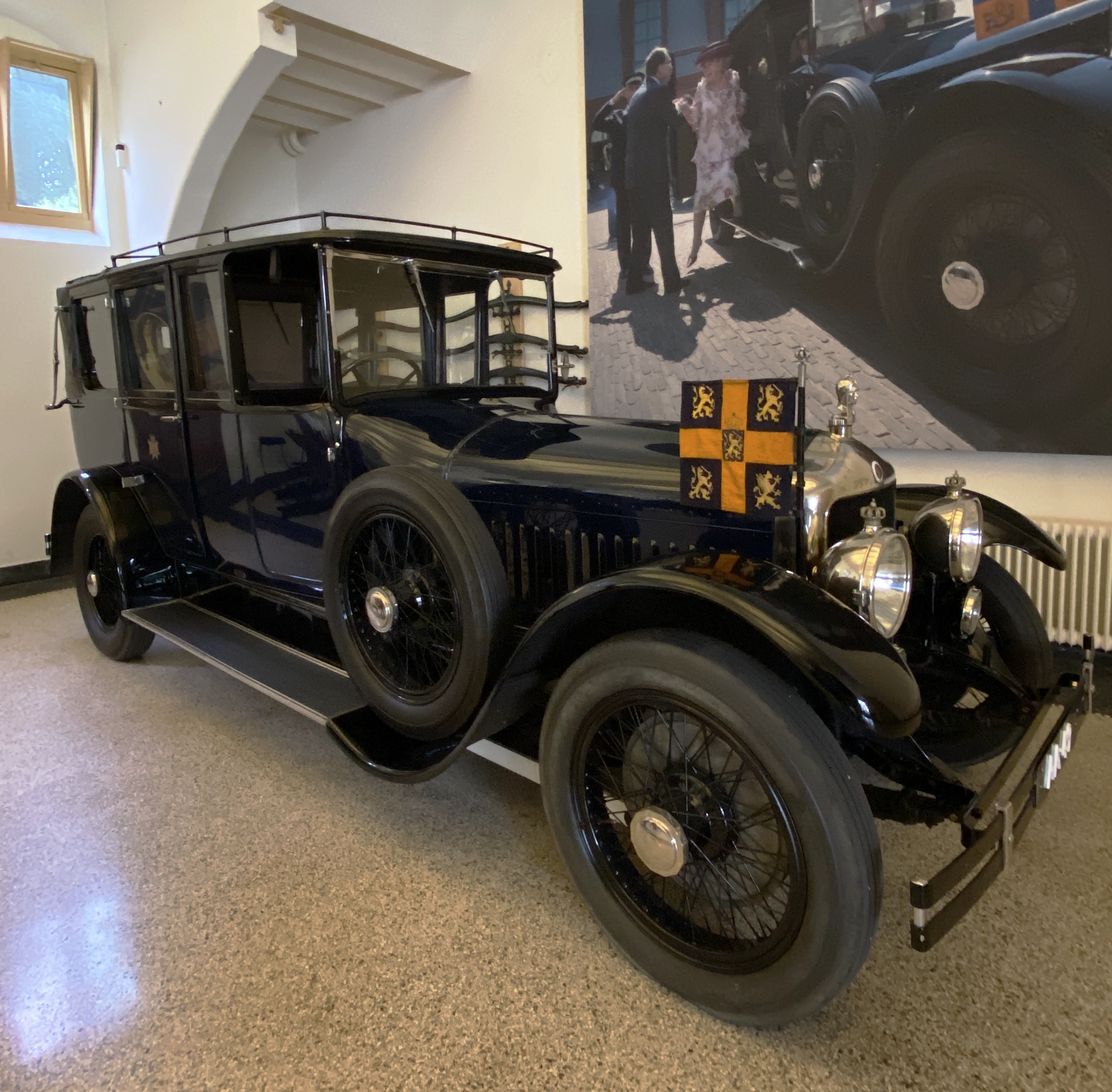
Besides a variety of royally approved interiors, the palace stables present a comprehensive selection of royal transportation vehicles (below).
 Rails, wines, worlds