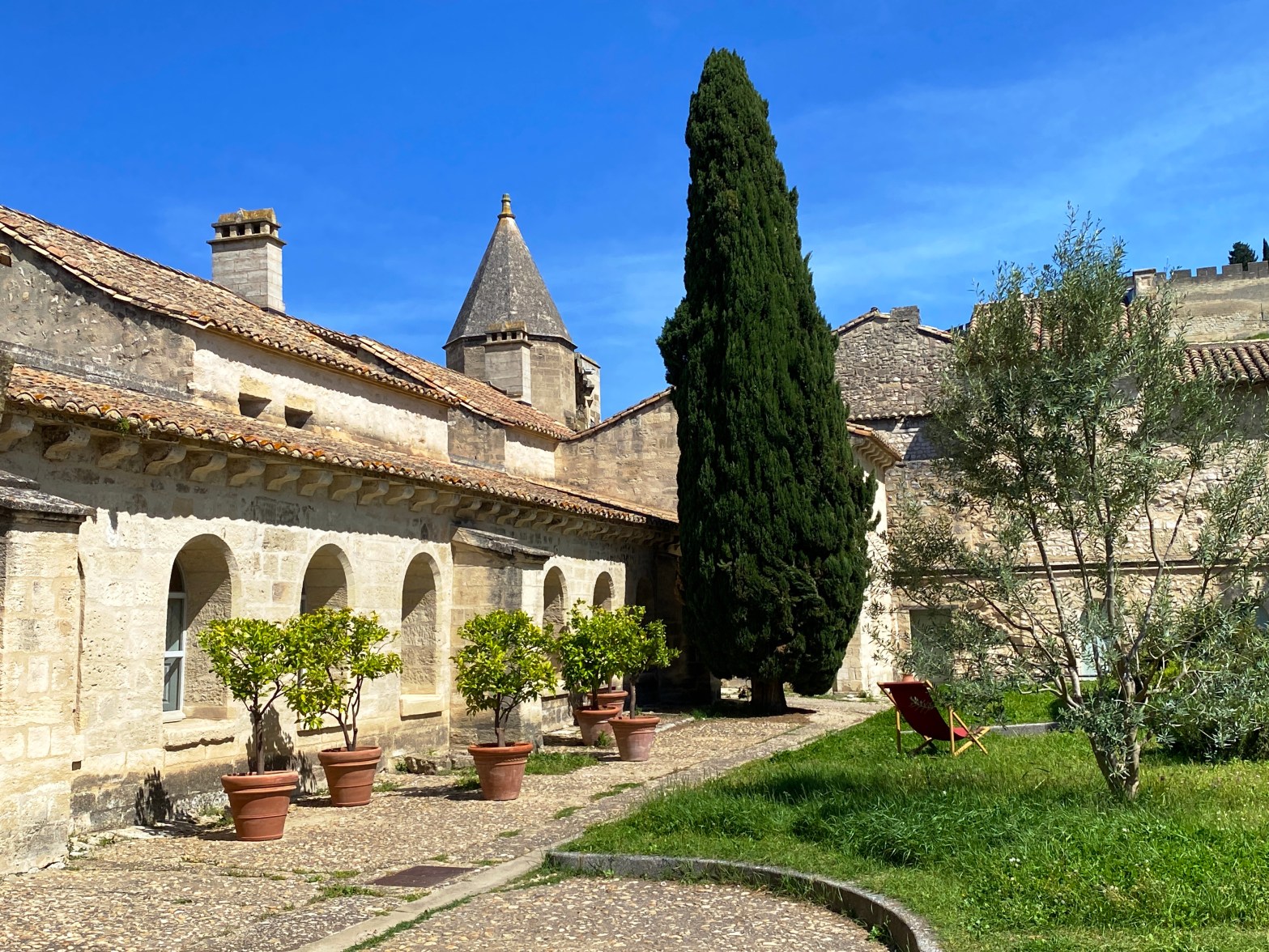
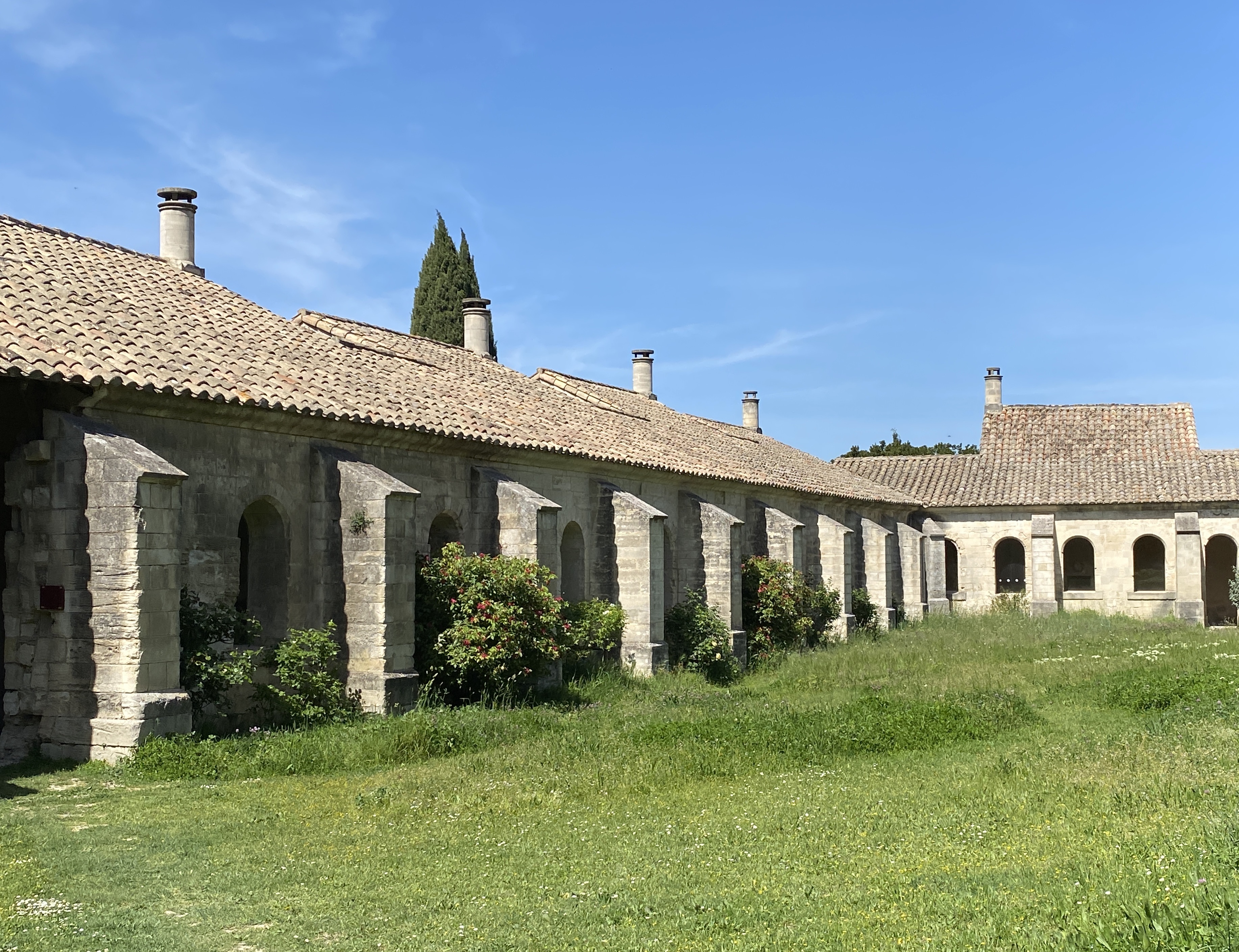
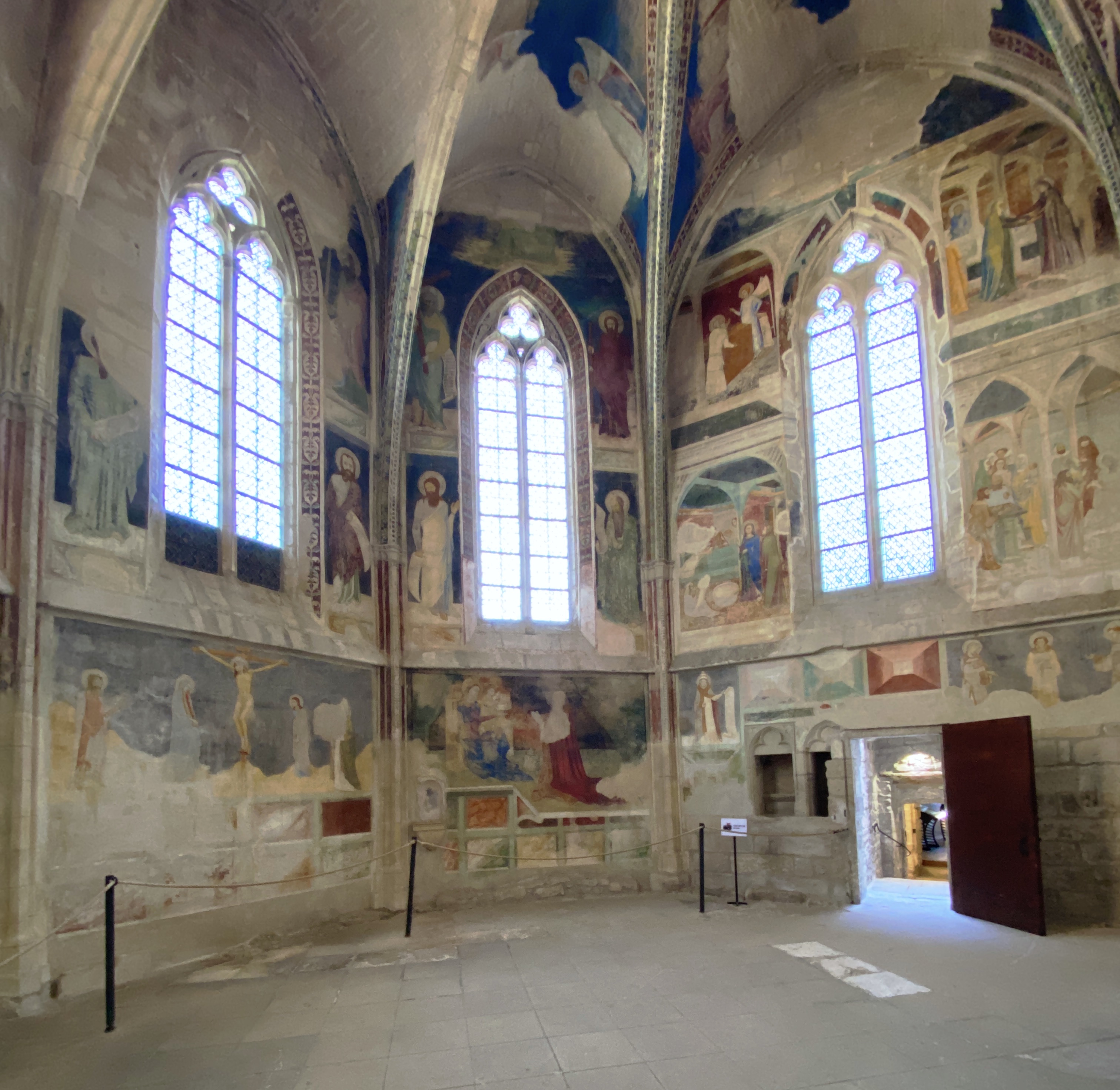
In the Middle Ages, Europe was full of monasteries, one mightier than the other. Since then, reformation, revolutions and modernity have put an end to most of these, leaving at times behind impressive ruins. The charterhouse in Villeneuve-lez-Avignon was once the largest in France, with three cloisters (the main one is below left), a papal tomb and a chapel with sumptuous frescoes (below right).
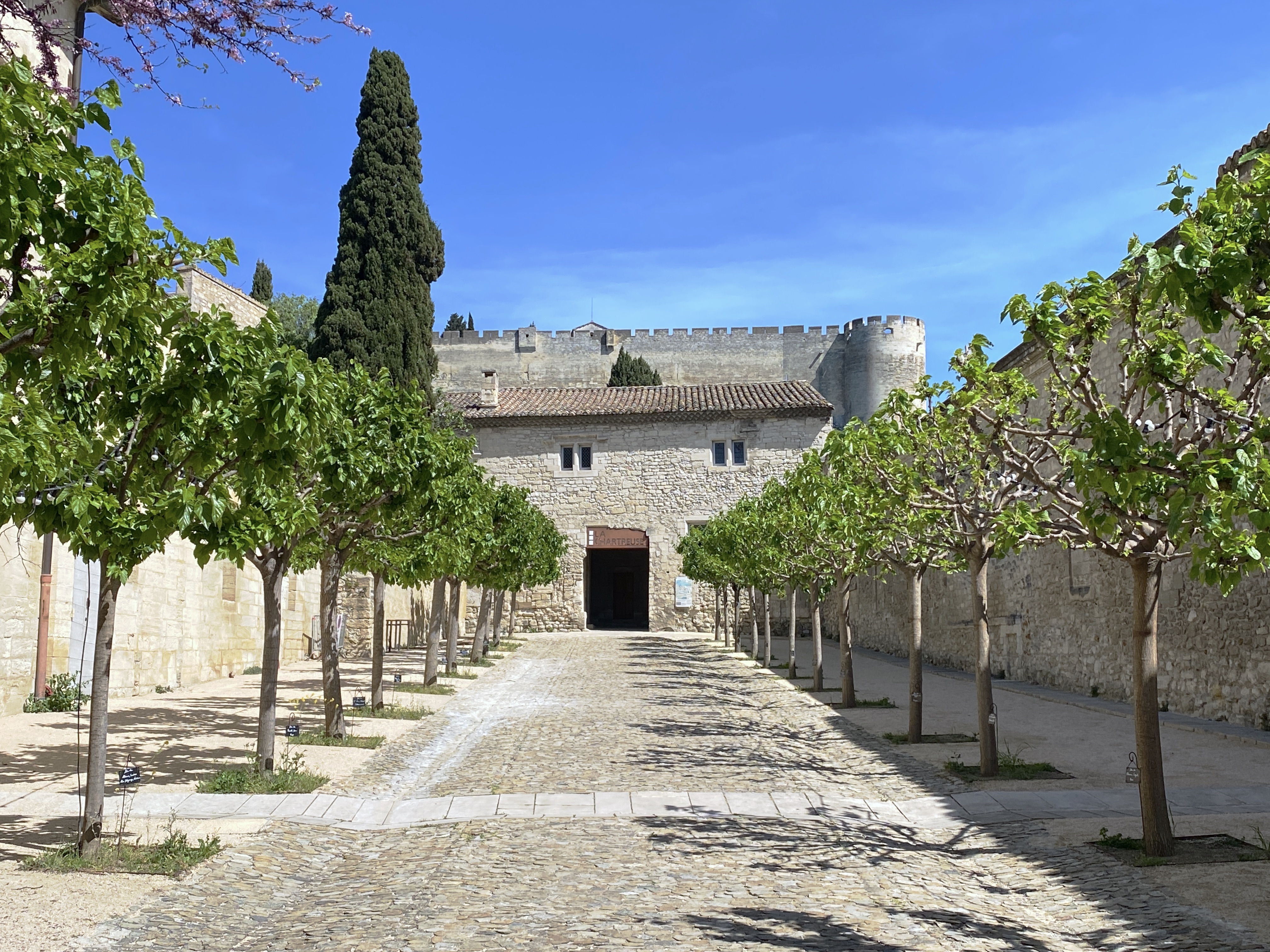
However, the revolution put an end to all of this and the whole charterhouse was sold off in lots to citizens. As the respect for historical monuments increased, the building complex of Chartreuse du Val-de-Bénédiction, as it was known, has gradually been renovated over the last 120 years (the current entrance is below, with the Fort of Saint André in the background).
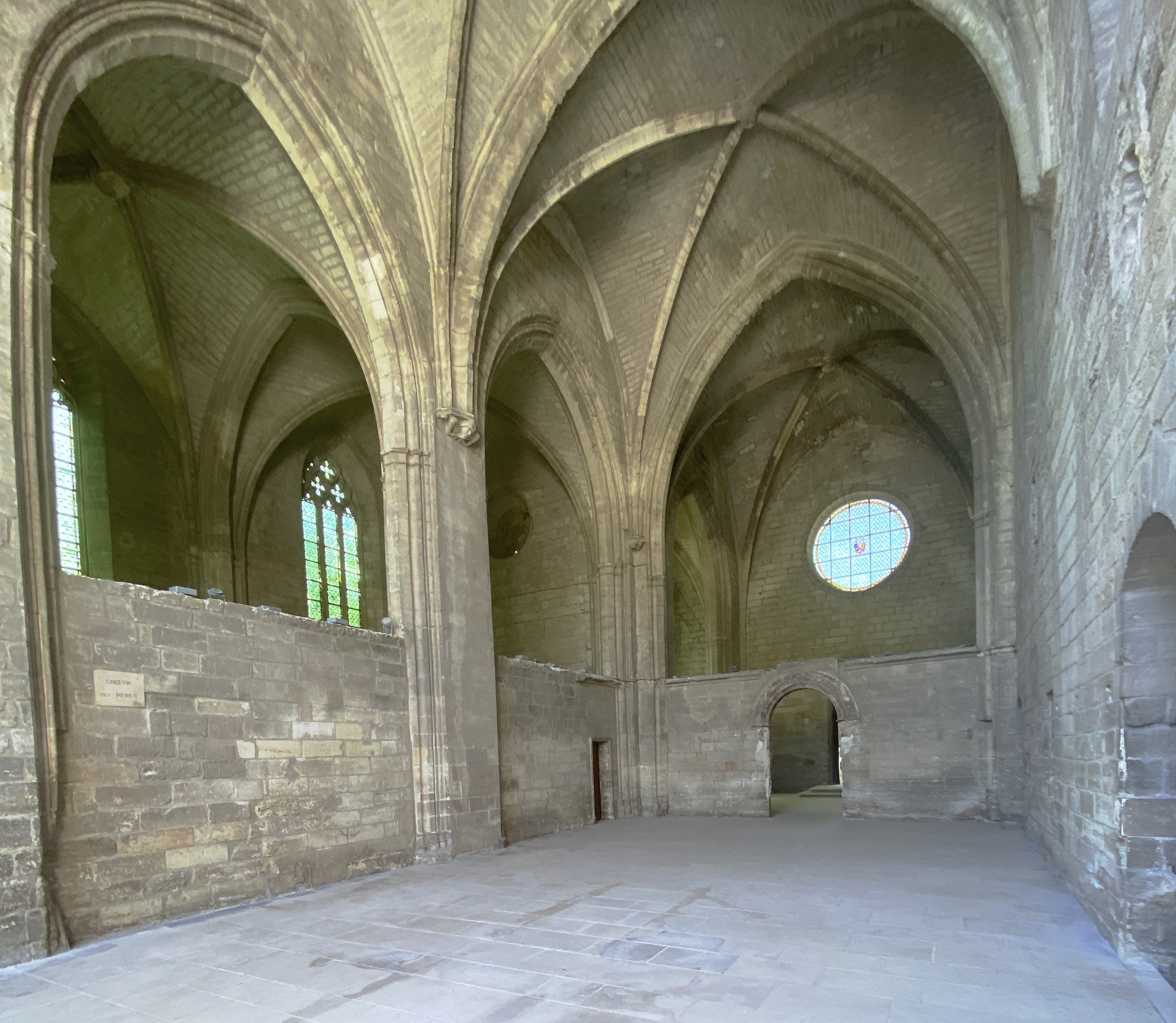
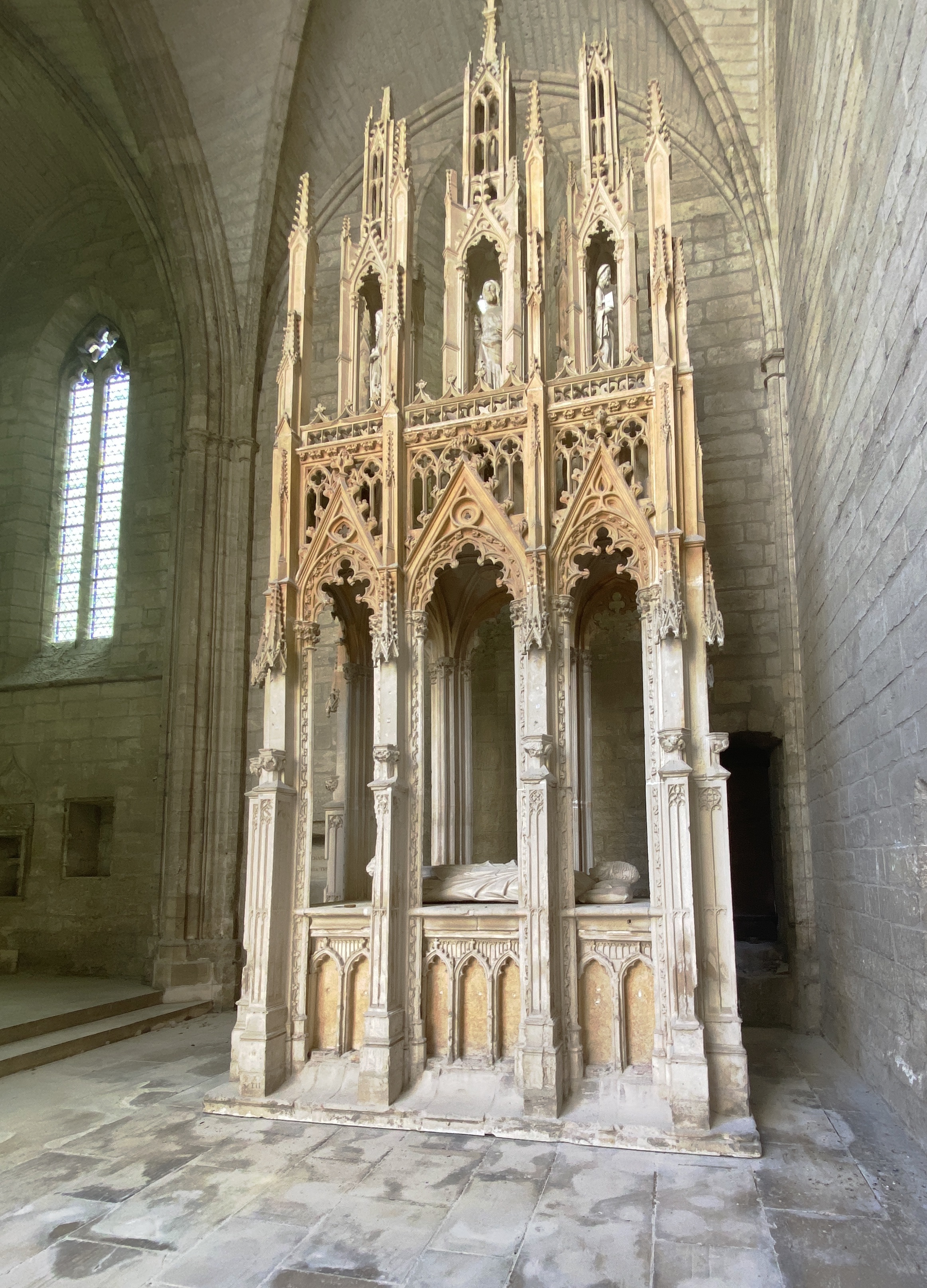
The Carthusian order was founded in 1084 and the charterhouse in Villeneuve was founded by pope Innocent VI (pope number 199) in 1352 – and it was he who got buried in the church (below left the church in its current form – sans one wall). However, he did not stay but travelled around after the revolution and his bones were only returned to the tomb in 1960 (below right is the the tomb that had been restored and returned the year before).
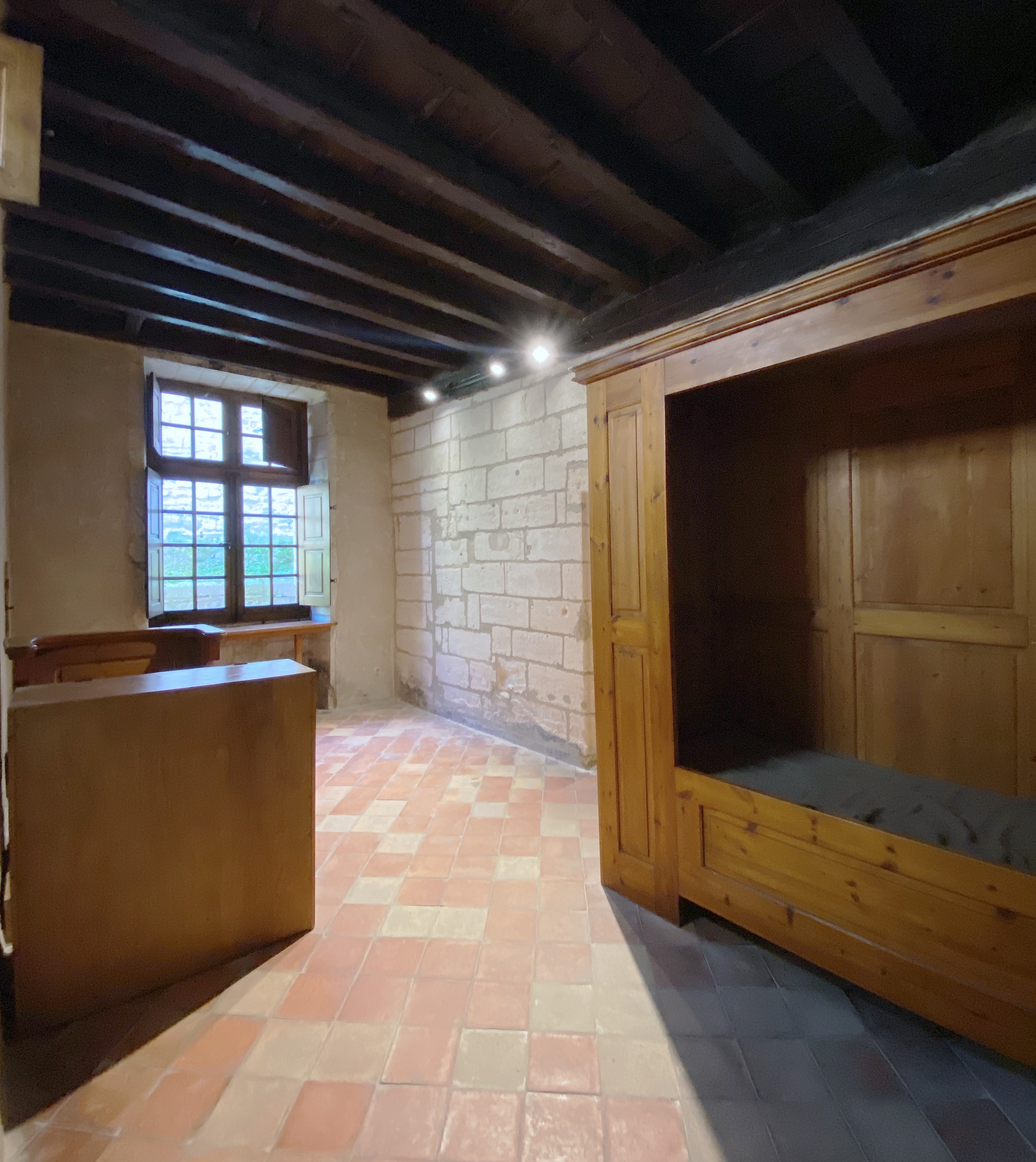
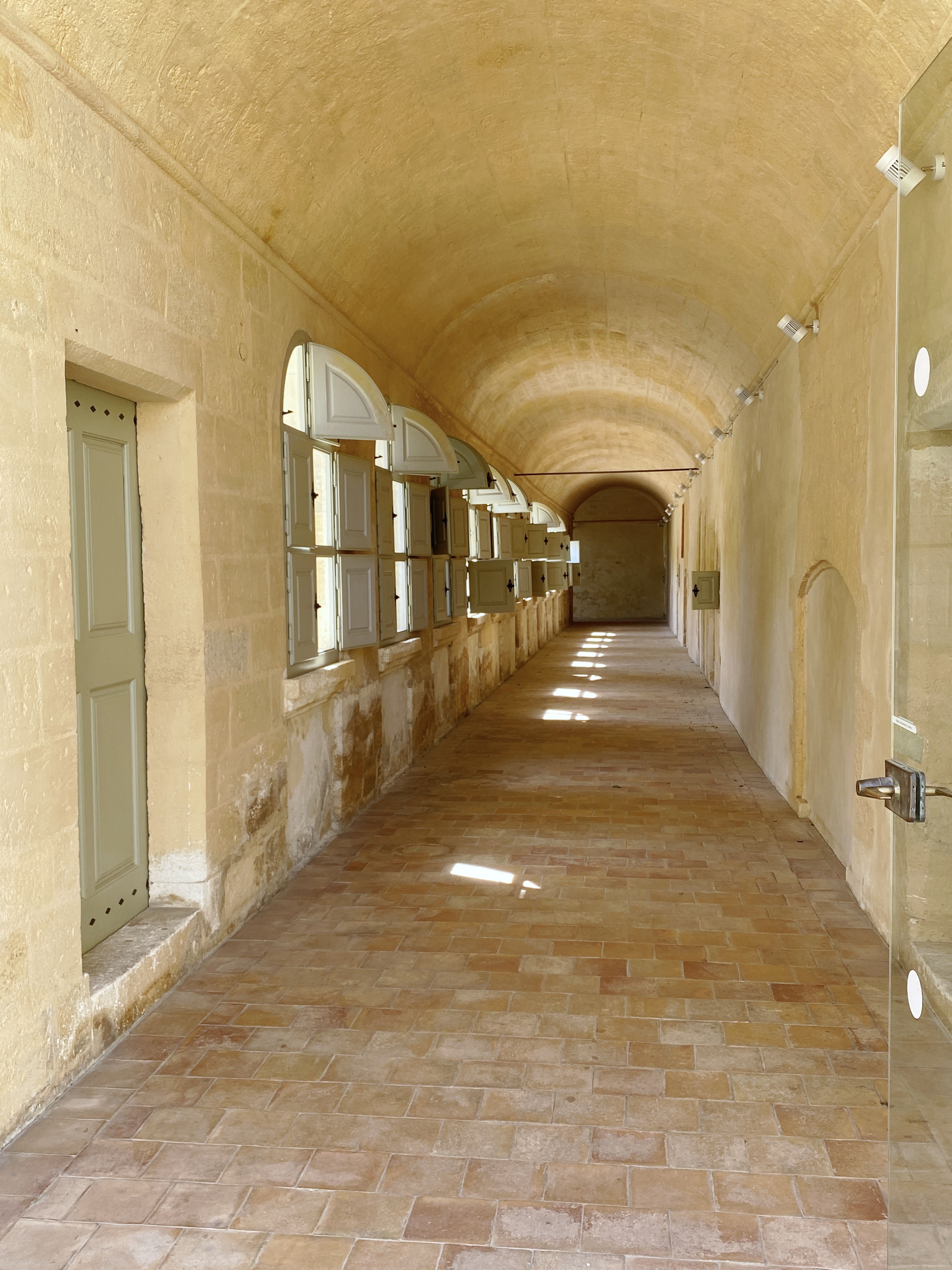
The former monk habitations are more than cells, as they were supposed to do manual work on top of reading, writing and praying, so they deeded a workspace (reconstructed sleeping quarters below left). Several of these habitations have been transformed into artist workshops (a corridor giving access to these is below right). The renovation of the complex is ongoing, as its size has meant that a considerable part of the town was built inside it.
 Rails, wines, worlds