
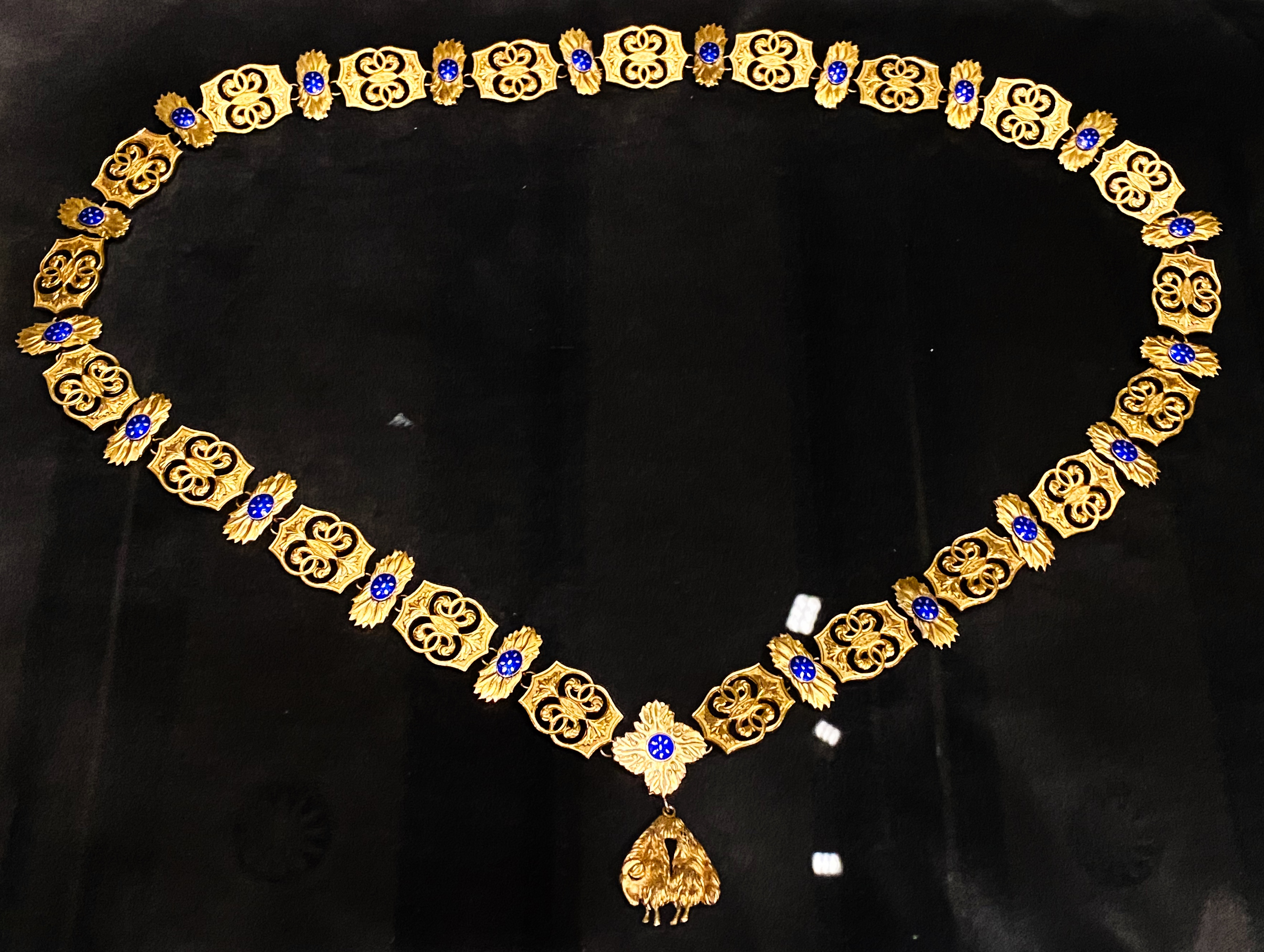
All self-respecting medieval princes needed a prestigious chivalric order that they could bestow to their friends and allies – the best known of these is the Order of the Garter, bestowed by the English monarchs. The Dukes of Burgundy, for their part, had the Order of the Golden Fleece (below left, the chain of the order).
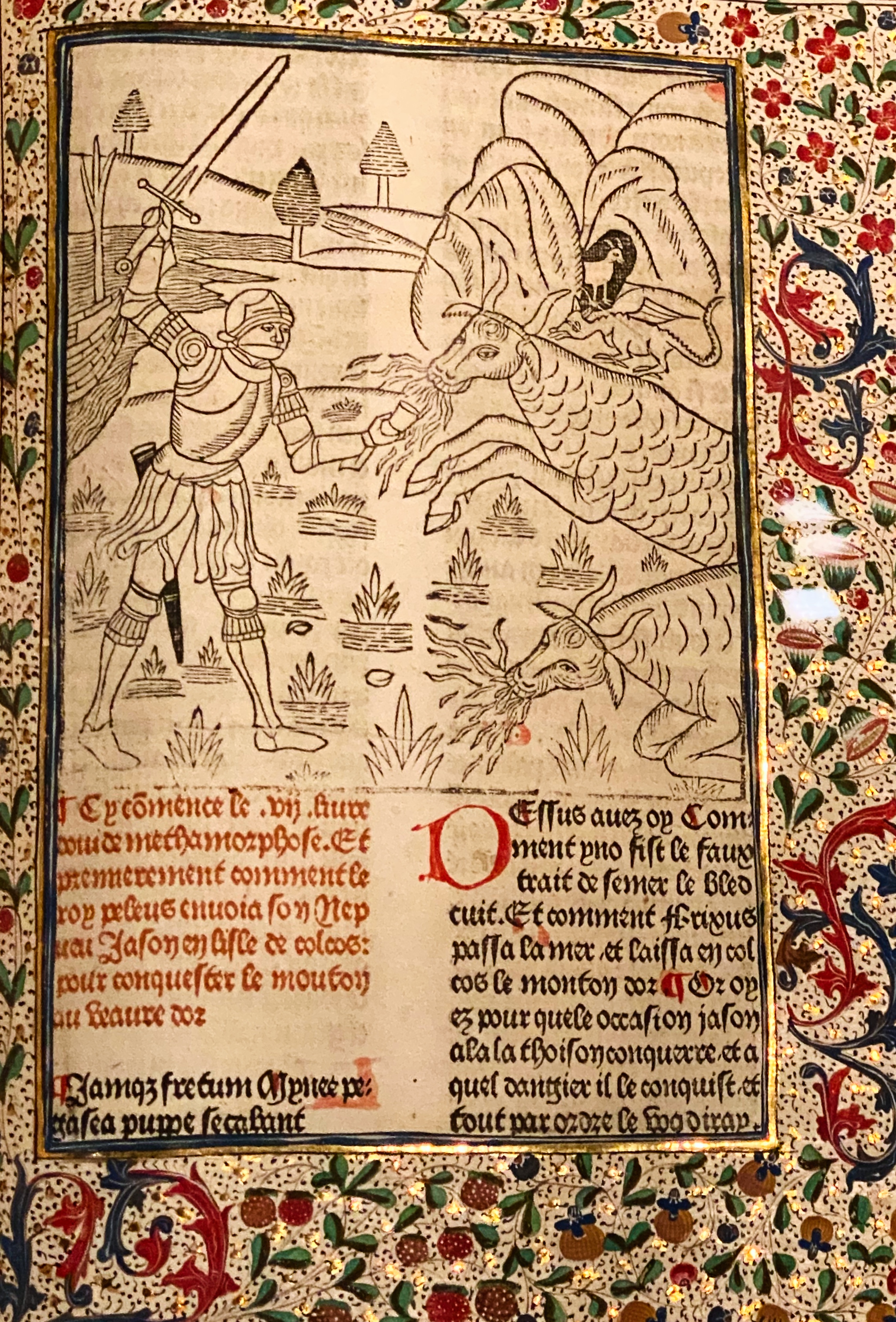
In Greek mythodology, the Golden Fleece came from a golden-woollen winged ram and was the symbol of authority and kingship. According to legend, it was chased and stolen by Jason and a band of 50 Argonauts (above right, a medieval manuscript illuminating these events).
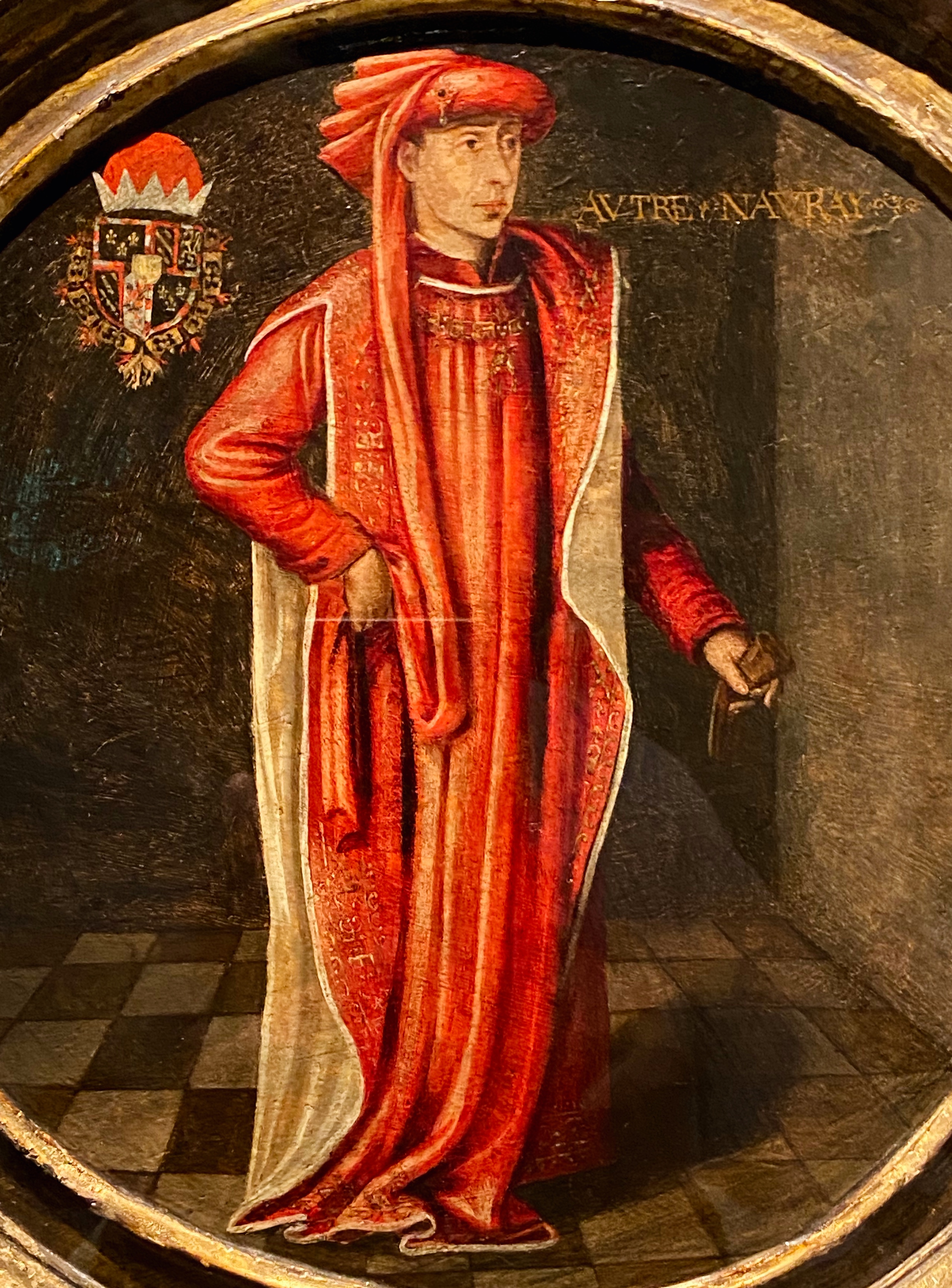
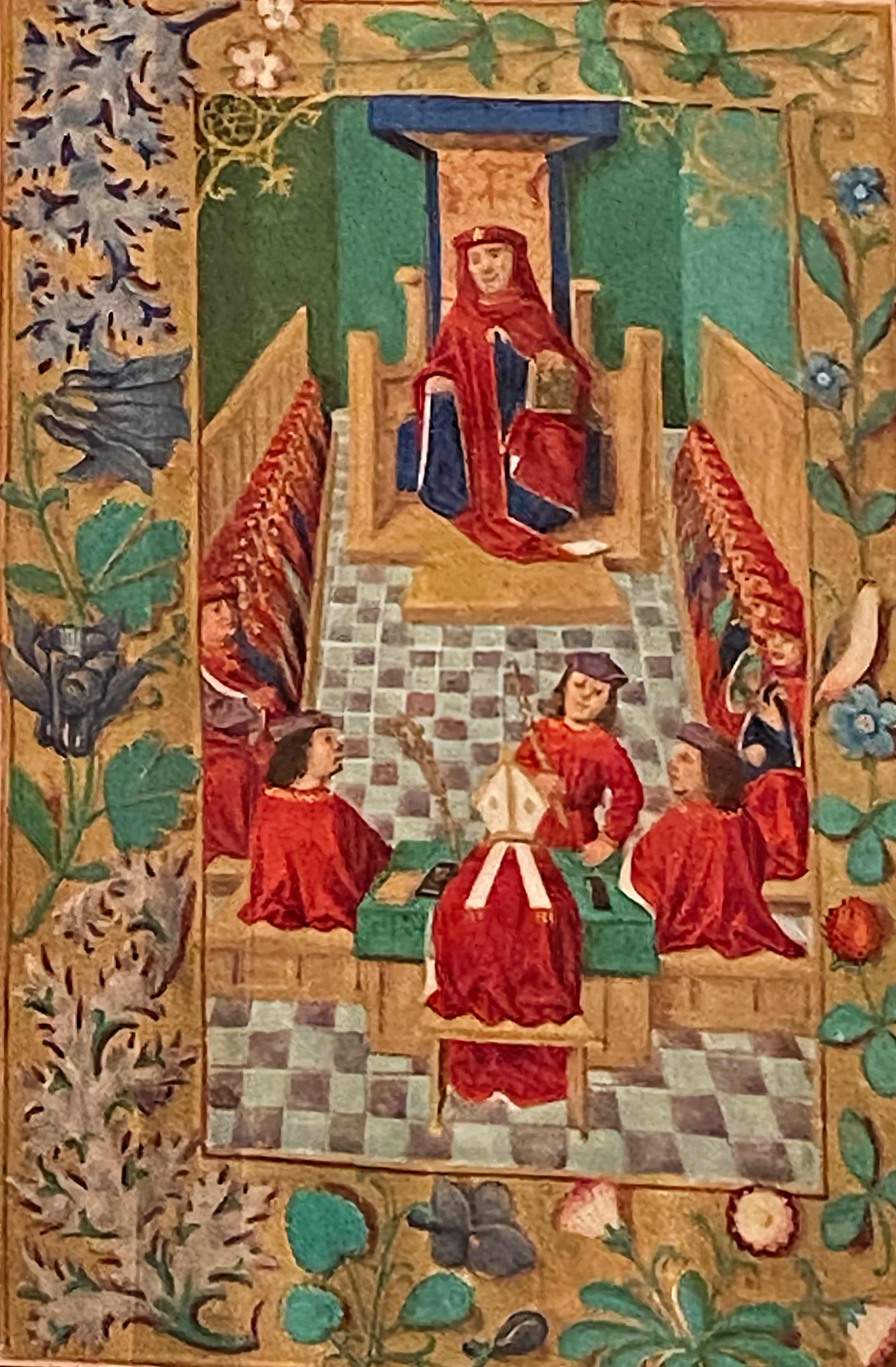
Philip the Good, Duke of Burgundy, founded the Order of the Golden Fleece in 1430 to be given to 30 knights (he is depicted in the habit of the order above left). However, he had difficulties finding enough worthy recipients and the numbers were deficient for a long time. Besides, in many cases the recipients did not even bother to be present in the knighting (the title image depicts a knight receiving the Golden Fleece). The knights were supposed to meet yearly, but most did not bother with the travel – especially when they were kings and princes of far-off territories (the picture above right is an imaginary meeting of all the knights).
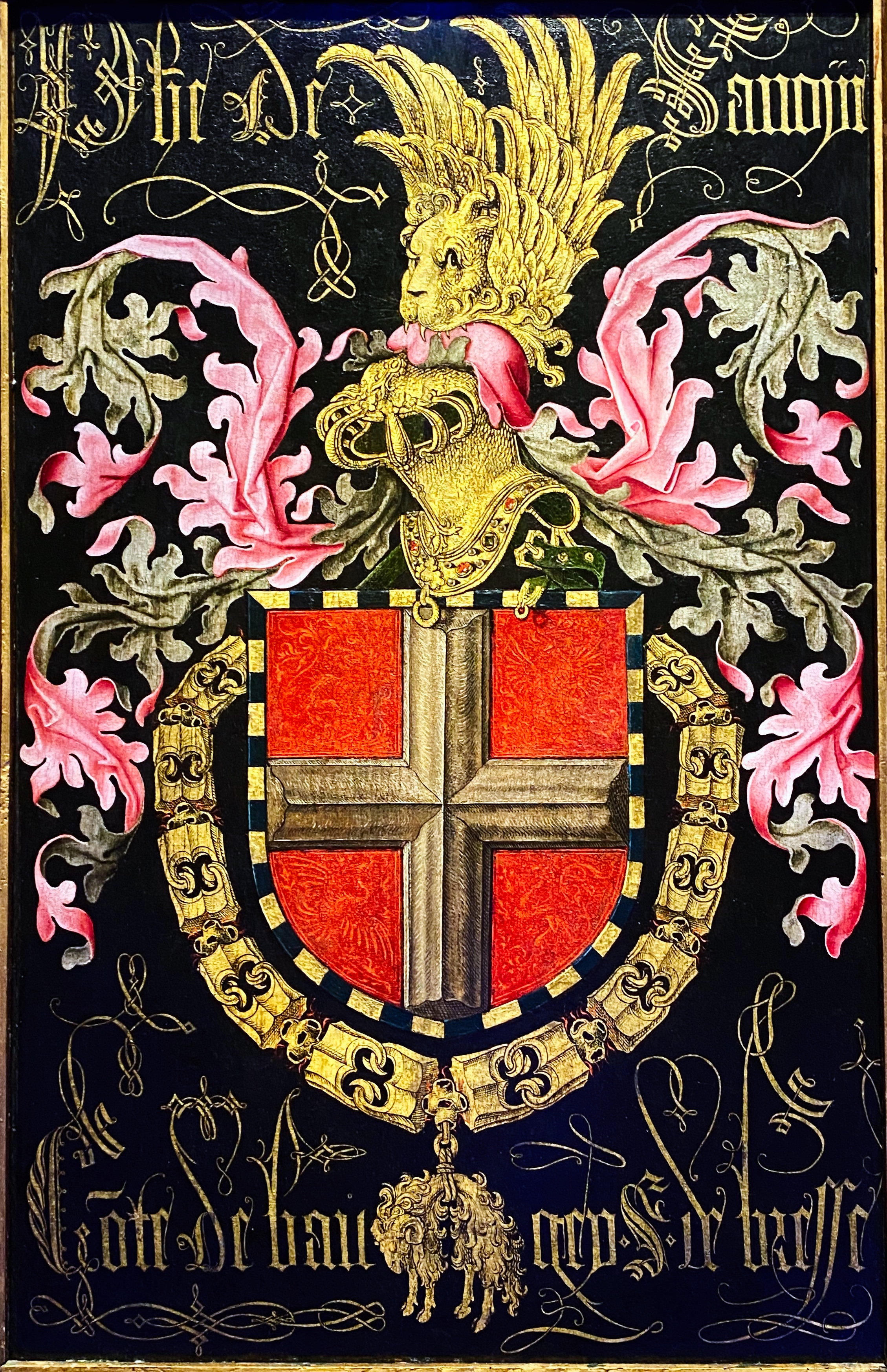
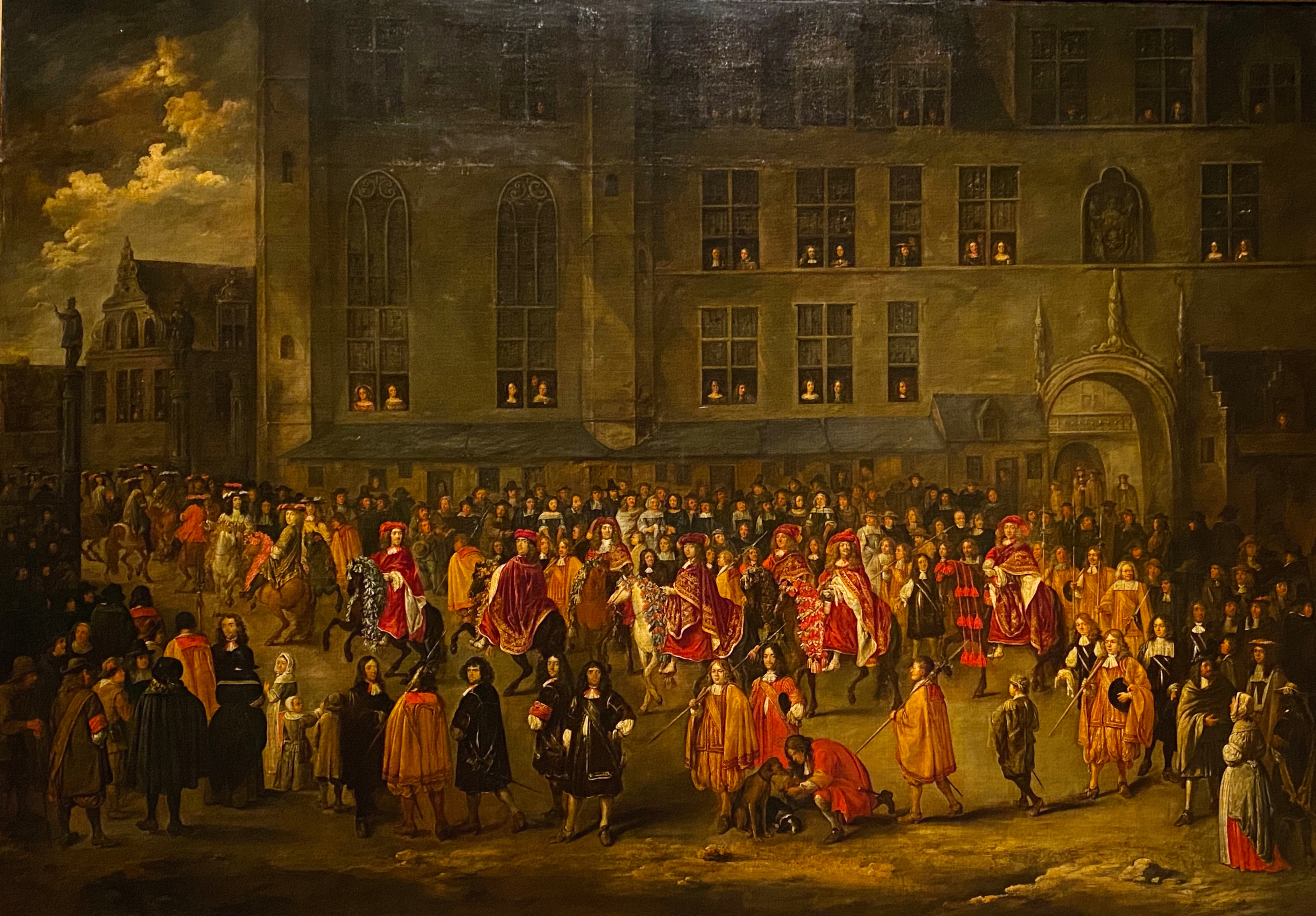
As is still the case with many sovereign orders, the coats of arms of the knights were prominently displayed in a suitable venue (above left, the coat of arms of the Duke of Savoy). Showing off for the public was part of the image, and above right is a procession of the knights leaving the palace of Brussels in the 17th century.
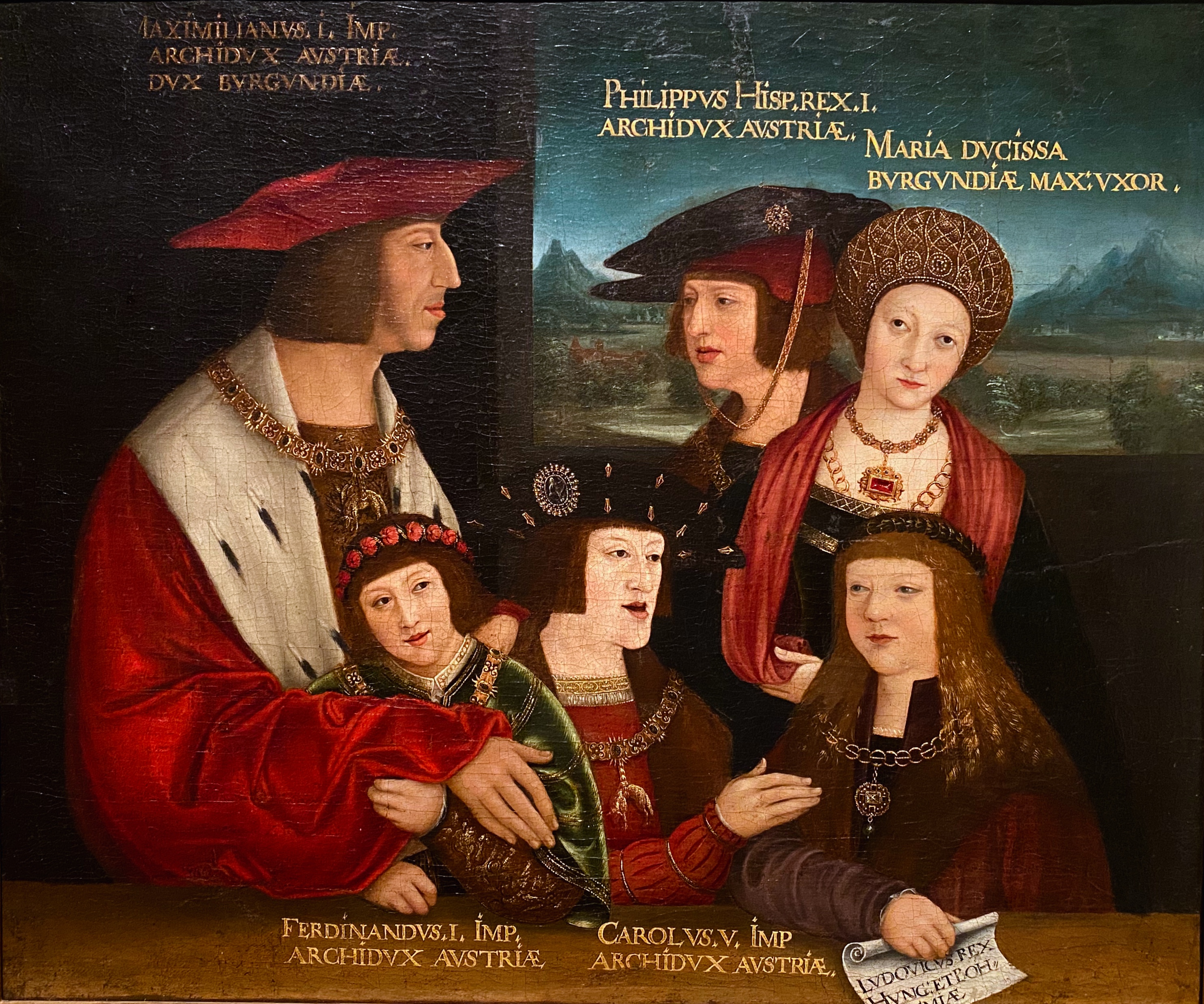
The glory days of the dukes of Burgundy lasted until the end of the 15th century, when the last heir of the dukes, Mary of Burgundy, married Maximilian of Habsburg and the Habsburgs took over the Burgundian territories. The resulting ultimate power family is depicted above: emperor Maximilian I, Mary of Burgundy, their son Philip I, king of Castile, and grandsons emperor Charles V and emperor Ferdinand I; and finally the brother-in-law of these two, Louis II, king of Hungary and Bohemia – all the emperors with their Golden Fleece prominently displayed).
The Habsburgs themselves had dynastic problems due to their unfortunate habit of marrying close relatives – the inability to produce heirs meant that they lost the Spanish crown in 1700, and the Order of the Golden Fleece was divided into Spanish and Austrian branches. Somewhat surprisingly, both branches of the order still exist.
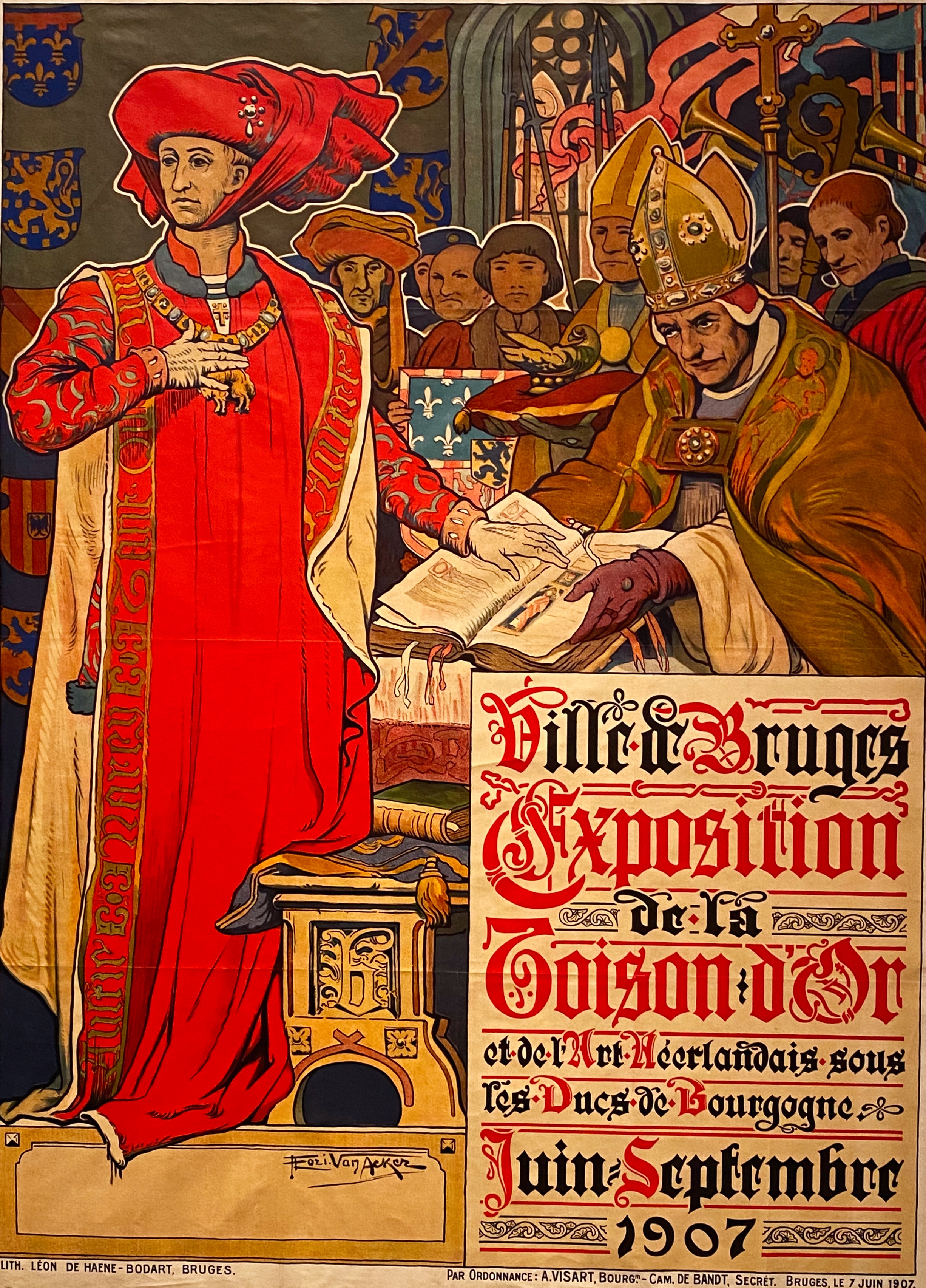
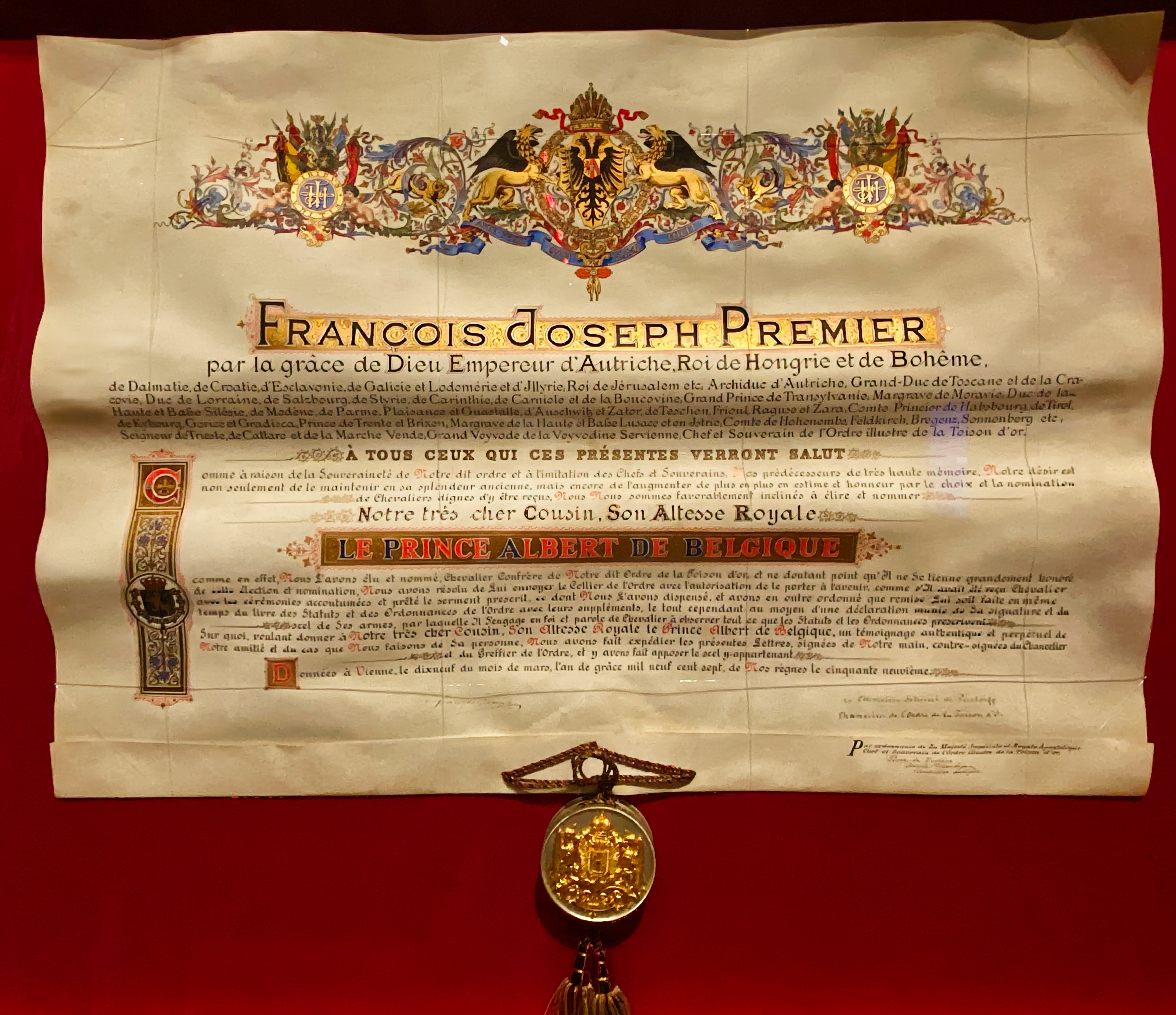
The Belgians, after independence, sought to appropriate the history of Burgundy to build their own nationhood (above left, an exhibition poster from 1907). They have been keen to uphold the legends of the Golden Fleece, and the Belgian kings have been its knights (above right, the certificate of prince Albert, later king Albert I). Also the current king Philippe is a knight of the Golden Fleece.
All images are from the exhibition ‘Knights of the Golden Fleece: a brilliant myth unravelled’ at the Museum Hof van Busleyden in Mechelen until 3 June 2024.
 Rails, wines, worlds