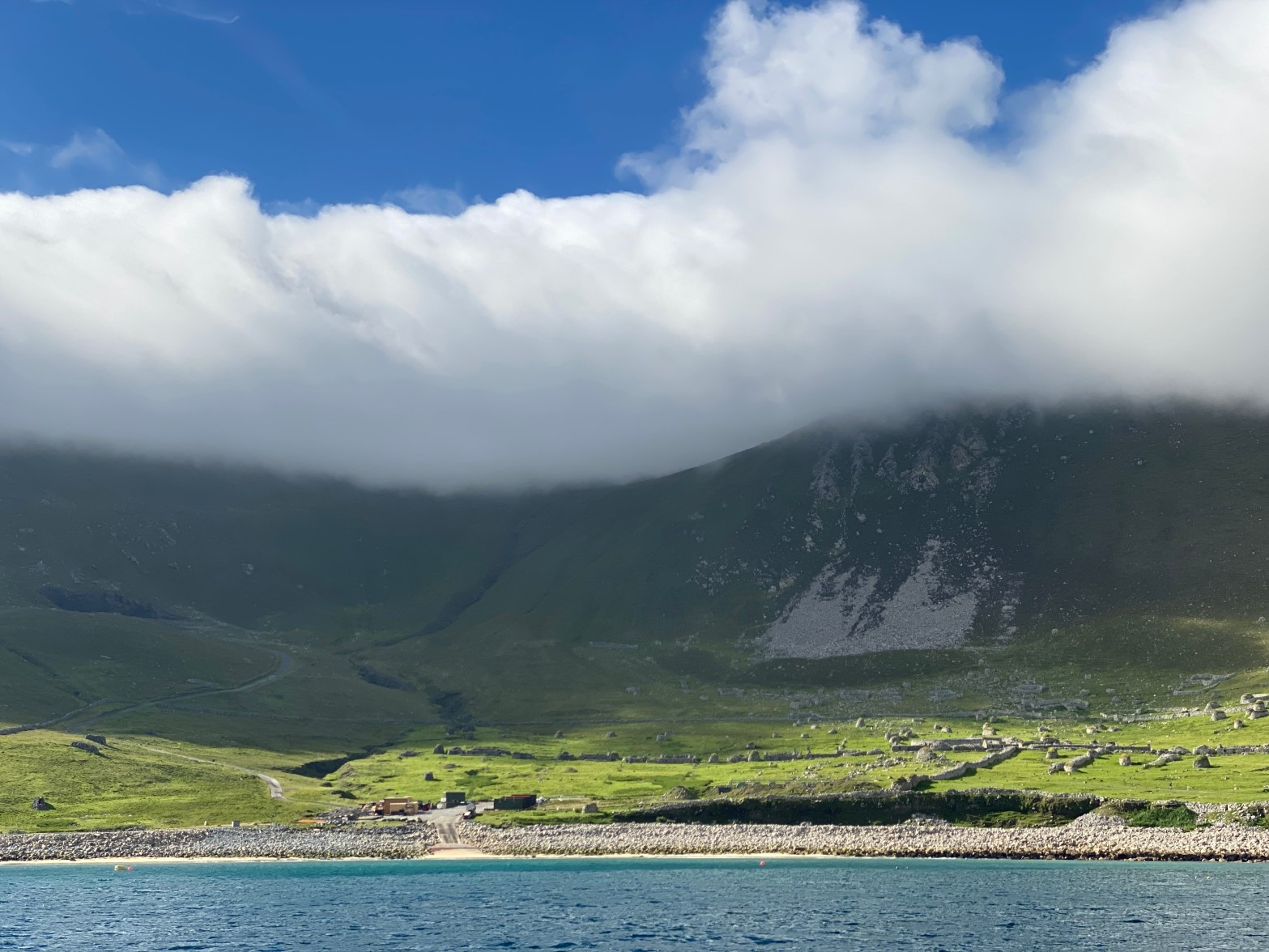
A rocky island in the middle of the Atlantic, with fewer than 100 people, hunting birds and eggs for living – any takers? Didn’t think so, and in the end there were none.
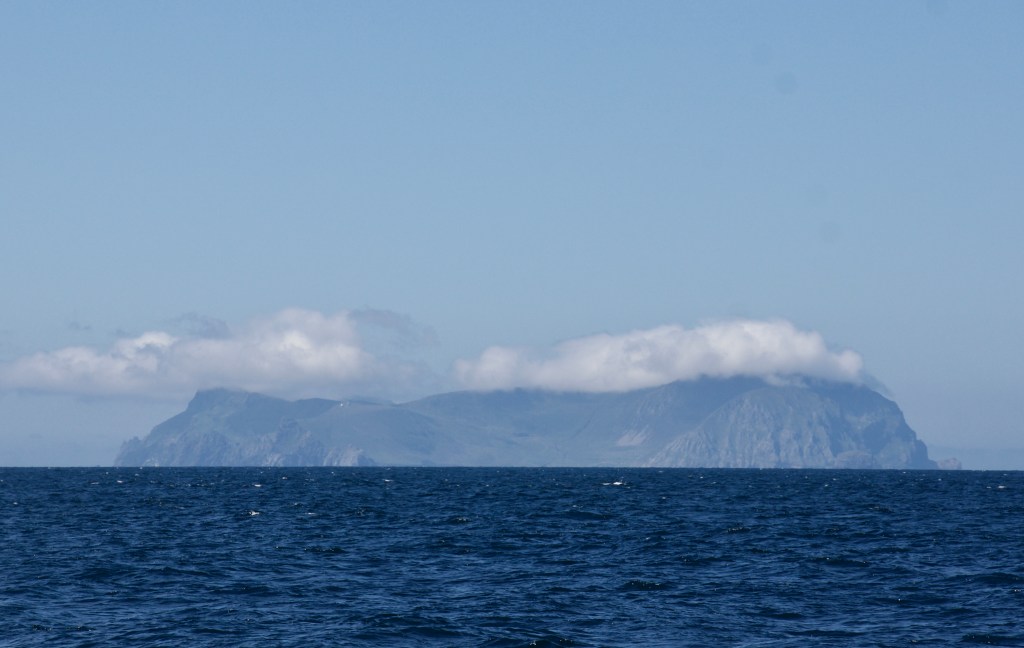
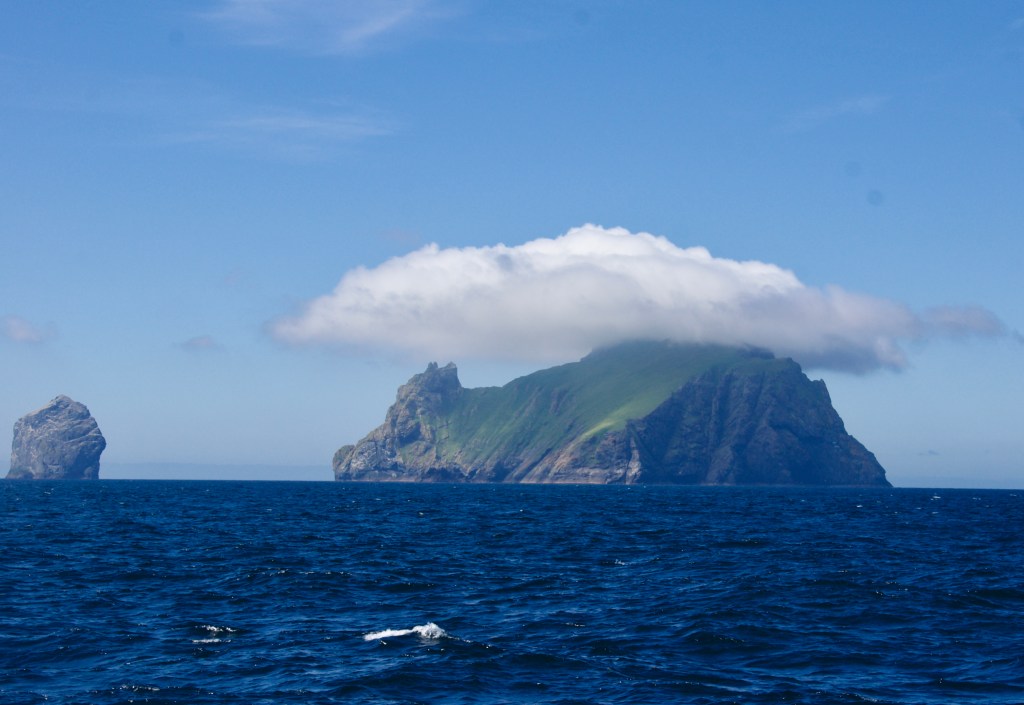
St Kilda is an archipelago to the west of Scotland, about 60 kilometres northwest of the Outer Hebrides. The islands rise out of the sea (the largest, Herta, below left and the smaller Stac Lee and Boreray below right) in the middle of North Atlantic.
The main island, Herta, was inhabited for thousands of years, with about 180 people at the end of the 17th century, and 93 in mid-19th century (Main Street below left, with early 20th century houses). The surviving layout of the village (below right) is from the third quarter of the 19th century, but signs of human occupation go back 5000 years.

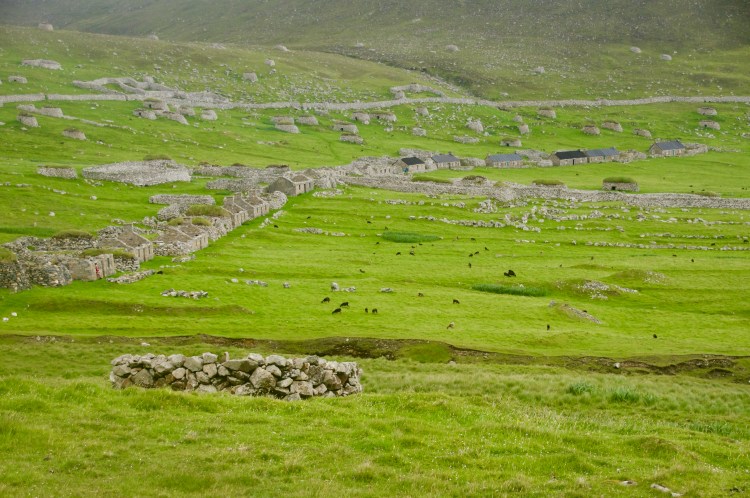
The islanders got their livelihood from their surroundings, killing tens of thousands of seabirds and collected thousands of eggs. The birds and eggs were eaten, and their feathers sold for bedding. Dedicated stone buildings, cleitean, (below left) were used for storage. The original habitations (below right) followed the same construction principles.


The first tourists arrived in 1838 and provided earning opportunities for the St Kildans. Military installations arrived during the FIrst World War, but their removal after the war started an emigration wave, and in two years the population fell 25%.
In 1930 there were 36 St Kildans left, of which seven were able-bodied men. They applied to the government to be evacuated and resettled on the mainland. And this is what happened, although the islanders did not adjust well to modern life.
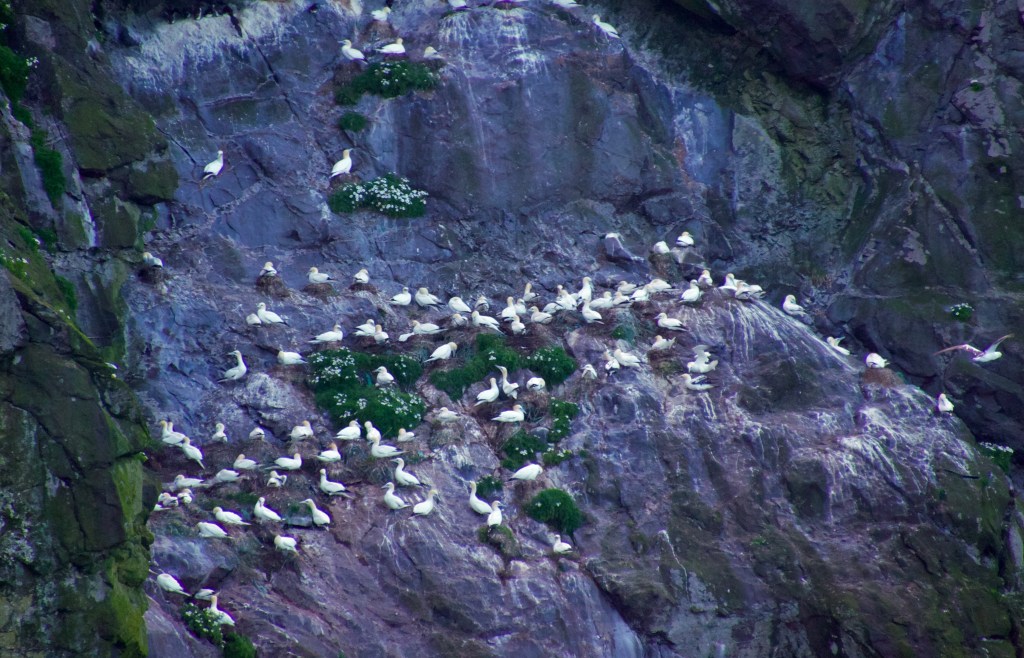
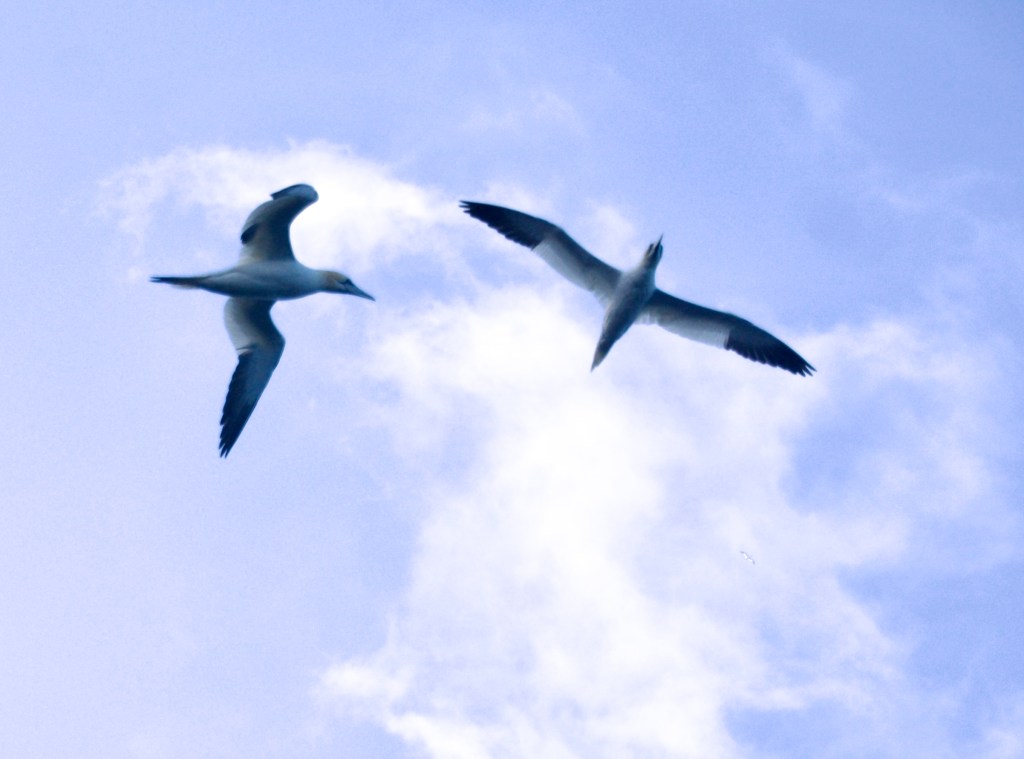
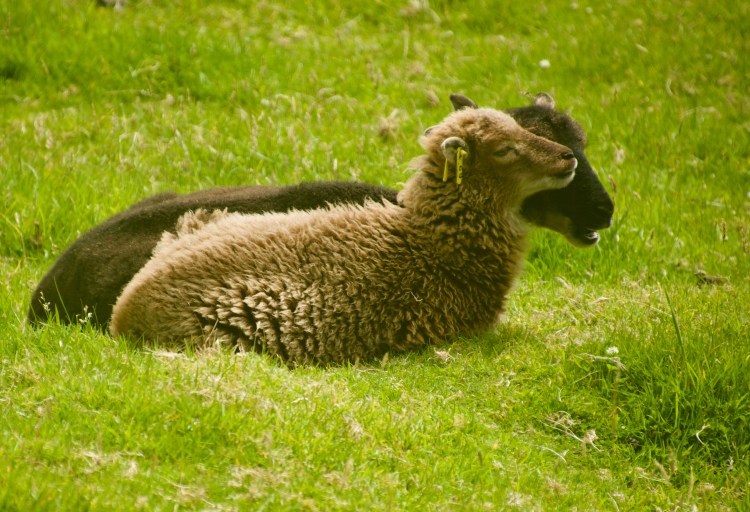
Today Herta only hosts visiting military contractors and wardens of the National Trust for Scotland, owner of the place. The islands are famous for hosting the largest seabird colony in Europe (above left), with about million birds at the height of the breeding season, including gannets (above right), fulmars and puffins. Feral sheep roam the islands – they belong to a subspecies that developed here over the centuries – smaller and darker than its mainstream cousins (below).
 Rails, wines, worlds