Erik XIV of Sweden, who ruled 1560-1568, was the eldest son of king Gustav Vasa, founder of the Vasa dynasty. Unfortunately Erik was somewhat unstable and violent, which led to strife between him and his brothers, and with the nobility.
The last drop was that Erik married a commoner, Catharina Månsdotter, and made her his queen. This was quite something, taking into account that one of the prospective spouses had been Elizabeth I of England – Erik had just started his voyage to London to present himself when Gustav Vasa died and Erik had to return to Stockholm. Other candidates for Erik’s queen were Maria Suart of Scotland, Catharina of Hesse and Renata of Lorraine. However, all these proposed liaisons came to nought. But when Erik saw Catharina Månsdotter, who was most likely a waitress at a drinking establishment in Stockholm, he was besotted and invited her to the court.
Catharina was strong-willed and learned court behaviour quickly. Even though she had a stabilising effect on Erik’s behaviour, it was barely three months after the coronation when Erik was deposed by his brother John. Both Catharina and Erik were jailed, first in the castle of Turku, and then rotating in various Swedish castles. Erik was poisoned by John’s orders in 1577. At this point, Catharina was freed and moved to Finland, where John gave her a royal manor to live in. Catharina and her daughter gradually built up a good relationship to the court in Stockholm (her son had been taken to Poland as he was more of a threat to the king). Catharina’s daughter Sigrid married to an influential noble family – her son Åke Tott was to become a field marshal and hero of the Thirty Years’ War.
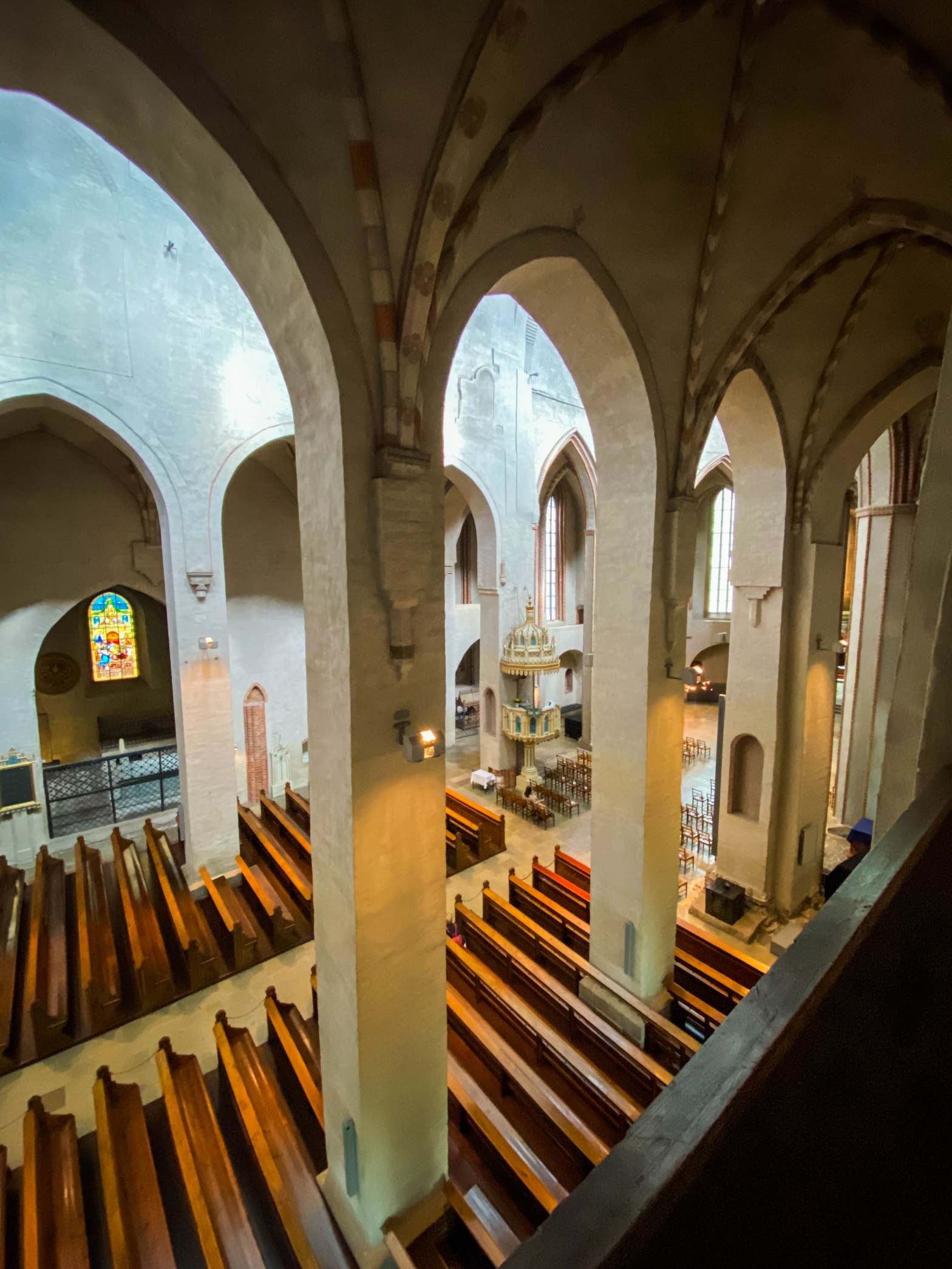
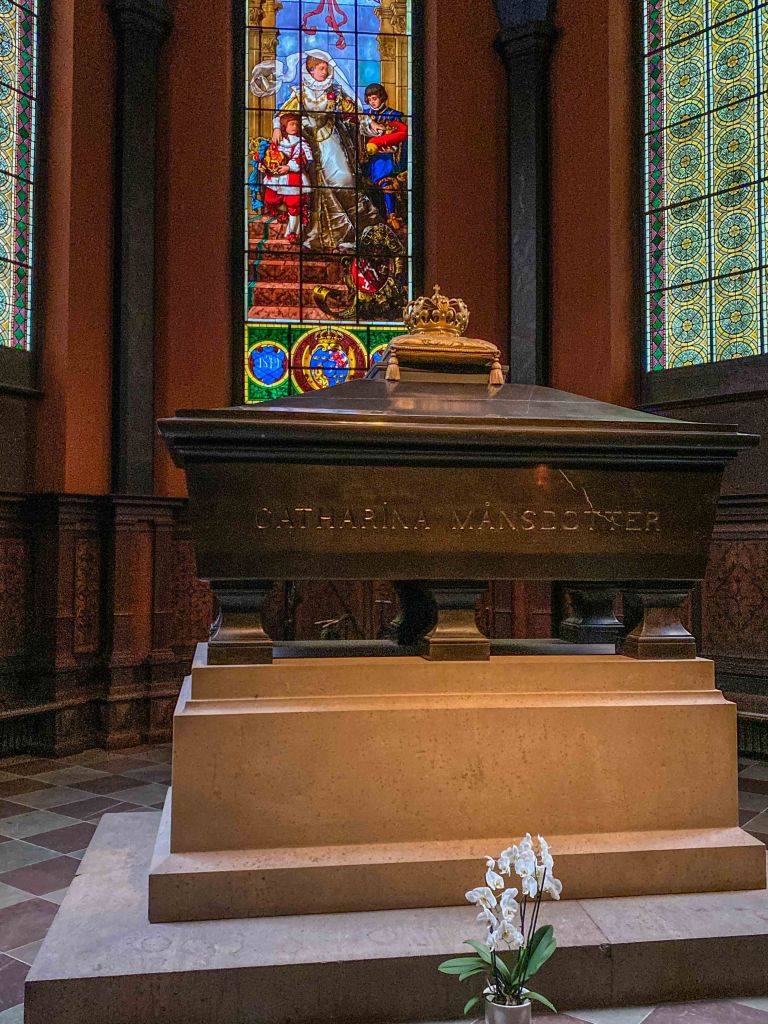
Catharina Månsdotter died in 1612 and was buried in the Tott family chapel in the cathedral of Turku – the only Swedish queen to buried in the eastern part of the realm, i.e. Finland. However, 250 years later she had to move, as in 1867 it was decided that she merited a marble sarcophagus in a nearby chapel when the interior of the cathedral was embellished to emphasise its historical artefacts.
A long journey for a waitress.
Source: Niitemaa, Timo: Itämaan muisti – Turun tuomiokirkon tarinoita Ruotsin vallan aikaan.
 Rails, wines, worlds