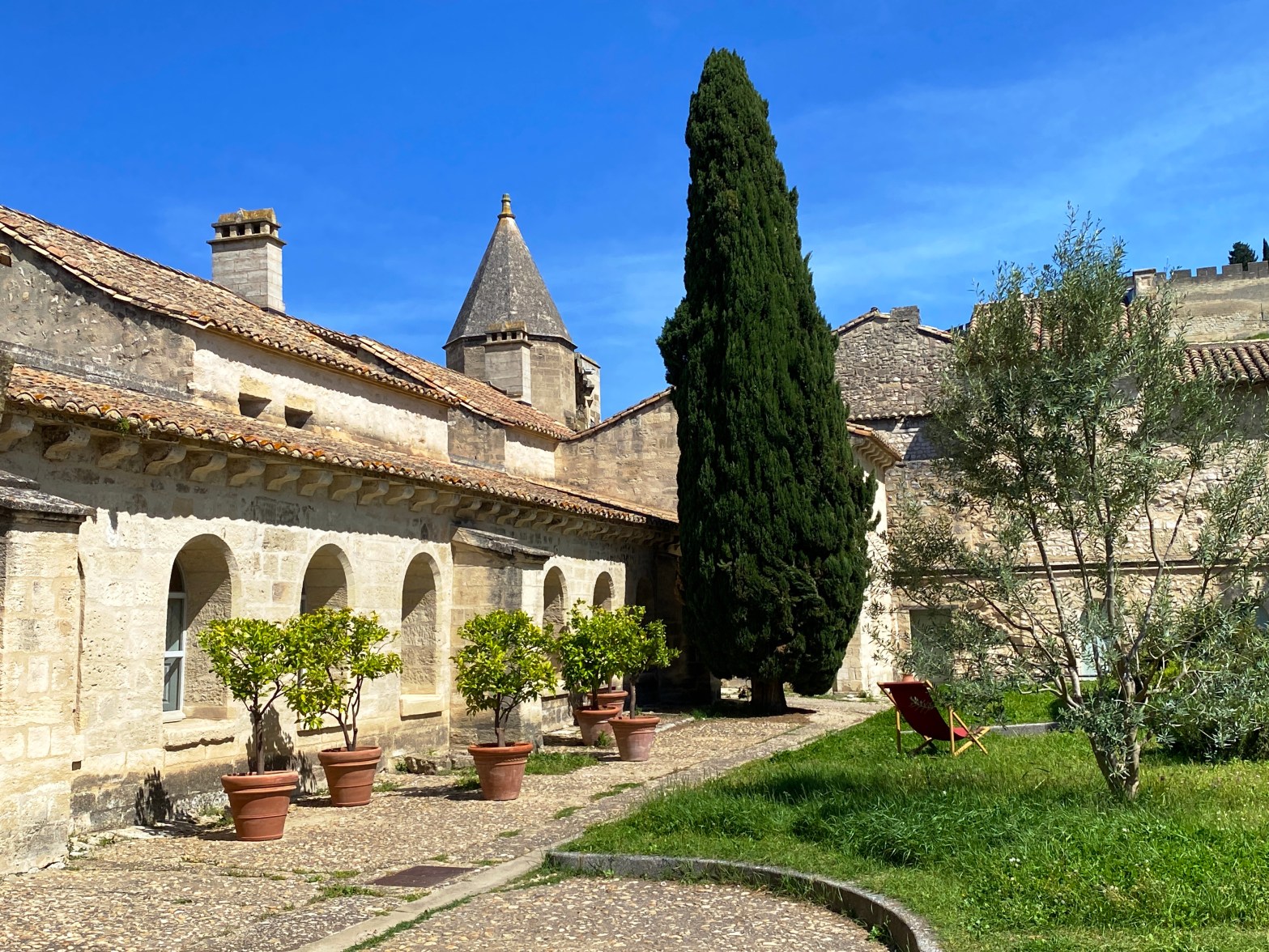
In the Middle Ages, Europe was full of monasteries, one mightier than the other. Since then, reformation, revolutions and modernity have put an end to most of these, leaving at times behind impressive ruins. The charterhouse in Villeneuve-lez-Avignon was once the largest in France, with three cloisters (the main one is below left), a papalContinue reading “Monastery leftovers”
Author Archives: vvanhanen
Aigues Mortes, dead waters
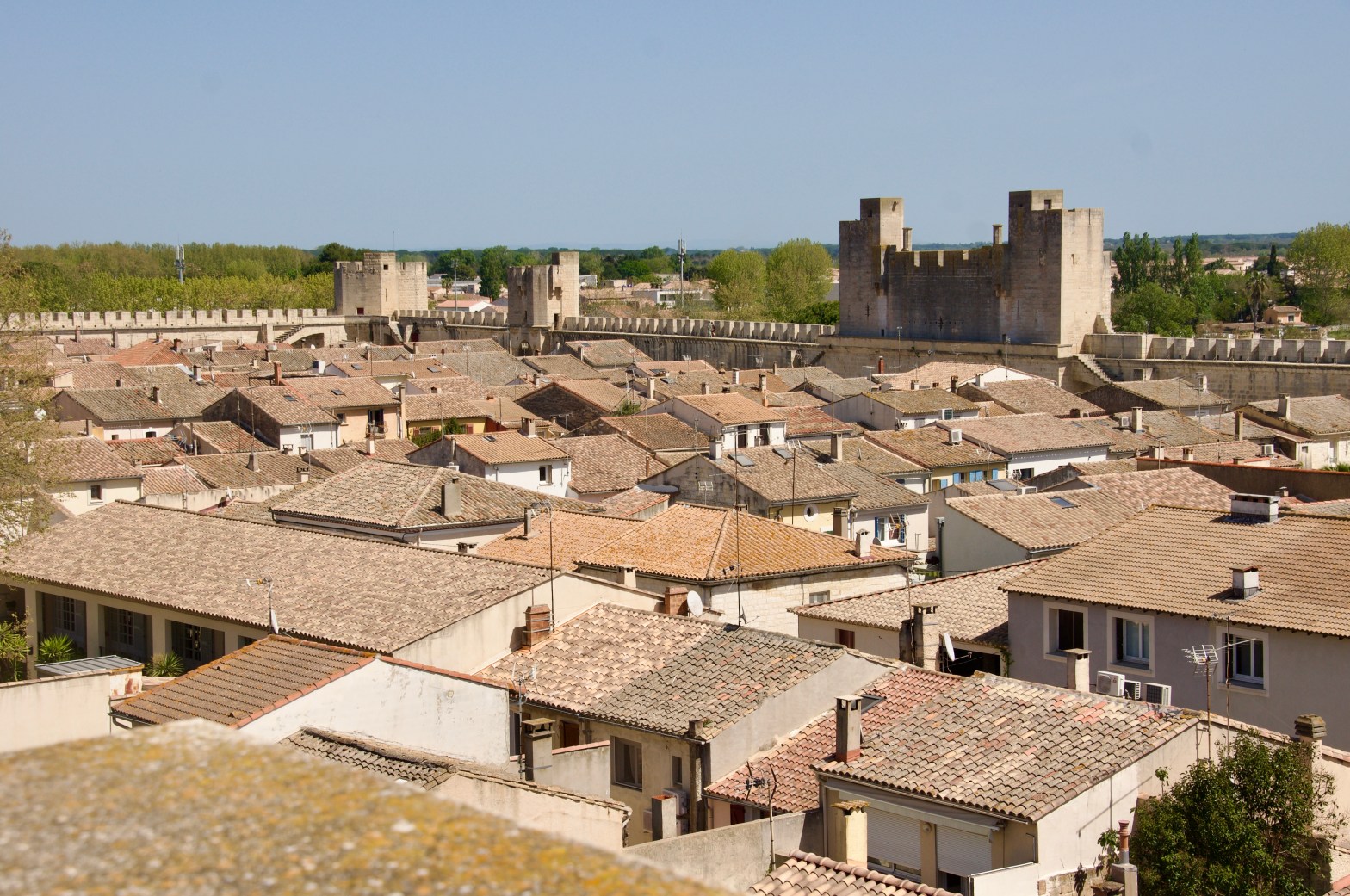
Aigues Mortes has preserved its medieval character because it was important back then, but not afterwards. It was the only Mediterranean port of the Kingdom of France in mid-13th century, and king Louis IX and his knights left for their crusades from here. The name of the town is Occitan and comes from the marshyContinue reading “Aigues Mortes, dead waters”
Henry VIII and Art Deco
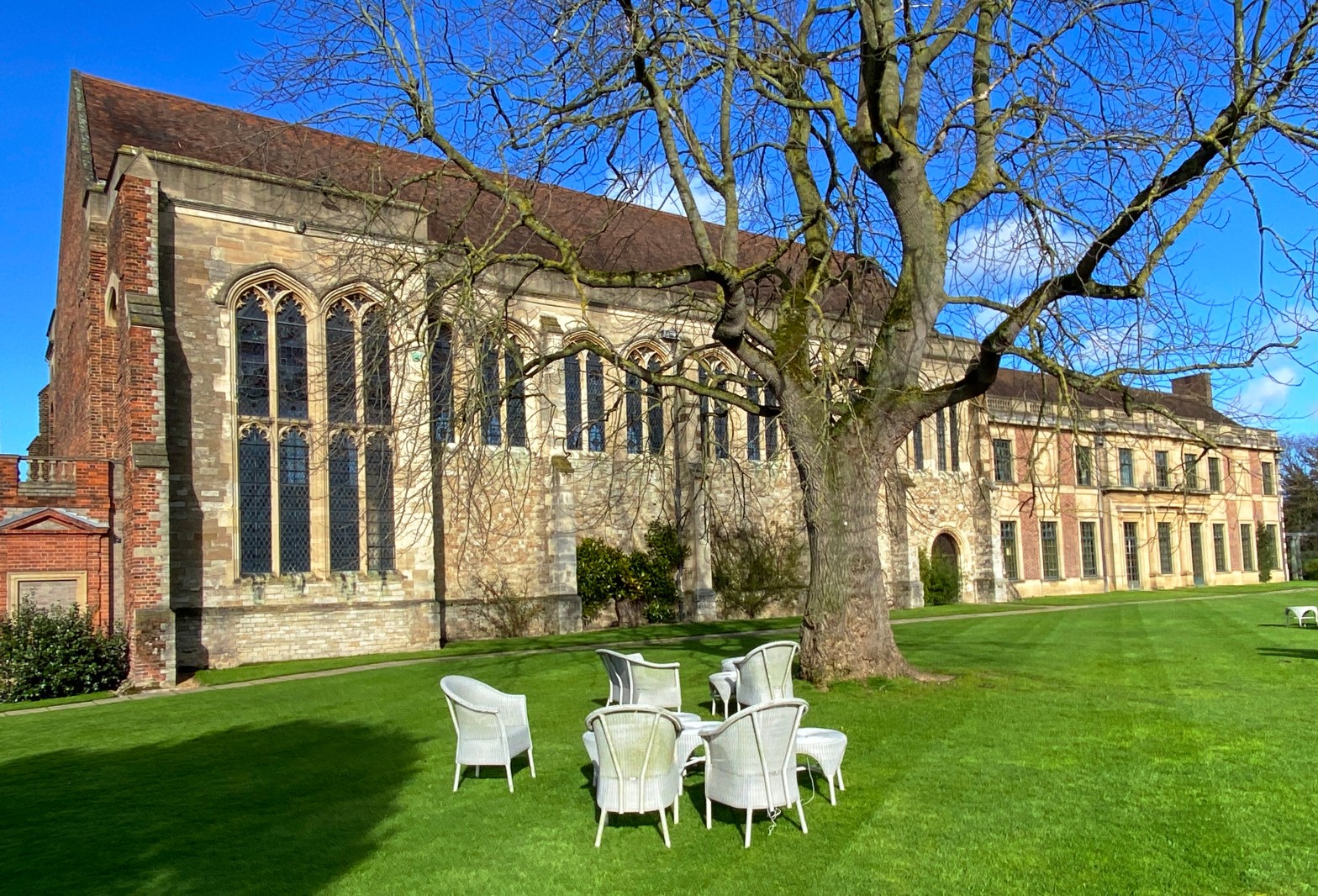
A bishop gave Eltham Palace to Edward II, then Edward IV added a great hall to it, and Henry VIII and his sisters grew up there. As often is the case, glory disappears quickly, and later for 200 years the palace was used as a farm. In the 1930s Stephen (inheritor of a textile fortune)Continue reading “Henry VIII and Art Deco”
Loose Brushstrokes
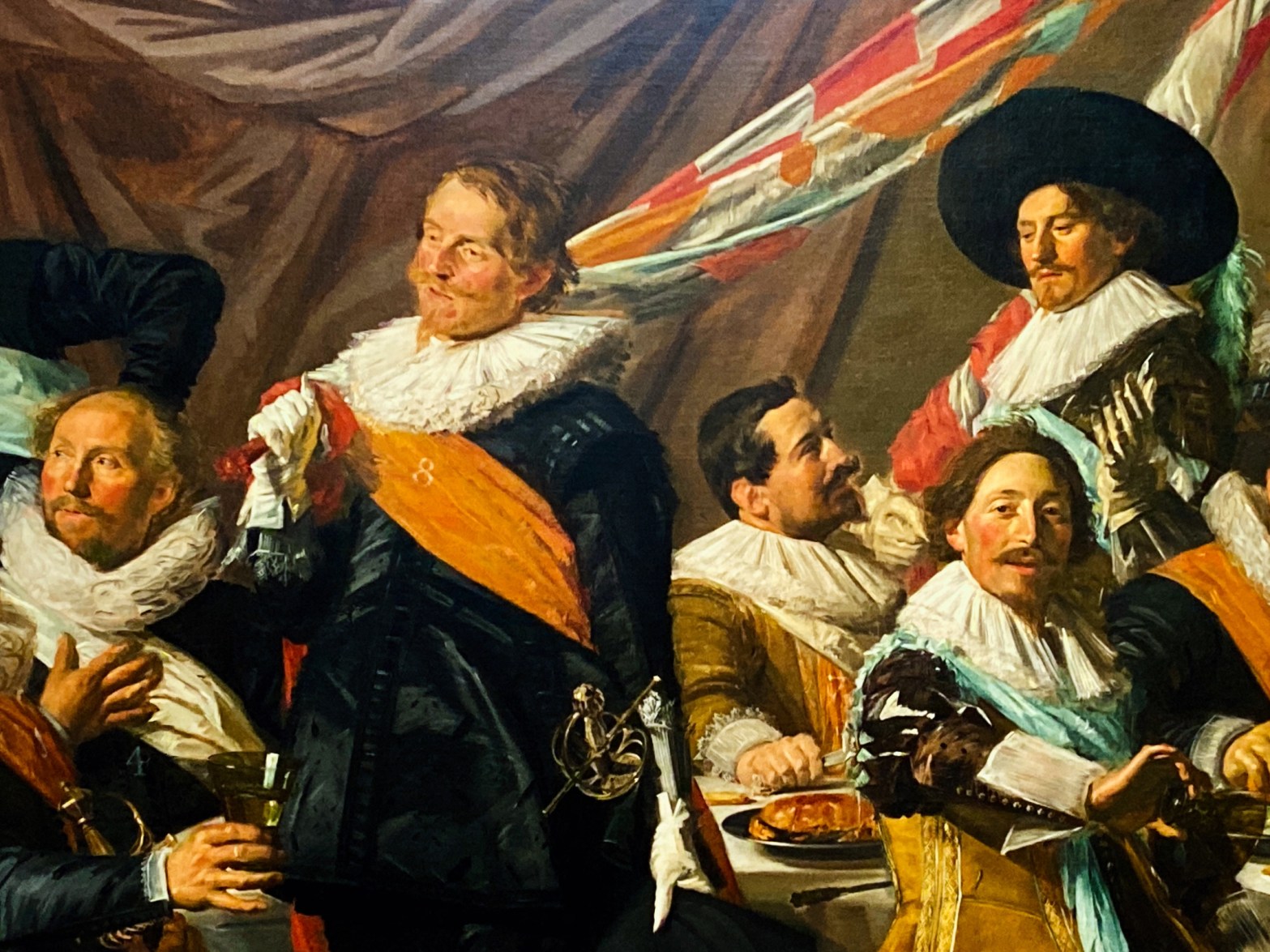
The Dutch portraitist Frans Hals was famous for his lifelike paintings where the visible brushstrokes created an illusion of presence. A comprehensive exhibition of his work started its travel from London, is at Rijksmuseum in Amsterdam this spring, and will move to Berlin for summer and autumn. Hals did a lot of contract work forContinue reading “Loose Brushstrokes”
Paleis Het Loo, Apeldoorn
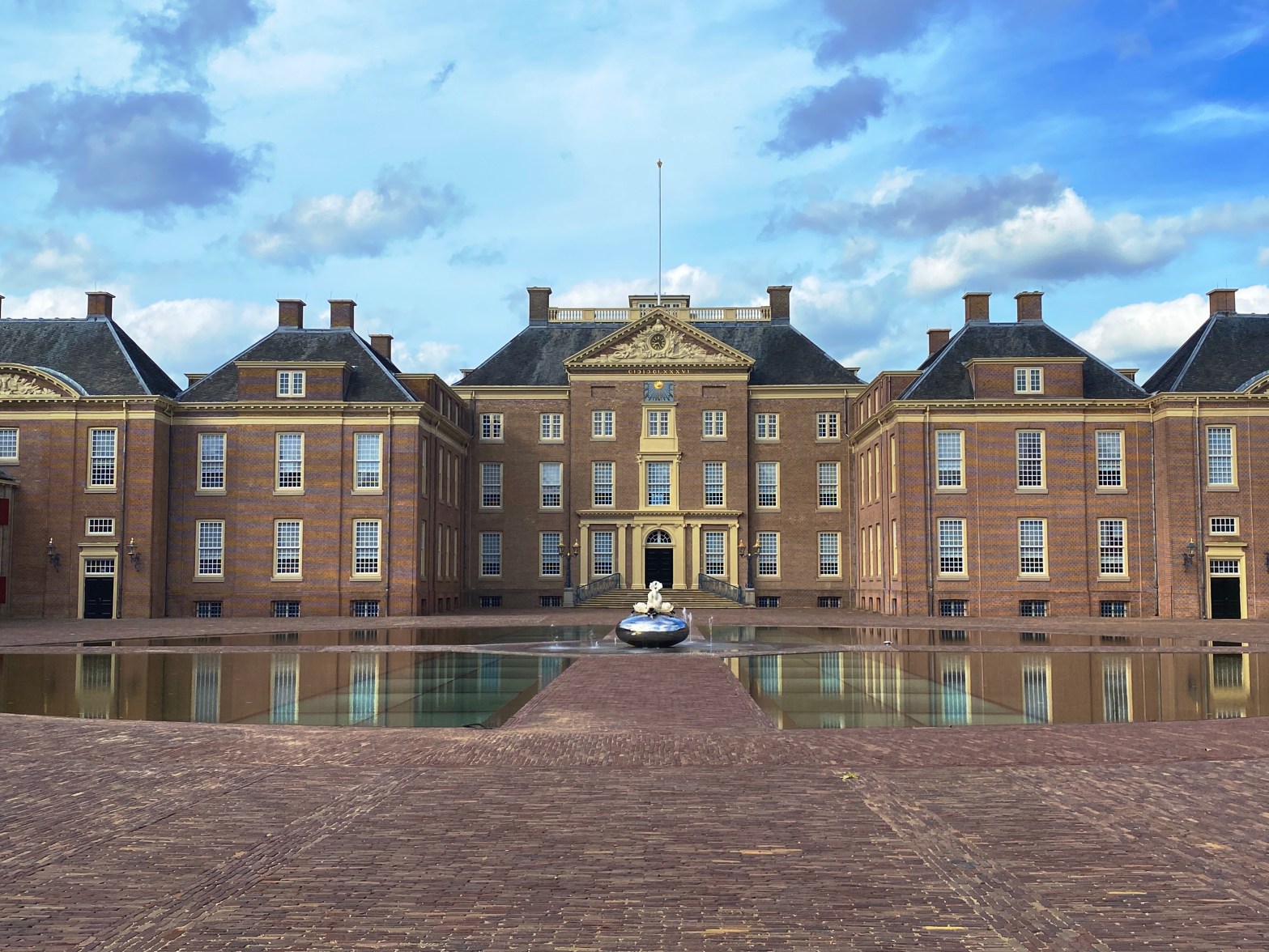
This is the summer cottage of the house of Orange-Nassau. Orignally built by William III, the same that extended his rule to the islands a bit northwards, it was used as a summer residence by most of the Dutch monarchs until 1962. Parts of the palace go back to the time of William and MaryContinue reading “Paleis Het Loo, Apeldoorn”
Kröller-Müller Museum, Otterlo
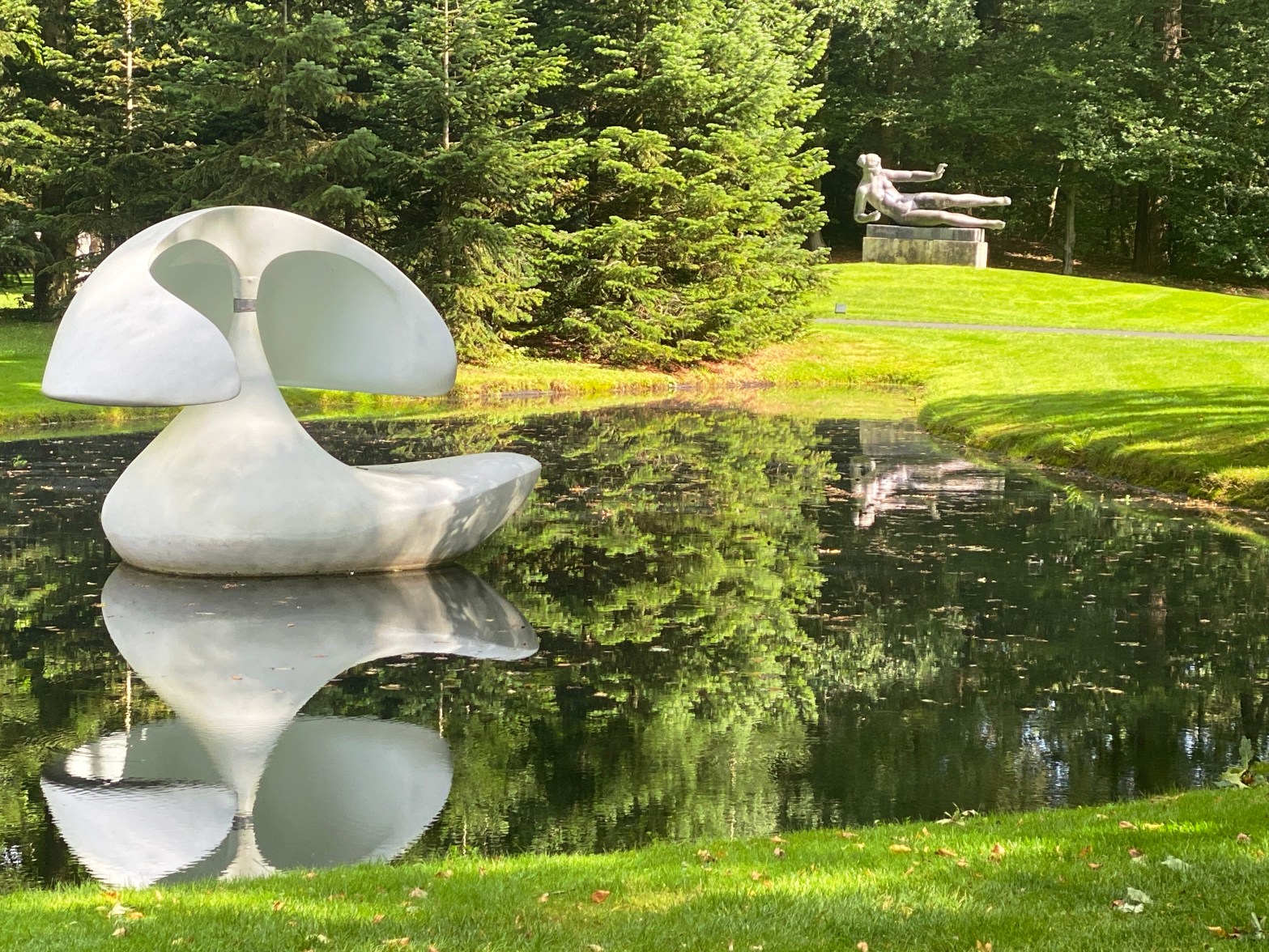
The second-largest collection of van Goghs in the world, a huge modern sculpture garden, a supporting cast of impressionists, futurists, symbolists, and others – and all this situated in a nature park between Apeldoorn and Arnhem. The museum is the result of the work of Helene Kröller-Müller, a heiress of vast fortune who spent itContinue reading “Kröller-Müller Museum, Otterlo”
Kuivasaari, Helsinki archipelago
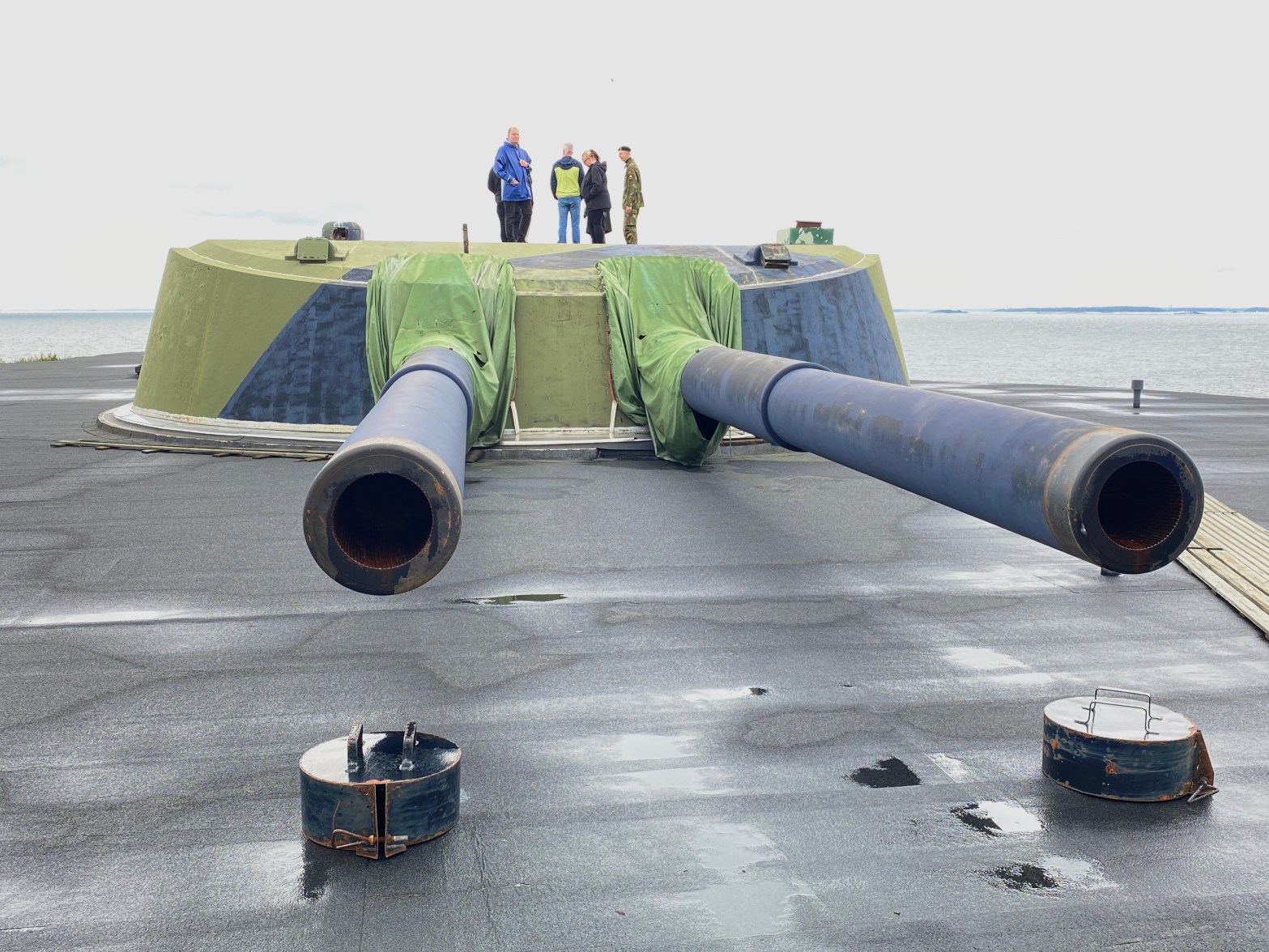
A Russian 12-inch gun from 1911, ready for action? Or a cavalcade of historical coastal artillery up to 1970s? All this can be seen in the former fortress island of Kuivasaari outside Helsinki. Although these days the 12-inchers (305mm) only shoot water (!), because using real shells would entail closing the Helsinki airspace and manyContinue reading “Kuivasaari, Helsinki archipelago”
Kenwood House, London

Take a couple of earls, a billionaire businessman, a truckload of paintings, and you get an English stately home. Kenwood House was built for Lord Mansfield, the Lord Chief Justice in the second half of the 1700s (above left in his robes, and right as a Roman senator). He was the guy who made theContinue reading “Kenwood House, London”
The Gothic Troyes
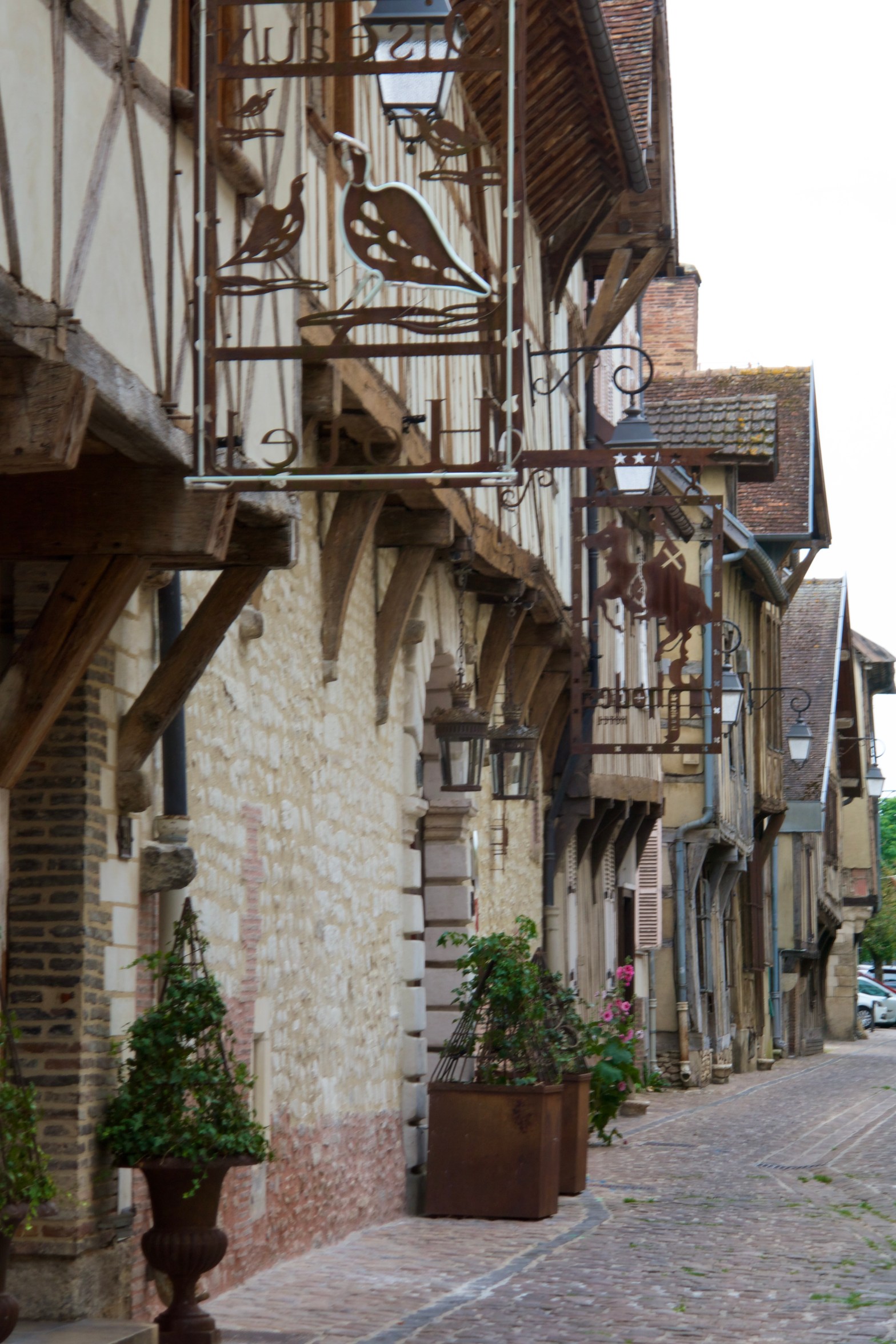
Troyes is a small town in northeastern France that has an excessive number of Gothic churches and plenty of half-timbered houses that together create a positively medieval feeling. Some of the smaller churches have preserved almost unique medieval detailing, like the ‘gallery’ of Ste Madelaine (below left) or the statuary of St Pantaléon (below right).Continue reading “The Gothic Troyes”
Gutenberg in Paris
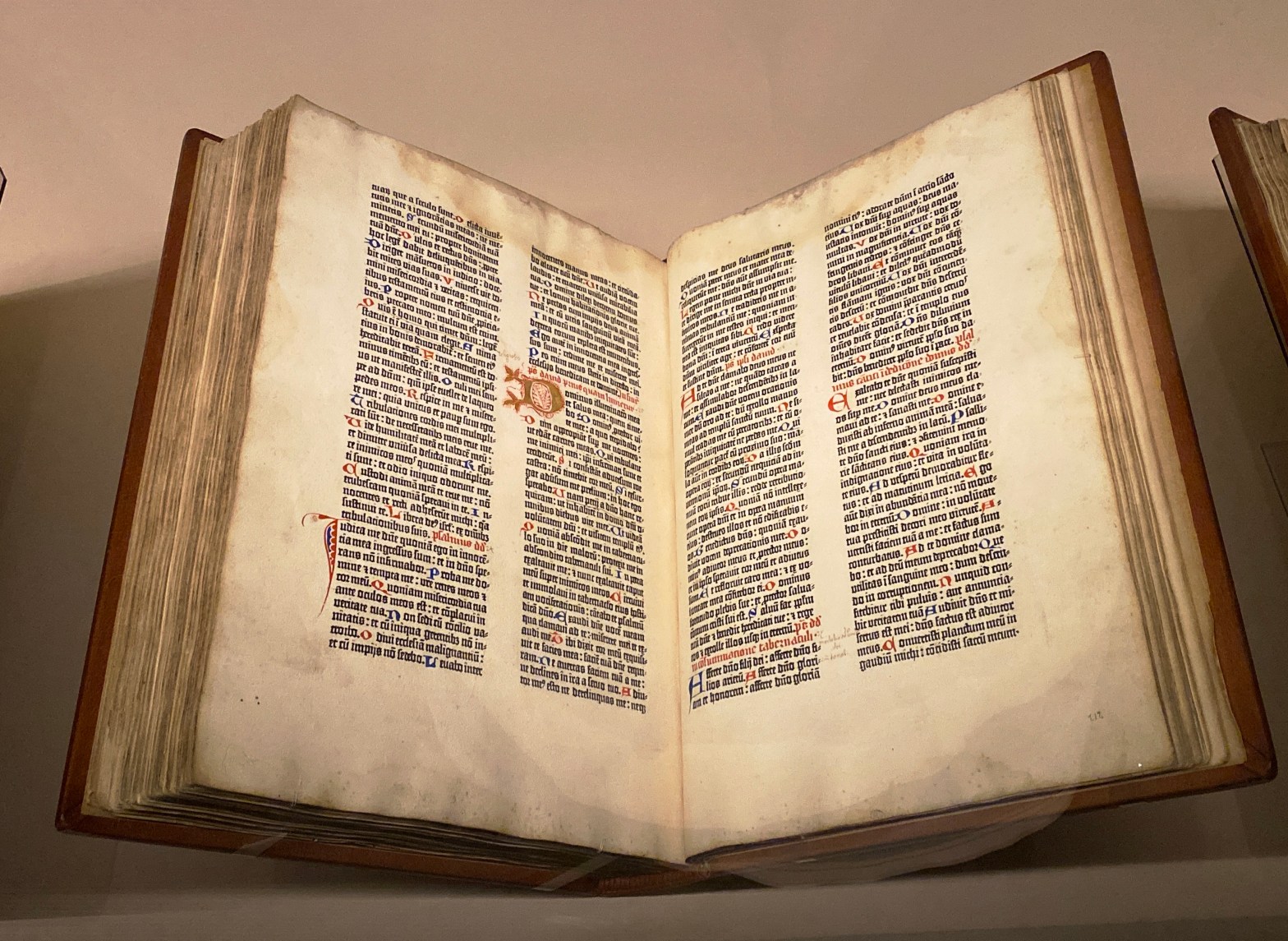
No, the guy himself never visited, but his spirit is at the excellent Bibliothèque national (BnF) exhibition ‘Imprimer! L’Europe de Gutenberg’ at their F. Mitterrand site (below right). Of course, both of the Gutenberg bibles that the BnF owns are displayed (title picture). To emphasise the status of Gutenberg, a 1831 painting depicts him asContinue reading “Gutenberg in Paris”
 Rails, wines, worlds