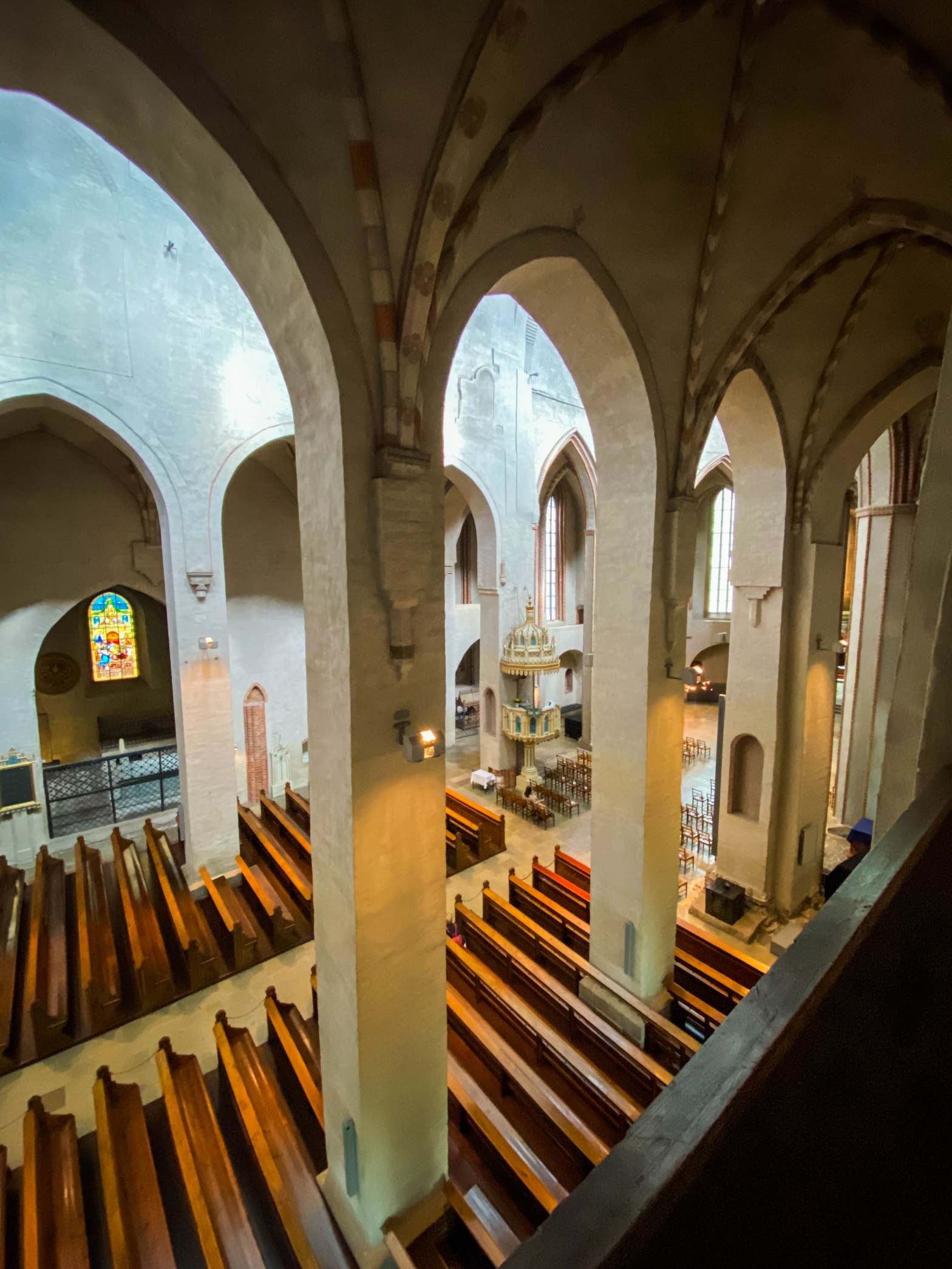
Erik XIV of Sweden, who ruled 1560-1568, was the eldest son of king Gustav Vasa, founder of the Vasa dynasty. Unfortunately Erik was somewhat unstable and violent, which led to strife between him and his brothers, and with the nobility. The last drop was that Erik married a commoner, Catharina Månsdotter, and made her hisContinue reading “World: The competitor of Elizabeth I and Maria Stuart”
Author Archives: vvanhanen
Rails: Travel in the time of pandemia
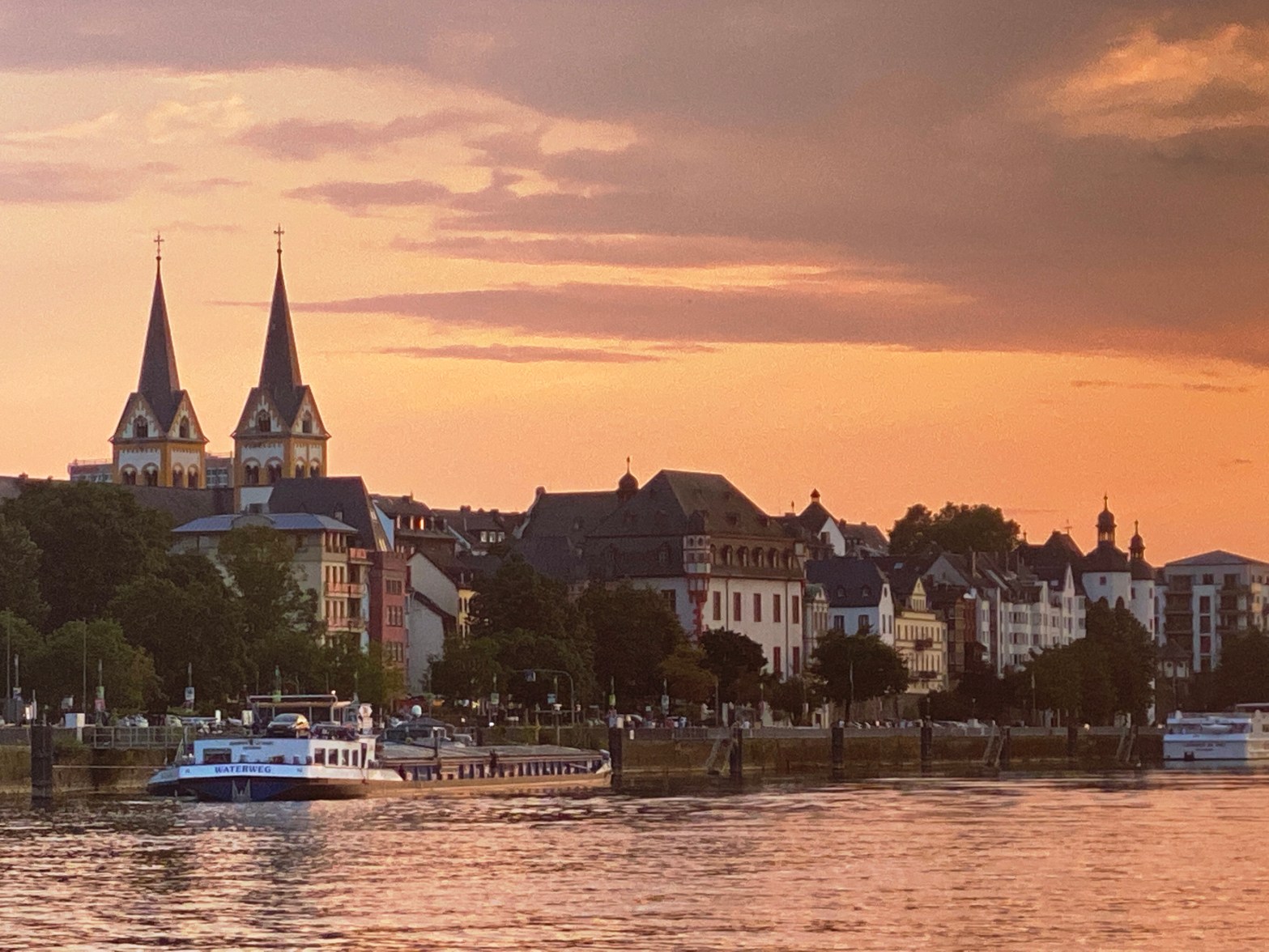
QR codes, tracing forms, masks, distances – travel these days is just an extension of home. My recent five-day trip to the parts of Germany that are near the border of Belgium (Aachen, Cologne, Koblenz, Trier) gives an indication how the Germans do travel these days – of course, all countries do their own thing,Continue reading “Rails: Travel in the time of pandemia”
Worlds: War and peace in the shadow of Russia
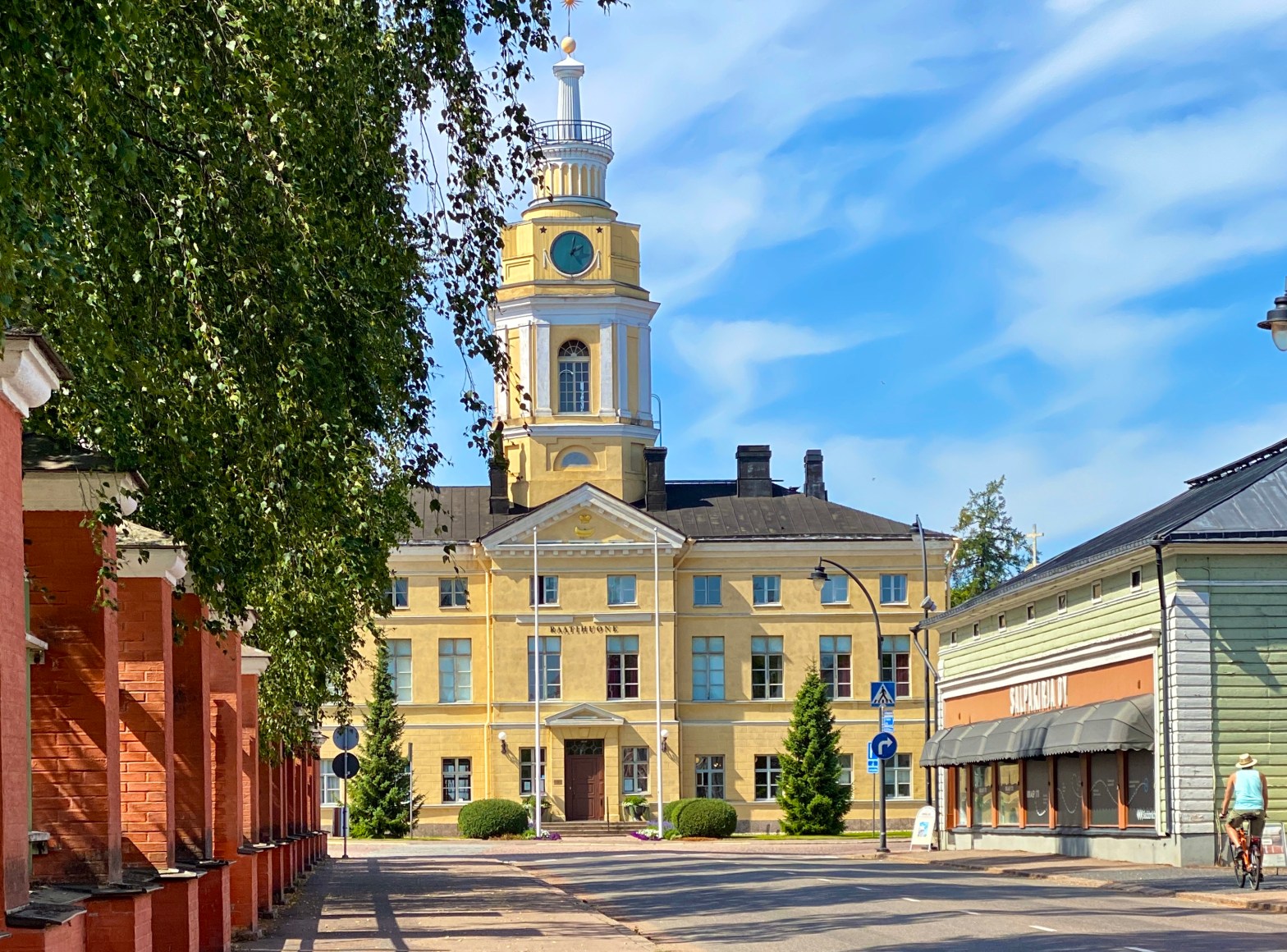
Built for war, famous for a peace treaty – that has been the fate of the sleepy garrison town of Hamina in South-Eastern Finland. In the 18th century, the conquests of the previous century that made Sweden a dominant power in Northern Europe, were gradually lost. In 1721 after the Great Northern War, the border withContinue reading “Worlds: War and peace in the shadow of Russia”
Rails: Building the Peking–Hankow railway
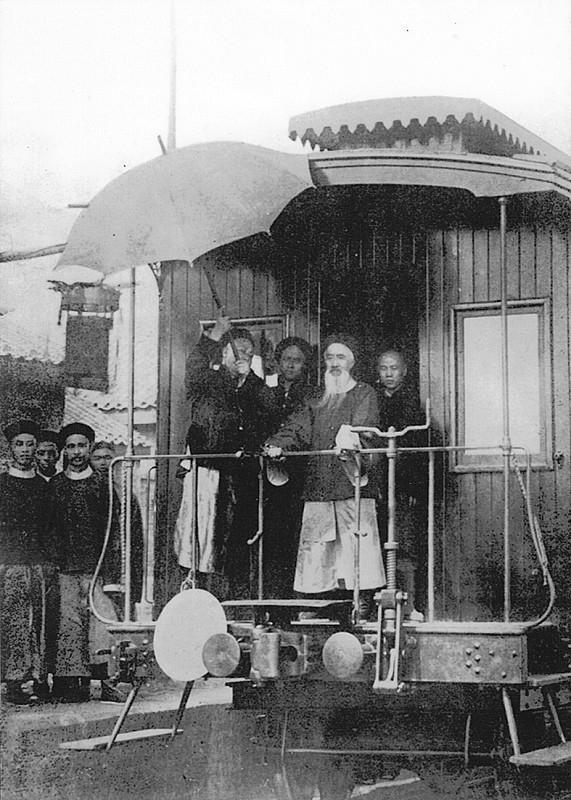
When imperial China wanted to construct the first major domestically-oriented railway line from Peking to Hankow (a city that in 1927 merged with Wuhan on the other side of the Yangtze river), they turned to a Belgian company. Why? In the turn of the 20th century, as part of its modernisation efforts, China wanted to connectContinue reading “Rails: Building the Peking–Hankow railway”
Worlds: How do buildings get their names?
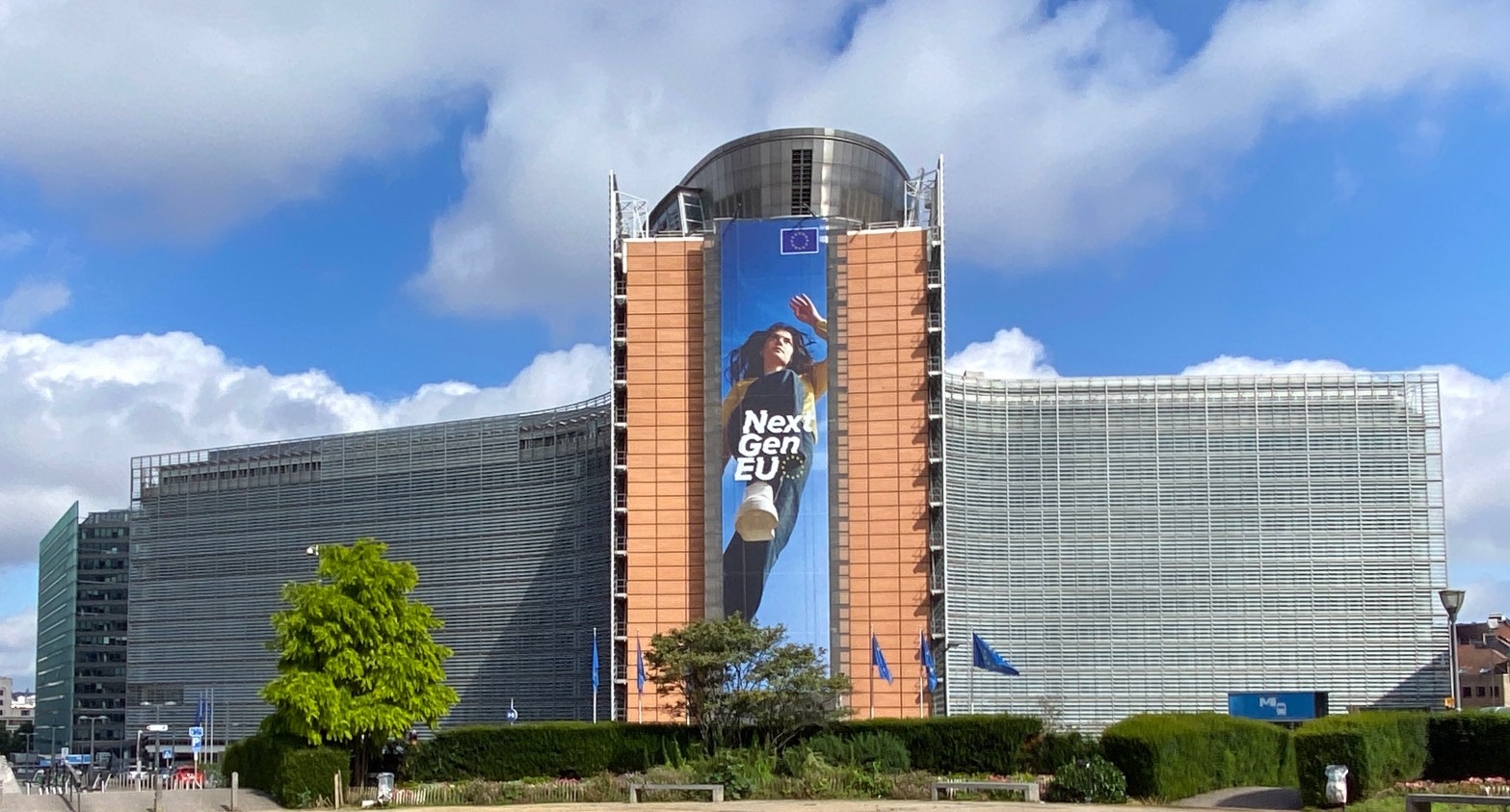
Major buildings in capitals are often named after prominent politicians of yesteryear, or worthy historical figures – there are plenty of those in Brussels. Then there are those buildings that seem to get their names by chance. The headquarters of the European Commission in Brussels is called the Berlaymont. Many people know that there wasContinue reading “Worlds: How do buildings get their names?”
Worlds: Teutonic Knights in the Belgian countryside

The Teutonic Order (aka Deutschorden, or officially Order of Brothers of the German House of Saint Mary in Jerusalem) was founded in 1190 to help pilgrims to the Holy Land and to establish hospitals. From 1220 onwards it set to conquer and convert the southern coast of the Baltic. So, what was it doing inContinue reading “Worlds: Teutonic Knights in the Belgian countryside”
Worlds: No fancy capes this year
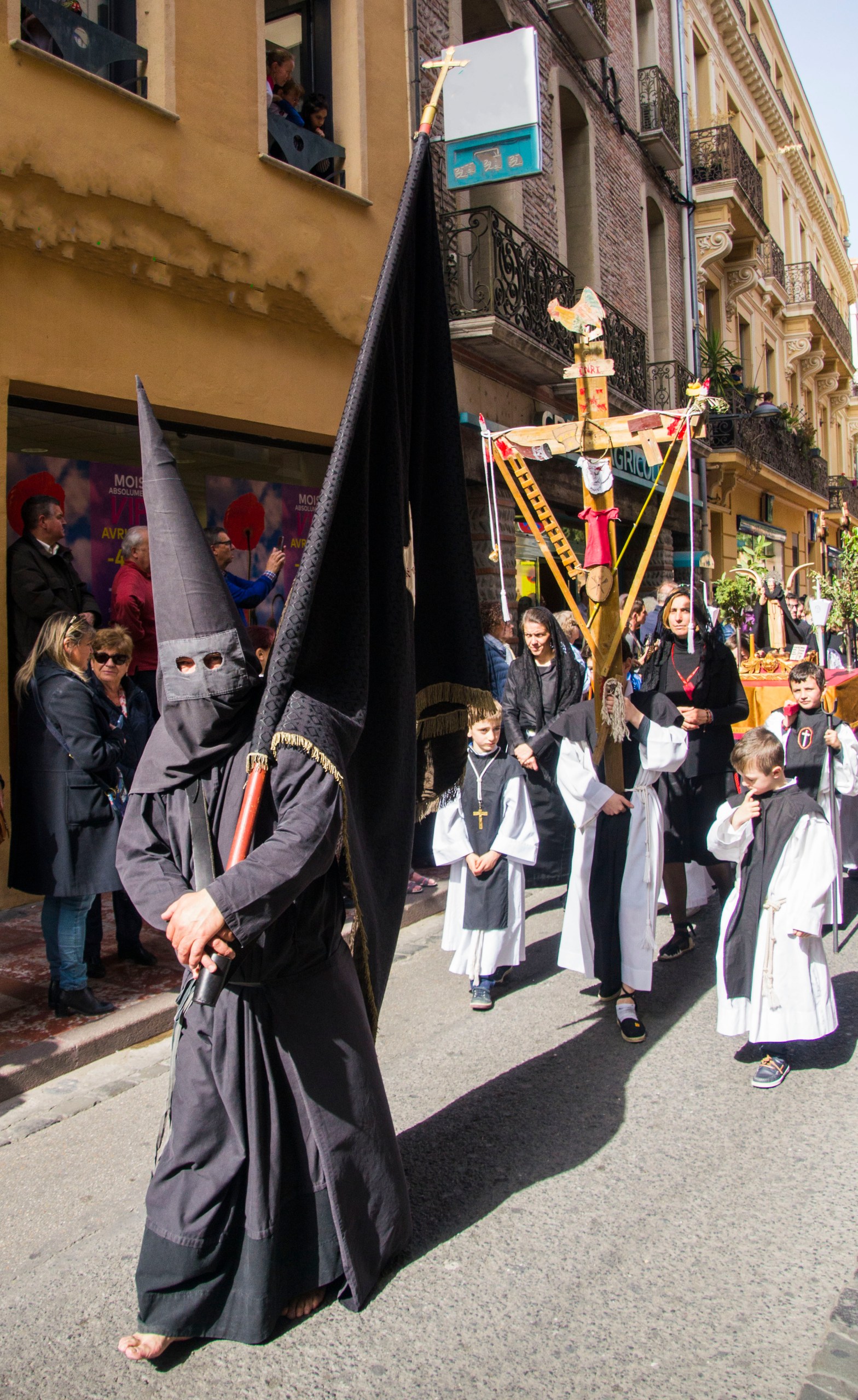
Usually on Good Friday, Perpignan and other towns in the French Catalonia celebrate with the procession of La Sanch, full of people in peaked, masked robes. These are not the world’s most fashionable garments, so perhaps an explanation is required. Originally, the brotherhood of La Sanch (the blood) was founded in 1416 at the churchContinue reading “Worlds: No fancy capes this year”
Worlds: The fortress contributing to the French revolution
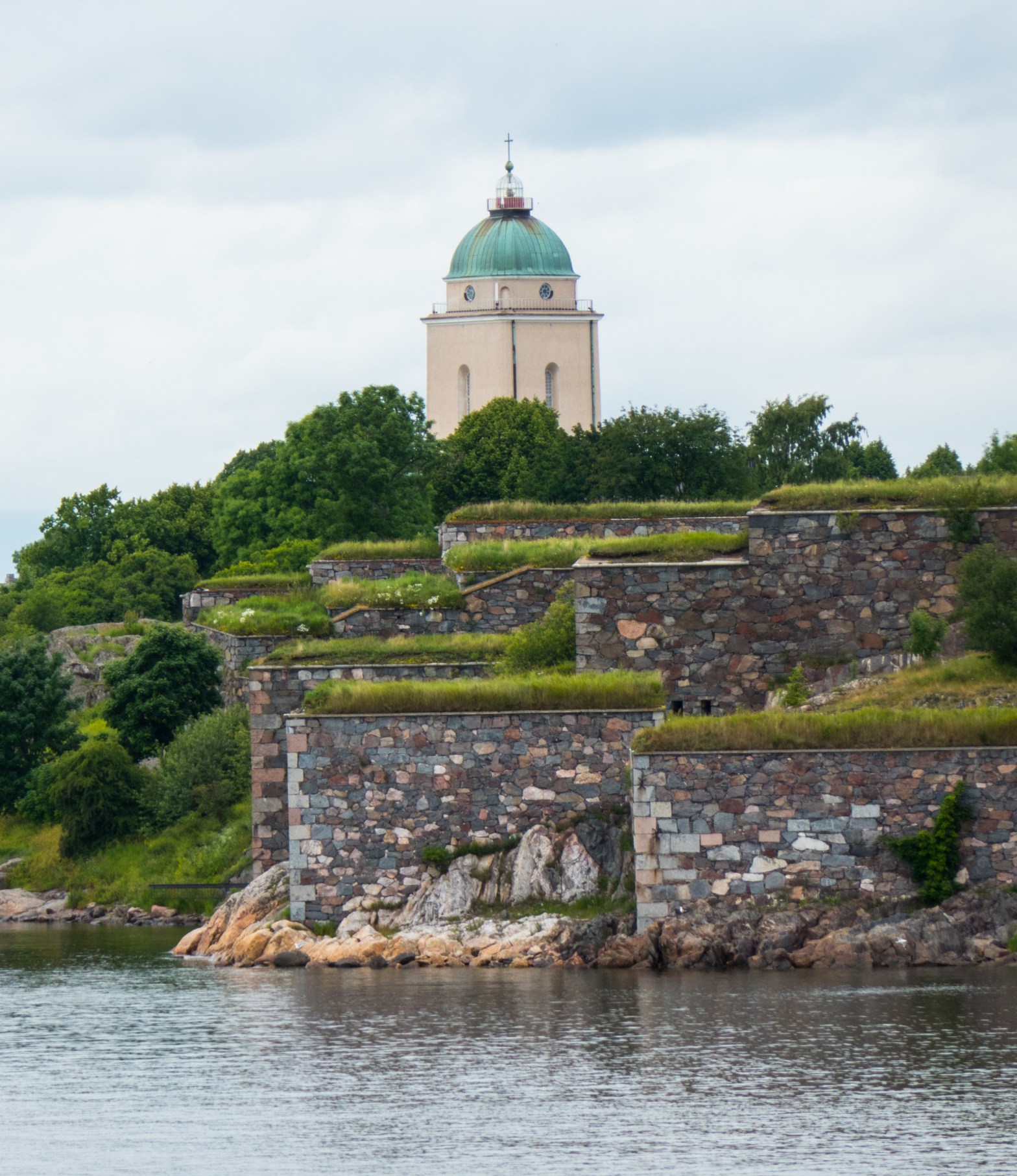
How did it come about that the Suomenlinna-Sveaborg fortress in front of Helsinki contributed to the French revolution? The answer can be found in the great power politics of 18th century Europe. Sweden, which at this time included Finland, had been a great power in the 17th century, ruling major areas around the Baltic and Northern Germany.Continue reading “Worlds: The fortress contributing to the French revolution”
Rails: Of termini and through stations

The Berlin Hauptbahnhof is a glimmering modern version of the traditional train shed structure of classical main line stations. However, the difference is that it is a through station of both east-west and north-south connections, reflecting the needs of modern cities and train travel patterns. Historically Berlin railway stations were termini, like those in LondonContinue reading “Rails: Of termini and through stations”
When God Save the Queen was national anthem in Finland
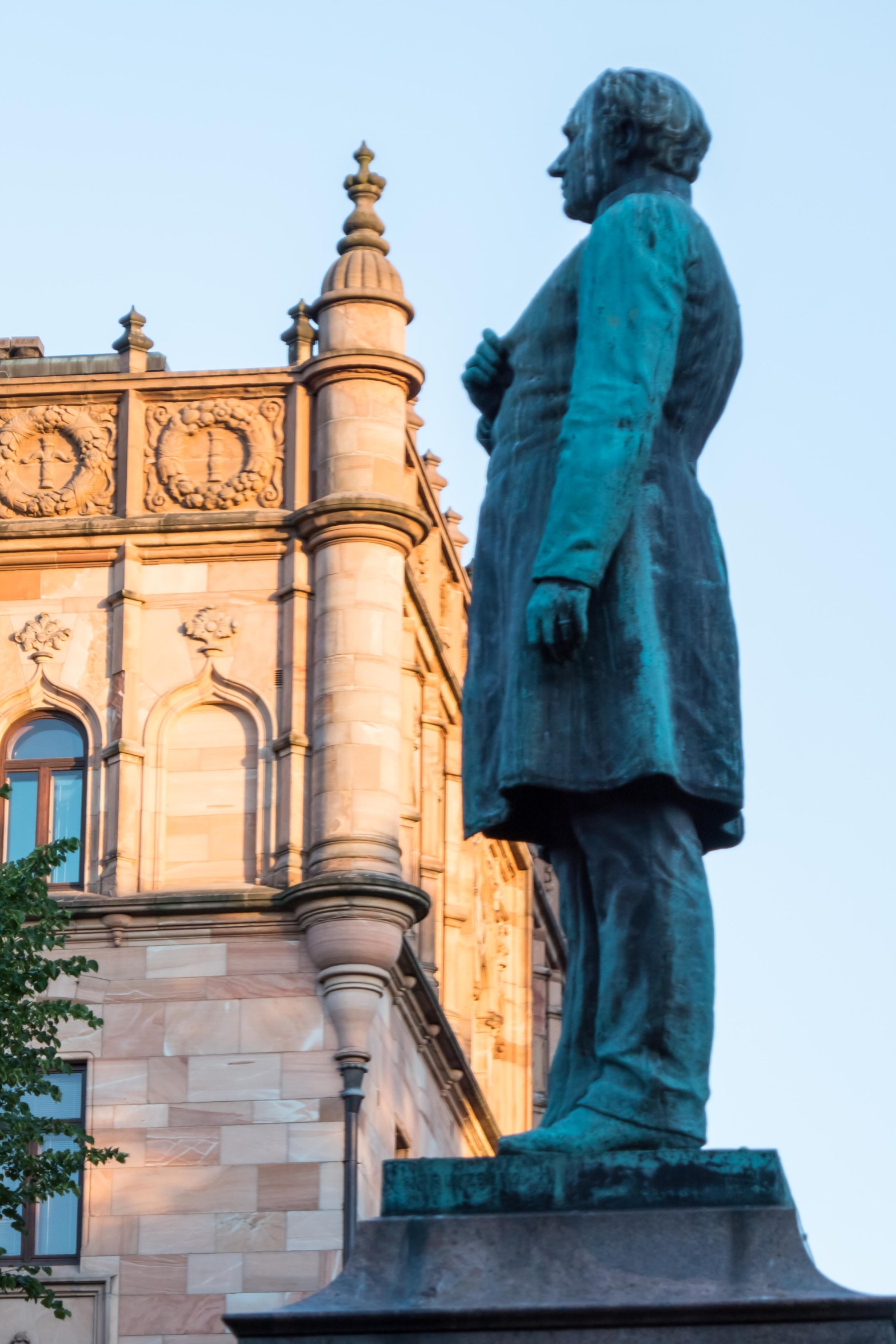
On 13 May 1848, at a student spring party, the Finnish national anthem (Maamme/Vårt land) was performed for the first time. Johan Ludvig Runeberg (him in the picture) had written the lyrics a few years earlier, and they had been set to music several times. These efforts were not particularly successful until the Hannover-born FredrikContinue reading “When God Save the Queen was national anthem in Finland”
 Rails, wines, worlds