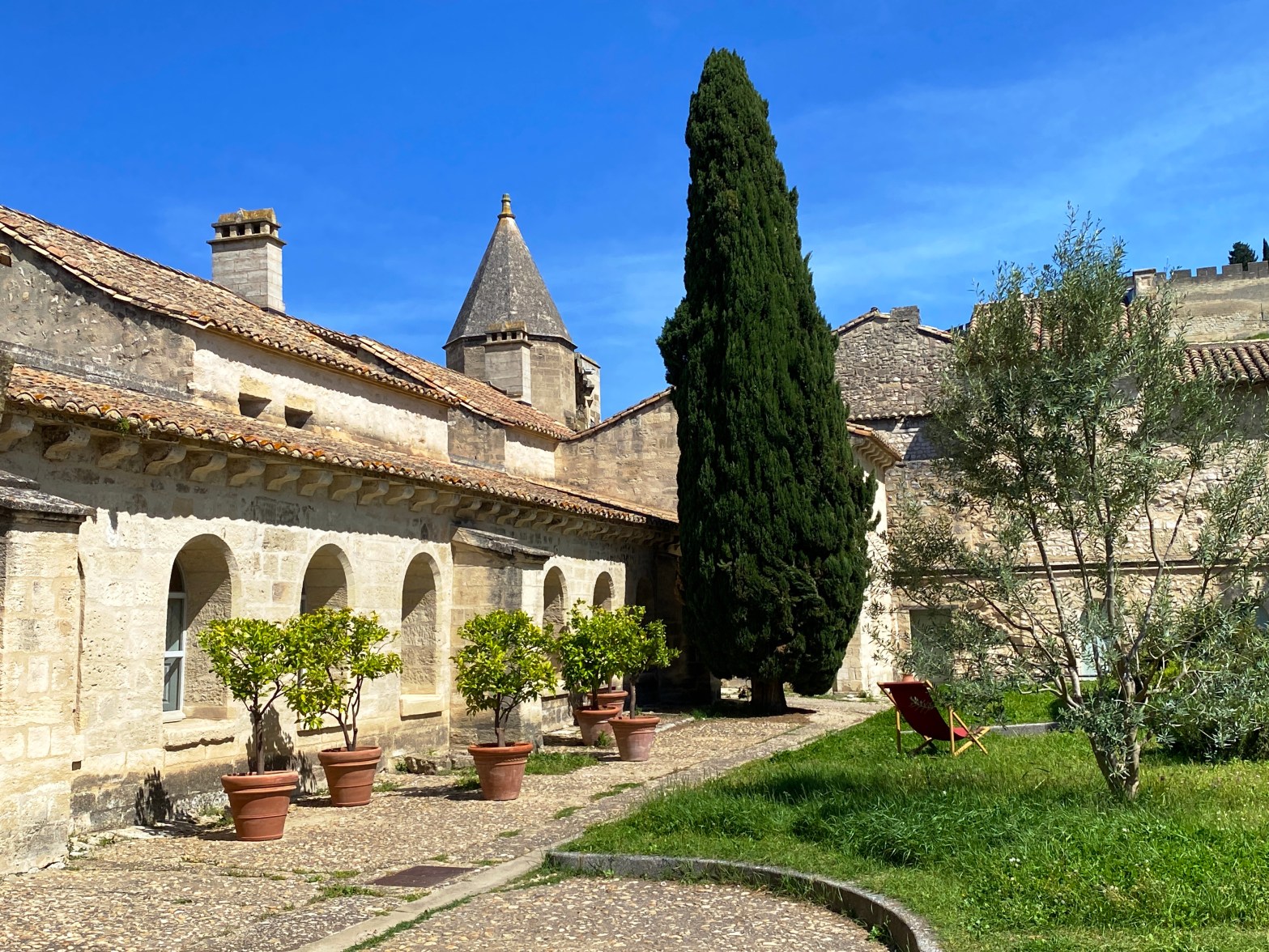
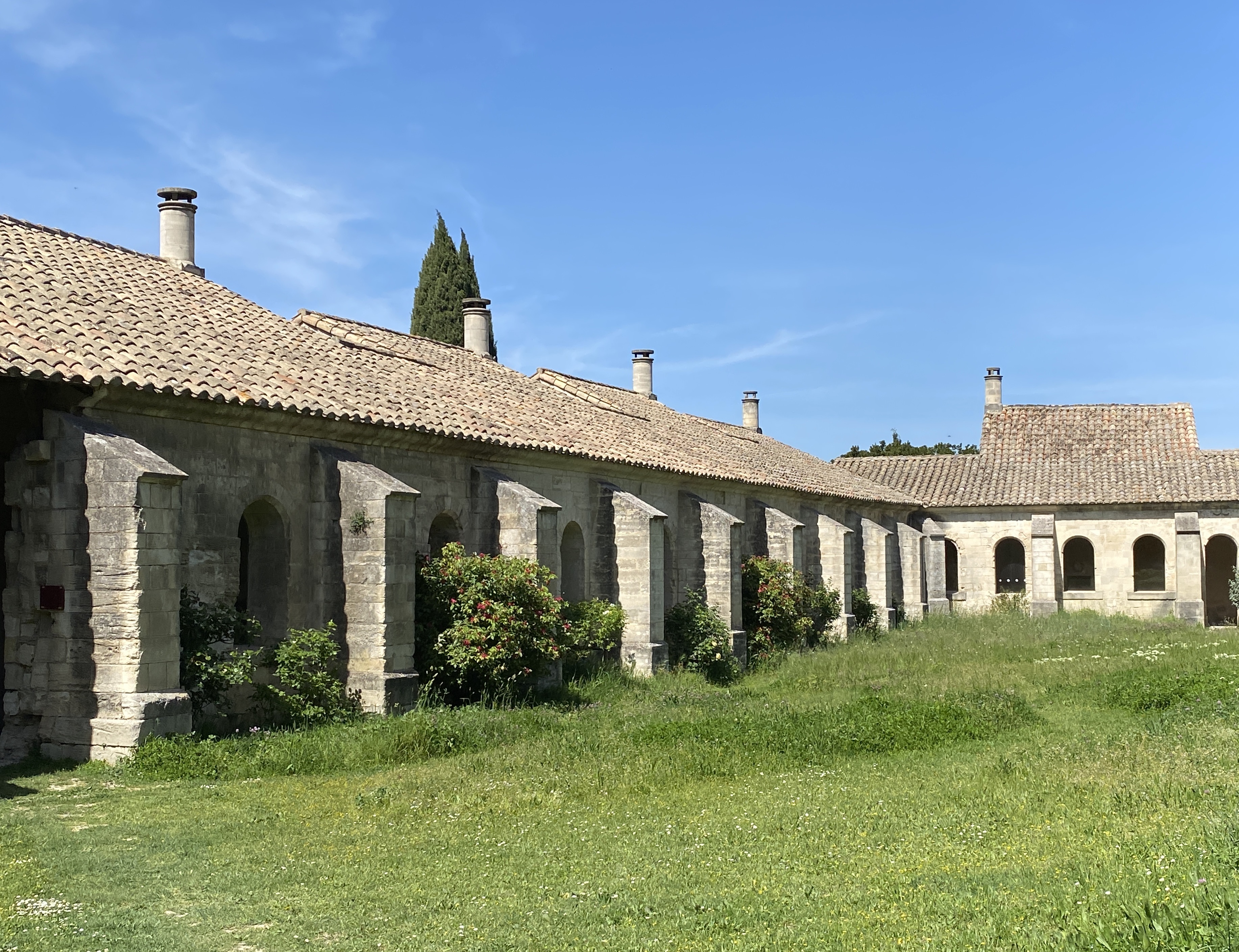
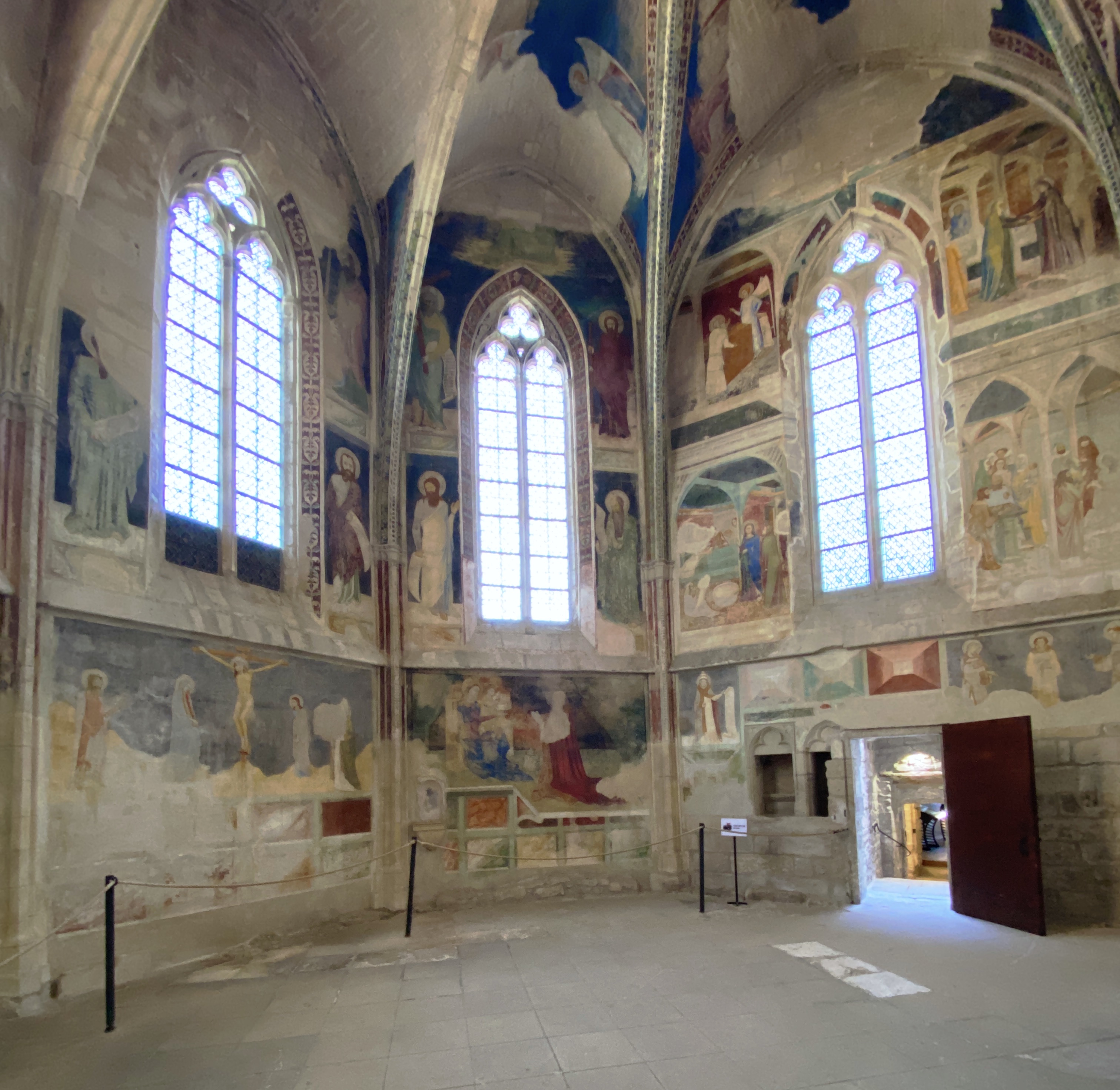
In the Middle Ages, Europe was full of monasteries, one mightier than the other. Since then, reformation, revolutions and modernity have put an end to most of these, leaving at times behind impressive ruins. The charterhouse in Villeneuve-lez-Avignon was once the largest in France, with three cloisters (the main one is below left), a papal tomb and a chapel with sumptuous frescoes (below right).
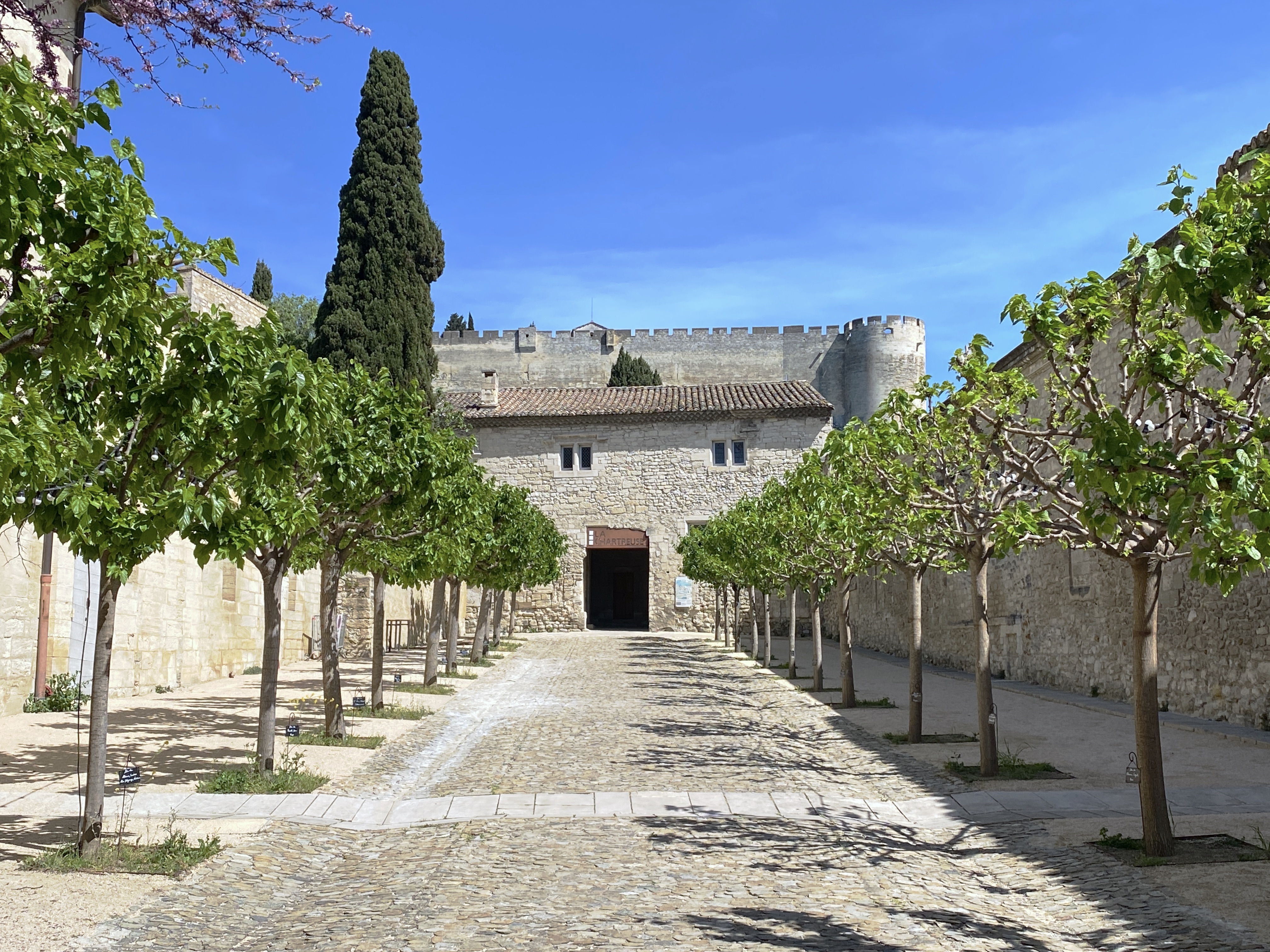
However, the revolution put an end to all of this and the whole charterhouse was sold off in lots to citizens. As the respect for historical monuments increased, the building complex of Chartreuse du Val-de-Bénédiction, as it was known, has gradually been renovated over the last 120 years (the current entrance is below, with the Fort of Saint André in the background).
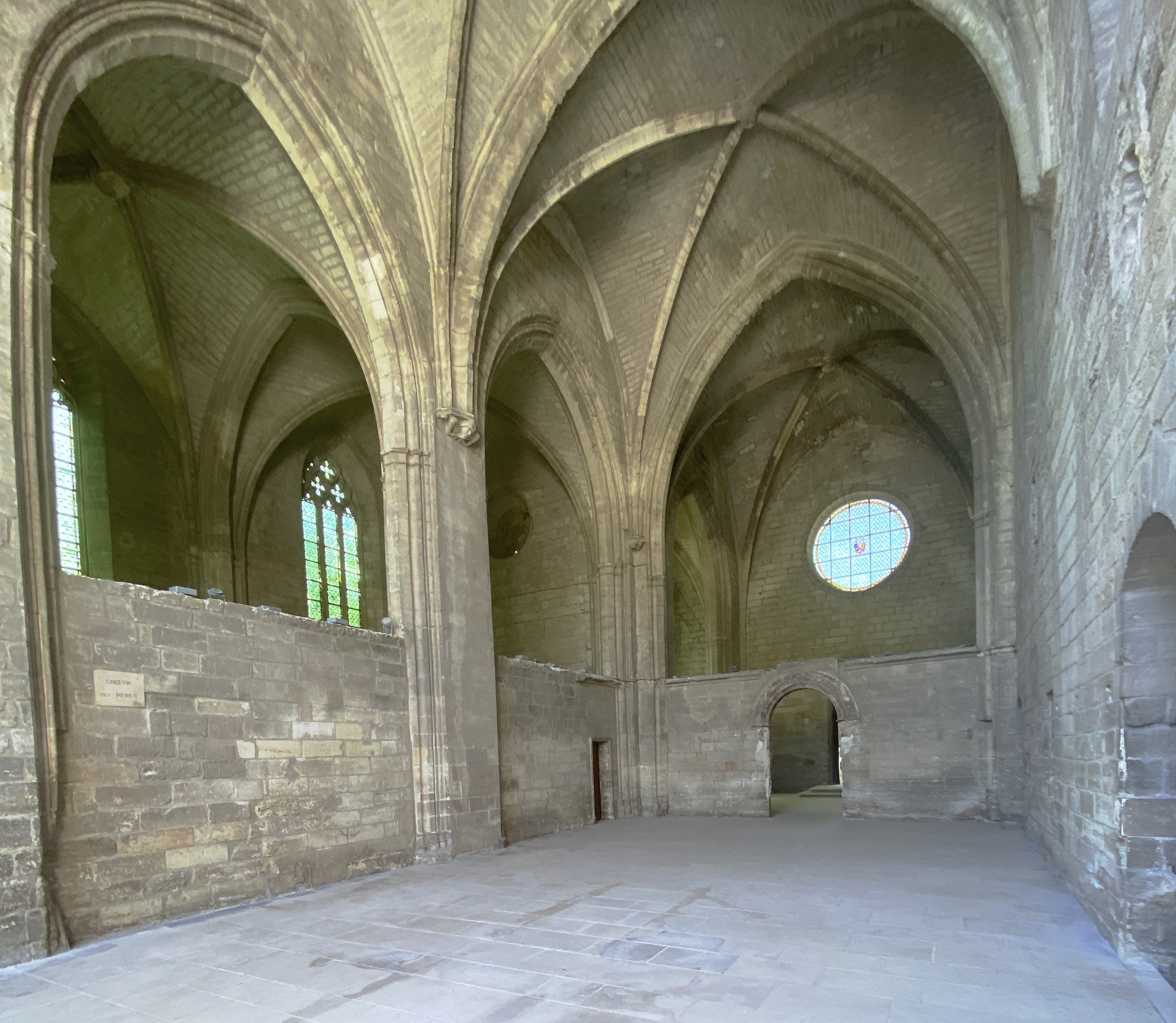
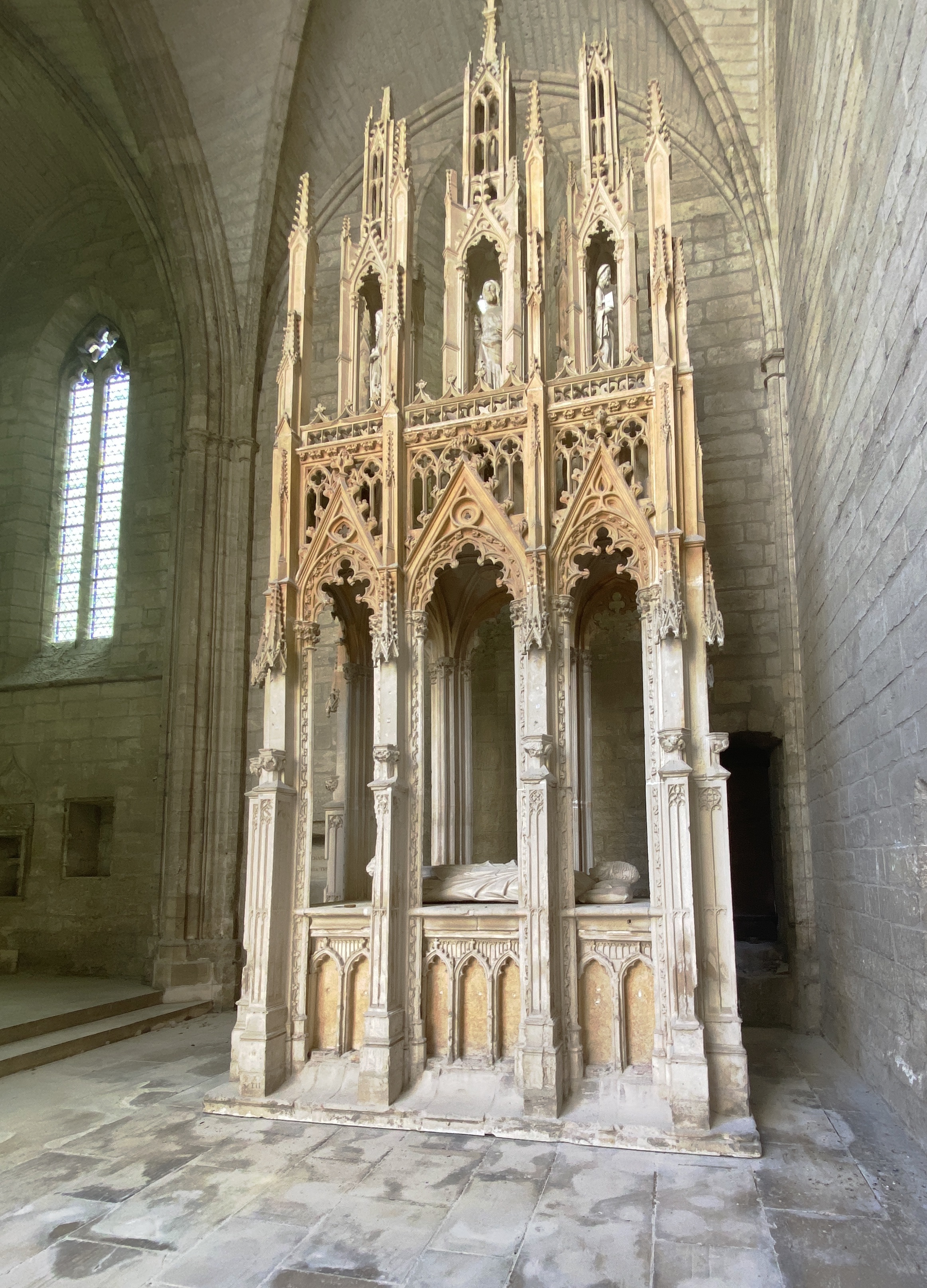
The Carthusian order was founded in 1084 and the charterhouse in Villeneuve was founded by pope Innocent VI (pope number 199) in 1352 – and it was he who got buried in the church (below left the church in its current form – sans one wall). However, he did not stay but travelled around after the revolution and his bones were only returned to the tomb in 1960 (below right is the the tomb that had been restored and returned the year before).
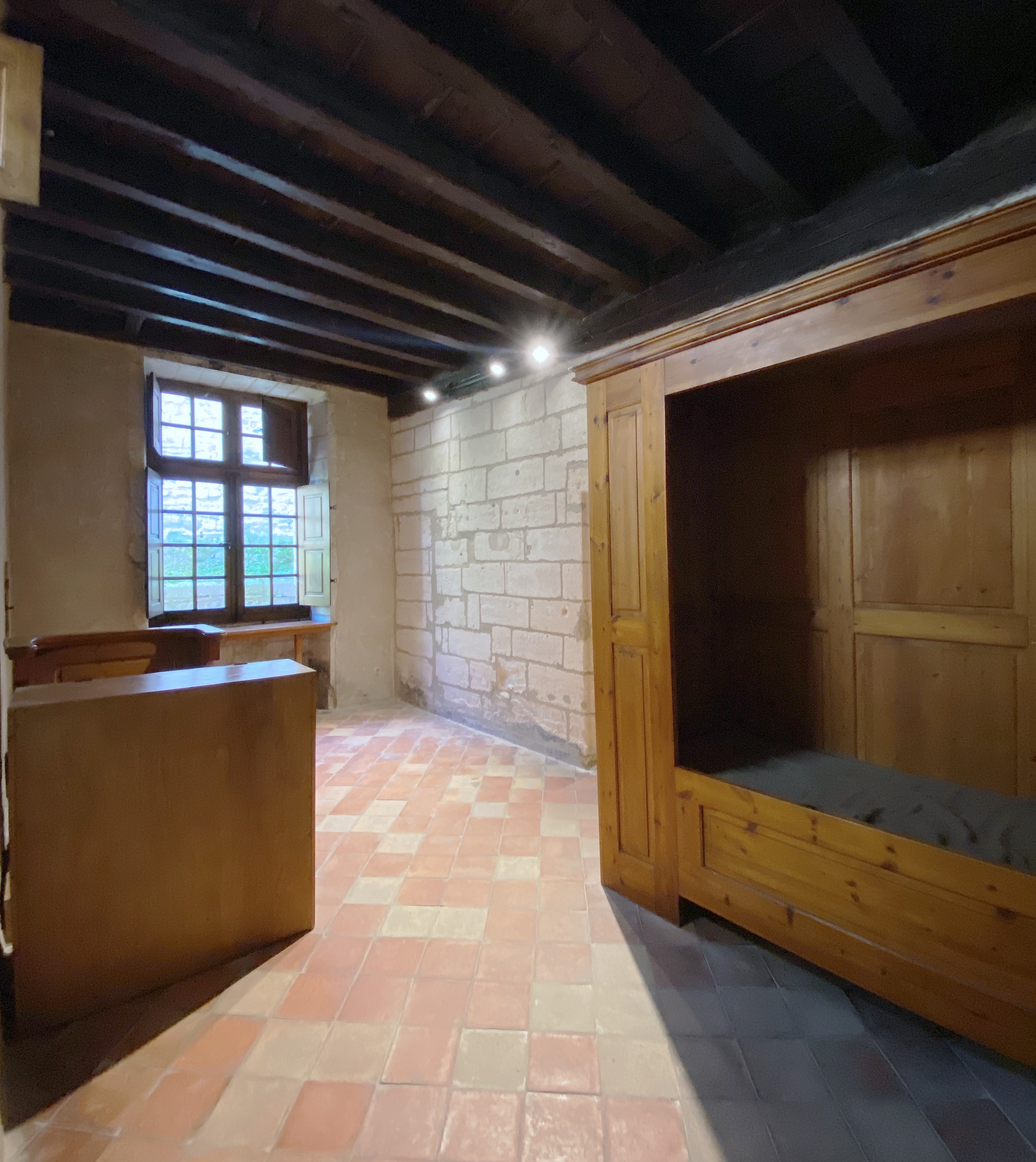
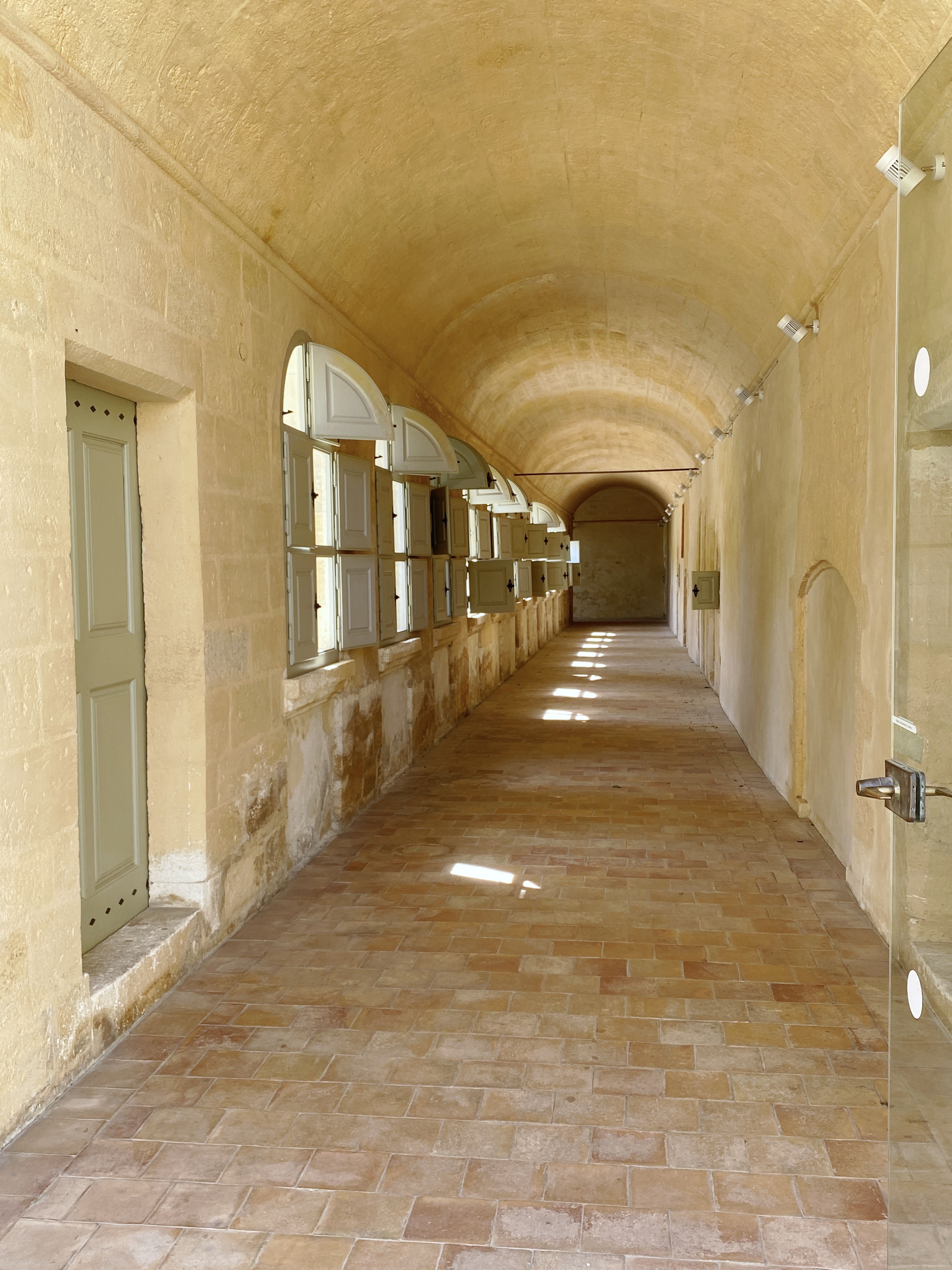
The former monk habitations are more than cells, as they were supposed to do manual work on top of reading, writing and praying, so they deeded a workspace (reconstructed sleeping quarters below left). Several of these habitations have been transformed into artist workshops (a corridor giving access to these is below right). The renovation of the complex is ongoing, as its size has meant that a considerable part of the town was built inside it.
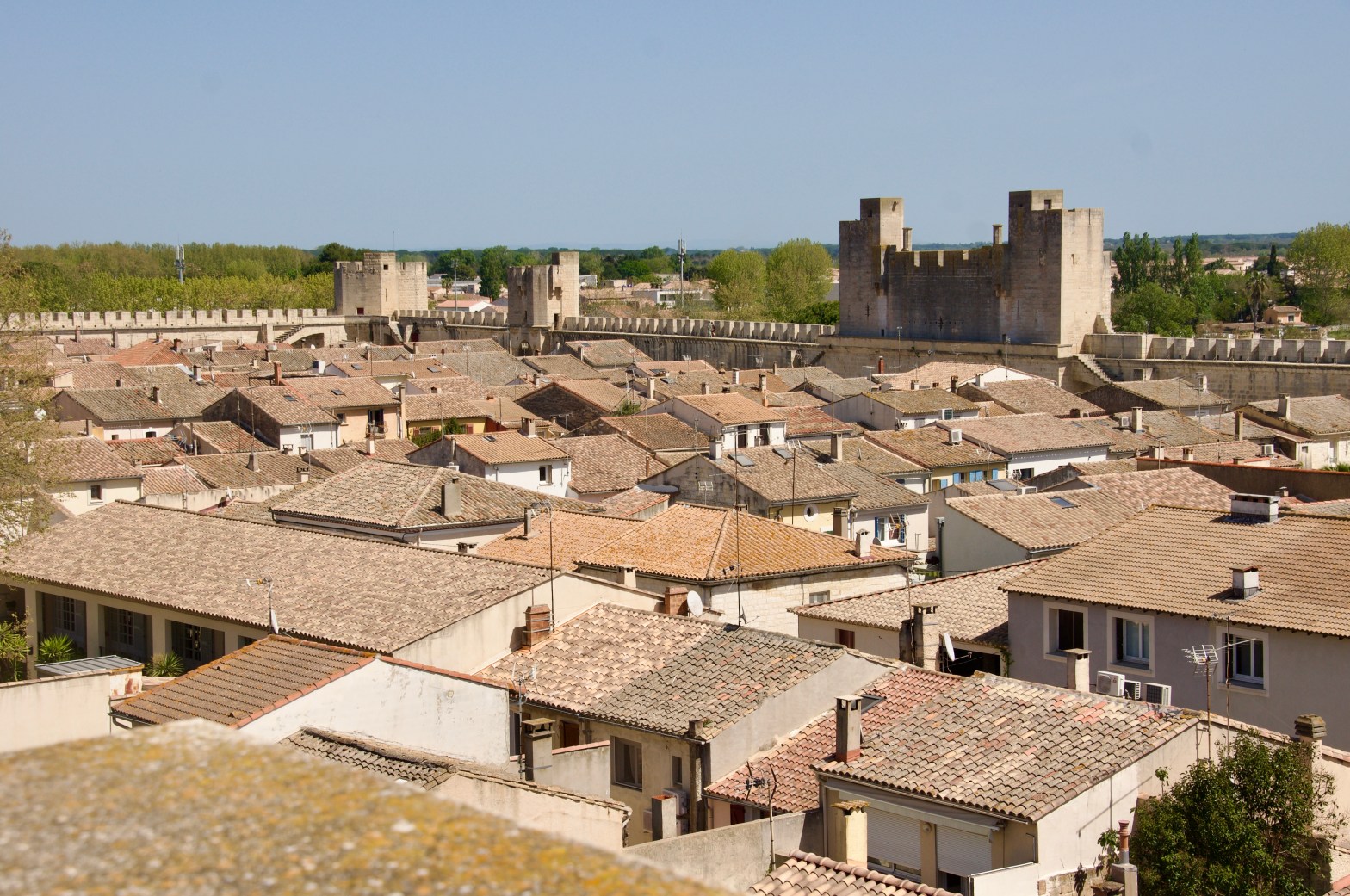
Aigues Mortes has preserved its medieval character because it was important back then, but not afterwards. It was the only Mediterranean port of the Kingdom of France in mid-13th century, and king Louis IX and his knights left for their crusades from here. The name of the town is Occitan and comes from the marshy and low grounds around the town, with the Rhône bringing fresh and the sea salty water. The growth of algae can be seen around the moats (below left). Salt water and low grounds have facilitated the production of salt over the centuries (still going on, below right).
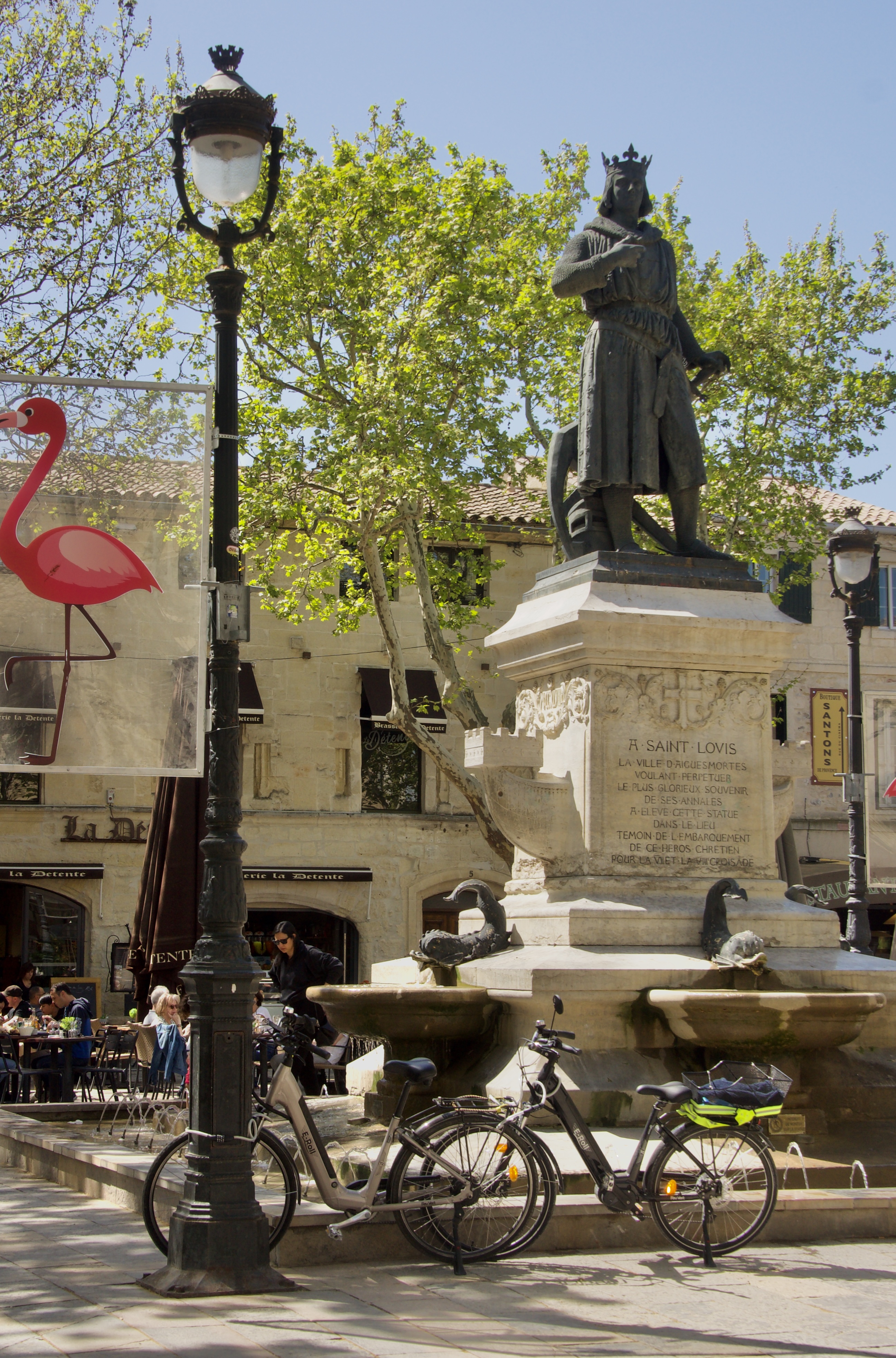
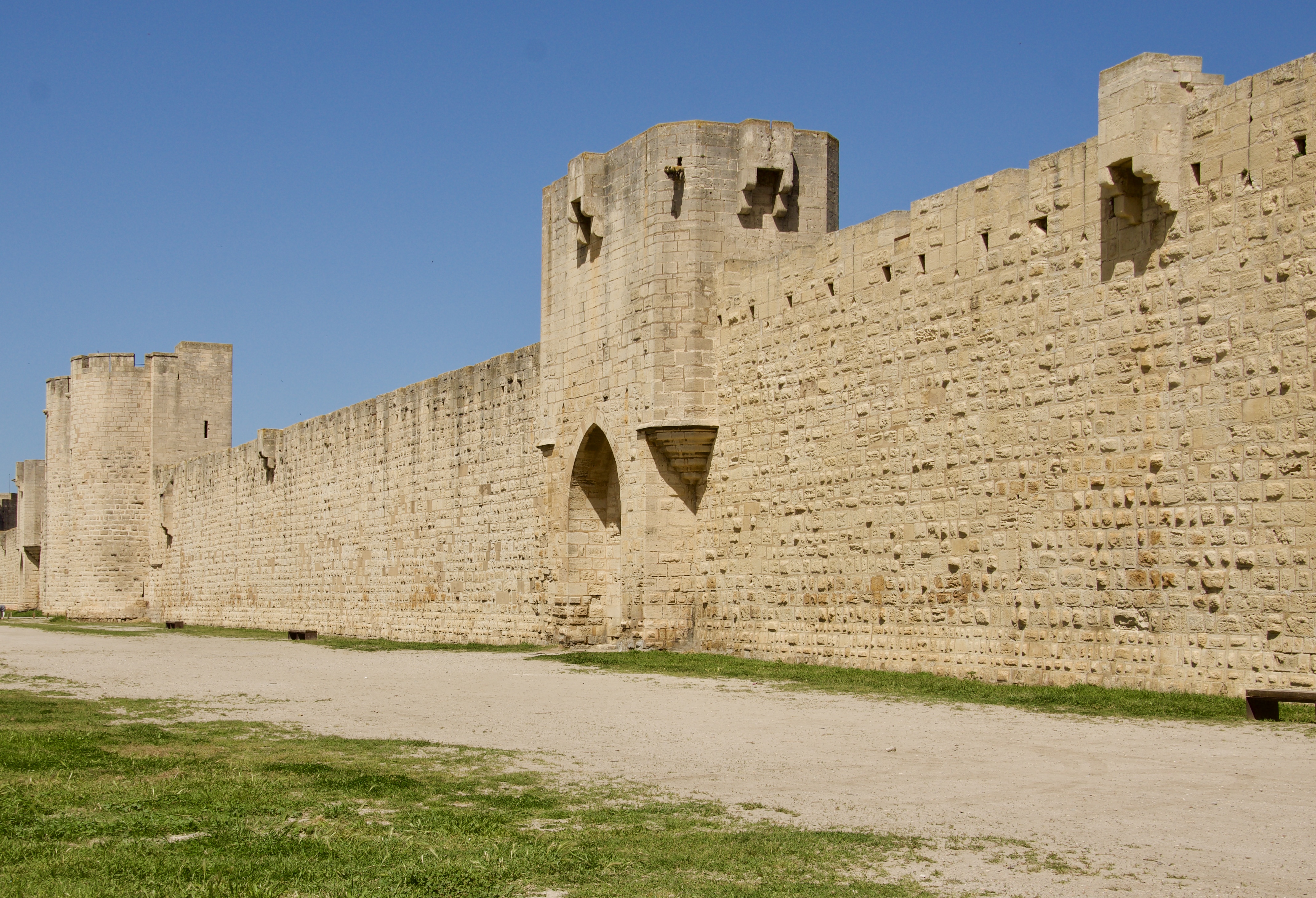
As Saint Louis wanted to have his own port to serve as the starting point, he constructed a road and a garrison to facilitate access, and used the port to embark for the seventh and eighth crusades. As these were hazardous exercises, he died during the eighth in Tunis, but looks still down from his pedestal in town (below left). The well-preserved walls of the town took thirty years and two further kings to finish (below right).
The fortified town served the king as a prison and interrogation point for the knights of the Temple after the organisation was declared illegal in early 14th century. Many were burned alive here. However, gradually the town lost its importance as the Rhône silted and other ports opened up.
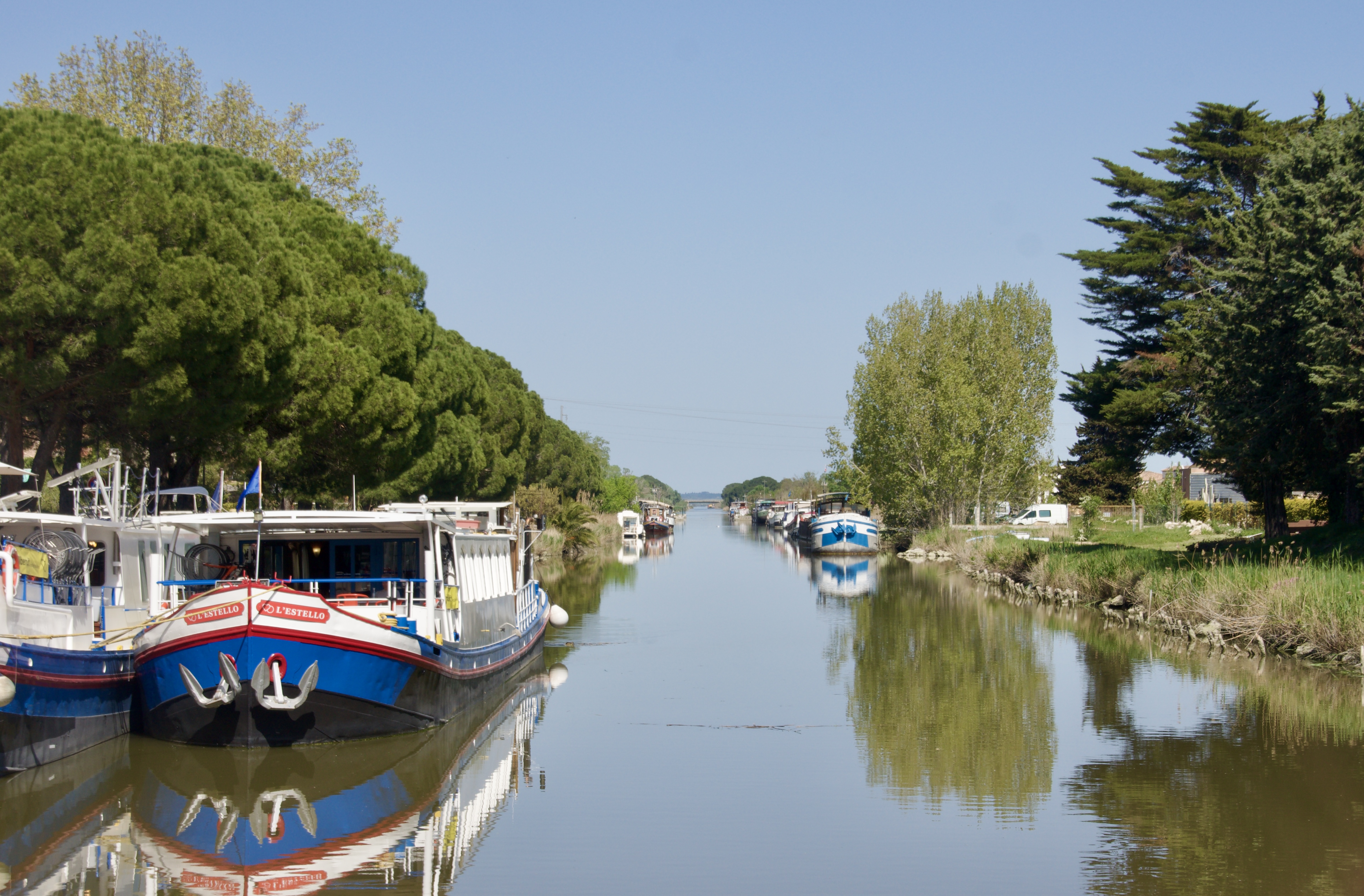
During the religious wars of the 16th century, both catholics and protestants were thrown into prison in turn. In a later flaring-up of violence, nationalists killed seven and wounded 50 Italian immigrants in town as late as 1893, but these days it provides a much more peaceful image with its houseboats (below left) and tourist services (below right). These days the whole region is an important nature preservation area.
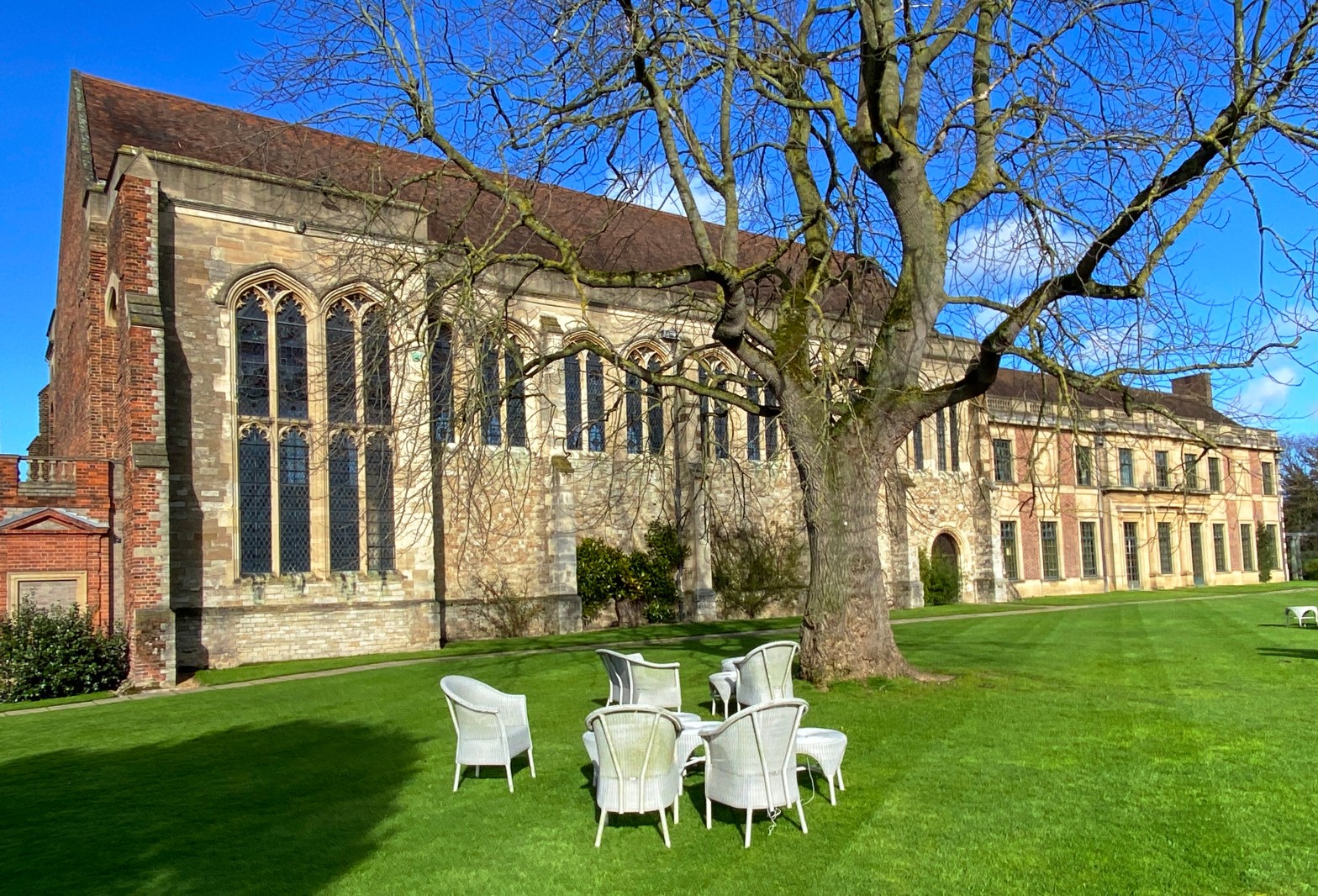
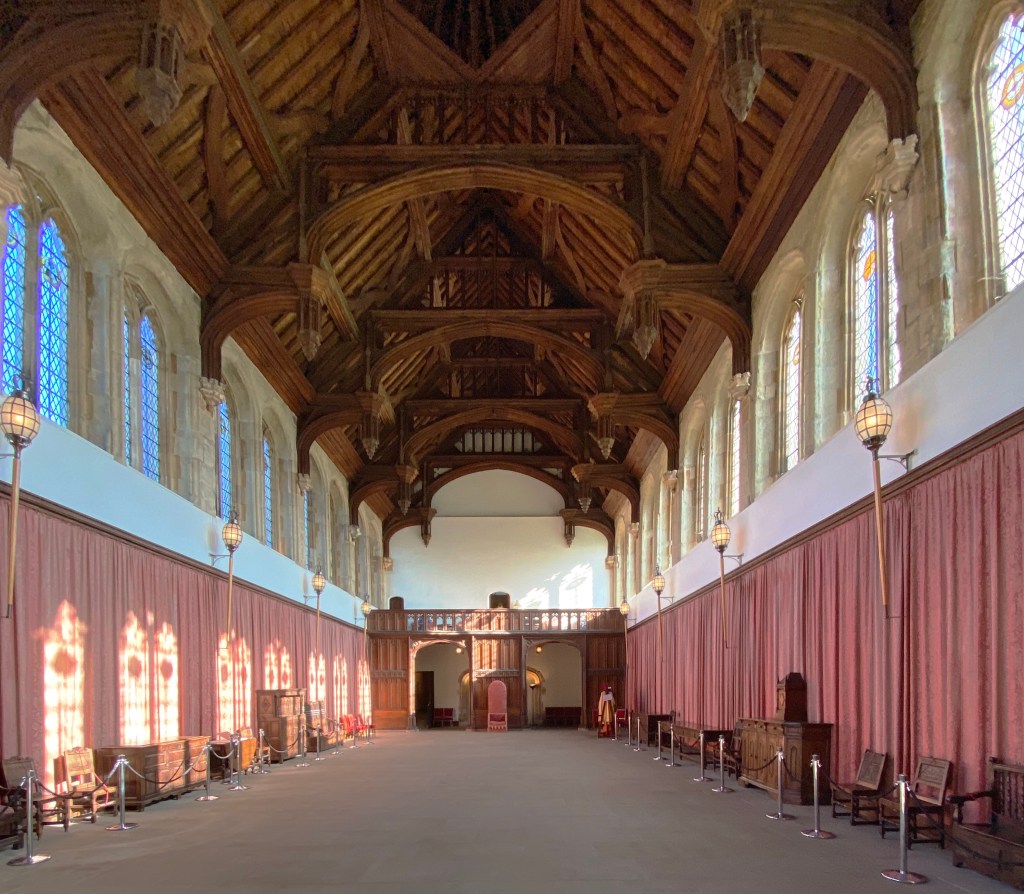
A bishop gave Eltham Palace to Edward II, then Edward IV added a great hall to it, and Henry VIII and his sisters grew up there. As often is the case, glory disappears quickly, and later for 200 years the palace was used as a farm.
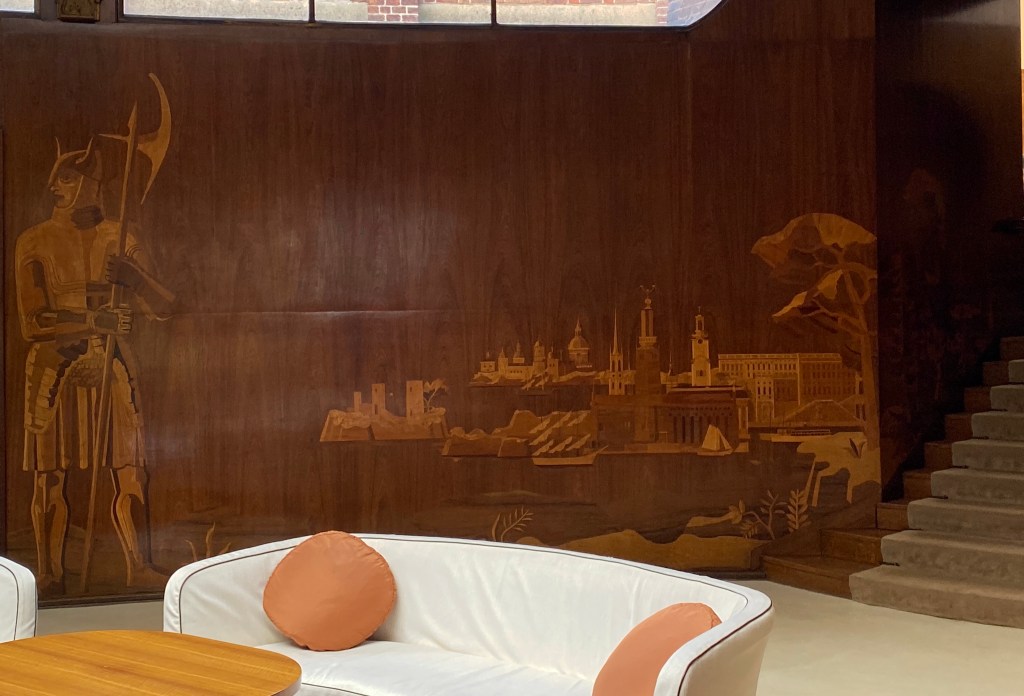
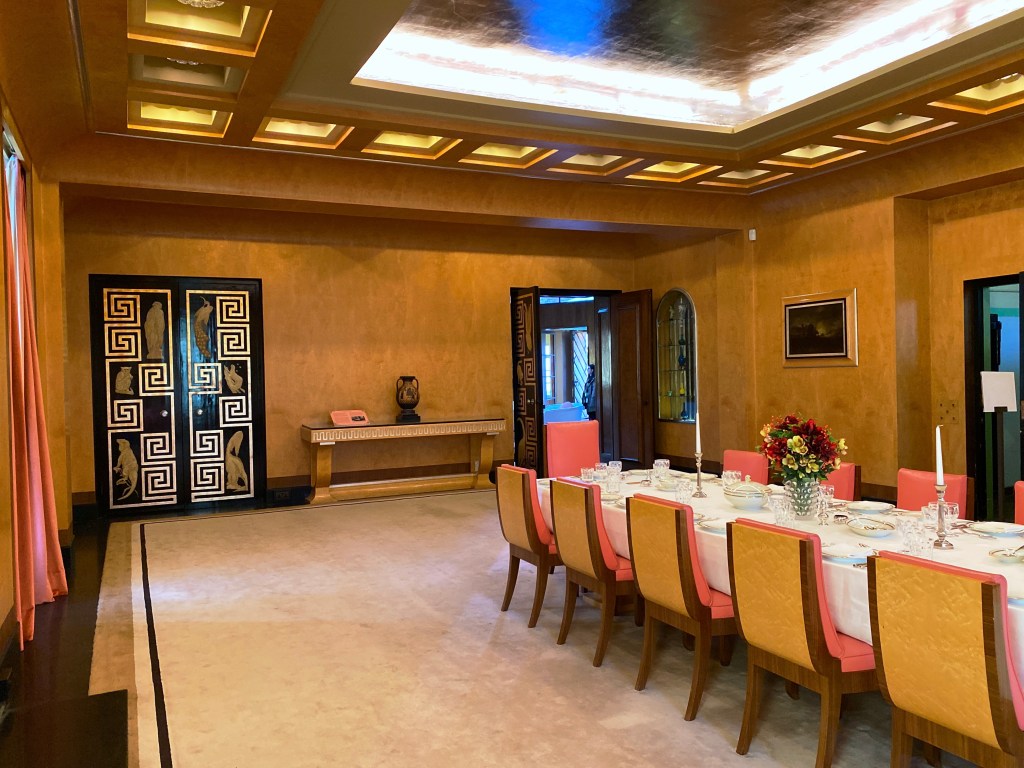
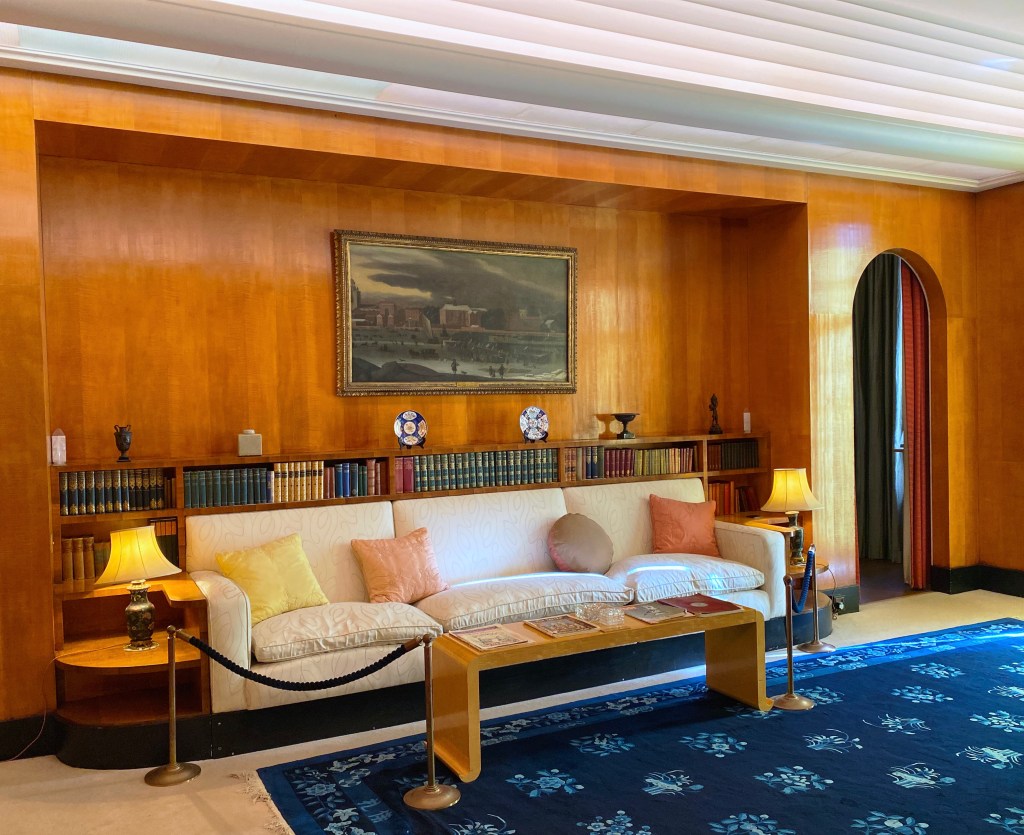
In the 1930s Stephen (inheritor of a textile fortune) and Virginia Courtauld bought the place and built an Art Deco inspired house around the great hall. The entrance hall (above left) got its inspiration from the Stockholm City Hall, and the dining hall (above right) was very much in line with the Parisian Art Deco style.
The great hall of 1470 (above) is a rare survival from the medieval royal palace – the earlier hall was destroyed by a lightning. The current hall saw a party of 2000 at Christmas 1482, hosted by Edward IV. In 1400, still in the earlier hall, Henry IV received Manuel Palaeologus, the Byzantine Emperor. Charles I was the last king to visit the palace.
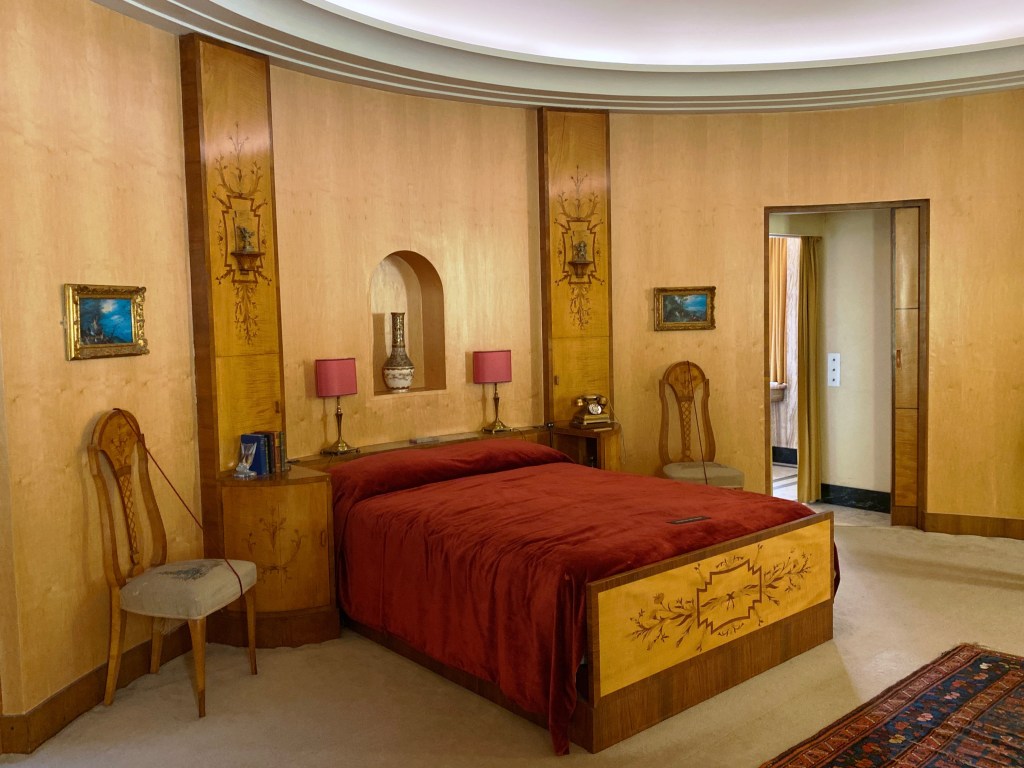
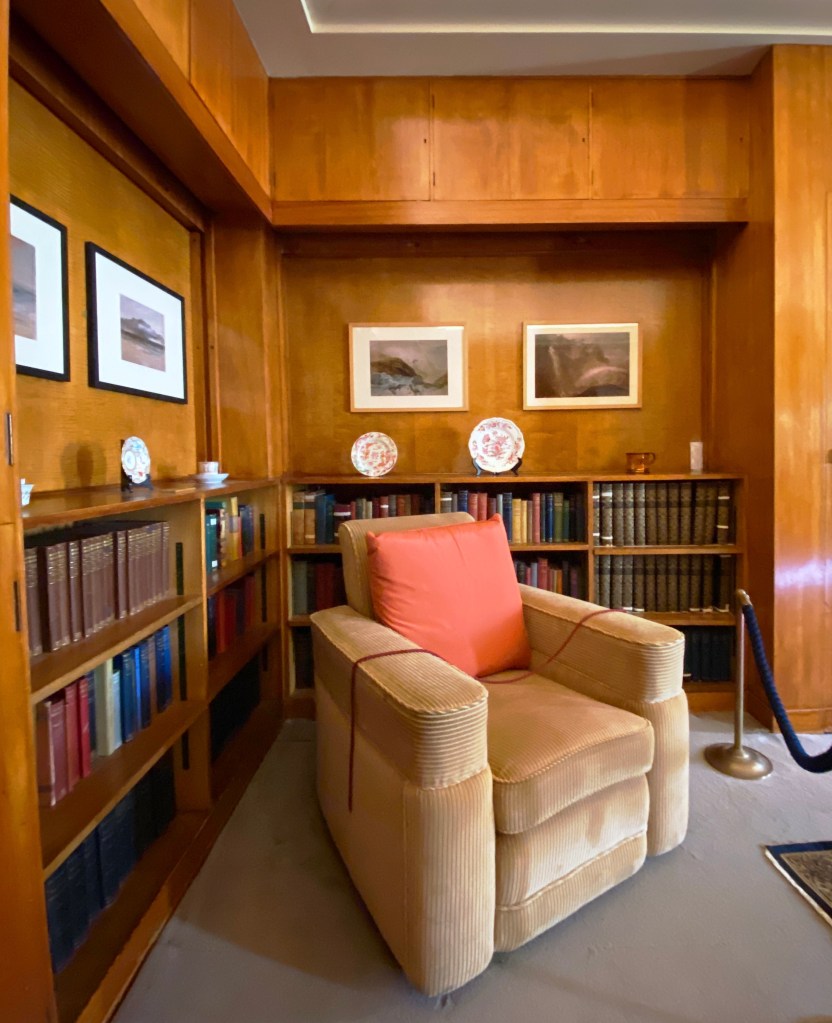
In the 1930s the inhabitants of the palace included a pet lemur called Mah-Jongg that must have delighted the servants by coming and going from its lair via the kitchen. The numerous guest bedrooms housed the great and good of the day, and the interior of the palace was also covered in ’Country Life’, including the bedroom (above left), her boudoir (above centre), and his study (above right). The Courtaulds left in 1944, and the Army used the Palace after that until the 1990s, when the National Trust took over.
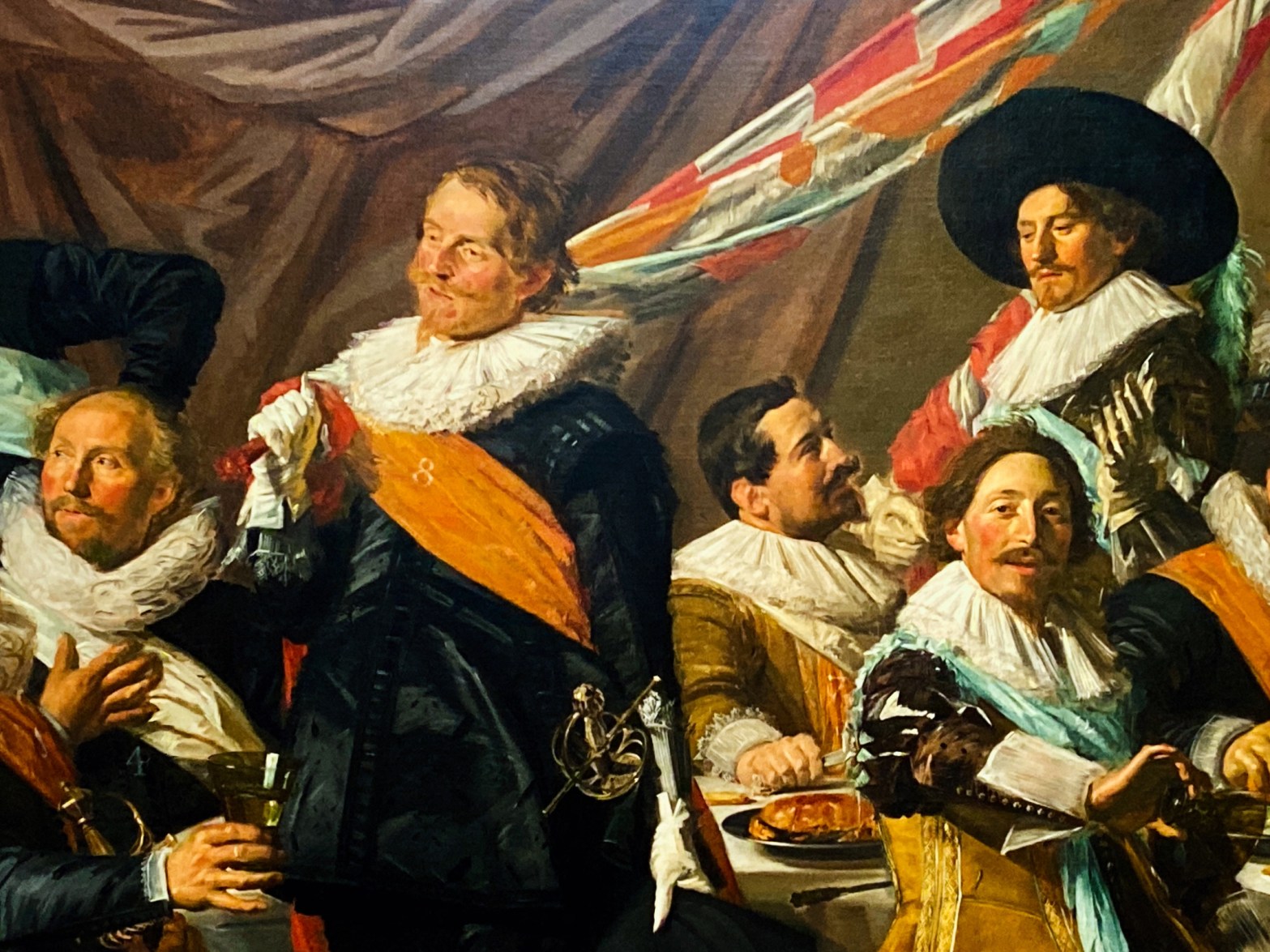
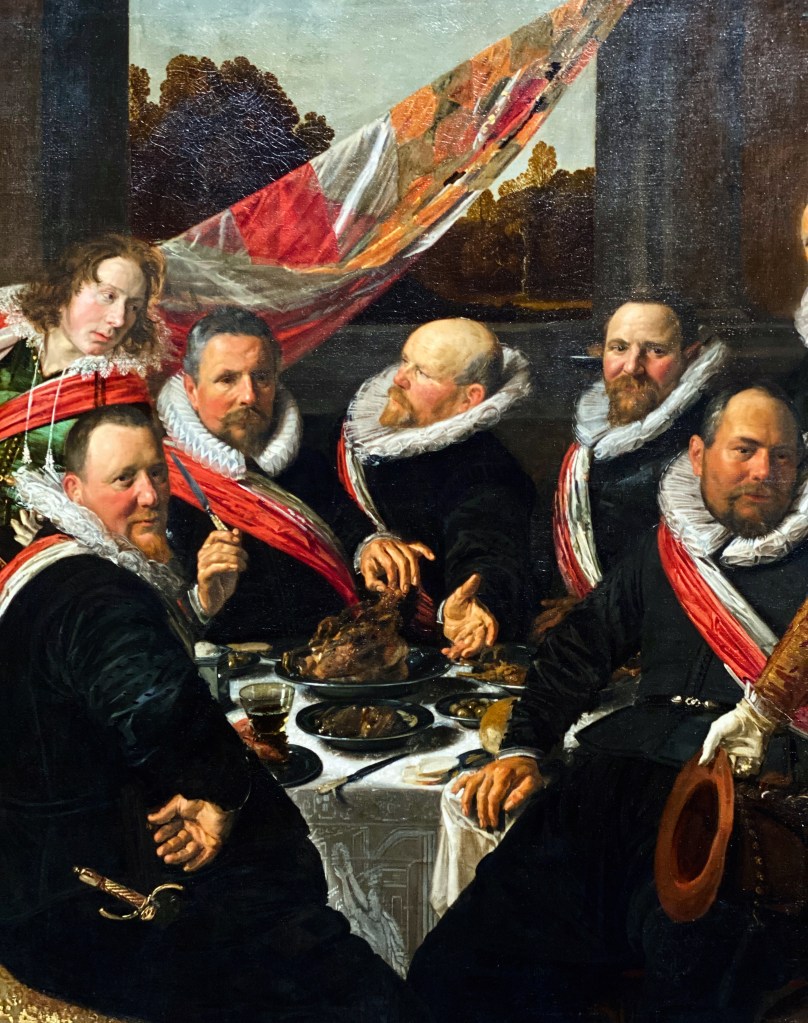
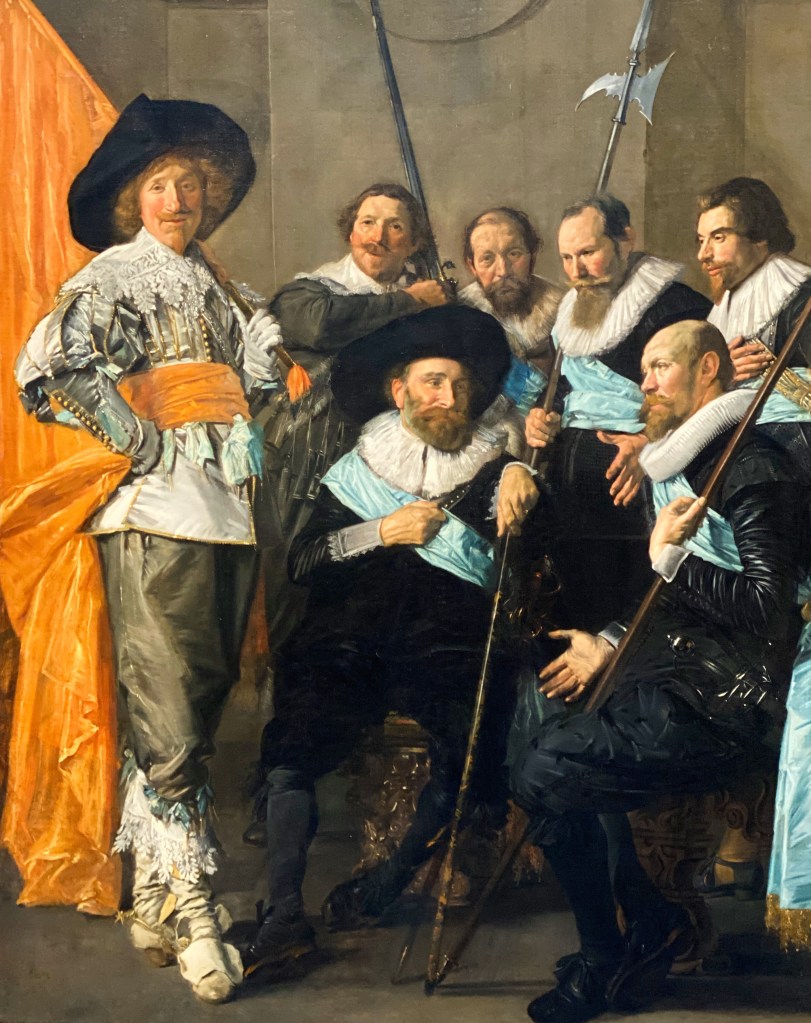
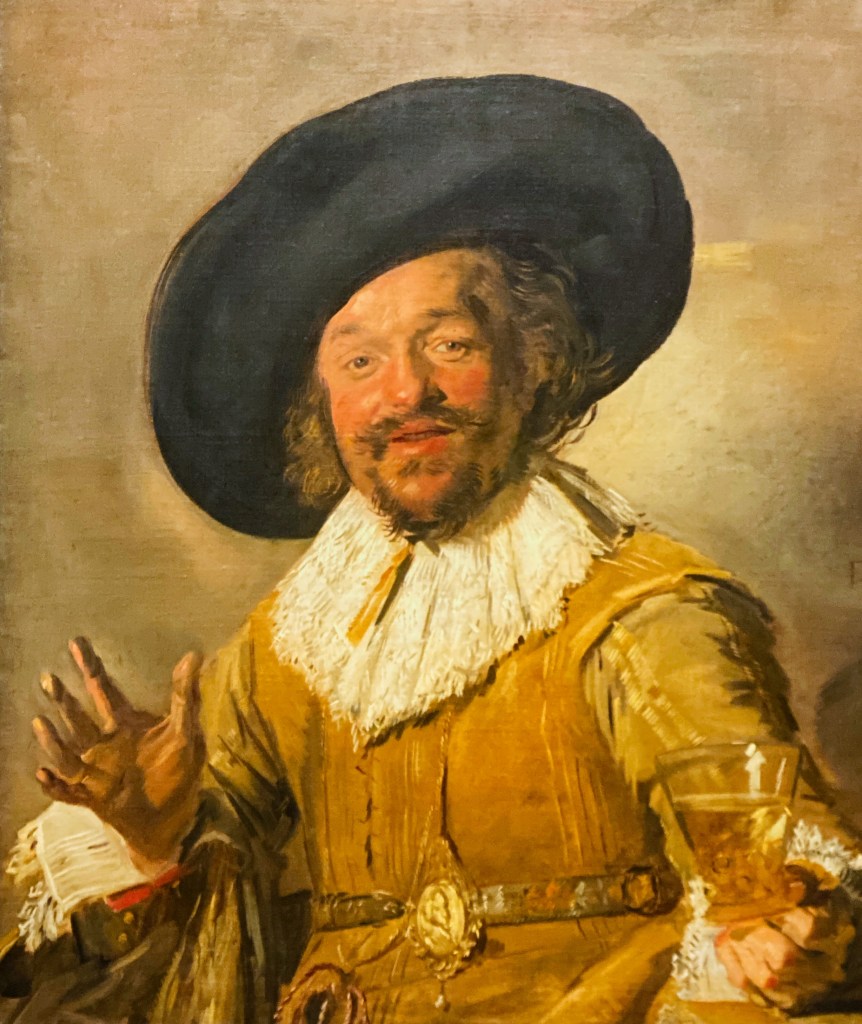
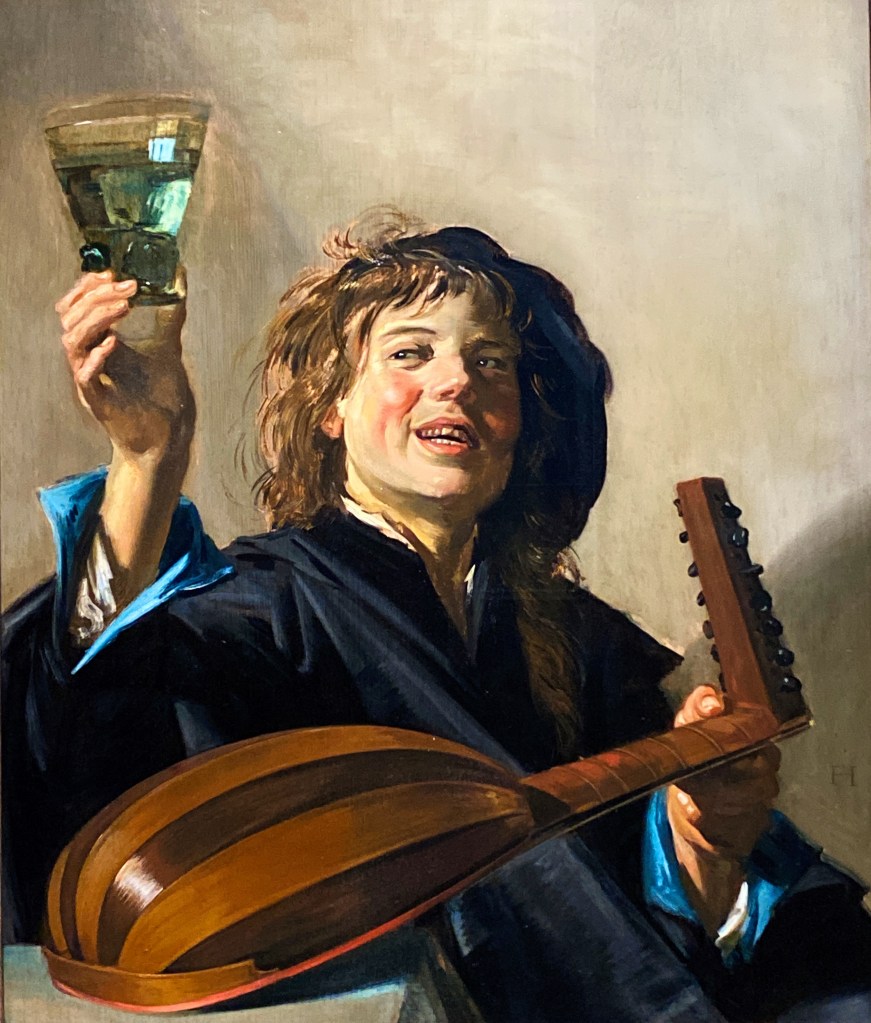
The Dutch portraitist Frans Hals was famous for his lifelike paintings where the visible brushstrokes created an illusion of presence. A comprehensive exhibition of his work started its travel from London, is at Rijksmuseum in Amsterdam this spring, and will move to Berlin for summer and autumn.
Hals did a lot of contract work for upstanding Dutch merchants and dignitaries, portraits where the wealth, piety and social status are evident (above left). Some wished to be portrayed in a different manner, like this youth dressed to the nines with the latest French fashions of 1645 (above right).
A Dutch speciality were the group portraits of civic guard members, usually depicted at the banquet when their contract ended (above left) – although the most famous of these groups is Rembrandt’s ‘The Night Watch’ that shows the guard doing its duty.
However, the guard members were busy people and at times it was difficult to get them to pose – once Hals demanded that an Amsterdam guard should come to his studio in Haarlem to finish their portrait (detail of Hals’s work above left). The guard refused and let another artist finish the painting in Amsterdam.
Another type of portrait was much more informal – these were mostly painted for the general market, not based on a commission. Here, the sitters are relaxed (above), enjoying their drink and often laughing. In serious bourgeois circles laughing was much frowned upon – in the formal portraits nobody ever laughed.
Hals lived to the ripe old age of 82 and continued to paint up to the end.
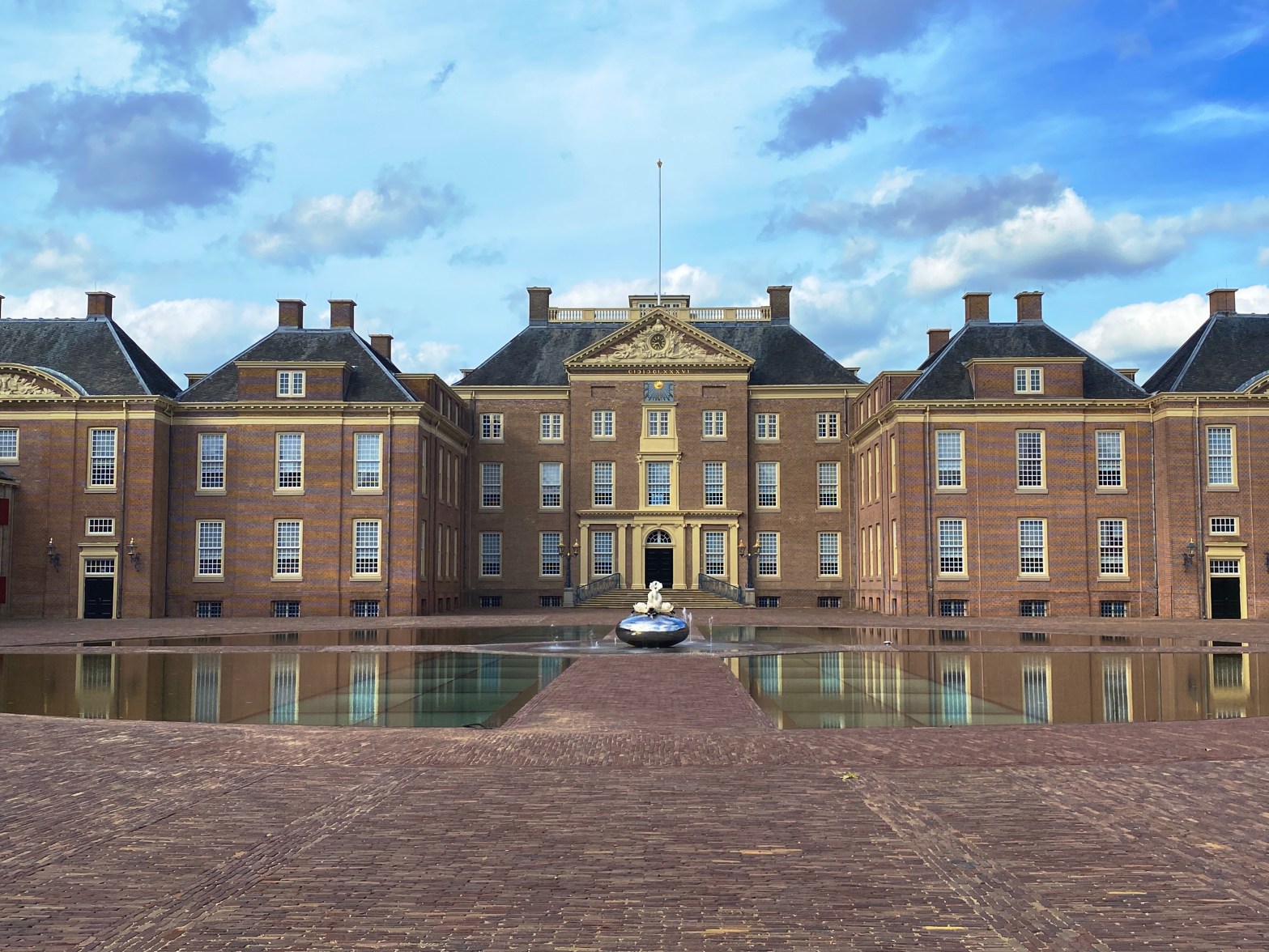
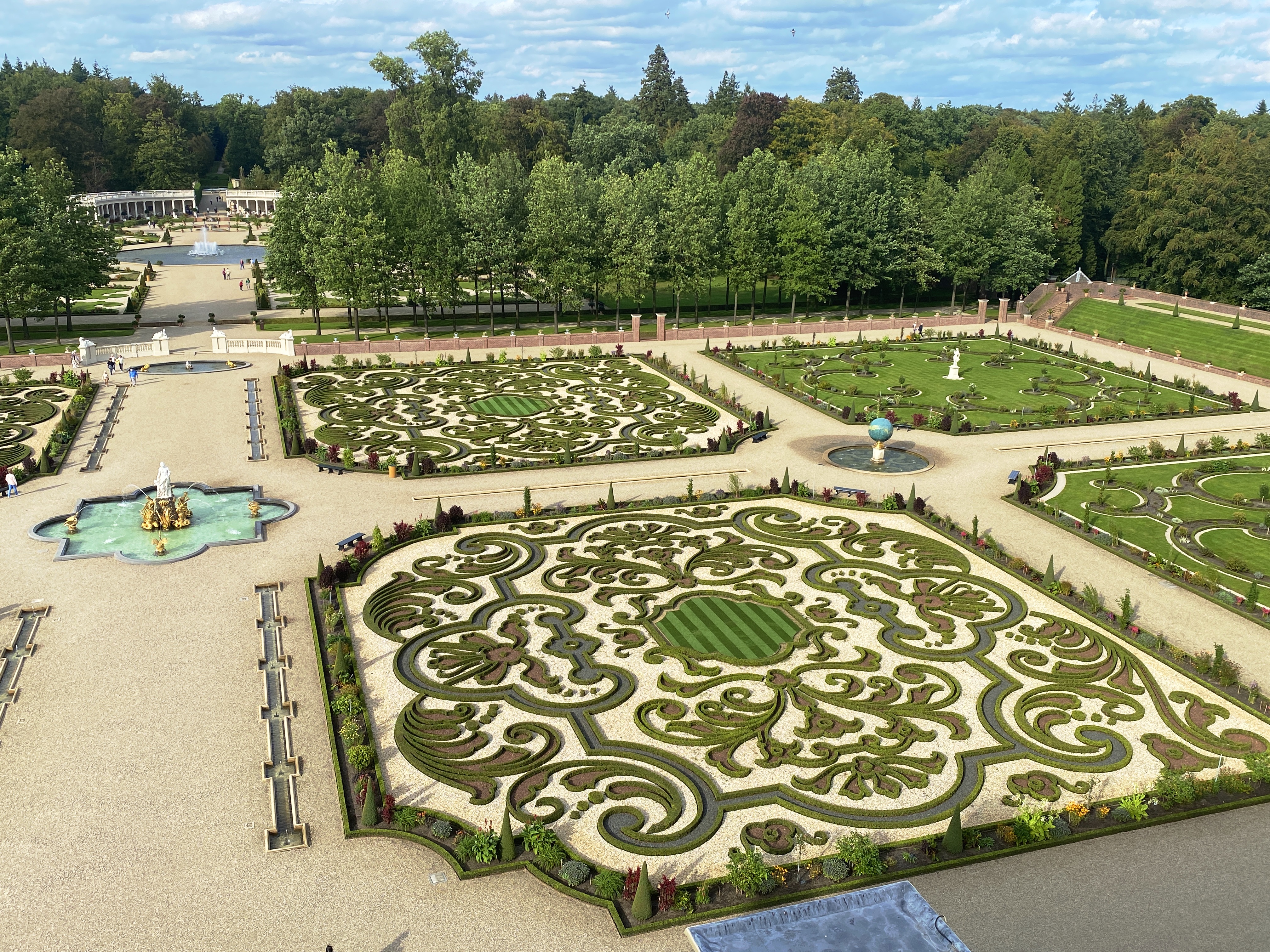
This is the summer cottage of the house of Orange-Nassau. Orignally built by William III, the same that extended his rule to the islands a bit northwards, it was used as a summer residence by most of the Dutch monarchs until 1962.
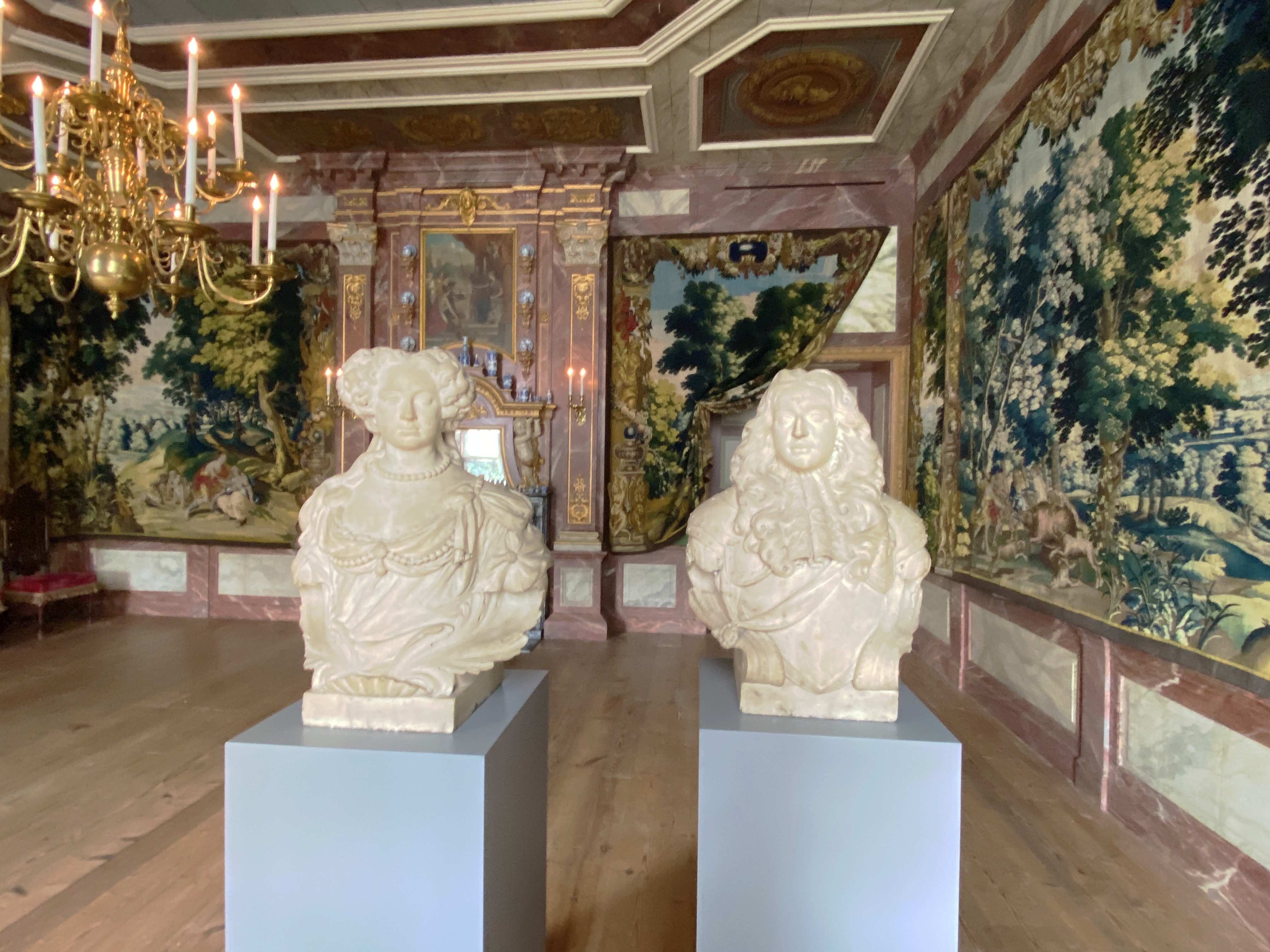
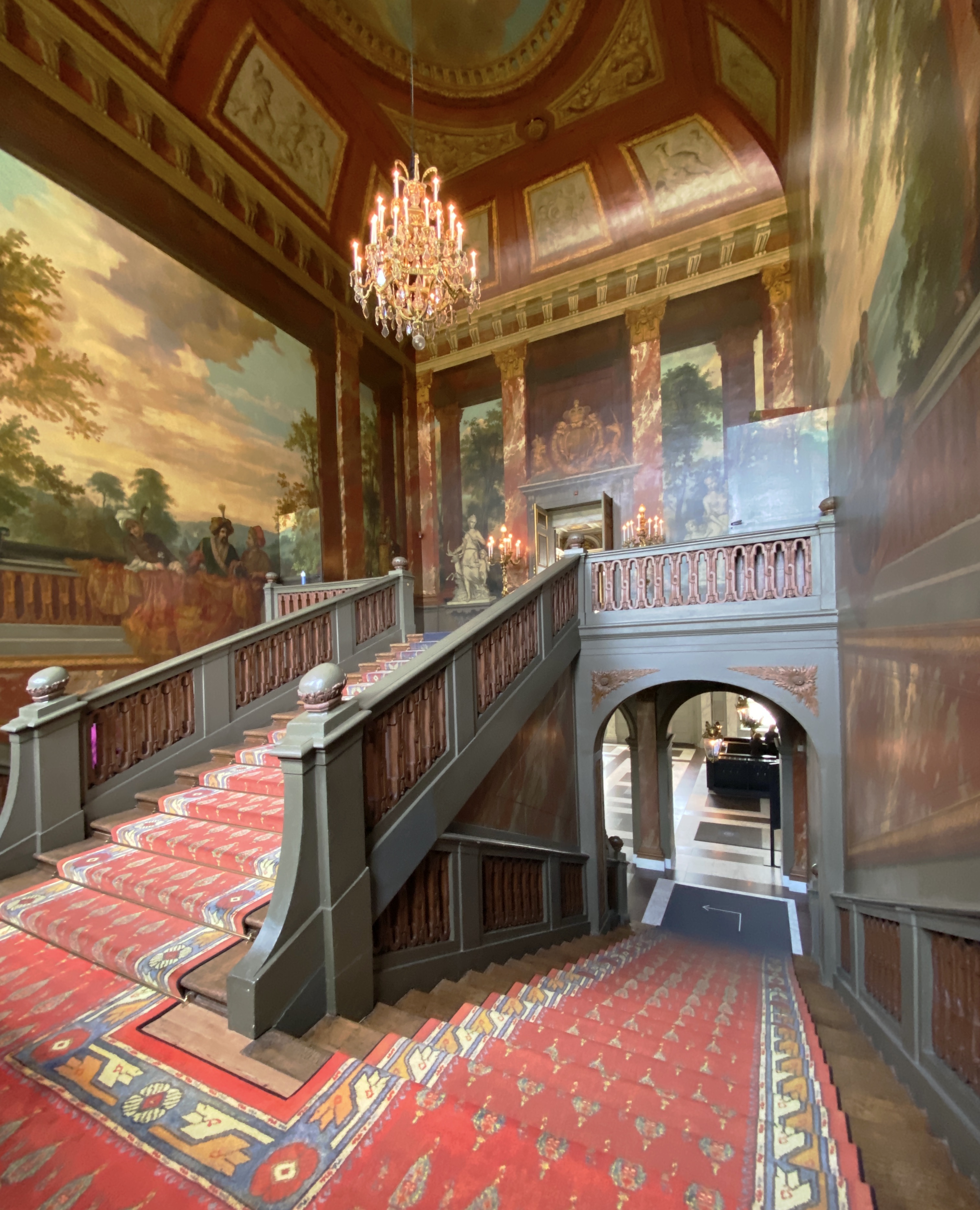
Parts of the palace go back to the time of William and Mary (busts above left), but unfortunately many room interiors reflect the dark and stuffy tastes of the second half of the 19th century (including dead animals on the floor, above right). But the monarchs could always climb the main staircase (below left) to the roof and admire views of the formal gardens and the surrounding woodland (below right).
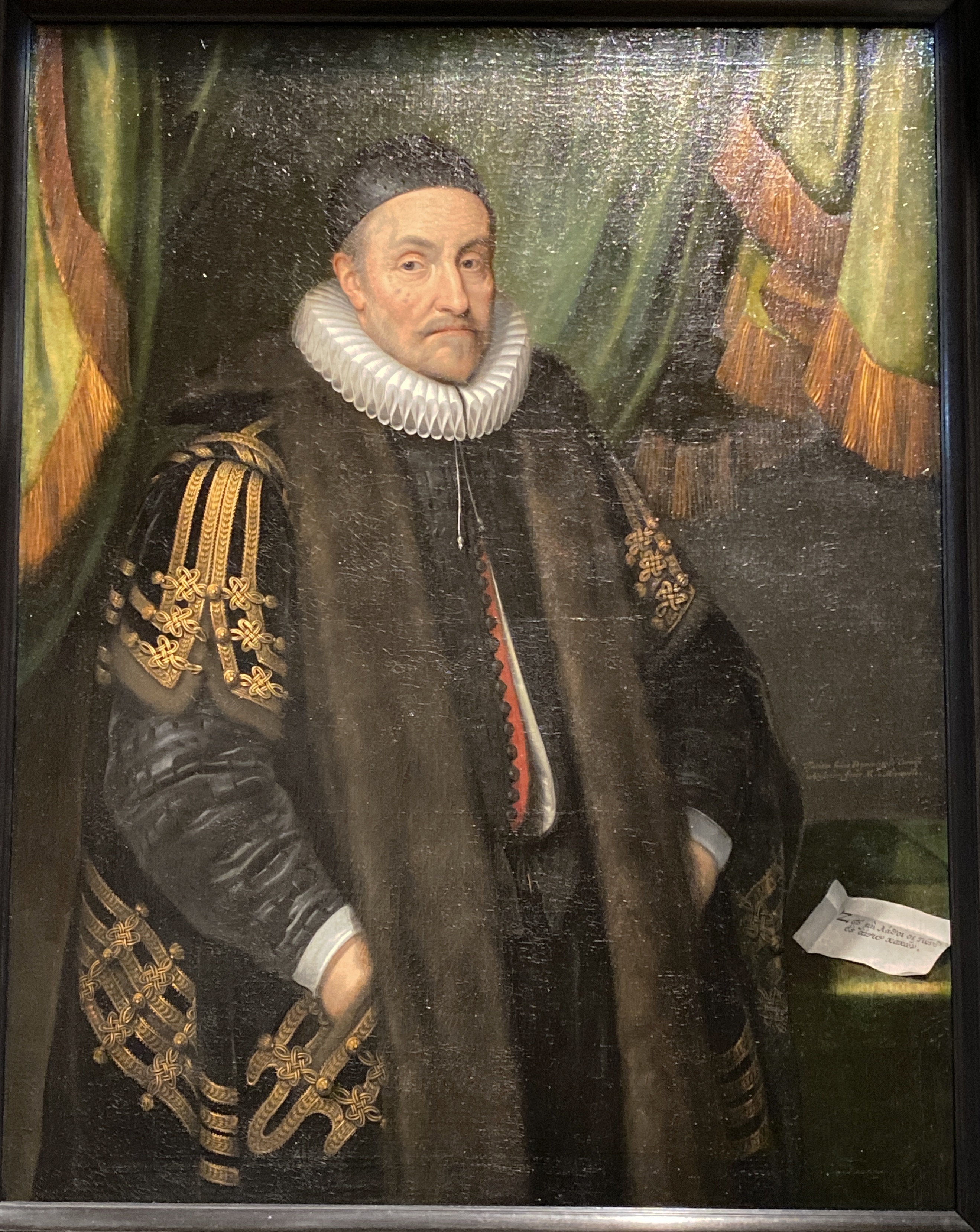
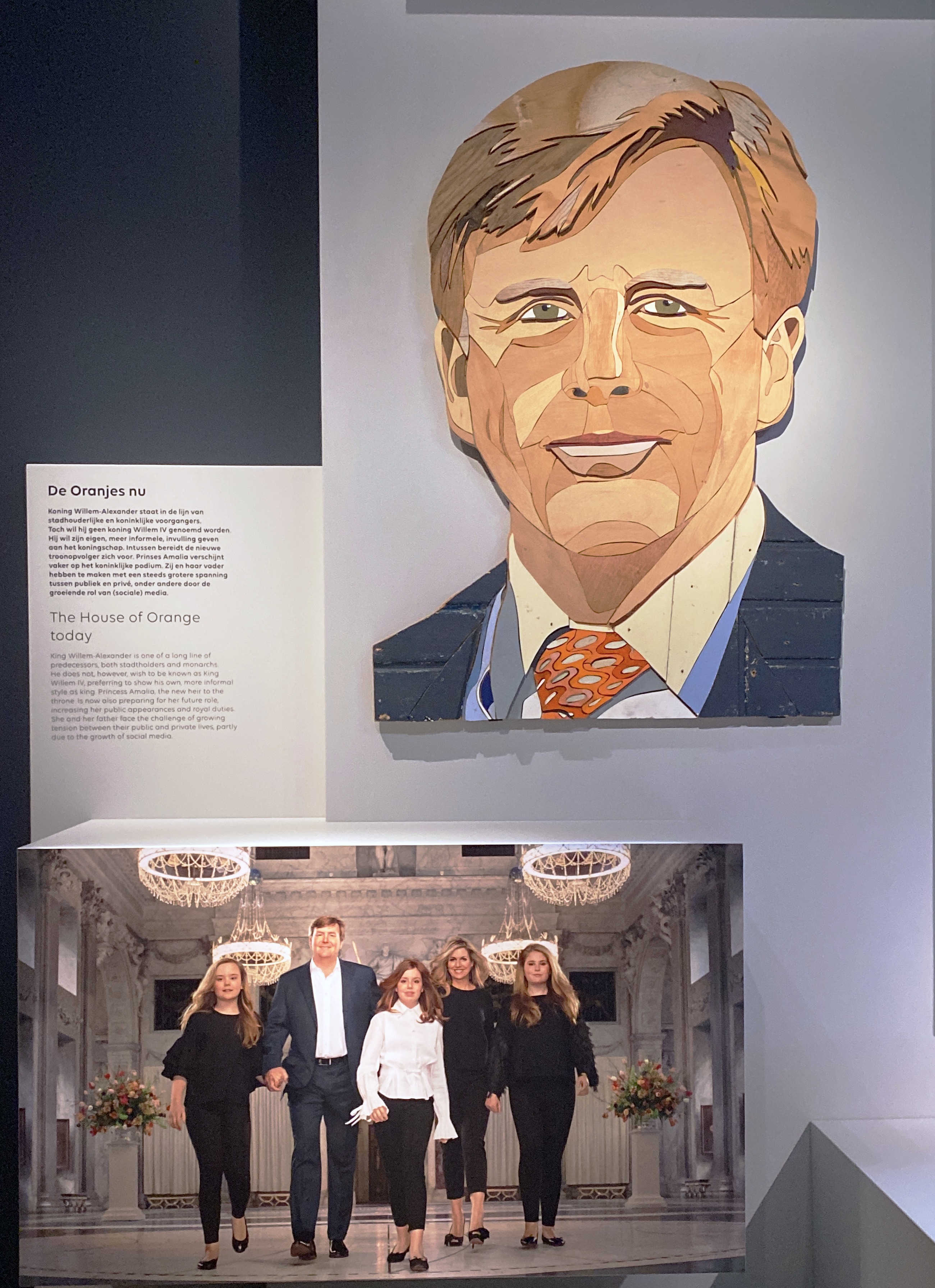
Visitors are provided with a thorough overview of the history of the Dutch rulers. Although the visitor only gets the history from the hero of the resistance against the Spaniards, William the Silent (William of Orange, also ’Pater Patriae’, below left), onwards, the history of the house of Nassau extends back to the year 1100. And then they married Claudia of Châlon-Orange in 1515 and gave birth to the double-barreled name. Of course, the current crop also gets a mention (below right).
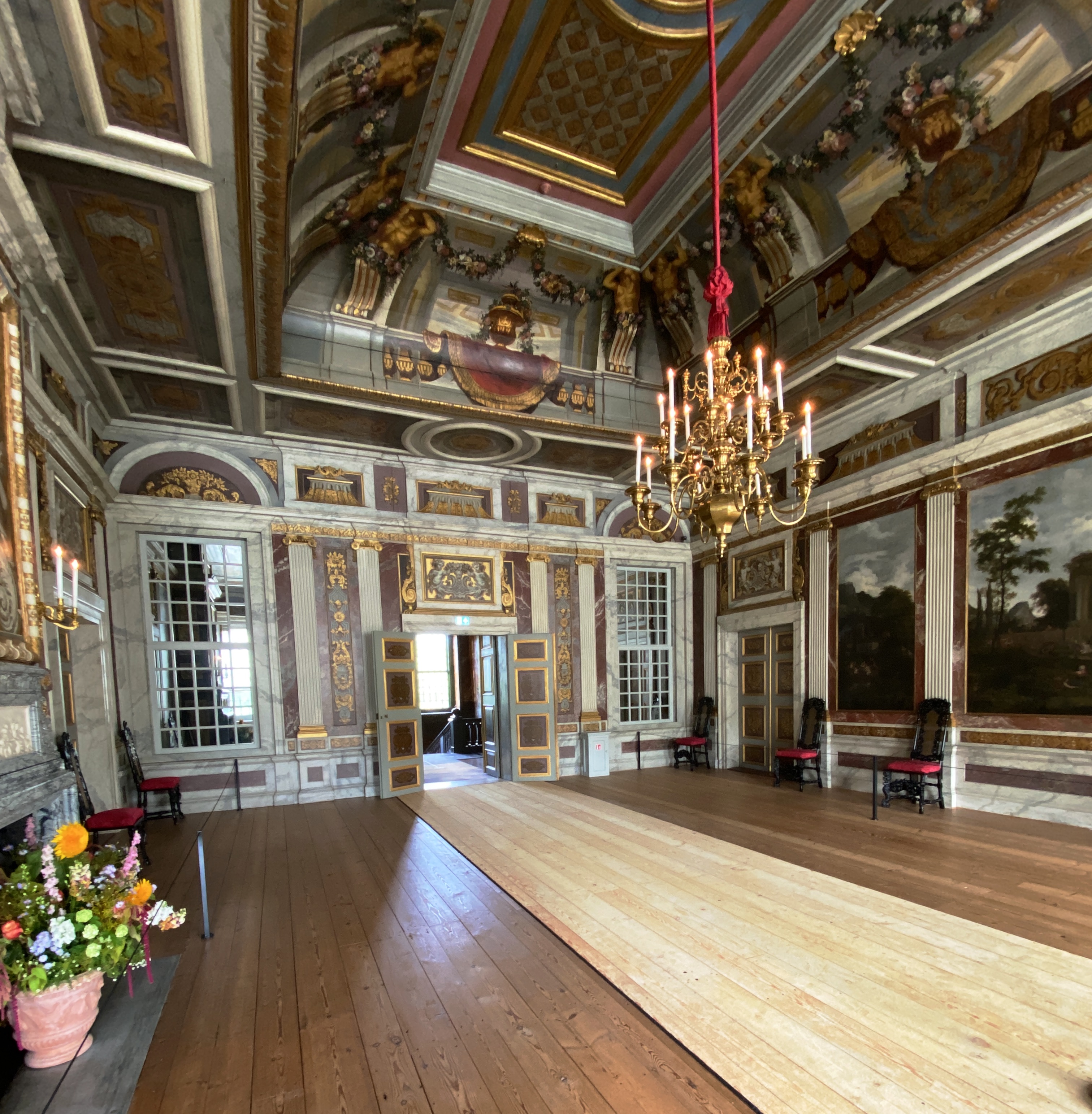
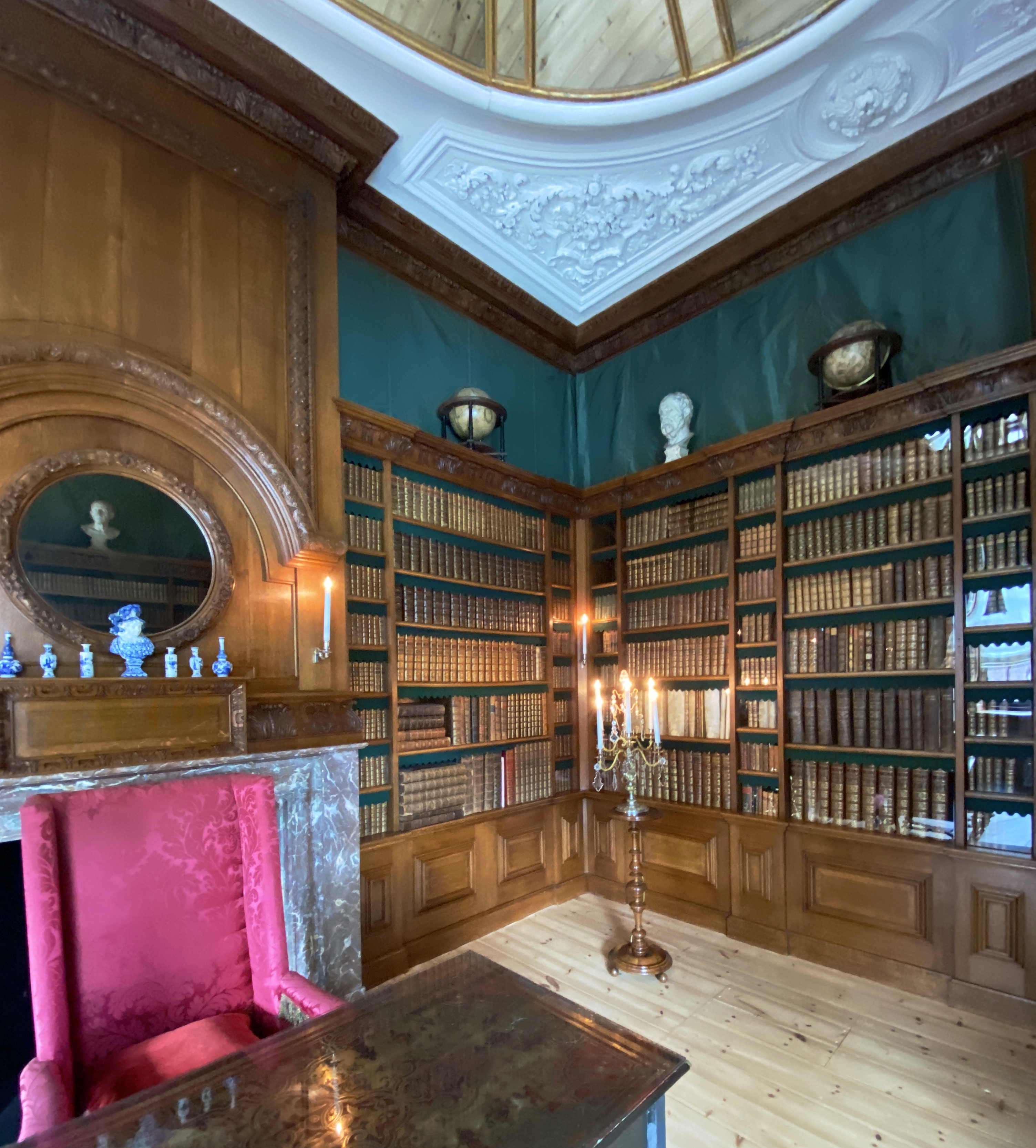
As is customary in summer cottages, some areas for entertaining the occasional visitor are needed (below left), and a few books for rainy days (below right).
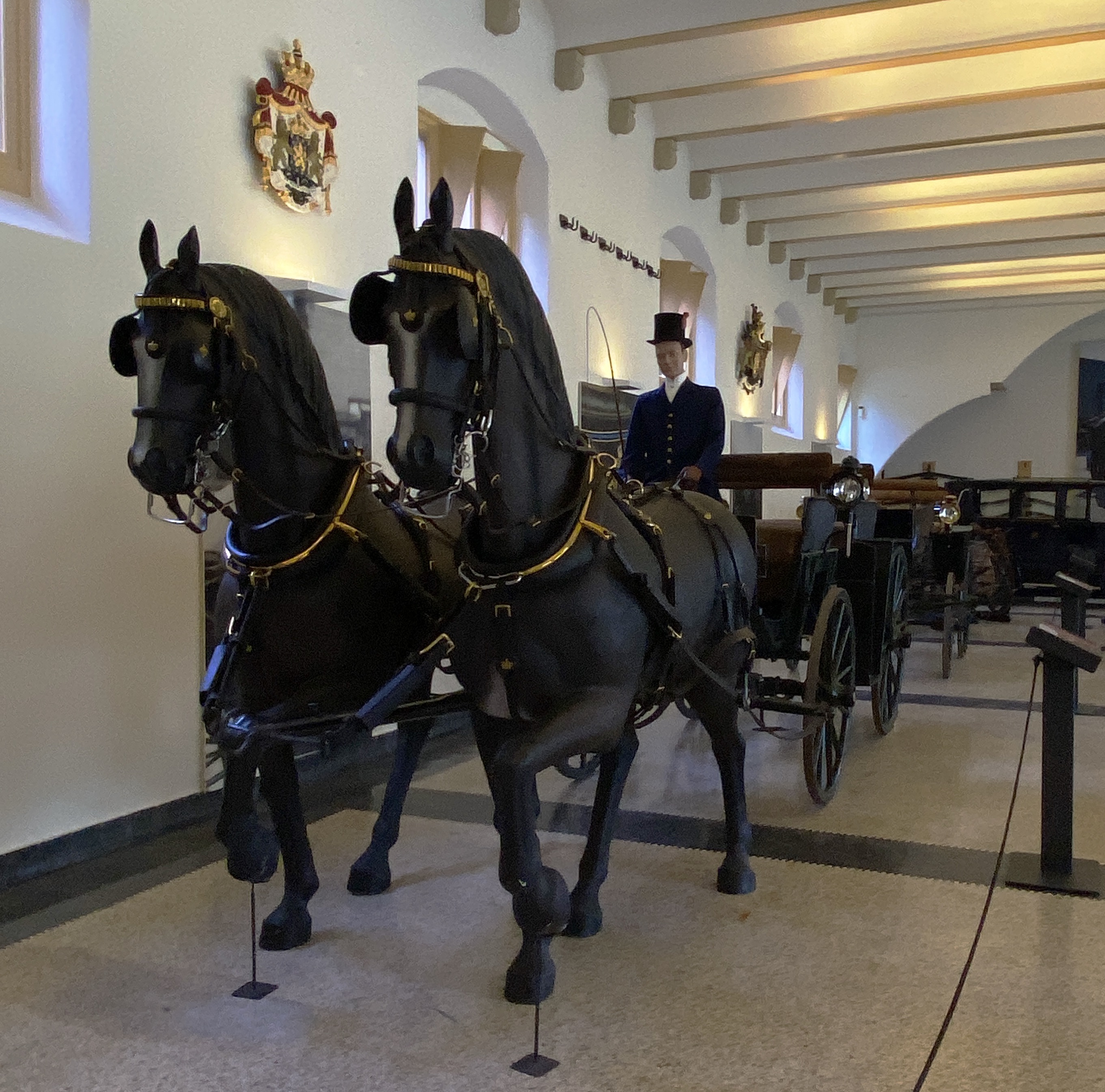
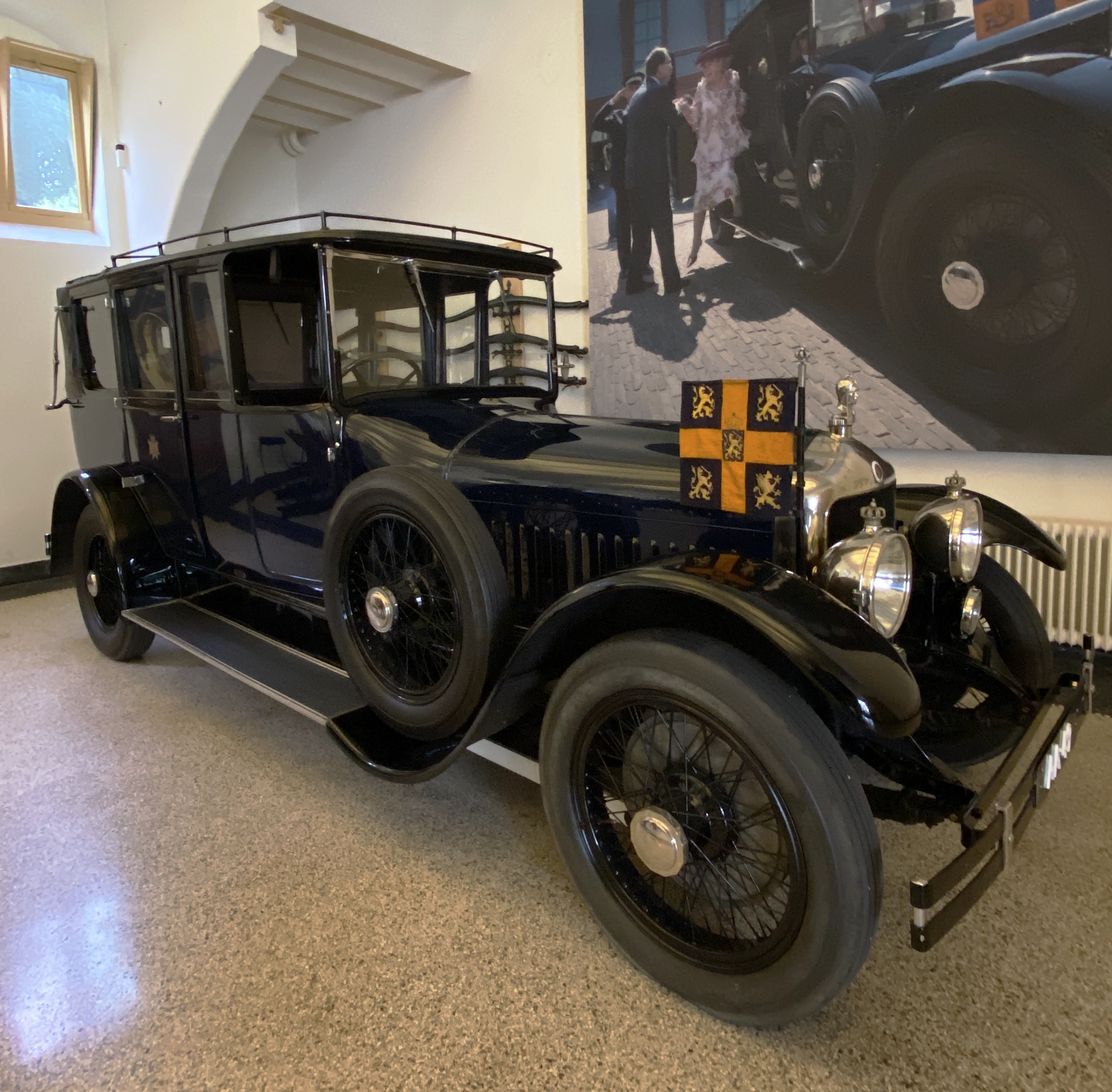
Besides a variety of royally approved interiors, the palace stables present a comprehensive selection of royal transportation vehicles (below).
The second-largest collection of van Goghs in the world, a huge modern sculpture garden, a supporting cast of impressionists, futurists, symbolists, and others – and all this situated in a nature park between Apeldoorn and Arnhem.
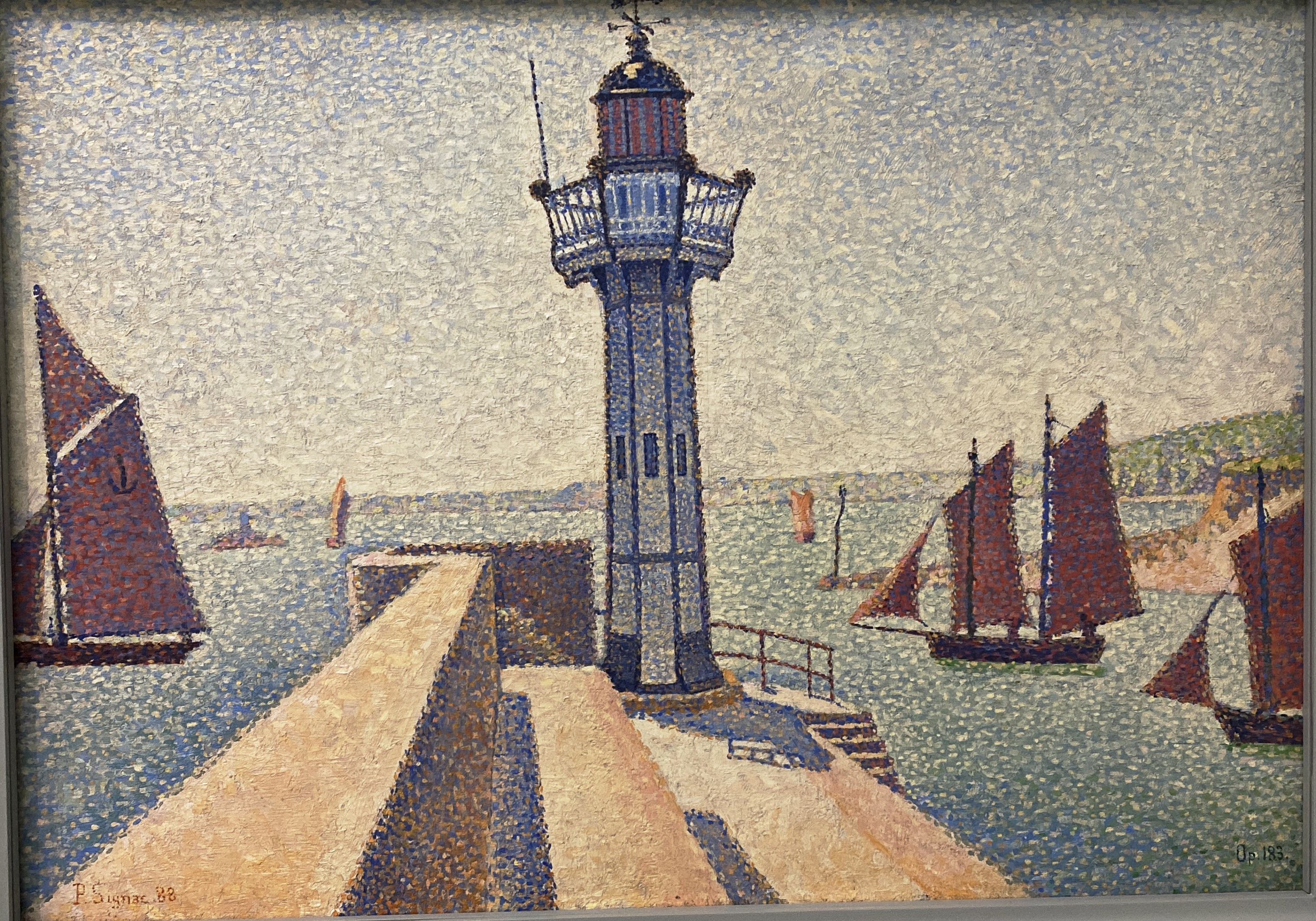
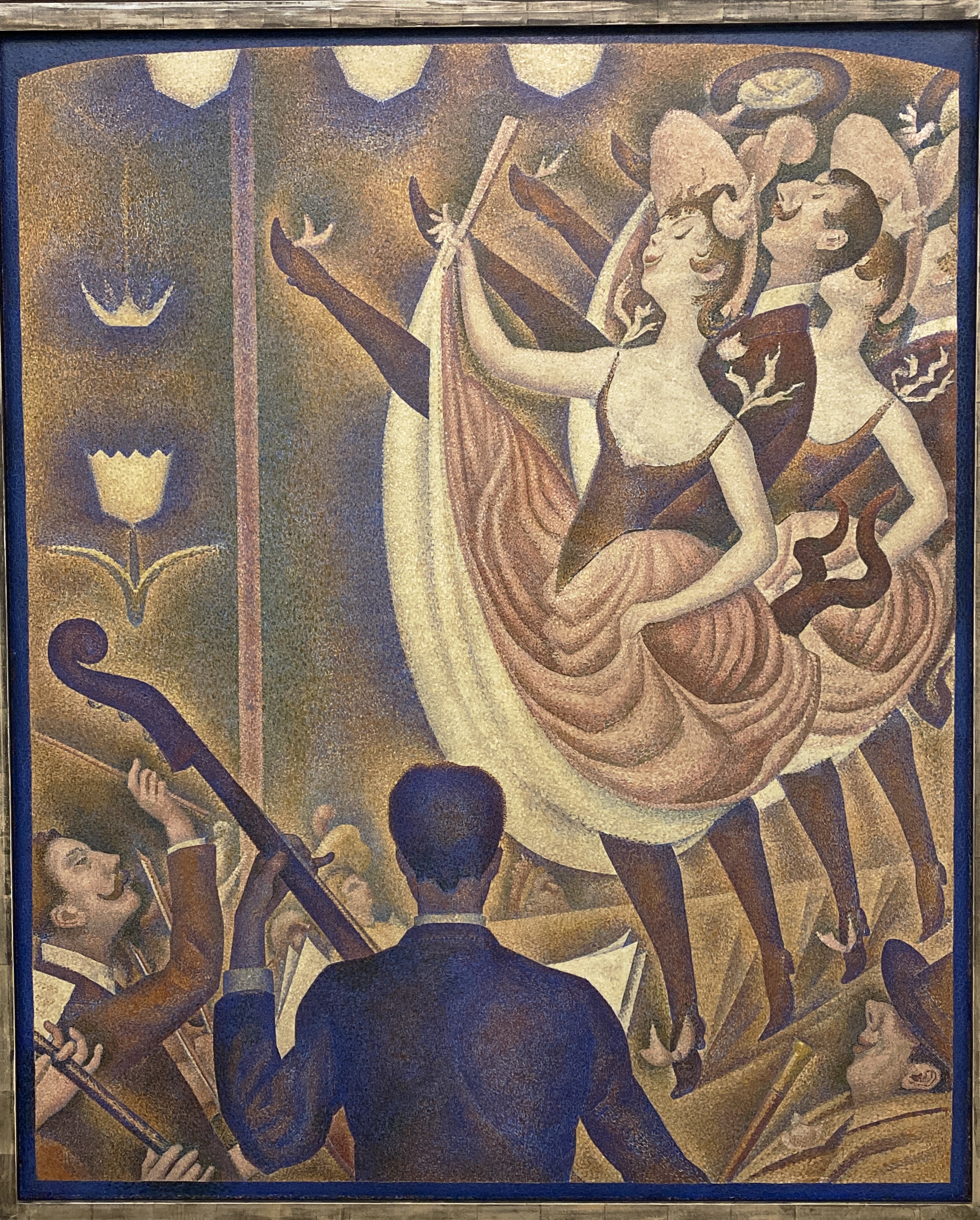
The museum is the result of the work of Helene Kröller-Müller, a heiress of vast fortune who spent it acquiring over 11 500 works of art between 1907 and 1939. From the beginning the goal was to create a home-museum of art developments since 1850. Above are Paul Signac’s ’Portrieux, le phare, Opus 183’ (1888, left) and Georges Seurat’s ’Le Chahut’ (1890, right).
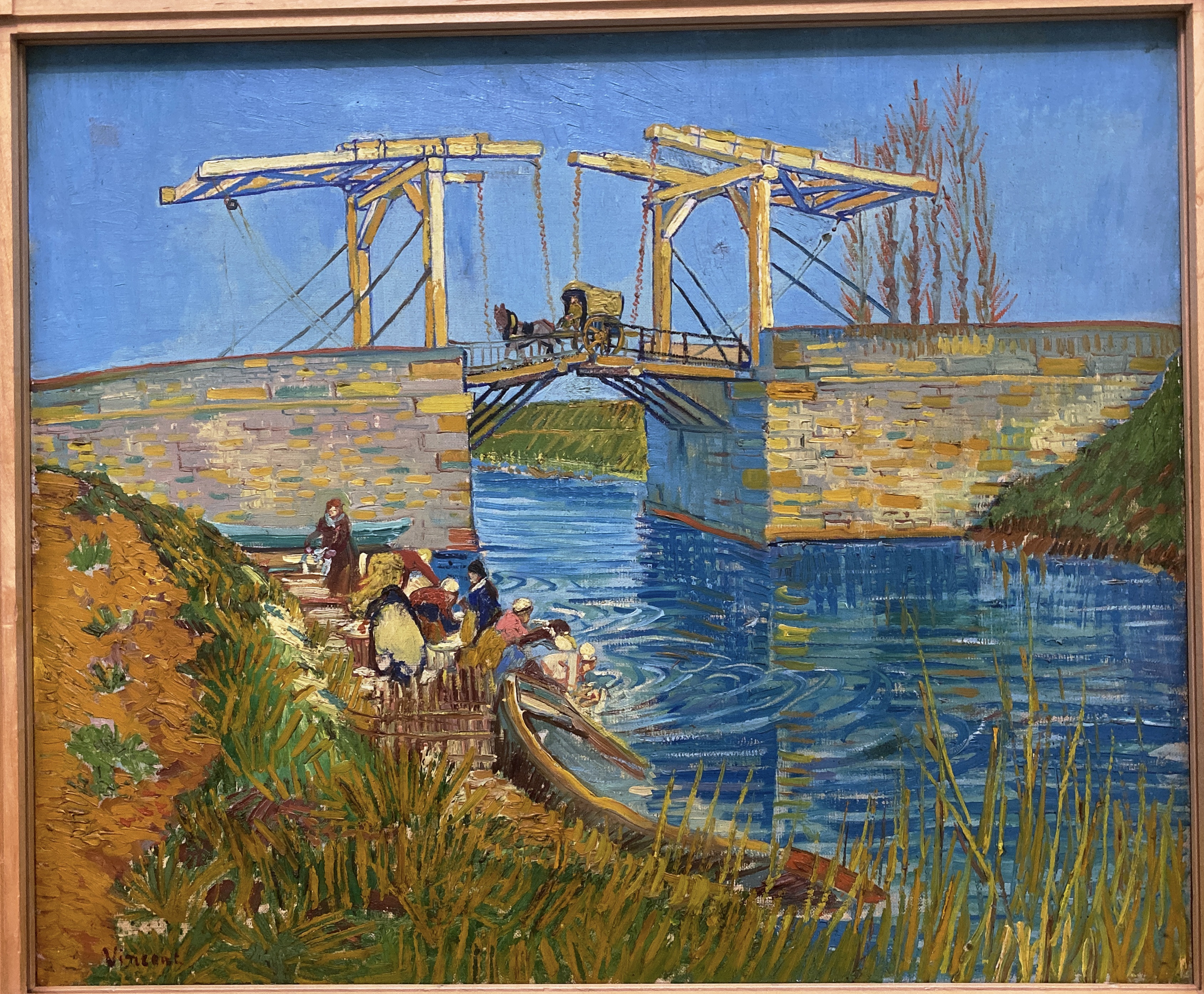
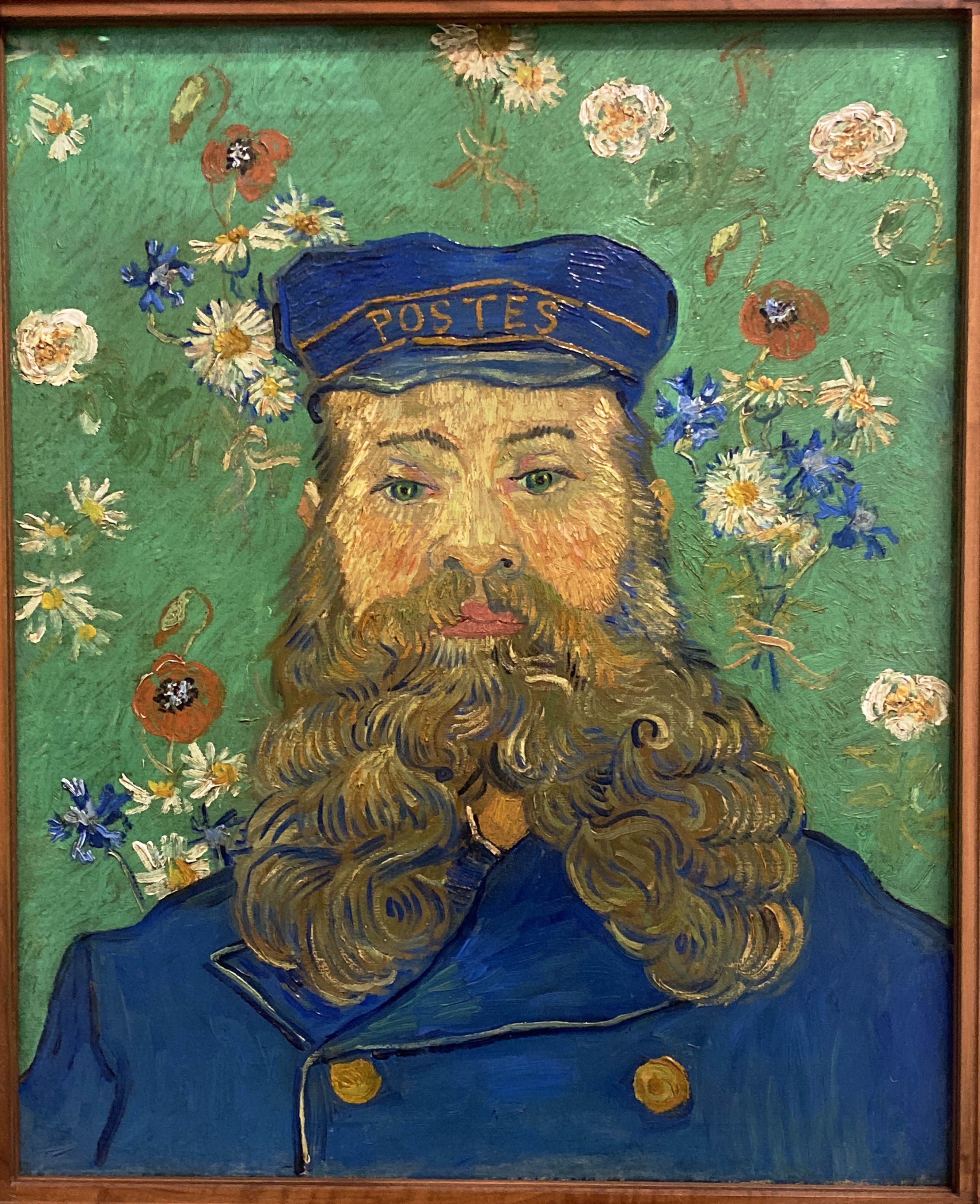
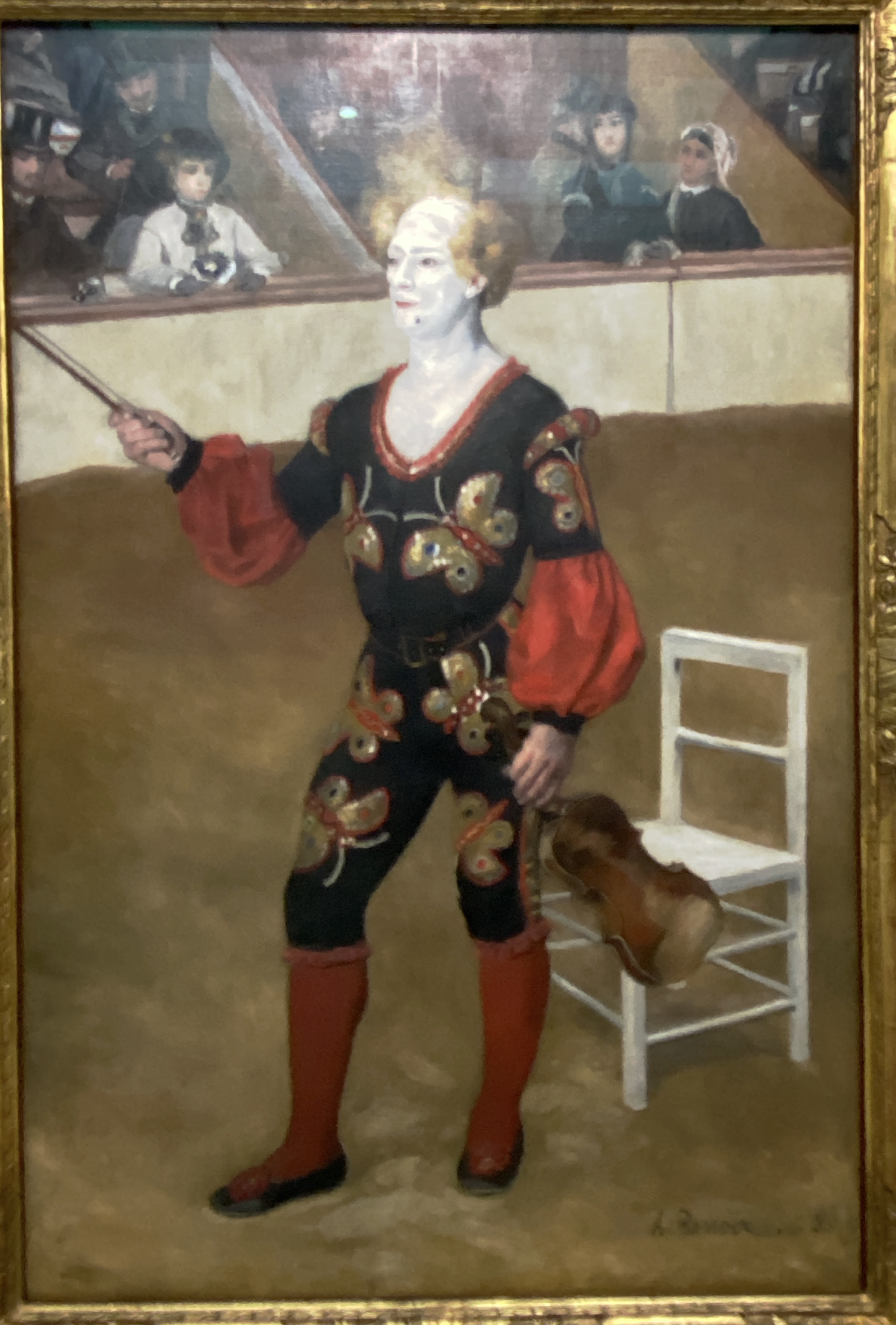
She was particularly enchanted by van Gogh and bought plenty of his early works in addition to the later, more famous ones. Above left ’Pont de Langlois’ (1888) and right ’Portrait of Joseph Roulin’ (1889). Other modern European artists are also well represented. Below left is Gino Severini’s ’La Tour Eiffel’ (1913) and right Renoir’s ’Le Clown Musical’ (1868).
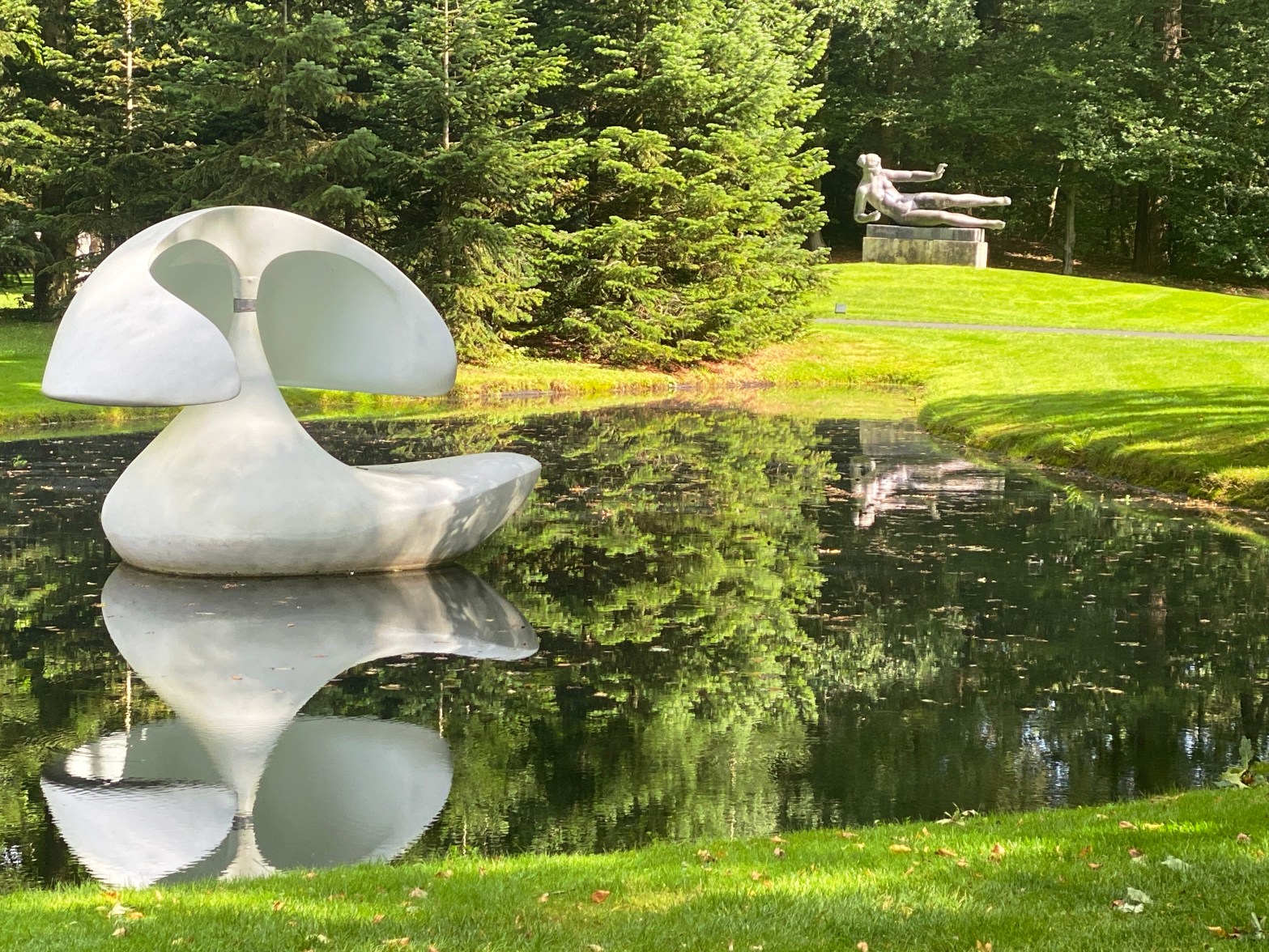
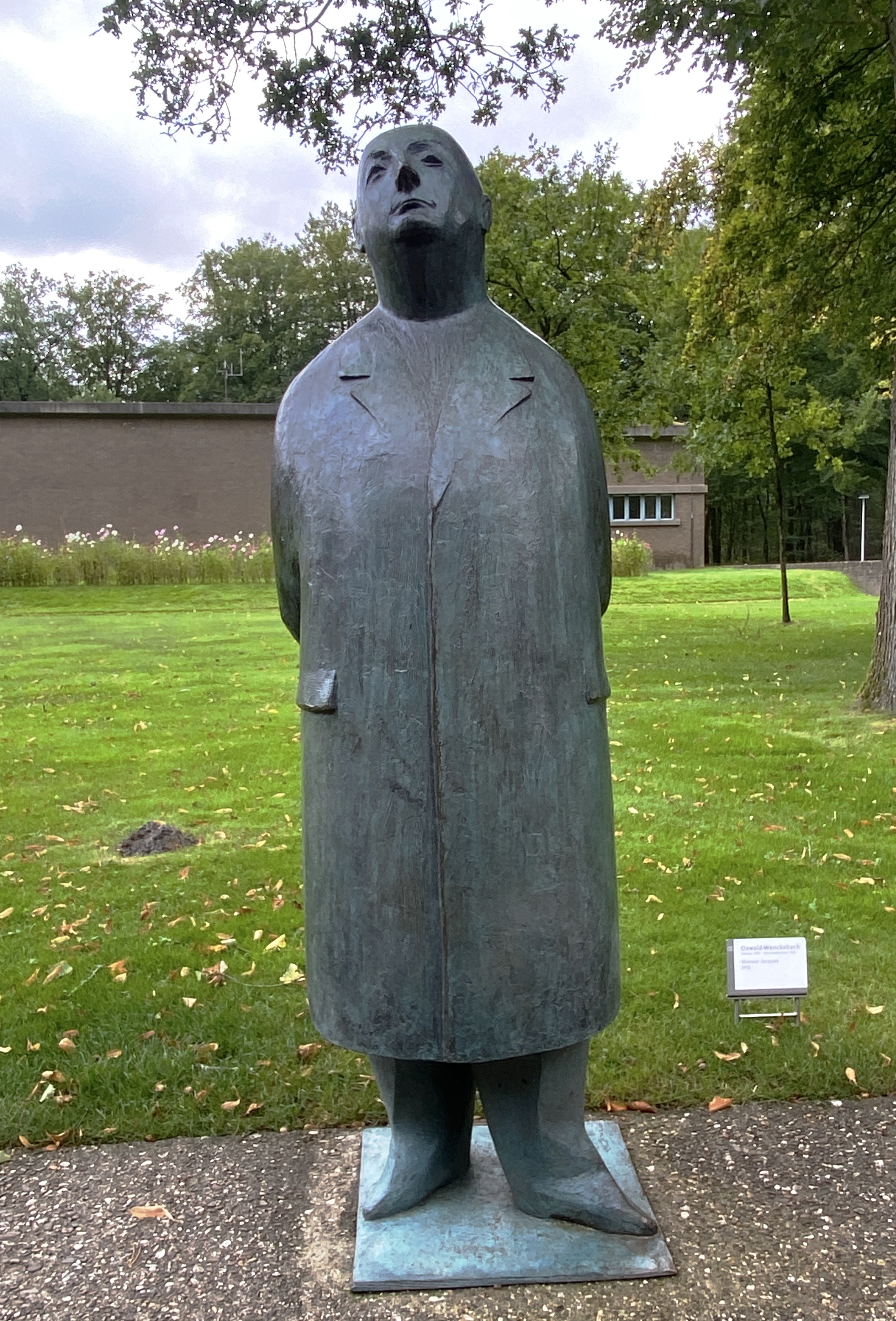
The sculpture garden is enormous as these things go – below left Jean Dubuffet’s ’Jardin d’émail’ (1974) and right, Oswald Wenckebach’s ’Meneer Jacques’ (1955).
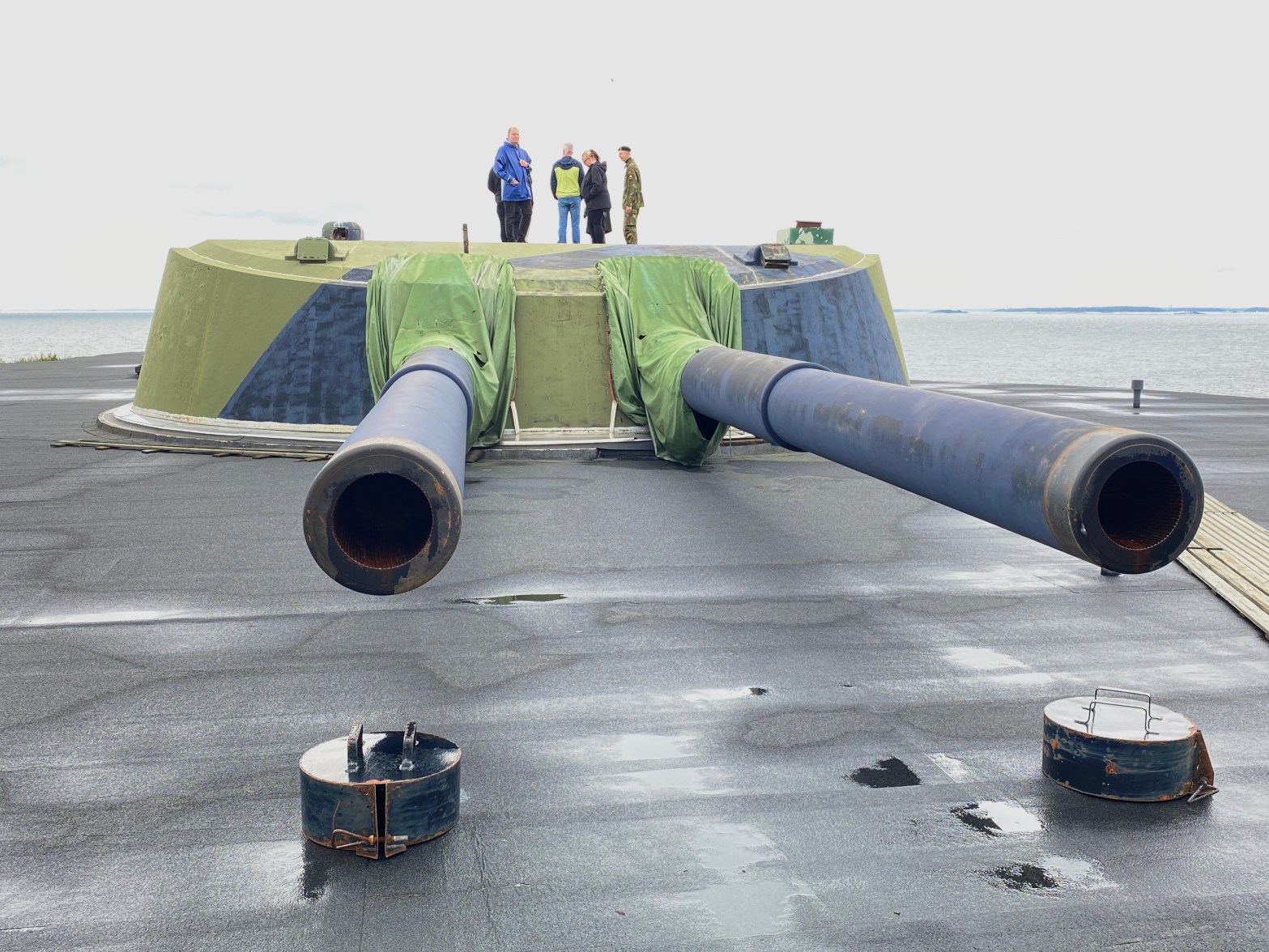
A Russian 12-inch gun from 1911, ready for action? Or a cavalcade of historical coastal artillery up to 1970s? All this can be seen in the former fortress island of Kuivasaari outside Helsinki.
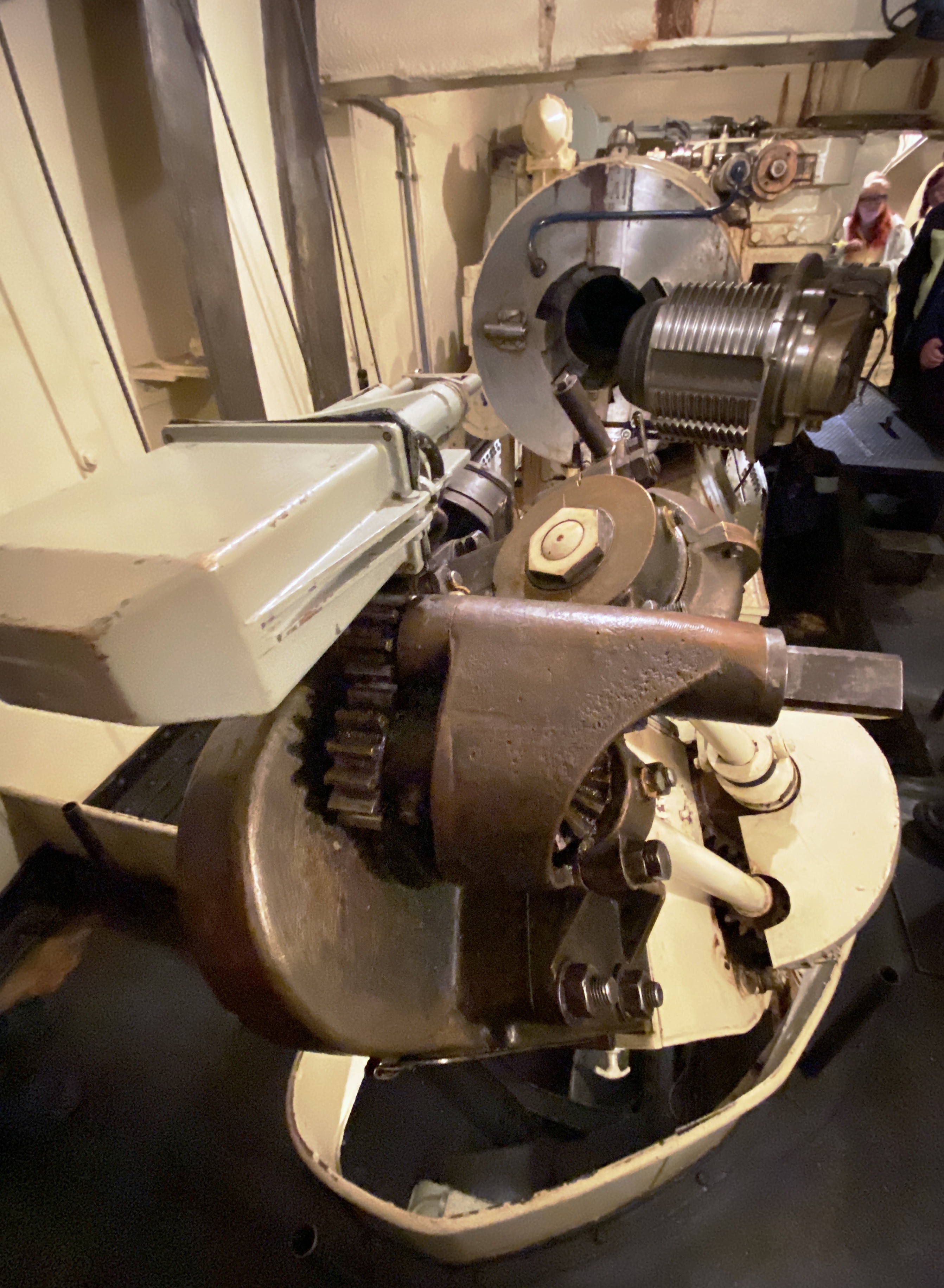
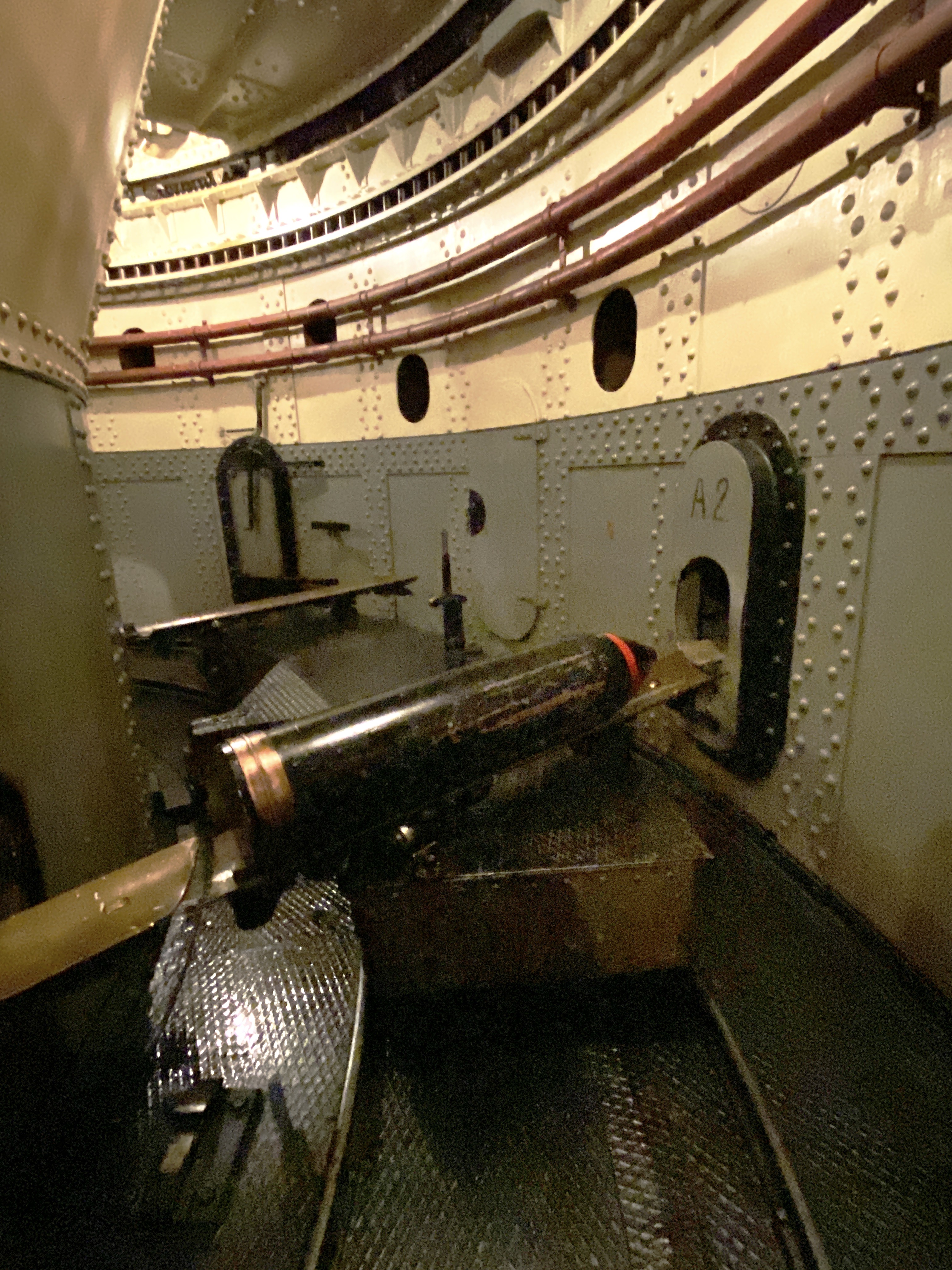
Although these days the 12-inchers (305mm) only shoot water (!), because using real shells would entail closing the Helsinki airspace and many busy shipping lanes. The loading mechanism is below left and the second level of the turret, where the ammunition gets in, is below right. But even water shoots require so much powder that the volunteers keeping the island in shape cannot afford it.
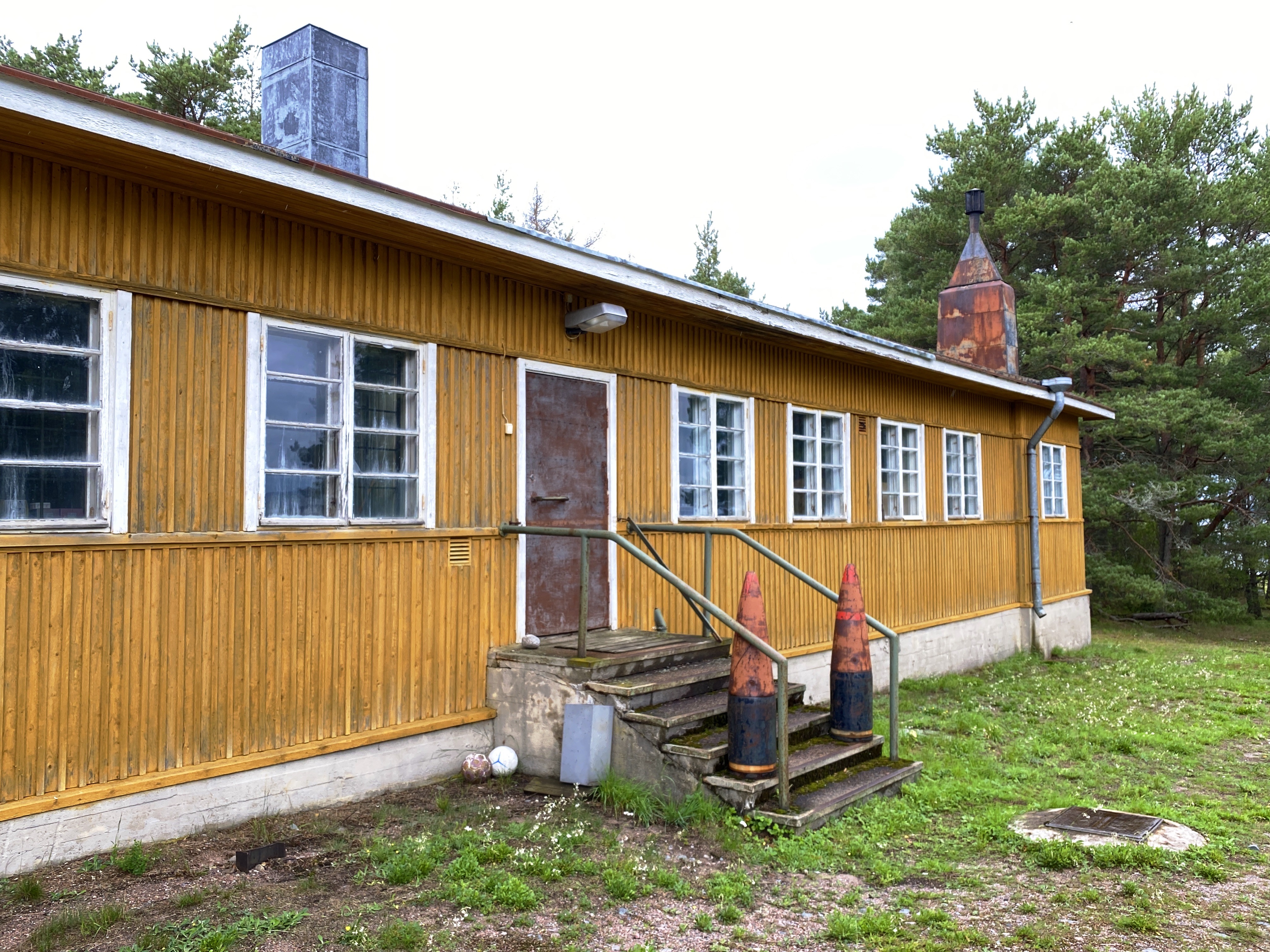
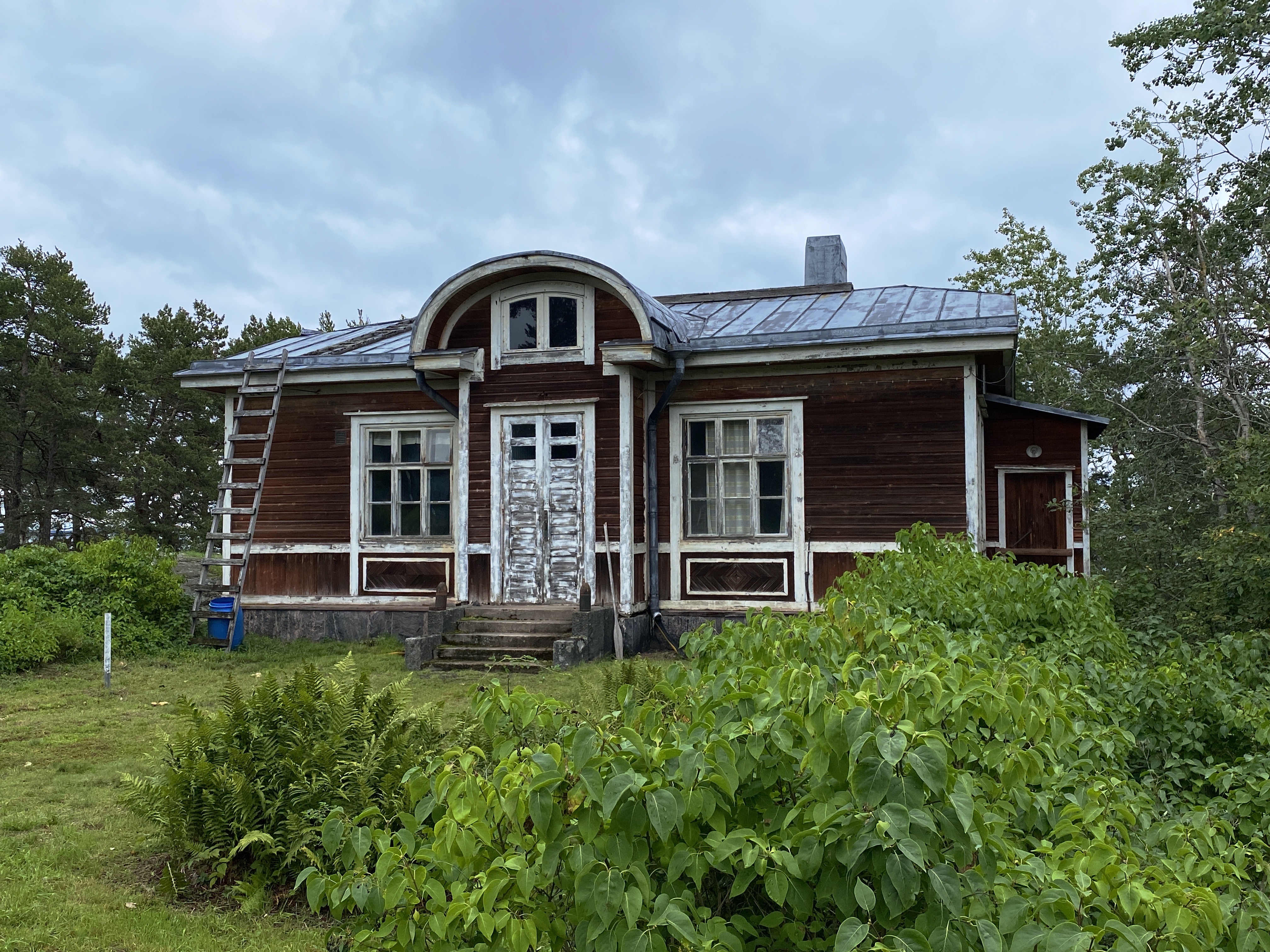
Originally the island was fortified after the Russo-Japanese war of 1904-1905 as part of a wider effort to close off the Gulf of Finland to protect St. Petersburg. Some of the original Russian garrison buildings are still there (soldiers’ barrack below left and officers’ quarters below right). The Russians never needed these fortresses, and they were then inherited by the newly independent Finland after 1917.
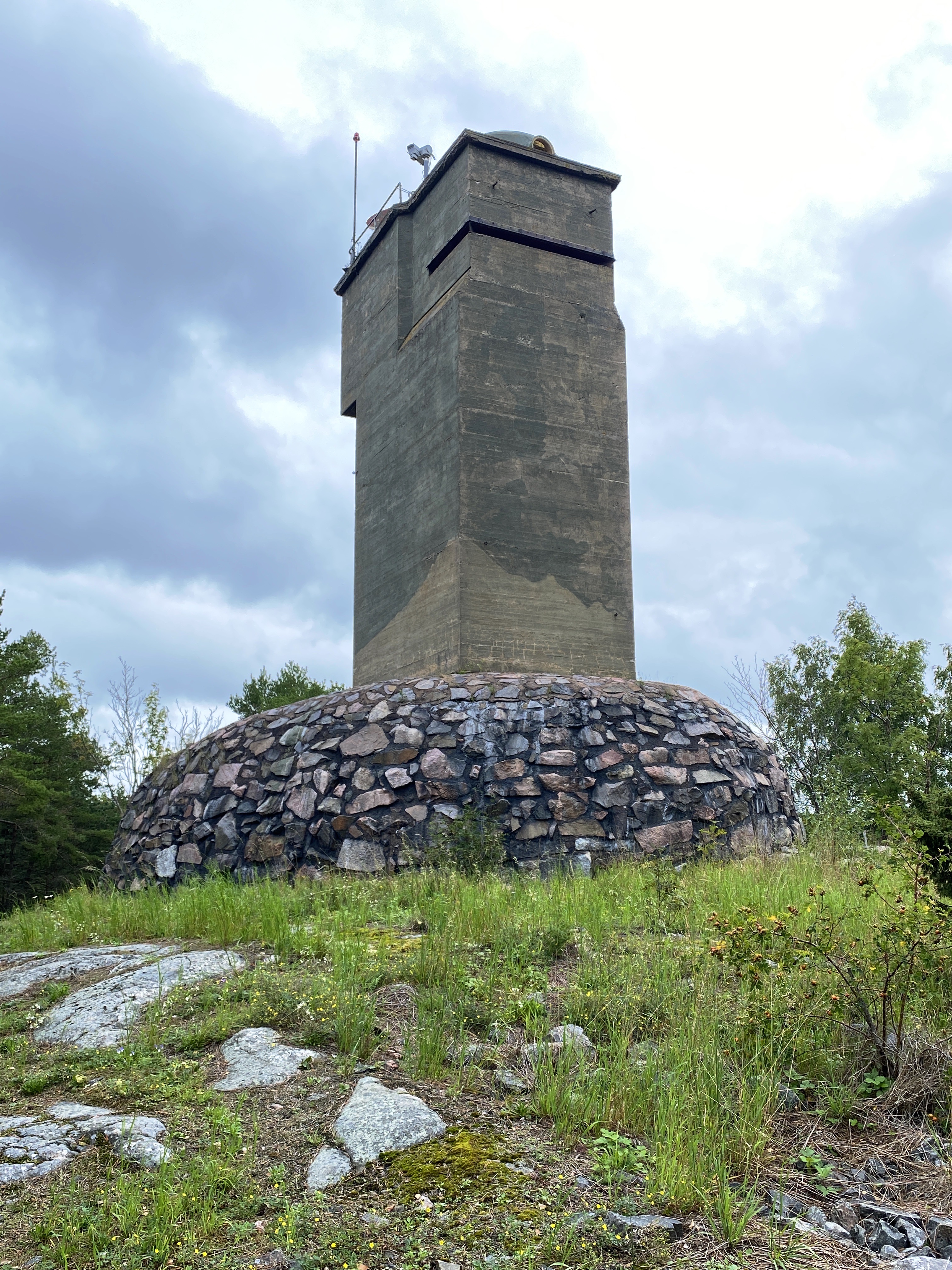
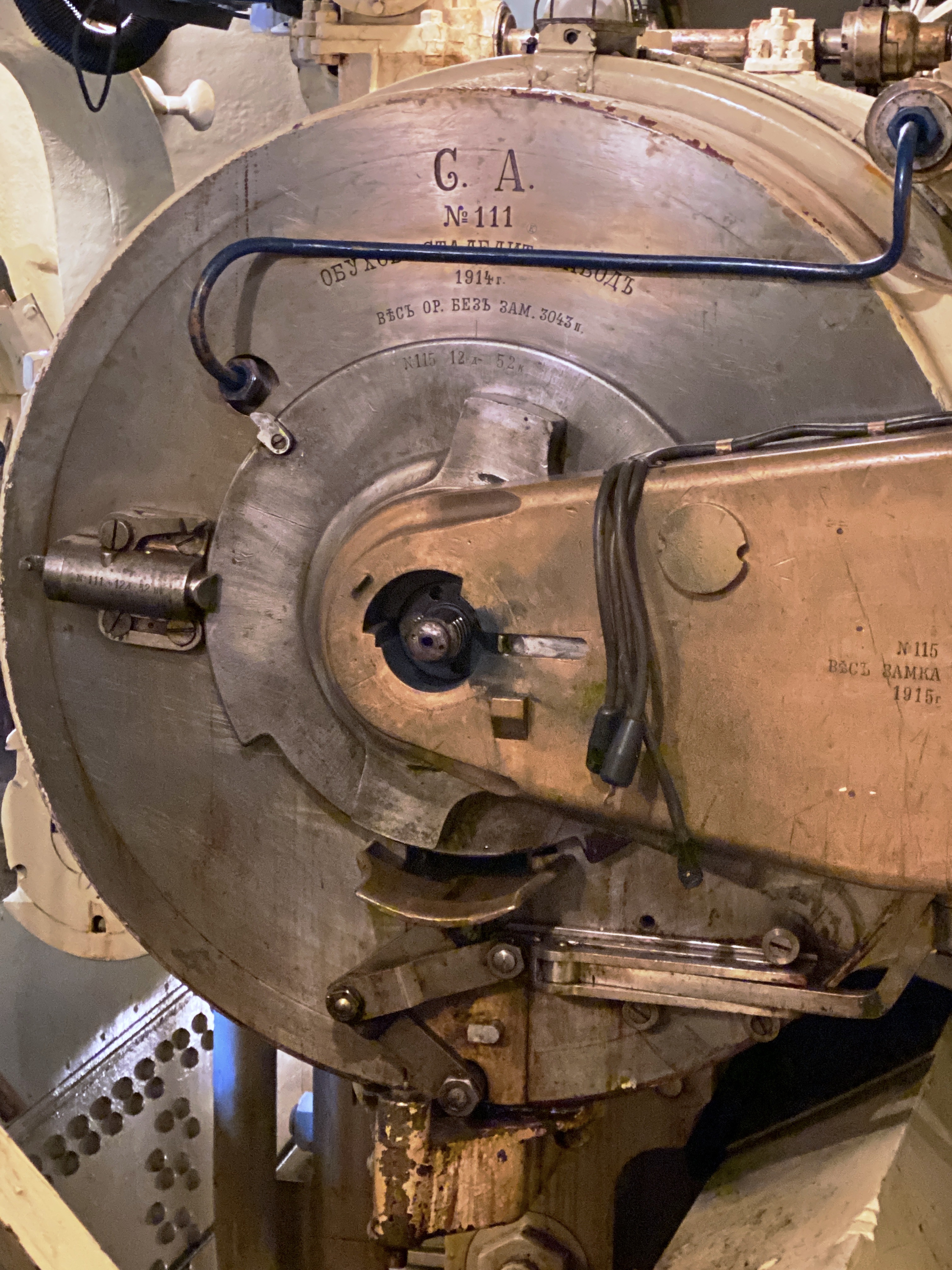
The observation tower (below left) was built in 1935 as part of the modernisation of the coastal artillery. Again at this time, the 12-inchers were intended to close the gulf, this time to keep the Russian navy from getting out. The guns were built from material left behind by the Russians after the revolution, and the barrels (manufactured in St. Petersburg in 1911 and 1914, below right) were brought here from another former Russian fortress. The guns acted as a deterrent throughout the Second World War, but were only used in anger once in 1941 to keep withdrawing Russians at a distance.
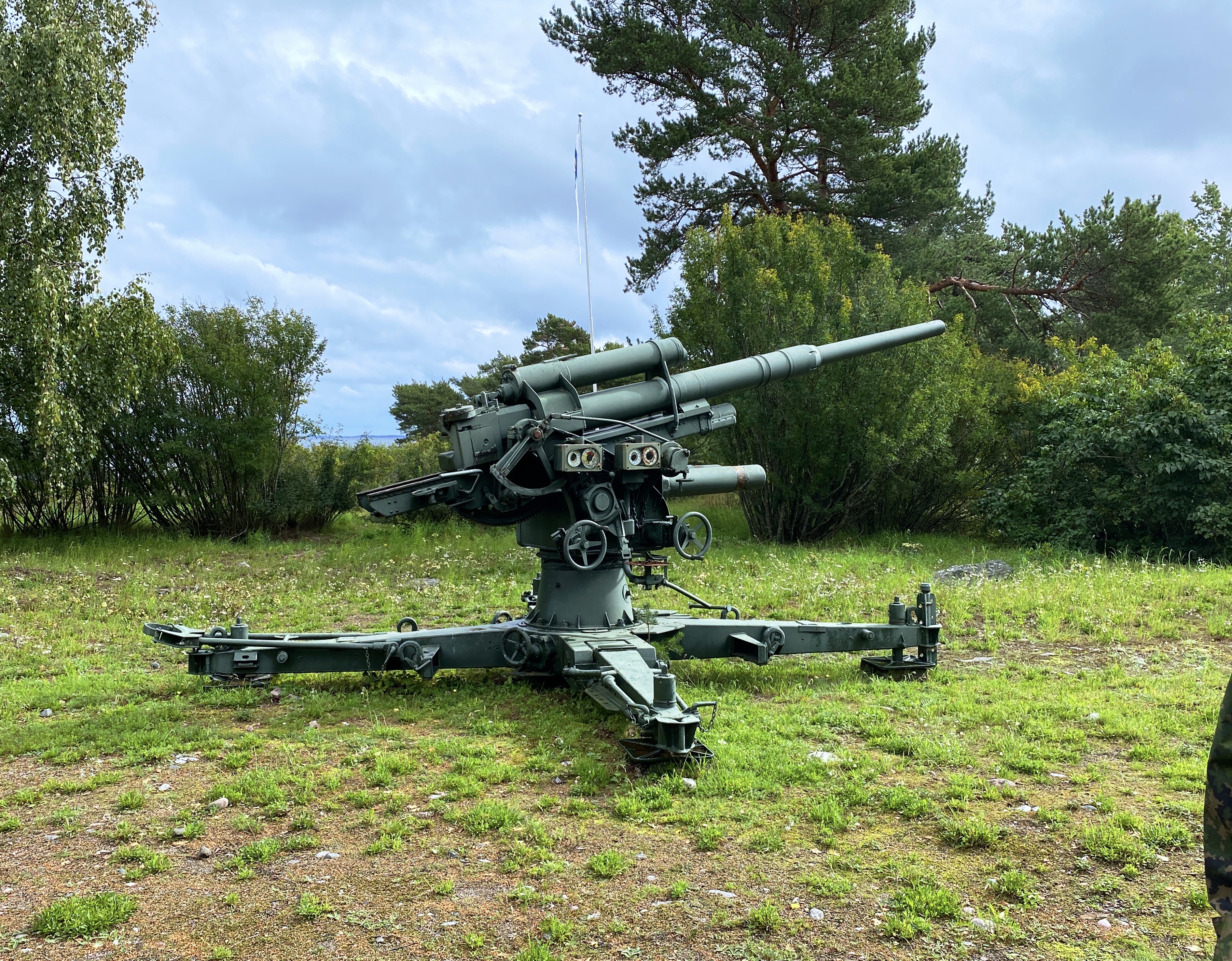
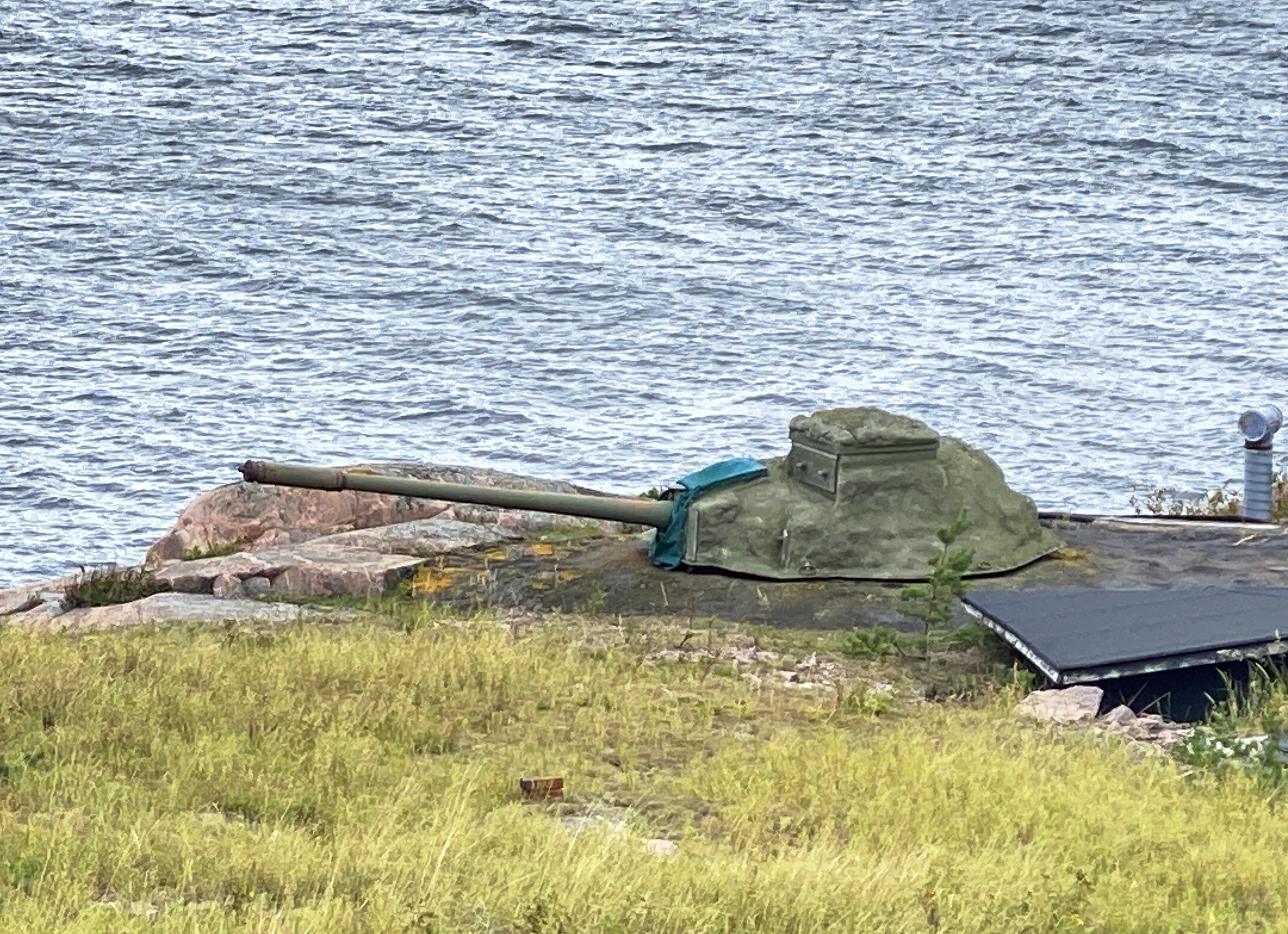
After the war the gun barrels were removed, but they were restored in 1960, and were used in gunning practice up to the 1970s. When the 12-inchers were used, the resulting noise was heard across Helsinki. Since the 1990s the island has been used as an artillery museum area, and many other pieces were transferred to the island. These include a German 88mm anti-aircraft gun (below left), a coastal artillery turret converted from the gun of a Russian T-54 tank (below right), and various other museum pieces.
Despite the electrics having basically given up in the 1970s, the 12-inchers have been used to fire salutes in independence days in the 2000s, but only using water charges. The island is still owned by the Defence Forces, but it is maintained by volunteers and there are some organised tours to the island.
Take a couple of earls, a billionaire businessman, a truckload of paintings, and you get an English stately home.
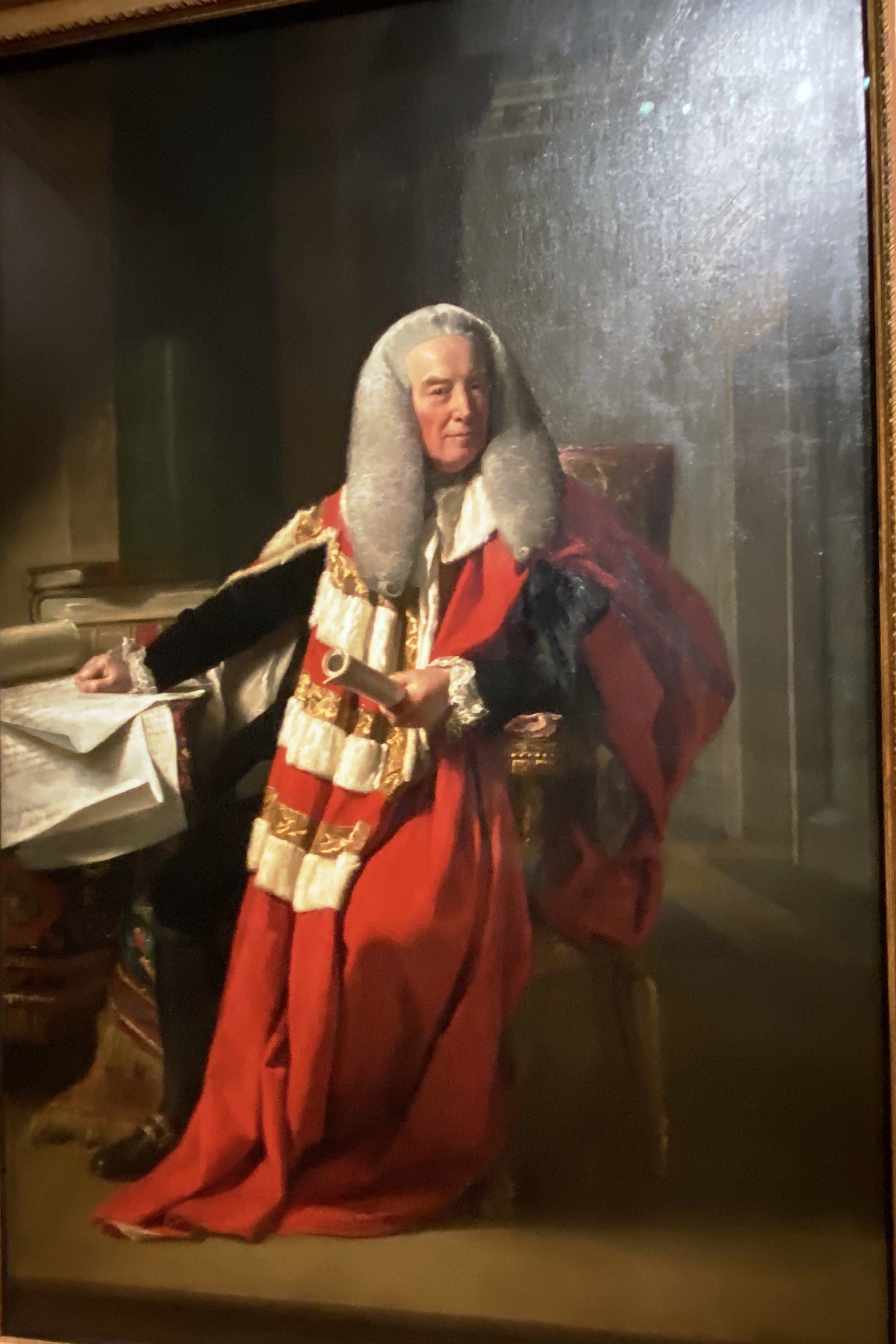
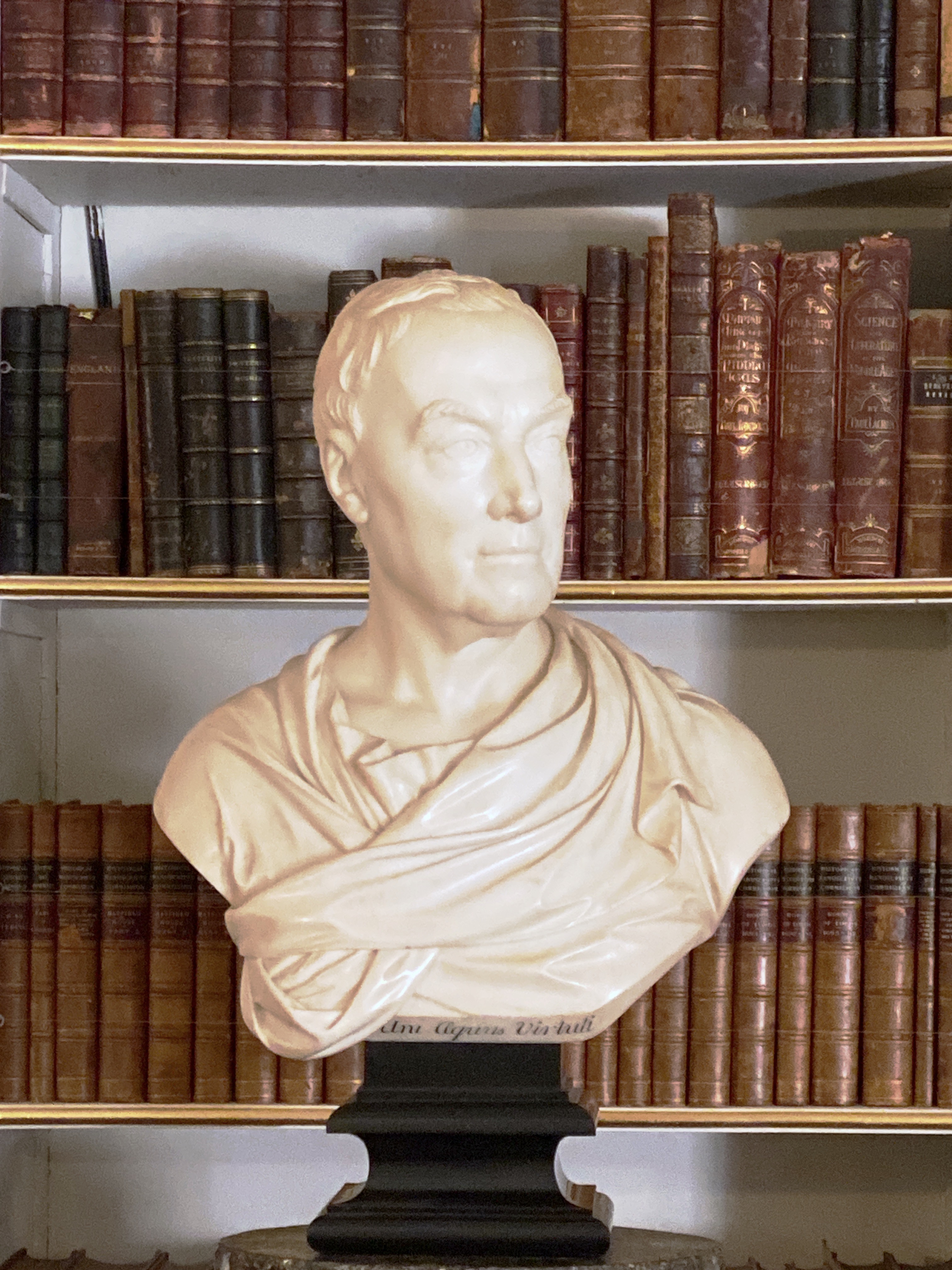
Kenwood House was built for Lord Mansfield, the Lord Chief Justice in the second half of the 1700s (above left in his robes, and right as a Roman senator). He was the guy who made the ruling that was interpreted as confirming that slavery was outlawed on British soil. Although the colonies had to wait a bit.
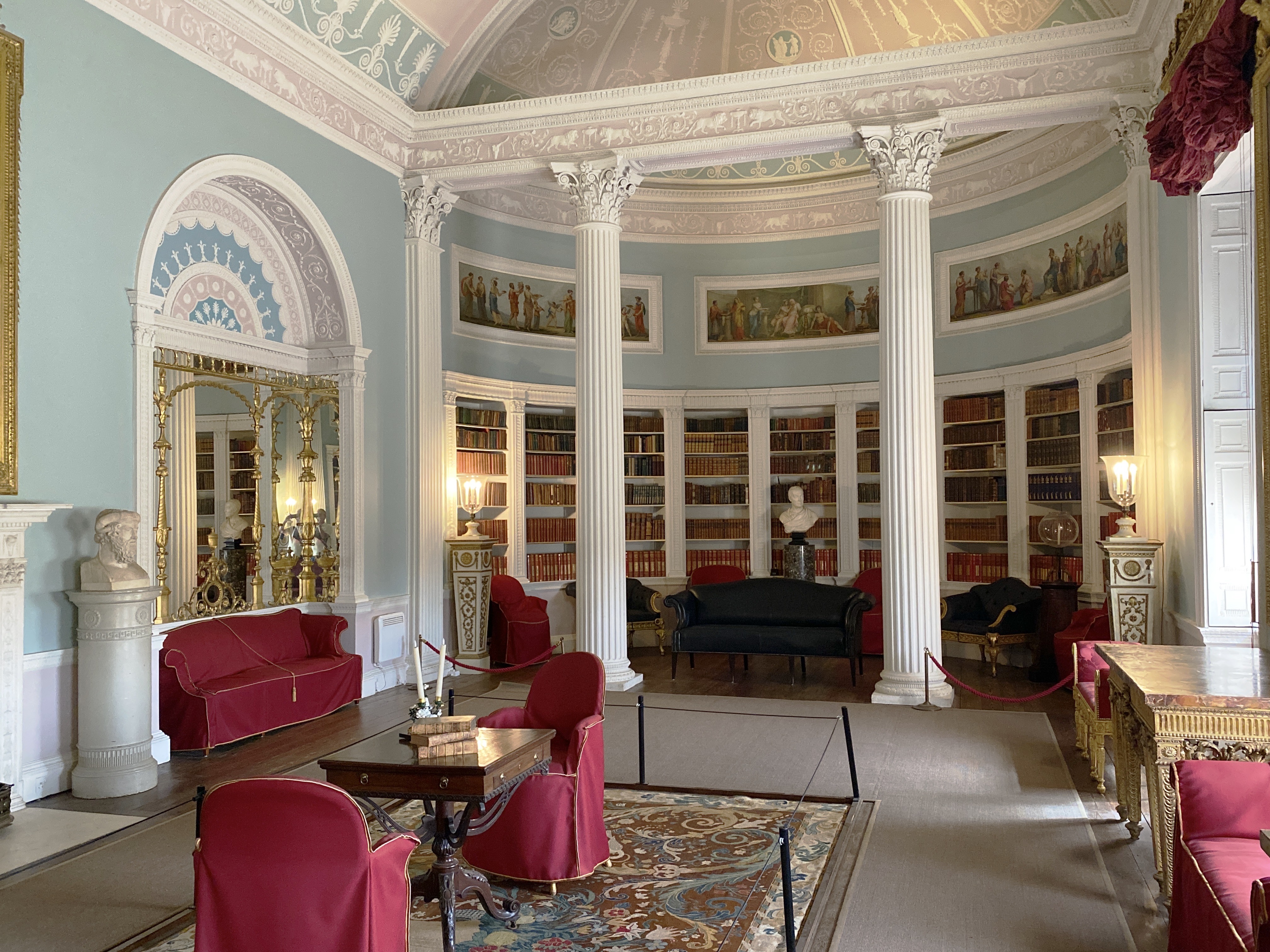
The good lord used his library (above left) as an entertainment space for dinners, music, games and discussions. As king George III and his queen were frequent visitors, the whole space had to be up to royal standards (music room above right).
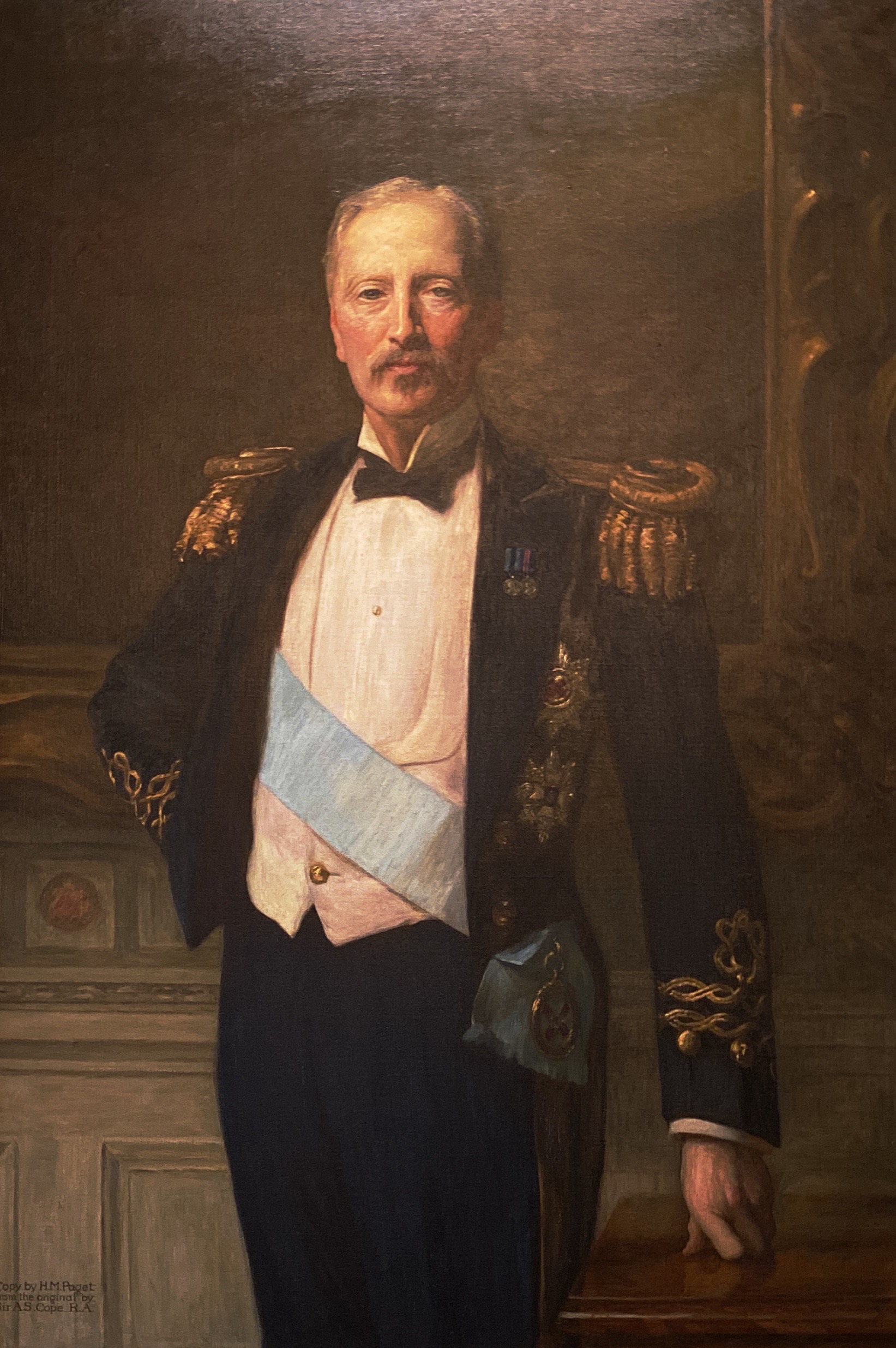
In the late 1800s and early years of the 20th century, the Mansfields focused more on their Scottish Scone Palace and Kenwood house was first rented – to the Russian Grand Duke Mihail Mihailovitch (grandson of tsar Nicholas I) – and then in 1924 it was purchased by the first Earl of Iveagh, Edward Cecil Guinness (above). His wealth came from the family firm that sold black brewed stuff to the masses – and there was a lot of money in it.
Iveagh had acquired a collection of paintings and thought that Kenwood house would be a good spot to exhibit his 217 paintings. Although the collection was later divided between Kenwood House, the family and other museums, it is still considerable.
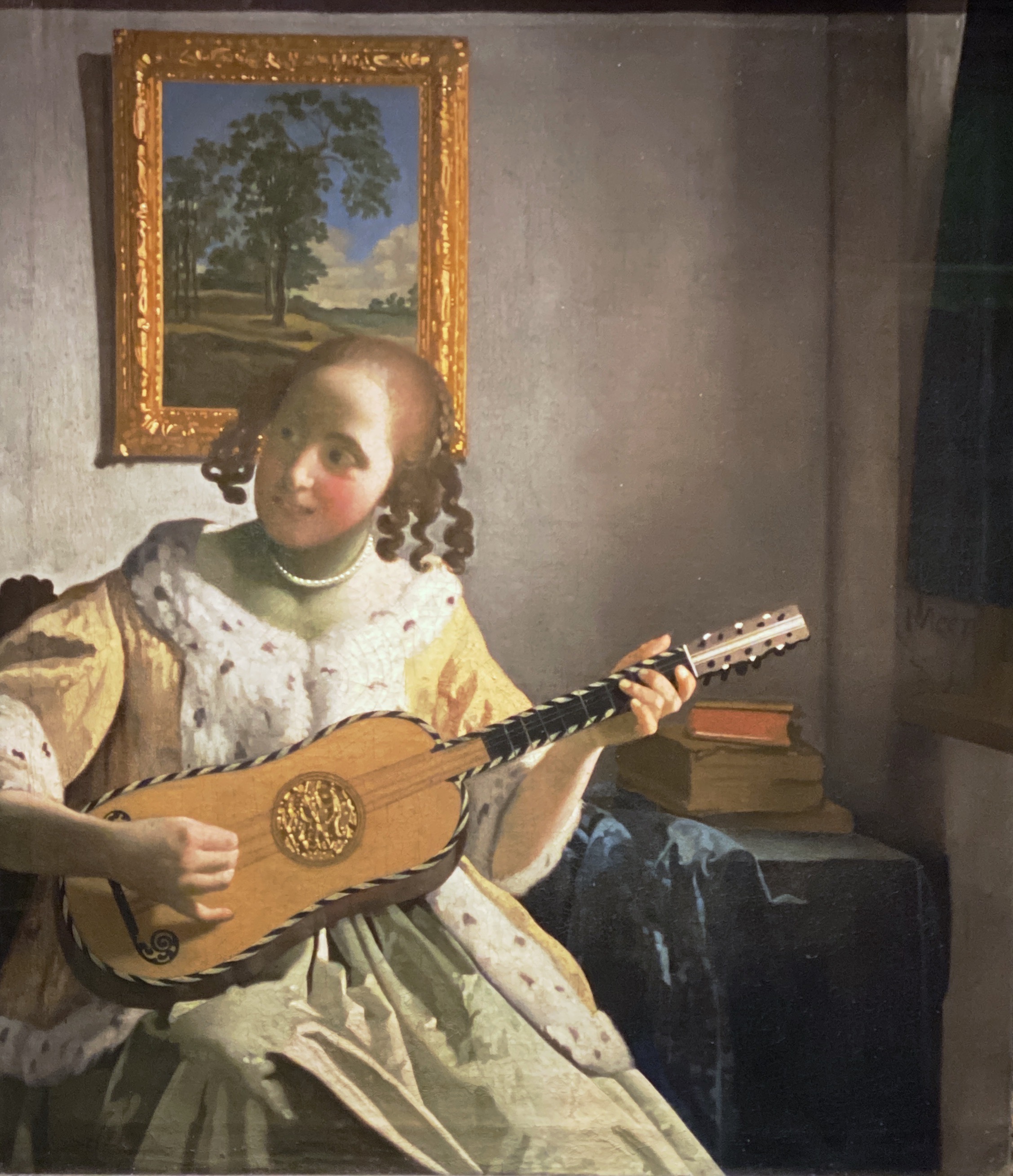
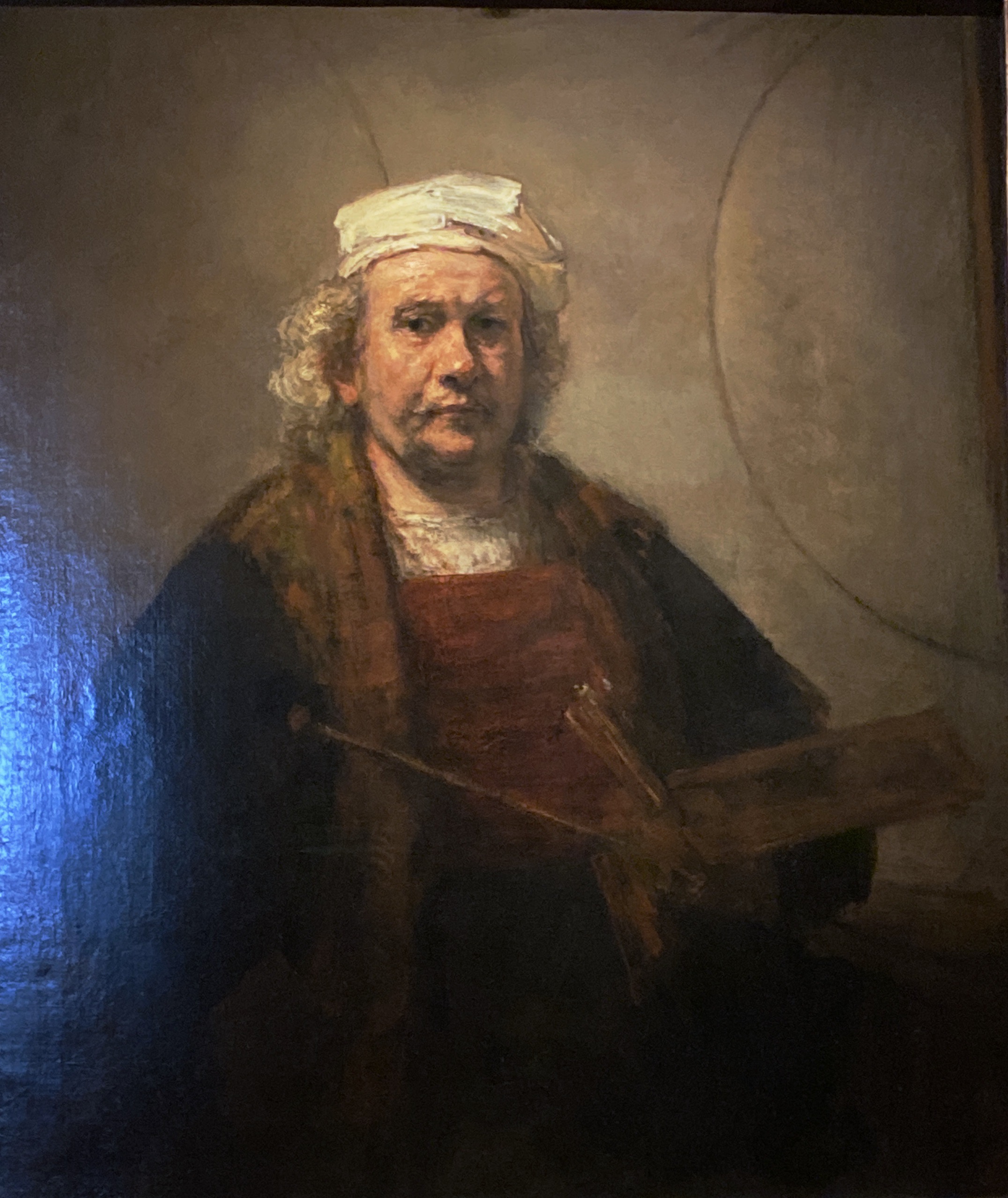
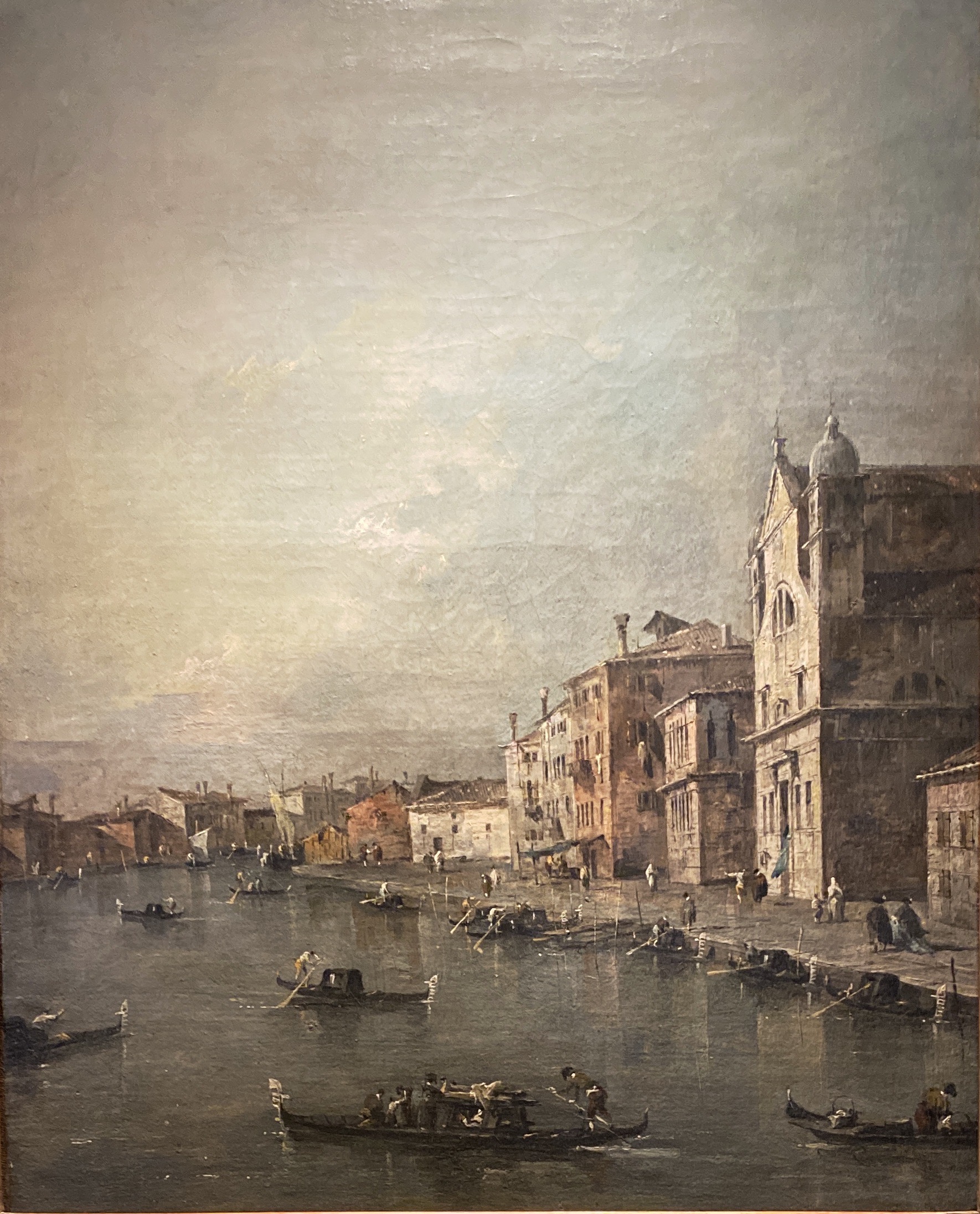
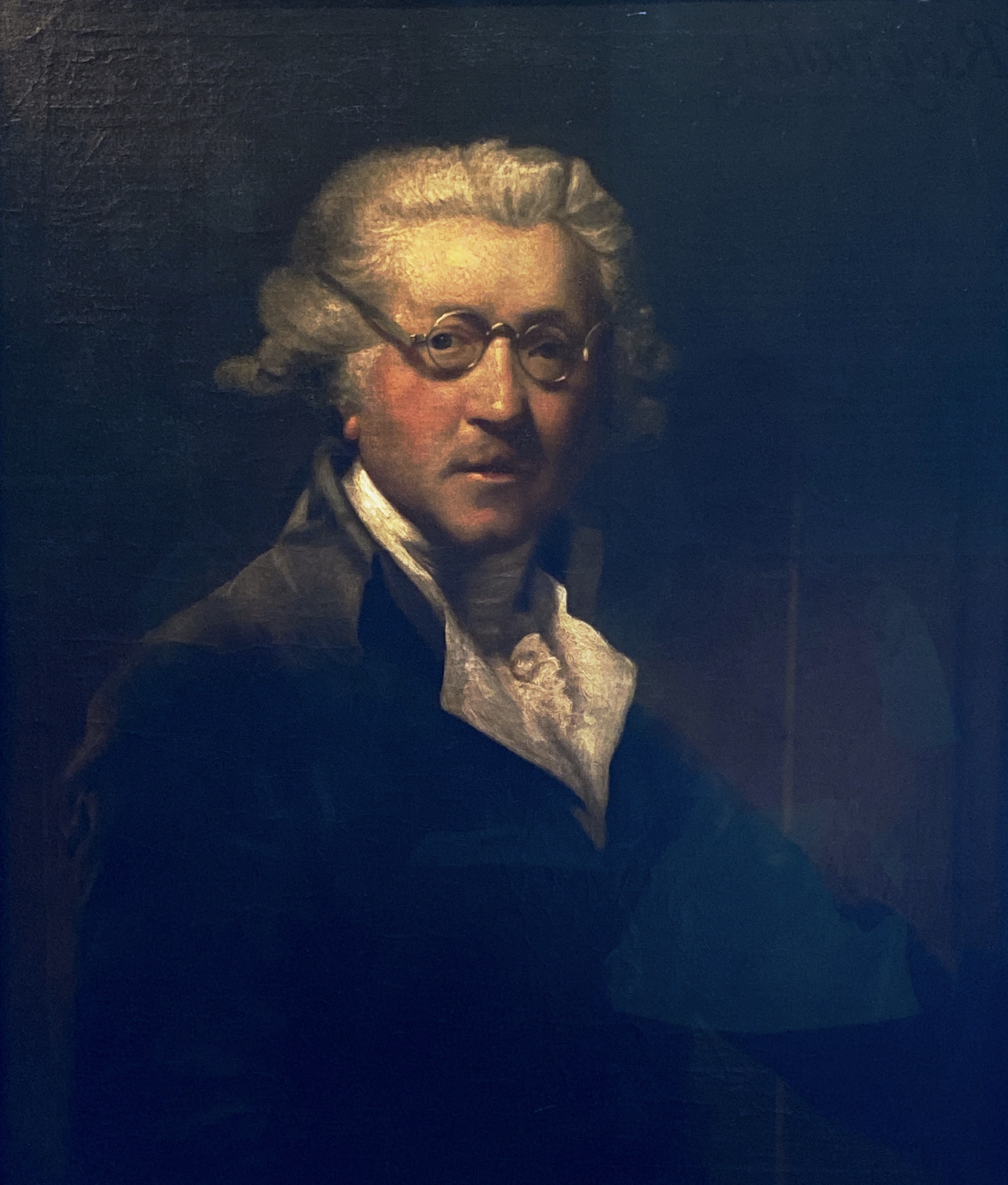
What does an art collector, who has plenty of money and newly available supply from cash-strapped British noble families, go for? Well, naturally, a Vermeer (above left), a Rembrandt self portrait (above right), some Guardis (below left), plenty of Reynoldses (a self-portrait below right), and other bits and pieces.
And his testament bequested the paintings to the nation, stipulating that access to Kenwood House should be free in perpetuity. It still is.
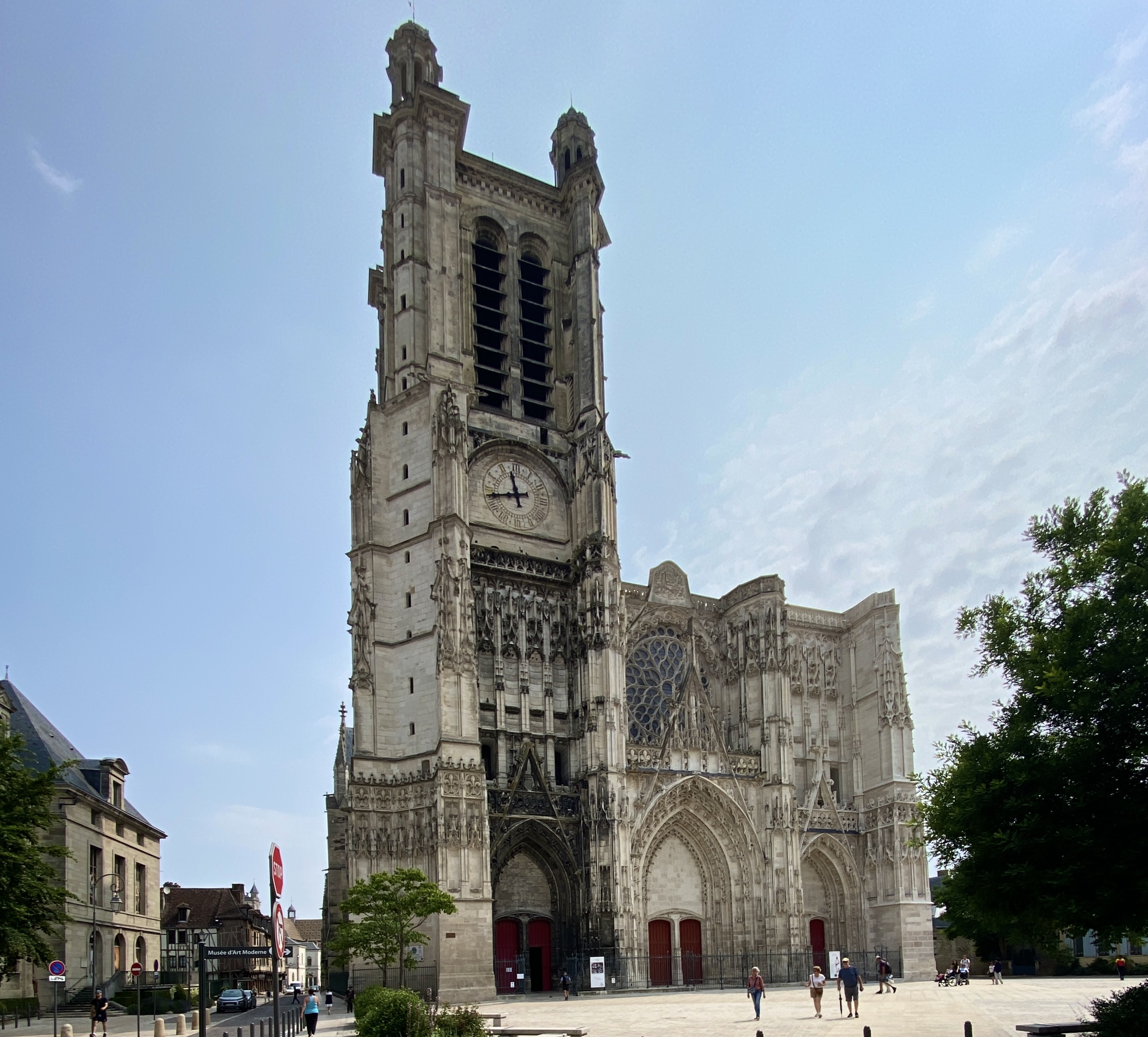
Troyes is a small town in northeastern France that has an excessive number of Gothic churches and plenty of half-timbered houses that together create a positively medieval feeling.
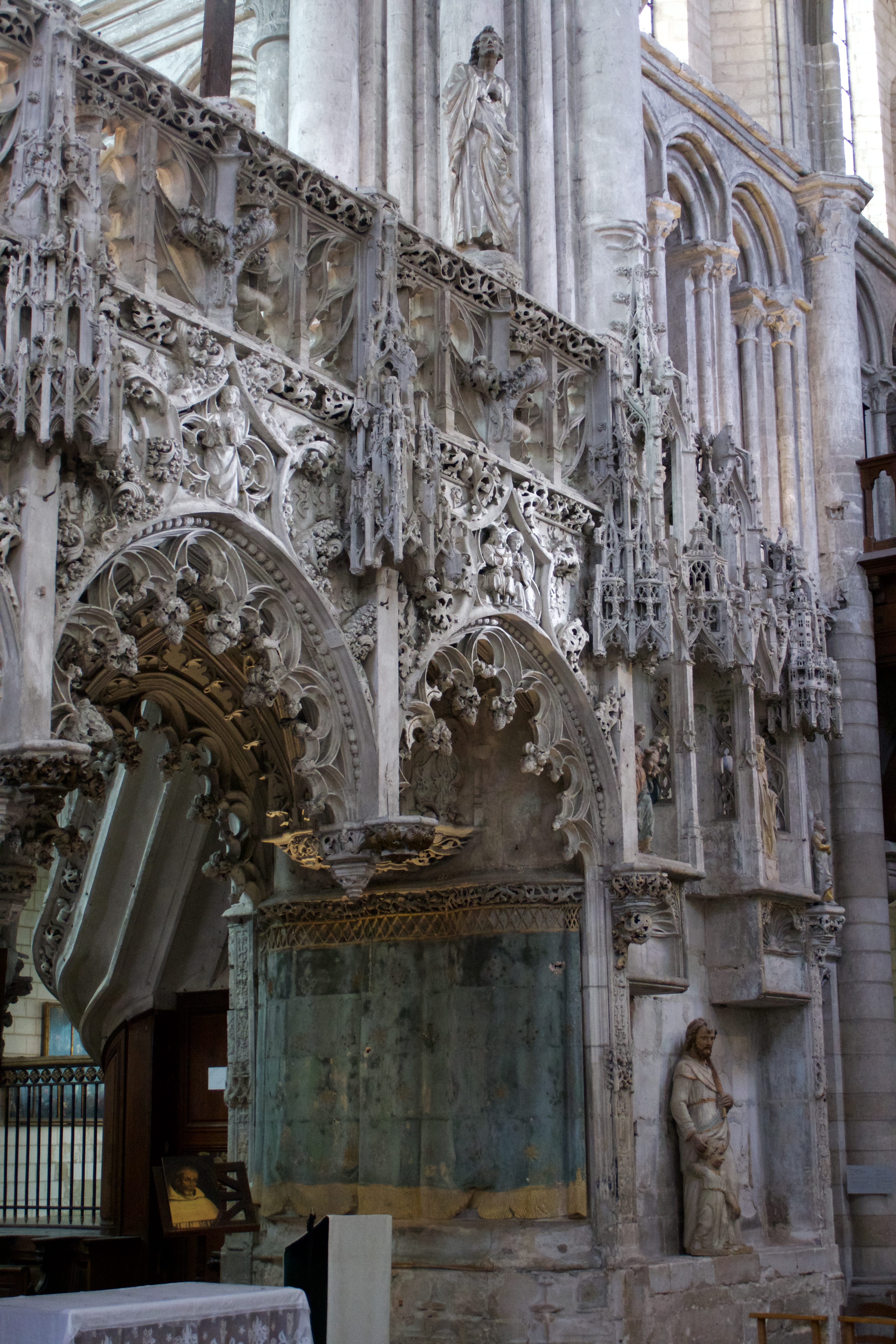
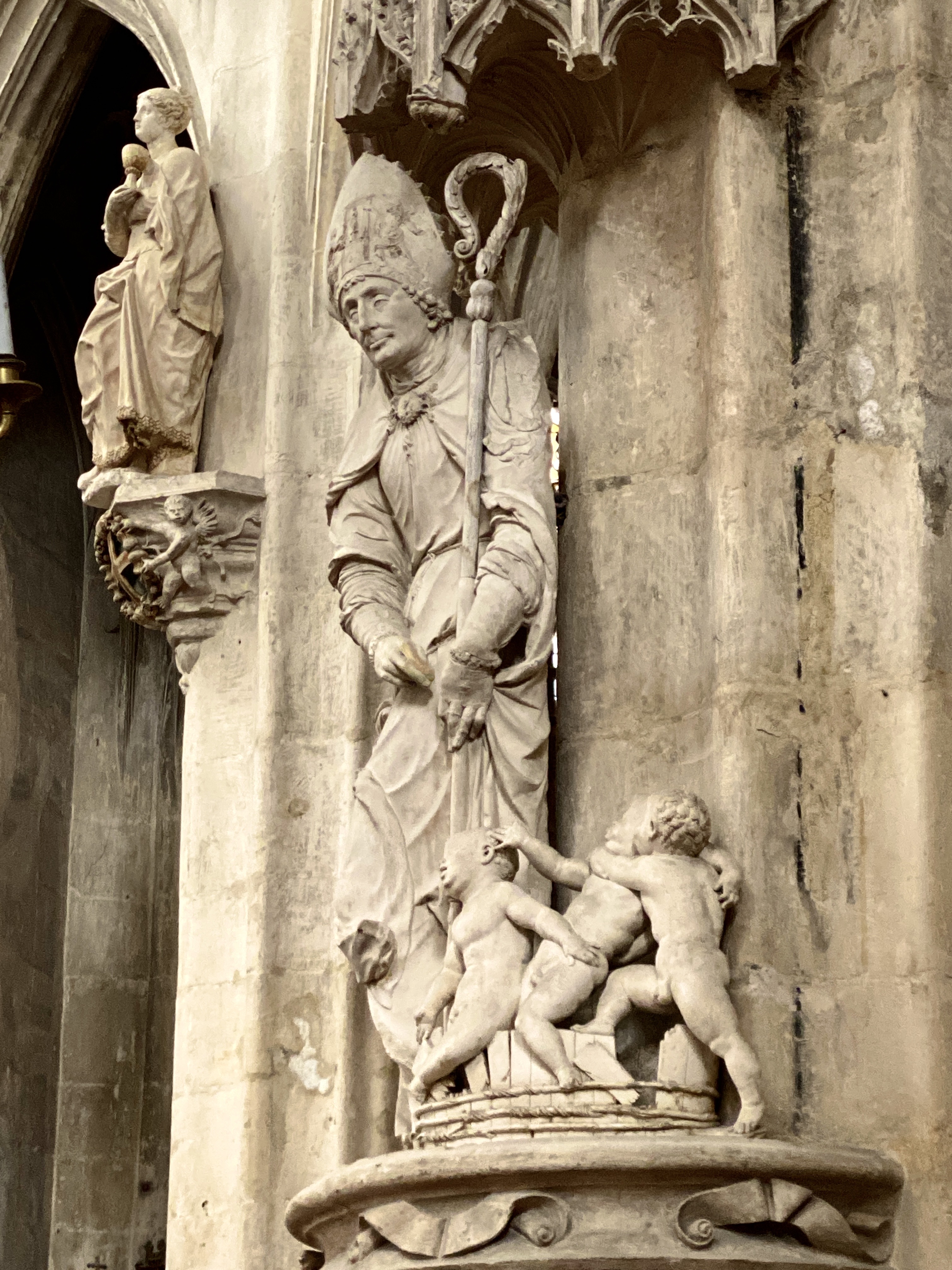
Some of the smaller churches have preserved almost unique medieval detailing, like the ‘gallery’ of Ste Madelaine (below left) or the statuary of St Pantaléon (below right).
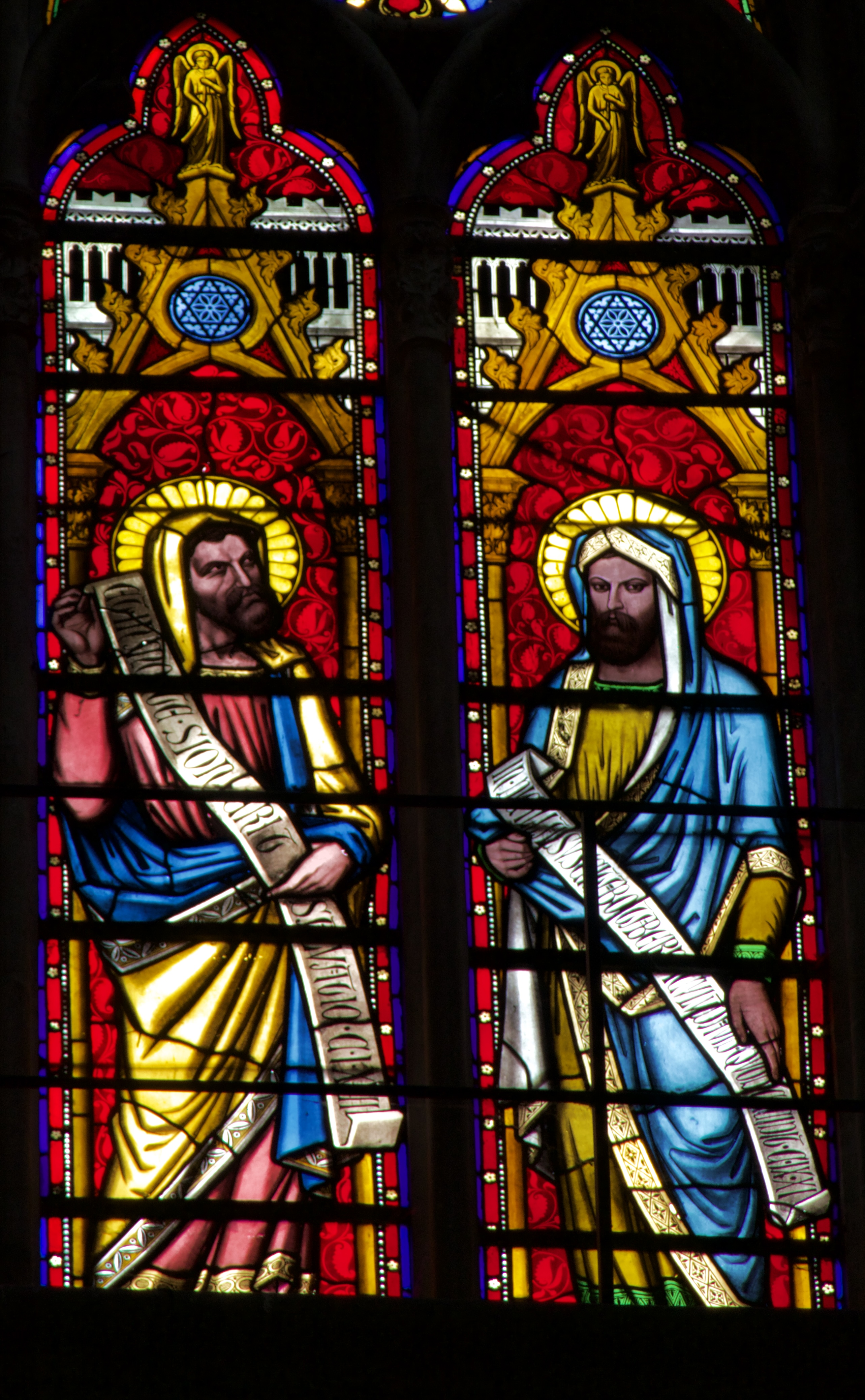
The larger cathedral of St Pierre – St Paul (below left) is famous for its stained glass windows (below right two of the evangelists).
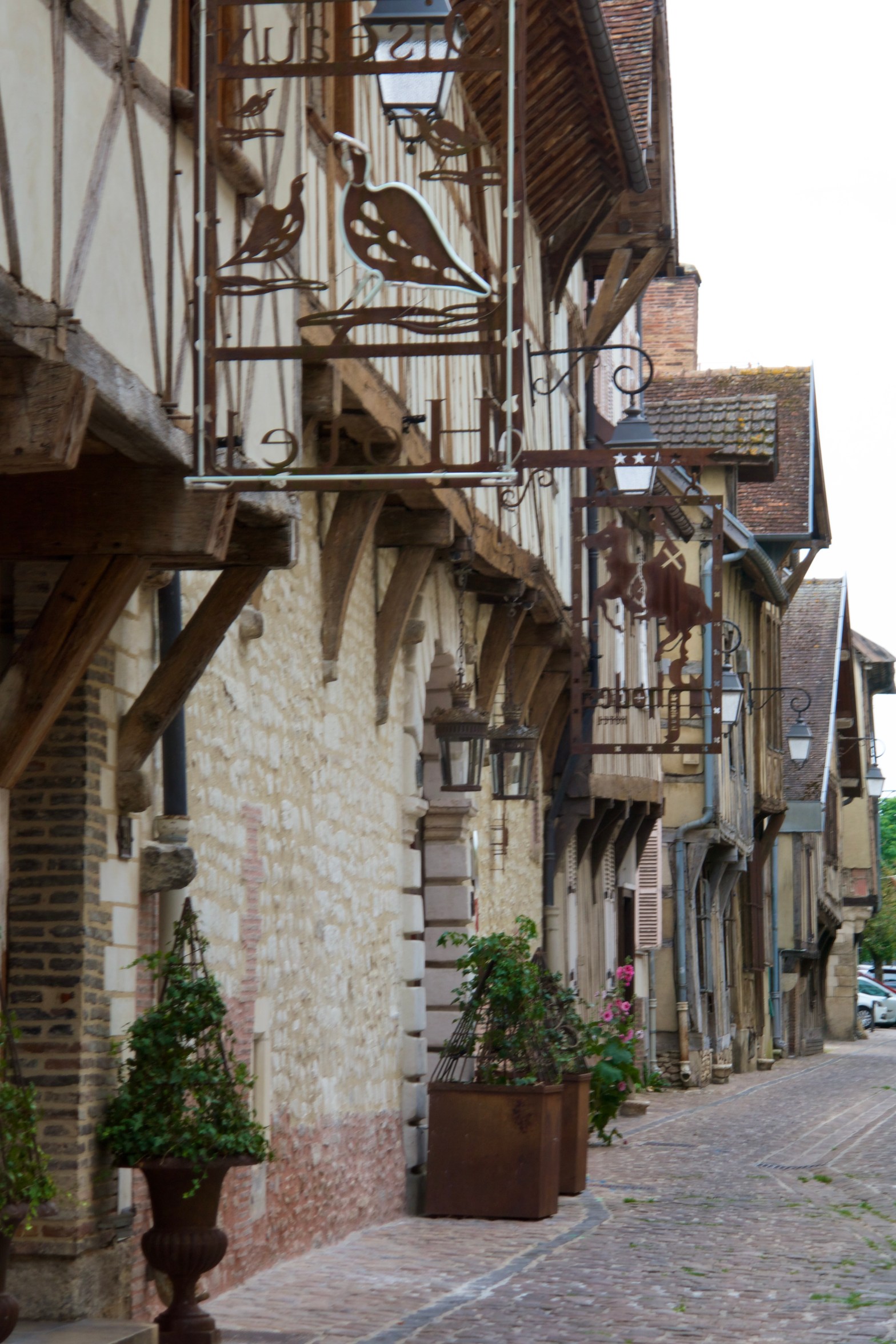
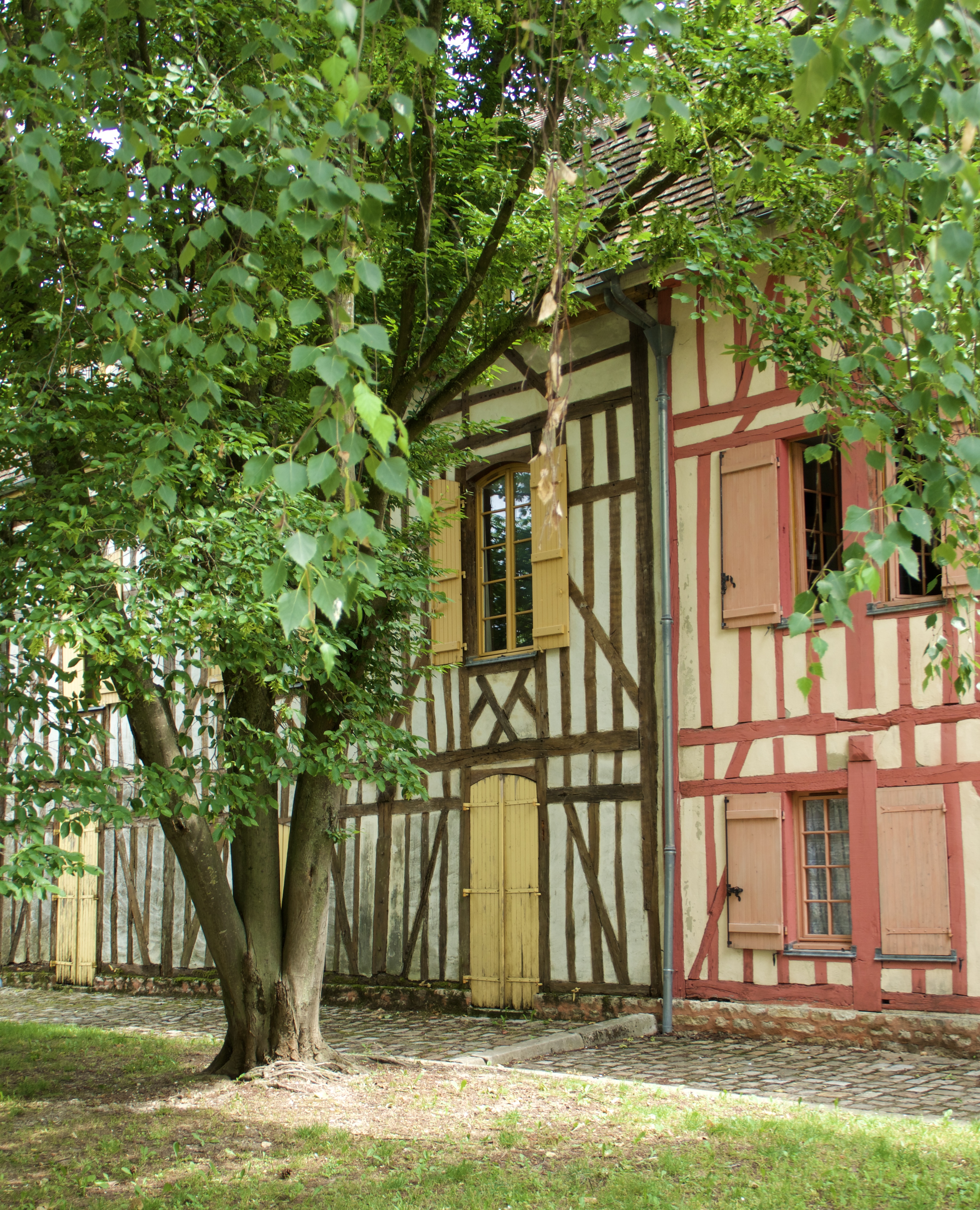
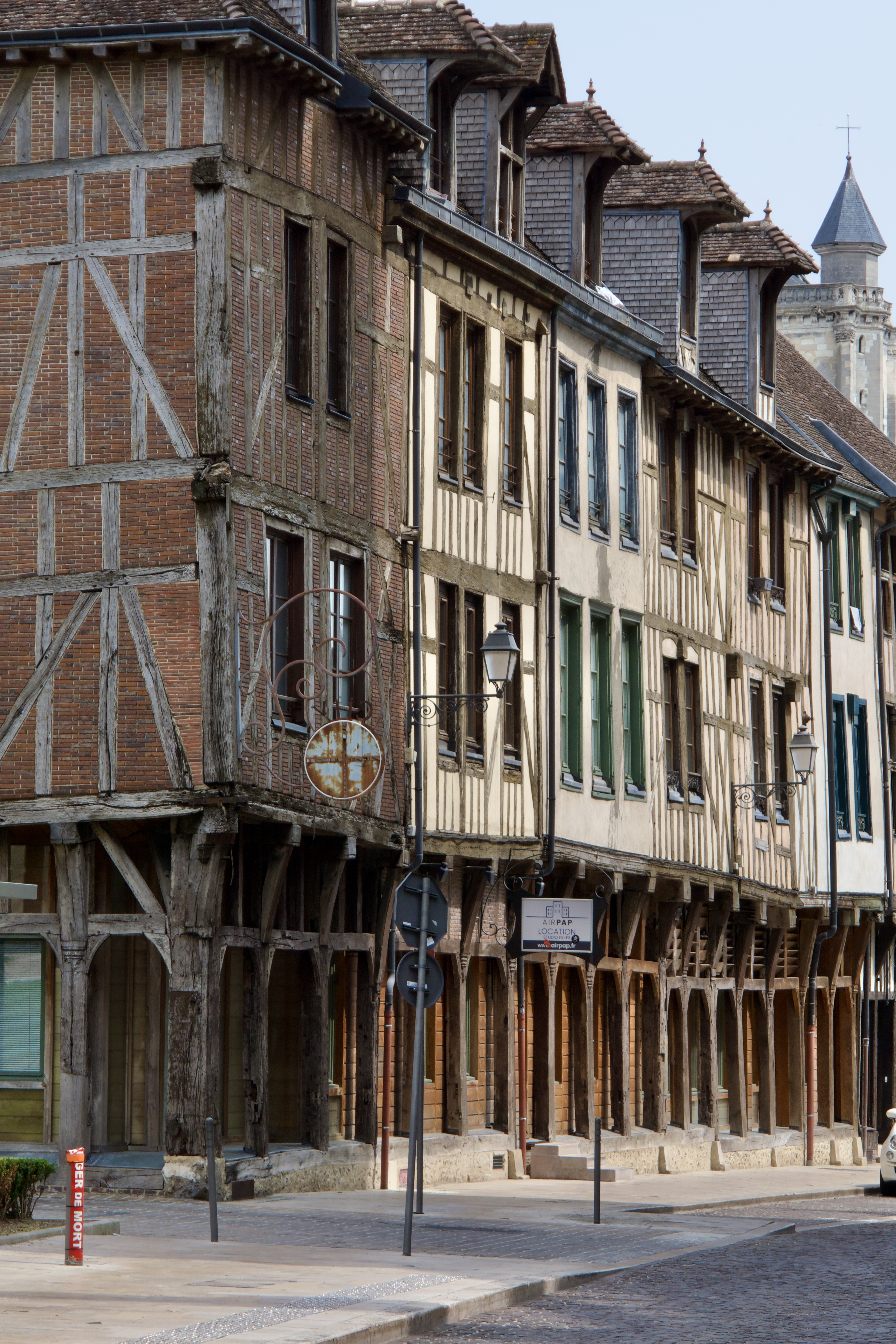
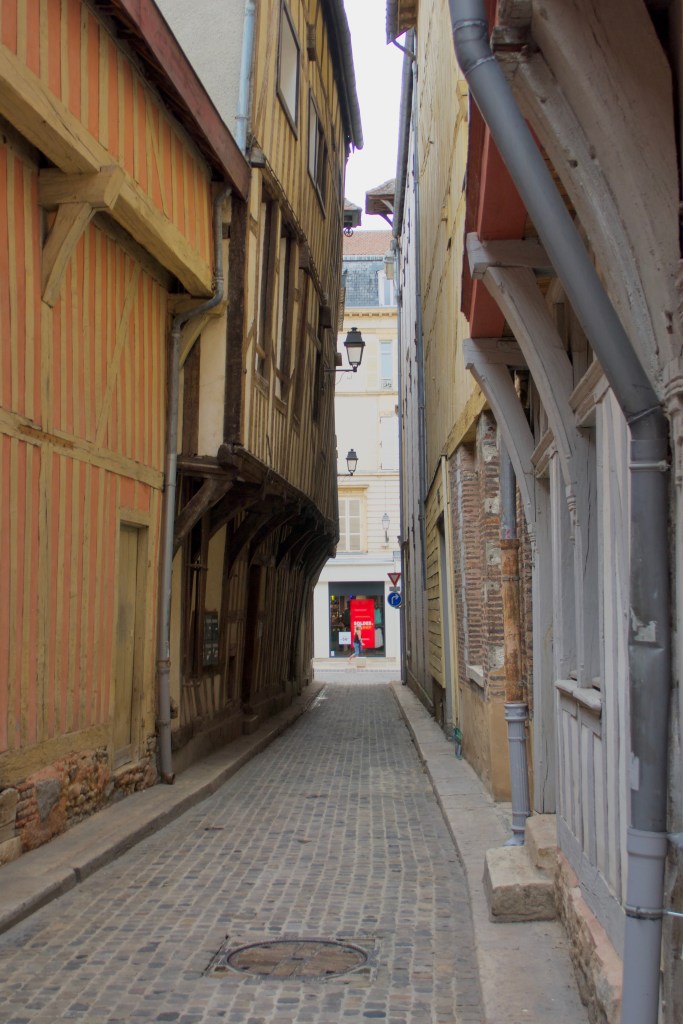
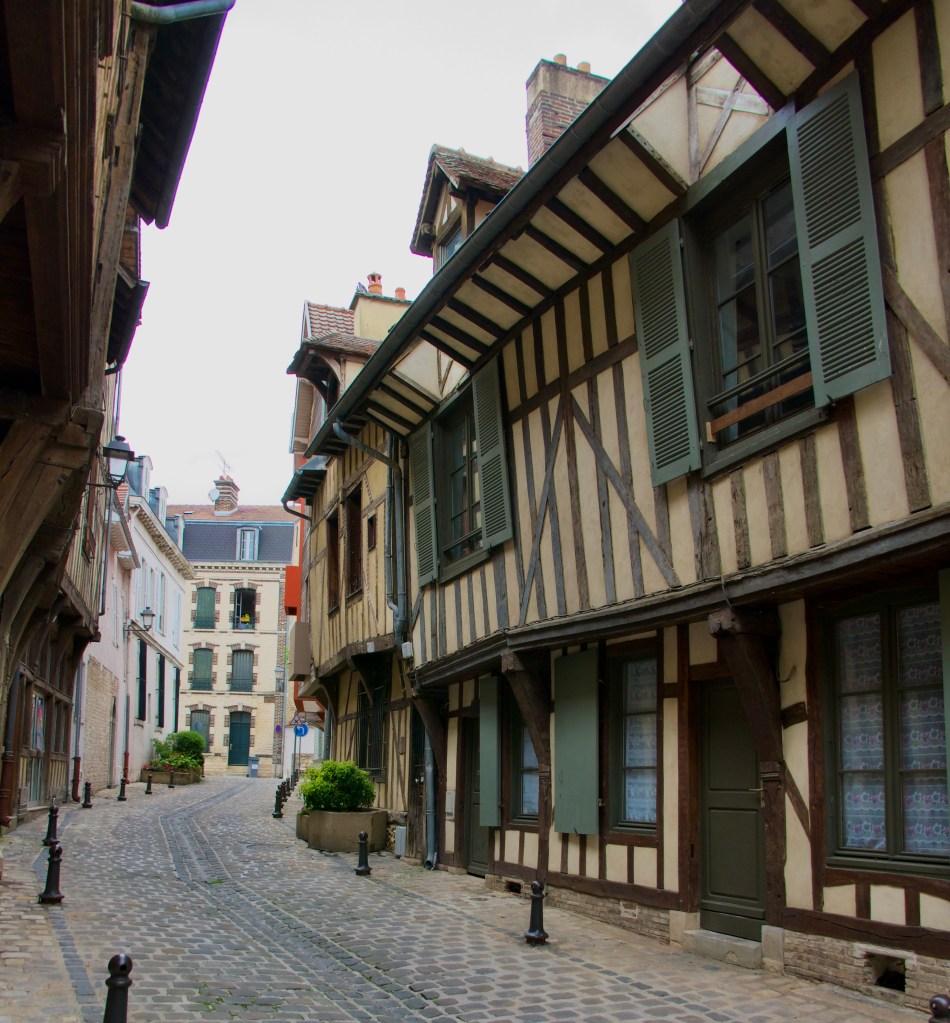
The half-timbered houses of the town are not fully ‘réglementaire’ as the walls are not (anymore?) very straight (below). Creates that pre-modern feeling, though.
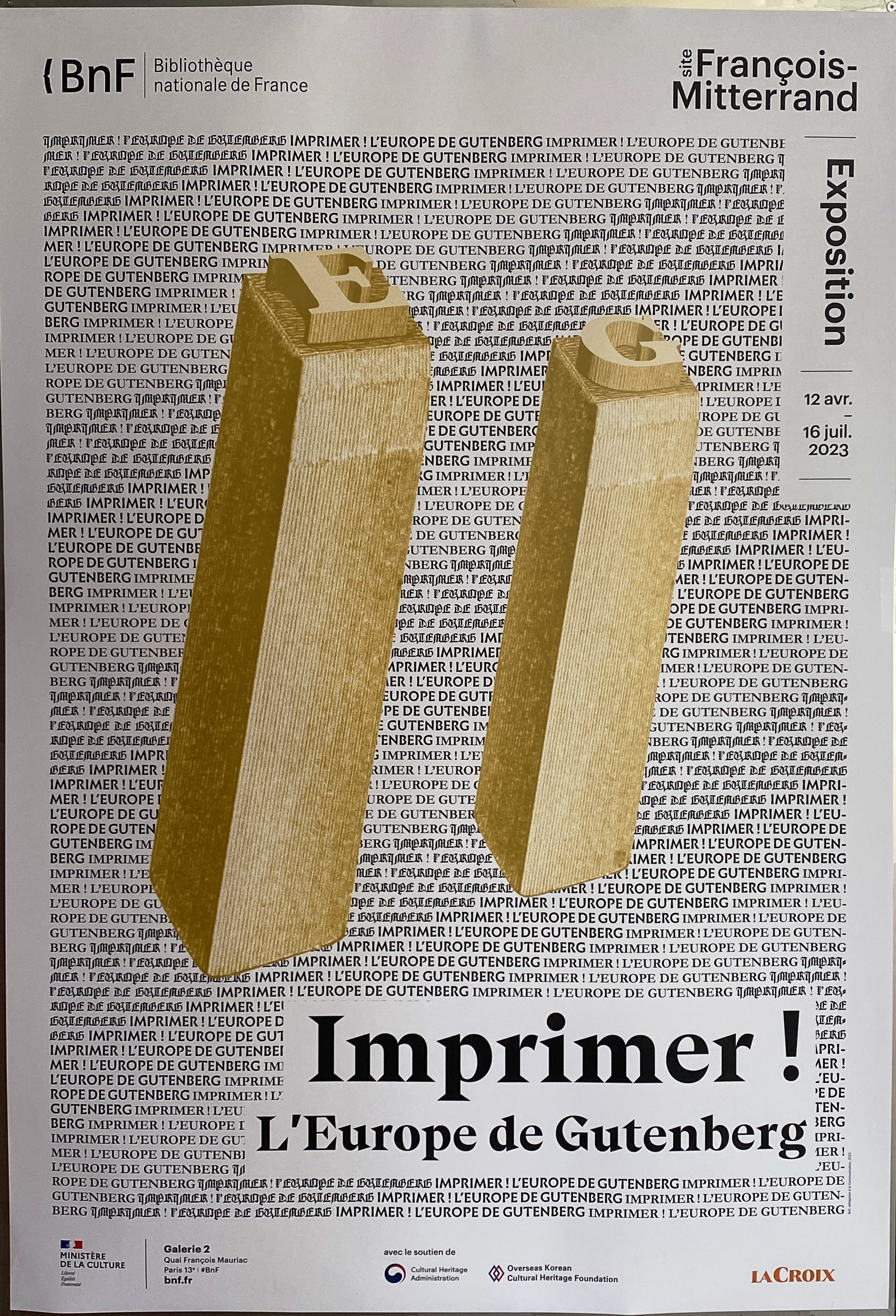
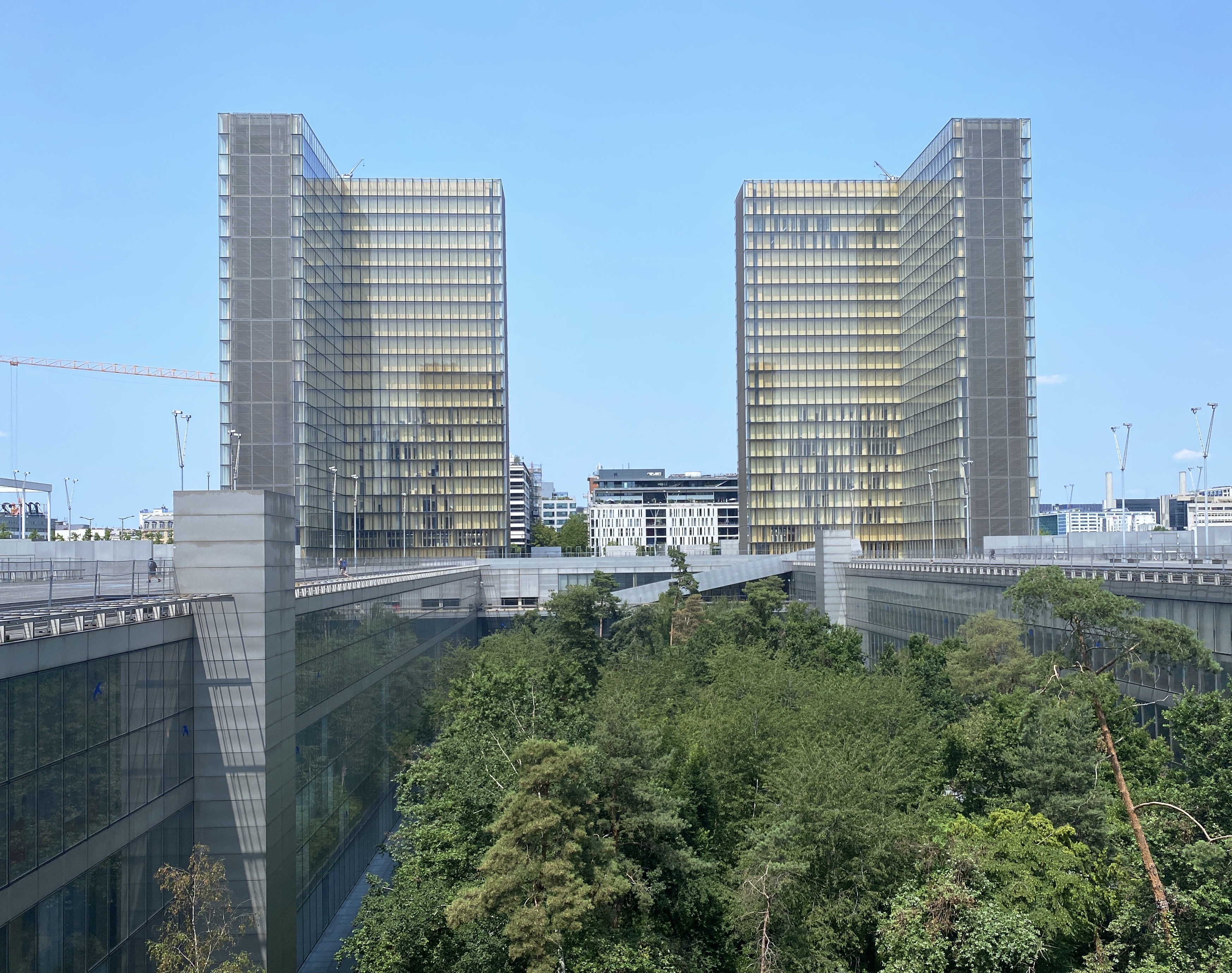
No, the guy himself never visited, but his spirit is at the excellent Bibliothèque national (BnF) exhibition ‘Imprimer! L’Europe de Gutenberg’ at their F. Mitterrand site (below right).
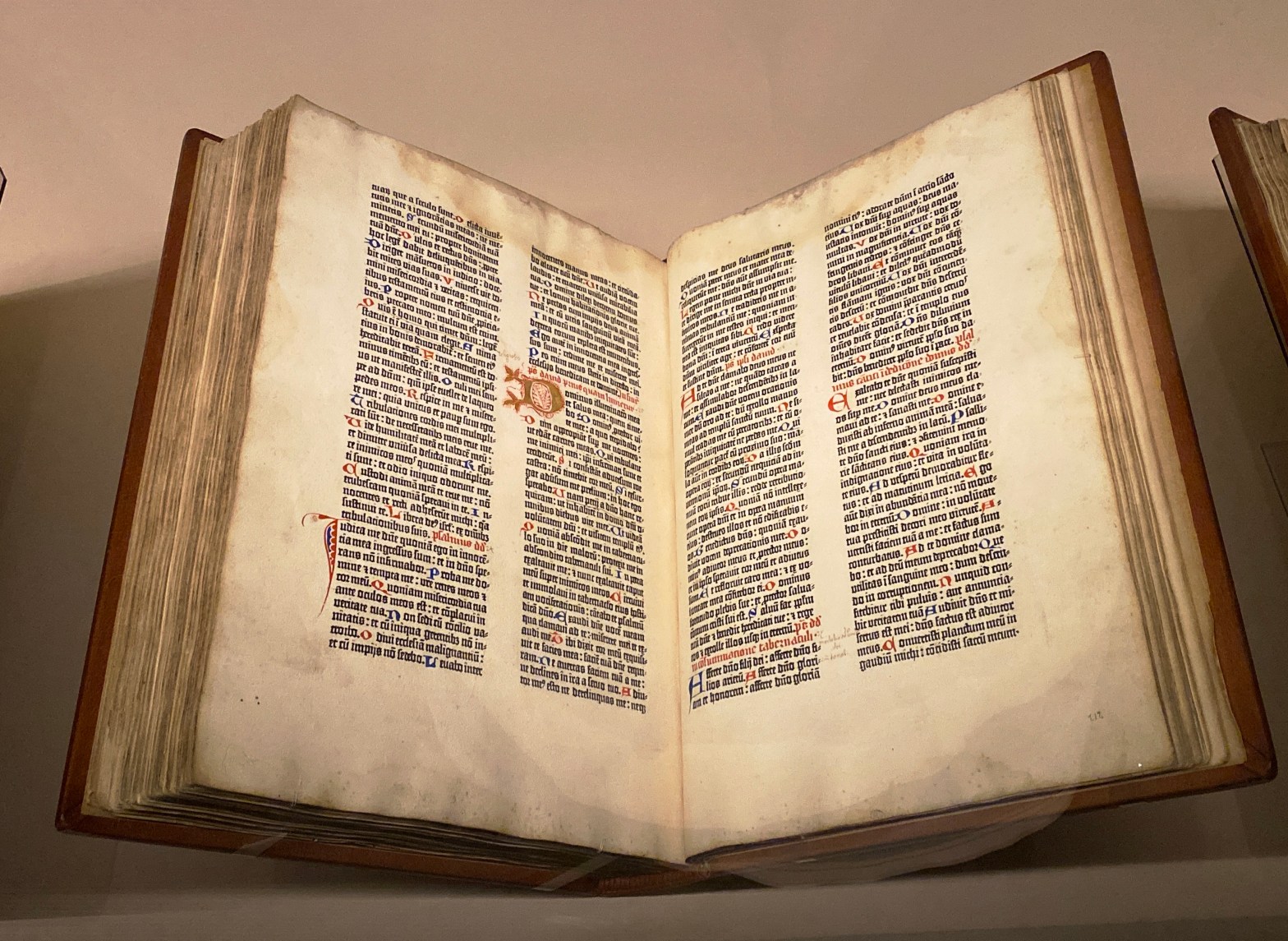
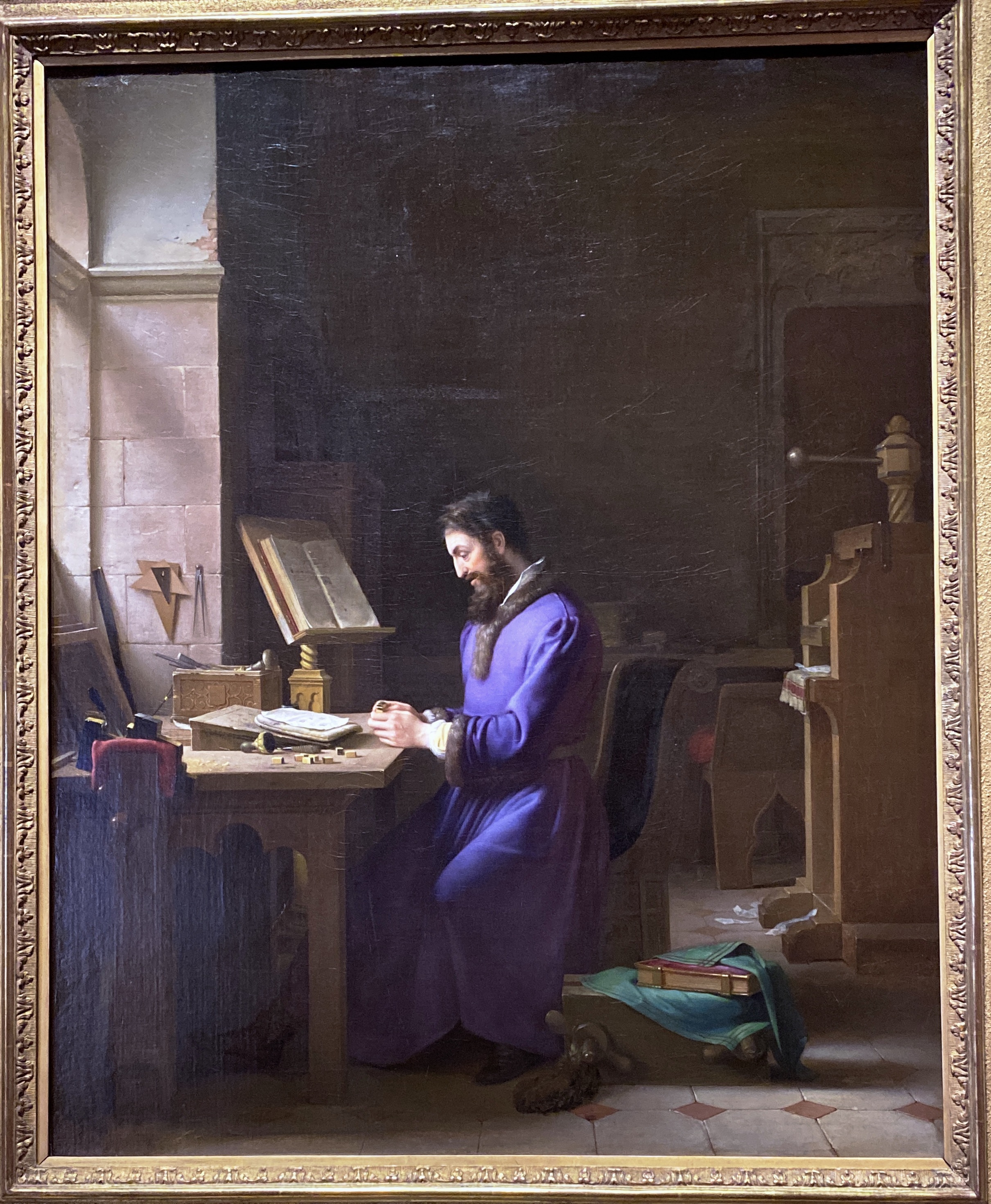
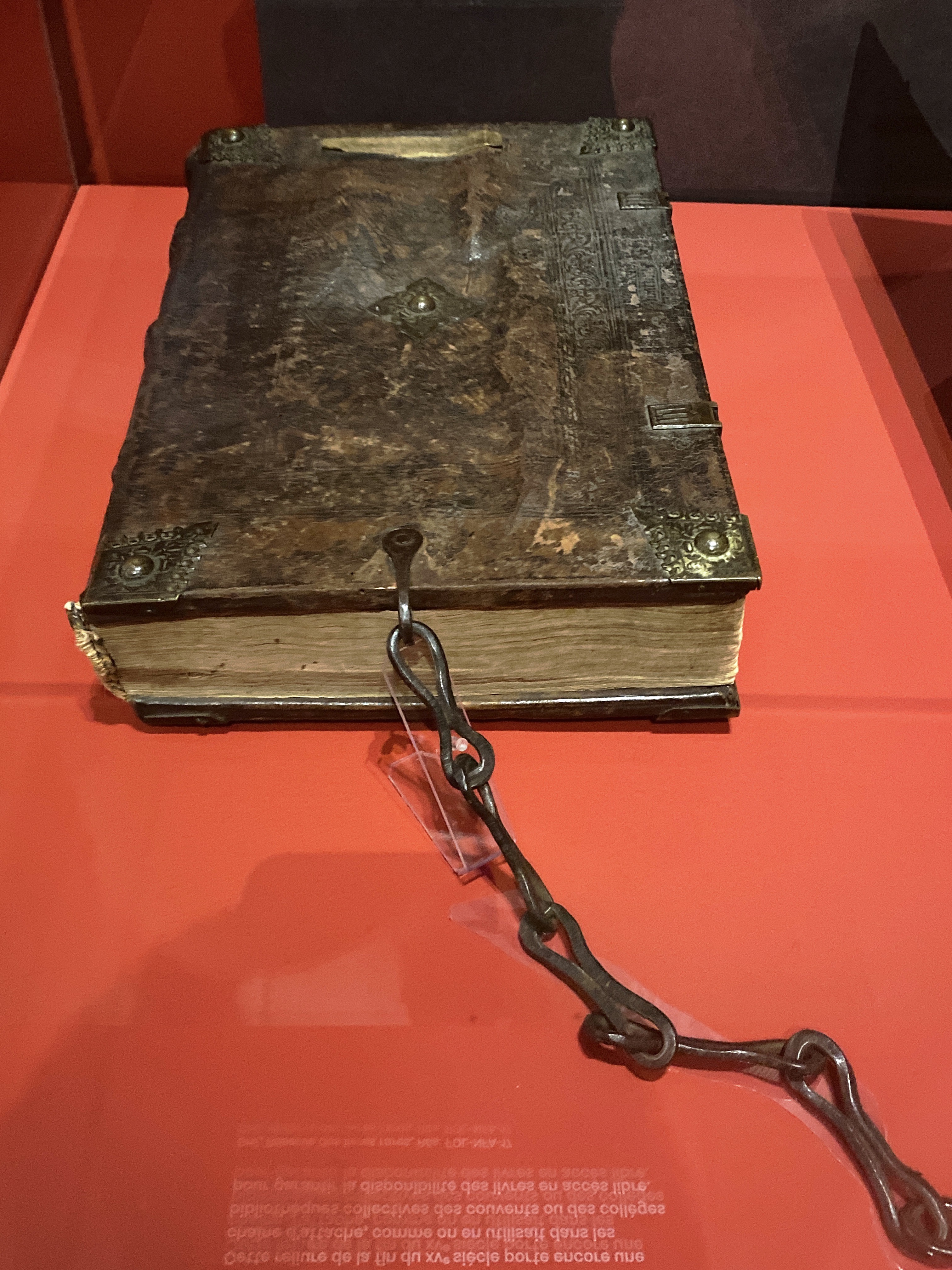
Of course, both of the Gutenberg bibles that the BnF owns are displayed (title picture). To emphasise the status of Gutenberg, a 1831 painting depicts him as a latter-day saint Jerome inventing movable type in his study (below left). As often, Gutenberg’s invention responded to a acutely felt need for a quicker and cheaper way to produce books. However, books continued to be expensive and libraries needed to chain them to the desks to avoid stealing (below right).
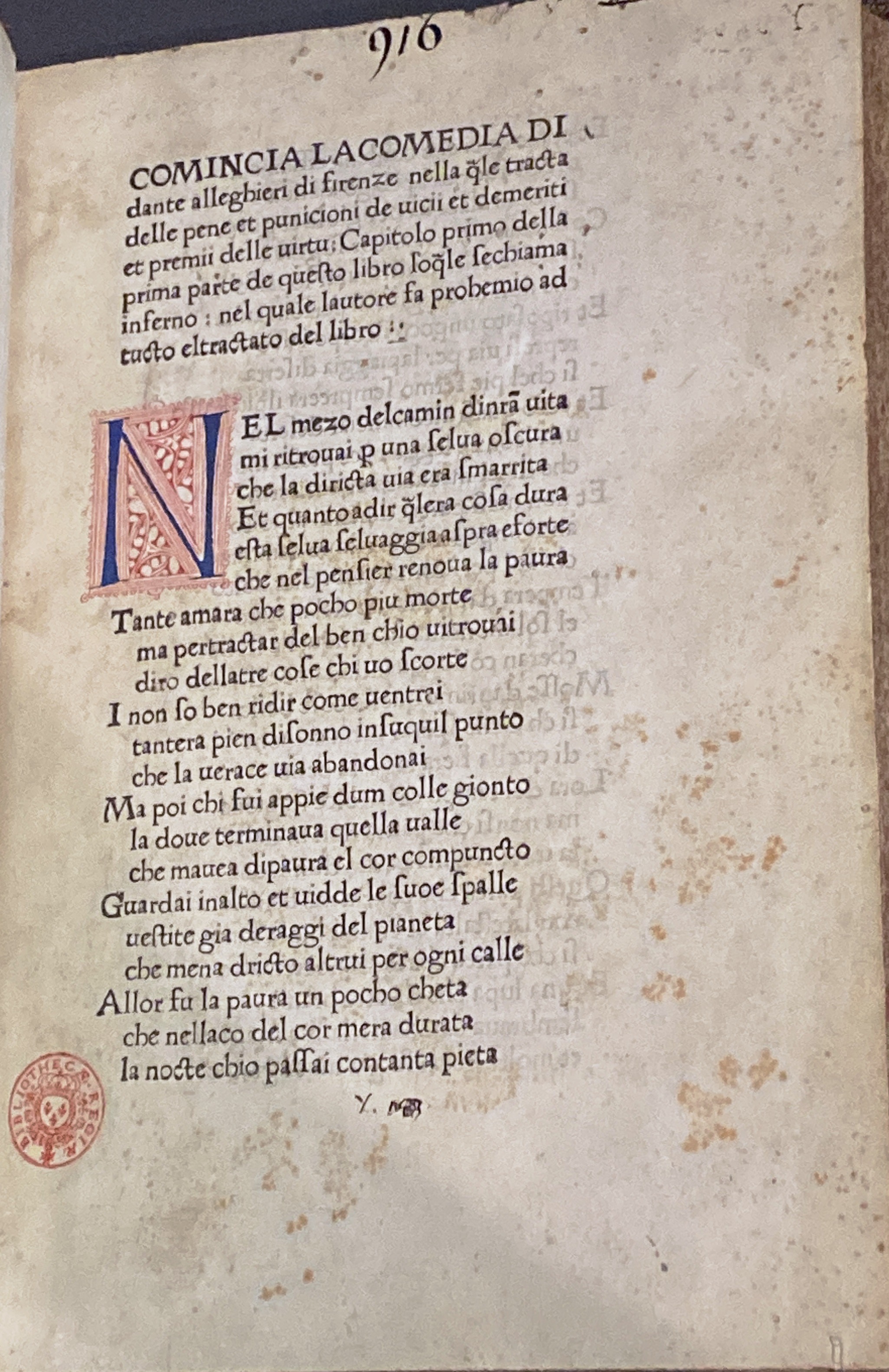
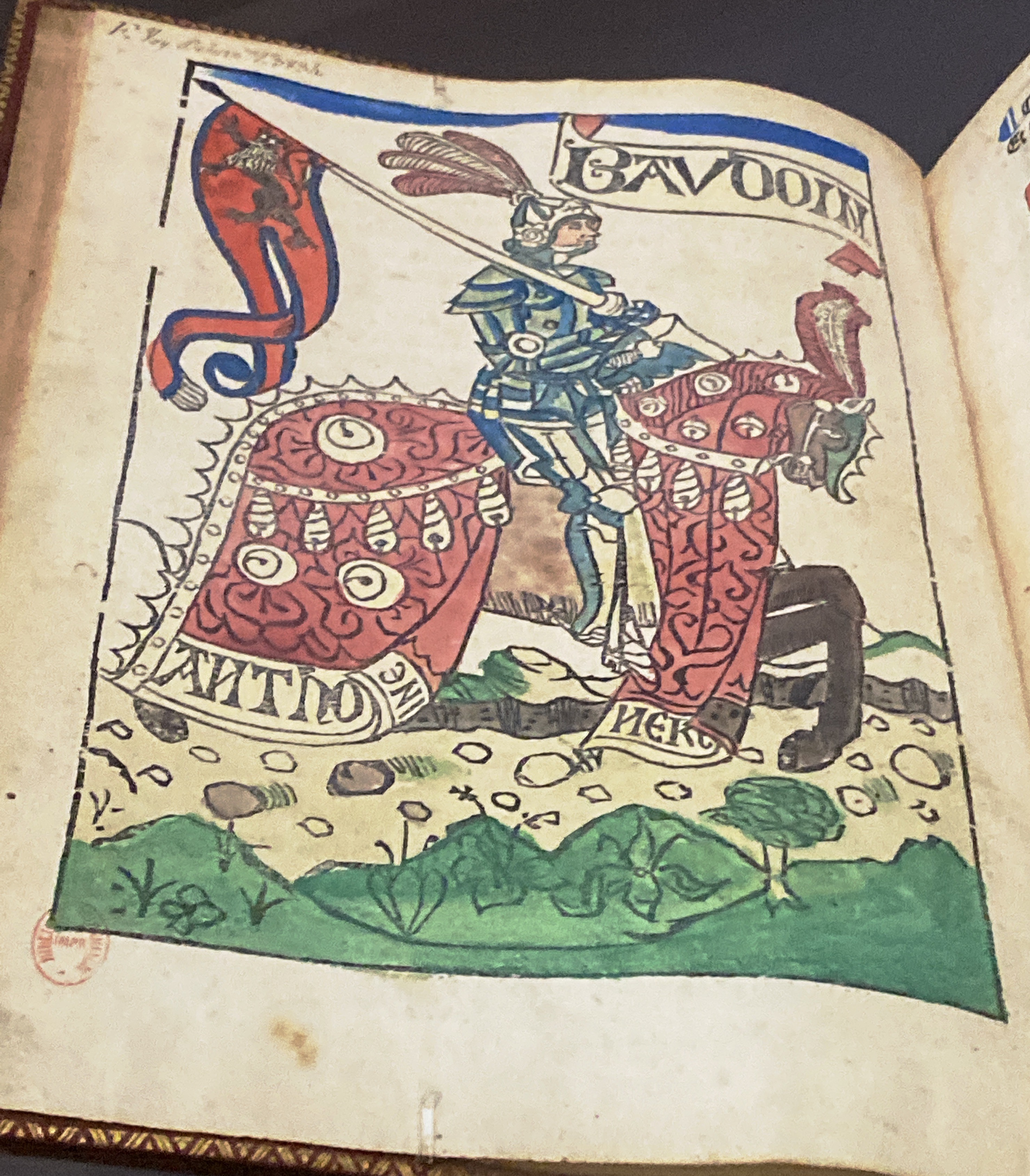
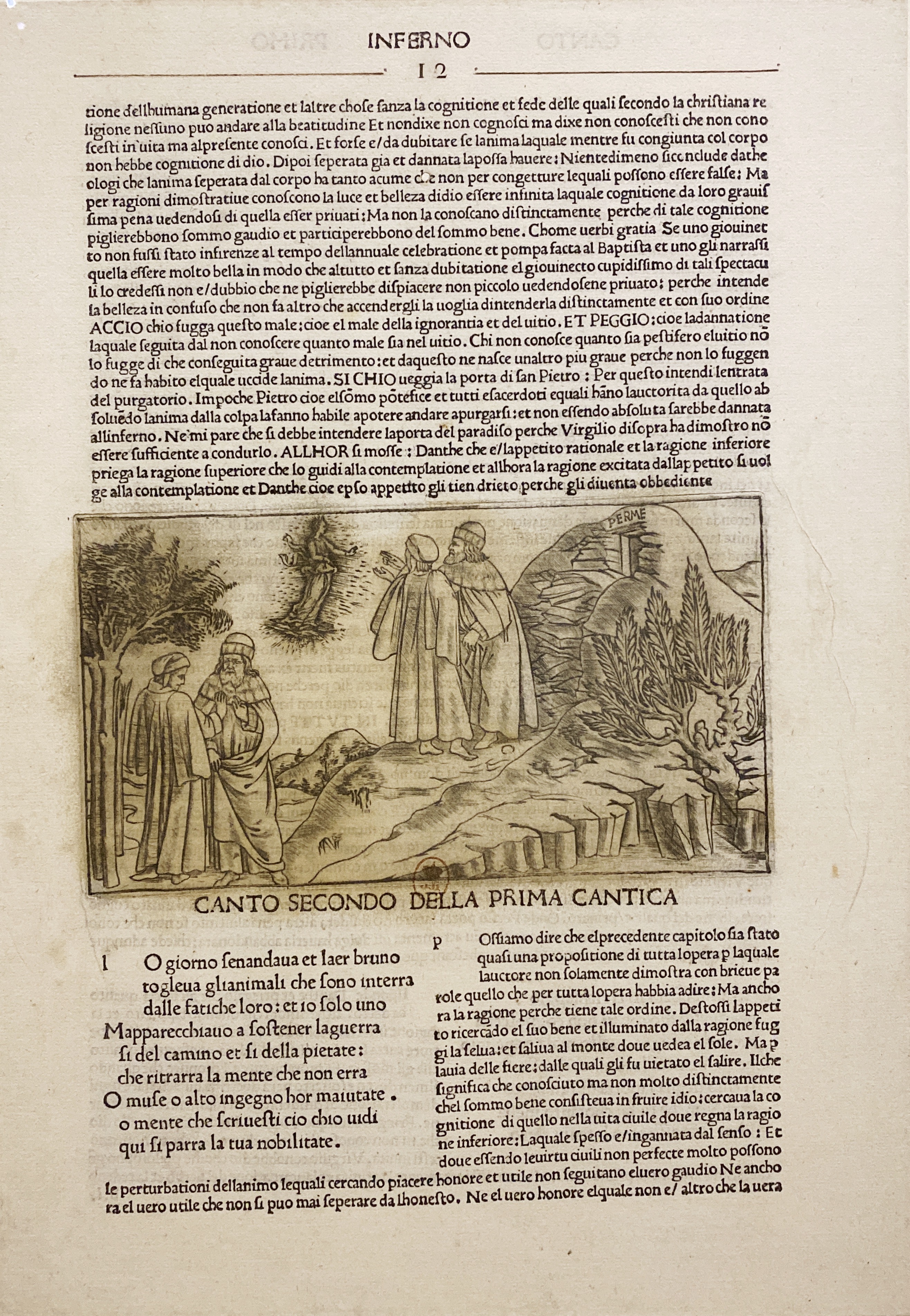
Although woodblock printing and even movable type had been in use in the Far East for hundreds of years, in the West the introduction of movable type to a limited character set exploded the industry and brought new readers to books as the prices tumbled. The first printed books were religious, classical or court texts, as these had an established readership. The first printing of Dante’s ‘Divina Commedia’ came out in 1471 (below left) and Baudoin’s stories about the ‘Comte de Flandre’ in 1485, with a hand-coloured woodblock illustration (below right).
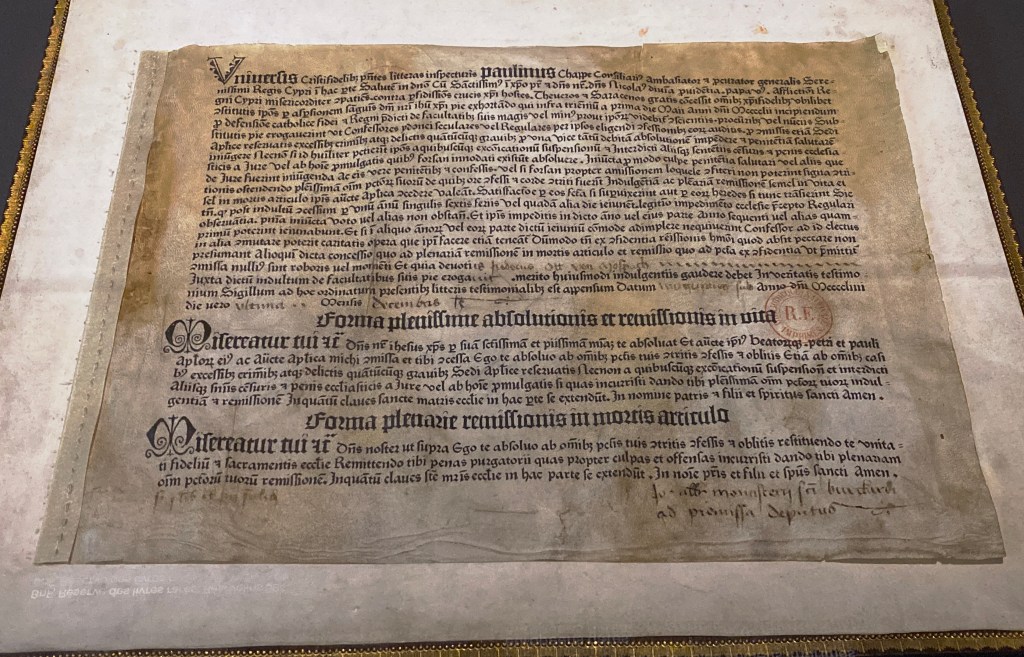
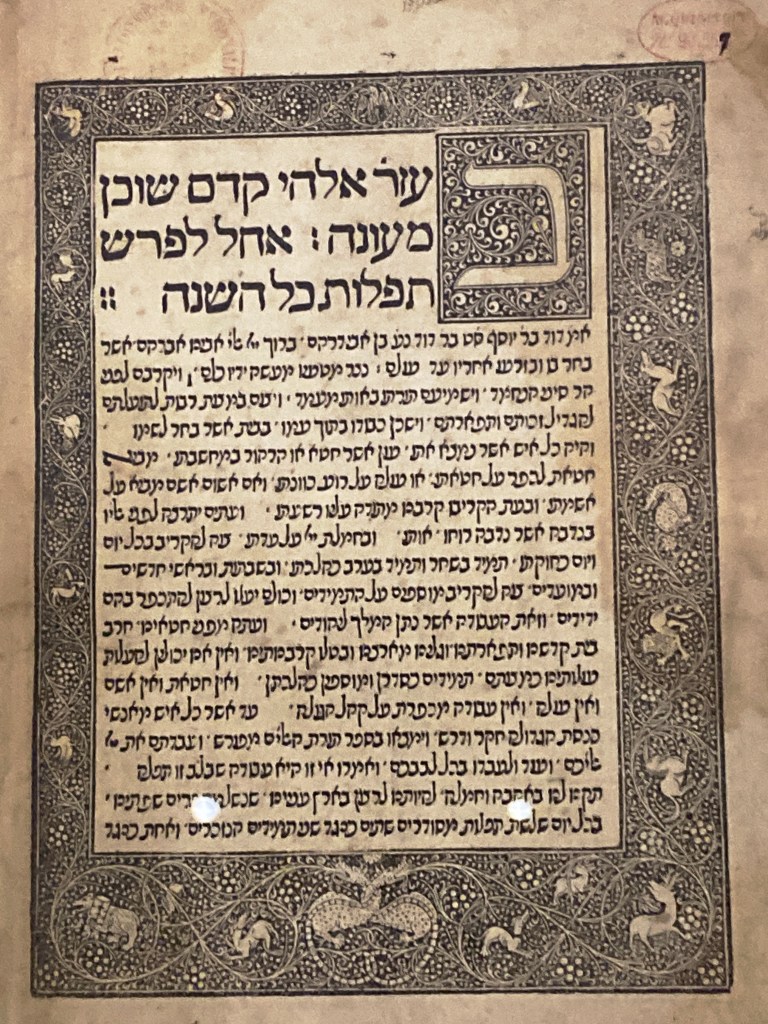
The catholic church saw an opportunity to increase revenue by multiplying its production of indulgencies and immediately in 1454 ordered forms (from Gutenberg himself) for the purpose (below left). Besides Latin, printers started producing books in other languages and character sets very soon. Below right is a Hebrew commentary on the prayer book, printed in Lisbon in 1489.
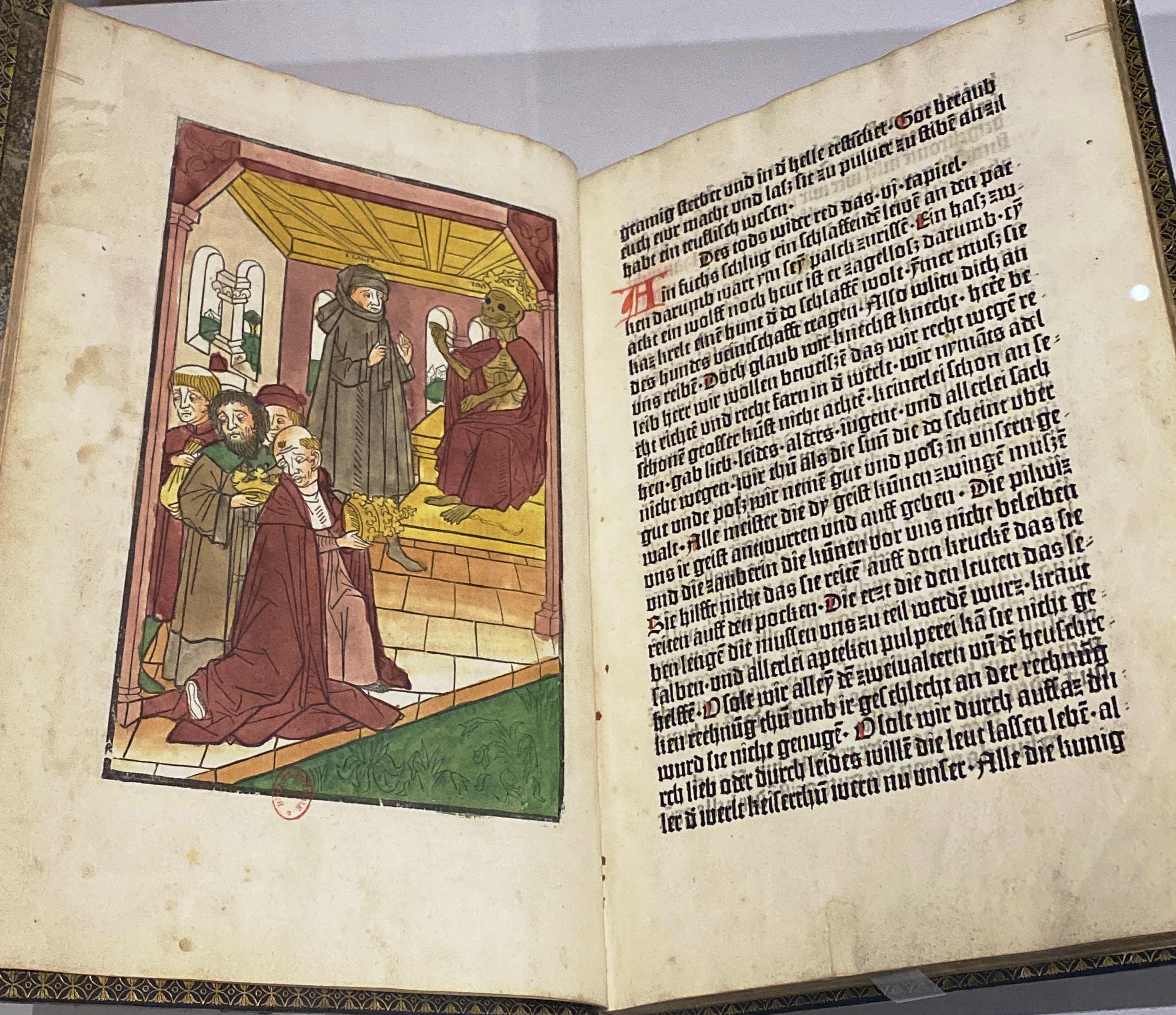
Popular stories were not far behind as the printers got hang of the trade and produced smaller and cheaper books – although occasionally still with hand-coloured illustrations. Below left is a German moral story ‘Ackermann von Böhmen’. But colour gave way to black and white woodblock images as thse were easier and cheaper to include (below right an illustrated version of ‘Divina Commedia’).
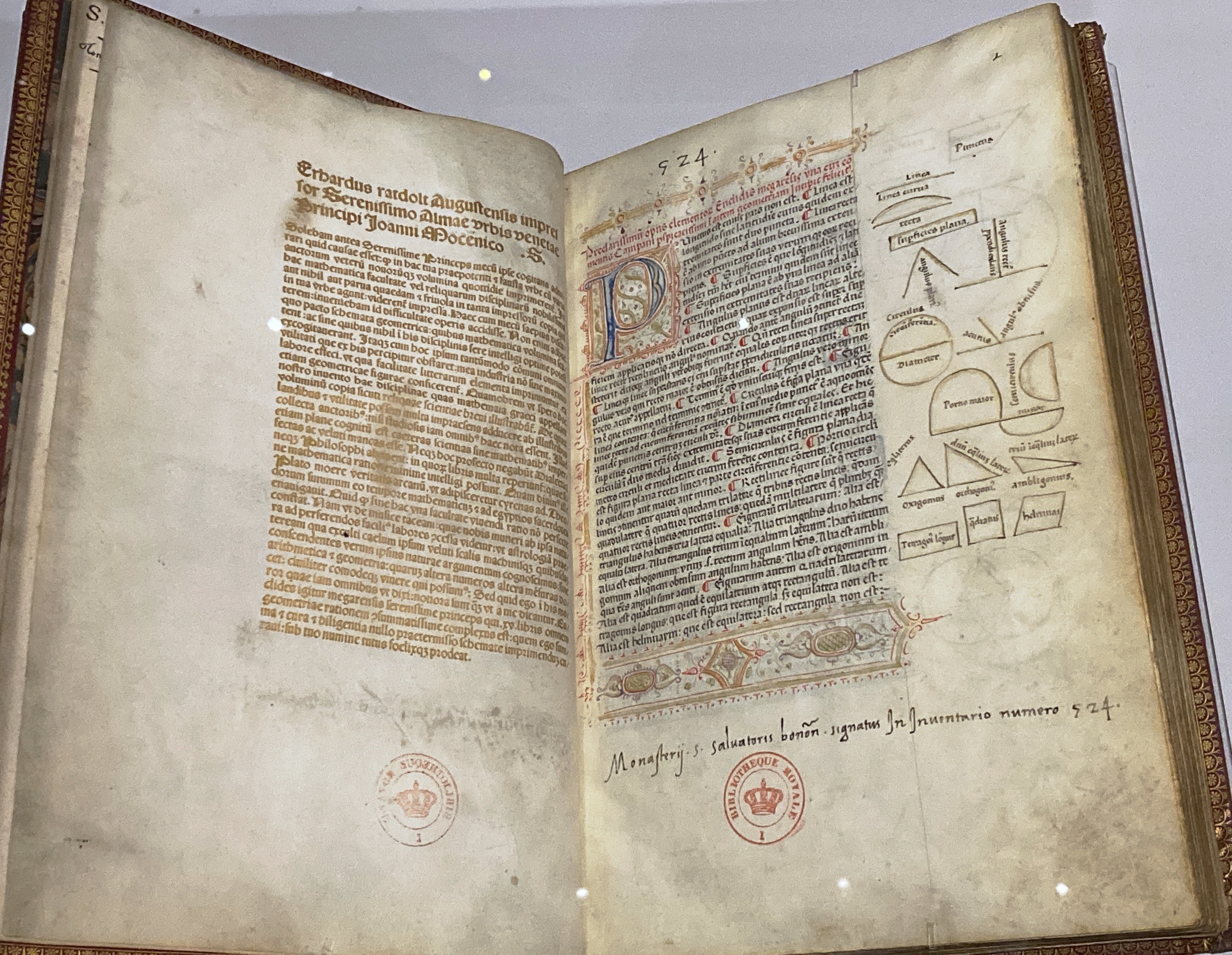
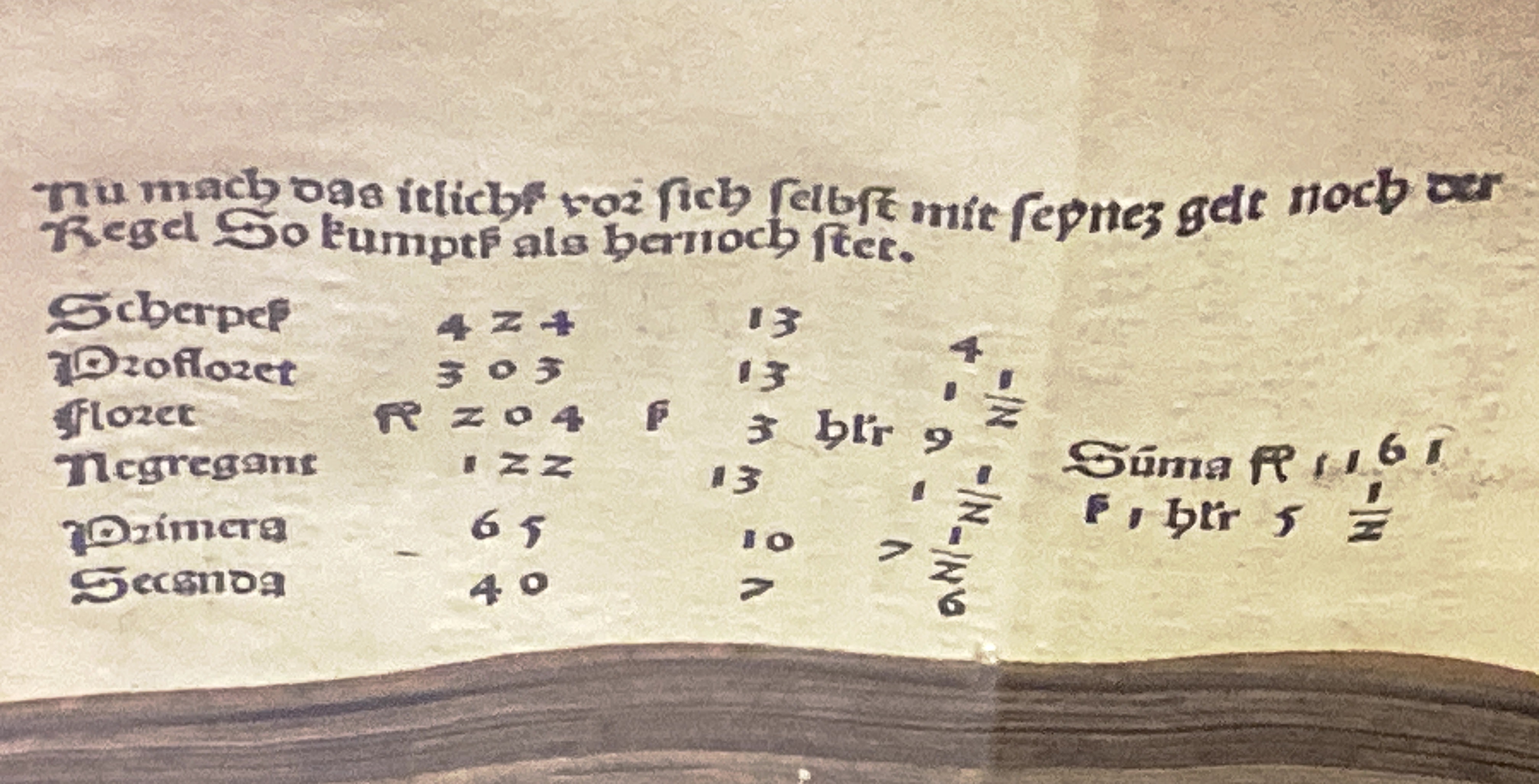
And schoolbooks, of course – below left is Euclid’s ‘Geometry’ printed in 1482 (in Latin, naturally). More immediately useful mght have been the ‘Rechnung auf alle Kauffmanschafft’, printed in German in 1489, and specifically targeted to apprentice merchants.
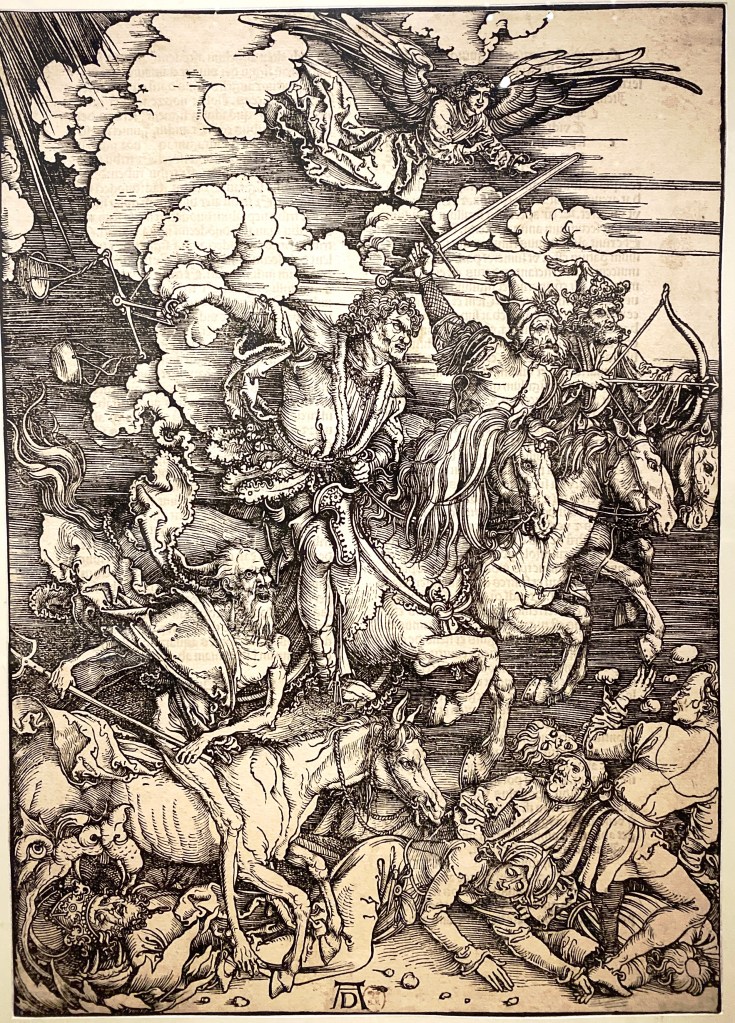
We still argue about copyright – and so they did in the second half of the 15th century. The illustrations of Albrcht Dürer were so popular that the books where they were printed needed a warning that they should not be copied – below are the famous riders of the apocalypse from 1498.
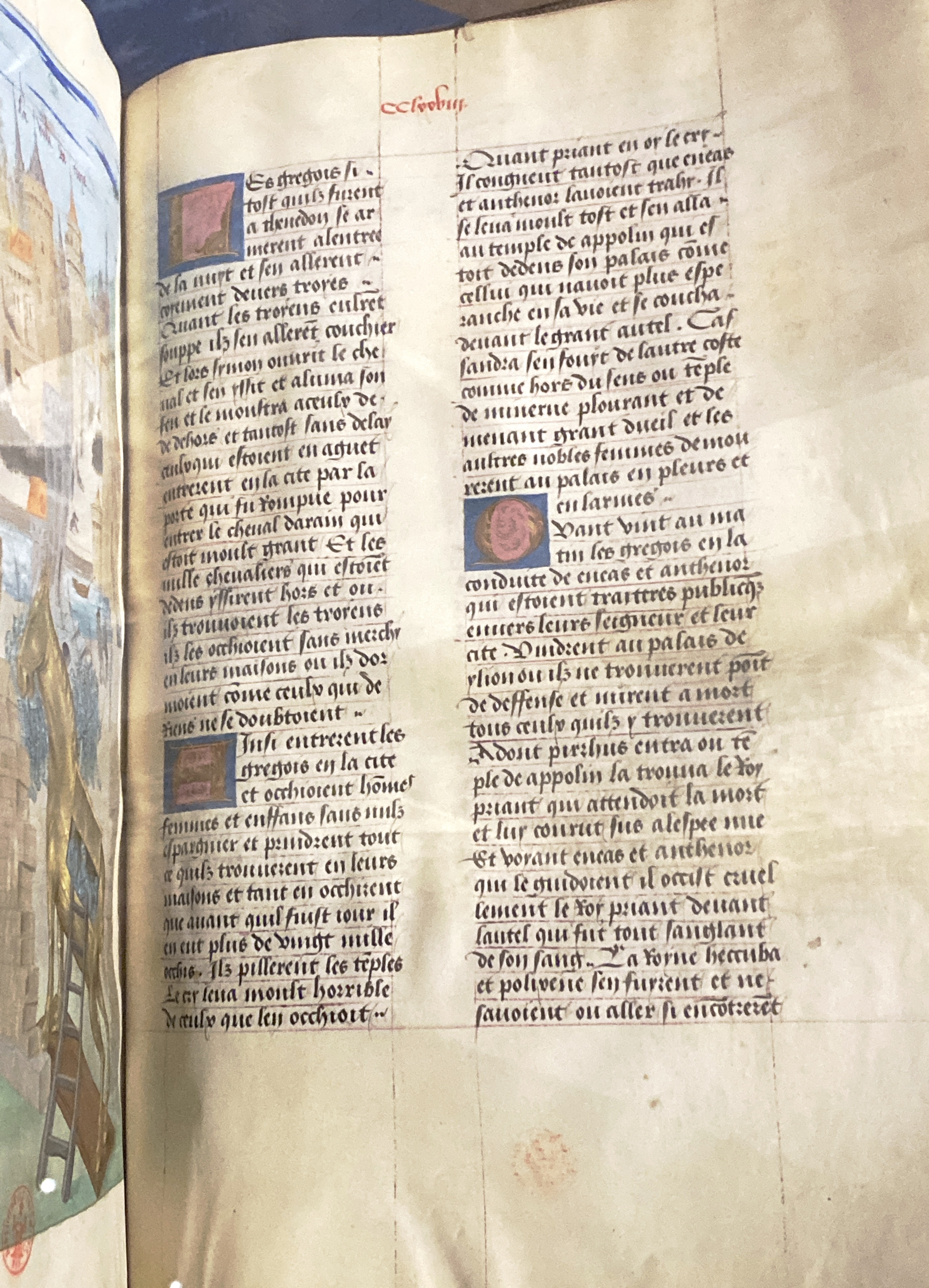
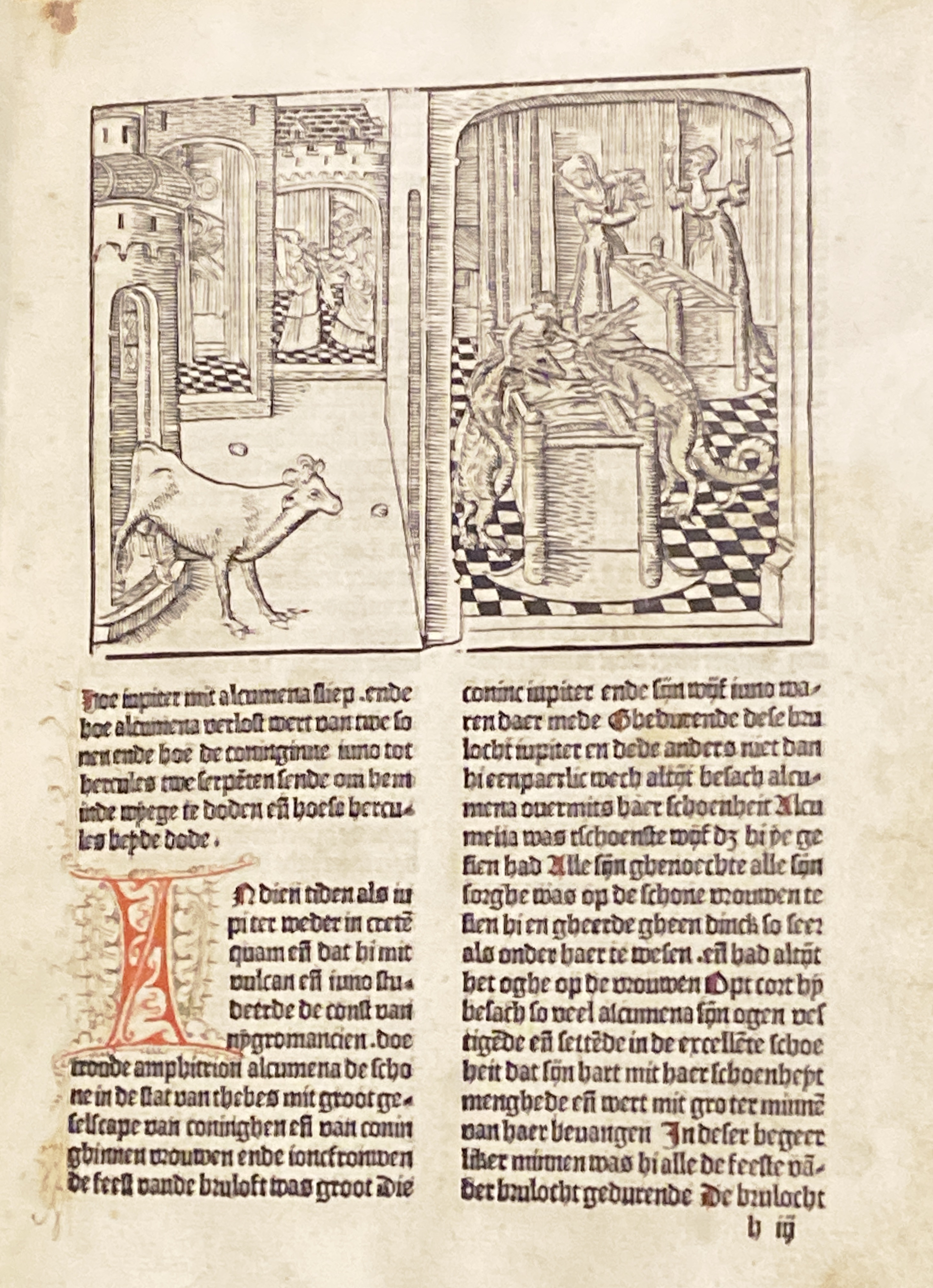
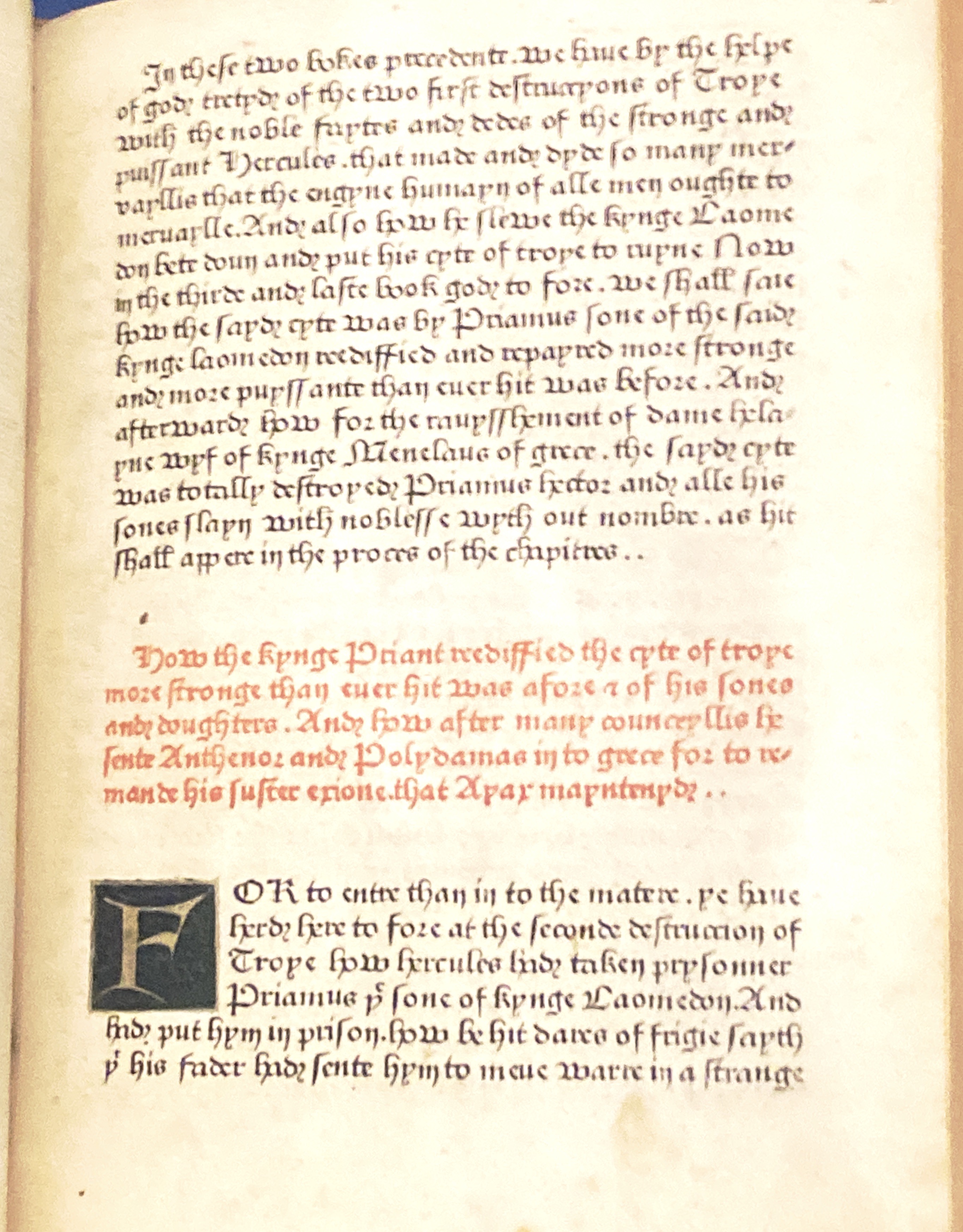
It took some time for illustrated manuscripts to disappear, as they were prestige items for the rich and powerful. Thus, below is a manuscript in French produced for the court of the count of Hainaut, and printed Flemish and English texts of Raoul Lefèvre’s Troyan stories, all from 1485-95.
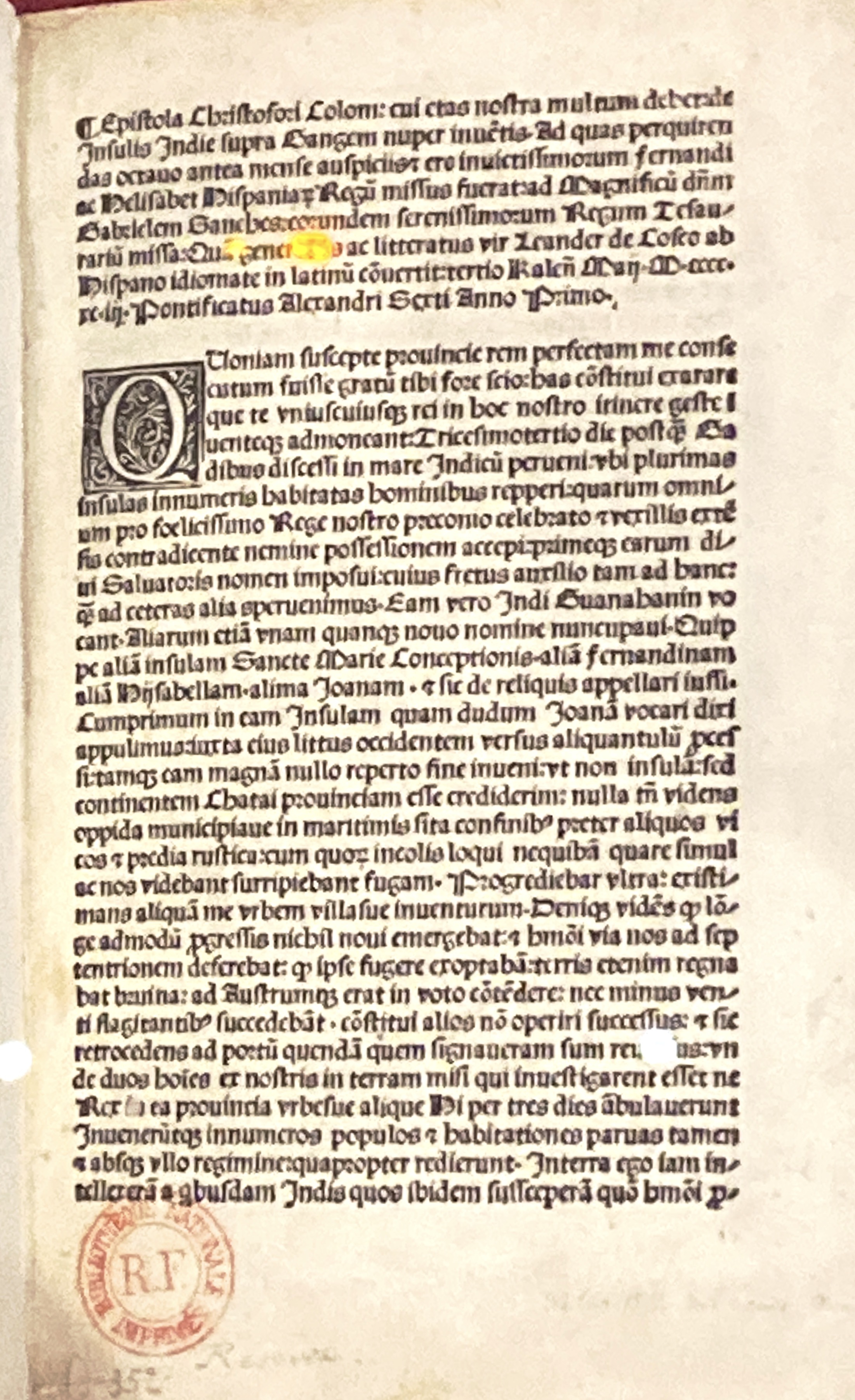
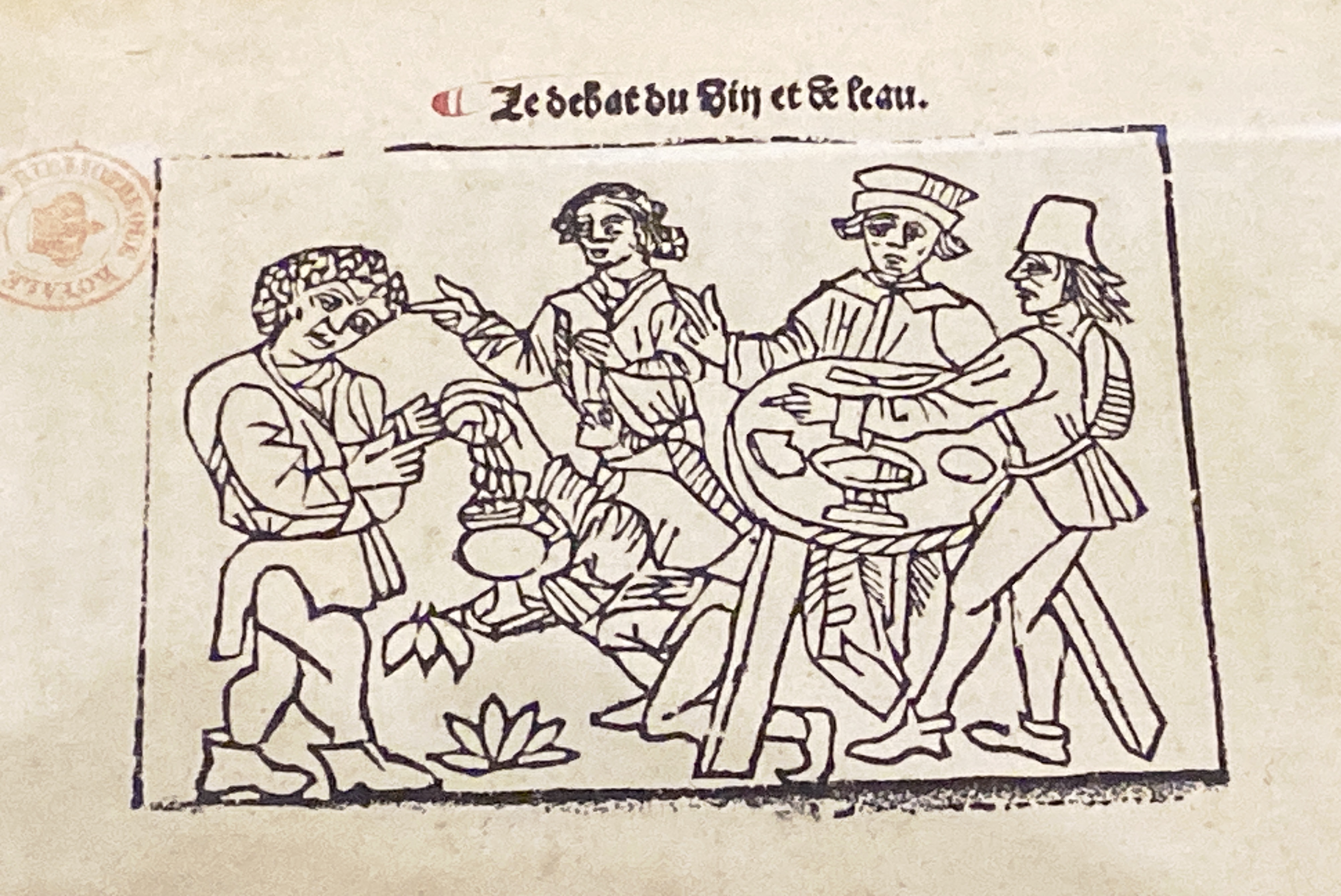
A certain Christopher Columbus had edited his travel diary for his employers, but fame arrived when these were published in Latin at least in six editions around Europe in 1493-94 (below left). Below right is an illustration of a popular topic at the time ‘the debate between wine and water’ – ostensibly about the benefits of drinking one or the other.
Gradually printing turned the book trade upside down, as there were more books supplied than any reader could consume. But it allowed the quick spreading of ideas, led to new levels of available information that needed to be managed, and meant that the world moved on more rapidly than before.









 Rails, wines, worlds