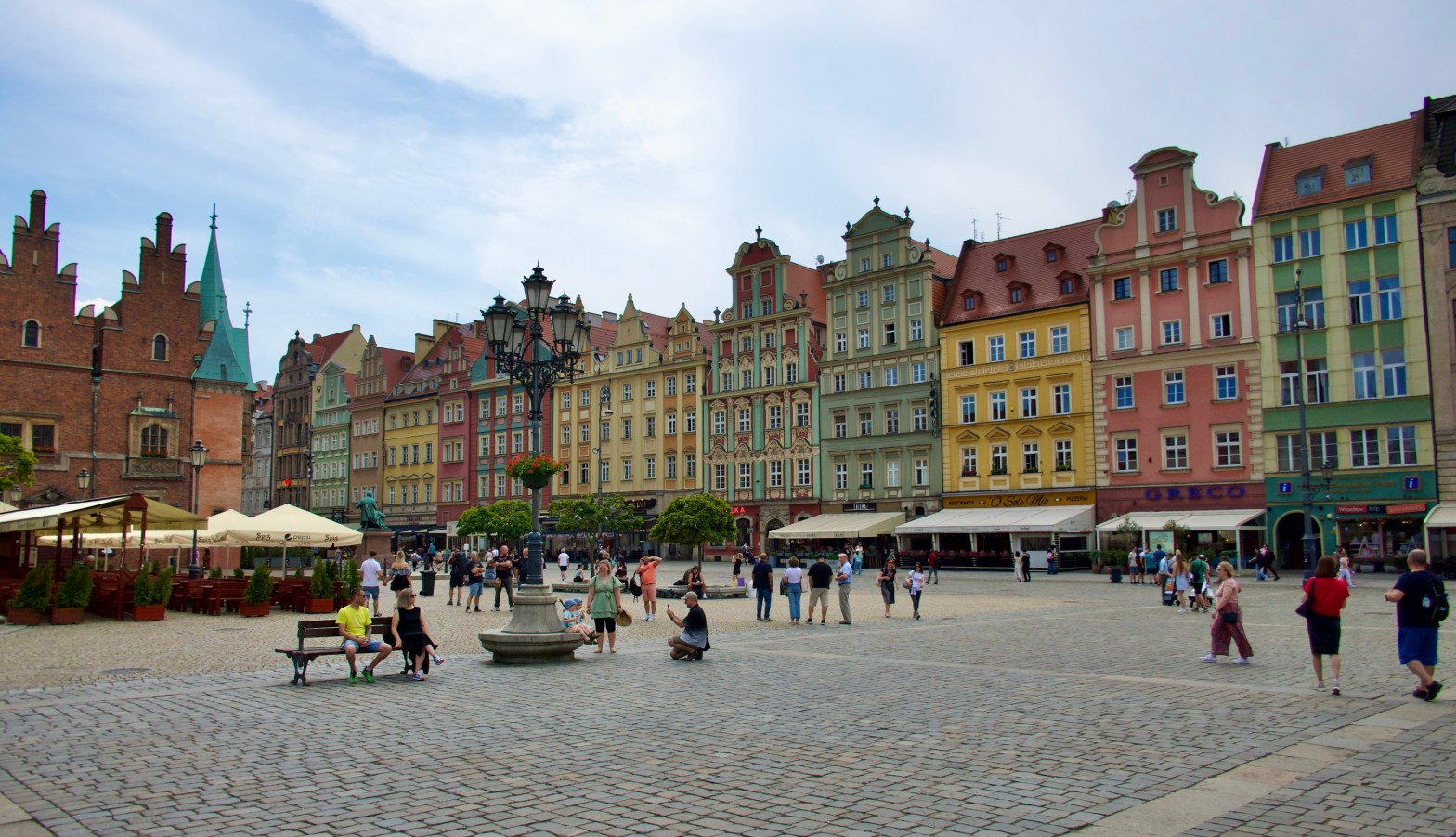
Wroclaw, gnomes and all

As befits a city in a region that has a colourful history, Wroclaw has had its share of overlords. Besides Poland (kingdom and republic), also Bohemia, Hungary, Austria, Prussia and Germany have ruled it. Thus it is befitting that it is still disputed whether the name comes from a Bohemian duke (Vratislav), or somebody else with the same name.

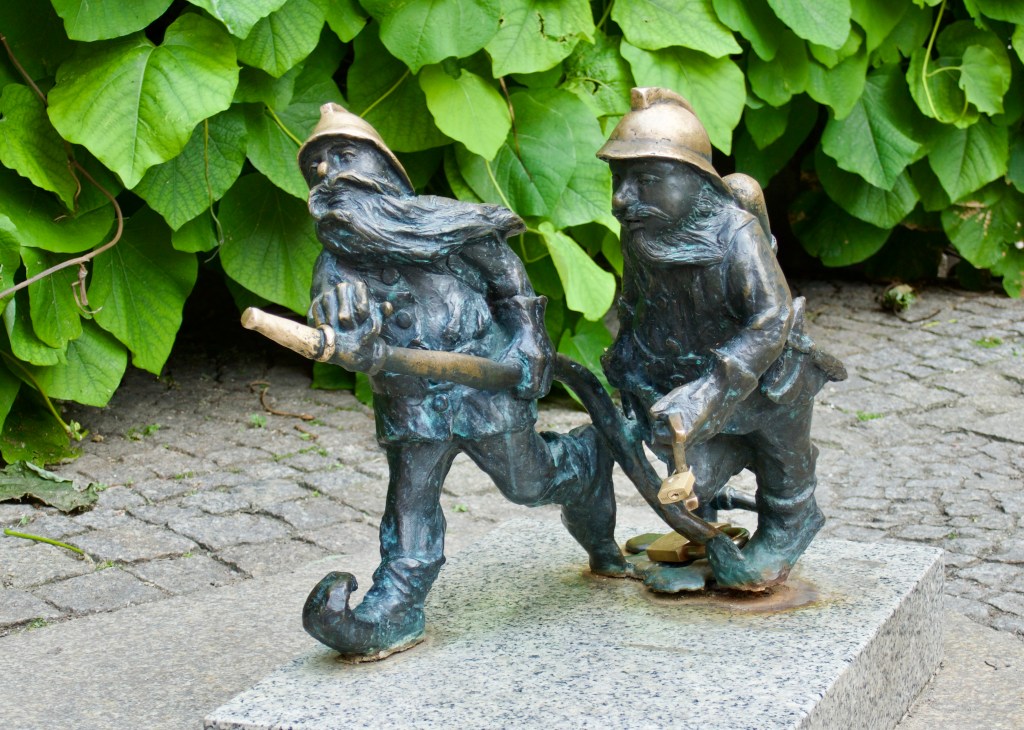
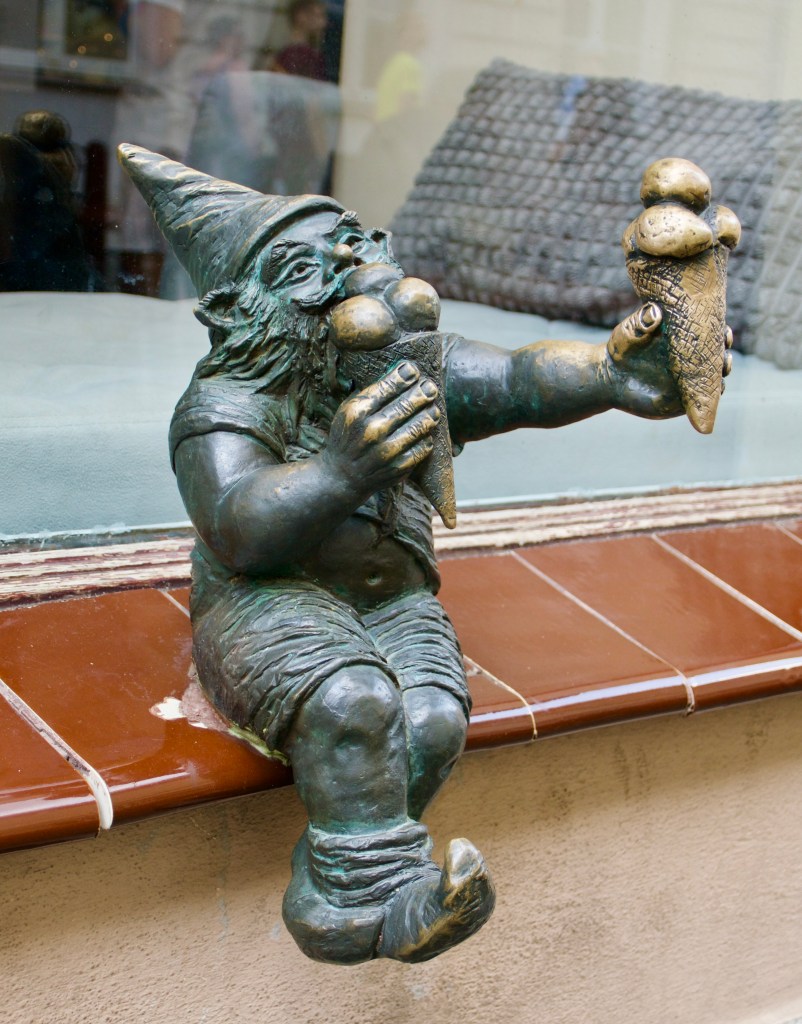
The gnomes? They started to appear some time ago and now have become an integral part of the townscape. In particular, younger citizens have maps that they can use to spot as many as they can.

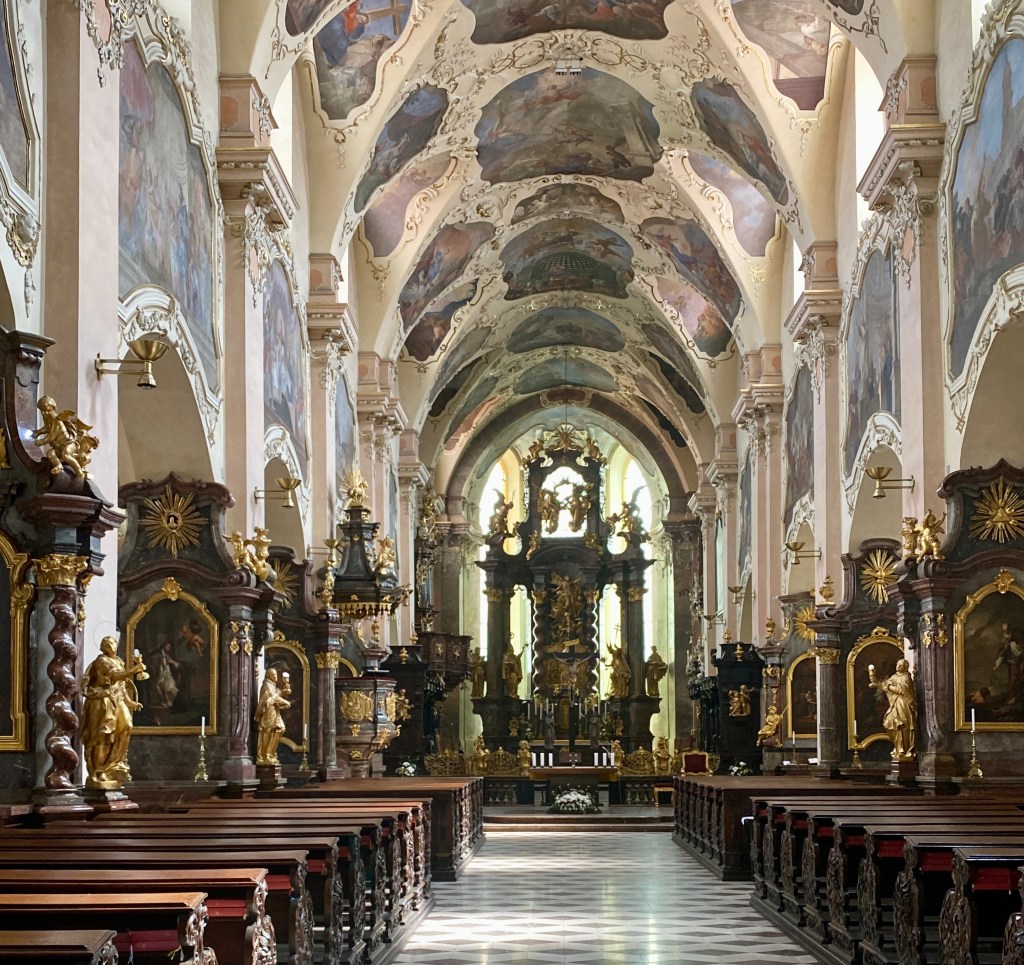
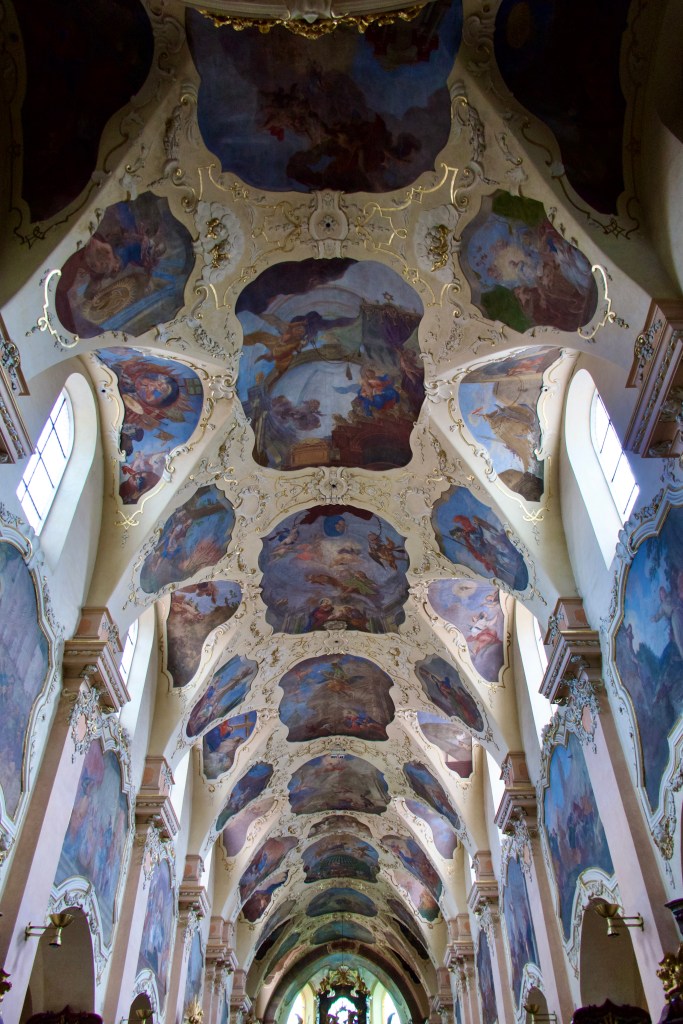
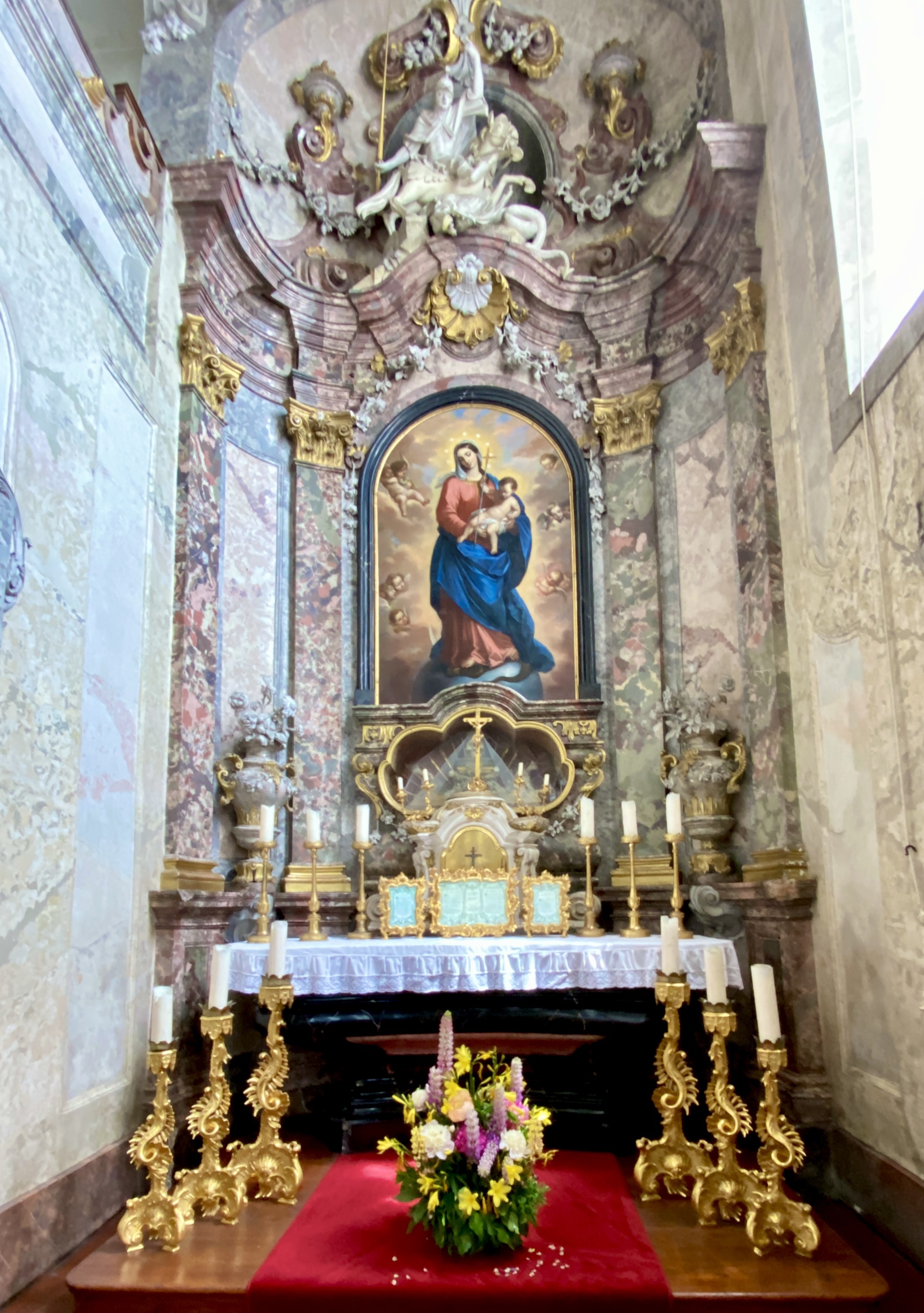
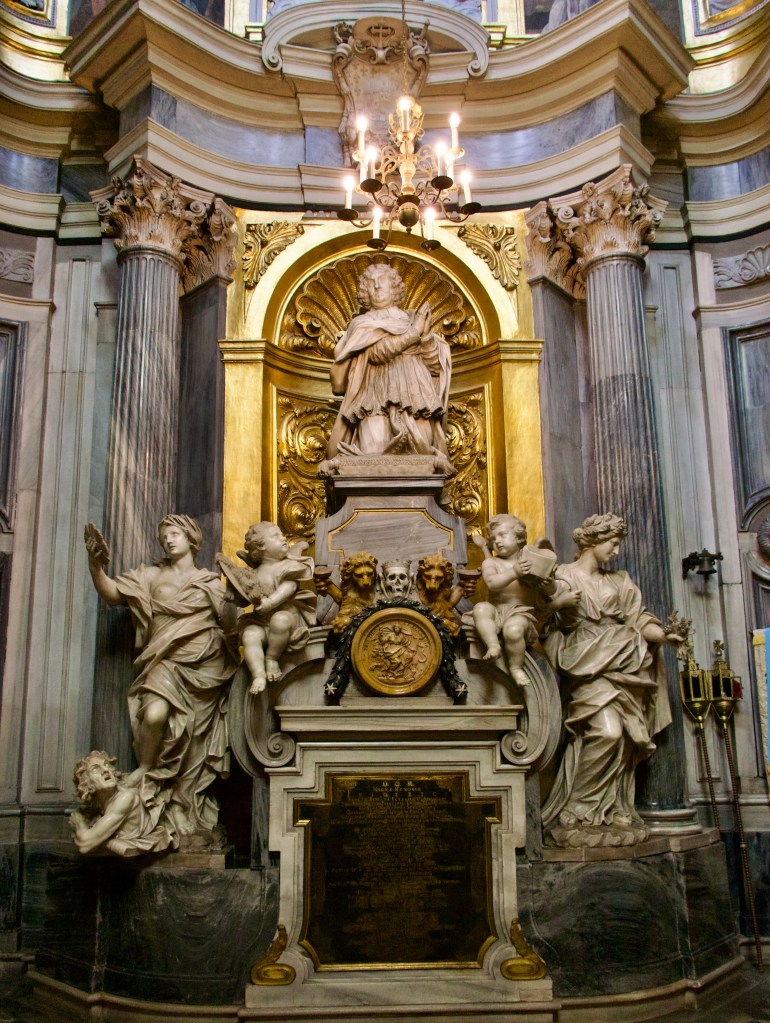
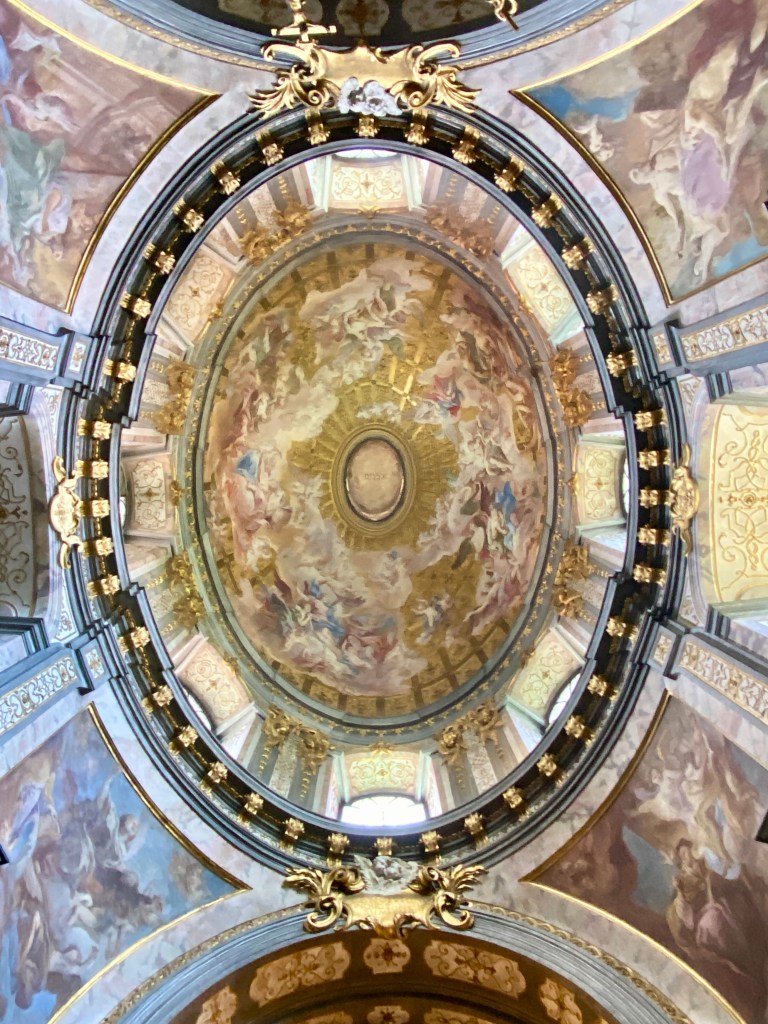
The churches of the Baroque era reflect the need of the counter-reformation to impress the faithful. The chapels of the Wroclaw cathedral confirm this (below).

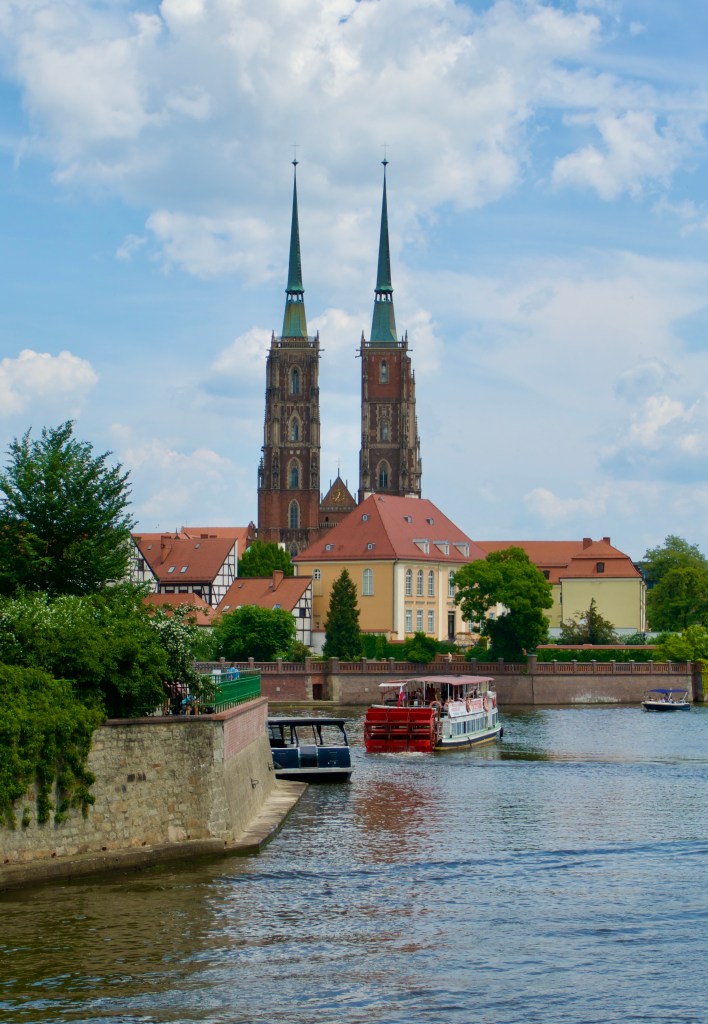
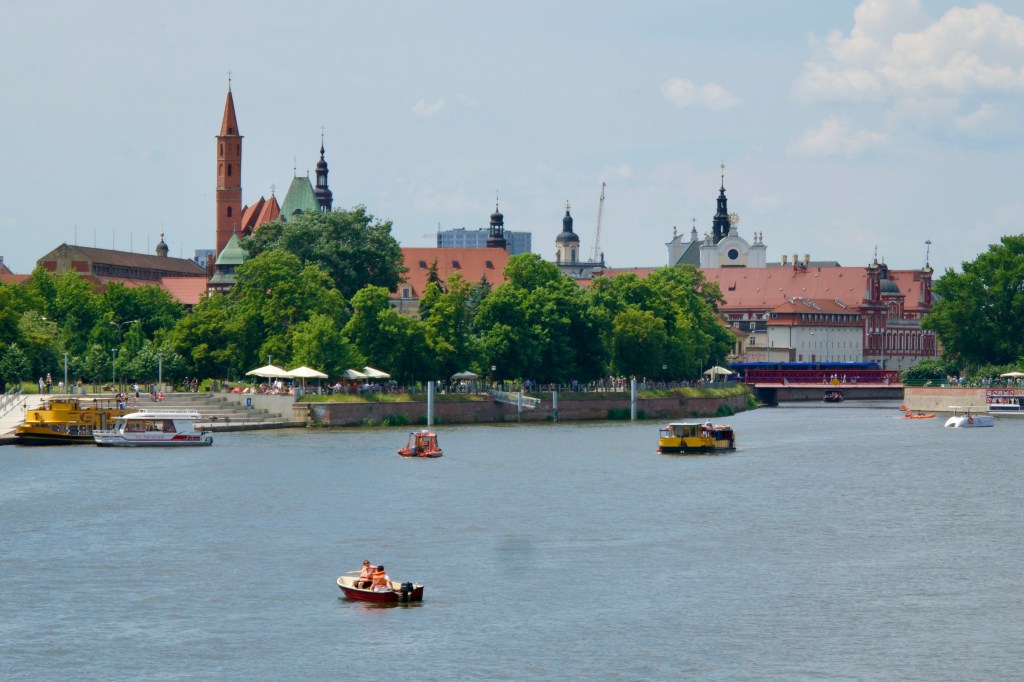
Wroclaw also has a series of islands on the river Oder, and after the Second World War there was some discussion among the Allies whether the German-Polish border should go along this part of the Oder instead of the current delineation (the river with the cathedral below left).

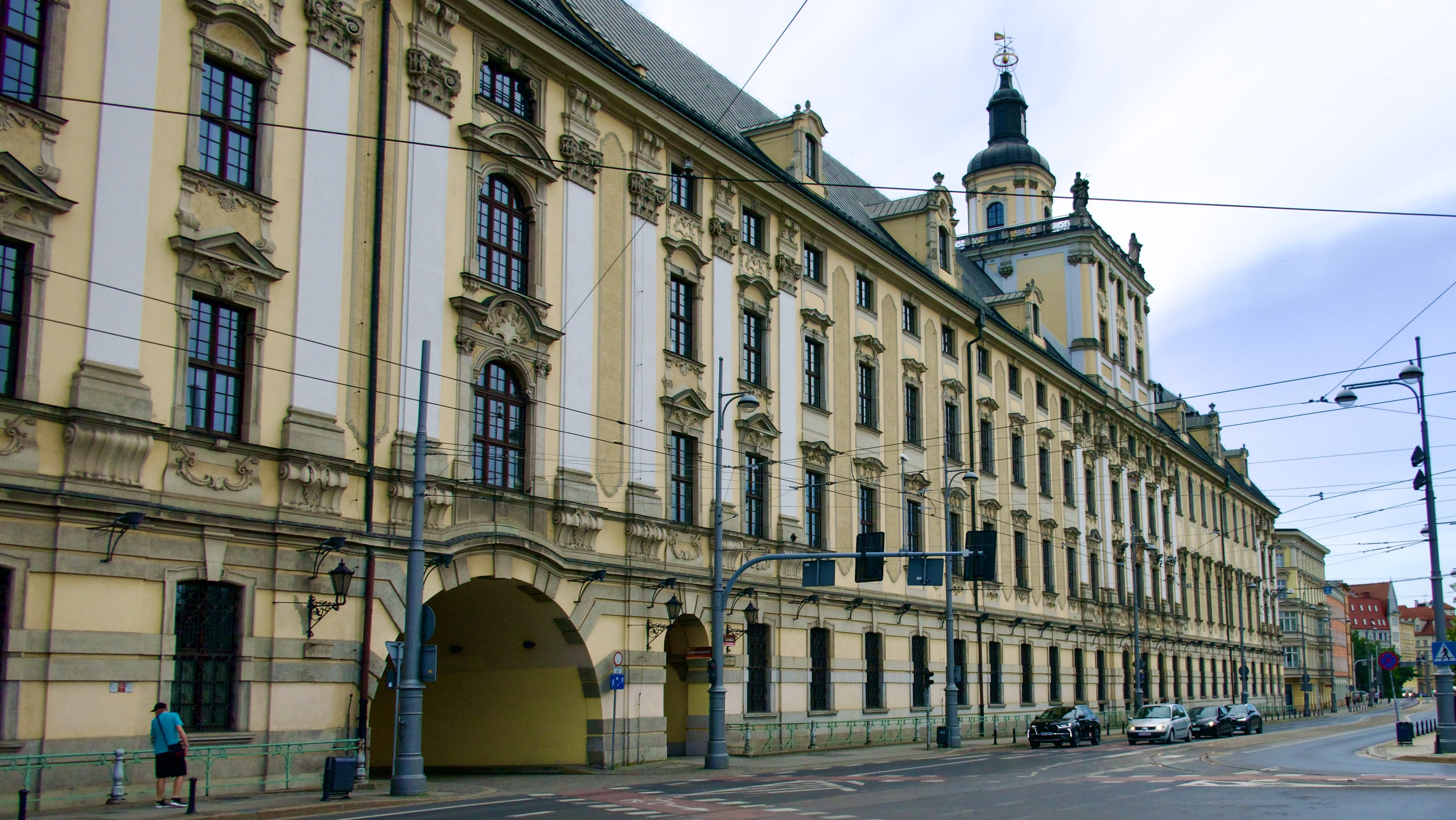
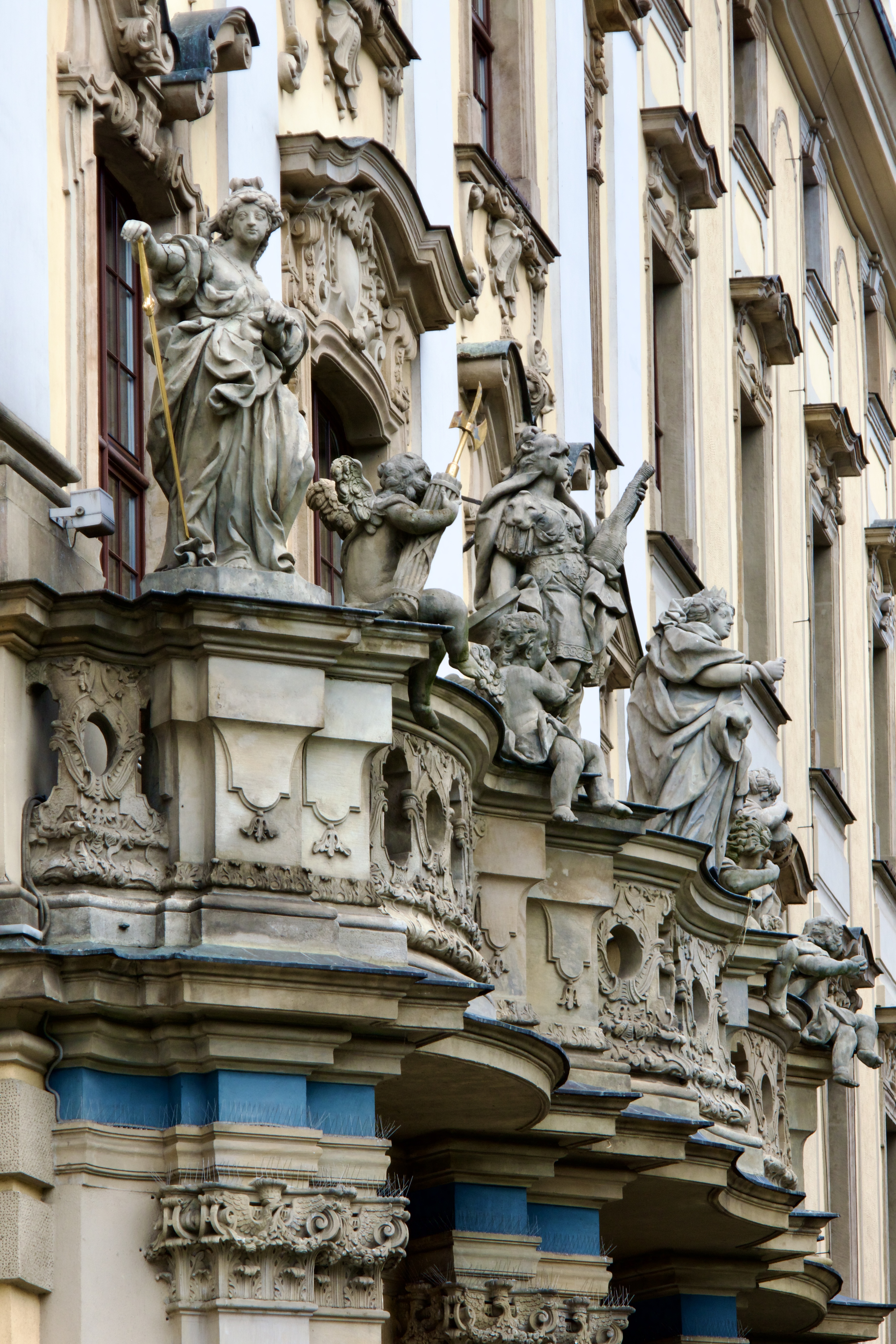
The university also reflects the city’s history. The current main building was constructed in the first half of the 18th century to house the Jesuit Leopoldina Academy (established in 1702). It became the Friedrich Wilhelm Silesian University in 1811 and Wroclaw Univesrsity in 1945 (below).

Jagellonian University

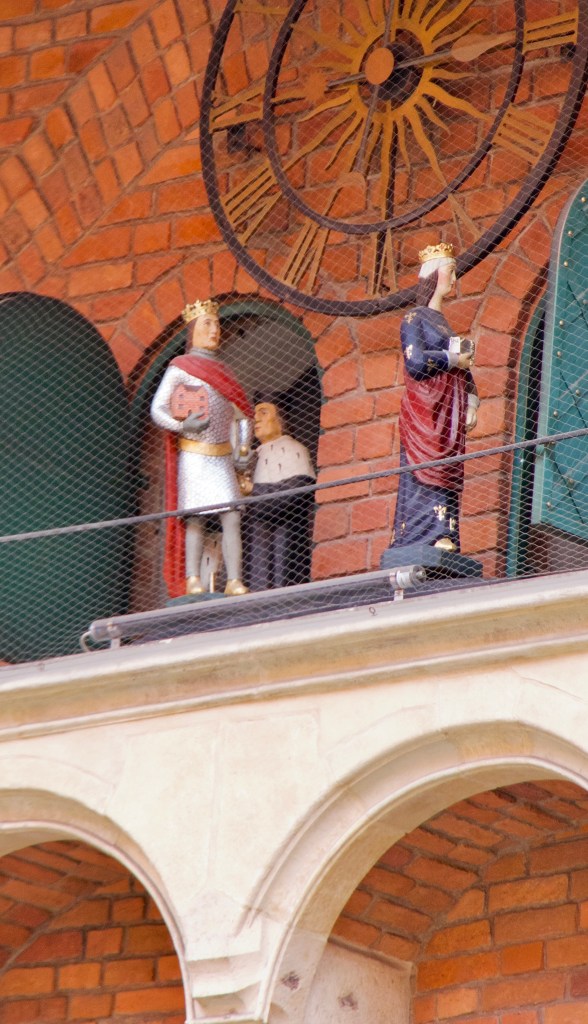
A clock that plays Gaudeamus Igitur with an academic procession, or a chocolate bar from 1787, anybody? Old universities have their curiousities, and the Jagellonian University founded in Kraków in 1364 by Casimir III has more than most.

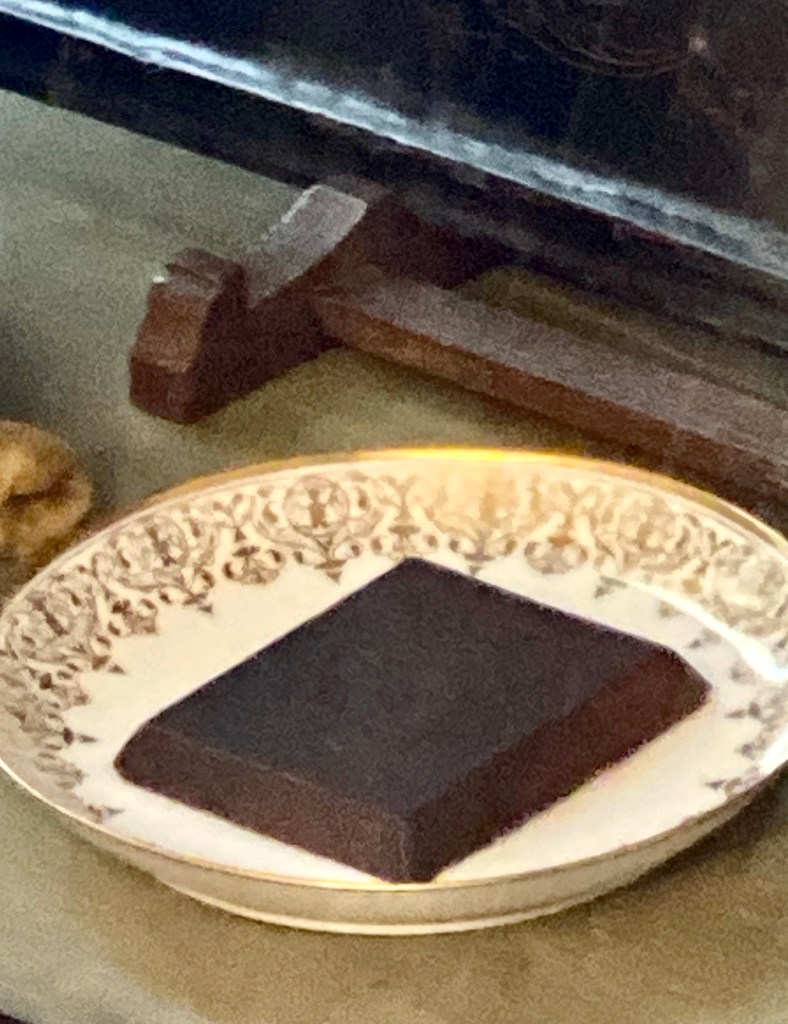
To satisfy your curiousity, the chocolate block was made to honour the visit of King Stanislaus August Poniatowski (perhaps he did not like chocolate, as it is still there, below left). Had he fancied it, he could have enjoyed it in the Stuba Communis from the mid-15th century that served as the meeting and dining area of the professors living in the building (below right).

The central campus has been built around the Collegium Maius, from the 14th century (the courtyard is below). The courtyard includes the musical clock that provides the performance.

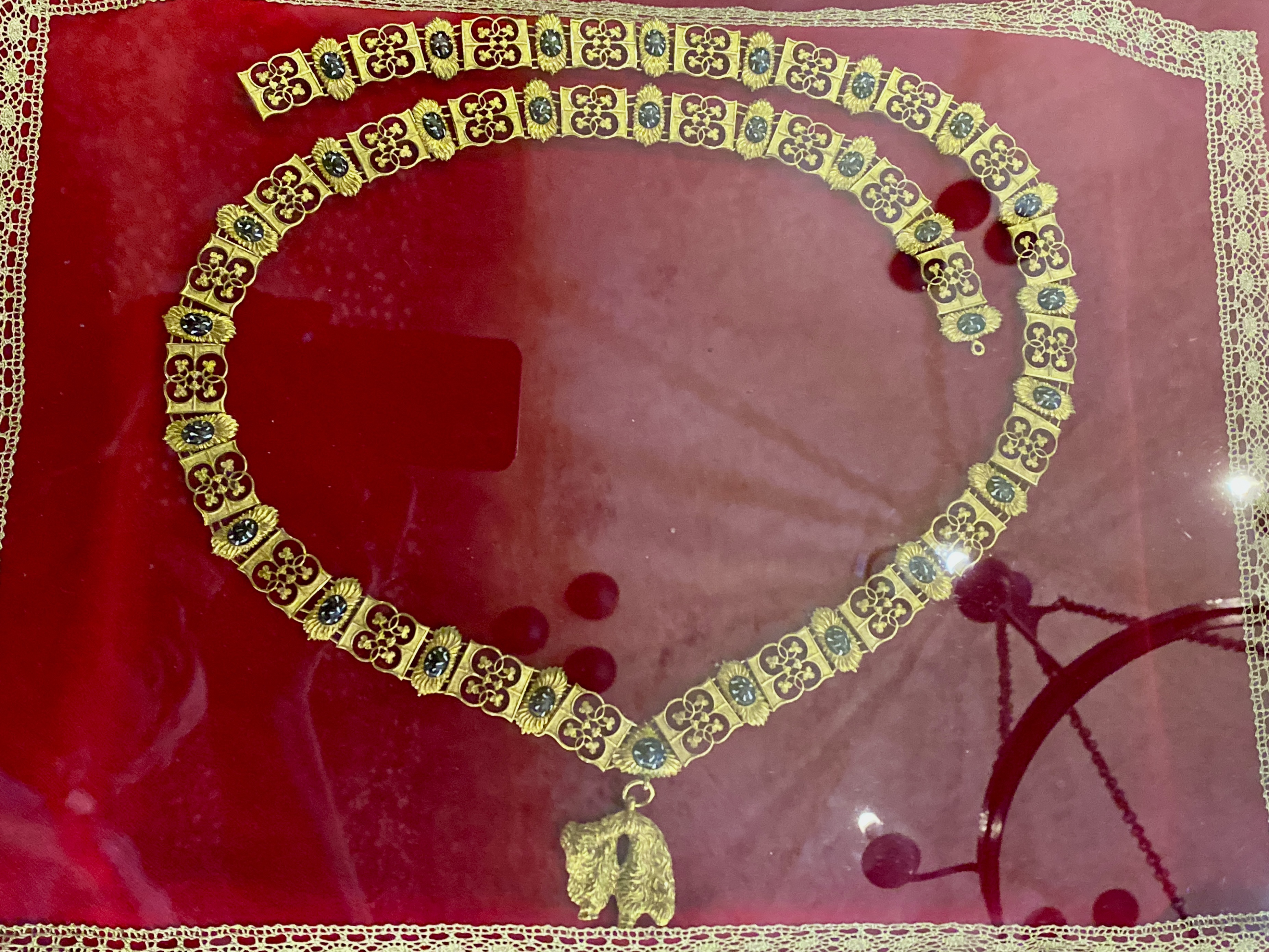
The current clock is the fourth, and after the introductory Gaudeamus Igitur, plays a court tune from mid-16th century while an academic procession of figurines moves past. This includes a bedel with the usual staffs in front (below left), Queen Jadwiga and King Ladislaus (below middle), a couple of other notables and the Rector Magnificus with his chains (below right).

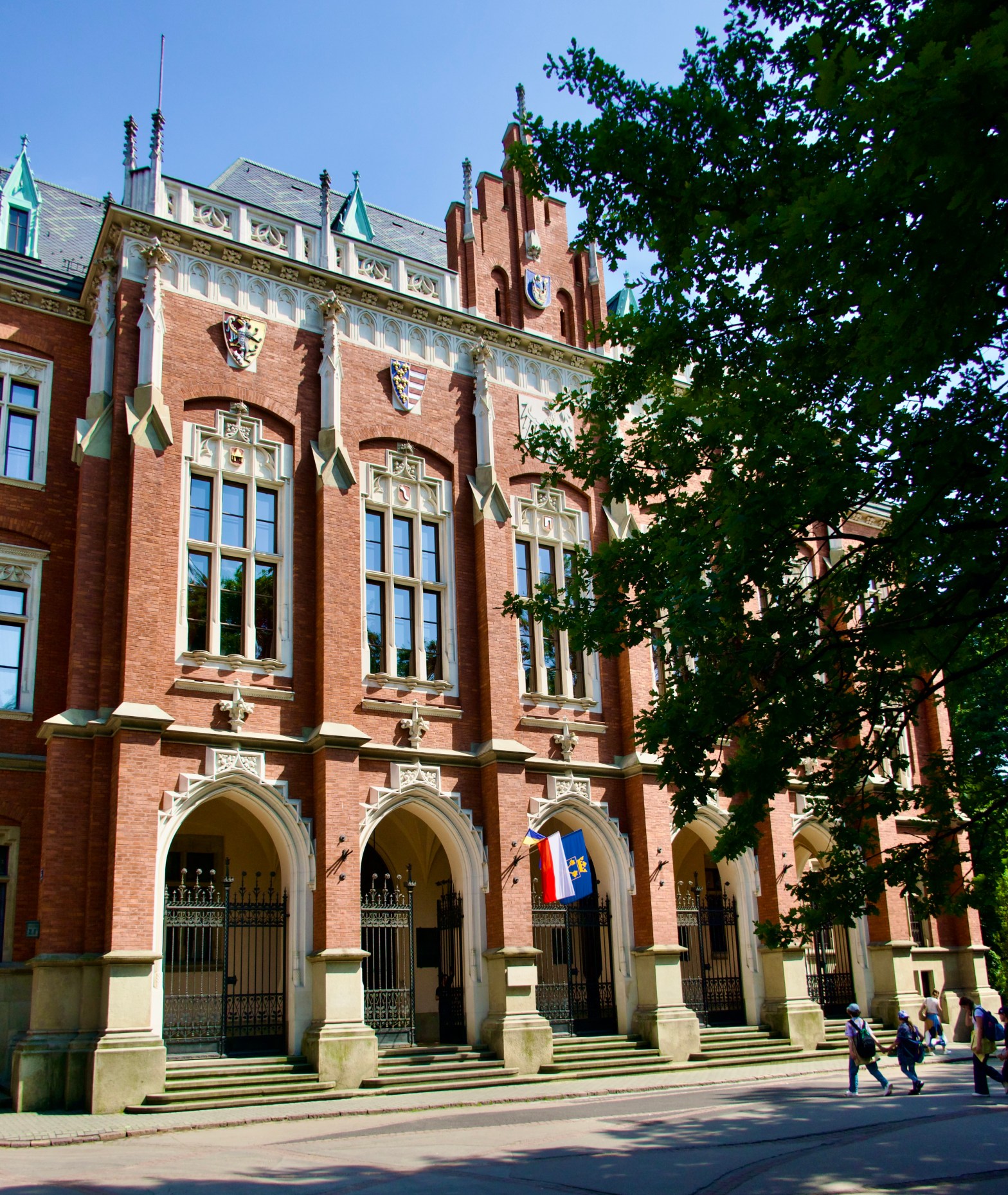
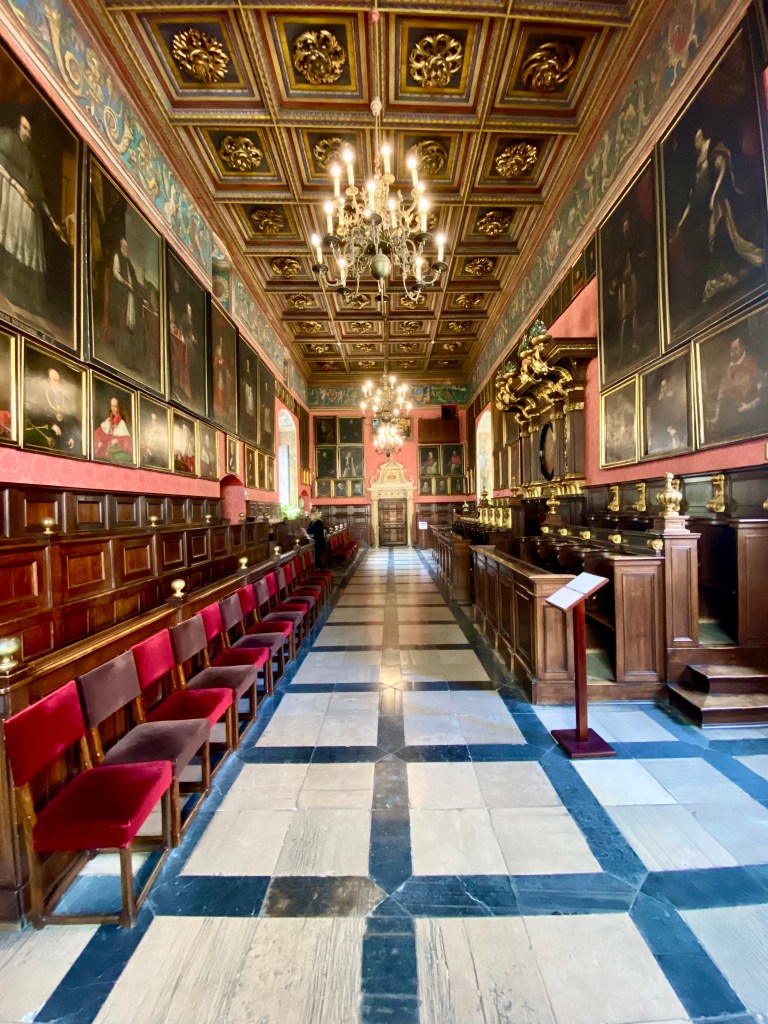
Notable alumni of the university include Copernicus, four Nobel laureates and pope John Paul II. The Jagellonian Hall (below) honours professors and alumni alike.

From the scrapheap of Berlin history

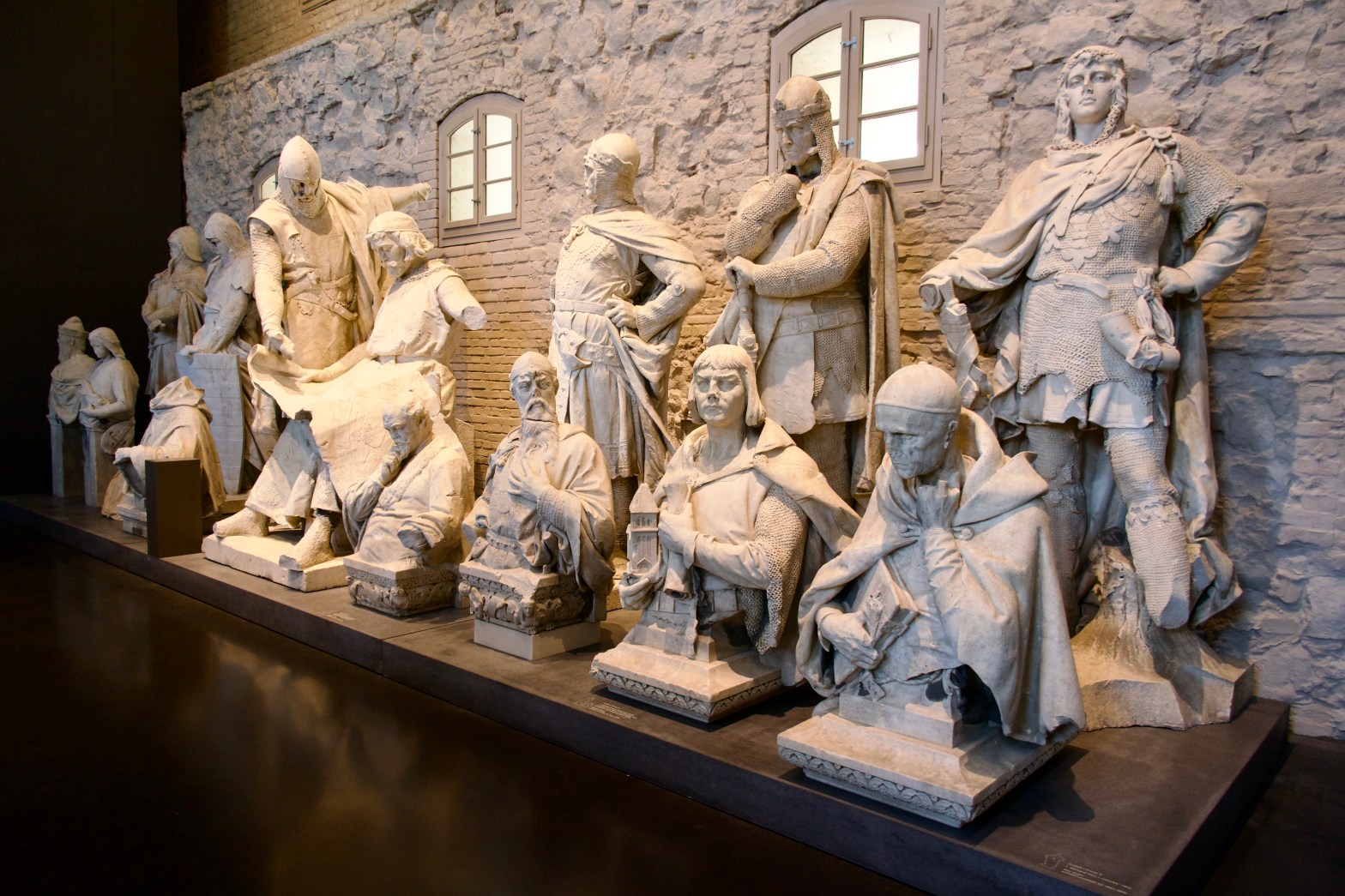
Berlin is well-known to have an overload of history. In fact, so much that some of it has been cleaned away to the cupboards. One such is in the Spandau Zitadelle, where unwanted statues have found their last resting place. Here we have a whole range of medieval knights, Prussian electors and kings, assorted supporting characters, and a selection of baddies from the DDR times.

Continue reading “From the scrapheap of Berlin history”

Doria Pamphilj – An embarrassment of riches

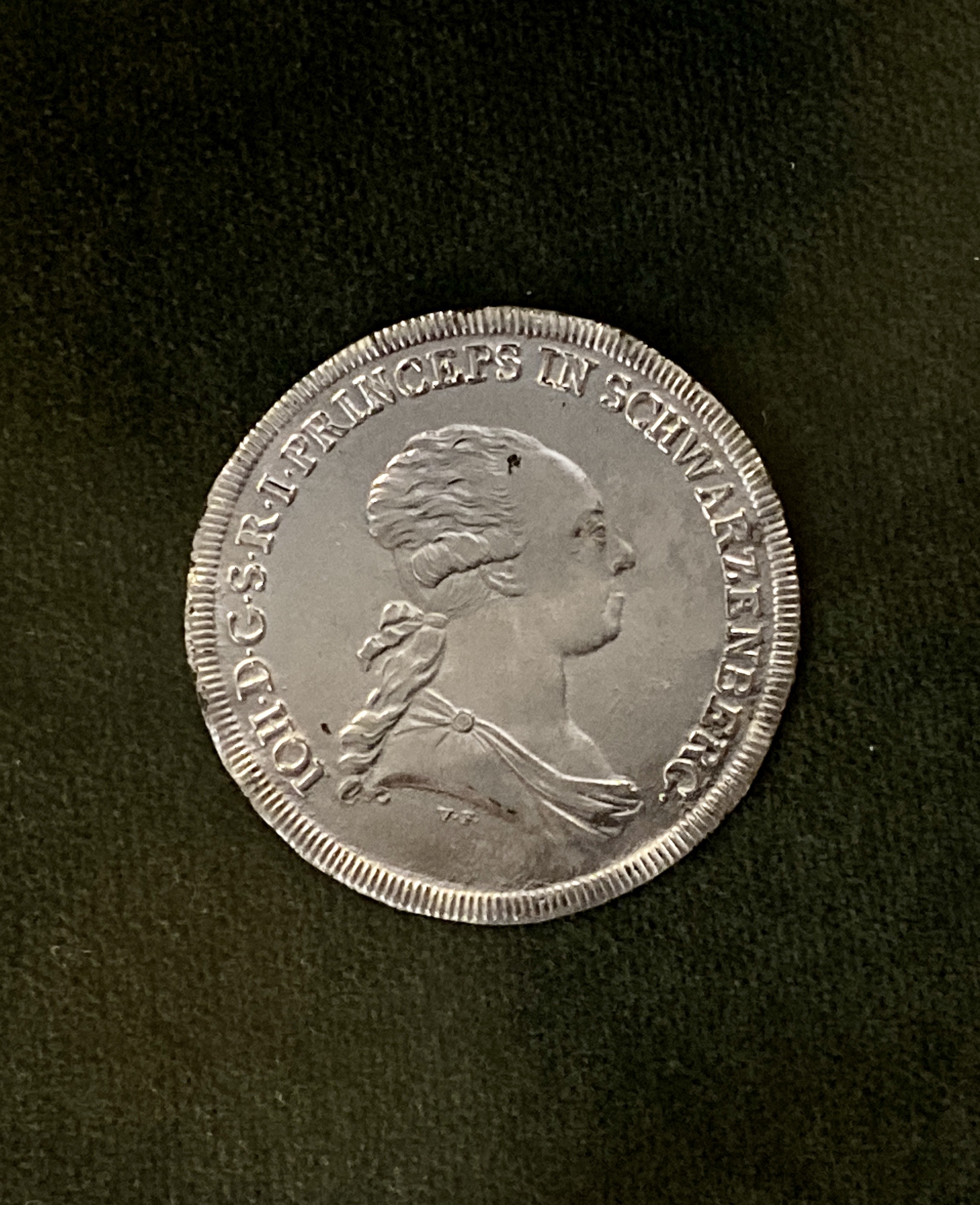
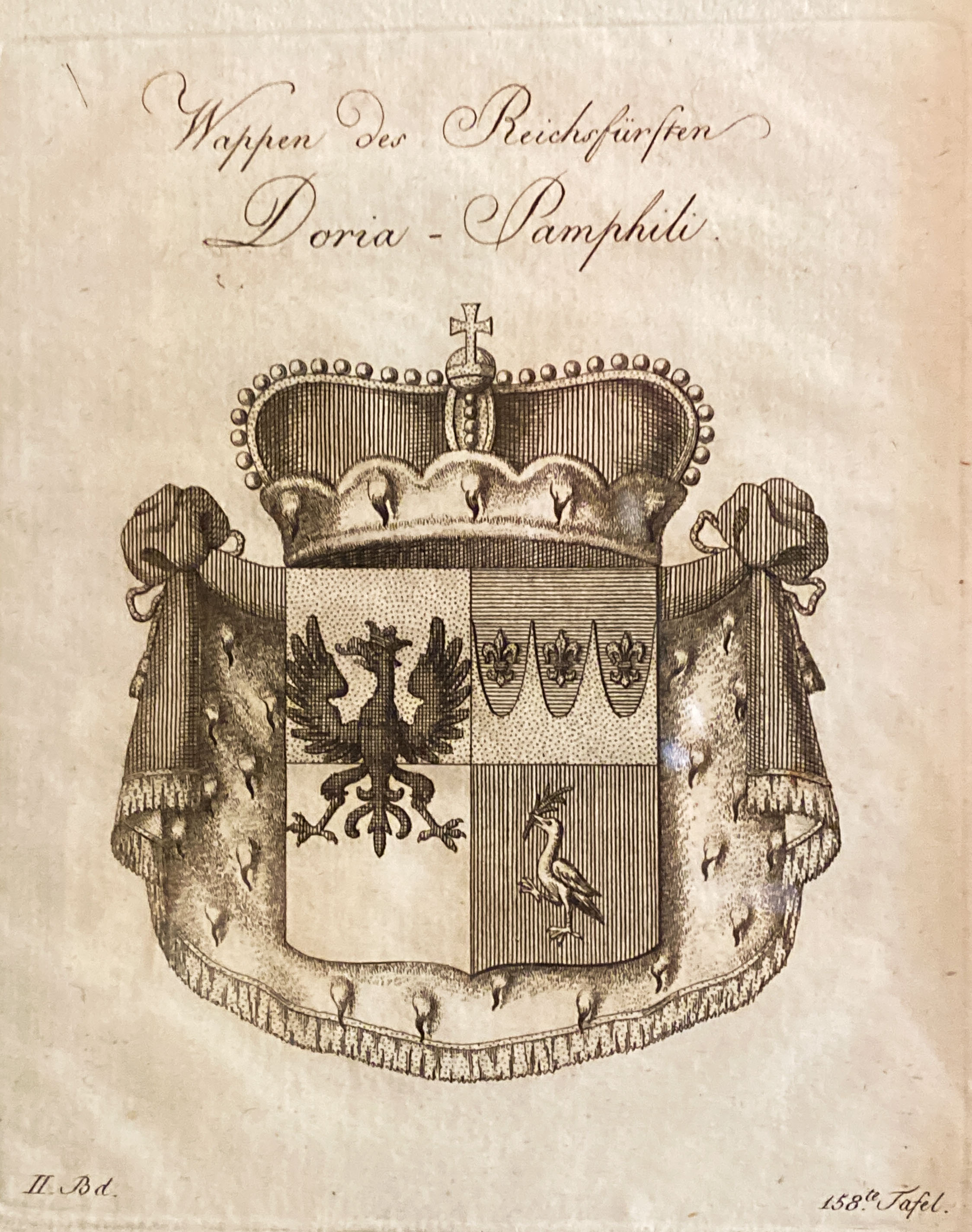
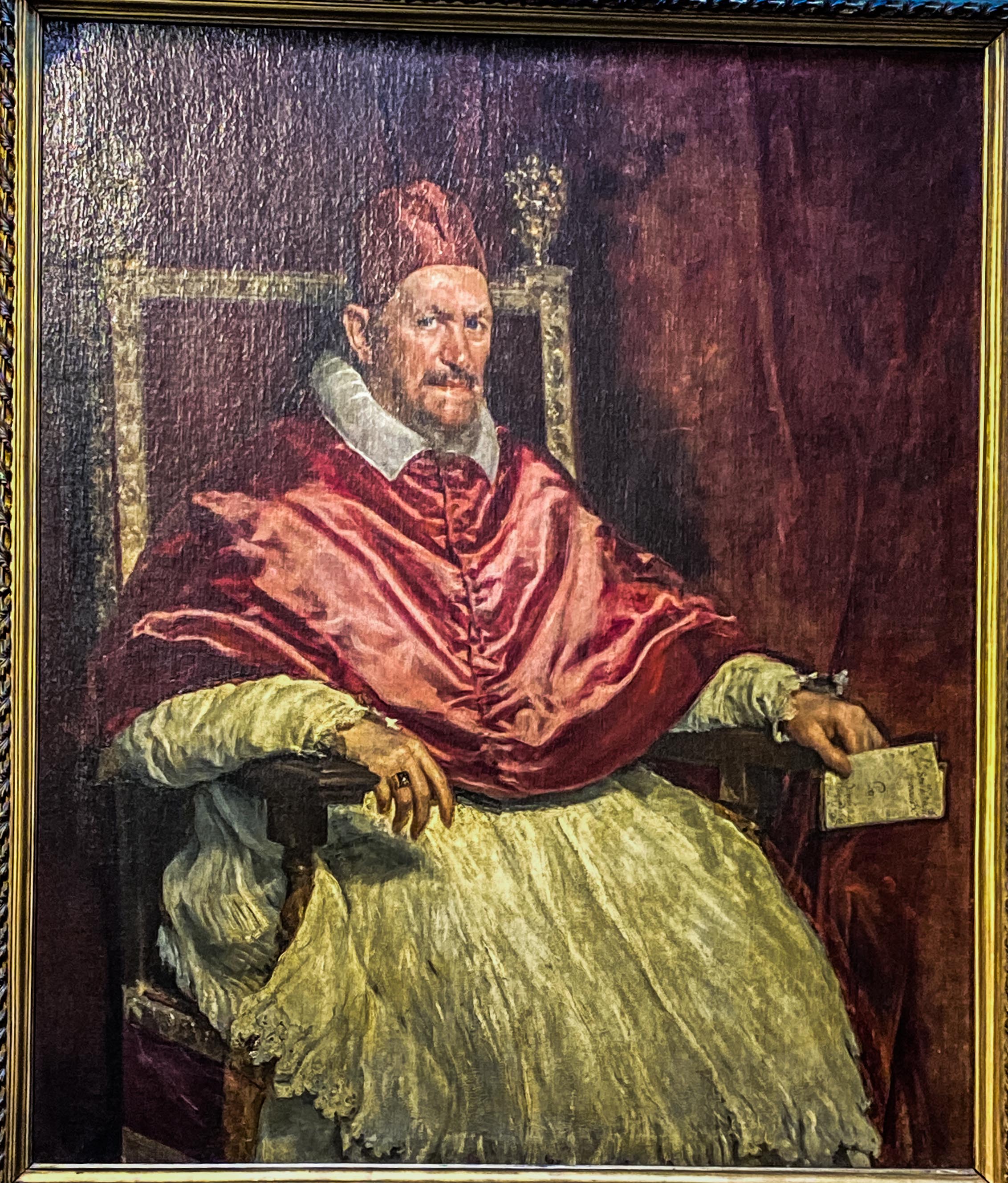
The Palazzo Doria Pamphilj is the largest in Rome still in private ownership. The family has its roots in Genoa and have appeared in history under various guises. They fought for the French at the battle of Crécy, led Genoa (Andrea Doria), had the papacy (Innocent X), and were princes of the Holy Roman Empire (Reichsfürst, seen below left). A later descendant became the mayor of Rome after liberation in 1944.

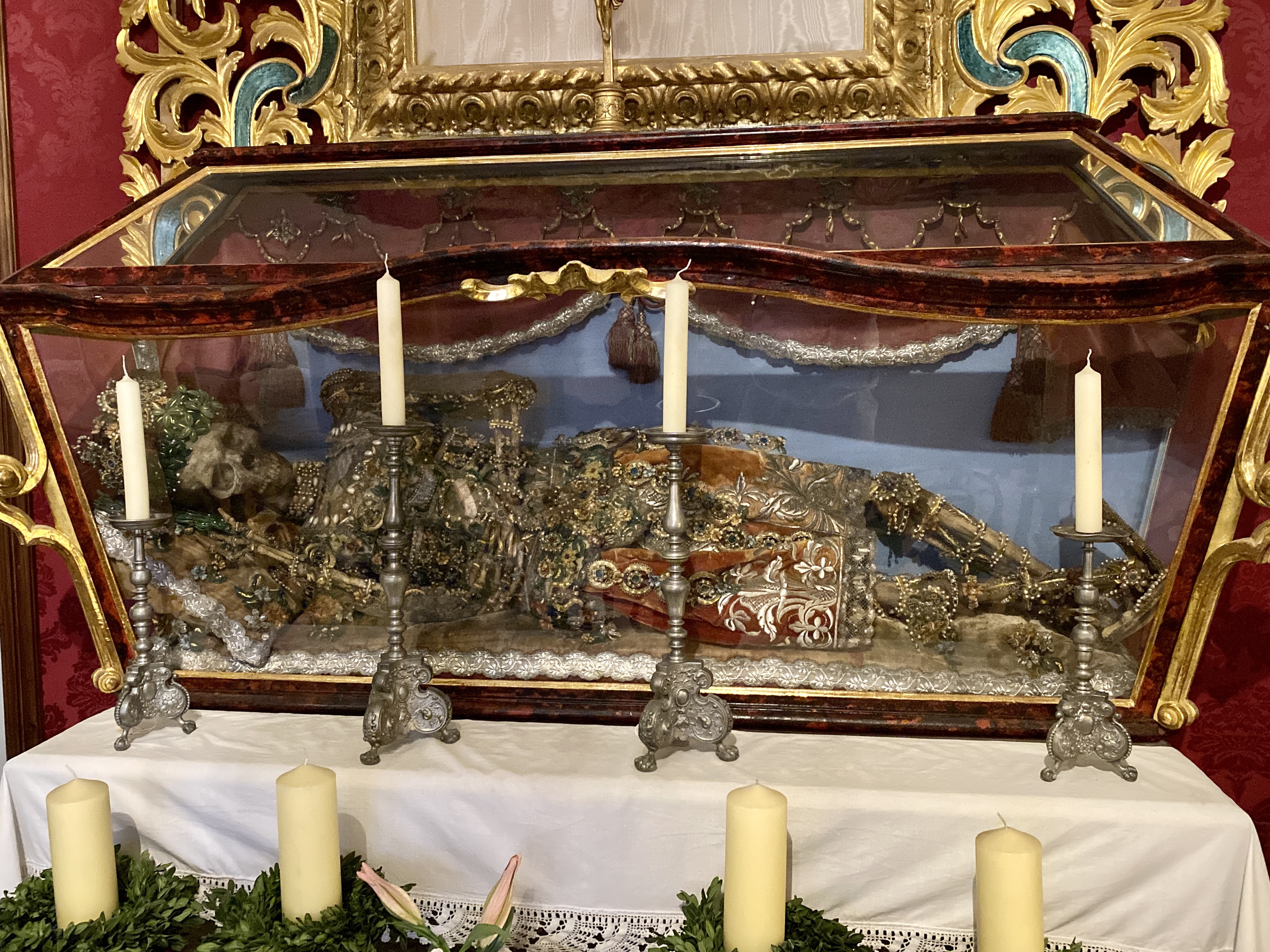
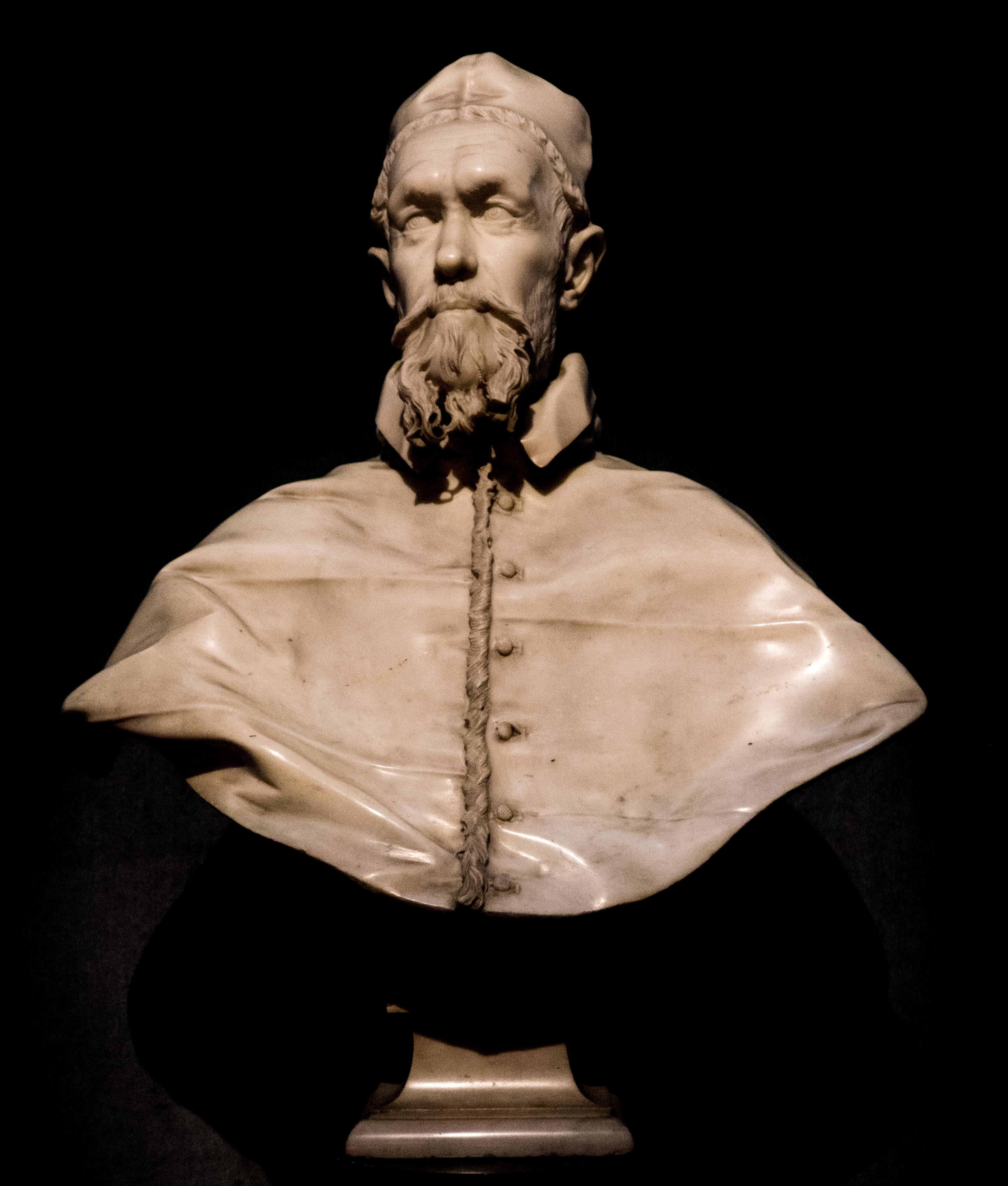
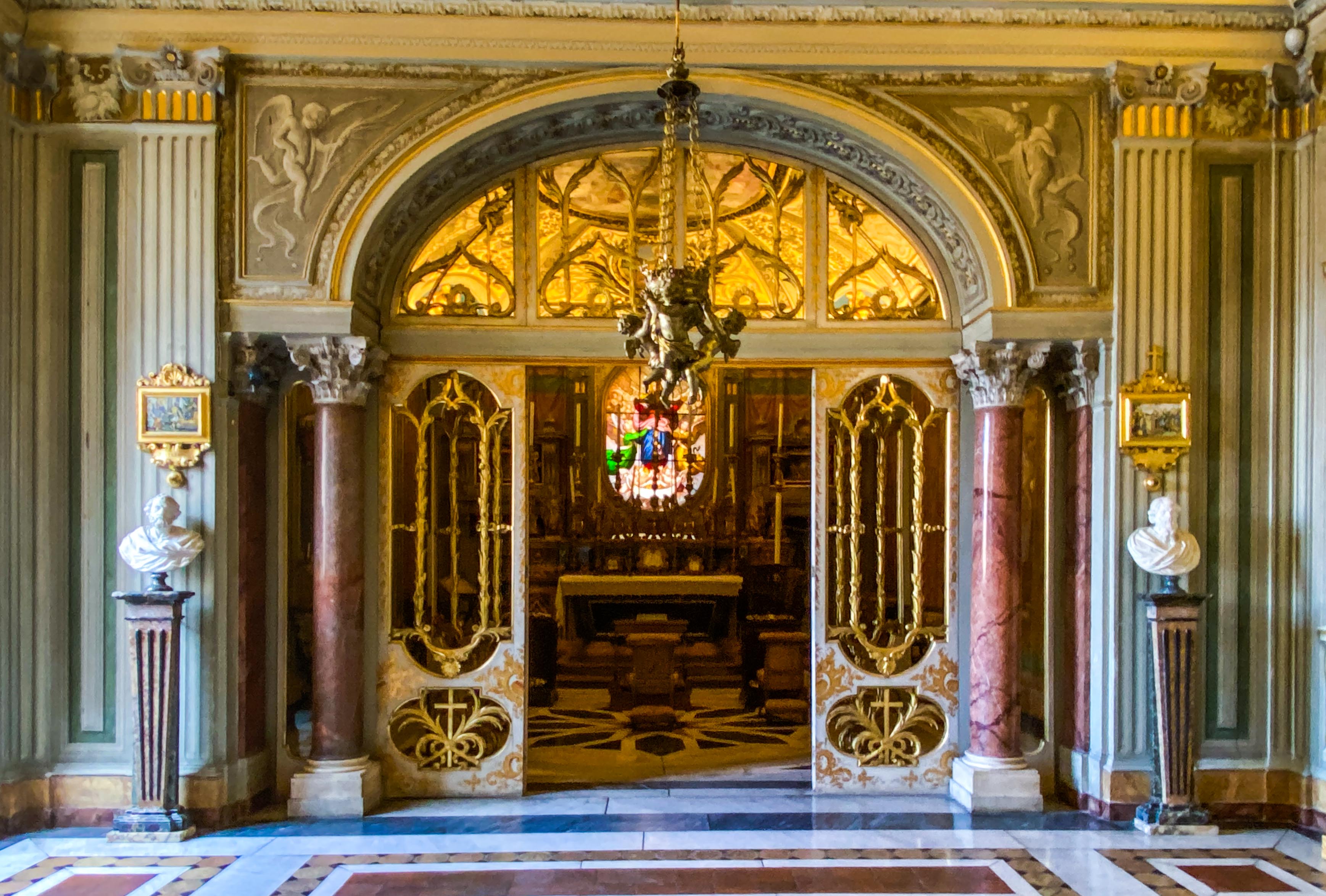
The palazzo reflects the riches gathered along the way. If you are the pope, you need a portrait painted by Velasquez (above right) – and your bust by Bernini (below left). Of course, no self-respecting princely family can be without the mummified corpse of the family saint in the family chapel (below right).

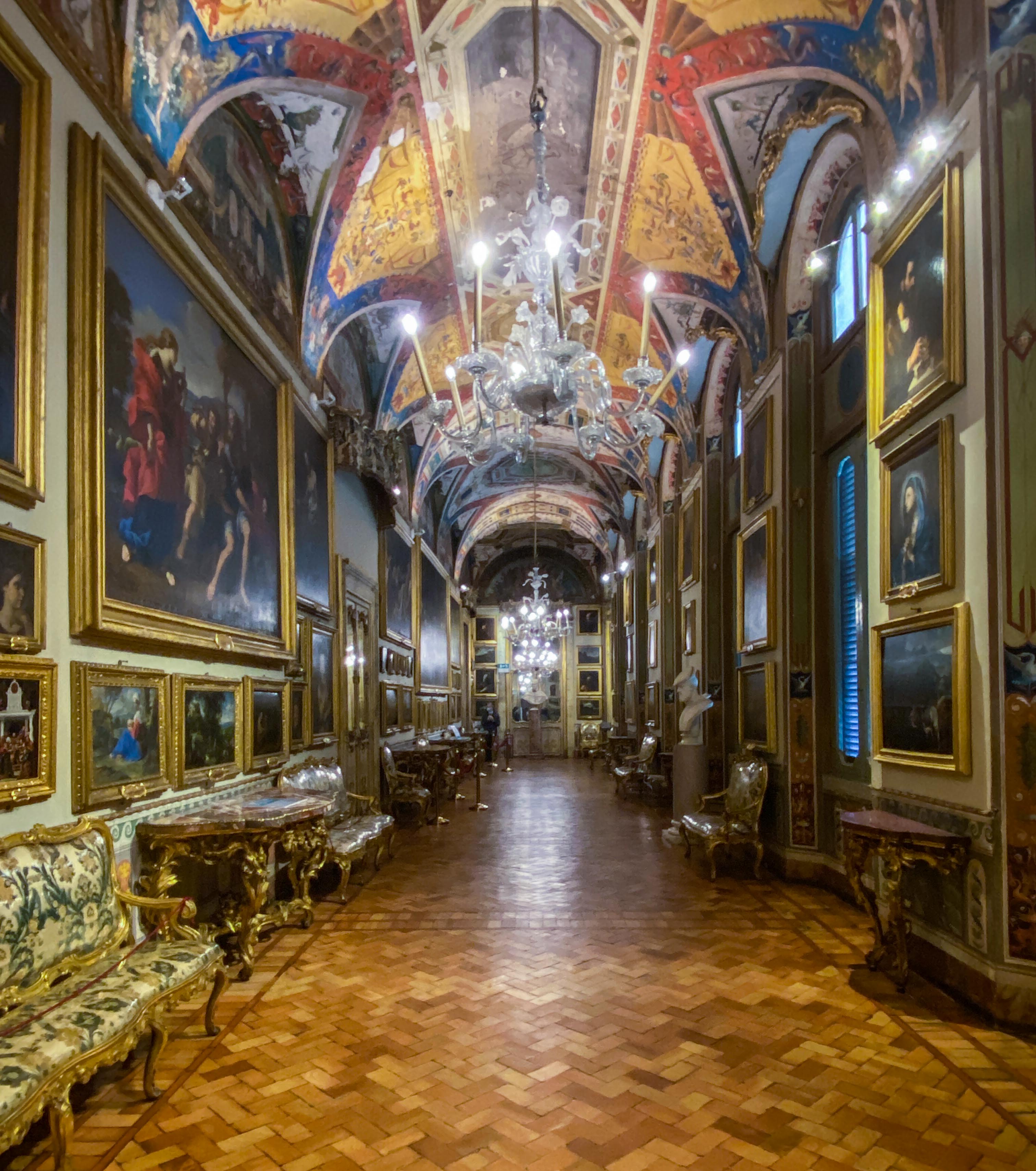
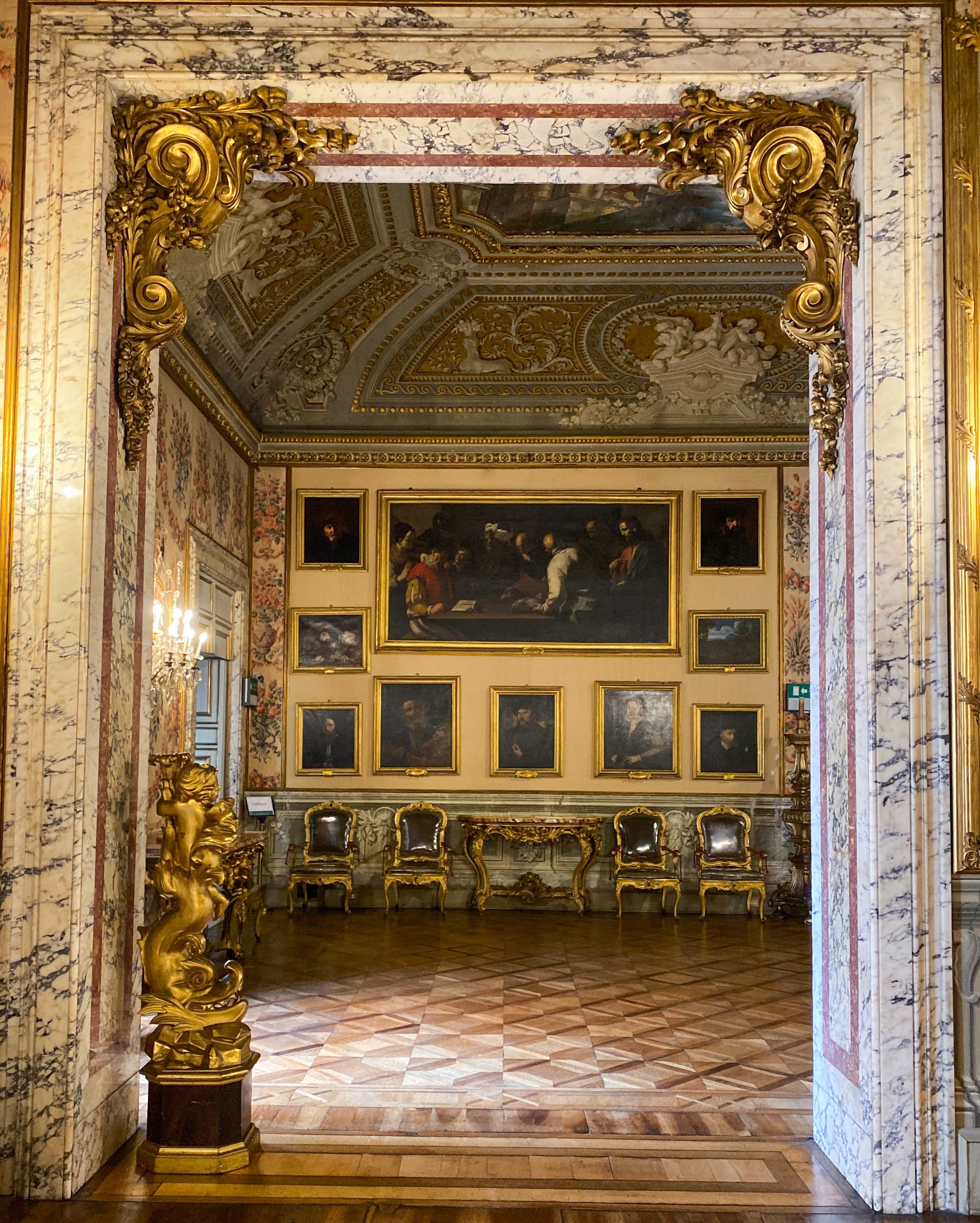
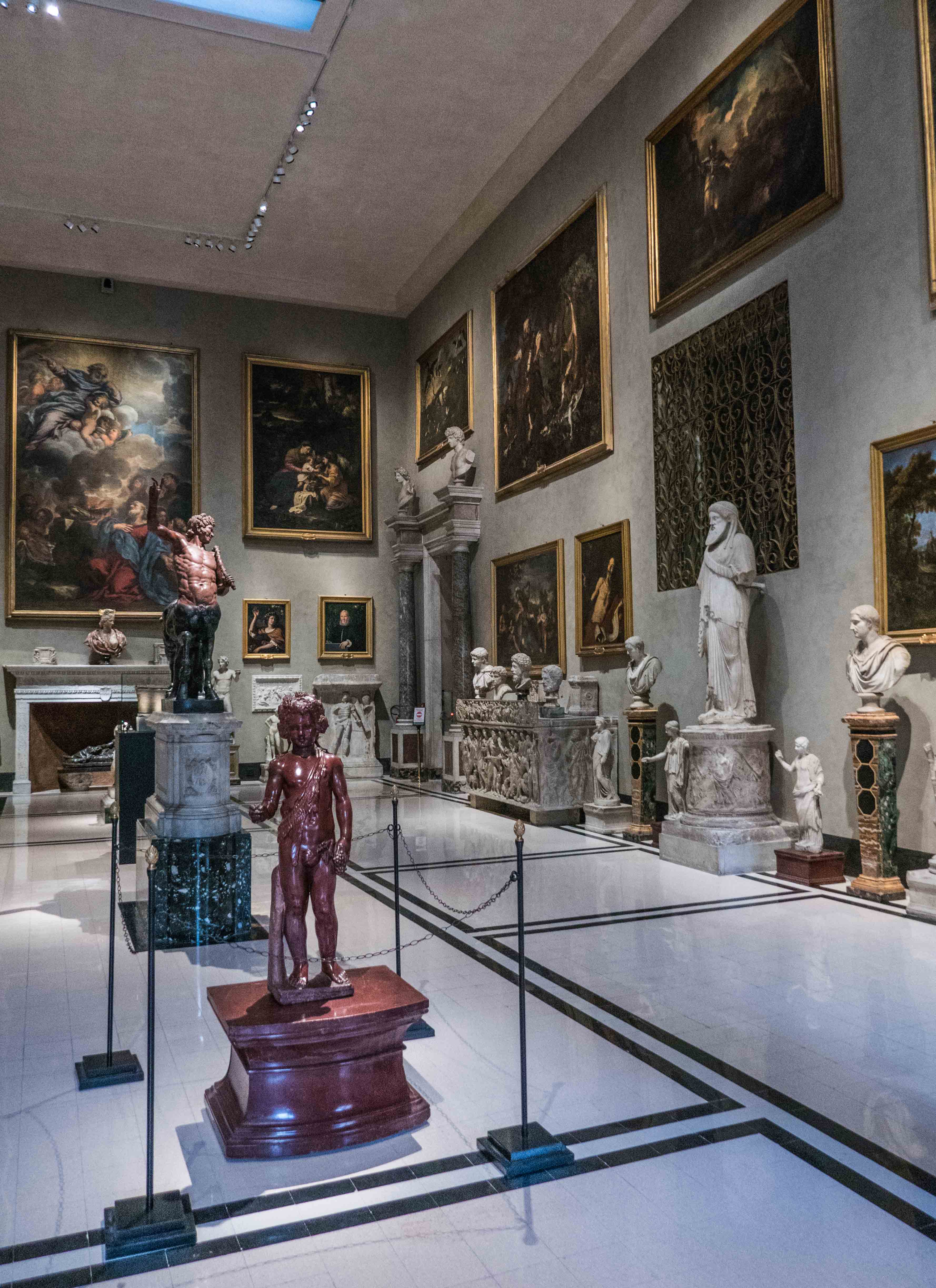
Names hanging on the walls include Rafael, Filippo Lippi, Caravaggio, Titian and Pieter Bruegel, among others. And there are a lot of walls (below).

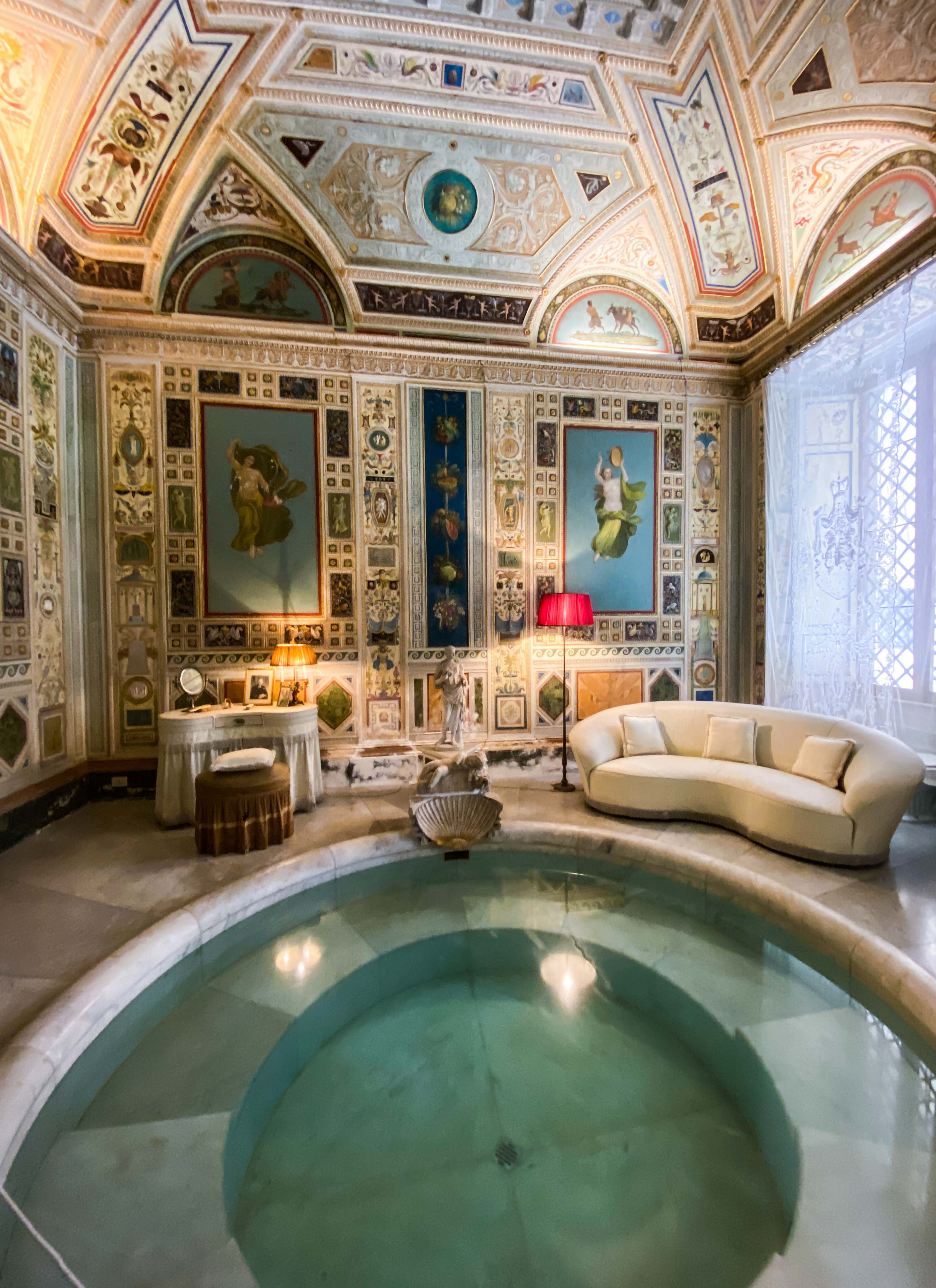
Of course, a couple of rooms full of antique statues is a must (below left). In the private apartments you need a bathroom with a very large ‘bathtub’ – they hadn’t invented jacuzzi when this was built (below right). To ensure the preservation of these riches, they are managed by a foundation – conveniently, this also keeps any possible future black sheeps of the family from laying their hands on the artistic heritage.

Exhibiting Vermeer

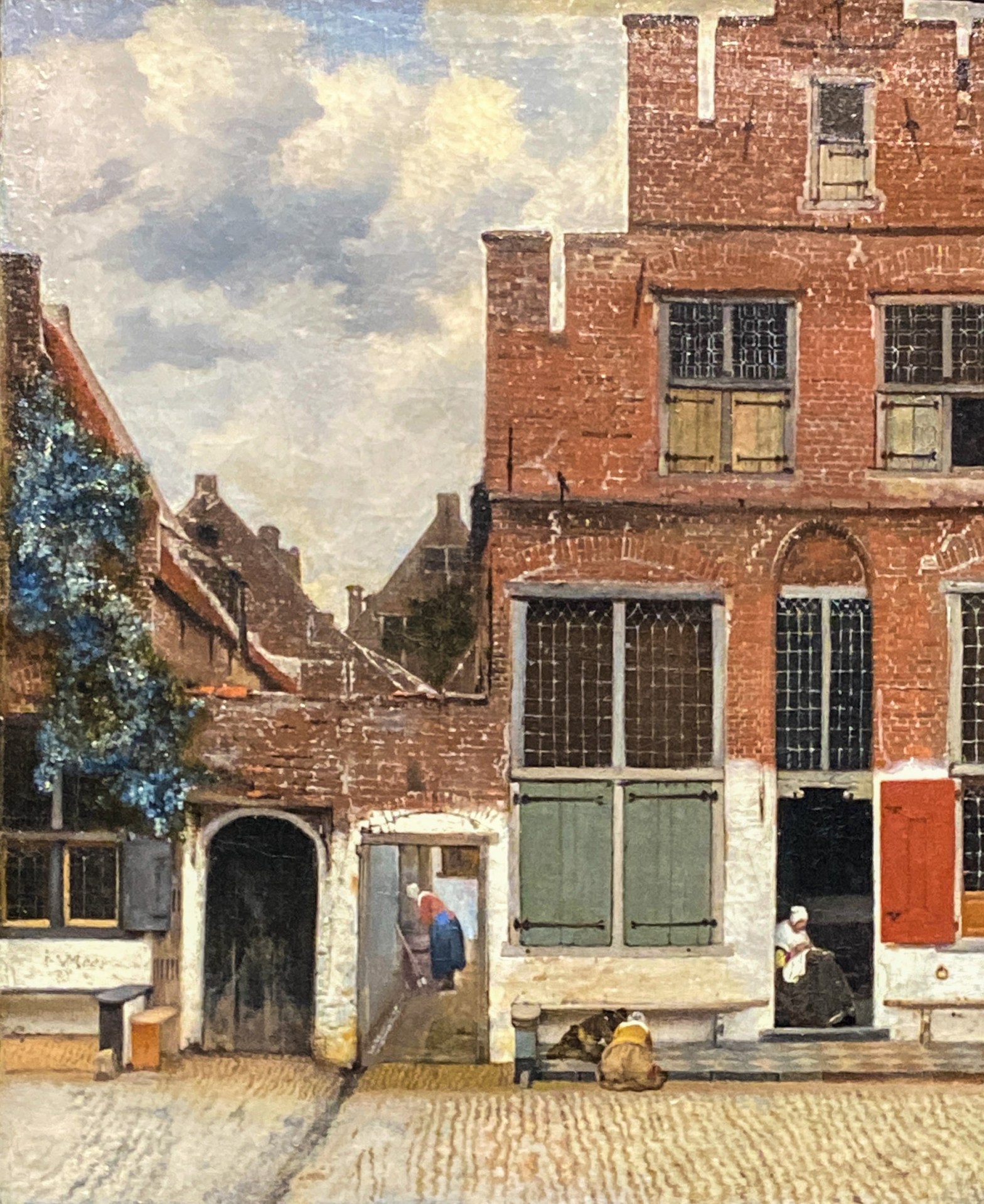
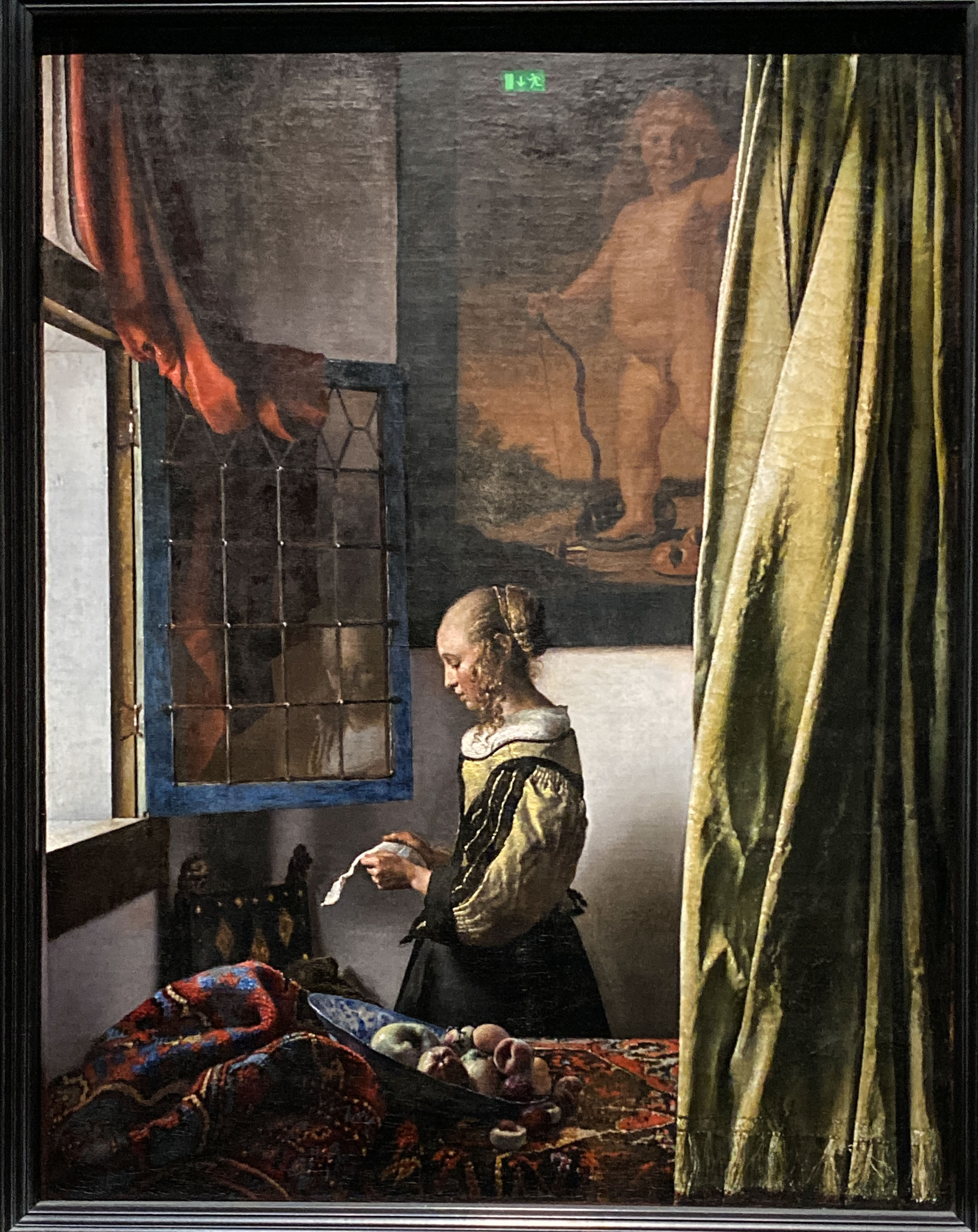
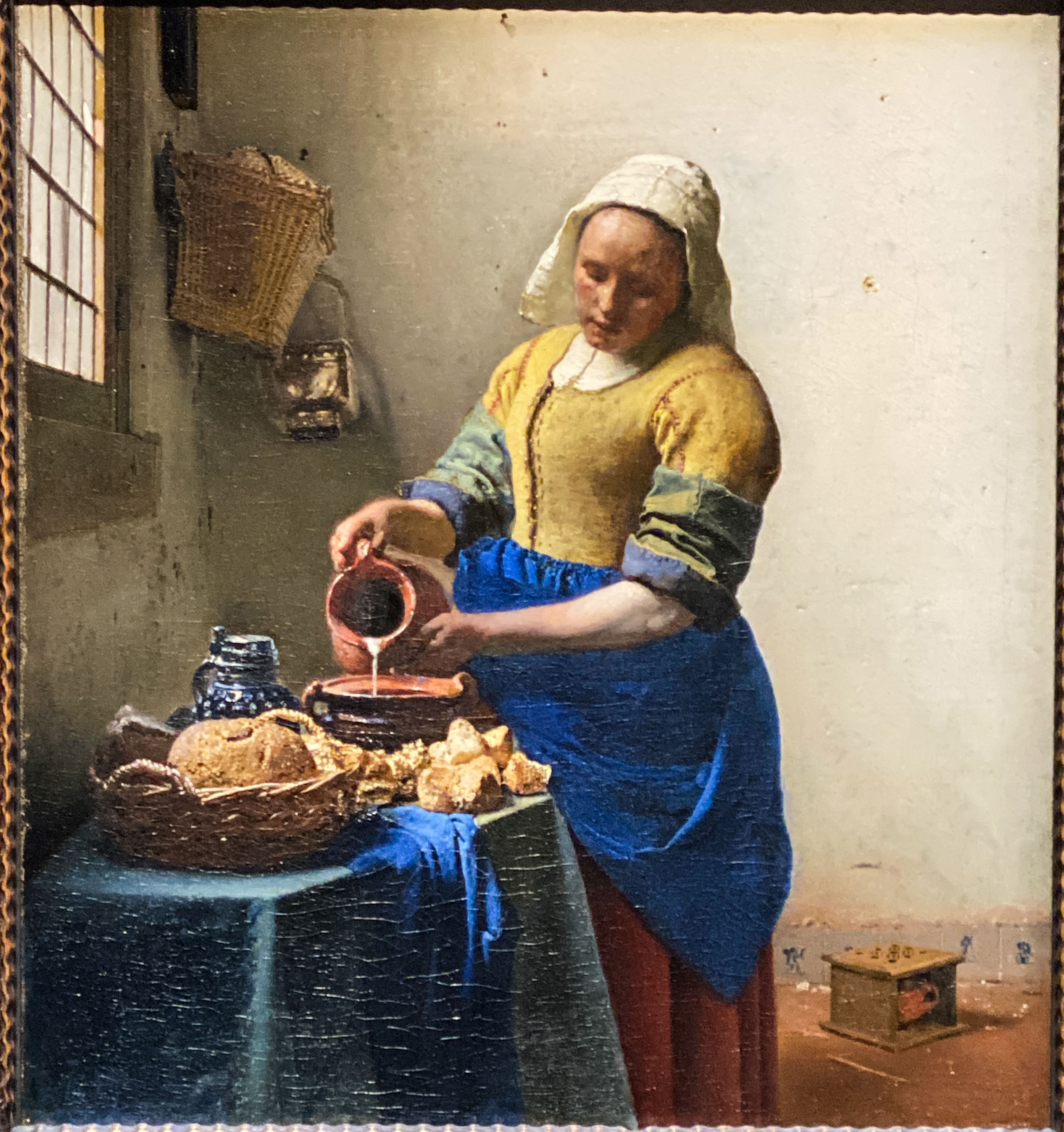
Usually, when museums stage exhibitions of Johannes Vermeer, they are built around a few paintings by him and complemented with other genre paintings from the Dutch golden era. This is because there are only 37 known Vermeer paintings, and it is difficult to build a one-man show. Thus the 2021 Dresden exhibition was built around the restored ‘Girl reading a letter‘ (below left), and the Dublin/Washington/Paris exhibition of 2017 covered the other masters of the genre painting besides Vermeer (with eight of his paintings, including the ‘Milkmaid’, below right).

Now Rijksmuseum in Amsterdam has managed to gather 28 Vermeers into one blockbuster exhibtion (the attribution of one of the paintings is suspect). Such is the popularity of the Dutch golden era art that although the exhibition is open until 4 June, it has been sold out. 

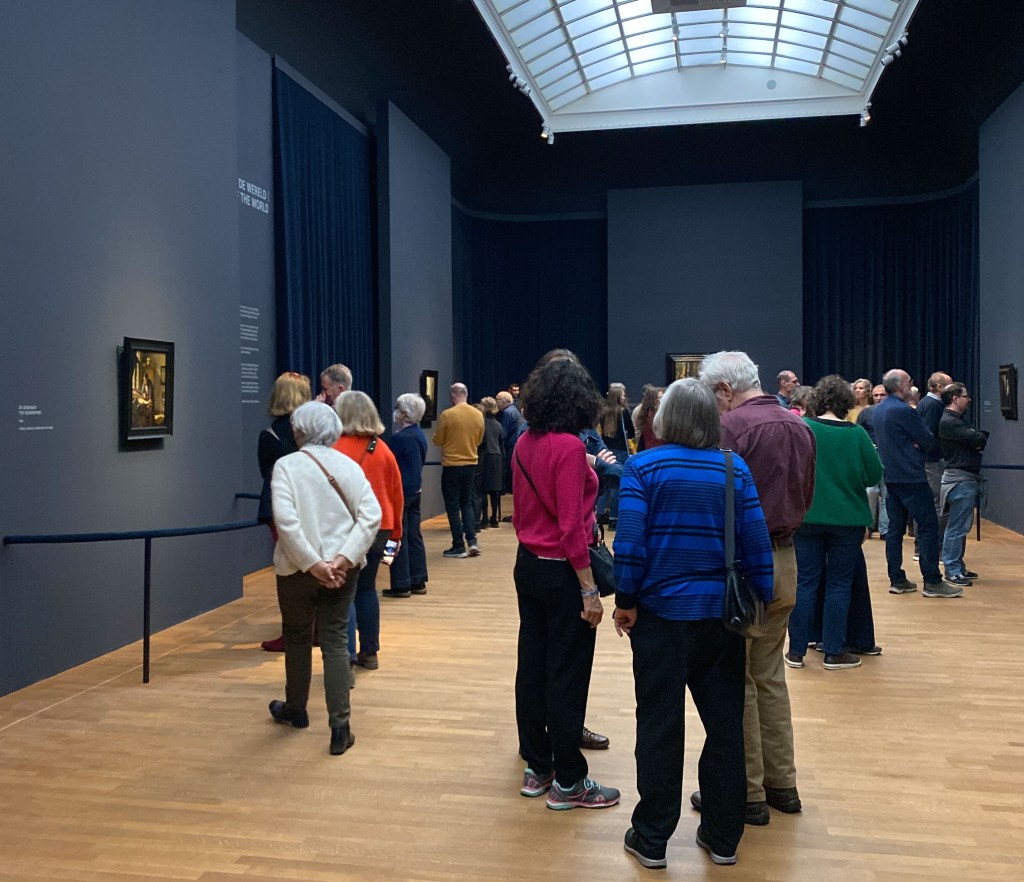
After visiting, it must be said that the Rijksmuseum has managed the arrangements very well – there was no need to queue, there was enough space around the pictures for people to see and move around, and the number of visitors around was reasonable (below).

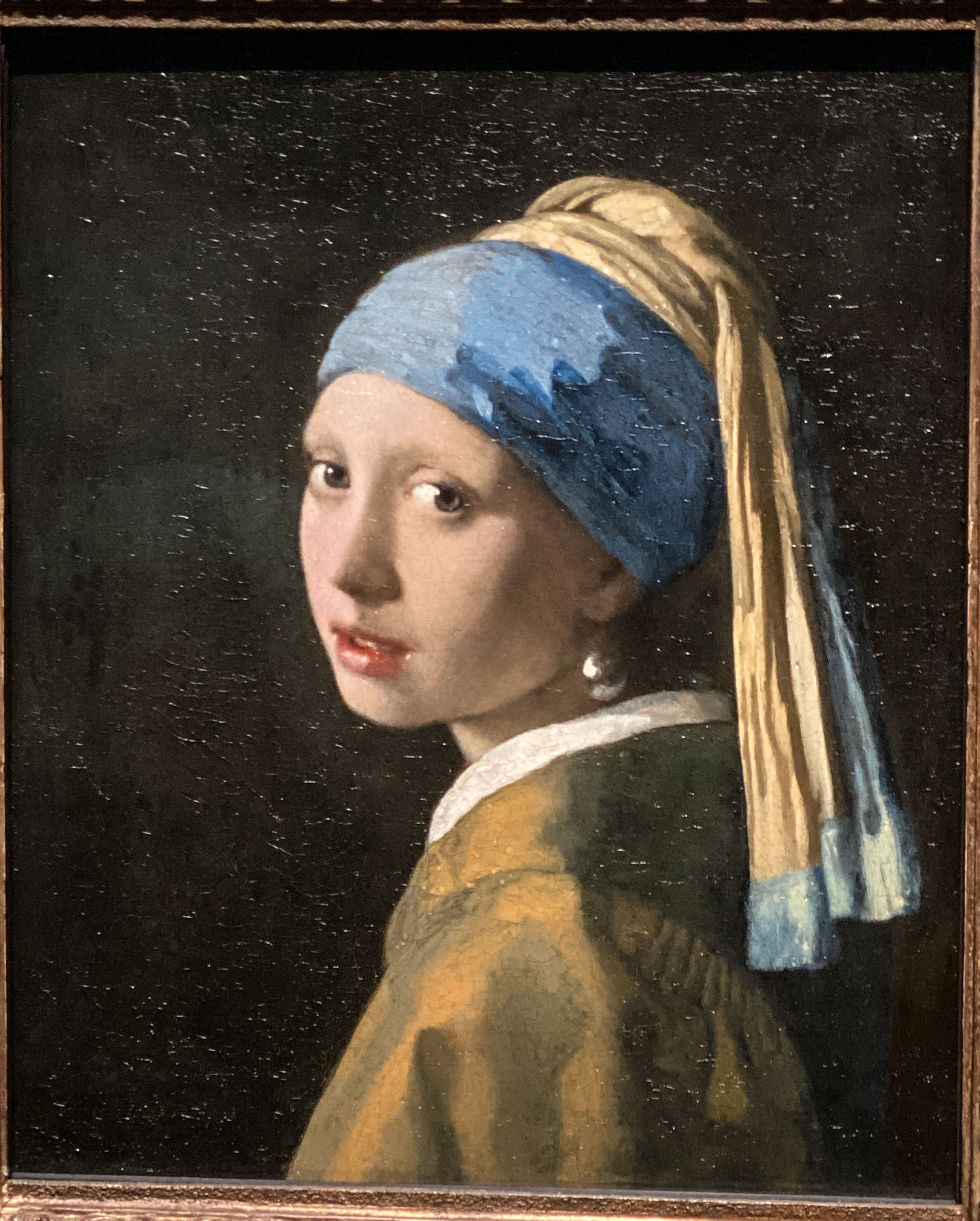
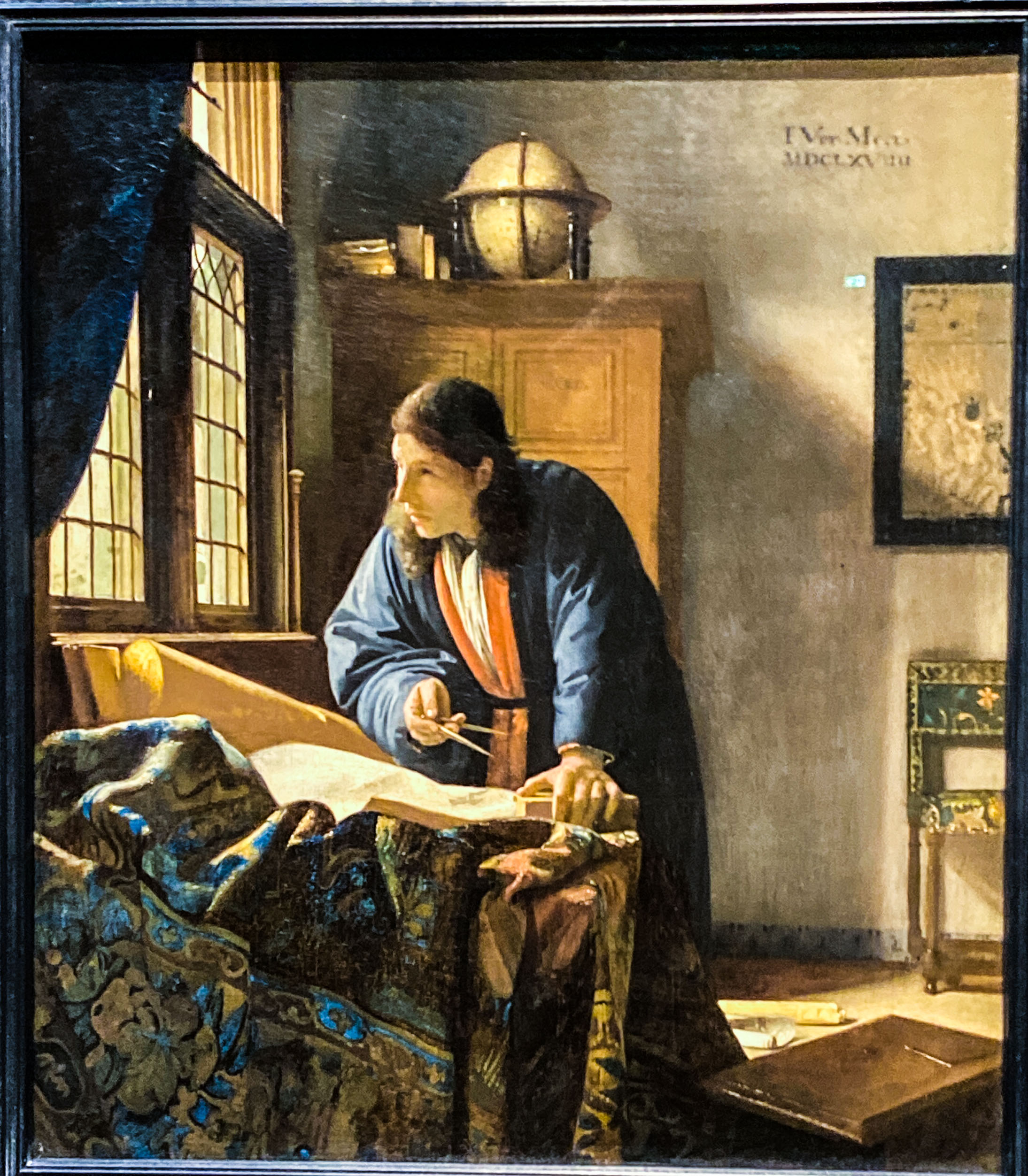
Vermeer is particularly popular as he manages to combine the sense of an acutely observed reality with the feeling of fiction and stories lurking behind the carefully constructed scenes – without ever explaining or preaching. Thus the interpretation of the story is left to the viewer. Below are the ‘Girl with a pearl earring‘ and the ‘Geographer‘.

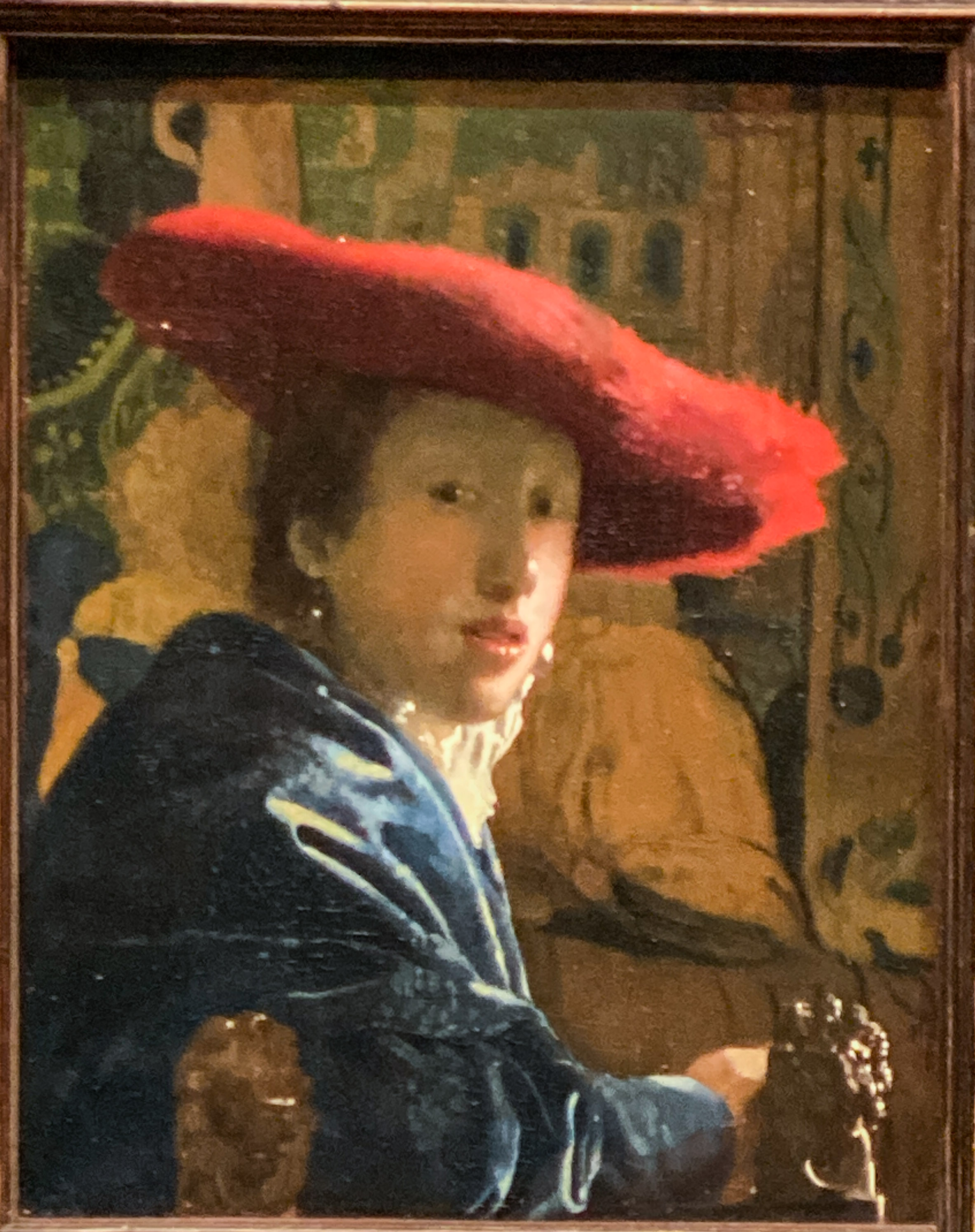
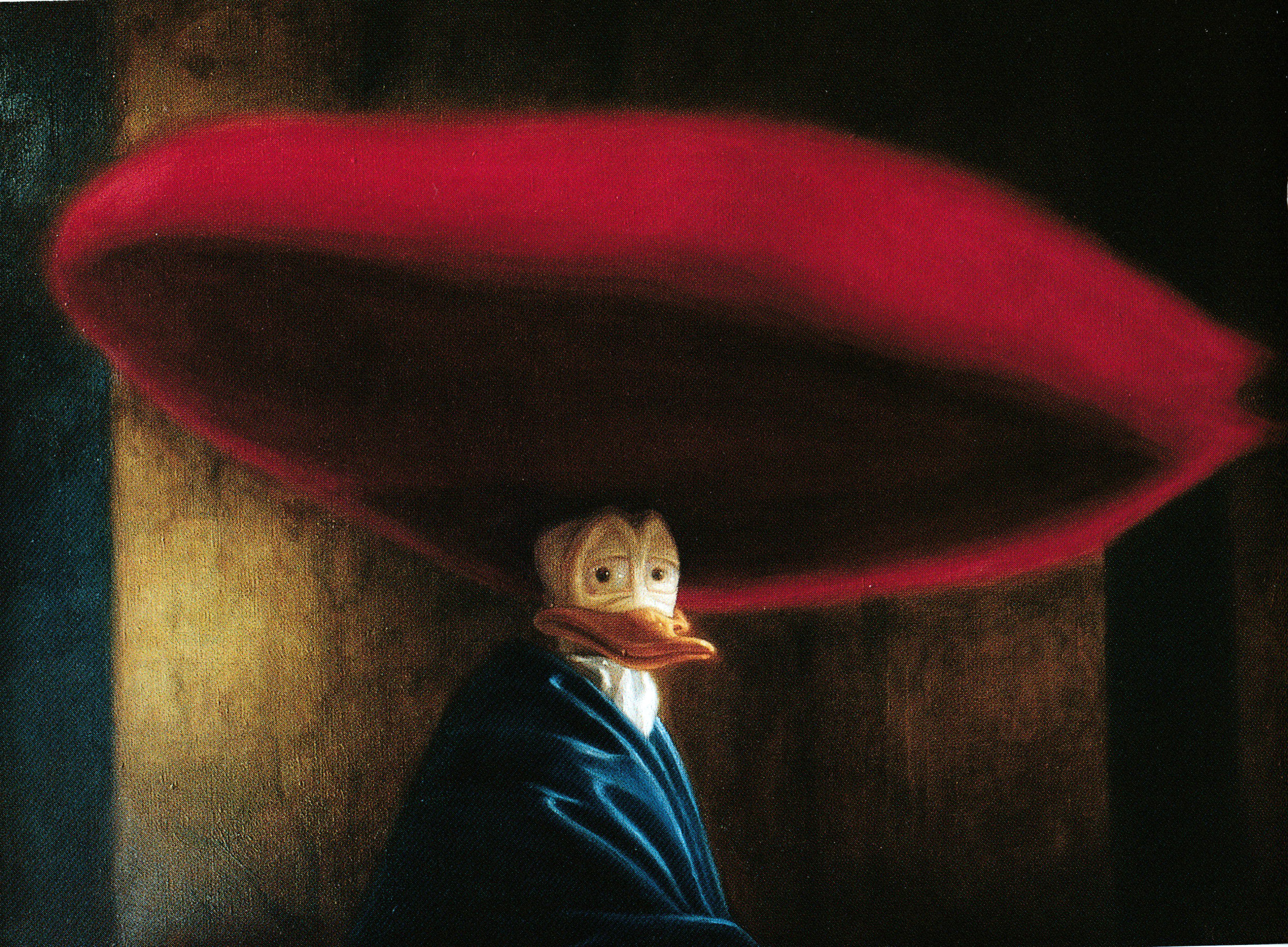
This feasibility of open interpretation, and the fact that Vermeer is such a well-known part of the canon of Western art, have made it attractive for other artists to make references to Vermeer and expect the viewers to make the connection. As an example, below are the Vermeer and an interpretation of it by the Finnish artist Kaj Stenvall (1999) – all interpretations are left to the viewer. 

Cape Horn, Beagle Channel and the Chilean Fjords

Cape Horn is the famous southernmost point of South America, the meeting point of Pacific and Atlantic Oceans. It is named after the city of Hoorn in the Neherlands by Willem Schouten and Jacob Le Maire who sailed around it in 1616. Even though it is notorious for stormy seas, strong winds, currents and icebergs, this time the sea was was calm (below).

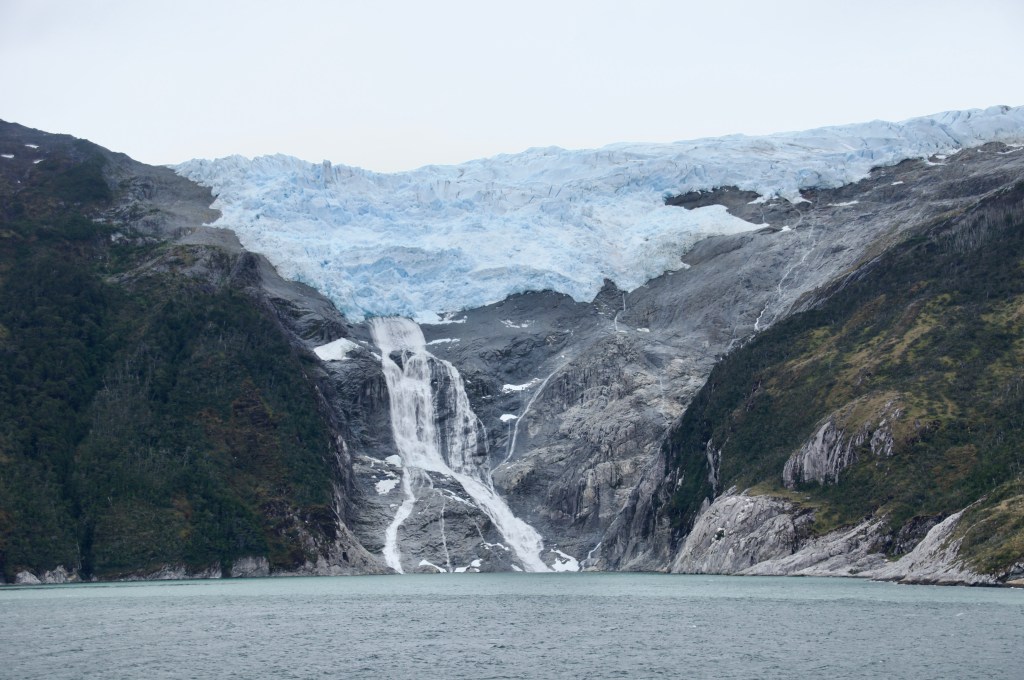
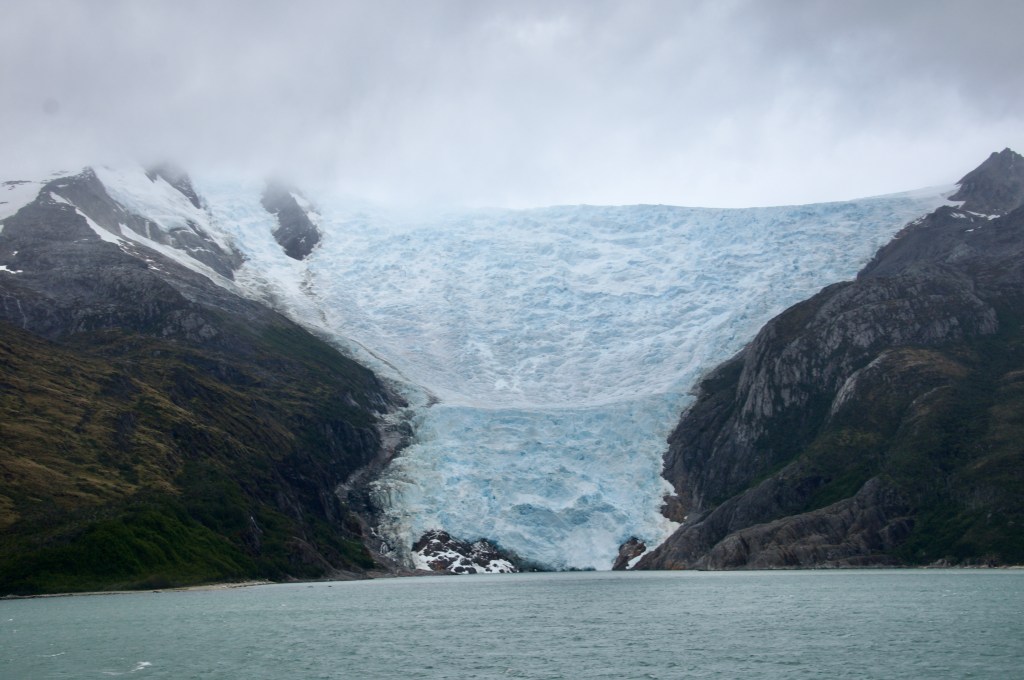
The 240 km long Beagle Channel was named after HMS Beagle that surveyed it in 1826-1830. The Beagle carried onboard also Charles Darwin, who saw glaciers for the first time and praised their beauty. However, since those days the glaciers in the so-called Chilean Fjords have diminished considerably. Below, a glacier turning into a waterfall.

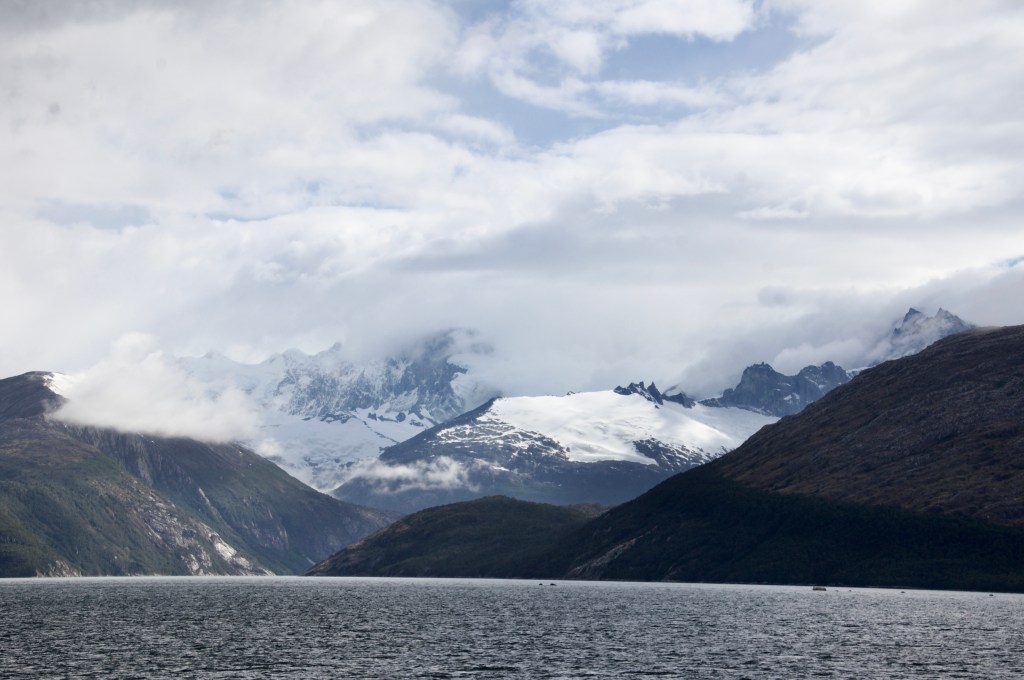
The Chilean fjords and channels were explored in colonial time by the Spaniards seeking to Christianise the local indigenous people (Chono, Alacalufe and Yaghan).

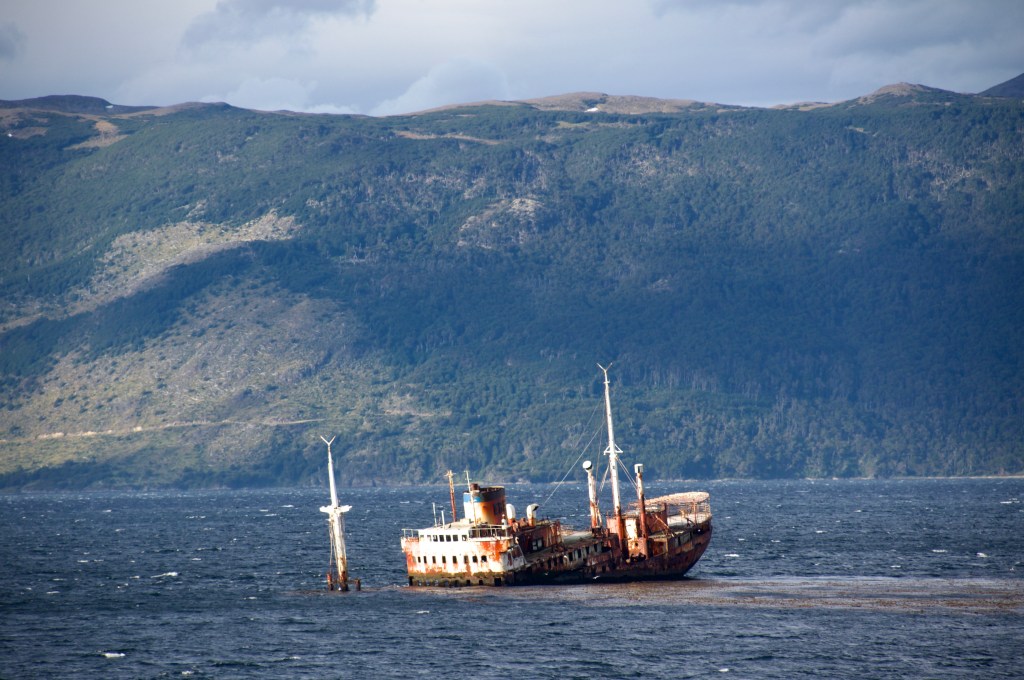
The channels are used by ships in order to avoid the frequent heavy weather in the Drake Channel south of Cape Horn. Some still do not make it.

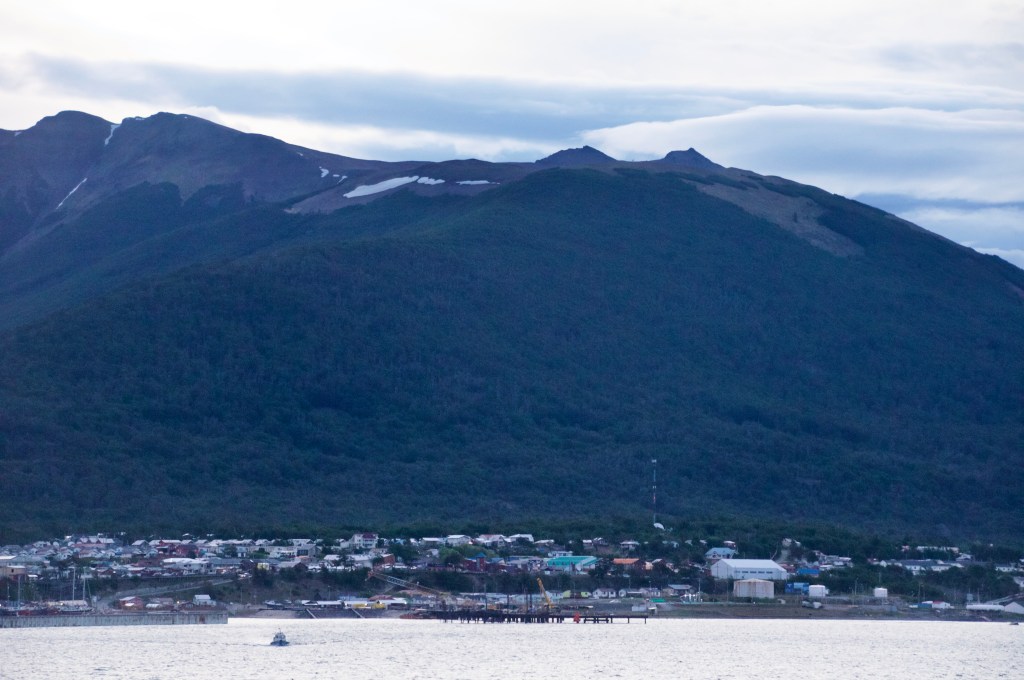
Puerto Williams founded in 1953, is the capital of the Chilean Antarctic Province, a naval base, and the center of the region (below).

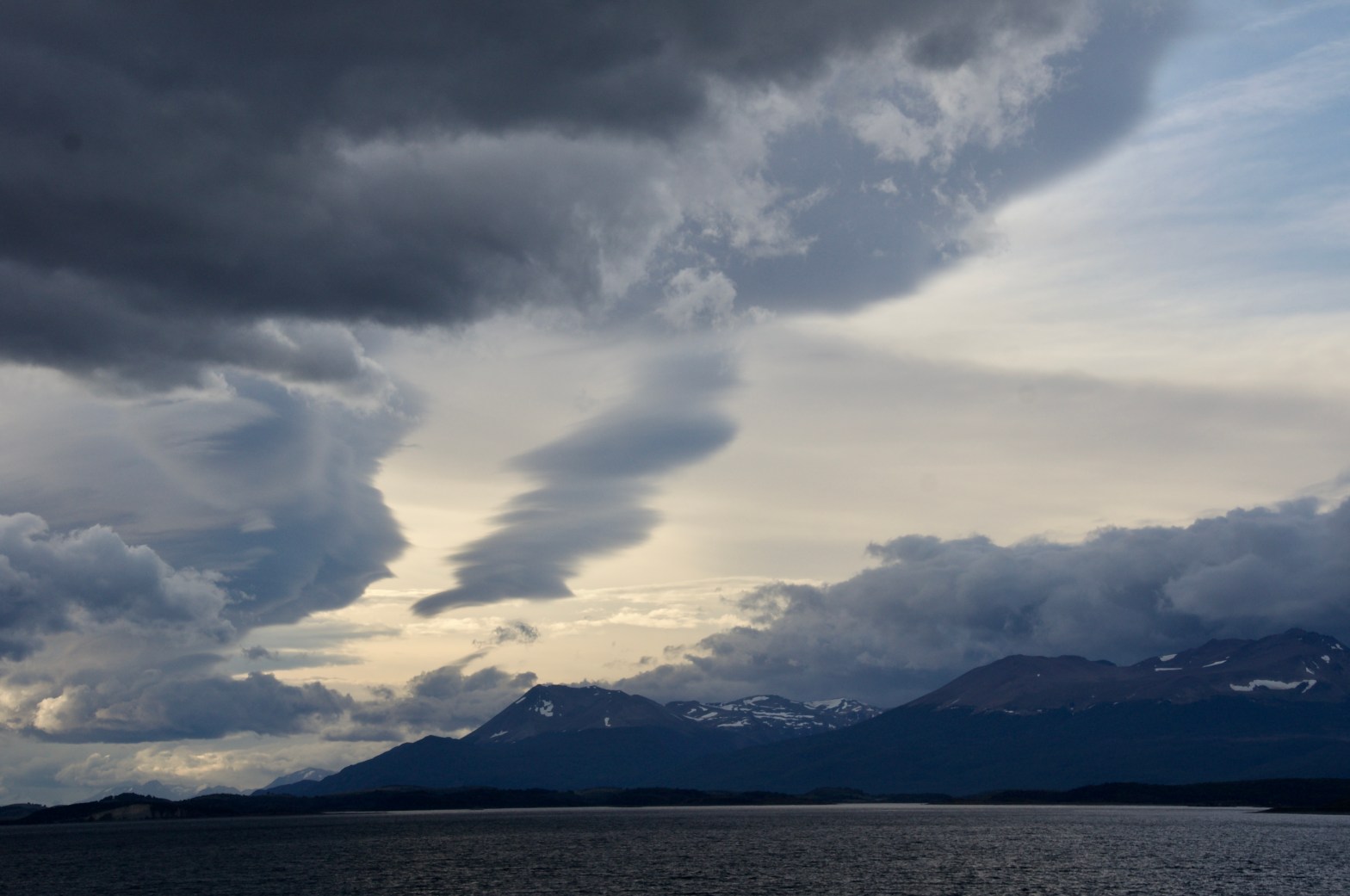
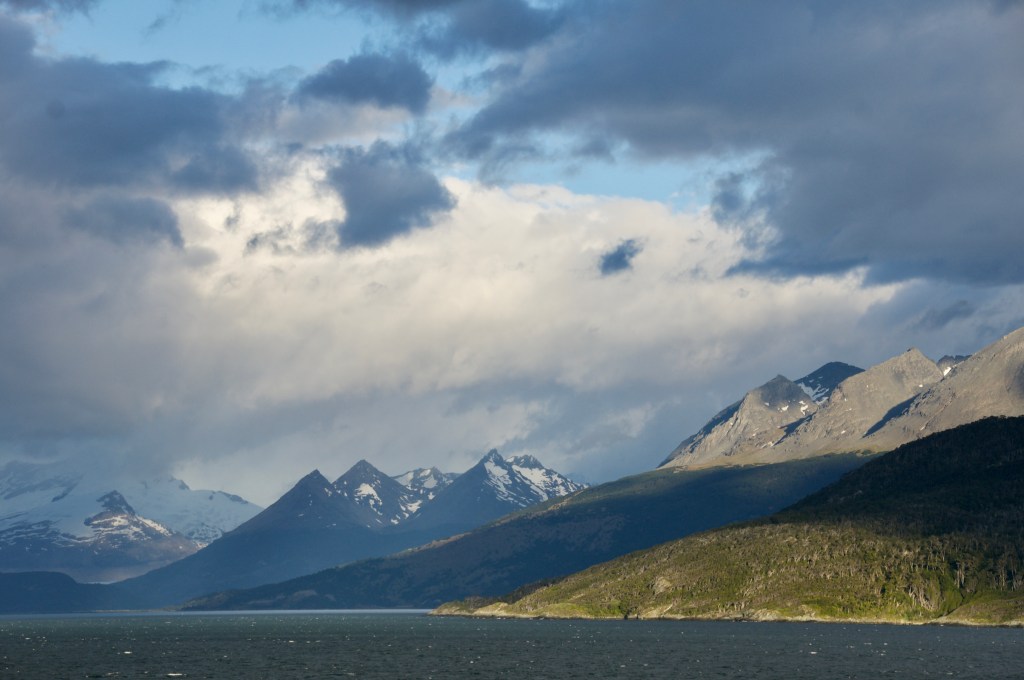
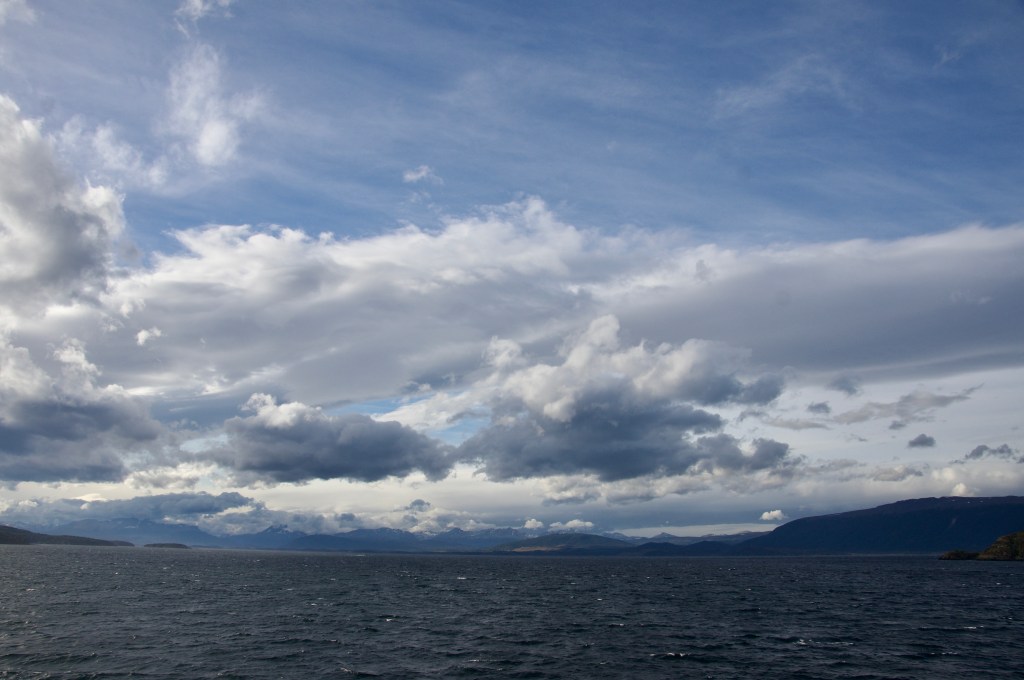
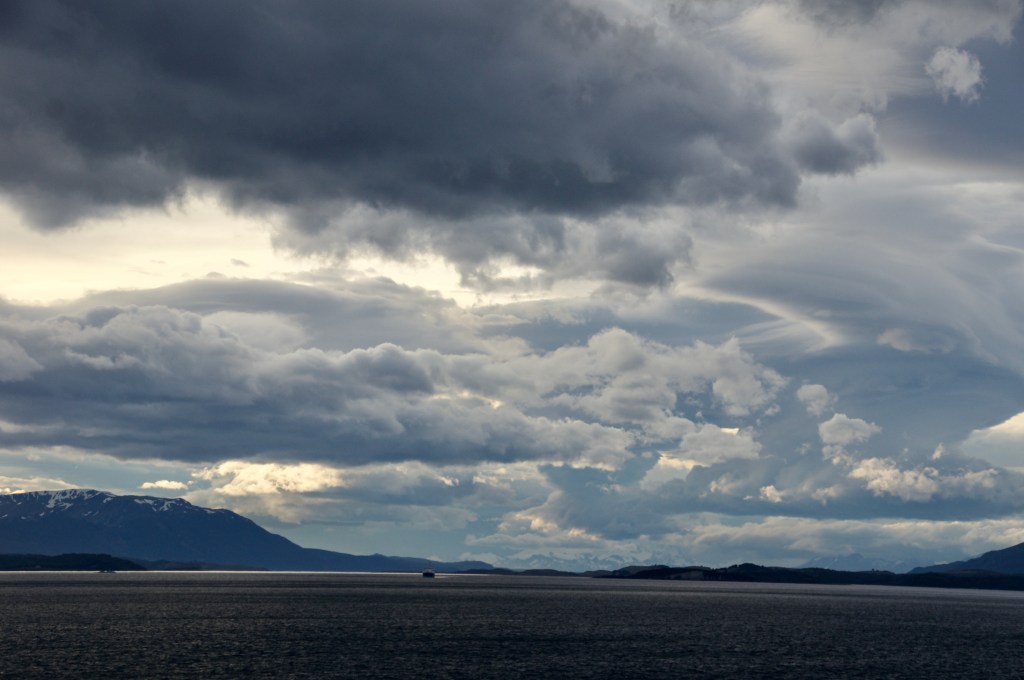
The rapidly changing weather creates fascinating light and cloud effects throughout the region.

Port Lockroy, Antarctica

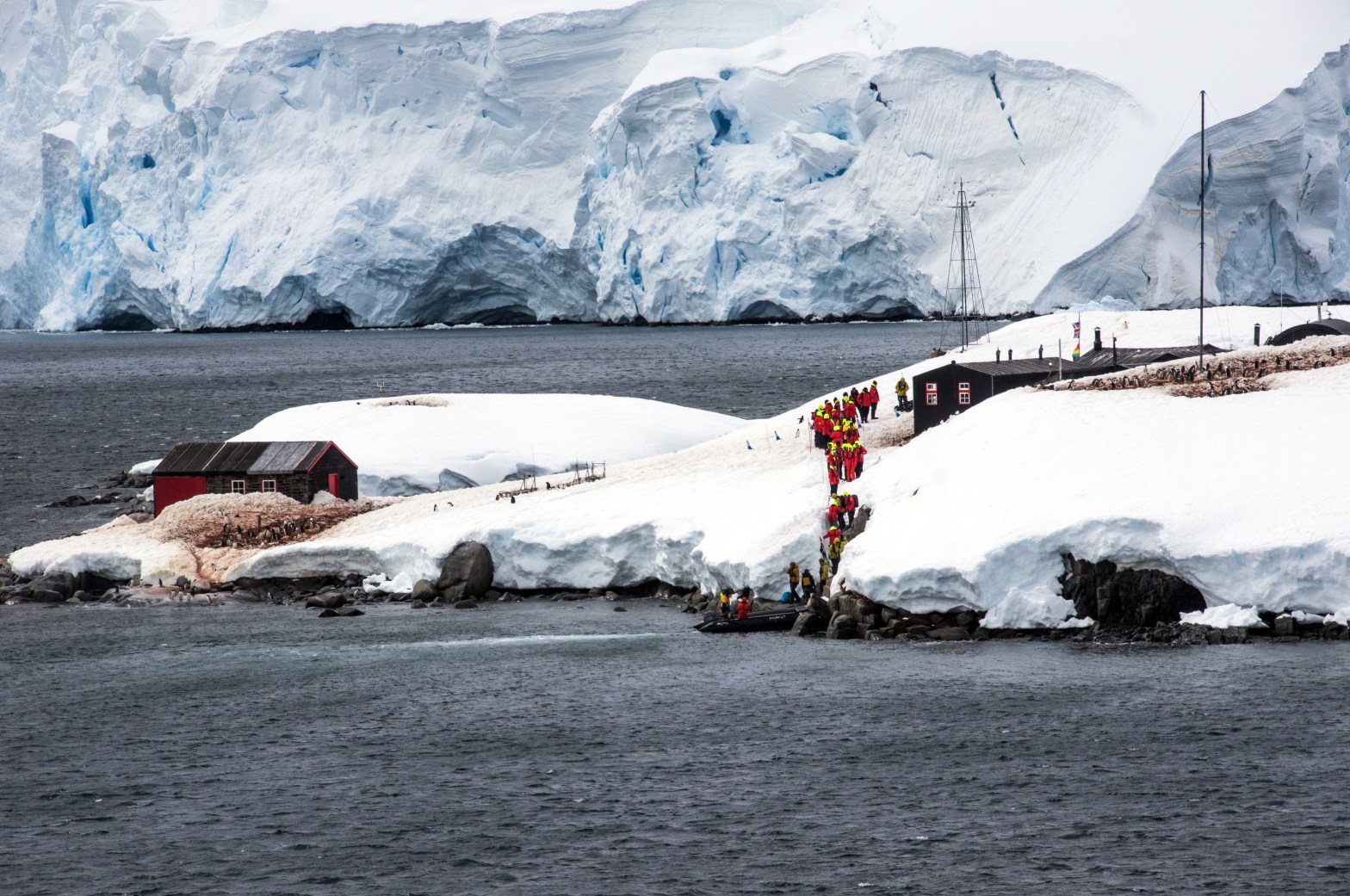
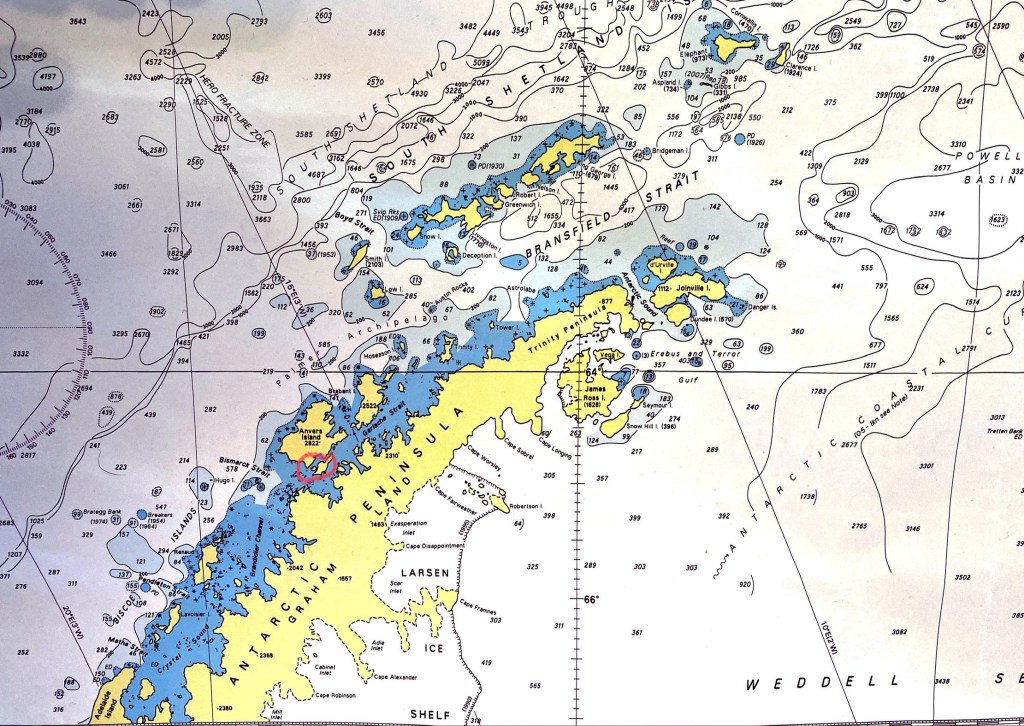
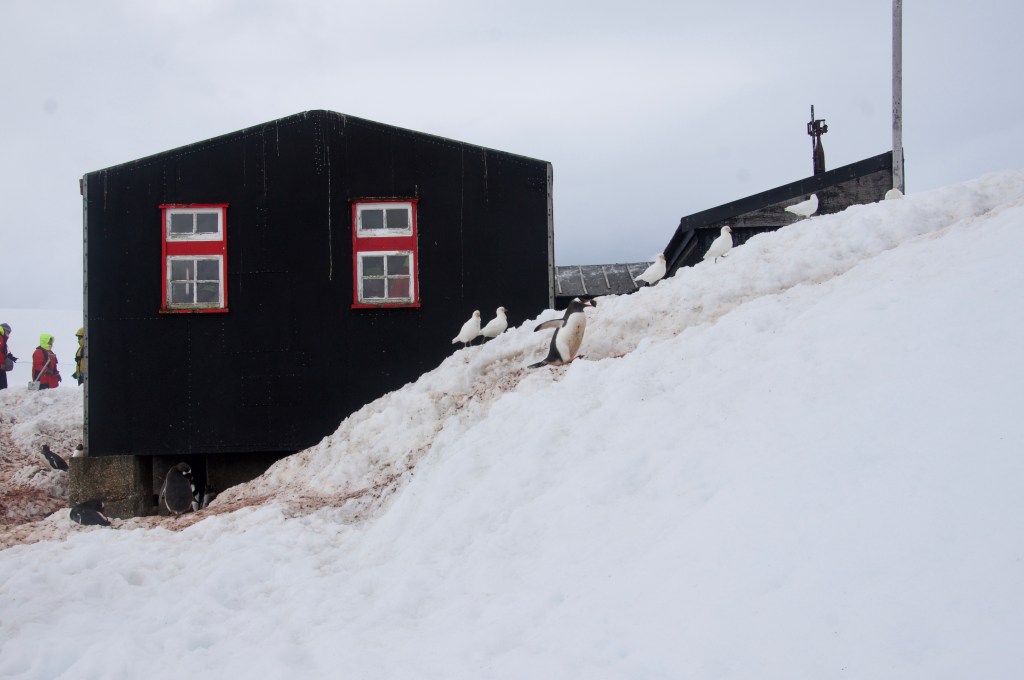
Port Lockroy is a former British base on a postage stamp-sized island off the larger Wiencke island on the West coast of Antarctica. The bay was discovered in 1904 and named after Edouard Lockroy, a French politician helping to fund the French Antarctic Expedition.

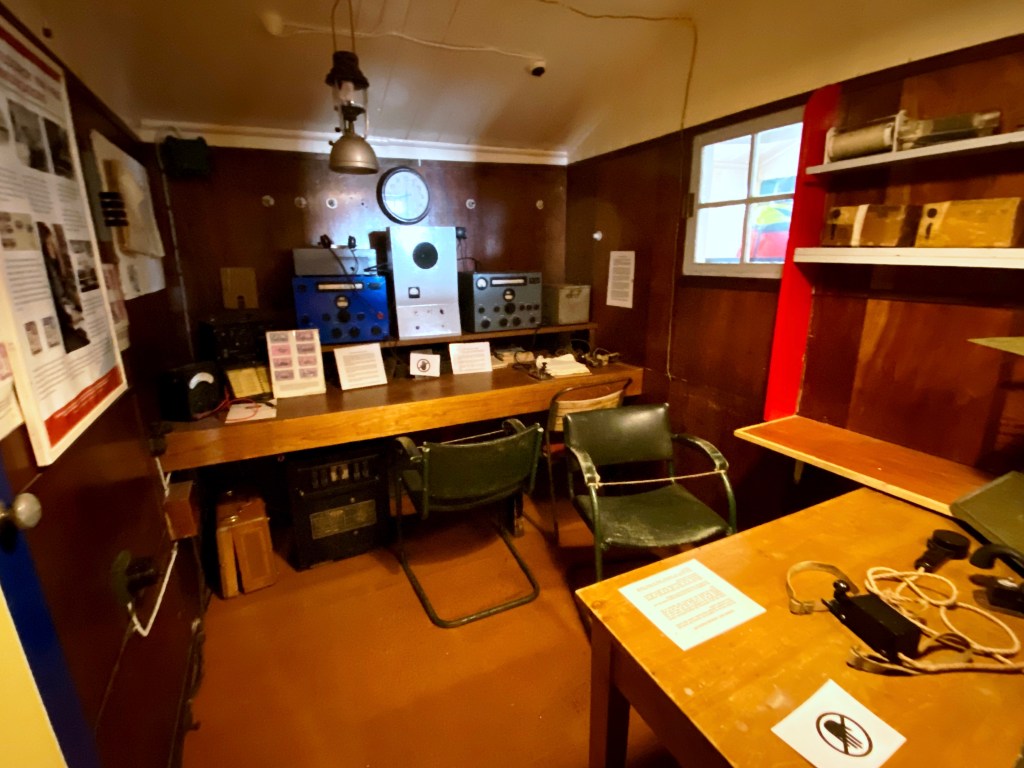
It has been renovated over the years since 1996, and is now a historical site administered by UK Antarctic Heritage Trust, with a museum reflecting its time as a base between 1944 and 1962.

In the summer when cruise tourists come, the site is manned by a few people tending the museum, shop, and post office.

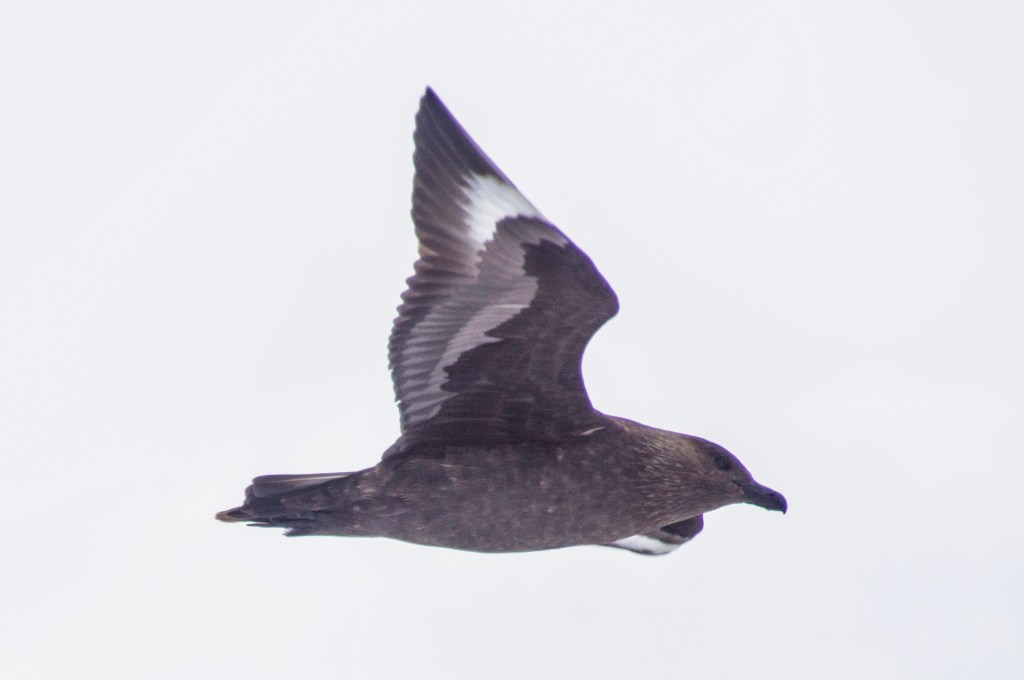
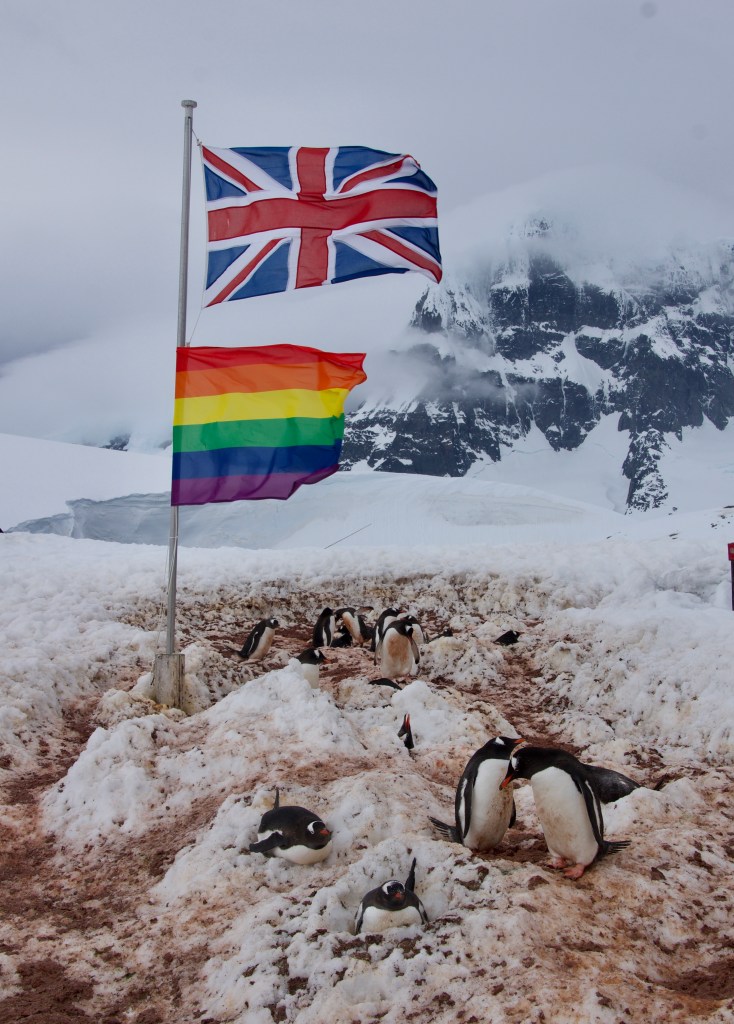
Otherwise the site has been taken over by gentoo penguins and skuas (below right).

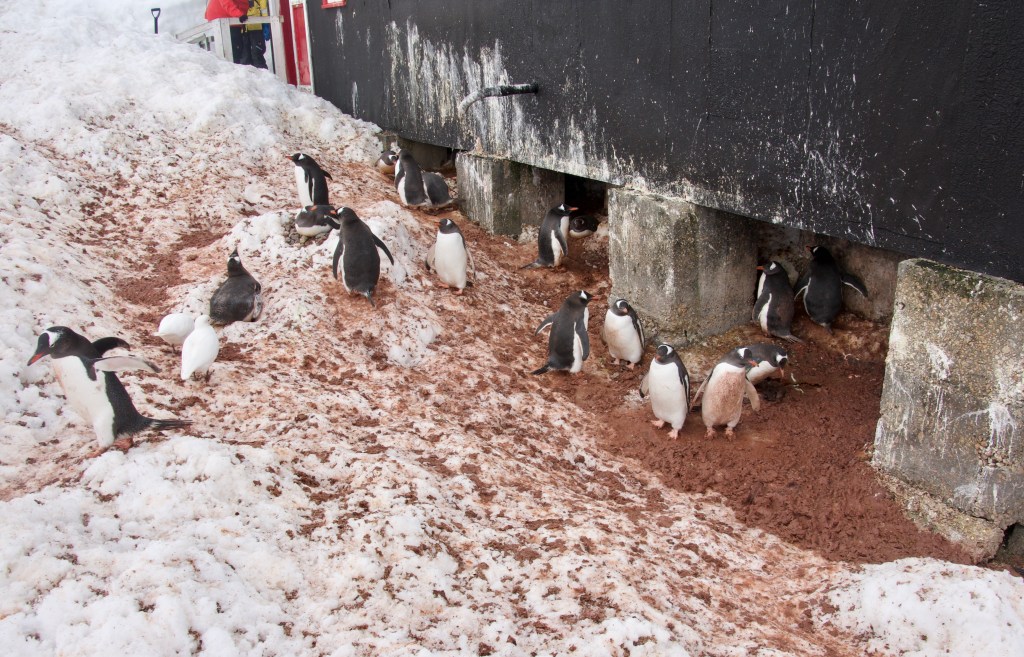
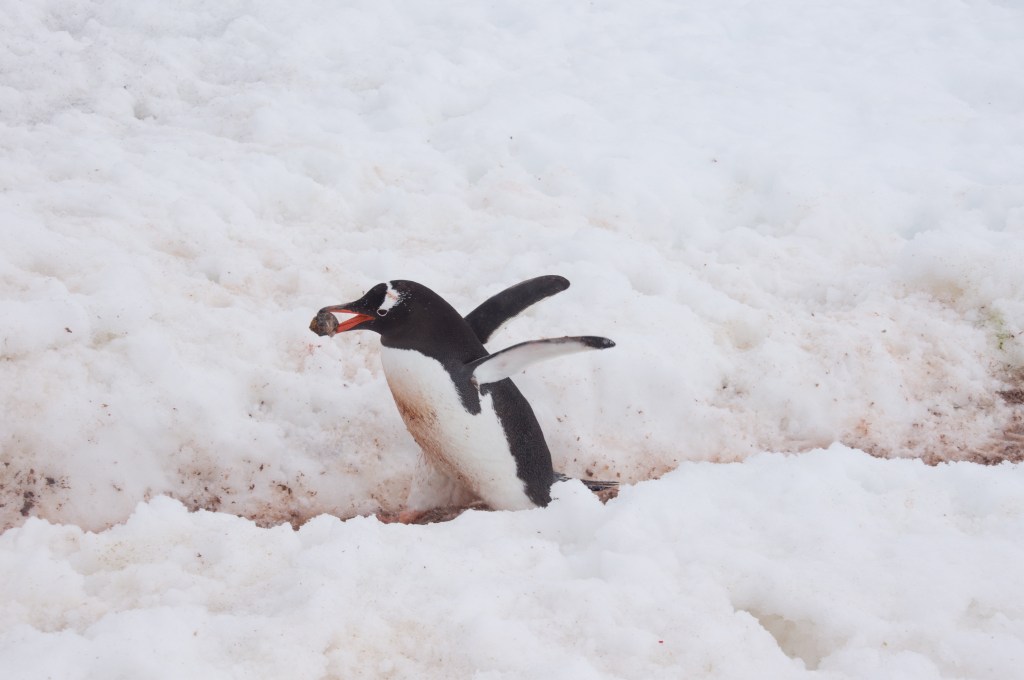
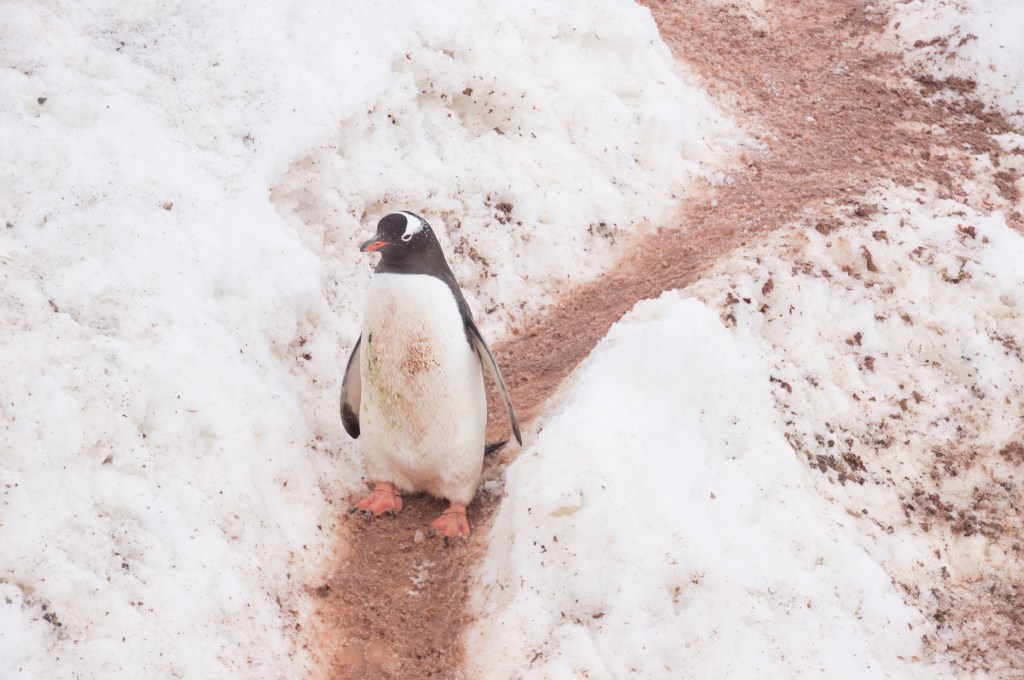
As there was still snow on the ground, the penguins had not yet been able to lay their eggs, but were busy collecting stones (below left) from the water’s edge using the ’penguin highways’ they have created on the snow (below right).

Andvord Bay and Paradise Bay, Antarctica

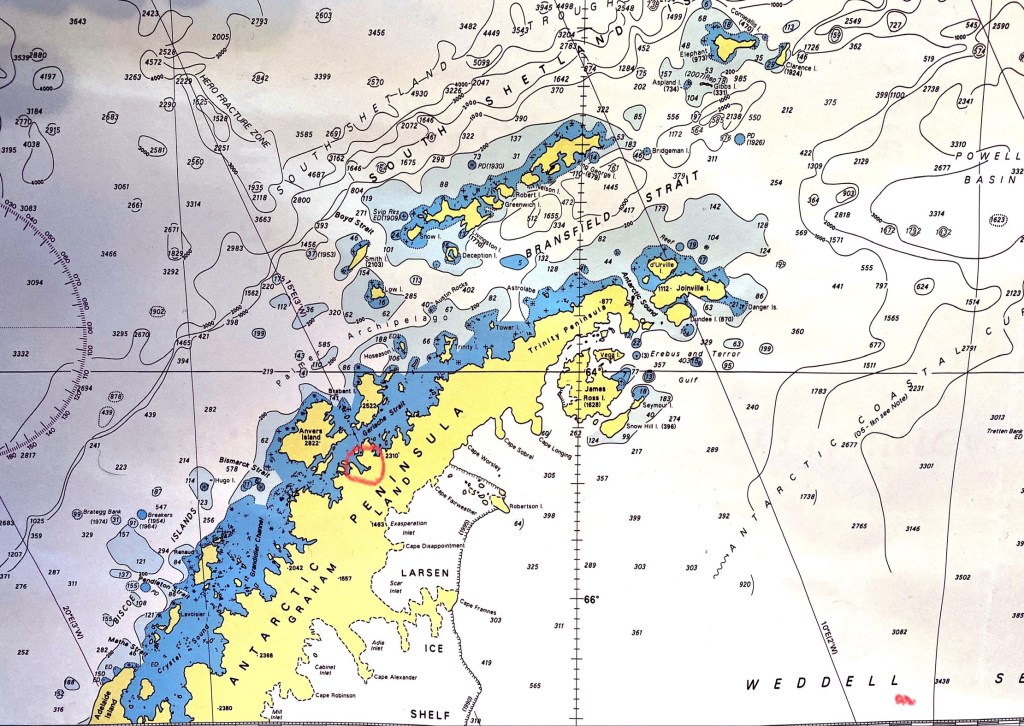
Andvord Bay (64° 50’ S, 62° 33’ W) on the Antarctic peninsula was again discovered by the Belgian Antarctic Expedition of 1897-1899 under Adrien de Gerlach. It was named after Rolf Andvord, the Belgian consul in Christiania (Oslo) at the time. The adjoining Paradise Bay was named by whalers around 1920.

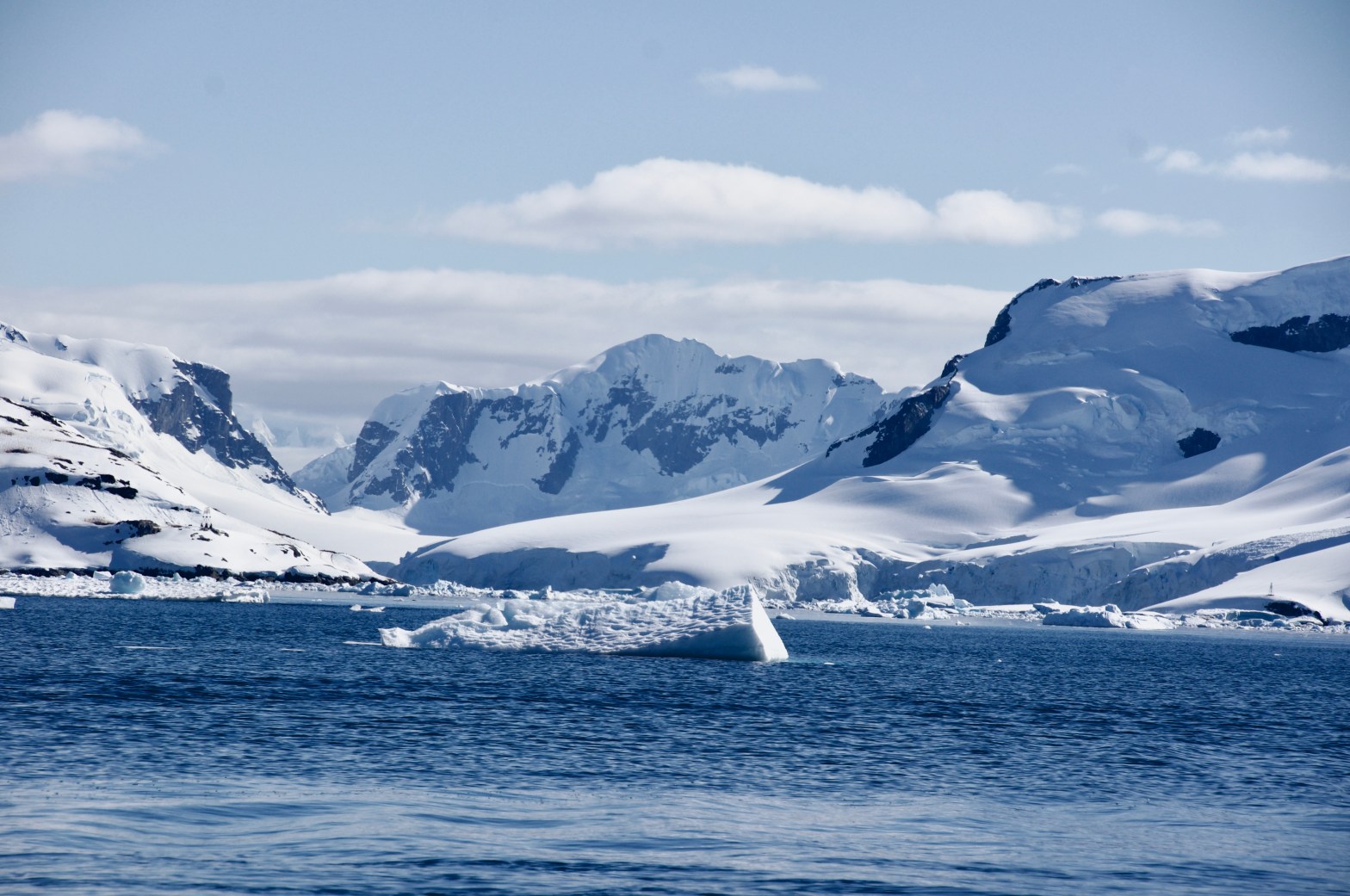
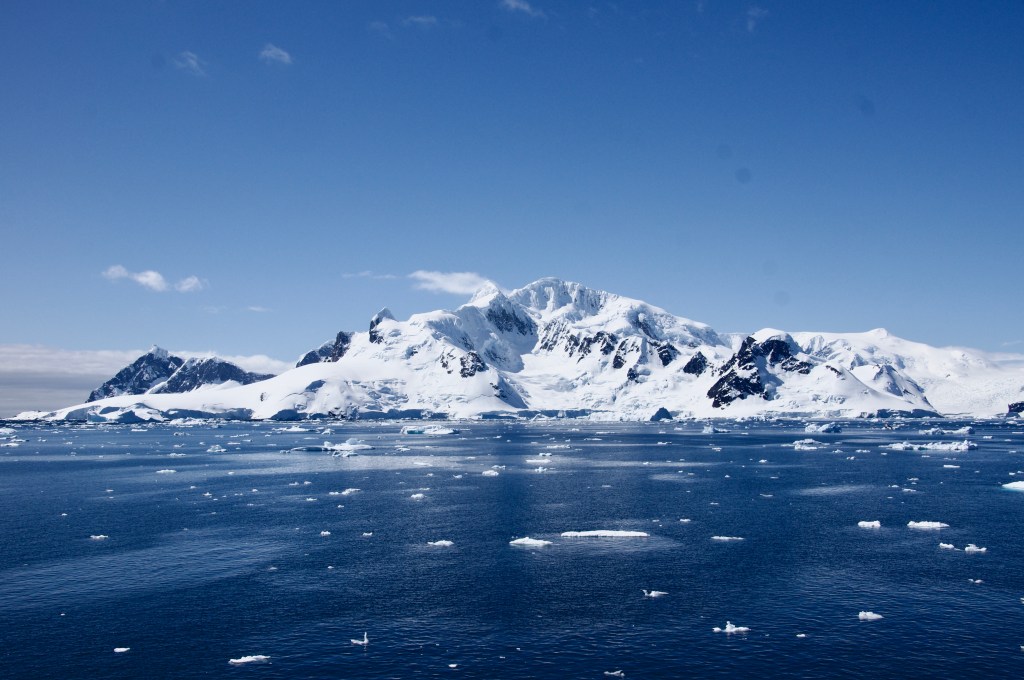
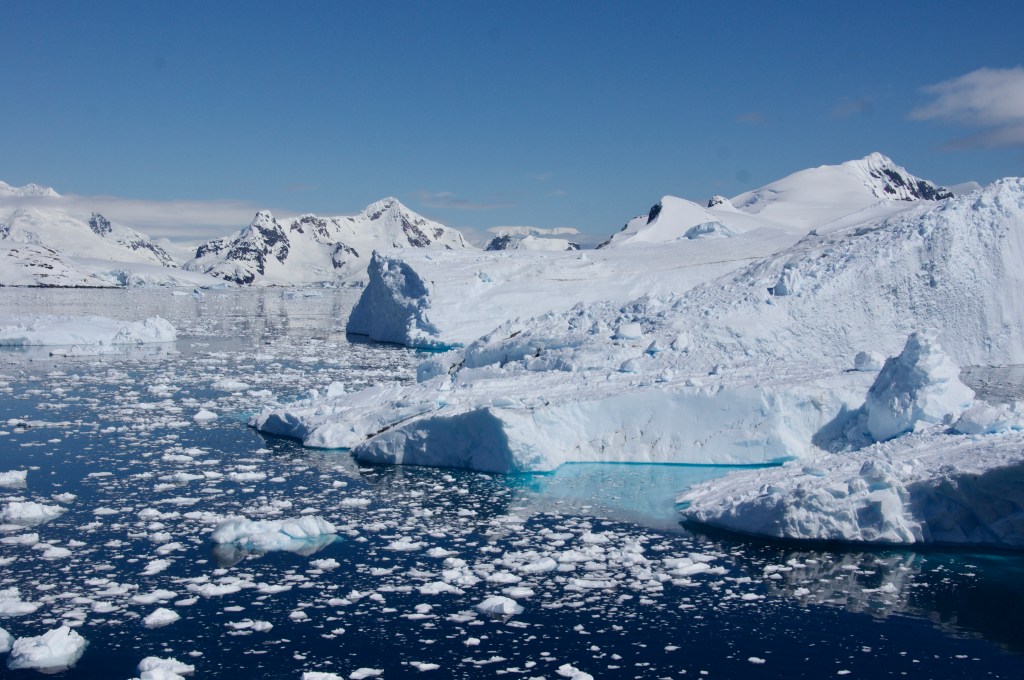
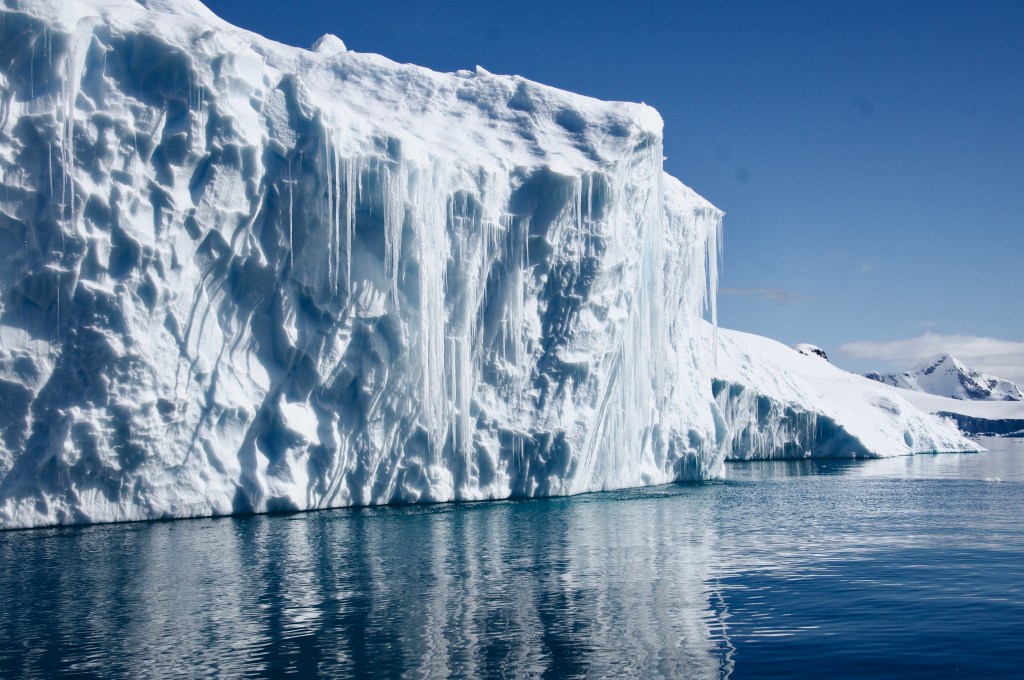
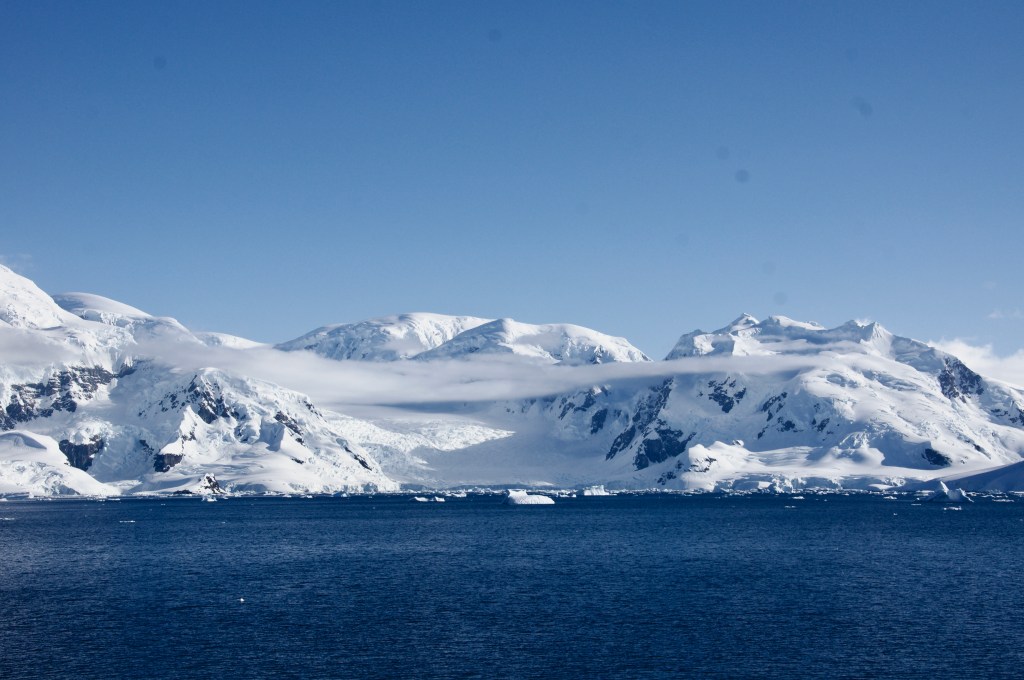
Both bays are surrounded by icy mountains with plentiful icebergs. There are both Argentinian and Chilean bases in this area.

Deception Island, South Shetland Islands, Antarctica

Deception Island is actually the caldera of an active volcano, creating a sheltered harbour, 10 km long and 7 km wide. It belongs to the South Shetland Islands and is administered as part of the Antarctic Treaty.

There was a whaling station here until 1931, and in the summer, Argentina and Spain still maintain research stations. Below left is the Argentinian station and right are the remans of the whaling station.

About 15 000 toursts visit the island every year – even the President of Argentina visited in 1961 to strengthen the claims of Argentina in this region. There were three cruise ships in the caldera at the same time (title image and below).

The entrance to the caldera is narrow and called ’Neptune’s Bellows’. One of Hurtigruten’s ships was not careful enough, touched the rocks and caused an oil leak here in 2007.

The island was first sighted by British explorers and mapped by Americans in 1820. There were volcanic eruptions in 1967 an 1969 that led the island to be abandoned for years. It still resembles a lunar landscape.

Telefon Bay is in the Western part of the caldera and named after a Norwegian cargo steamship that was wrecked in sthe South Shetland islands, but later raised and repaired in this bay, before sinking 1913 off Denmark.

Whales also visit the caldera, but usually keep ther distance.

Cuverville Island, Antarctica

Cuverville island on the West coast of the Antarctic Peninsula was discovered by the Belgian Antarctic Expedition of 1897-1899. The leader of that expedition, Adrien de Gerlache, named the island after Jules de Cuverville, vice-admiral of the French Navy. The strait where the island lies is named after Gerlache himself.
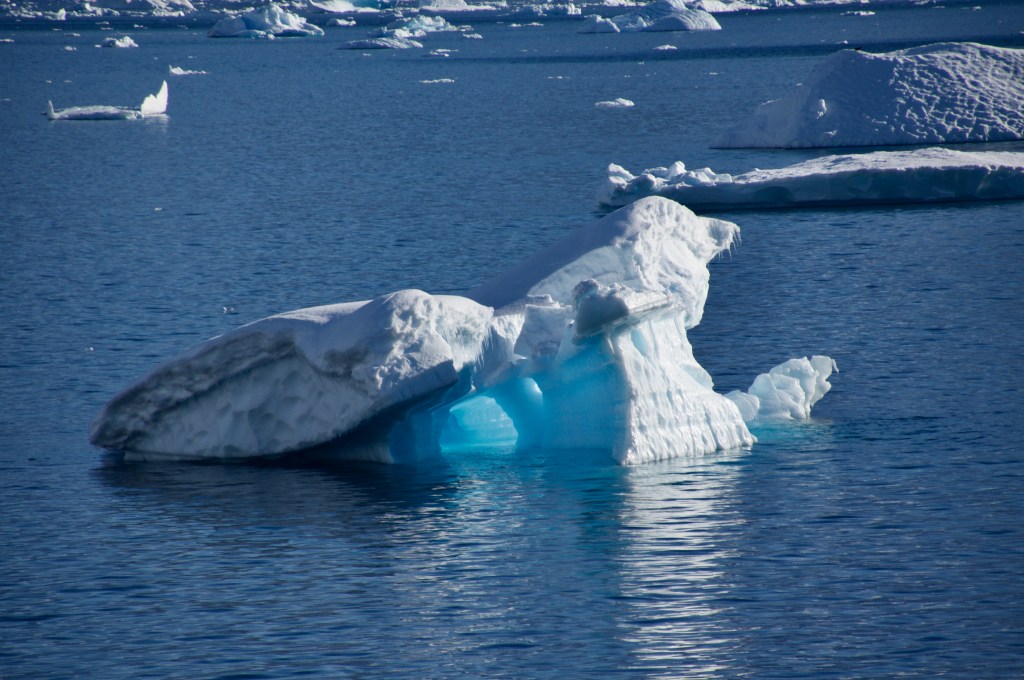
The bay of the island has been called ’iceberg graveyard’, as prevalent currents bring icebergs here, and they stay.

There are colonies of gentoo penguins and some Antarctic shags (below).

The area is also a popular visiting point for cruise ships.