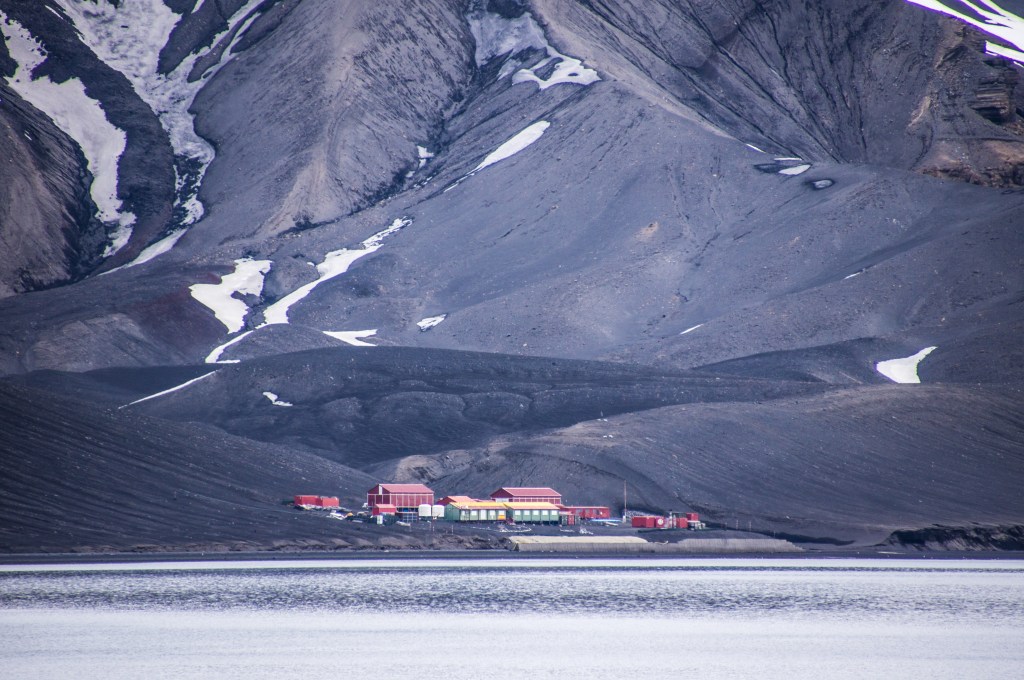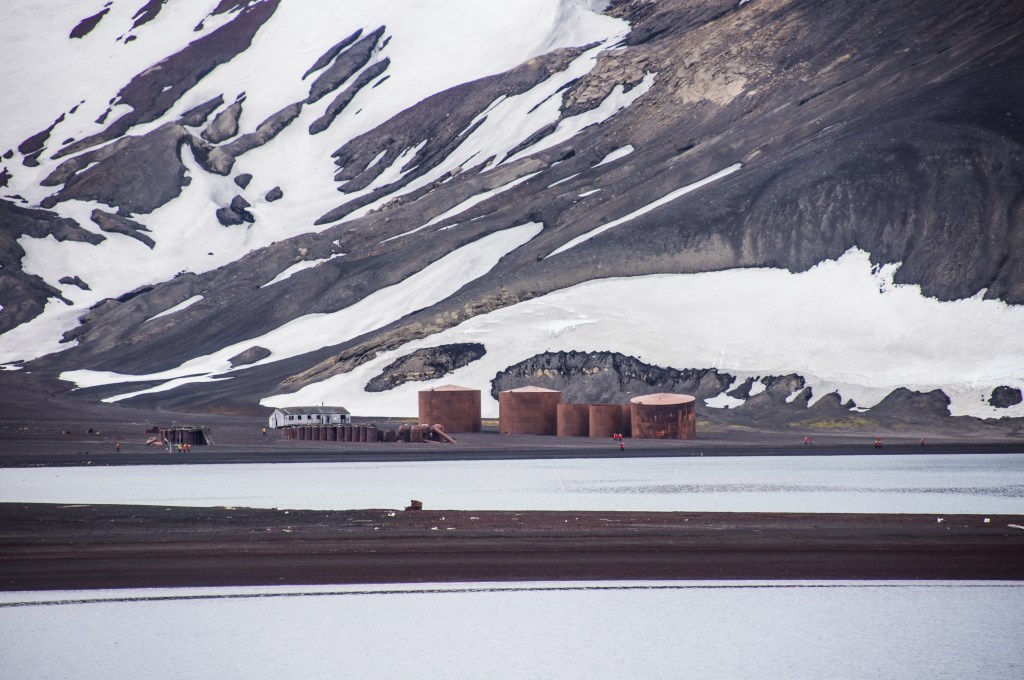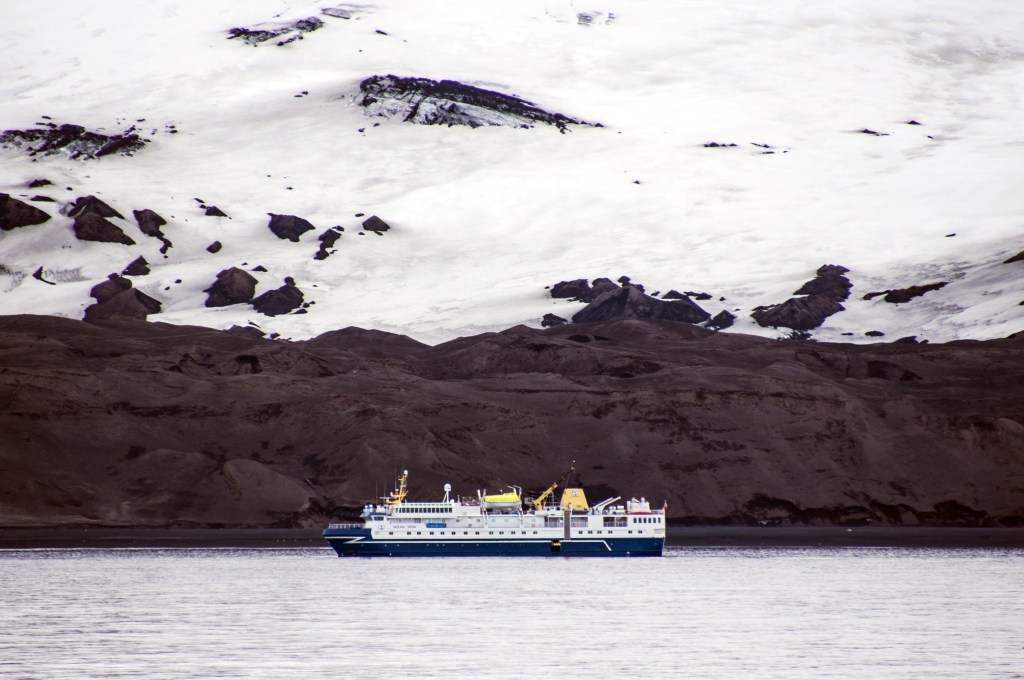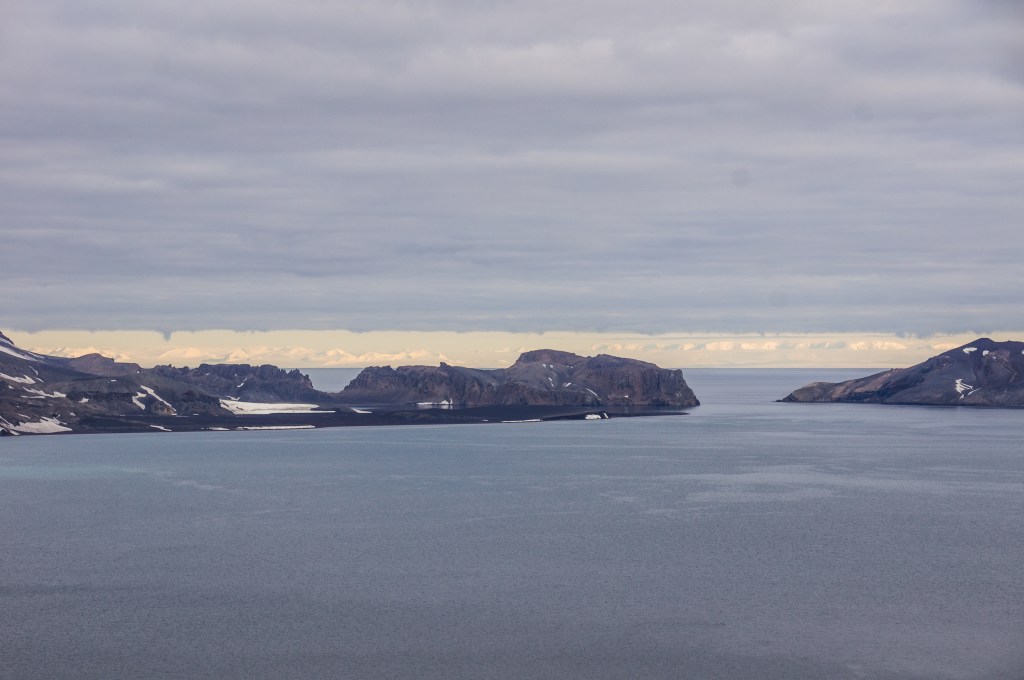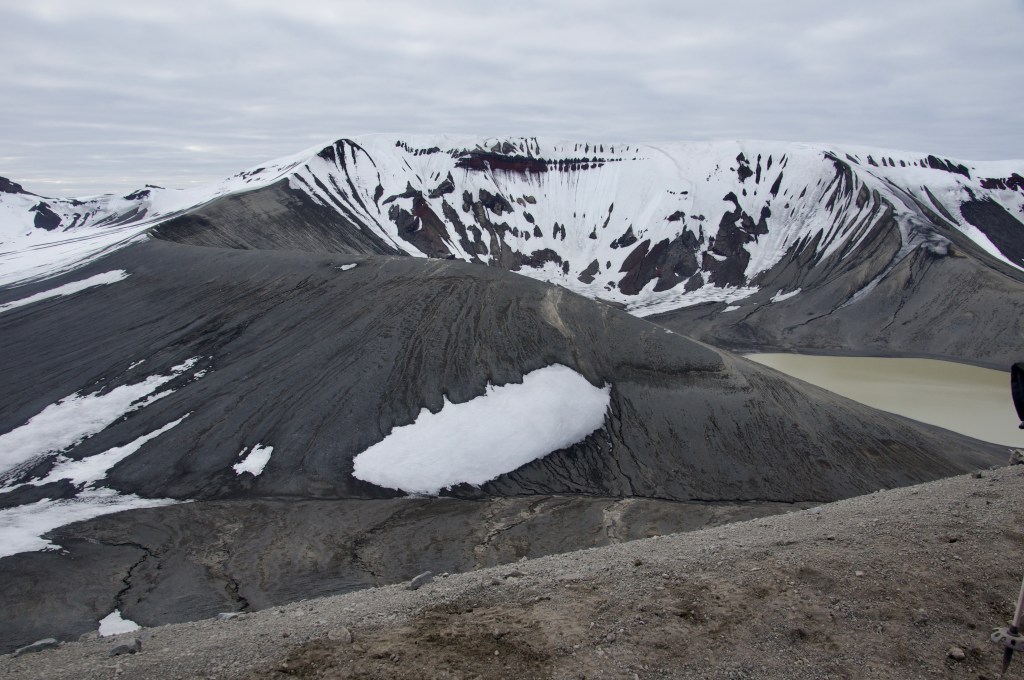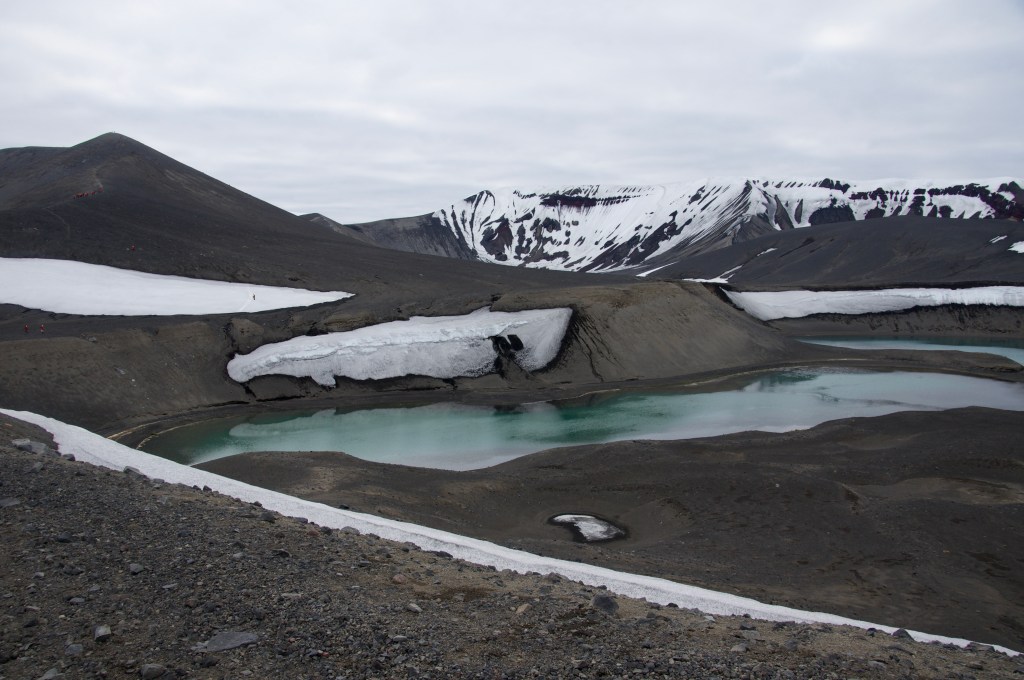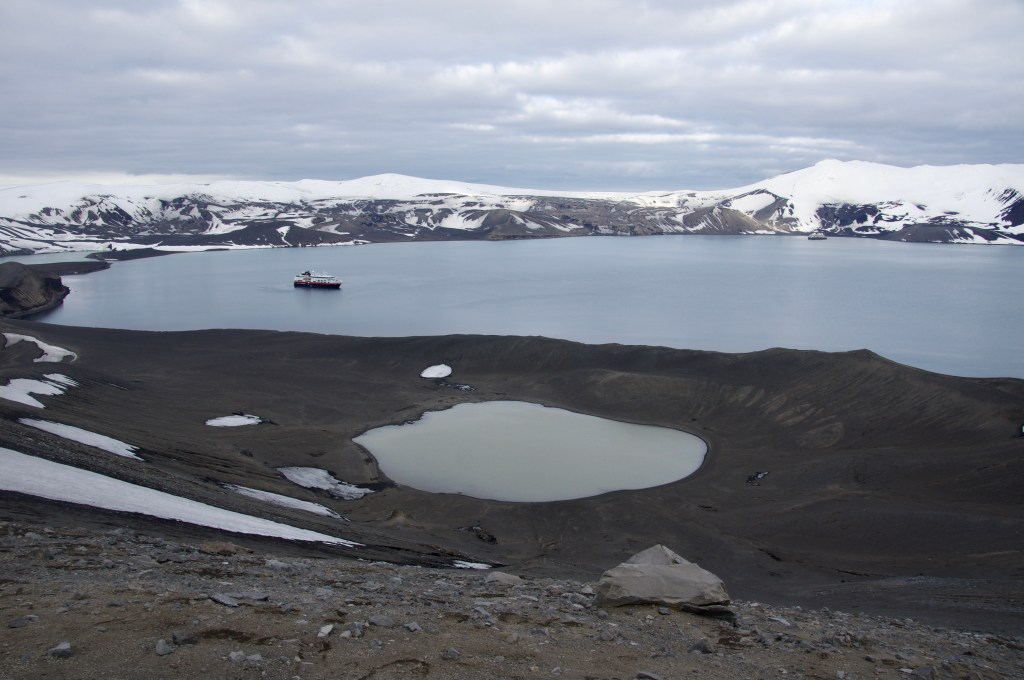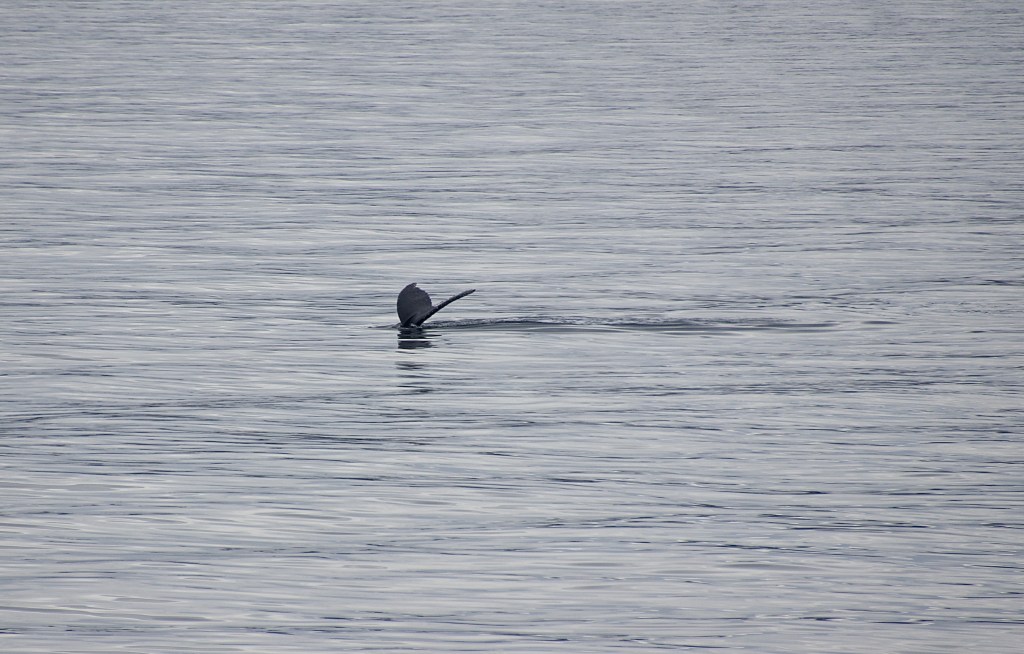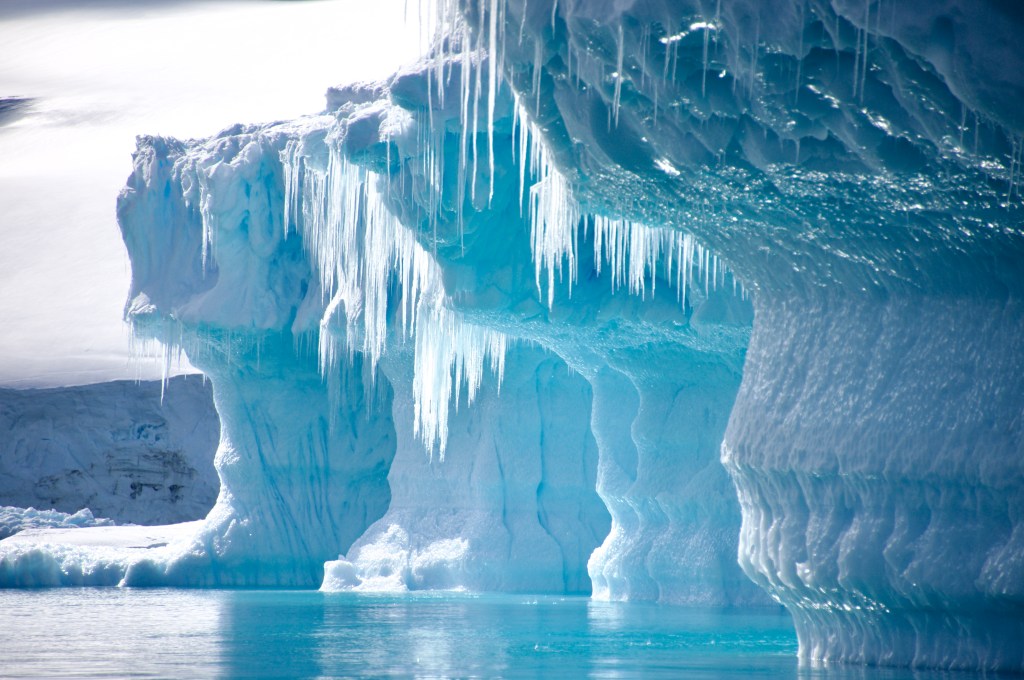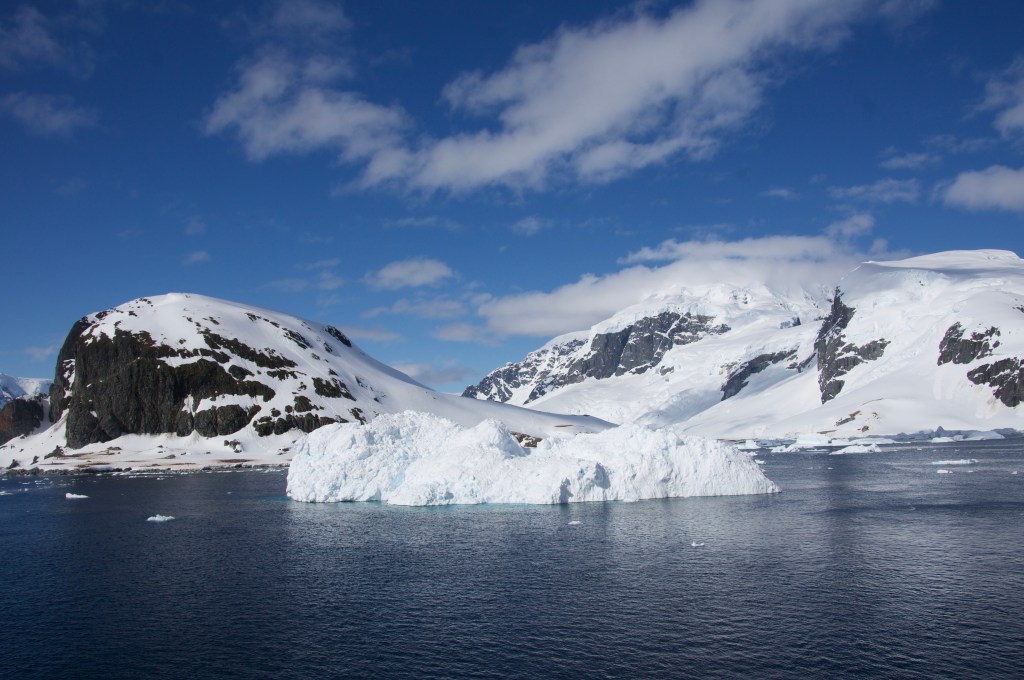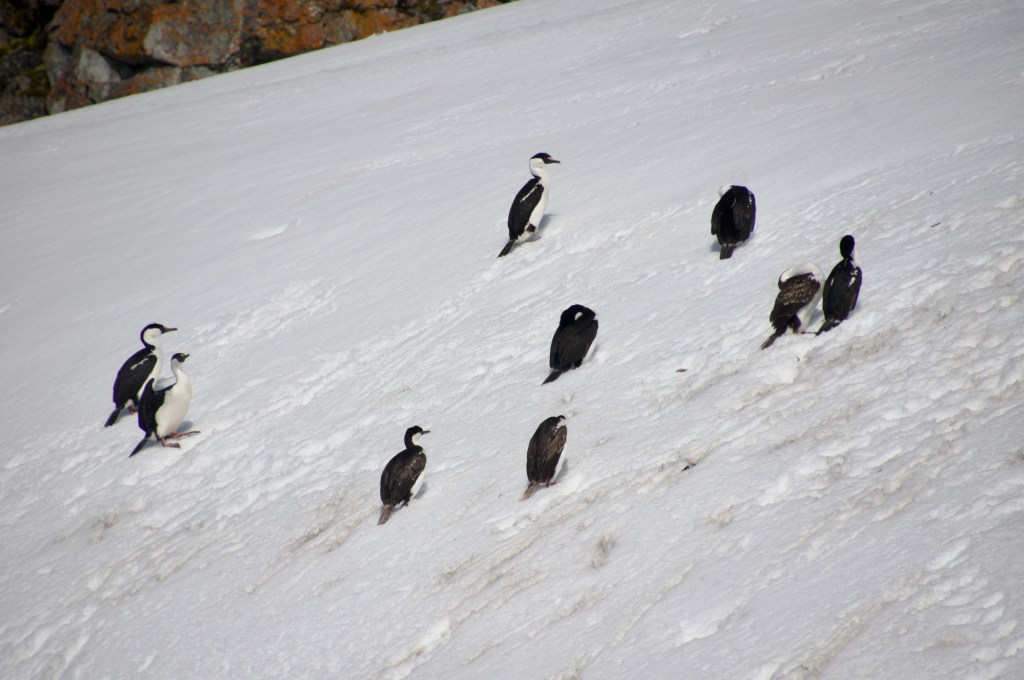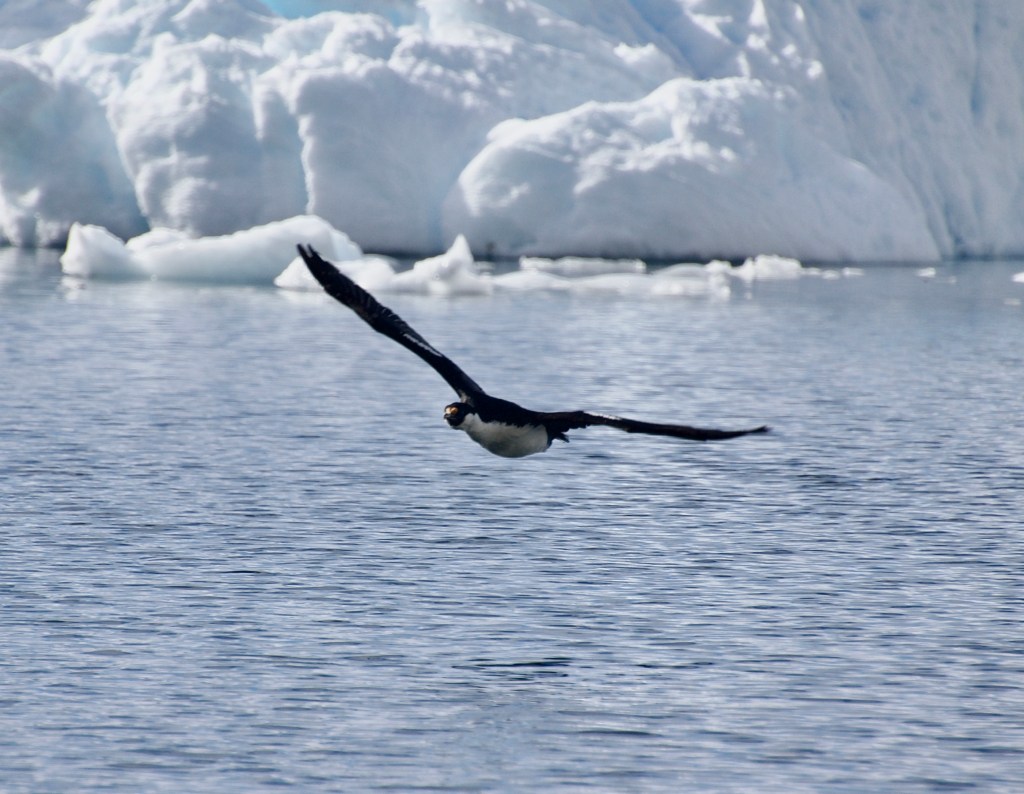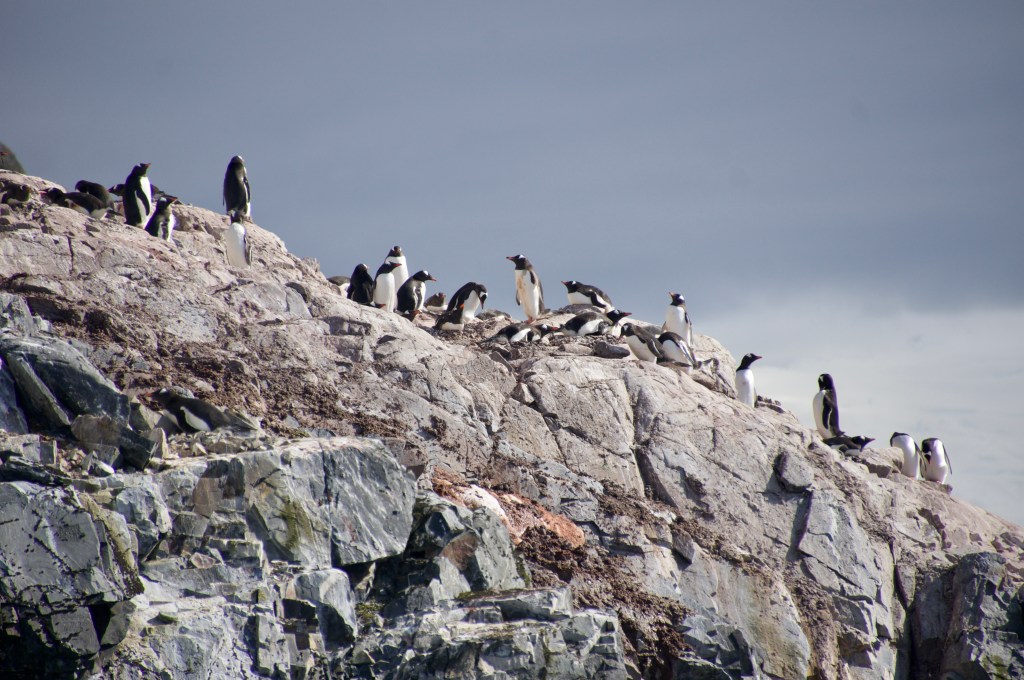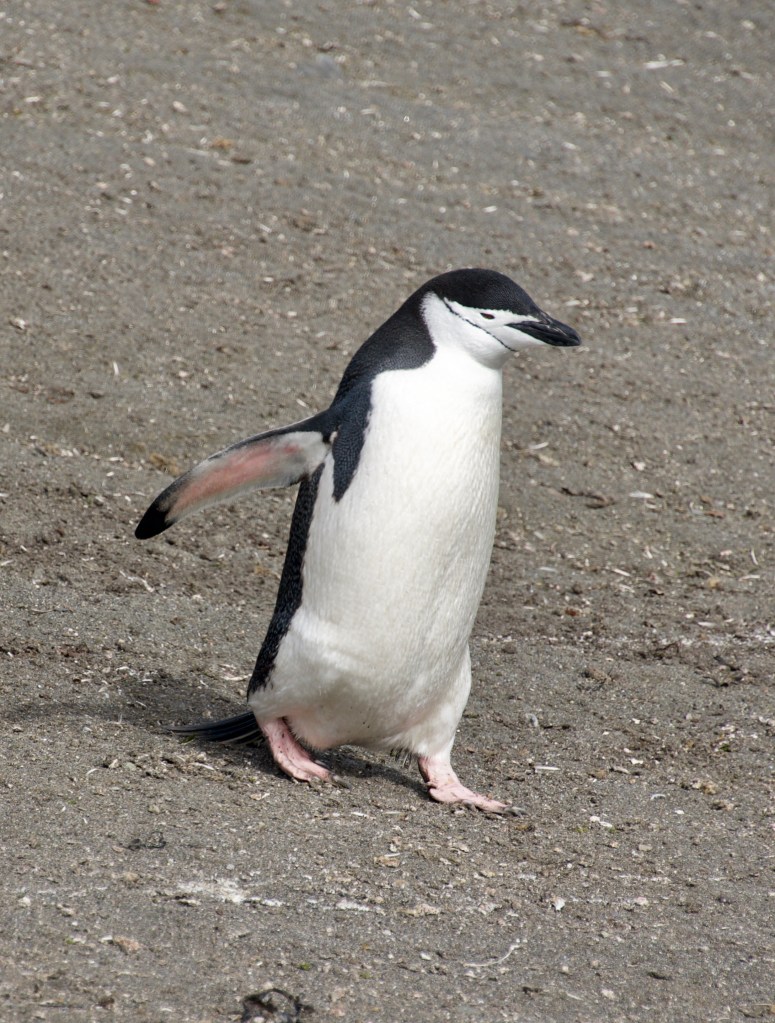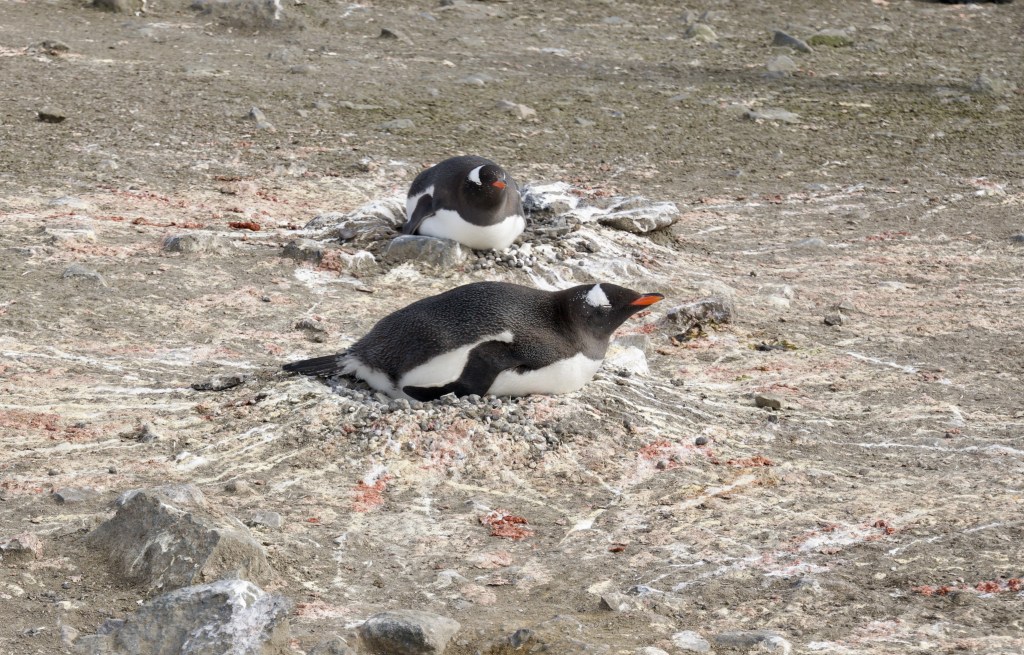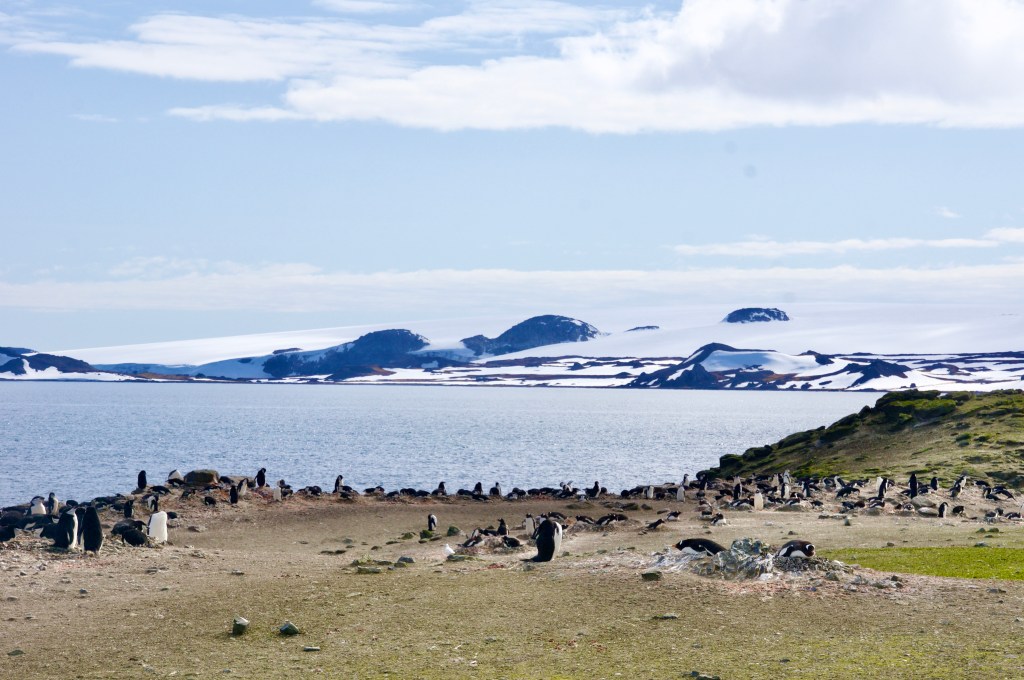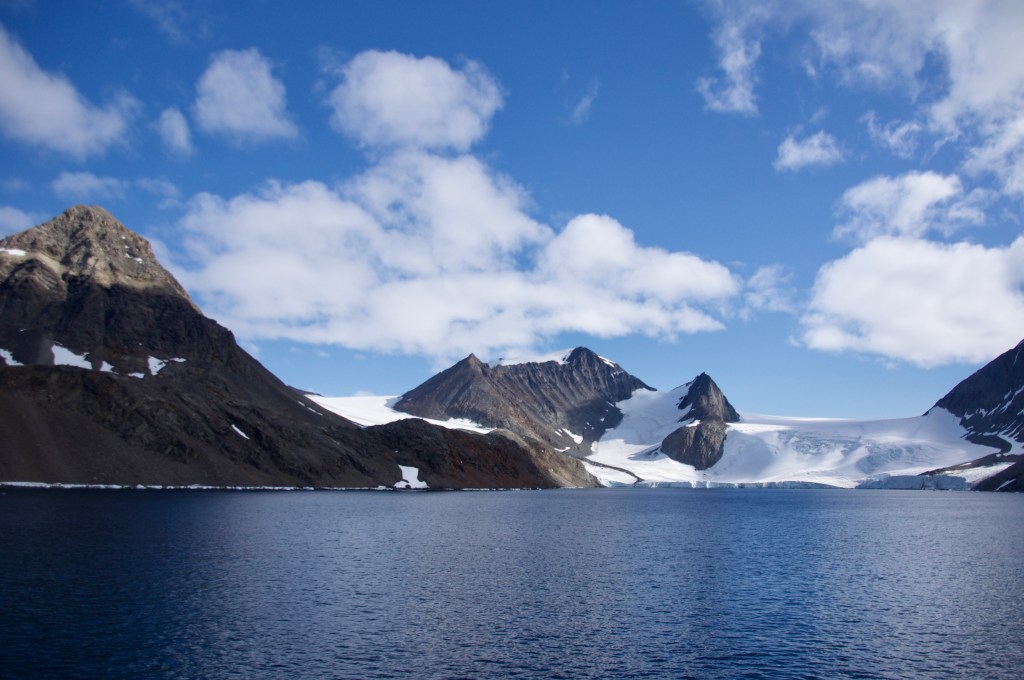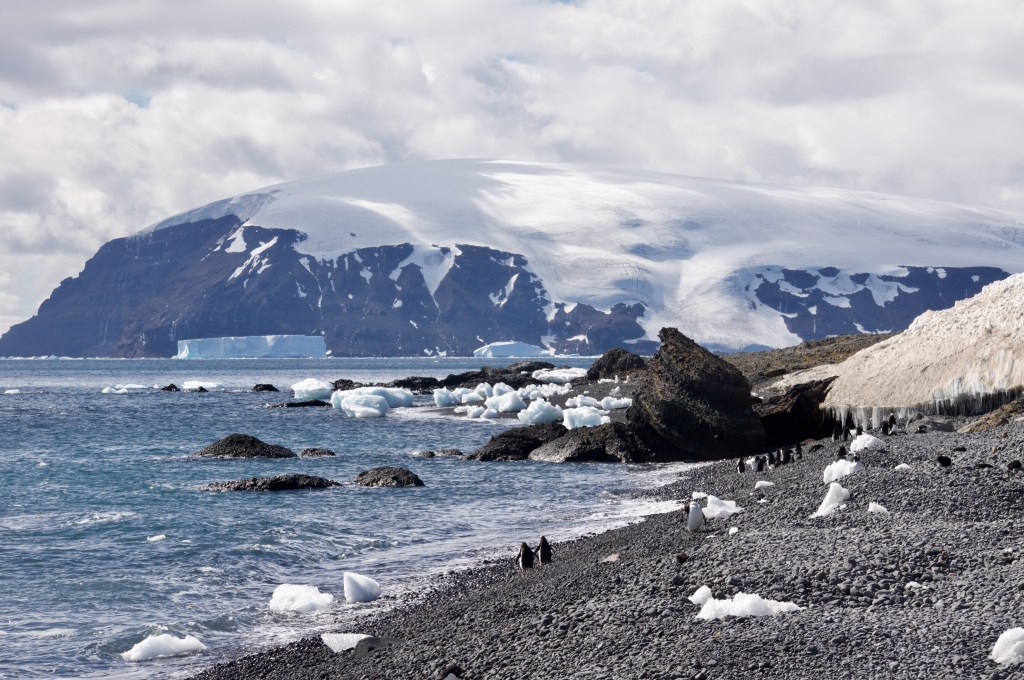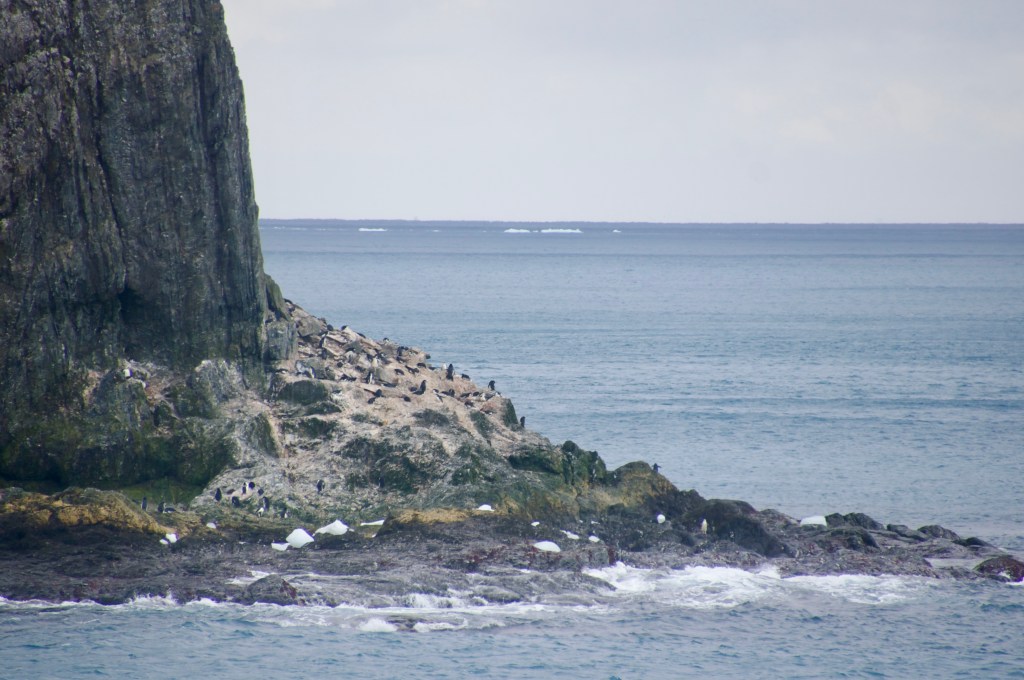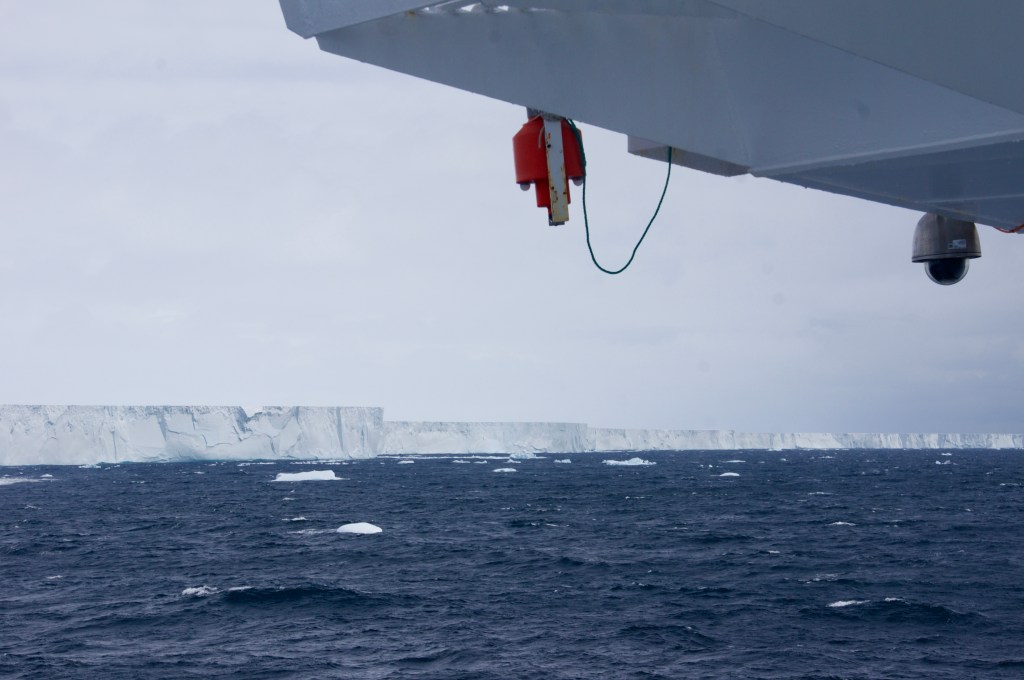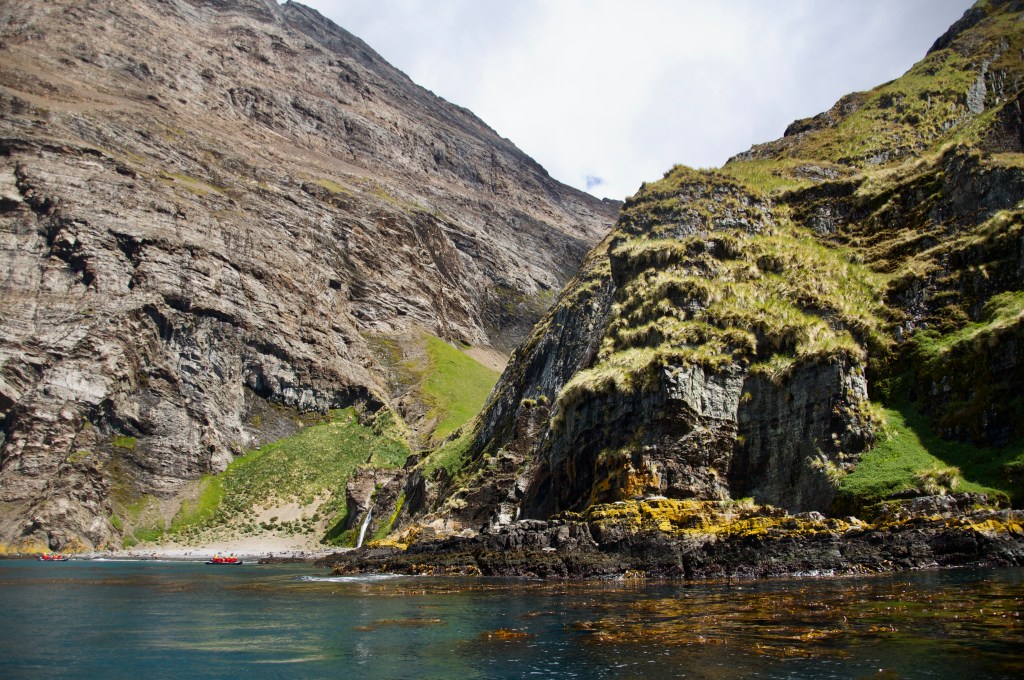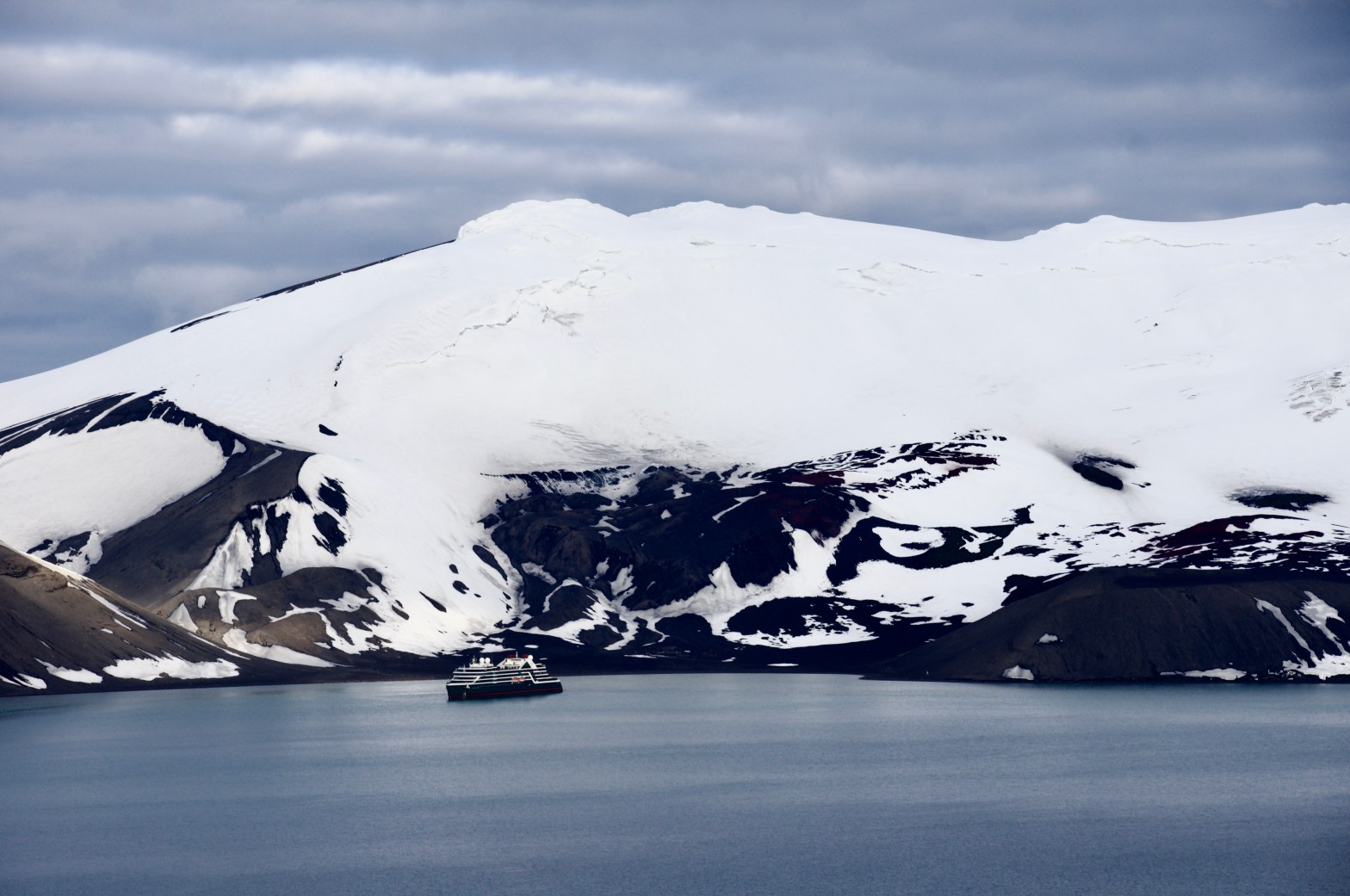
The curiously named Aitcho Islands get their name from ’H.O.’, i.e. Hydrographic Office of the UK Admiralty who mapped them in 1935. These days the inhabtants are mostly gentoo and chinstrap penguins (below a chinstrap).
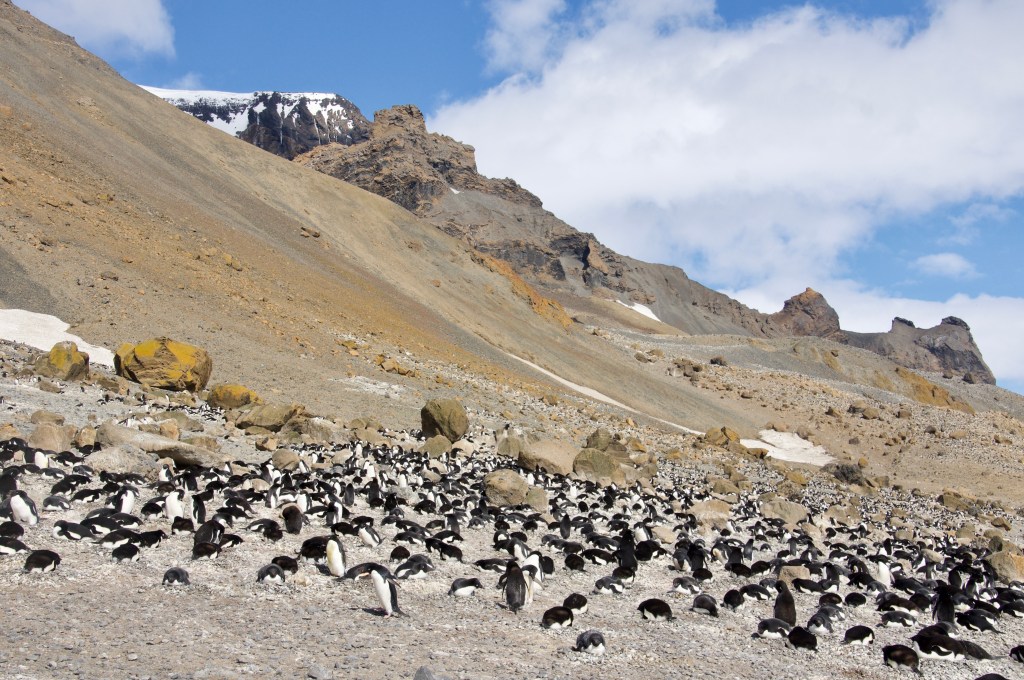
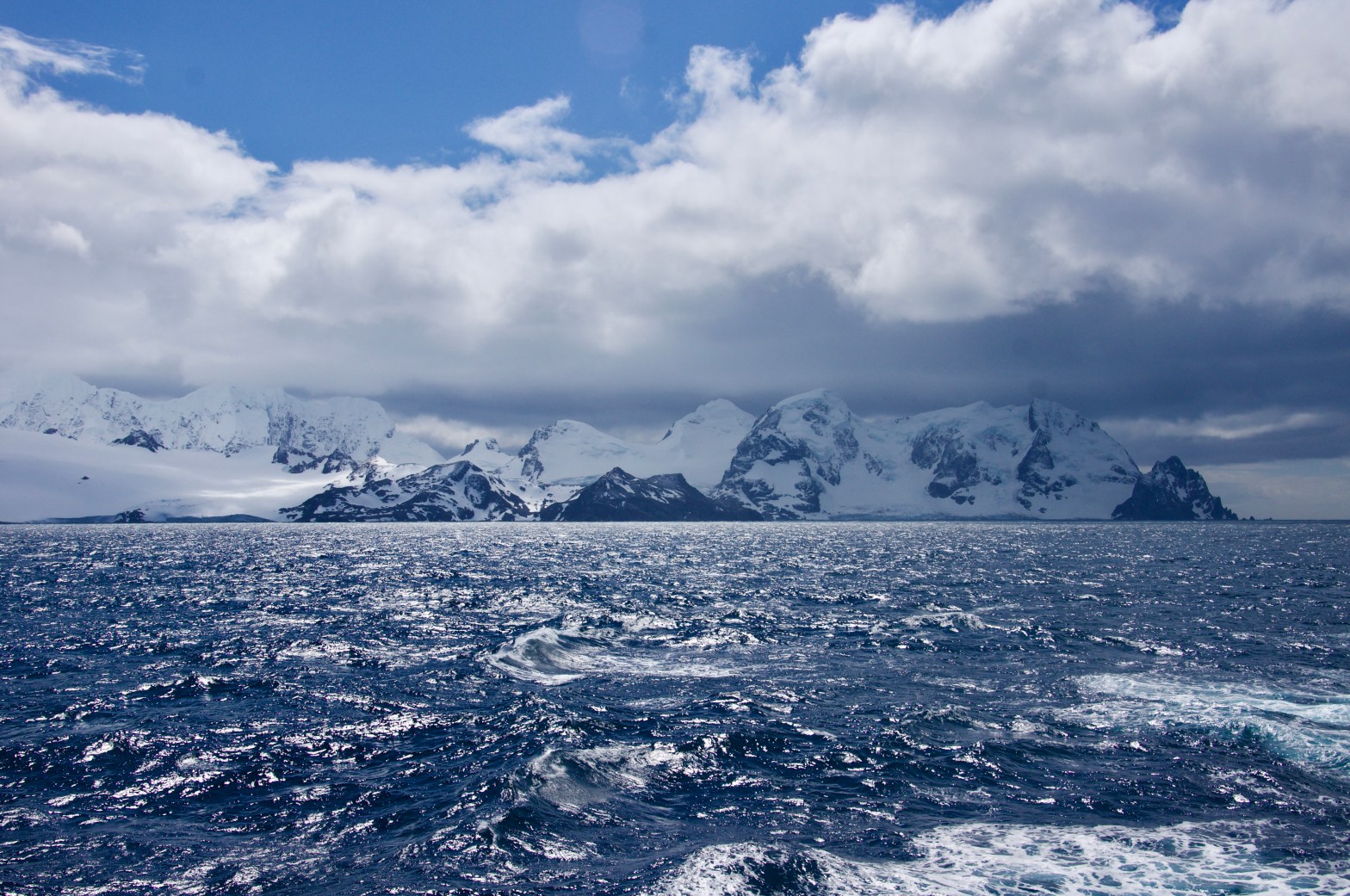
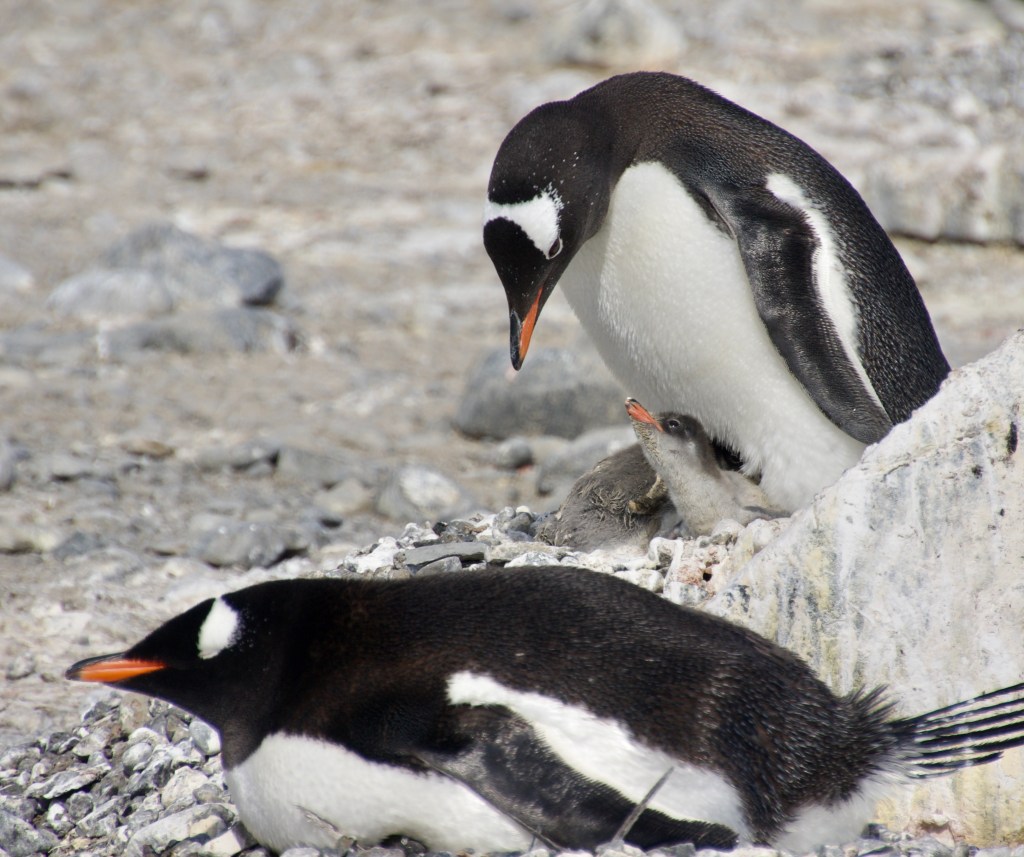
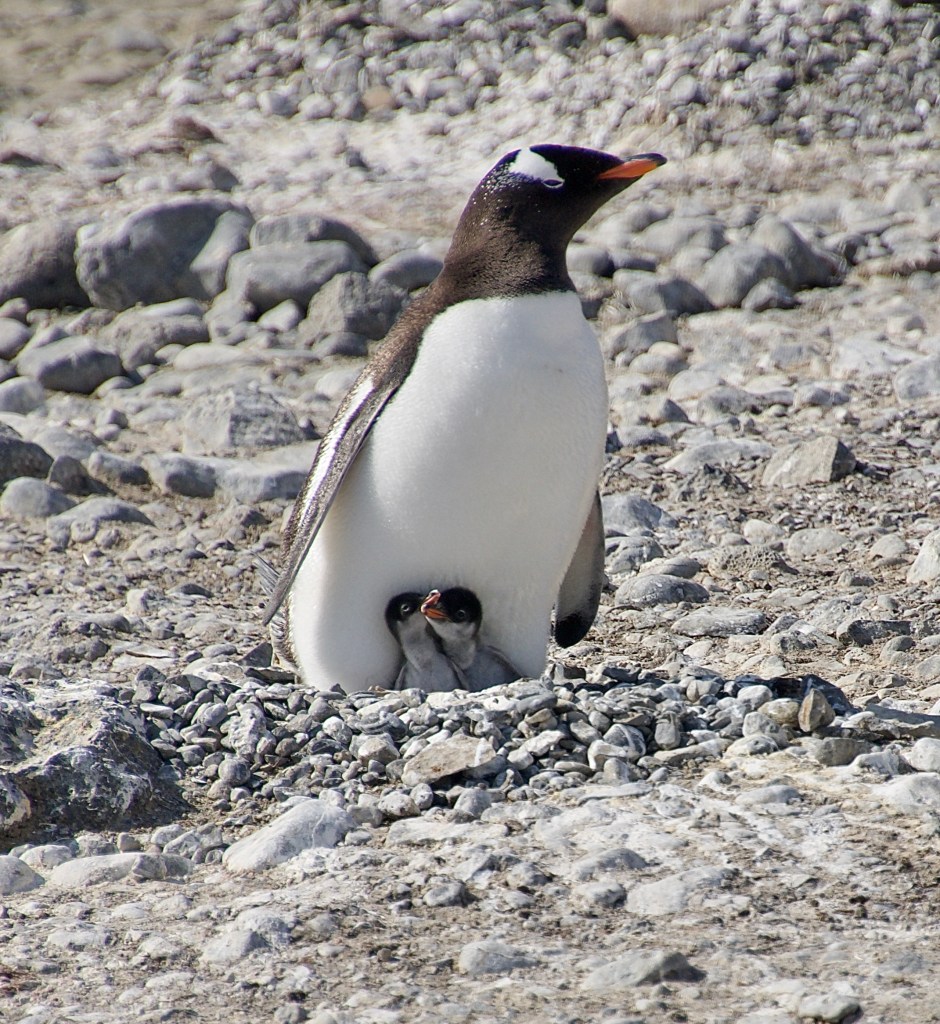
As this is peak hatching time, many gentoos had chicks peeking out from between their legs, where it is safe and warm.
Unfortunately the penguins’ toilet habits are not up to modern standards and the nests are surrounded by distinctive guano stripes.
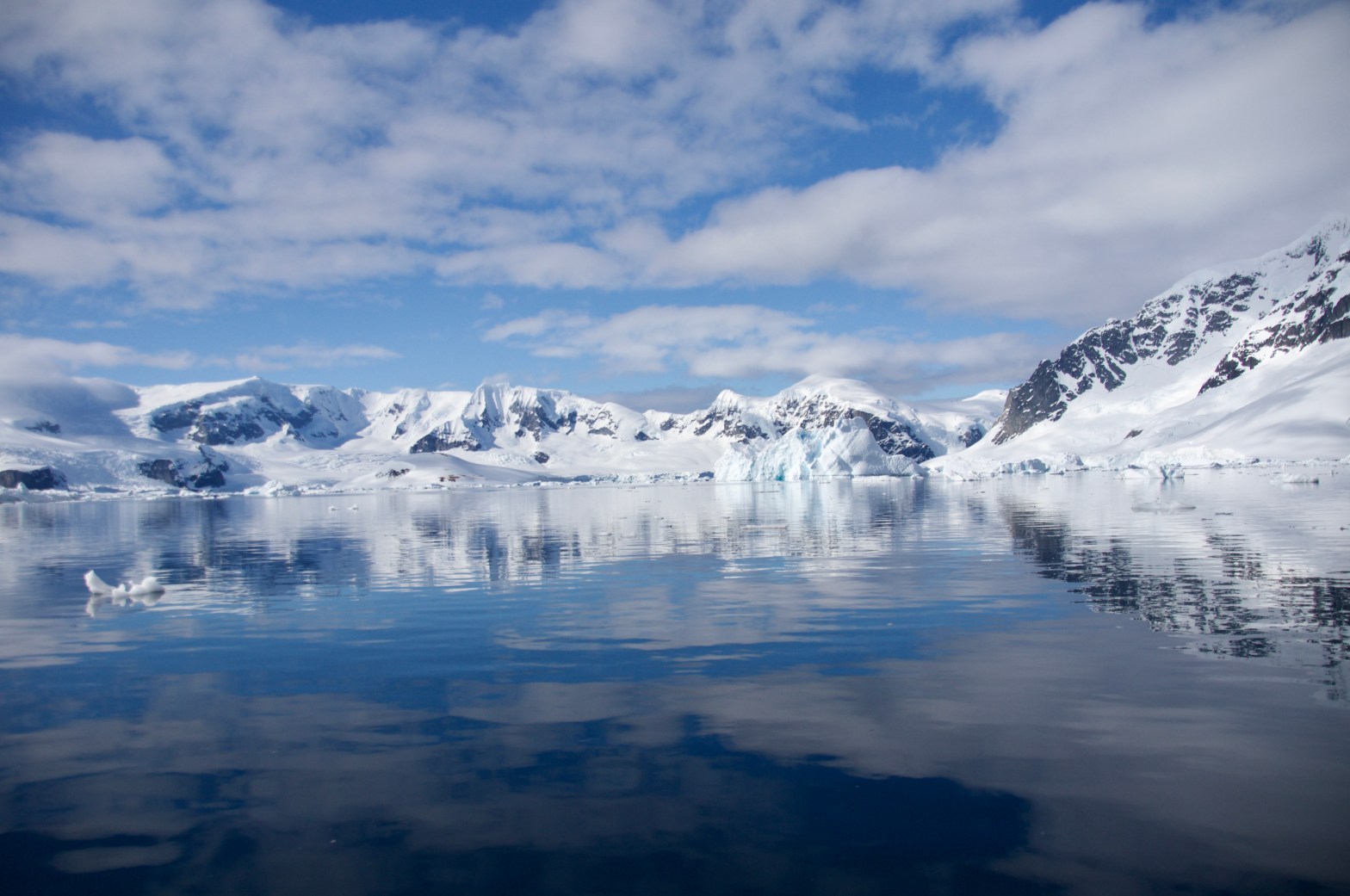
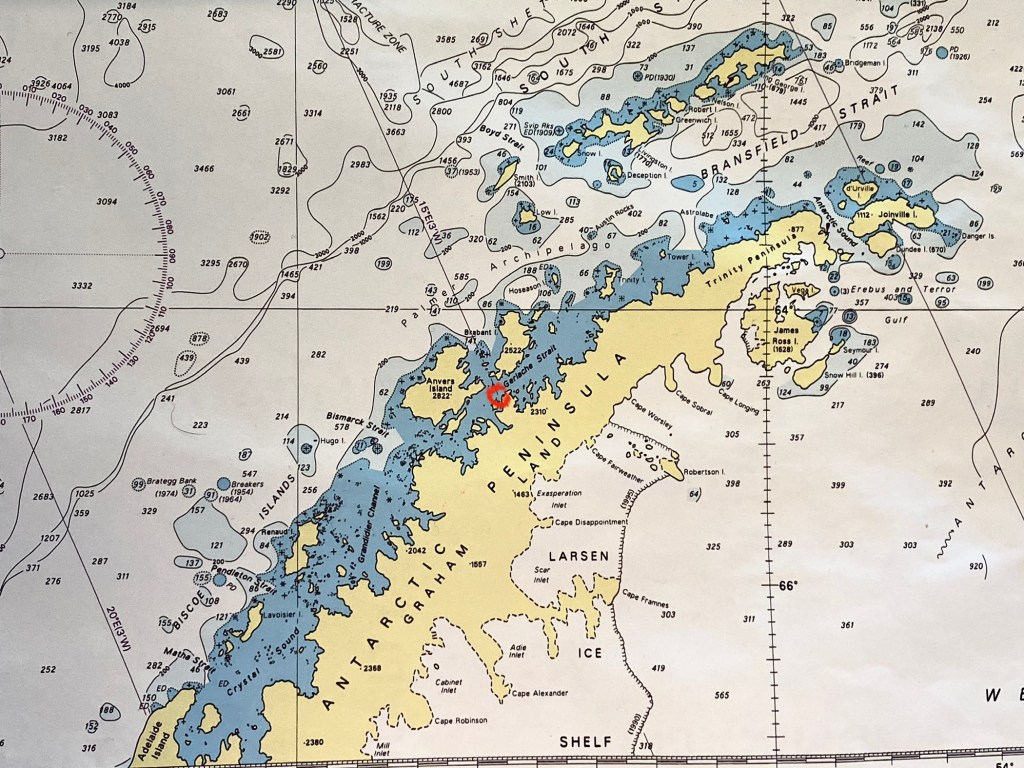
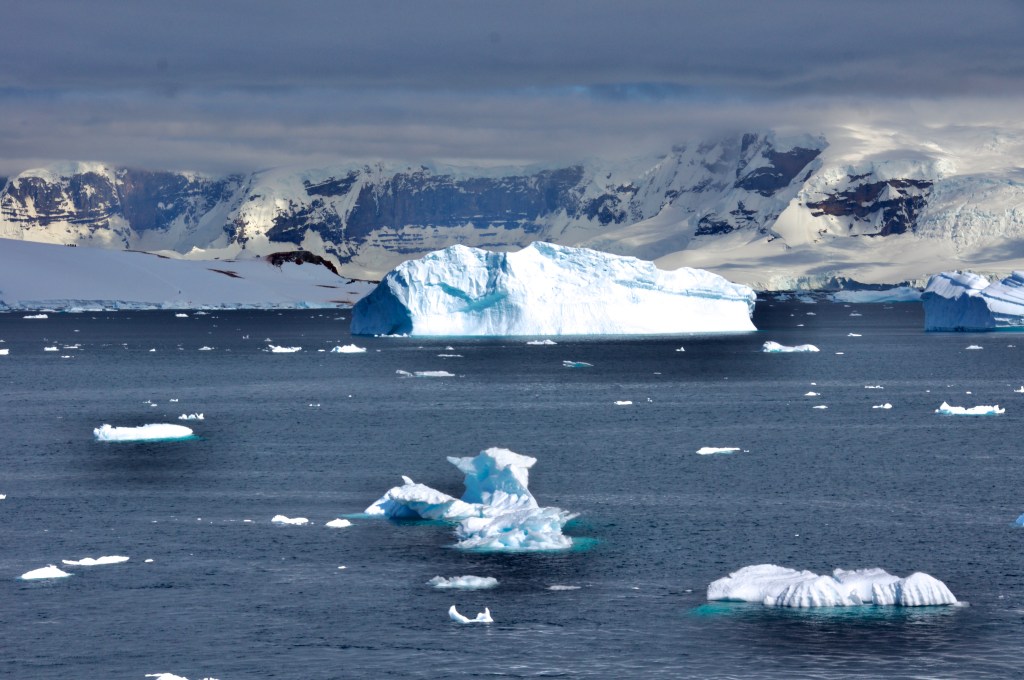
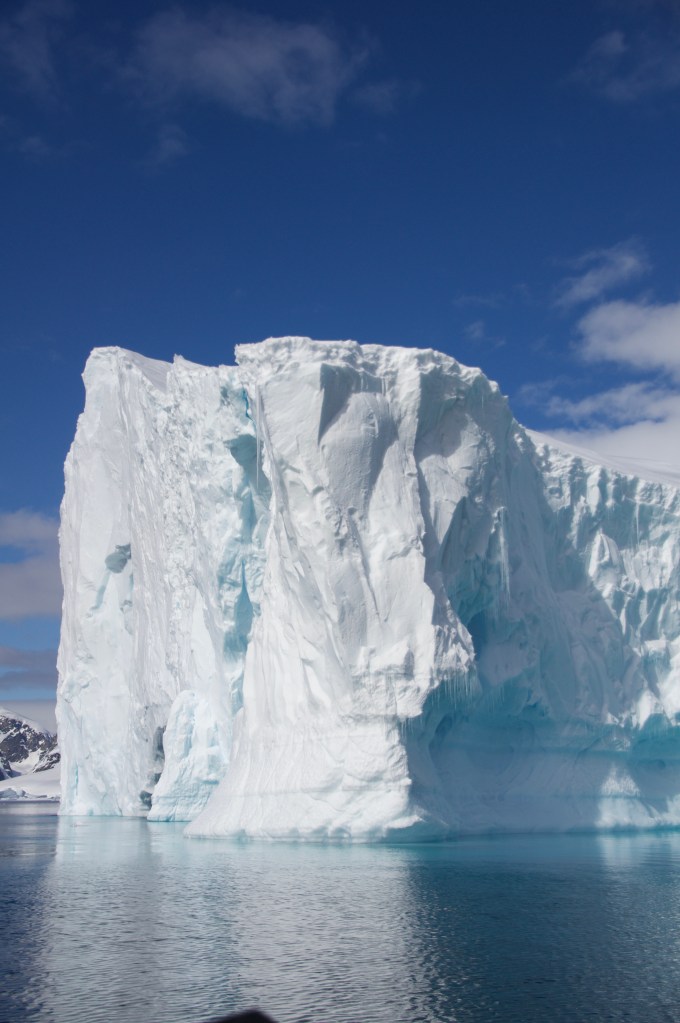
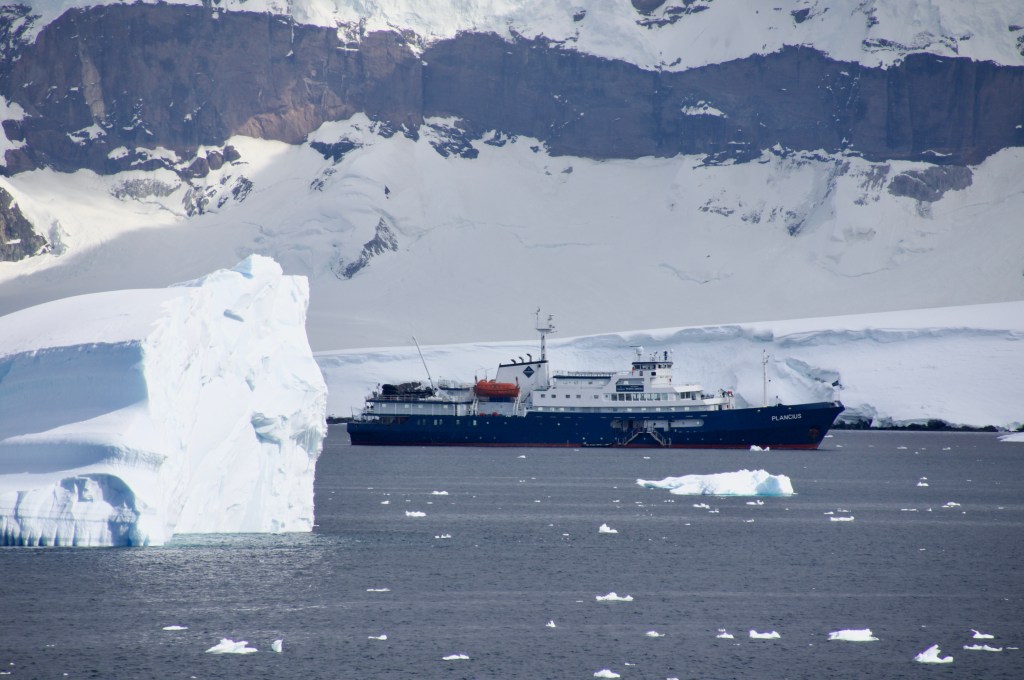
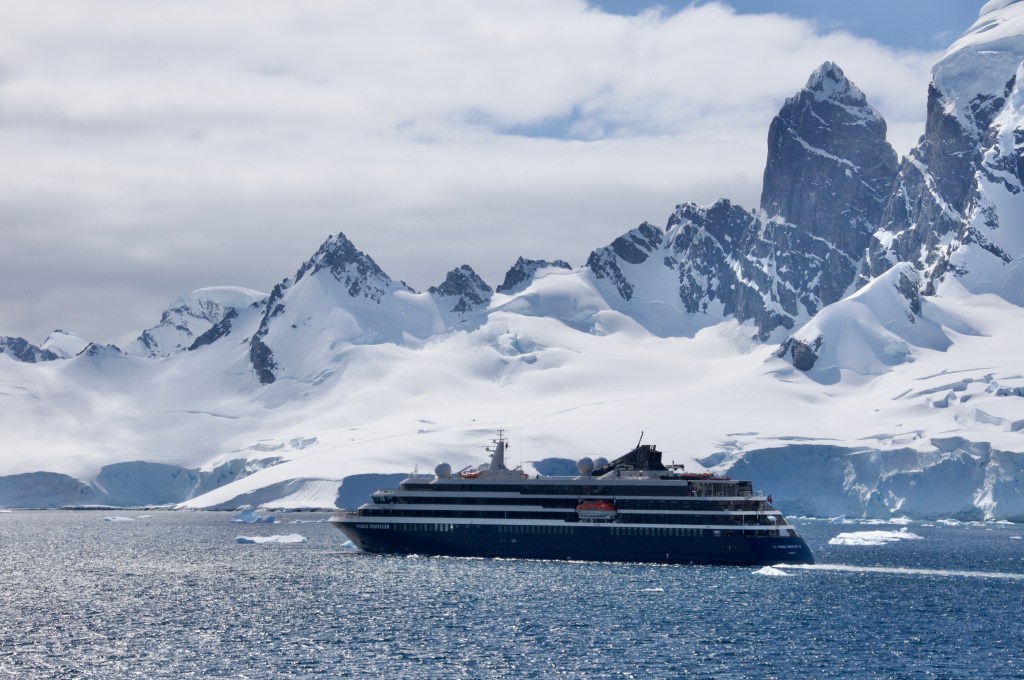
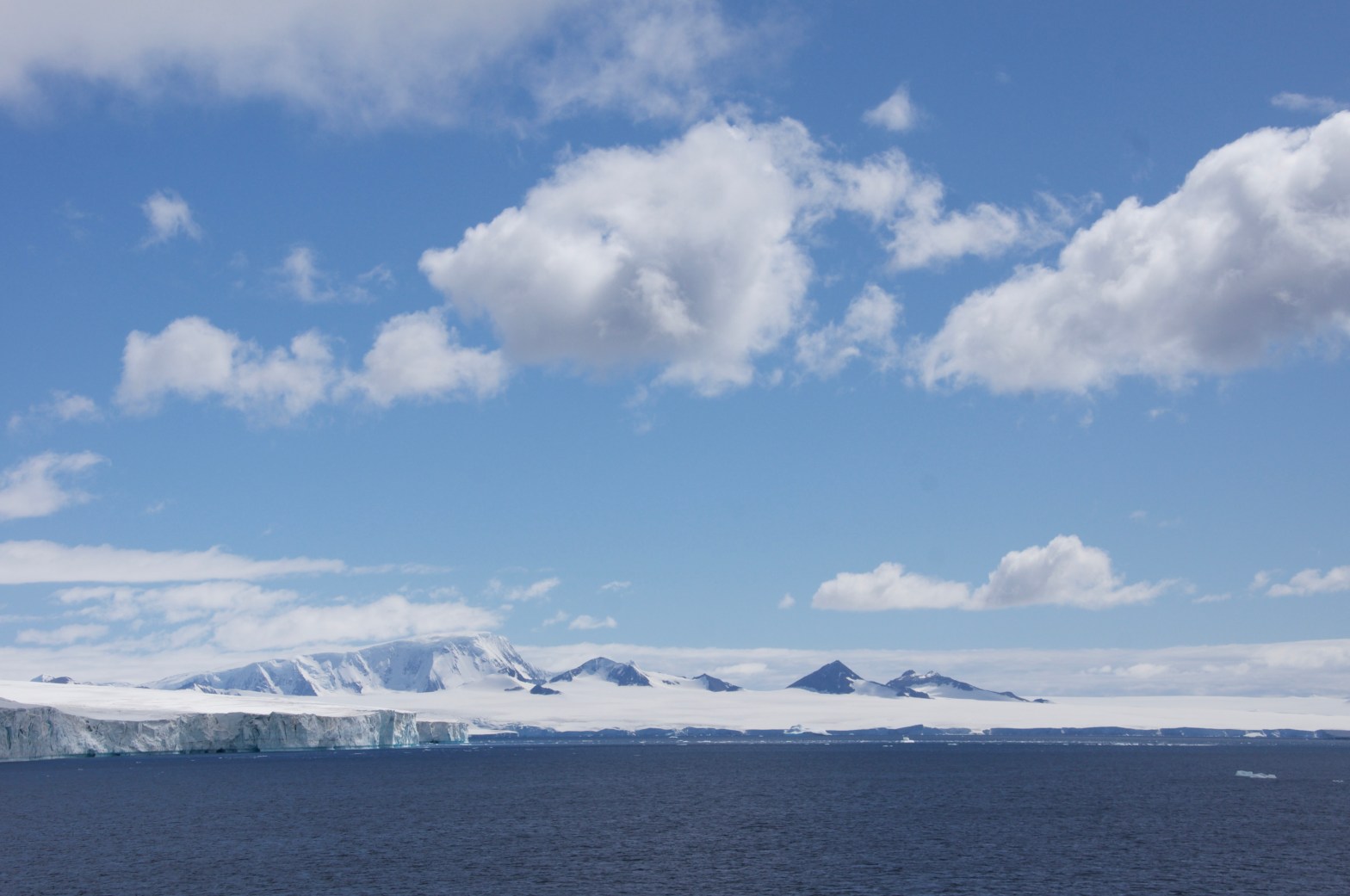
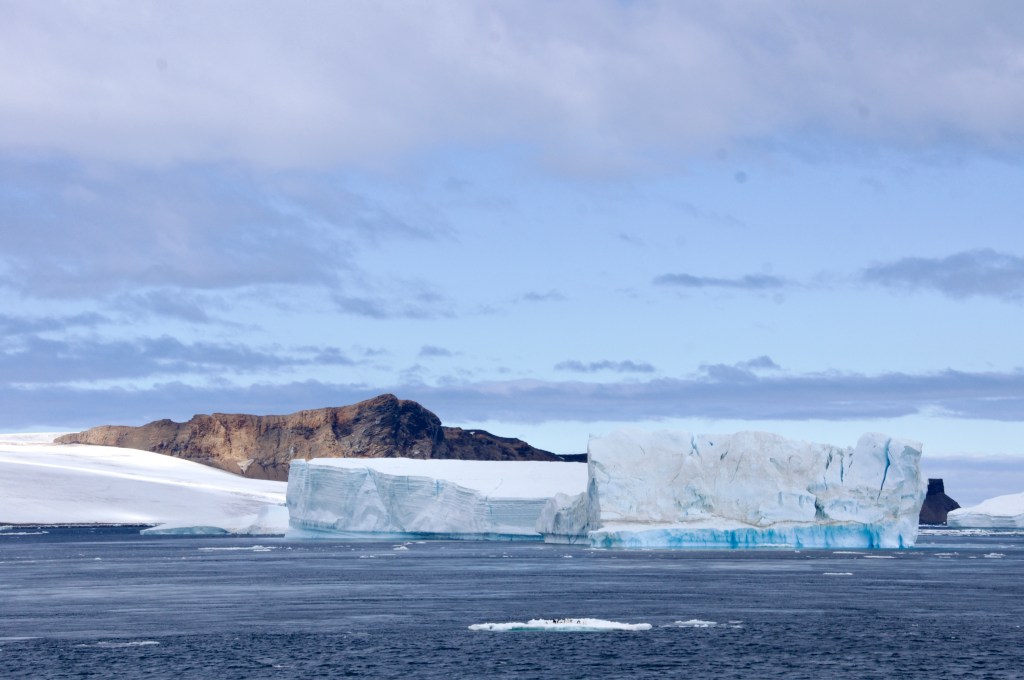
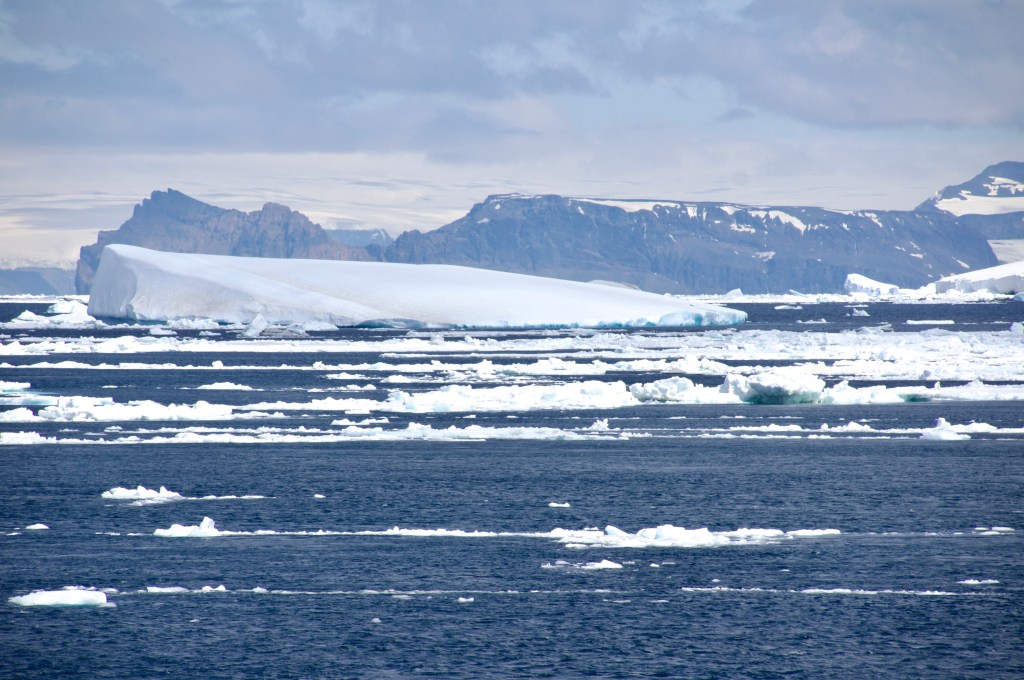
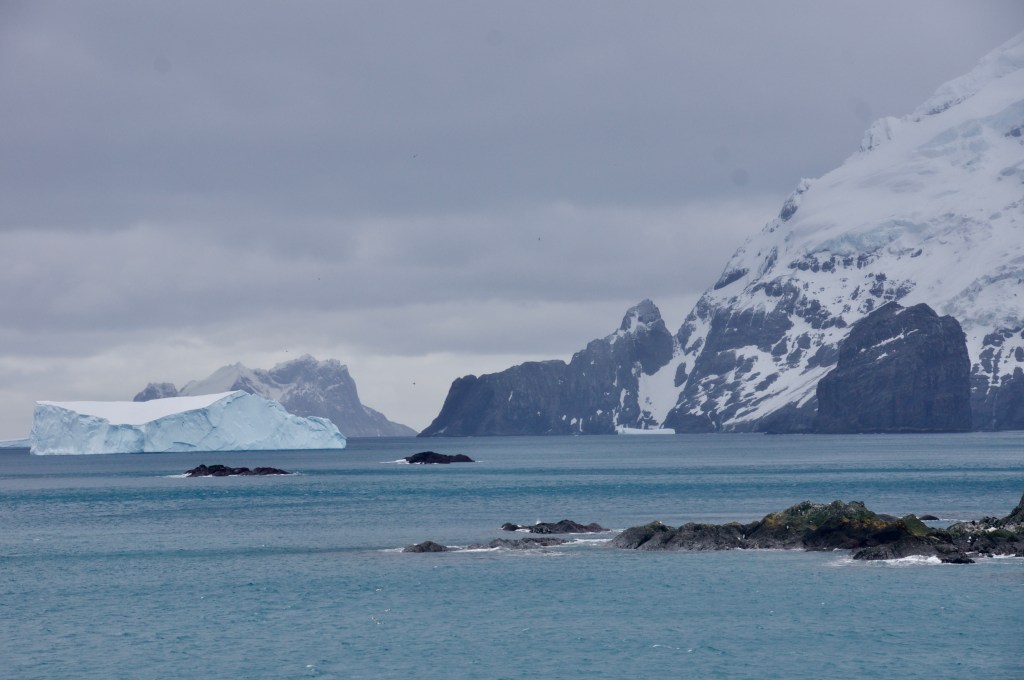
Antarctic Sound separates the continent from the island of Joinville. The sound is 56 km long and 13 – 22 km wide and has been nicknamed ’Iceberg Alley’ as numerous icebergs drift northwards through it.
The rapidly changing weather conditions and the drifting icebergs create a dance of blues and whites that is strangely fascinating.
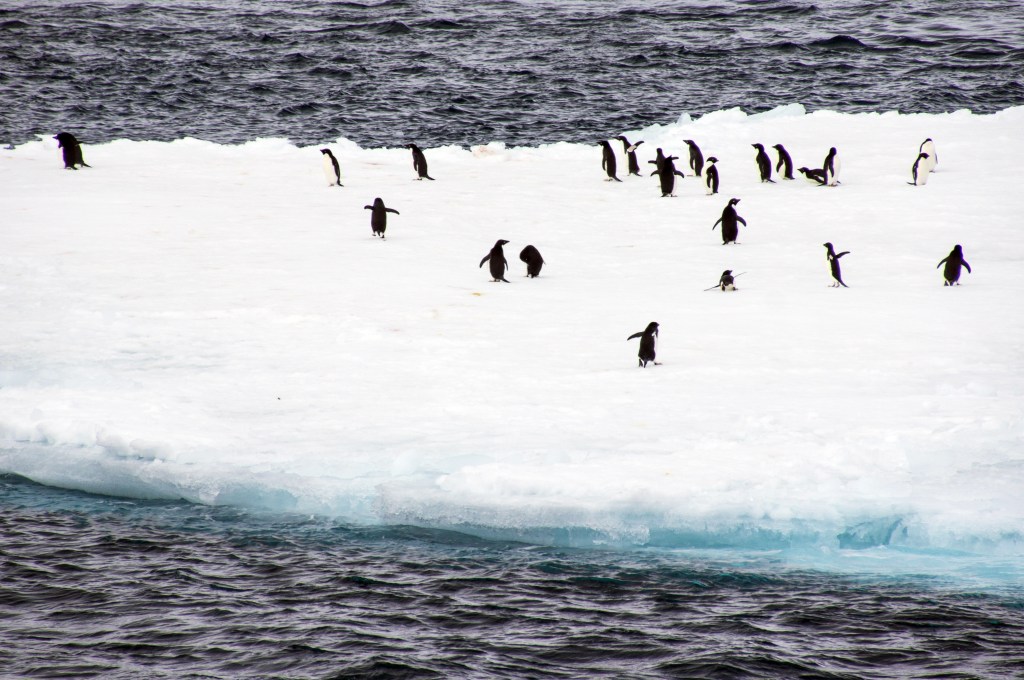
Some of the floating ice sheets have passengers on them.
Hope Bay is a small sheltered inlet in the northern part of the bay, with a penguin colony and several glaciers. In 1952 it was the scene of the only armed incident on Antarctica, when Argentinian troops shot at members of the British Antarctica Survey. Nobody was hurt and the blame was put on a trigger-happy commander.
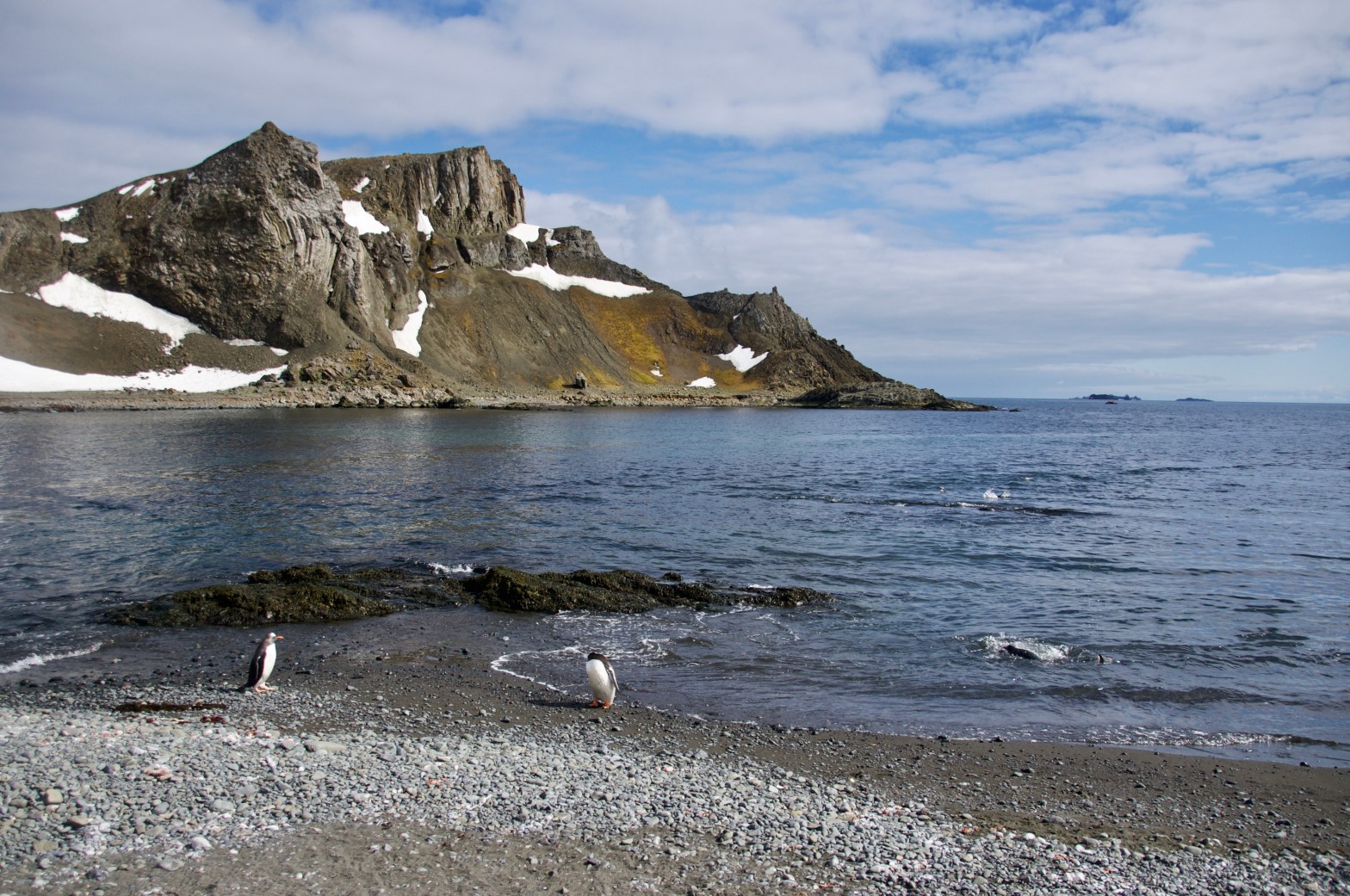
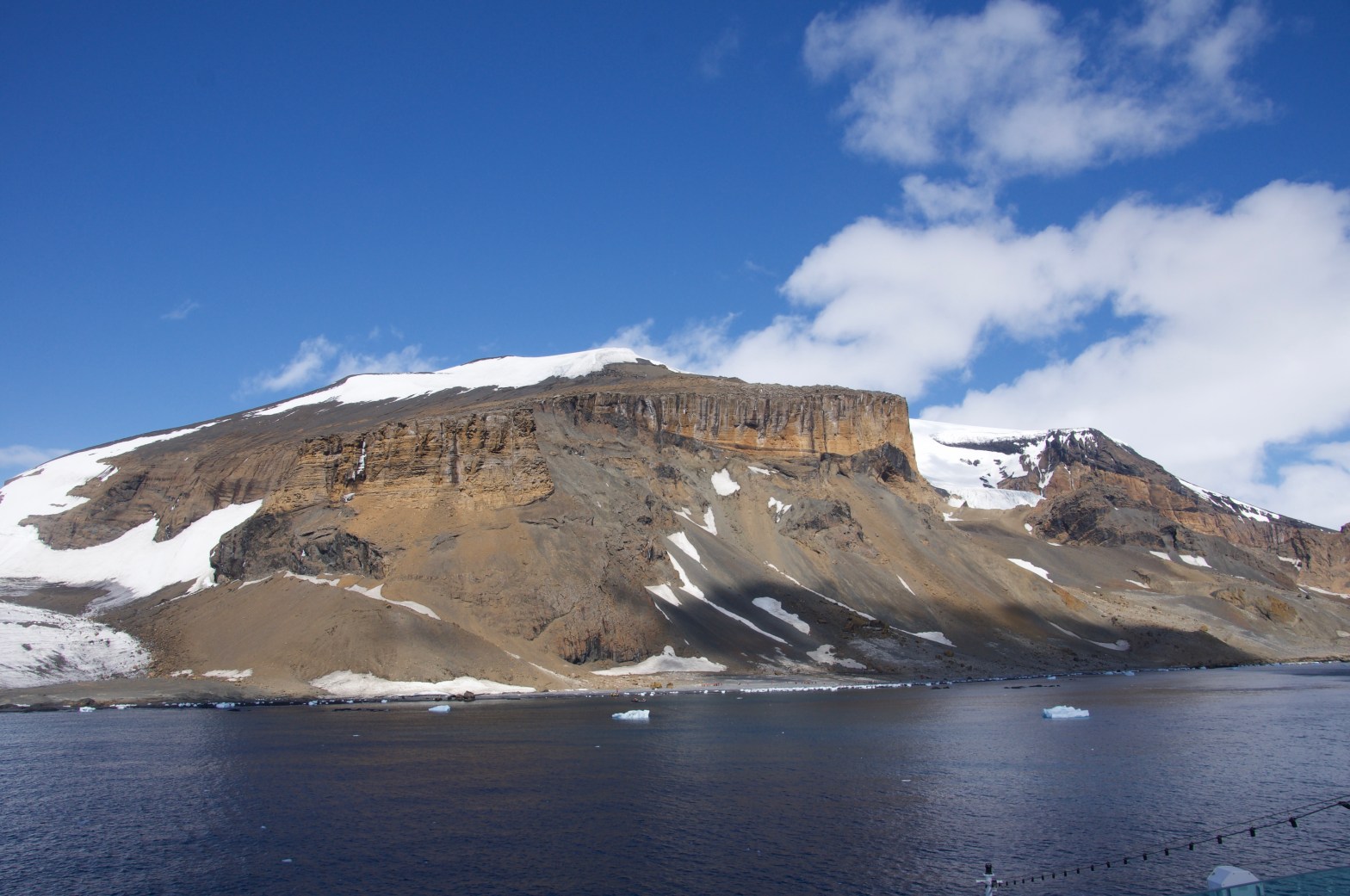
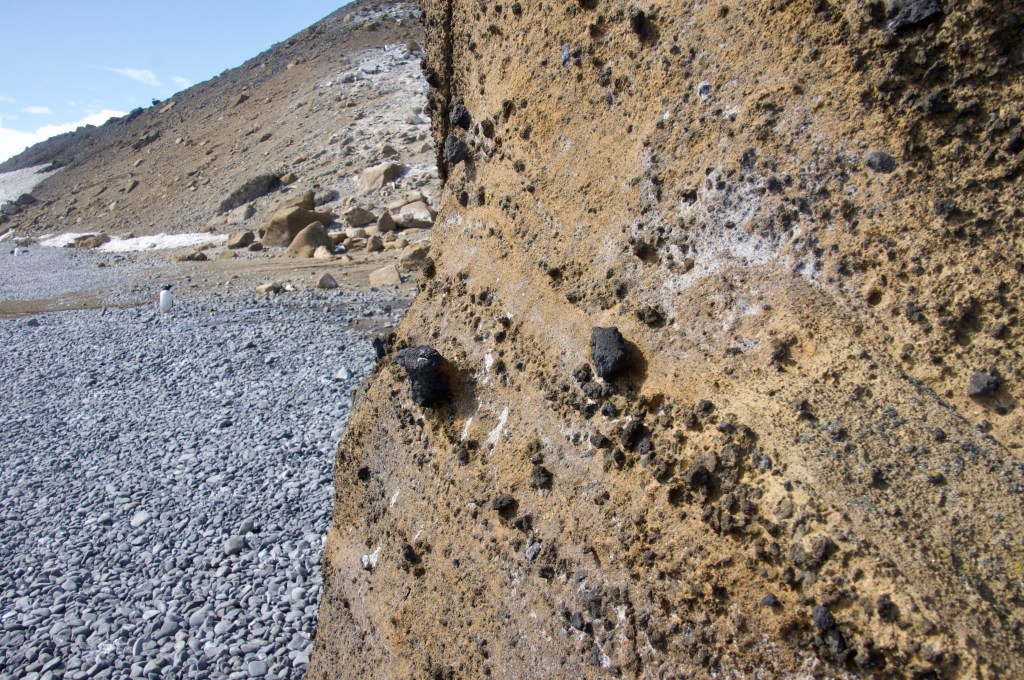
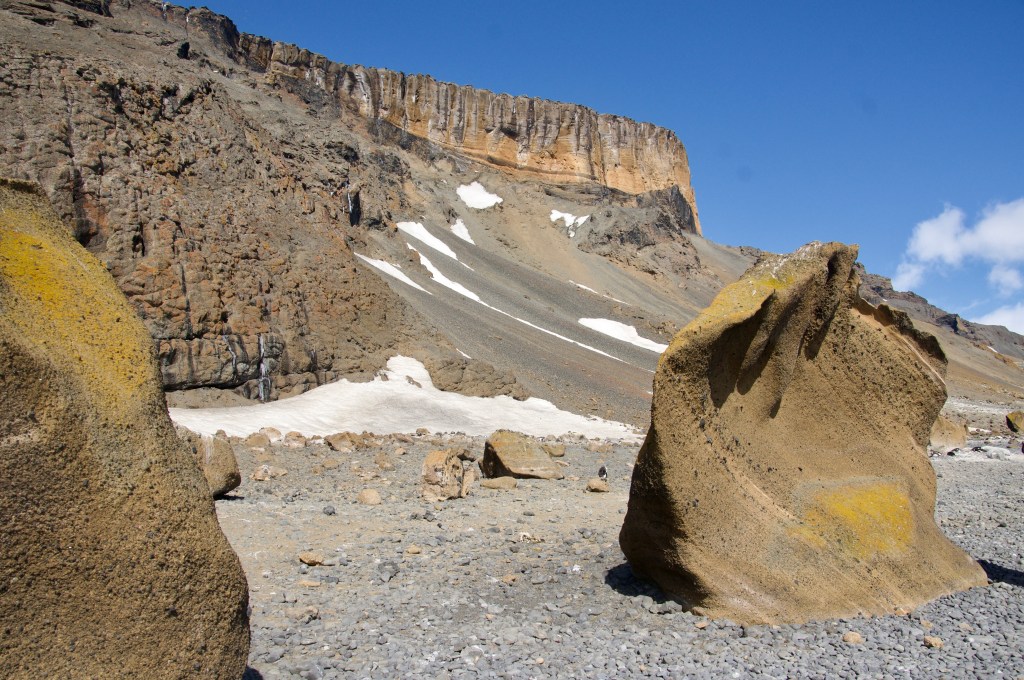
At the end of the Antarctic Peninsula stands Brown Bluff, a 745m high volcanic mountain. It has been named after its steep slopes and its brown-black stone. The stone is eroded by the constant winds (below).
The redeeming feature of the mountain is the cobble and ash beach at its seaside. Elsewhre it is surrounded by permanent ice and glaciers.
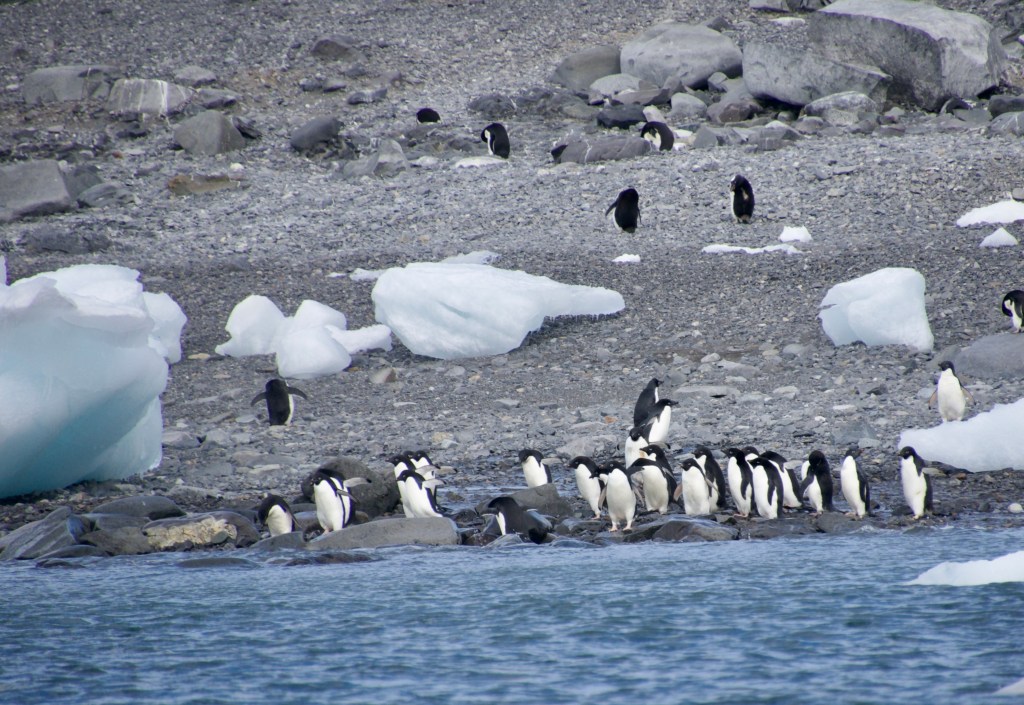
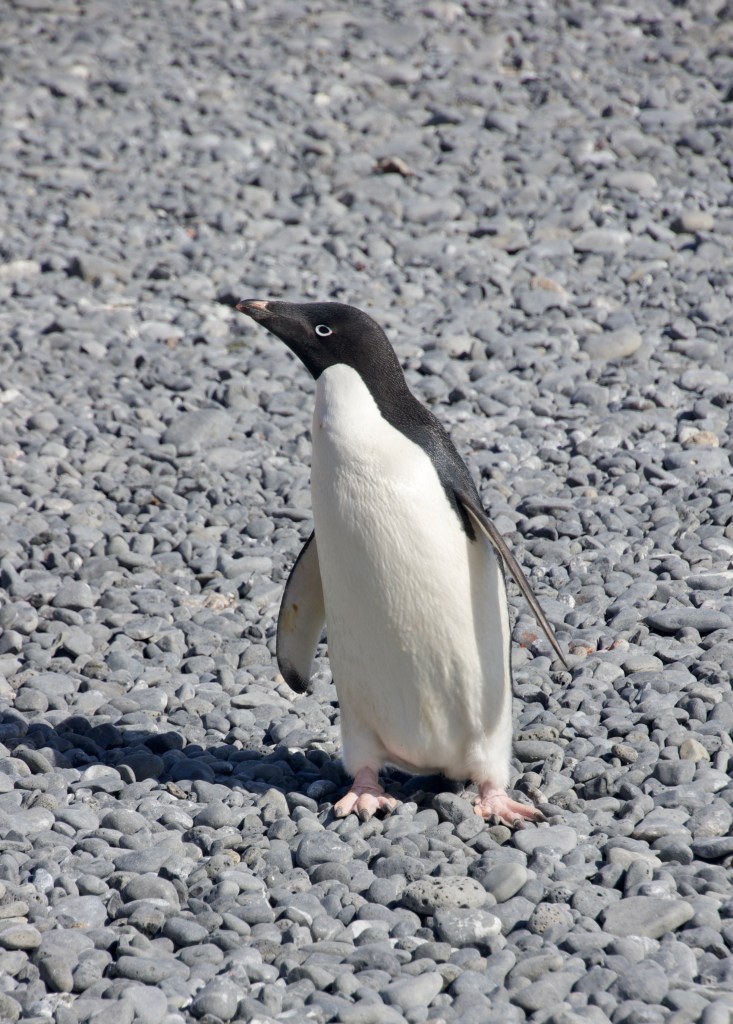
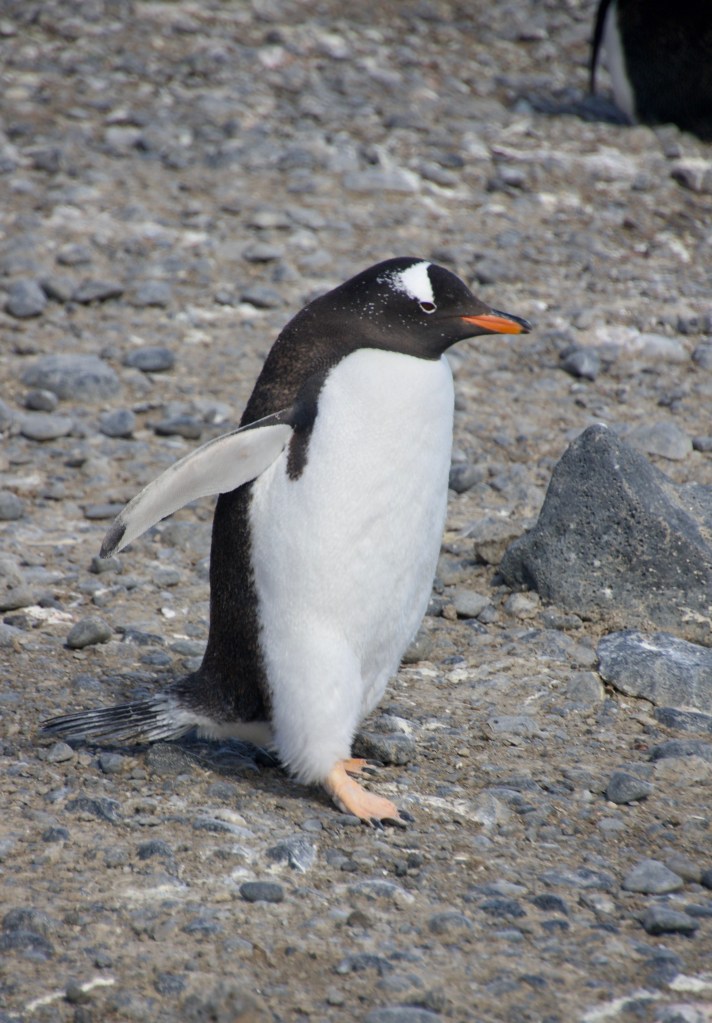
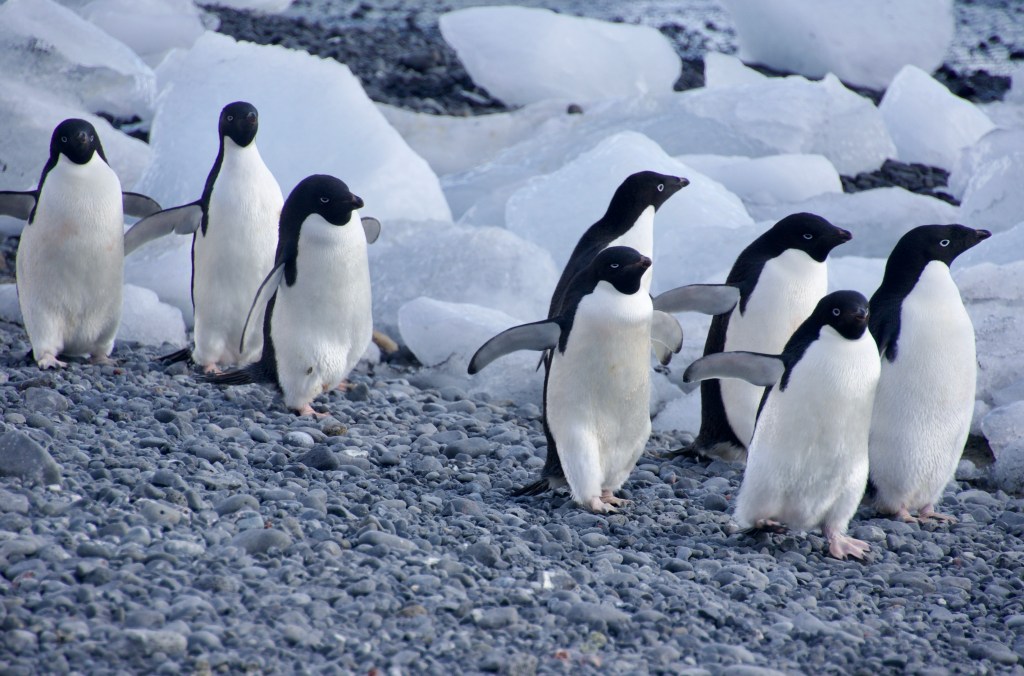
The beach provides nesting areas for a colony of Adèlie and gentoo penguins, and some seabirds. Below left an Adèlie and right a gentoo, recognisable by its white cheek patches.
This is family time for penguins. Some are collecting stones for their nests, others tending eggs, and some taking care of ther chicks.
Evidetly this place is beautiful also in a snowstorm, but my personal preference is sunshine (like today, with a temperature of -3°C). Below, Adèlie penguins on the march at the beach.
Although Adèlie penguin populations are overall declining, here there is still a sizable colony.
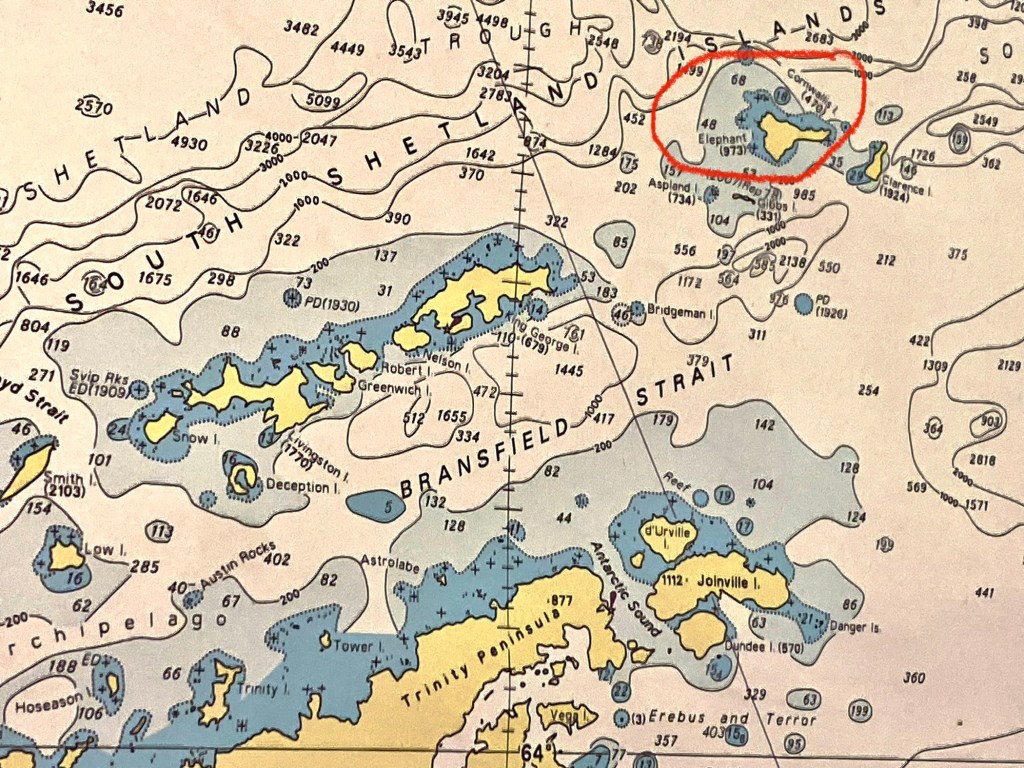
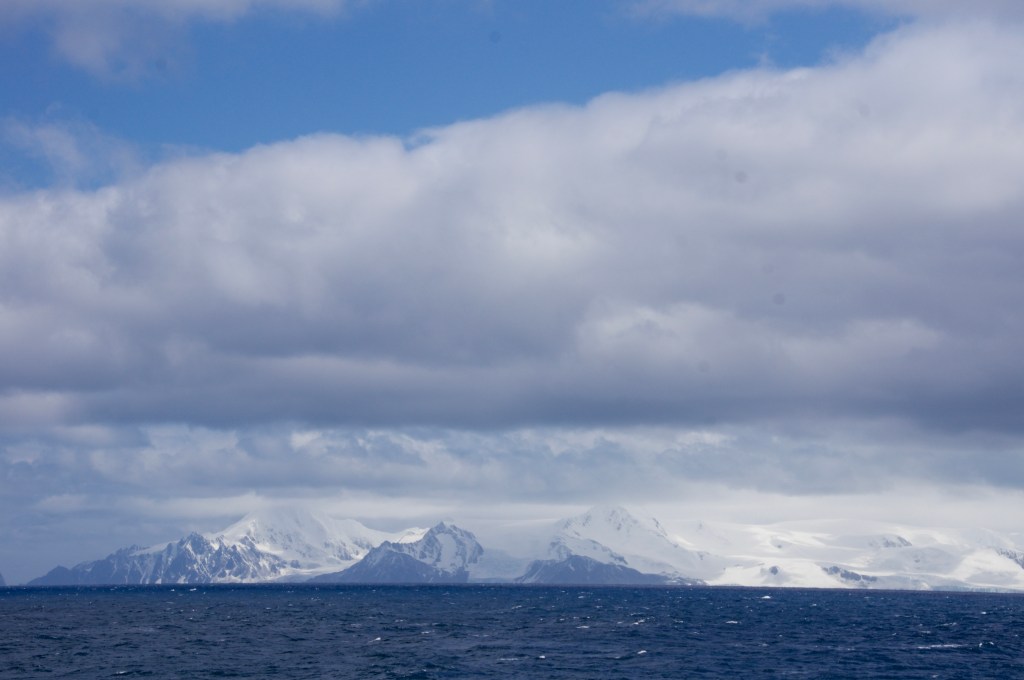
Elephant Island is covered by mountains, glaciers and snow. No humans here, but there are penguins (gentoos and chinstraps) and some seals. The island is named after elephant seals (or its form, or both).
The island was found by the Brits and charted by the Russians. It is famous for providing shelter for Ernest Shackleton’s crew during the ill-fated Imperial Trans-Antarctic Expedition, after their ship ’Endurance’ sank in the frozen Weddell Sea. Shackleton and two men set to fetch help from South Georgia in a small boat – a distance of over 1400 km. In these risk-averse days landing on the island is not done.
The island is 47 km long and mostly cloudy and windy, with summer temperatures averaging 1.5° C in the summer, and -5° C in the winter. Right now it is -2° C with a biting wind – it is hard to imagine spending months here waiting for uncertain rescue.
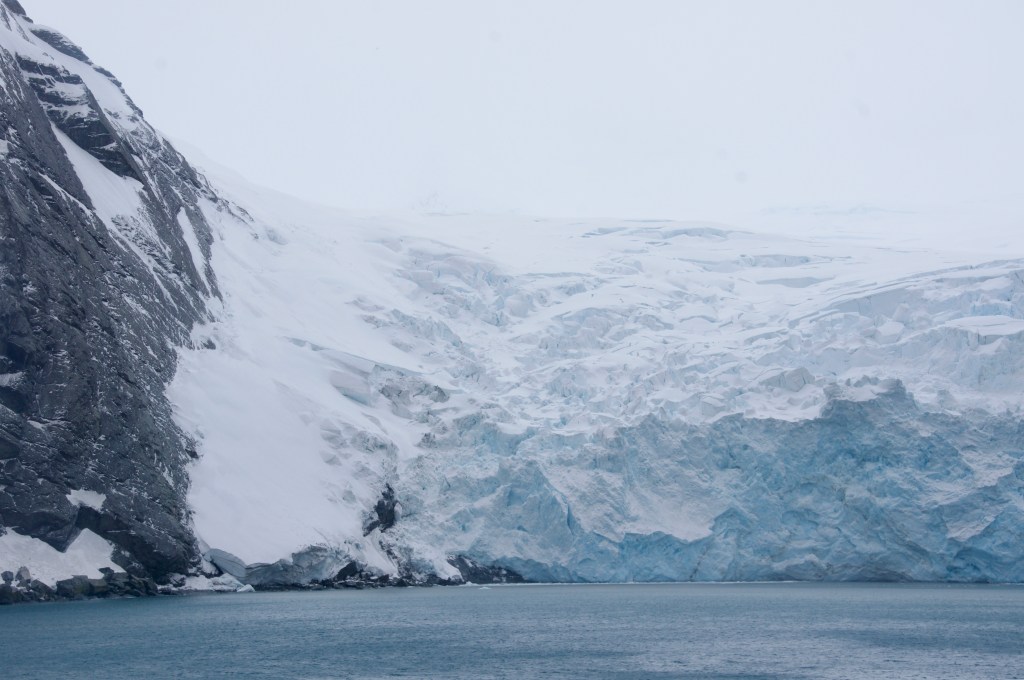
Icebergs float around and glaciers produce more of them – the freezing enviroment feels rather hostile.
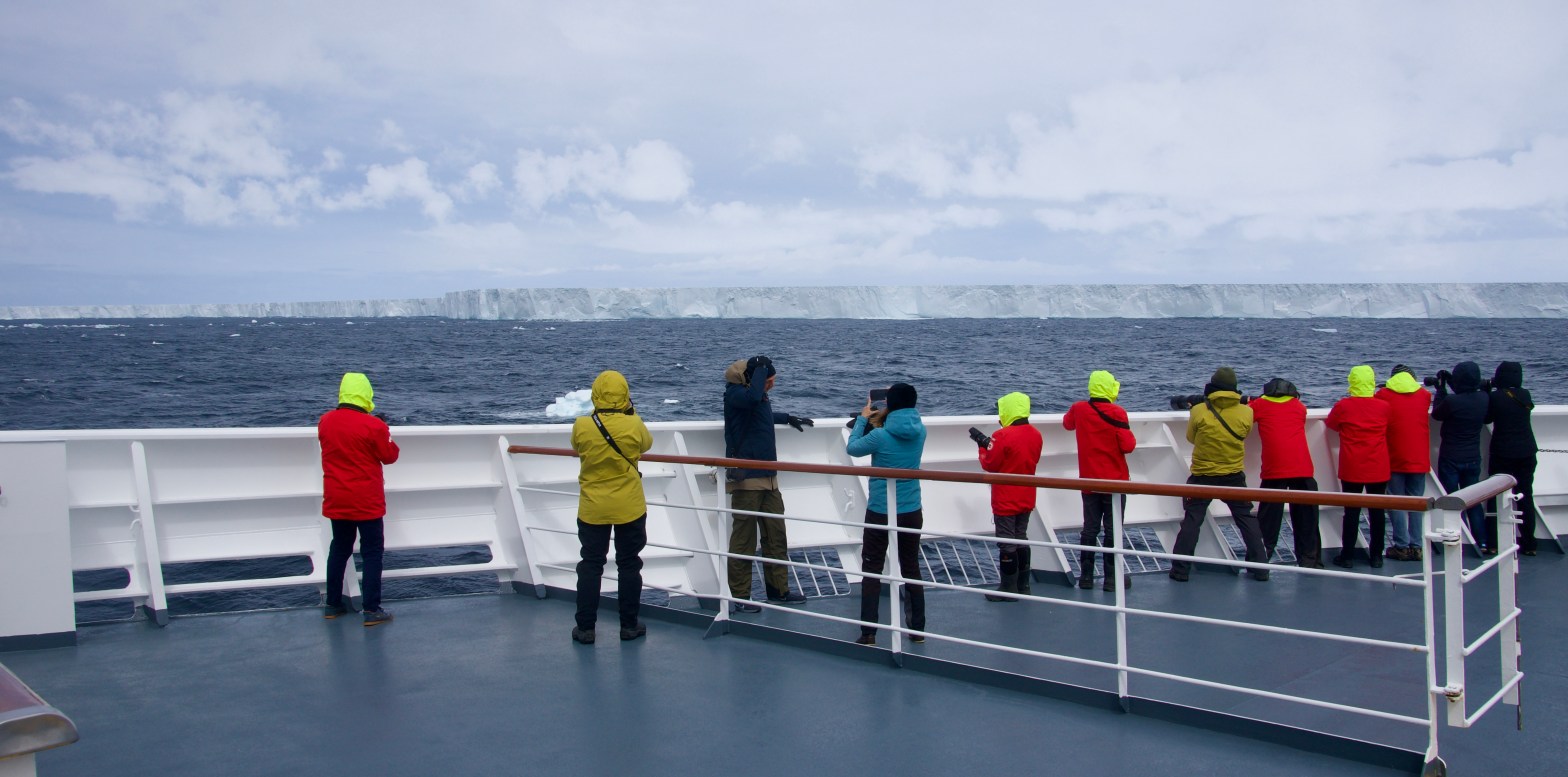
The imaginatevely named A76A is currently the world’s largest iceberg, about 135 km long and 26 km wide. It separated from the Ronne ice shelf in Antarctica as part of en even bigger iceberg, the A76, that soon broke into three parts. The biggest of these, A76A, has been drifting around Antarctica for a year, but has in recent months moved further north towards the Drake passage. So far, the iceberg has hardly melted at all.
The Drake Passage waterflow is part of the west-to-east Atlantic Circumpolar Current that runs across the globe, and will soon take the A76A into warmer waters where it will melt away. We do not know how quickly this will happen, nor where the iceberg will then be, but based on established patterns, this is what happens when icebergs enter the Drake Passsage.
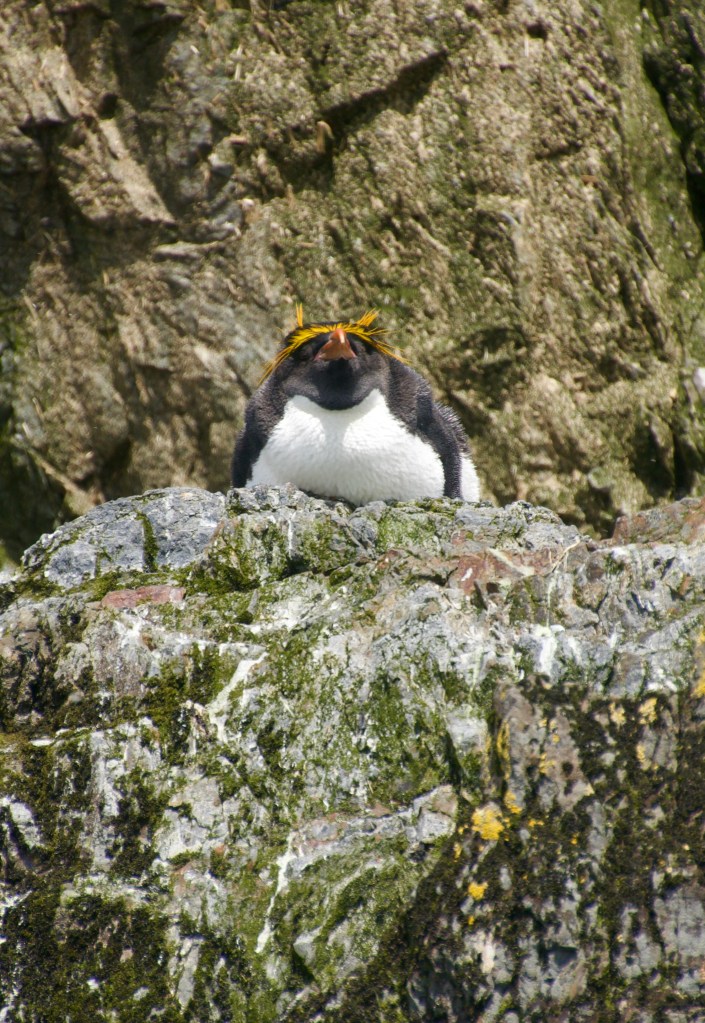
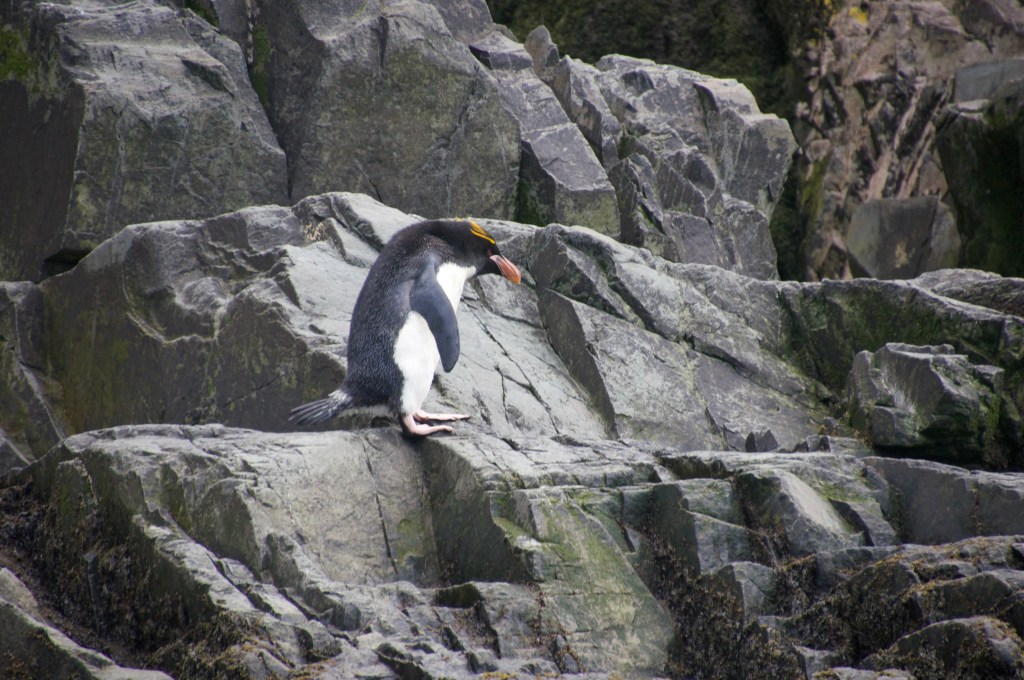
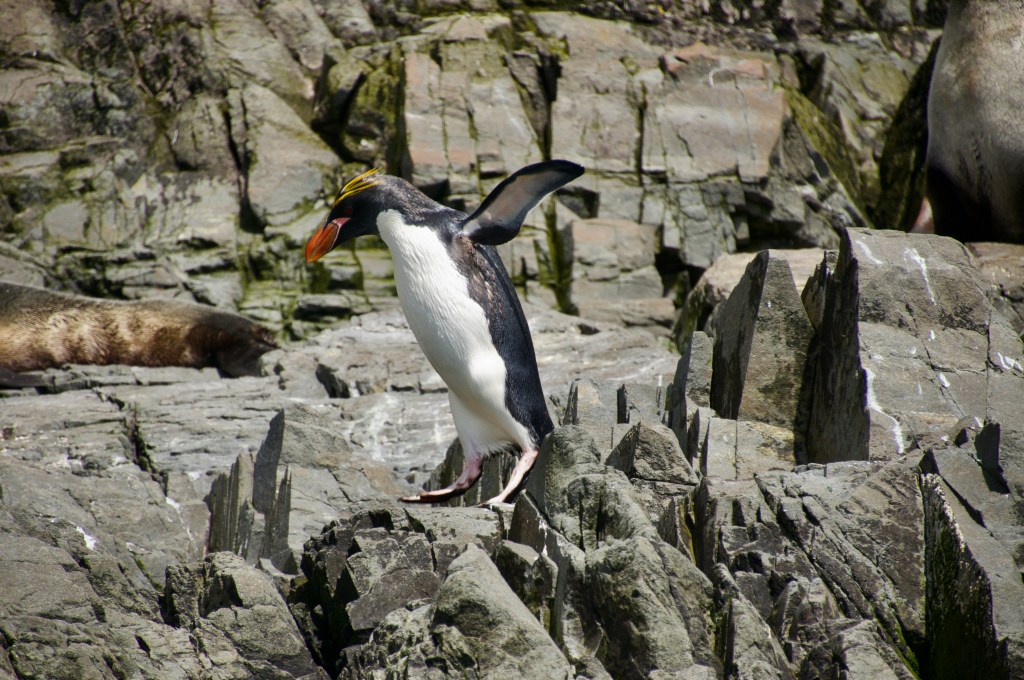
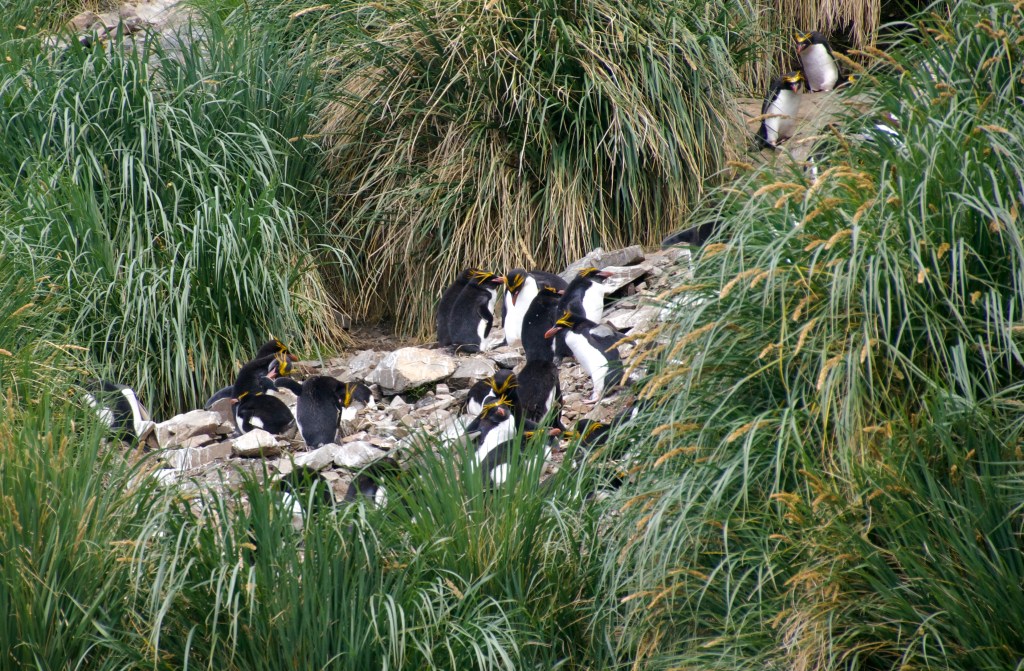
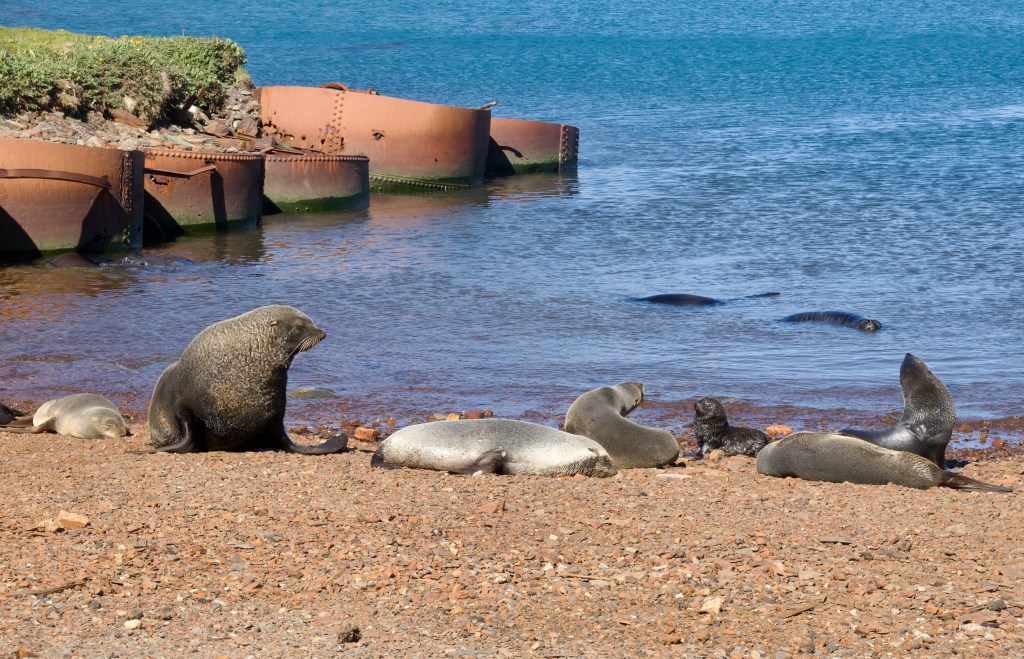
Hercules Bay is a small sheltered bay on the North coast of South Georgia. Its inhabitants consist mainly of macaroni penguins, and fur and elephant seals.
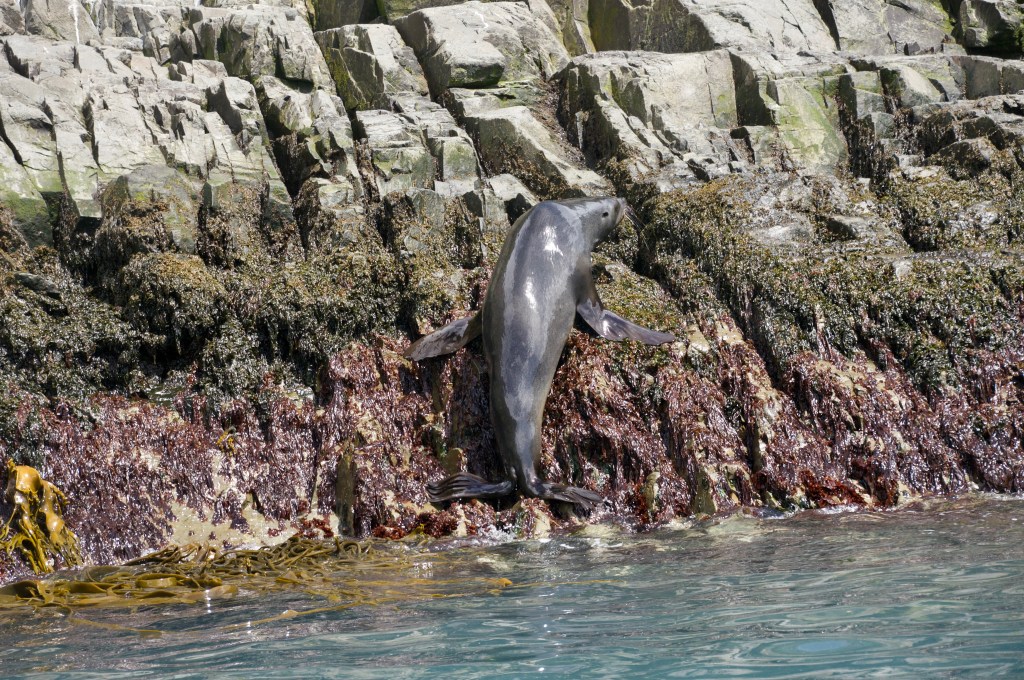
The rocky and slippery coast poses some difficultes, even though the animals are quite adept at climbing it.
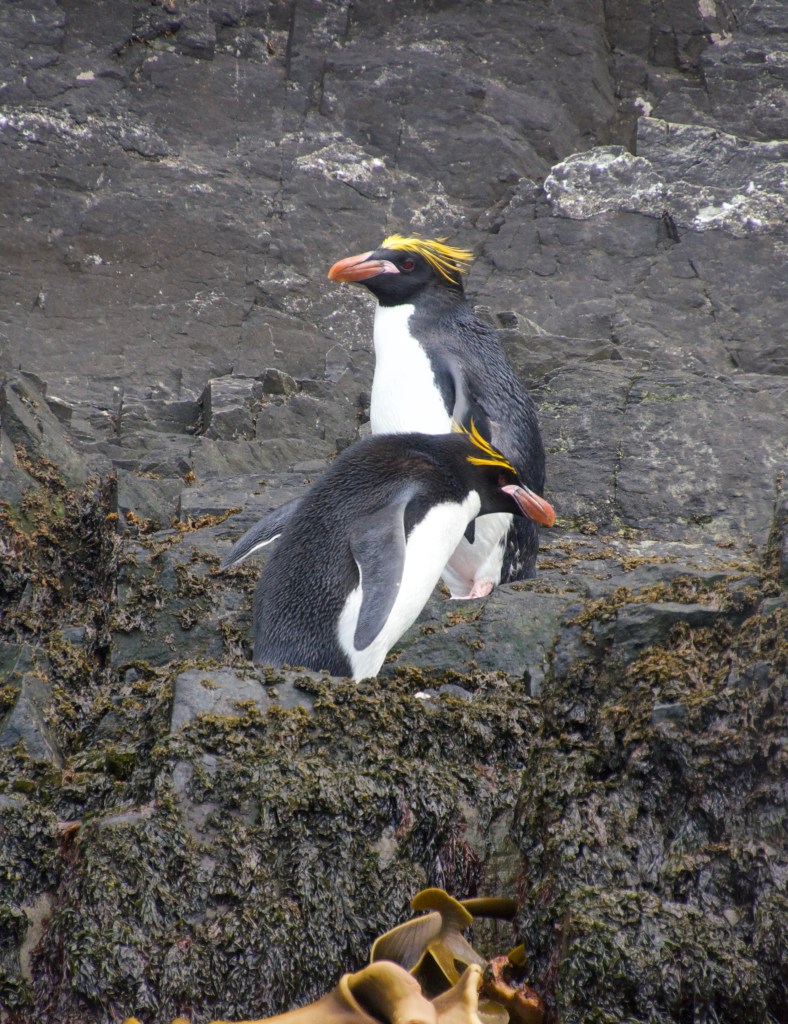
The macaroni penguins are distinguished by the yellow feathered crest on their heads. Evidently this resembles men’s hats from the 18th century thus called.
The nests are higher up on the cliffs and the parents take turns to fetch food.
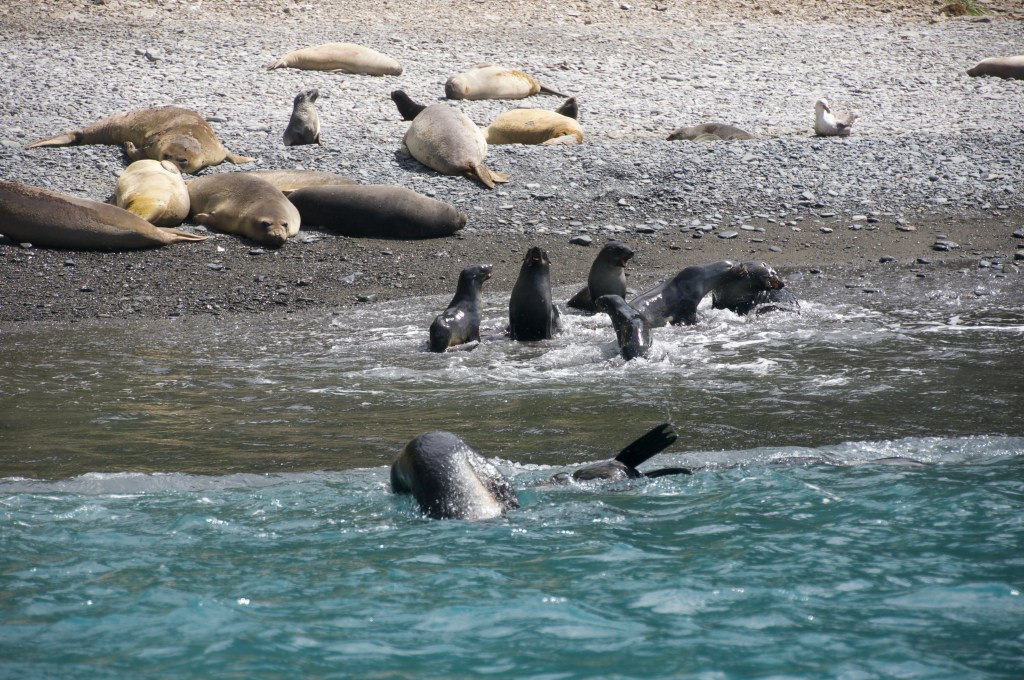
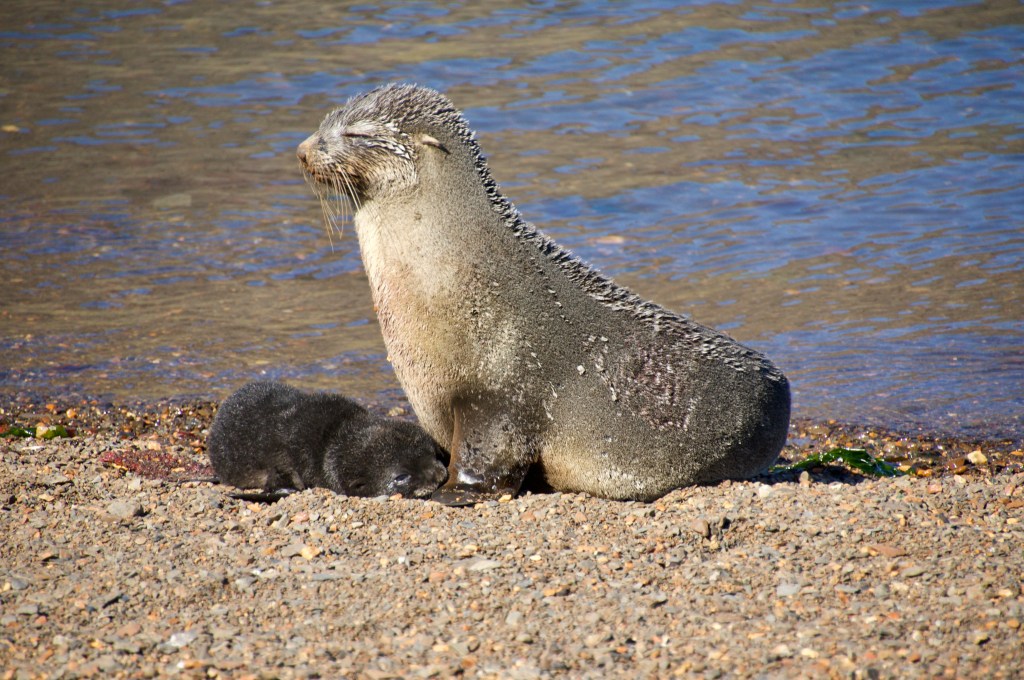
There are plenty of fur seal pups playing in the narrow areas of shallow water by the small beaches.
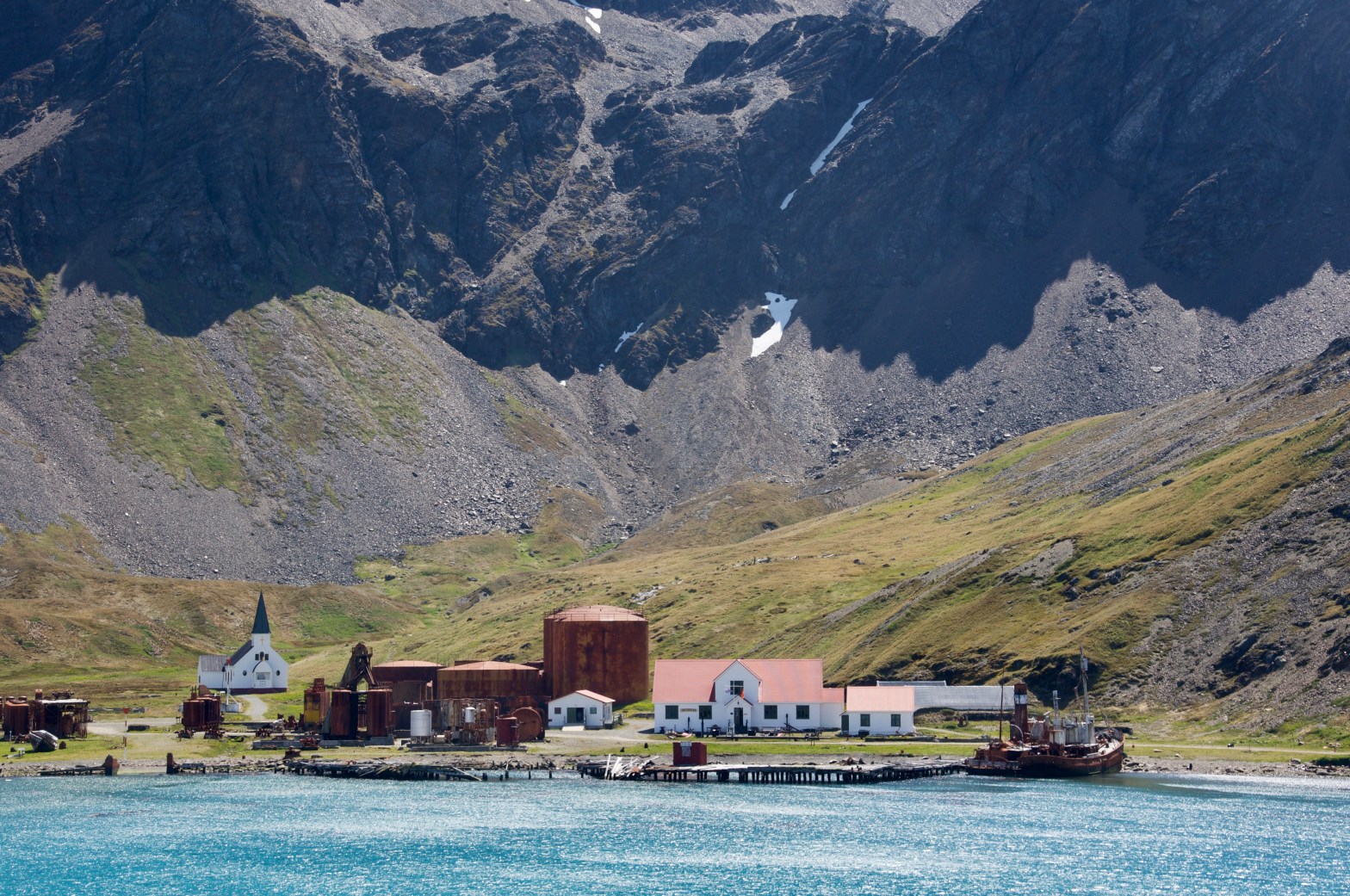
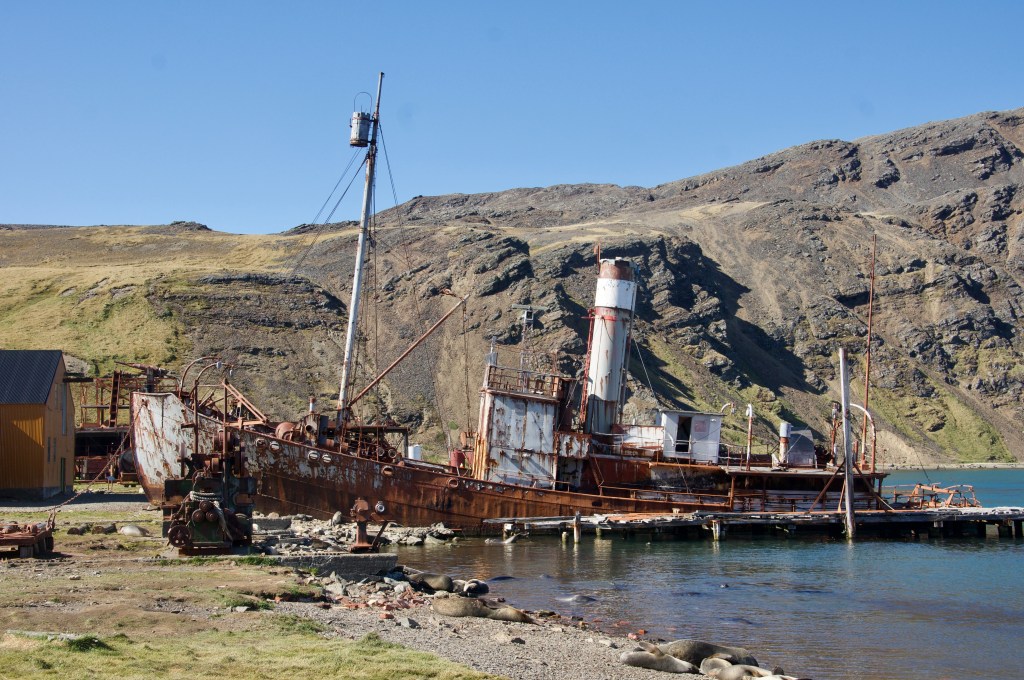
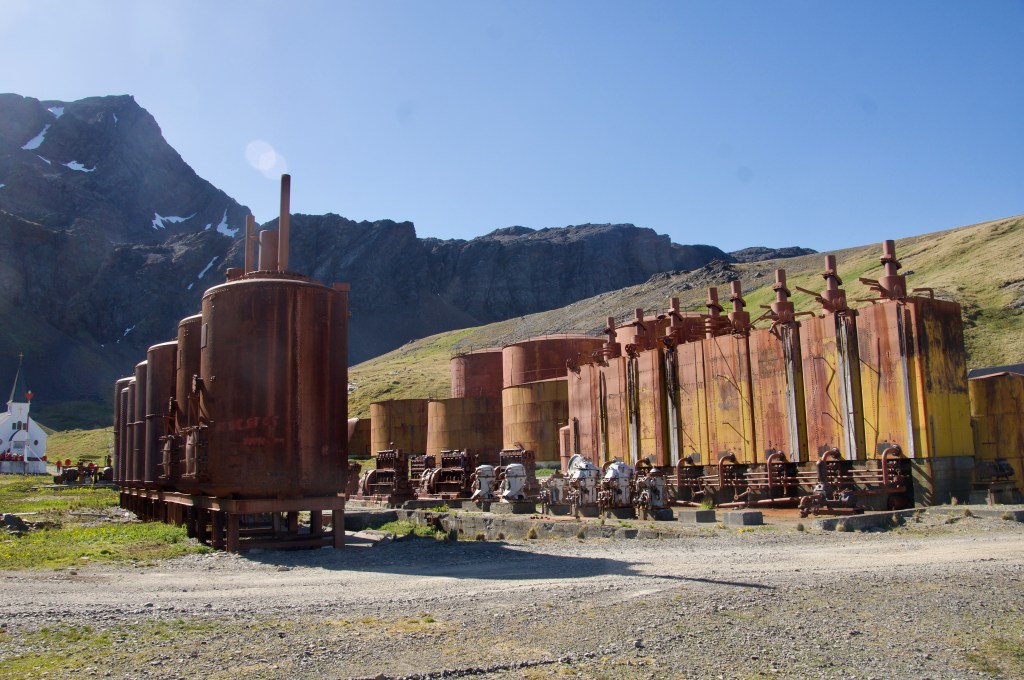
Grytviken, the ‘capital’ of South Georgia, used to be the main whaling station until 1962, when it closed. The reason for closing it was that after having processed over 175 000 whales, there were too few left.
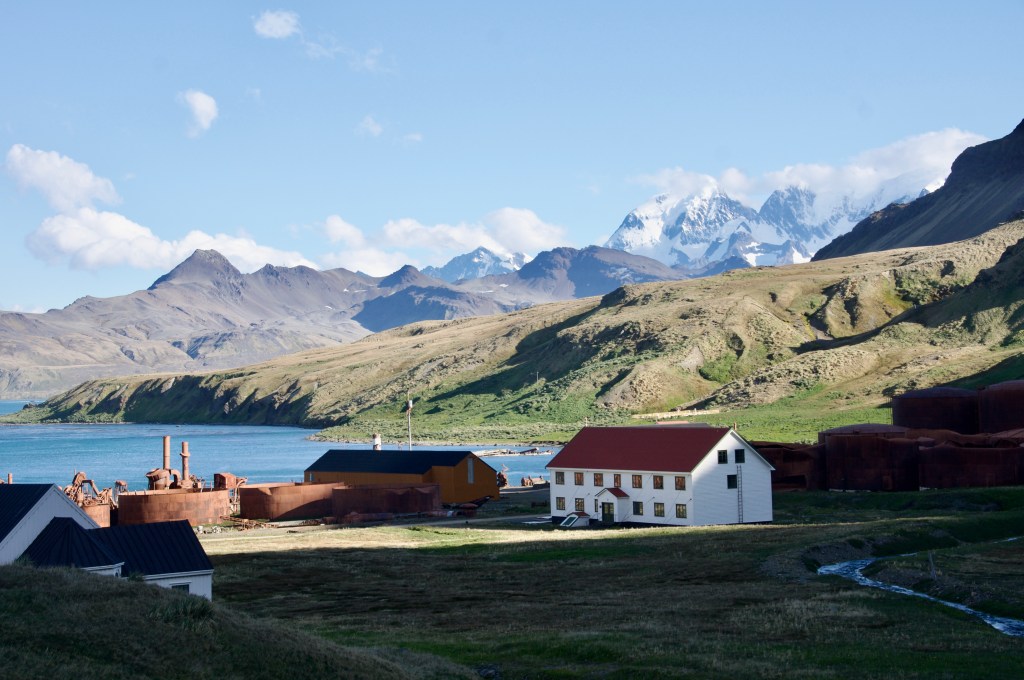
These days Grytviken is essentially a museum populated by seals and the odd penguin. In the surrounding waters, strenuous conservation efforts have enabled the whale populations to recover. The human population is limited – the odd seconded government representative, the museum and post office managers, and the researchers of the British Antarctic Survey.
The rusting whale oil processing equipment, rotting ships, and prevalent seals create a post-industrial (if not post-apocalyptic) atmosphere that attracts cruise tourists.
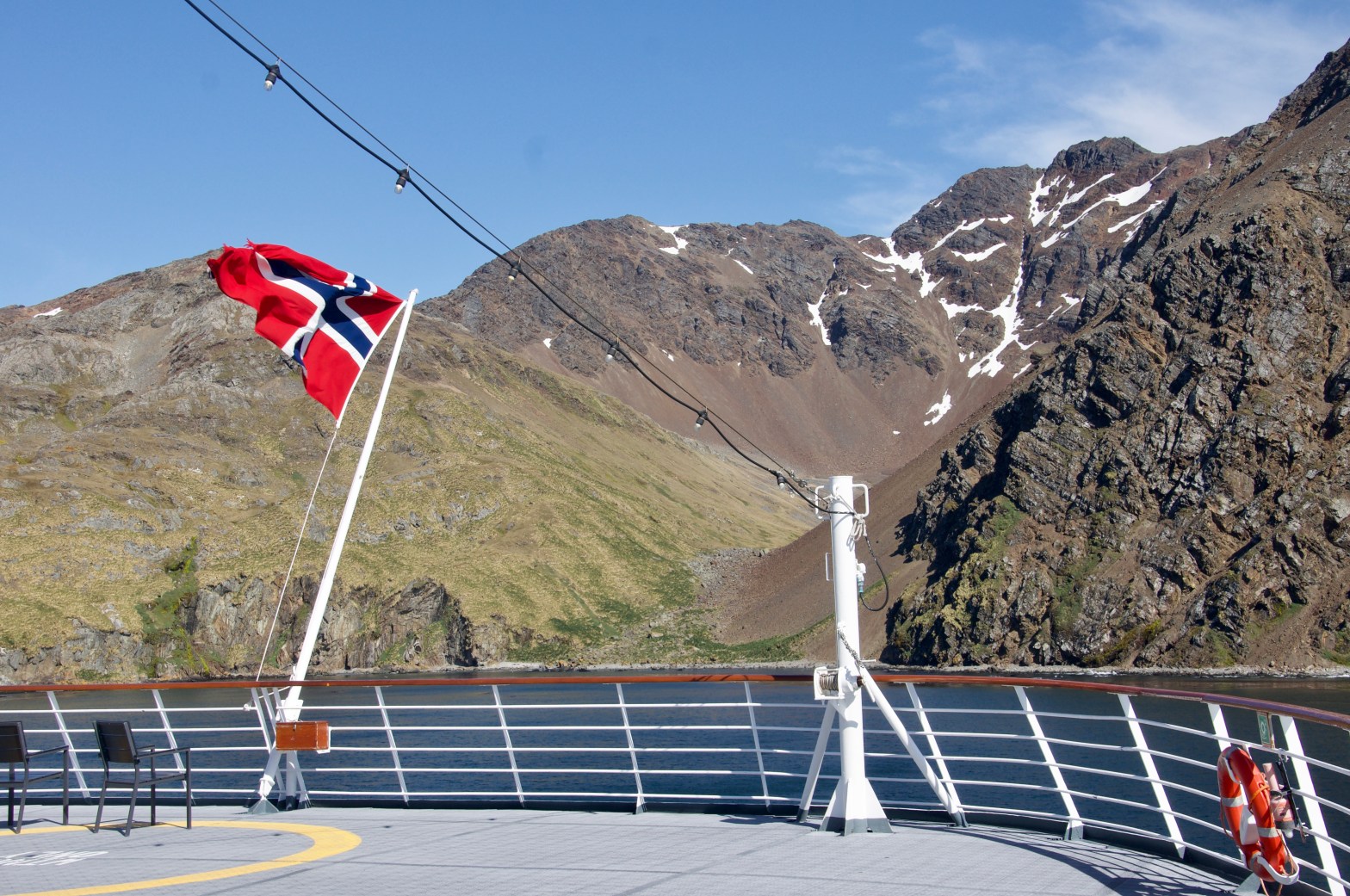
The tourist trade is strictly regulated, with ships having timeslots for the harbour, very strict biosecurity procedures to keep bird flu out, and well-outlined hiking paths.
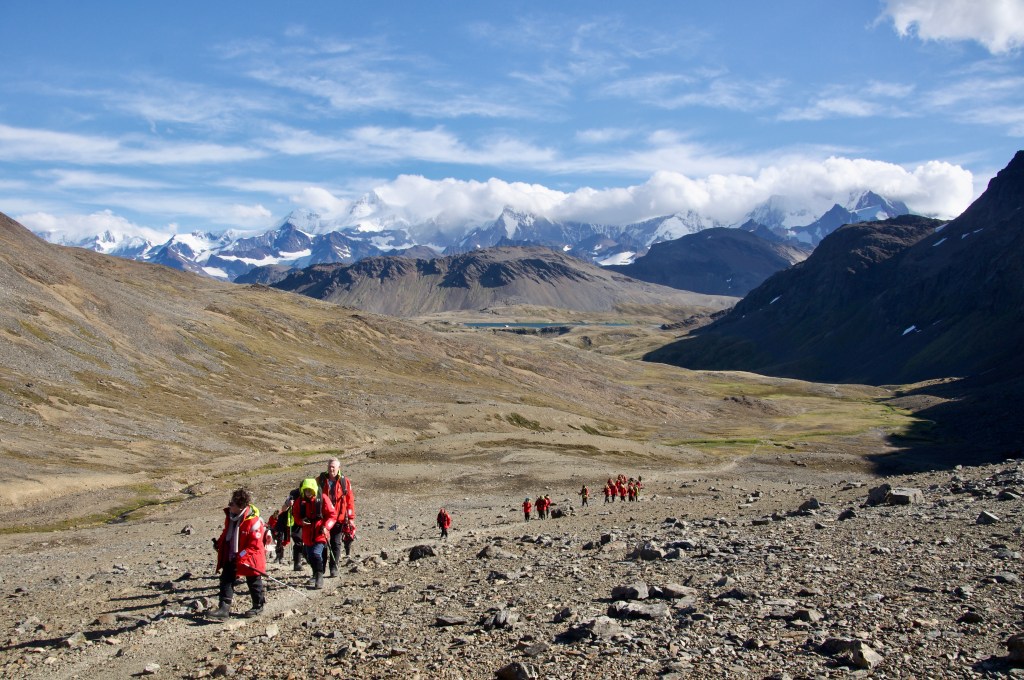
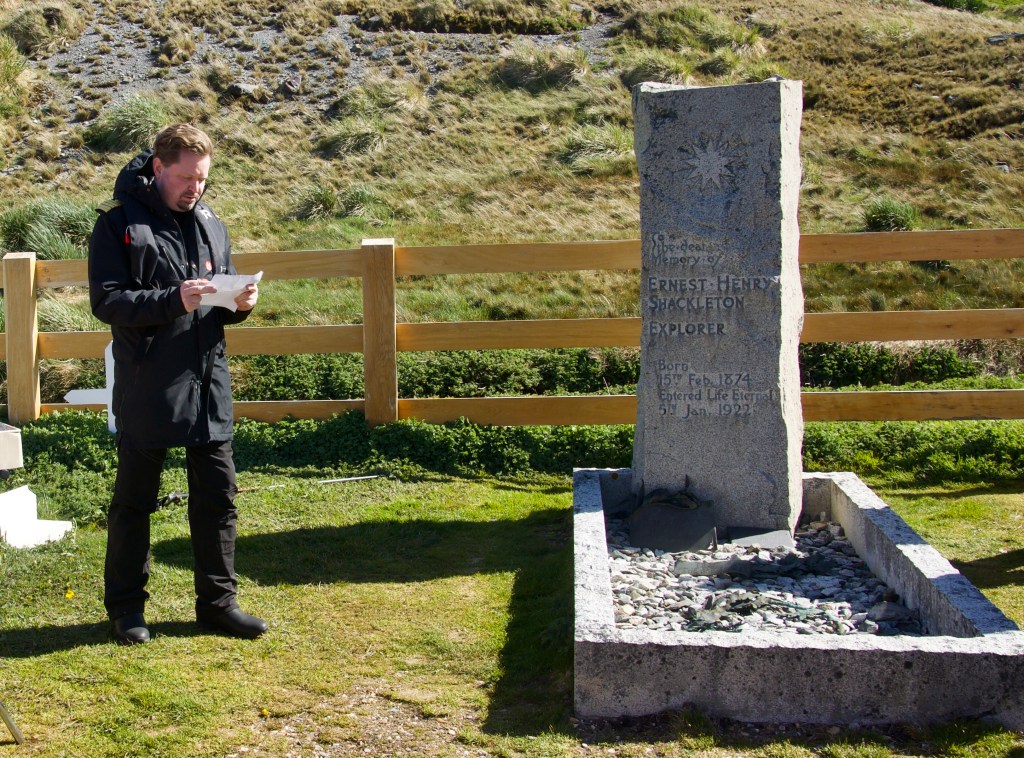
The story of Ernest Shackleton lives on, and the captain of m/v Fram offered all passengers a toast of Ballantines at the grevesite of Shackleton (below), who died of a heart attack at Grytviken onboard ‘Quest’ while on another Antarctic exploration in 1922.
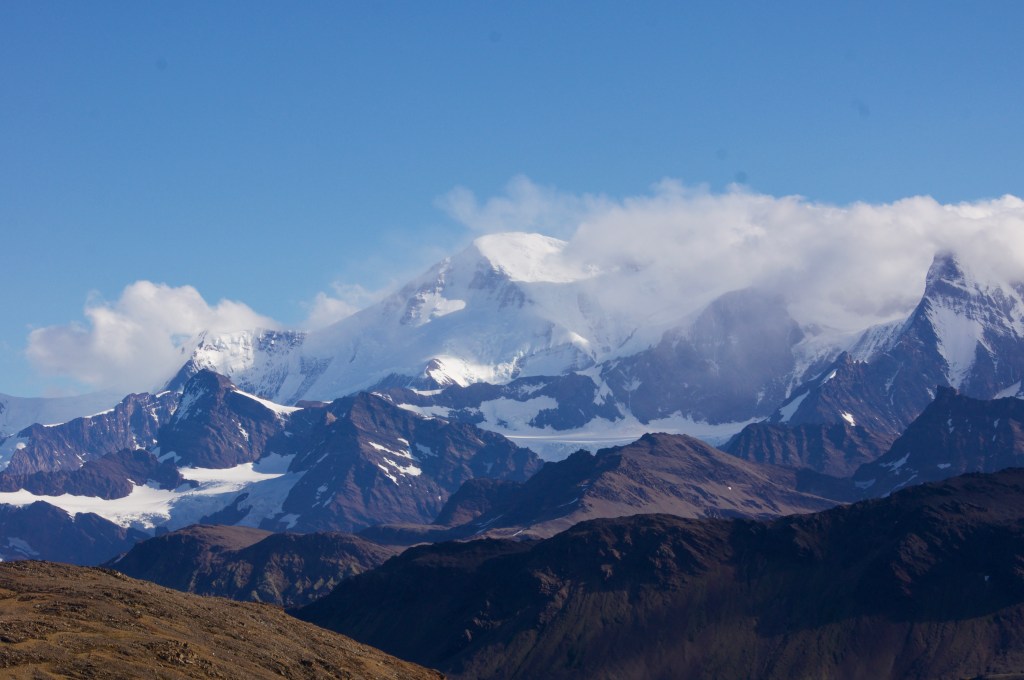
When the weather is good, the hills surrounding the bay provide views to the mountains, including Mount Paget at 2934m (below).
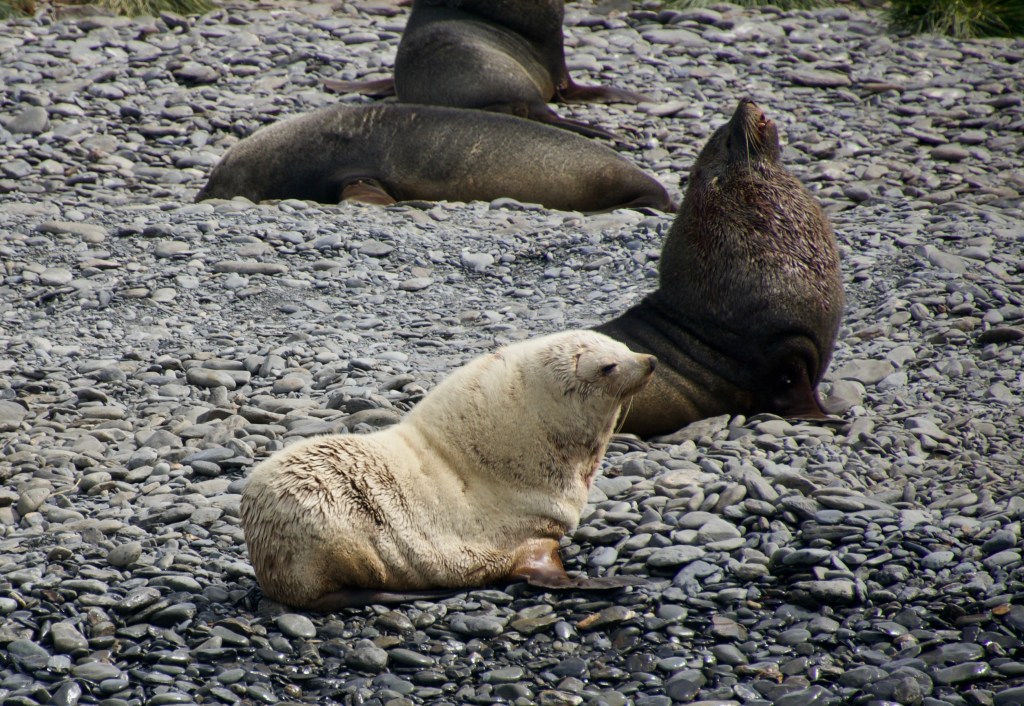
Godthul is a somewhat sheltered bay on the Northern coast of South Georgia. Until 1937 it hosted a whaling depot to keep some essentials. These days gentoo penguins, fur seals and elephant seals have the place to themselves, with giant petrels, sheathbills and Arctic terns flying around. Off the coastline humpback whales also enjoy the waters.
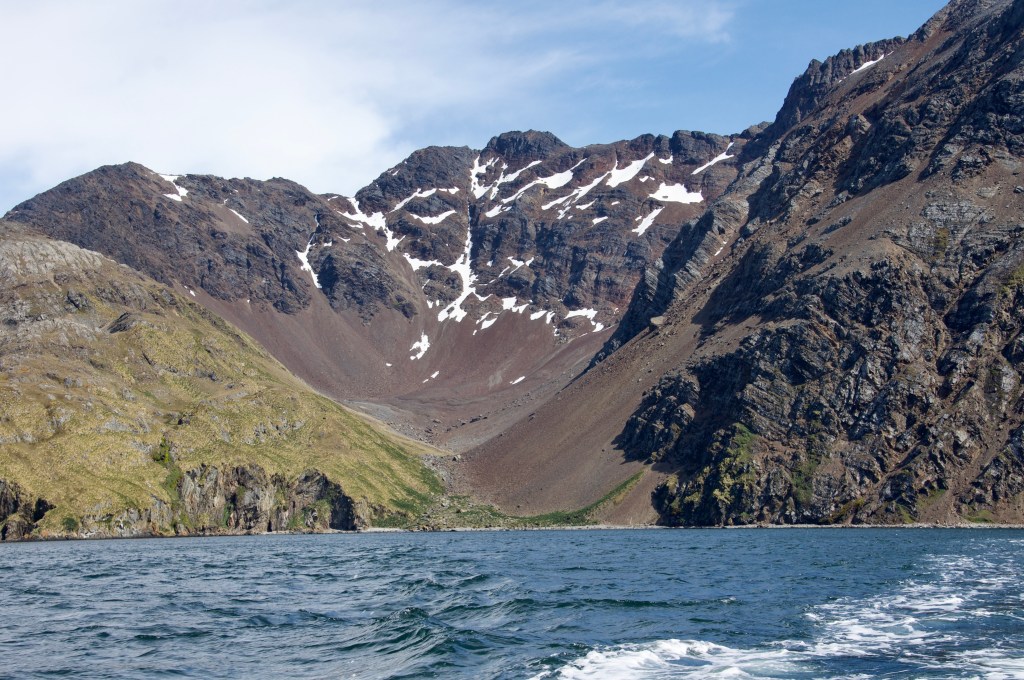
You can spot a rare white-furred seal on the shores (above) – there are small pebble beaches, although mostly the coastline is inhospitable formed of steep cliffs (below).
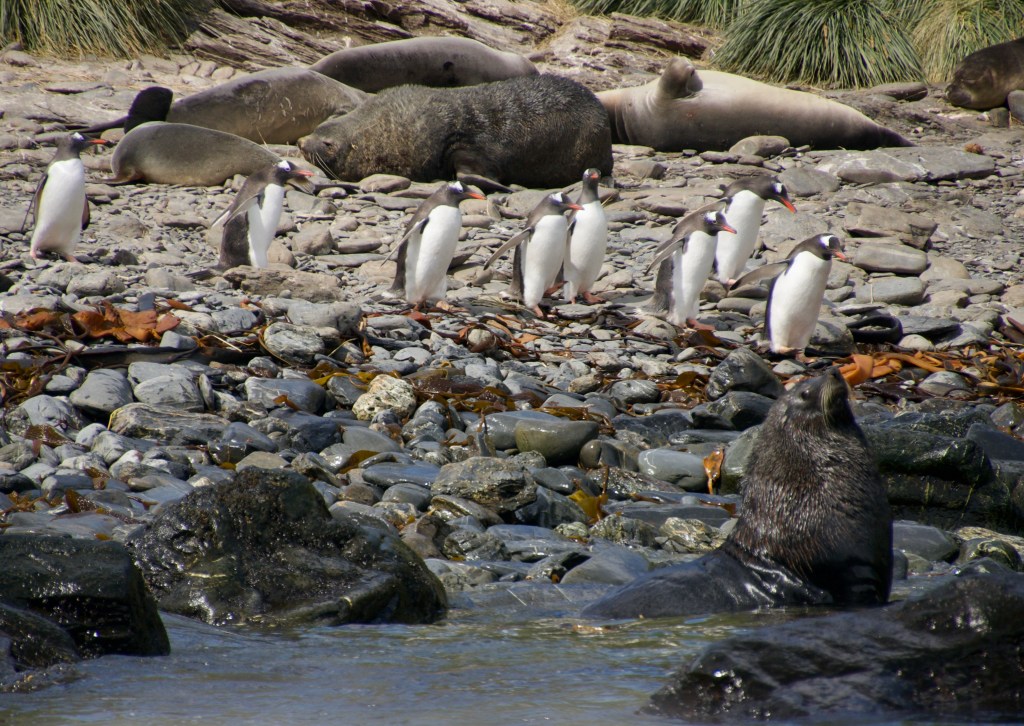
The birds and seals do not mind the rocky coastline but enjoy the plentiful fish and other sealife (below).
Both places can be found on the north shore of South Georgia (see below) – the Salisbury Plain is slightly inland from the Bay of Isles and Prince Olav Harbour is the small inlet just under Cape Buller.
You could not land at the coast of the Salisbury Plain, as the beach was already occupied (by 60 000 king penguins and numerous fur seals and their pups). Both the penguins and the seals jumped constantly in and out of the water that is their food table.
Above the beach you could see the massed flocks of king penguins (below).
Prince Olav Harbour is a sheltered small inlet that housed a whaling until 1932. These deays there are no humans – even landing is forbidden as the rotting buildings are not safe (below).
The inhabitants these days are mainly seals – this time of the year (early December) it is time for the fur seals to raise their pups (below left). Some of the birds (in this case a giantpetrel) seem to think that the pups would make a tasty meal (below right).
The wreck of the ship Brutus has been abandoned close to the shore – it was last used as cold storage (below).
The waters are teeming with fur seals, and these seemed to have good time swimming around, rolling in the water, and jumping around (below).
King Haakon Bay on the southern coast of South Georgia is famous as the landing spot of Ernest Shackleton after him and a few of his crew had to sail a small boat from the Antarctica to South Georgia. This was the Imperial Trans-Antarctica Expedition of 1916 that got shipwrecked and most of the crew stayed behind at Antarctica to wait for help. When the help seekers finally arrived at South Georgia, their first sight was ‘Rose Point’ below.
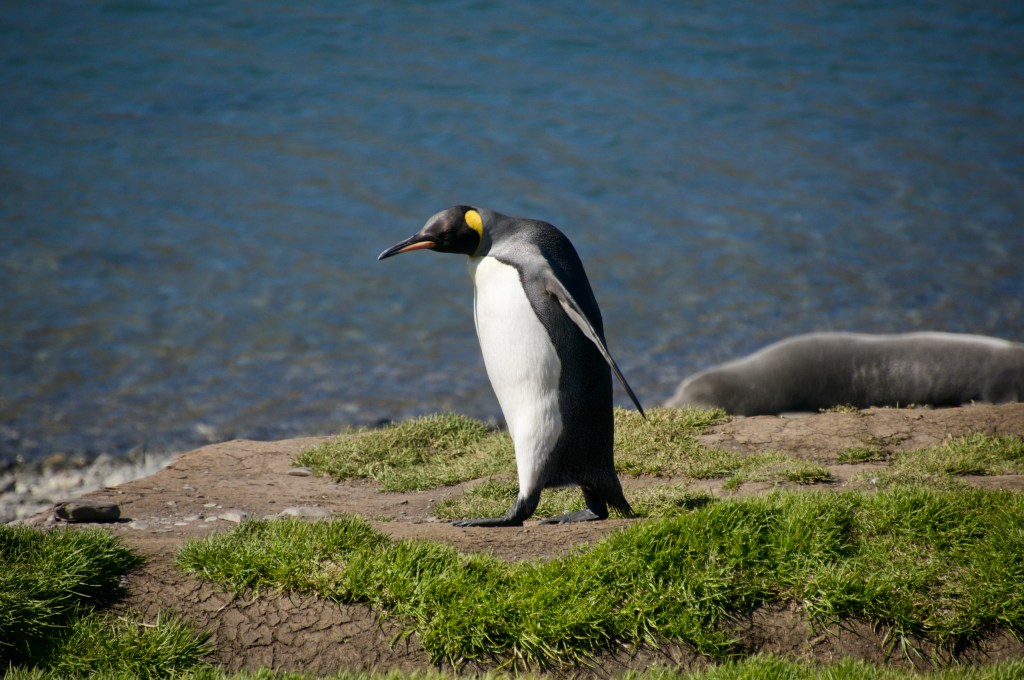
These days there is a royal reception committee consisting of king penguins (below left).
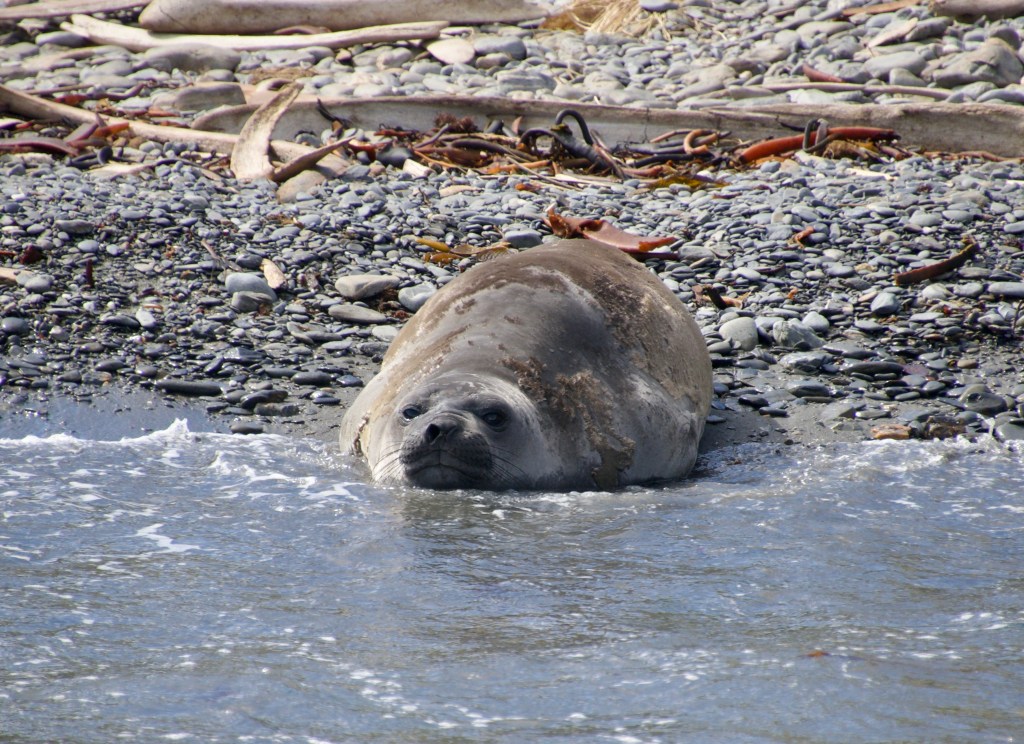
The other major locals are fur seals (above right) and elephant seals (cubs below).
The bay is still a desolate place, even in good weather. Shackleton’s group had to cross the mountains to get to the whaling station on the other side of the island, but they did, and at that time everybody survived.