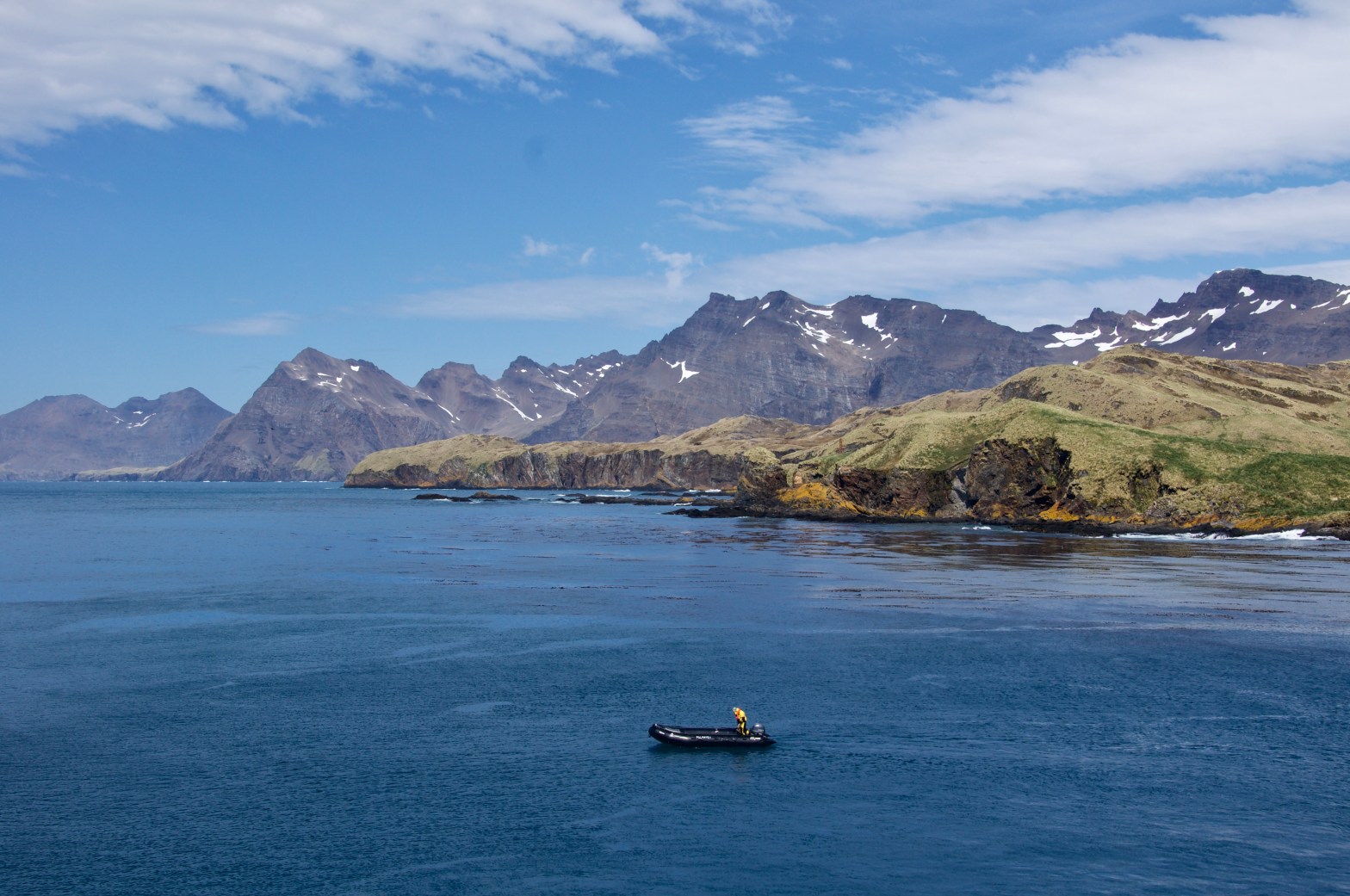
Salisbury Plain and Prince Olav Harbour, South Georgia

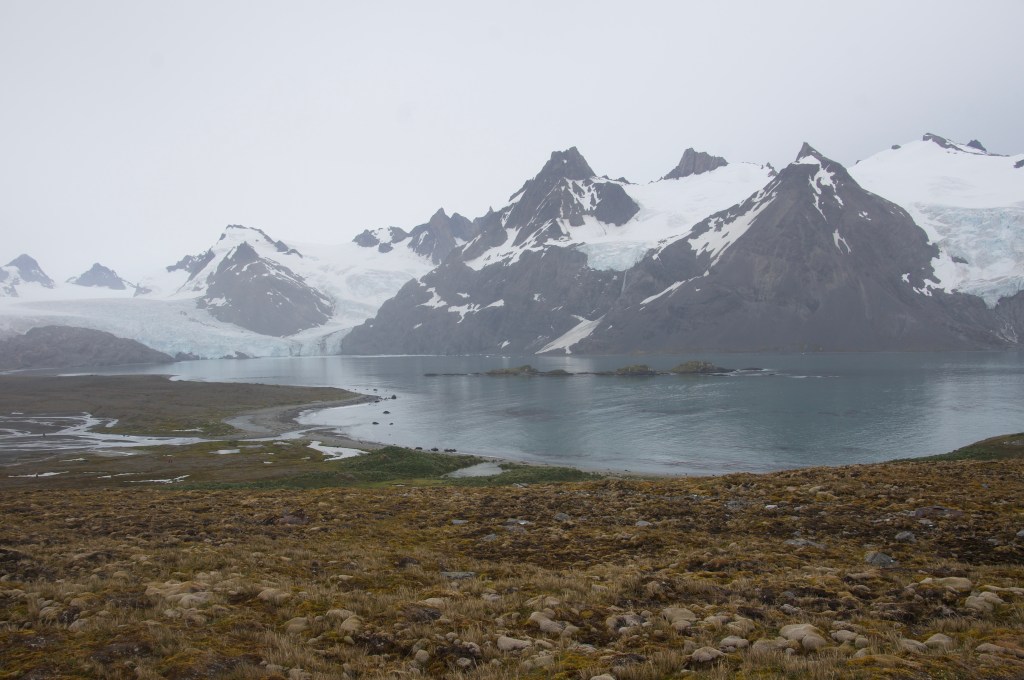
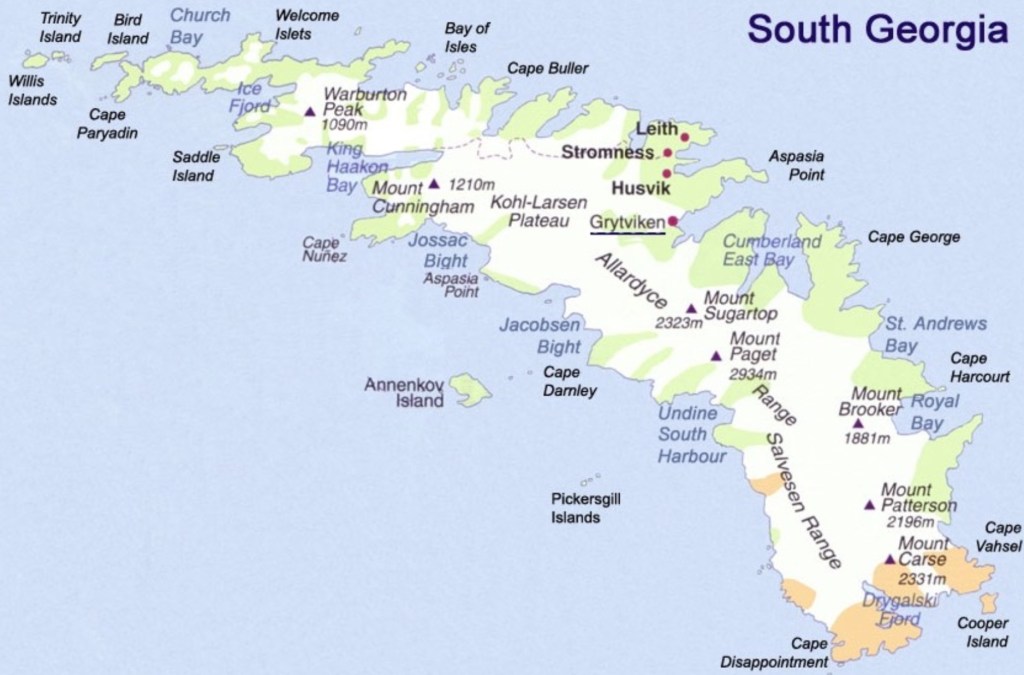
Both places can be found on the north shore of South Georgia (see below) – the Salisbury Plain is slightly inland from the Bay of Isles and Prince Olav Harbour is the small inlet just under Cape Buller.
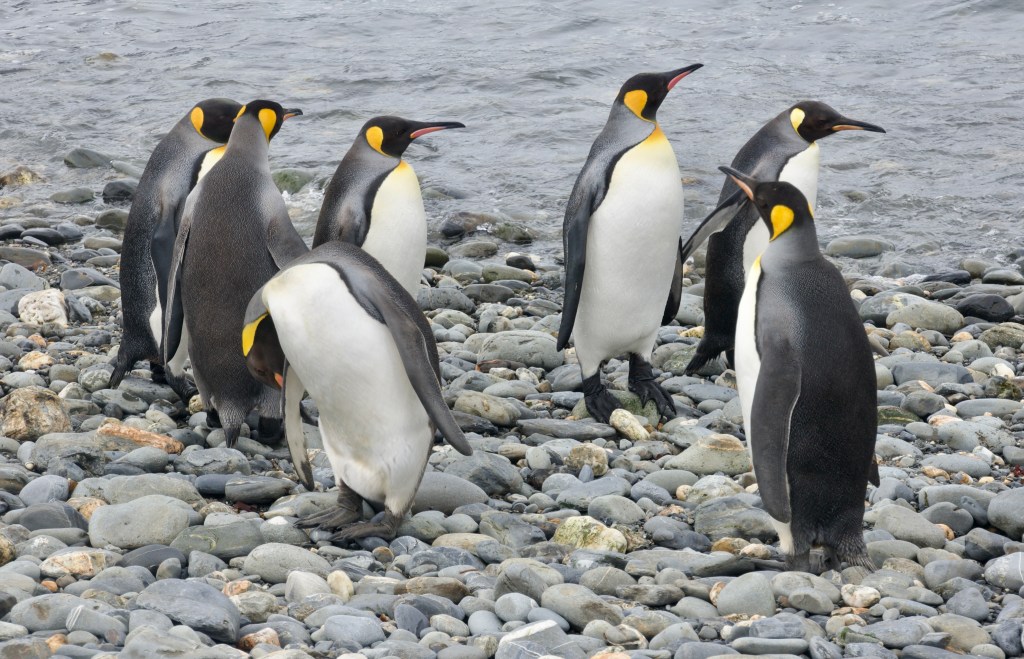
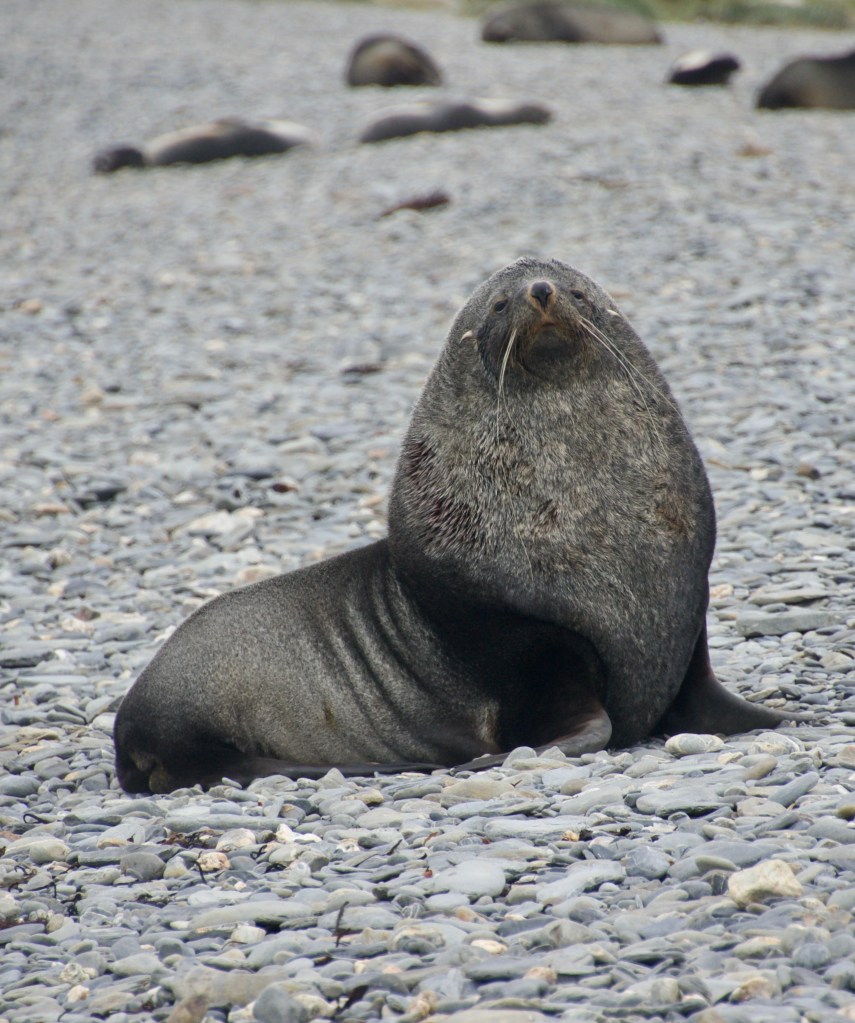
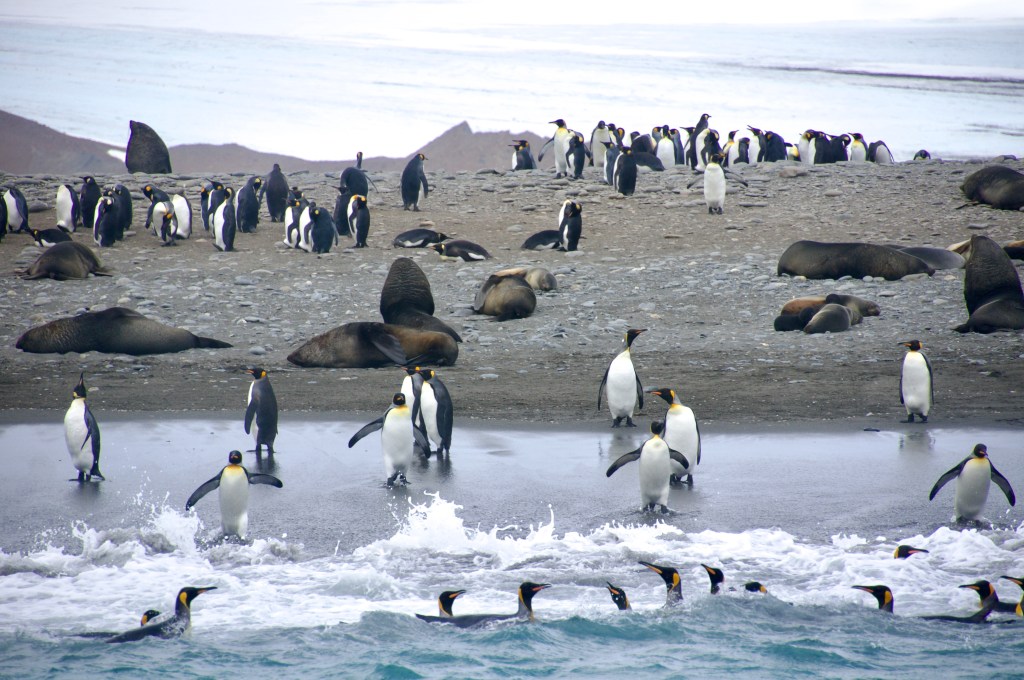
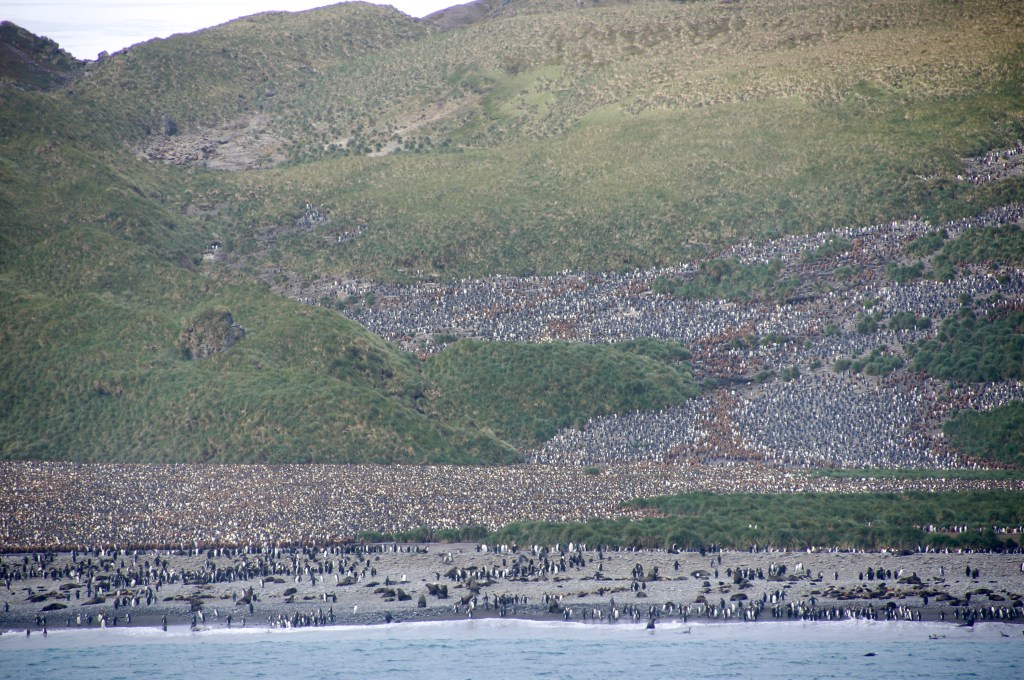
You could not land at the coast of the Salisbury Plain, as the beach was already occupied (by 60 000 king penguins and numerous fur seals and their pups). Both the penguins and the seals jumped constantly in and out of the water that is their food table.
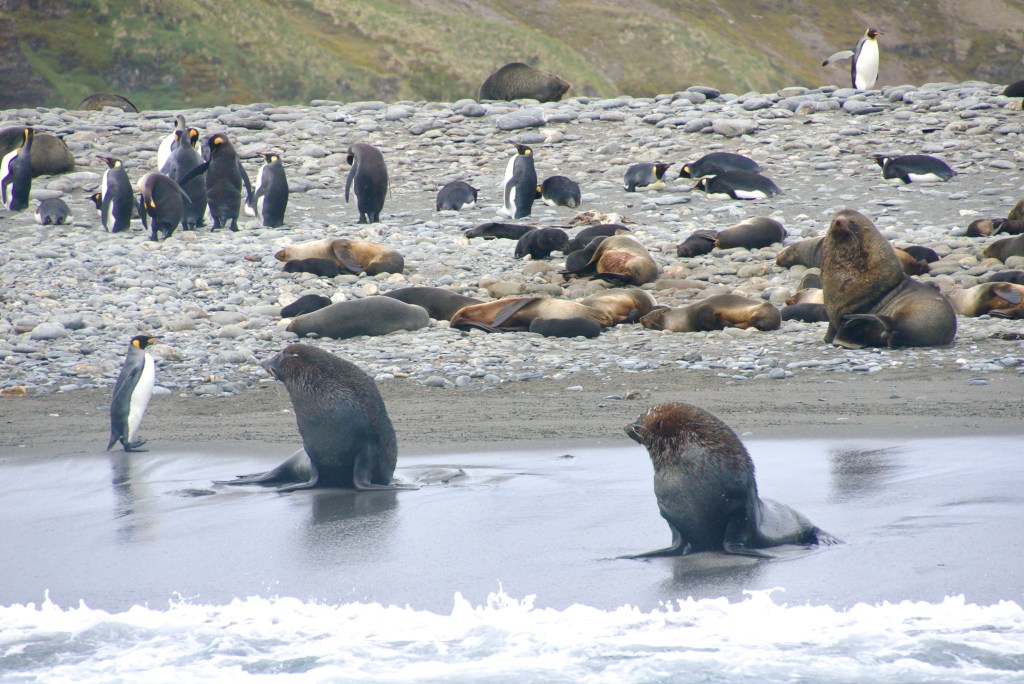
Above the beach you could see the massed flocks of king penguins (below).
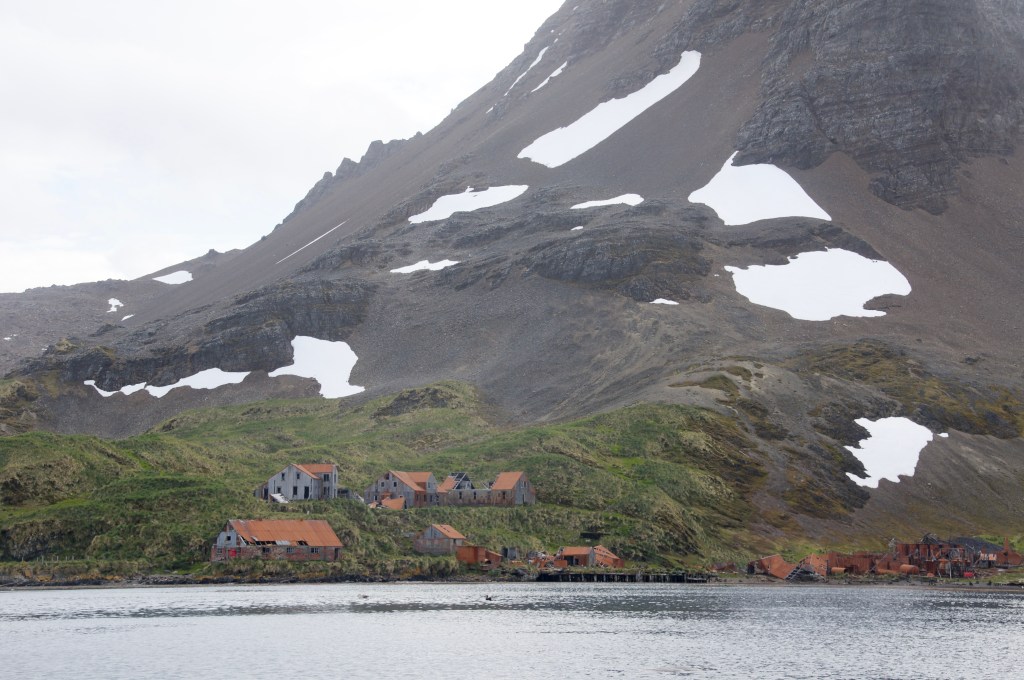
Prince Olav Harbour is a sheltered small inlet that housed a whaling until 1932. These deays there are no humans – even landing is forbidden as the rotting buildings are not safe (below).
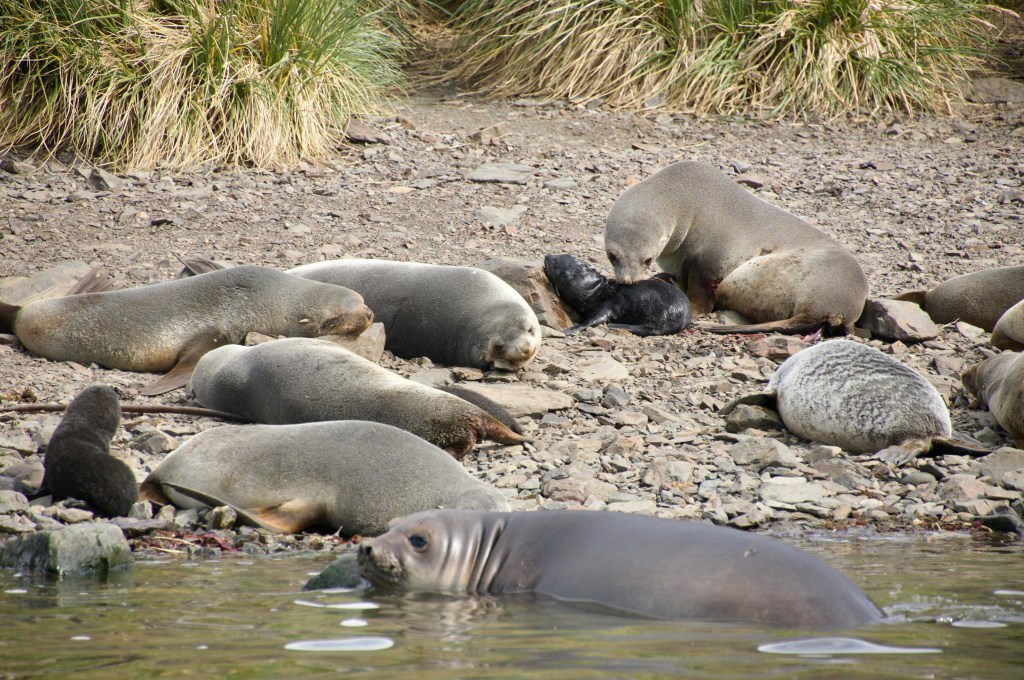
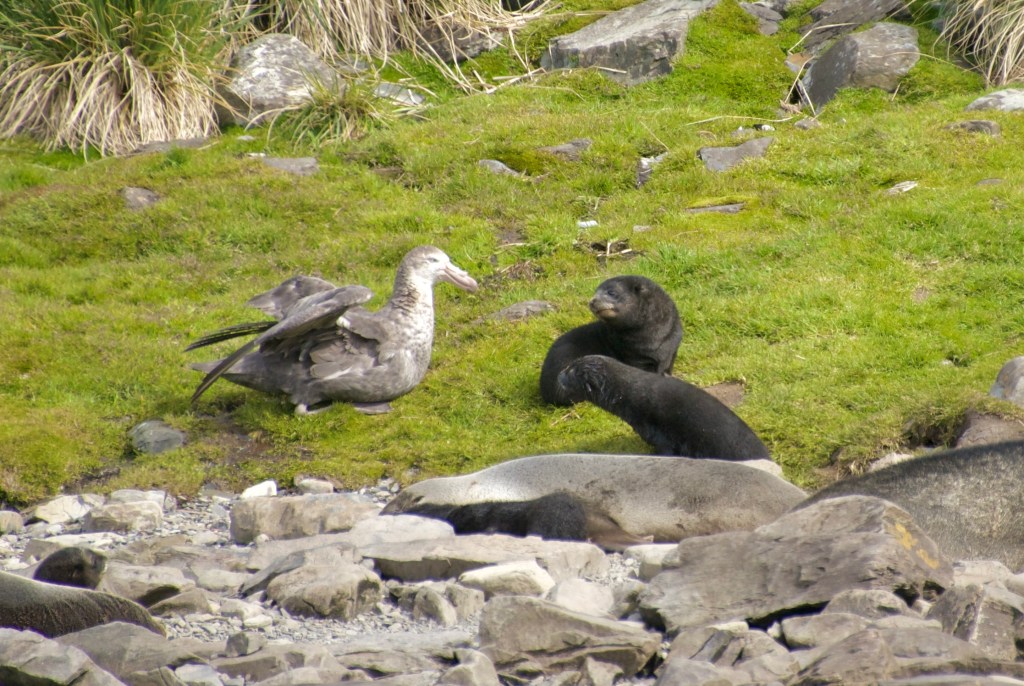
The inhabitants these days are mainly seals – this time of the year (early December) it is time for the fur seals to raise their pups (below left). Some of the birds (in this case a giantpetrel) seem to think that the pups would make a tasty meal (below right).
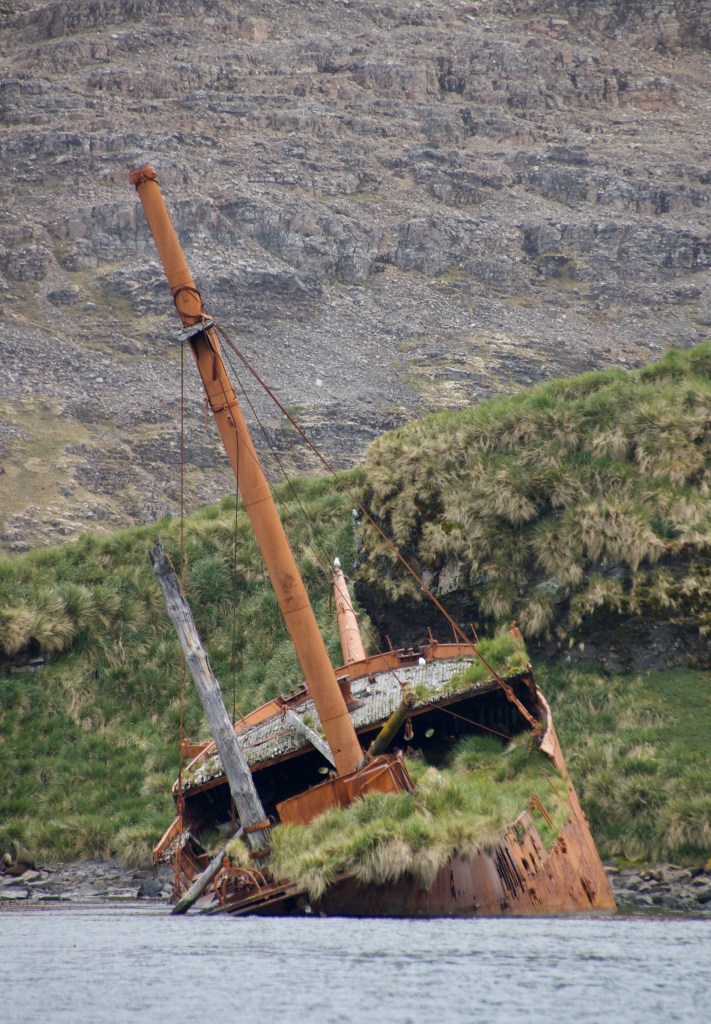
The wreck of the ship Brutus has been abandoned close to the shore – it was last used as cold storage (below).
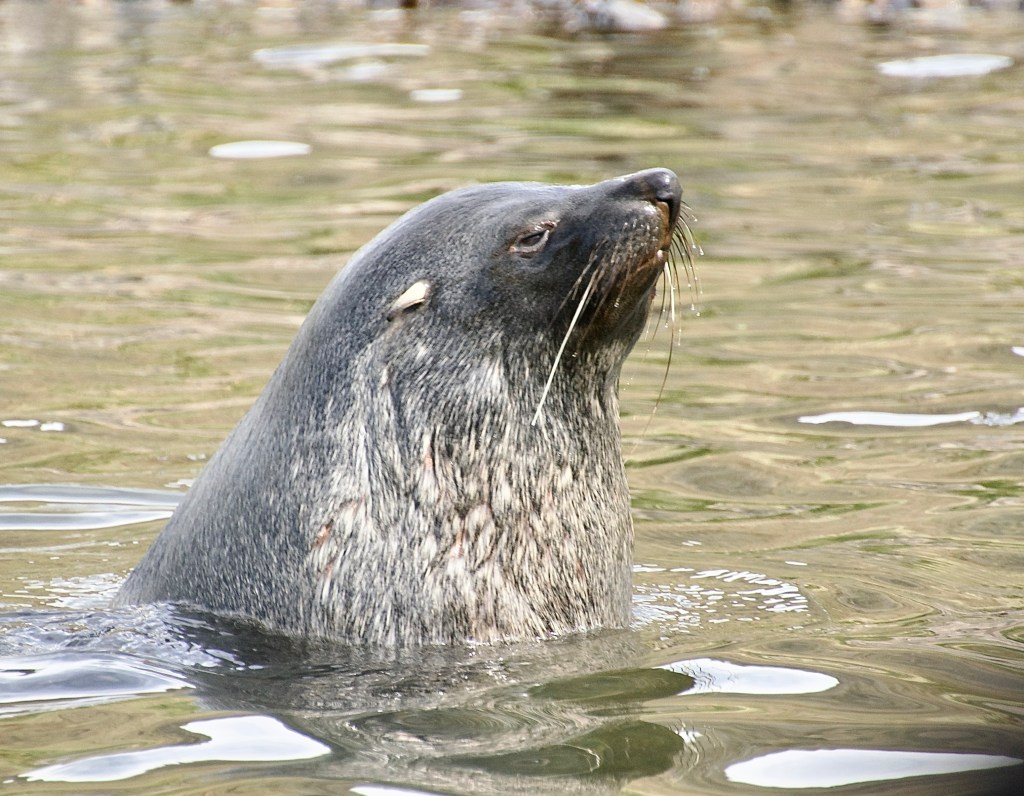
The waters are teeming with fur seals, and these seemed to have good time swimming around, rolling in the water, and jumping around (below).
King Haakon Bay, South Georgia

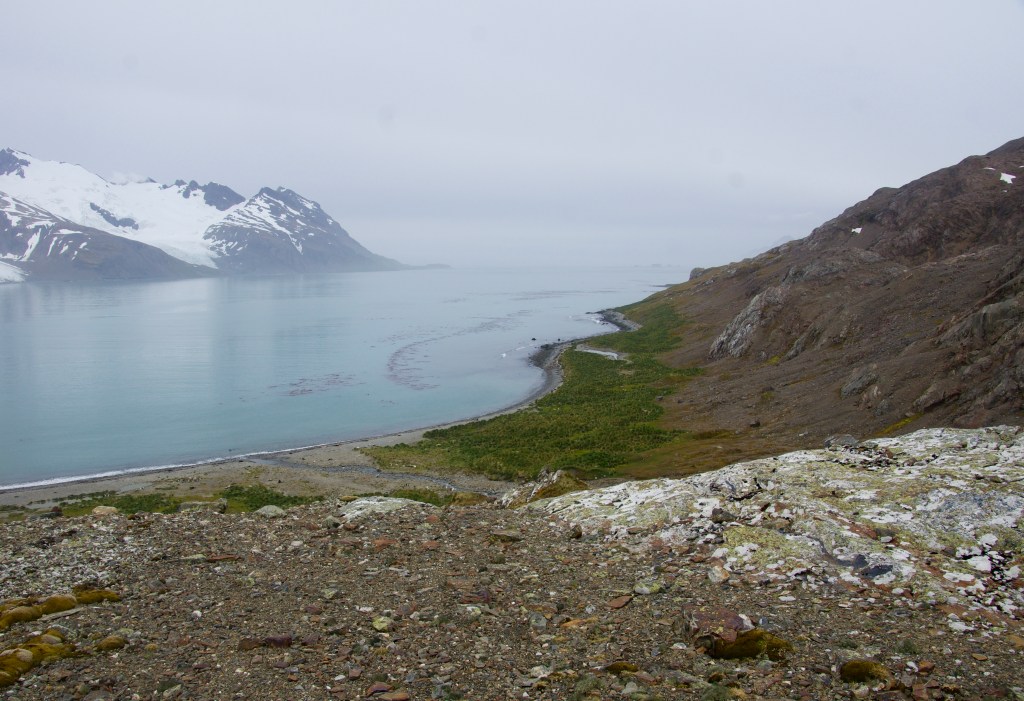
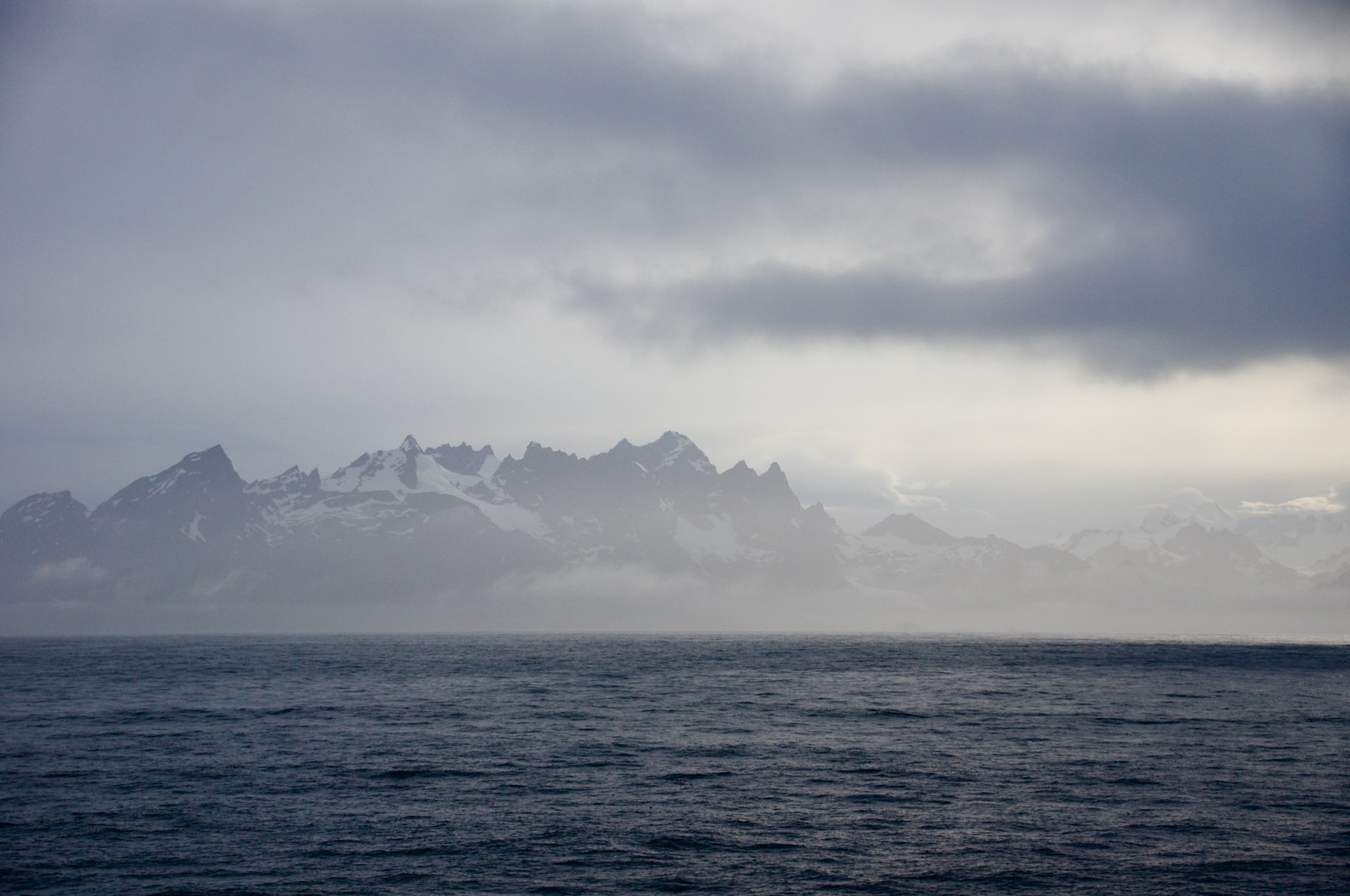
King Haakon Bay on the southern coast of South Georgia is famous as the landing spot of Ernest Shackleton after him and a few of his crew had to sail a small boat from the Antarctica to South Georgia. This was the Imperial Trans-Antarctica Expedition of 1916 that got shipwrecked and most of the crew stayed behind at Antarctica to wait for help. When the help seekers finally arrived at South Georgia, their first sight was ‘Rose Point’ below.

These days there is a royal reception committee consisting of king penguins (below left).

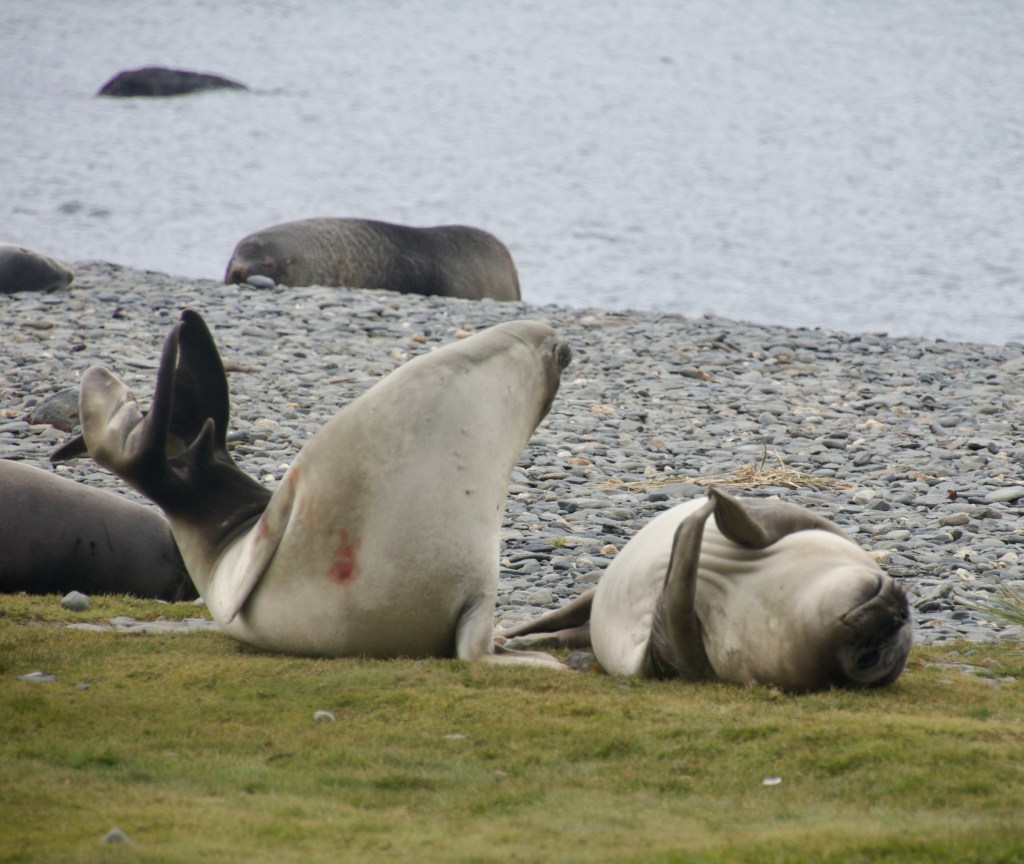
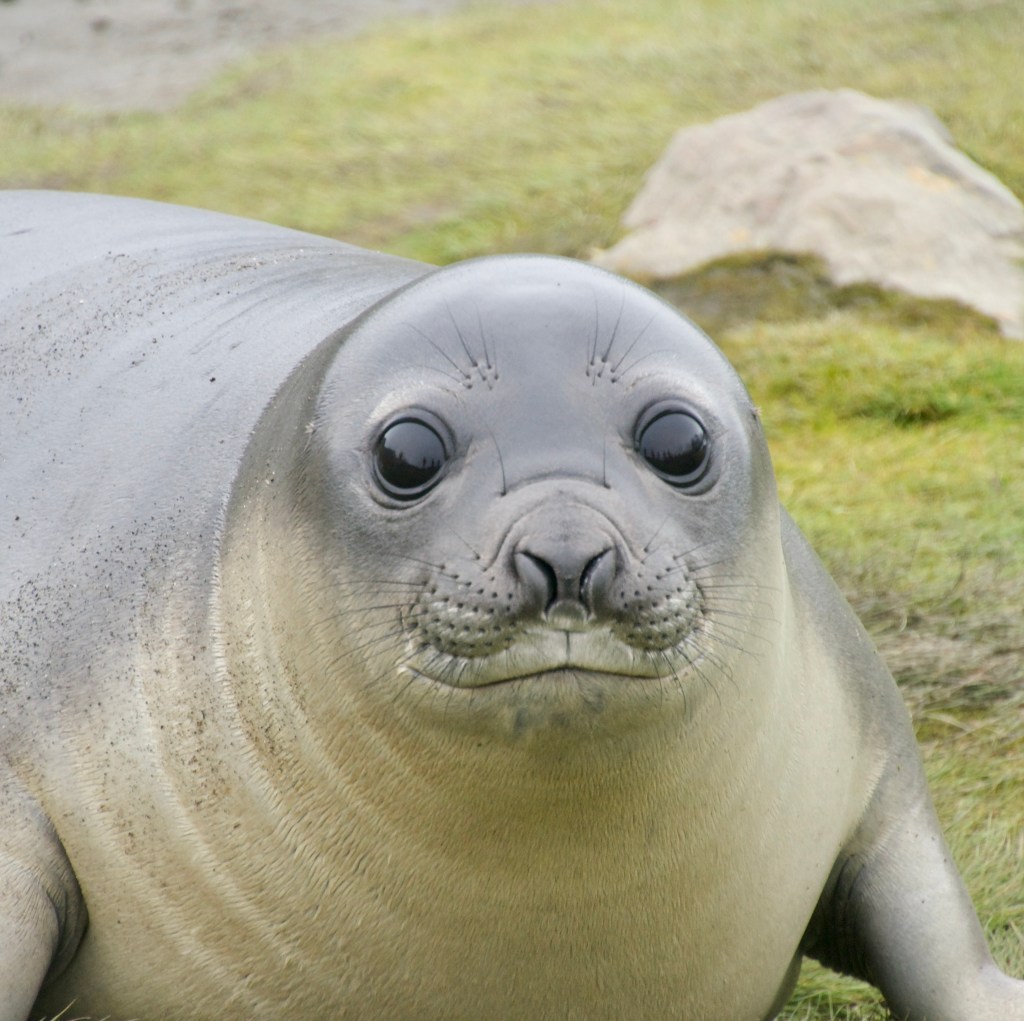
The other major locals are fur seals (above right) and elephant seals (cubs below).

The bay is still a desolate place, even in good weather. Shackleton’s group had to cross the mountains to get to the whaling station on the other side of the island, but they did, and at that time everybody survived.

Stanley, Falkland Islands

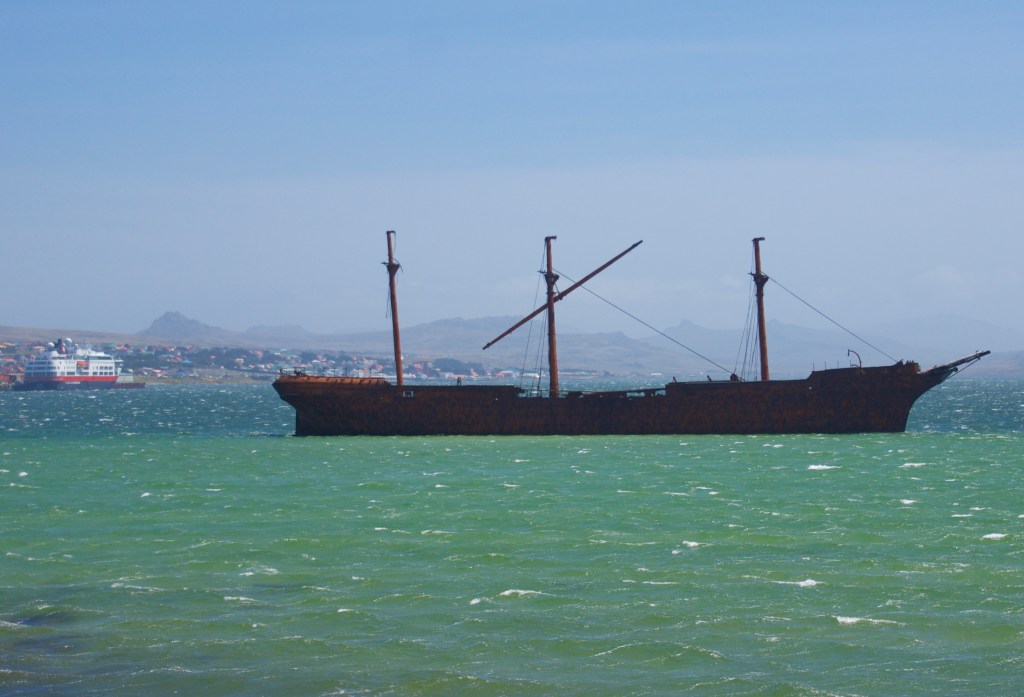
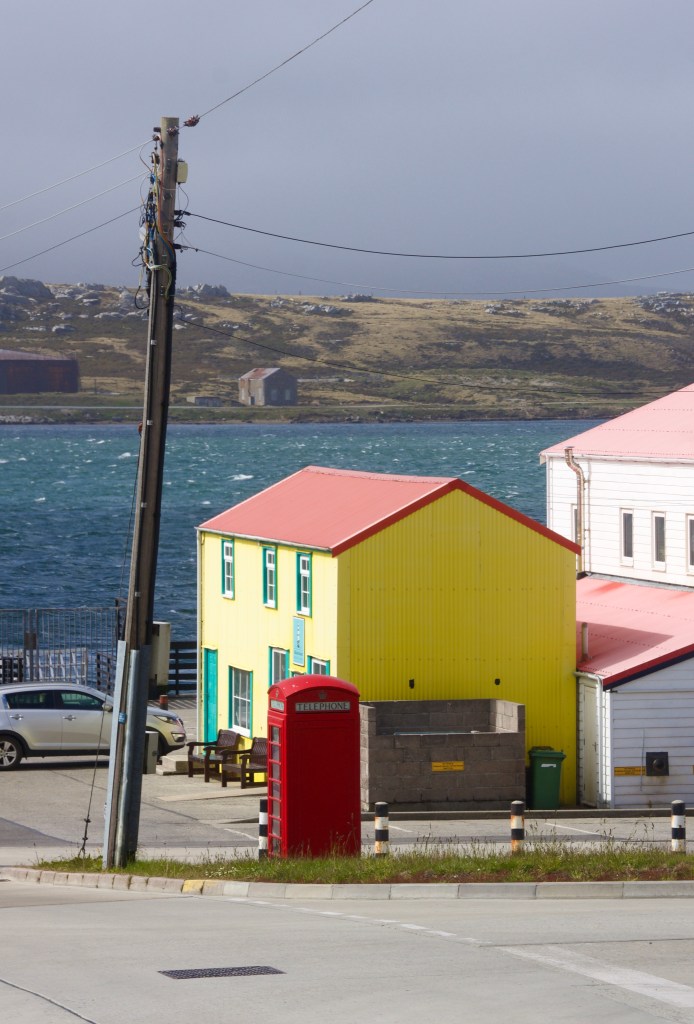
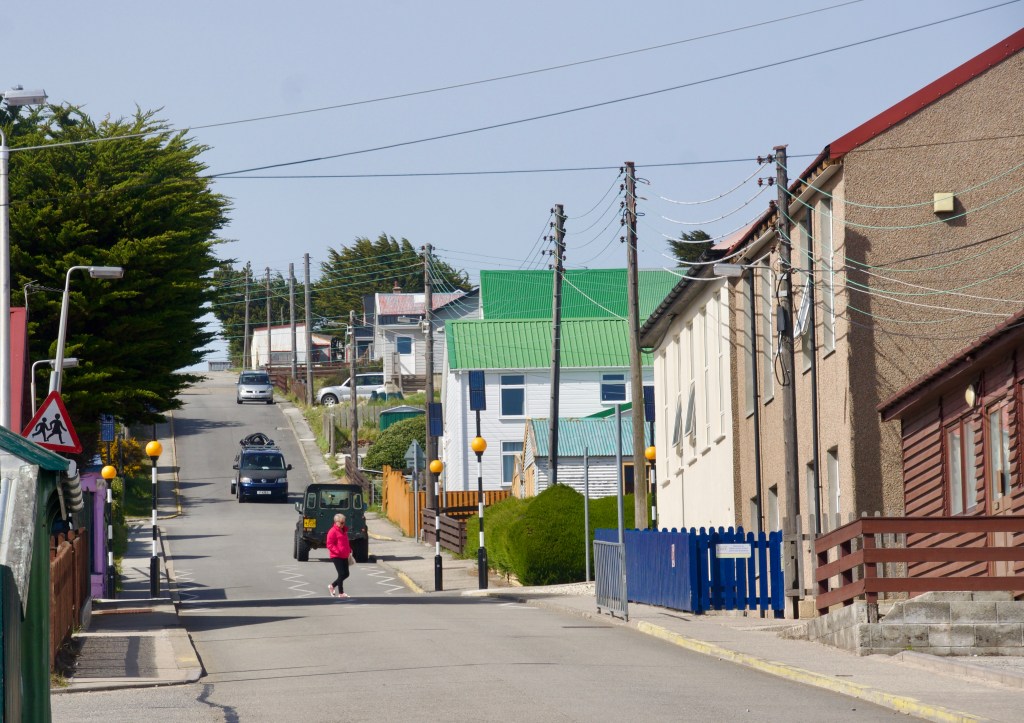
Stanley, the capital of the Falkland Islands, has a certain frontier town feeling to it despite formally being a cathedral city. The harsh surroundings and the small-scale building stock contribute to this feeling, as does the smallness of the place (about 2000 inhabitants). The harbour has the wreck of ‘Lady Elizabeth’ to remind everybody of the dangers of seafaring (below). She was sailing around Cap Horn but never quite made it.
Below are some images giving a sense of the town.

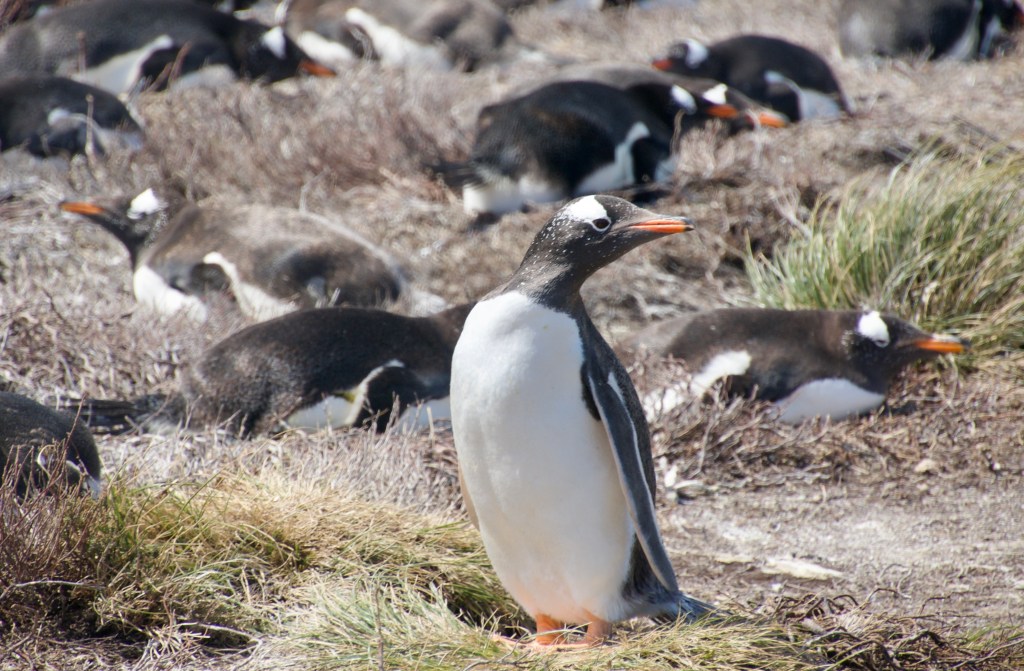
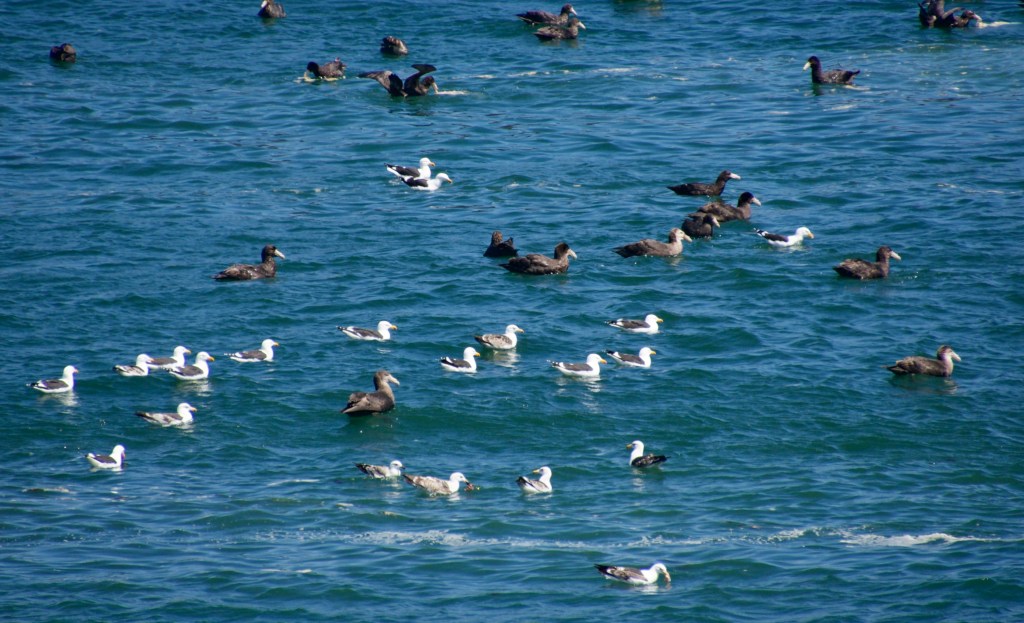
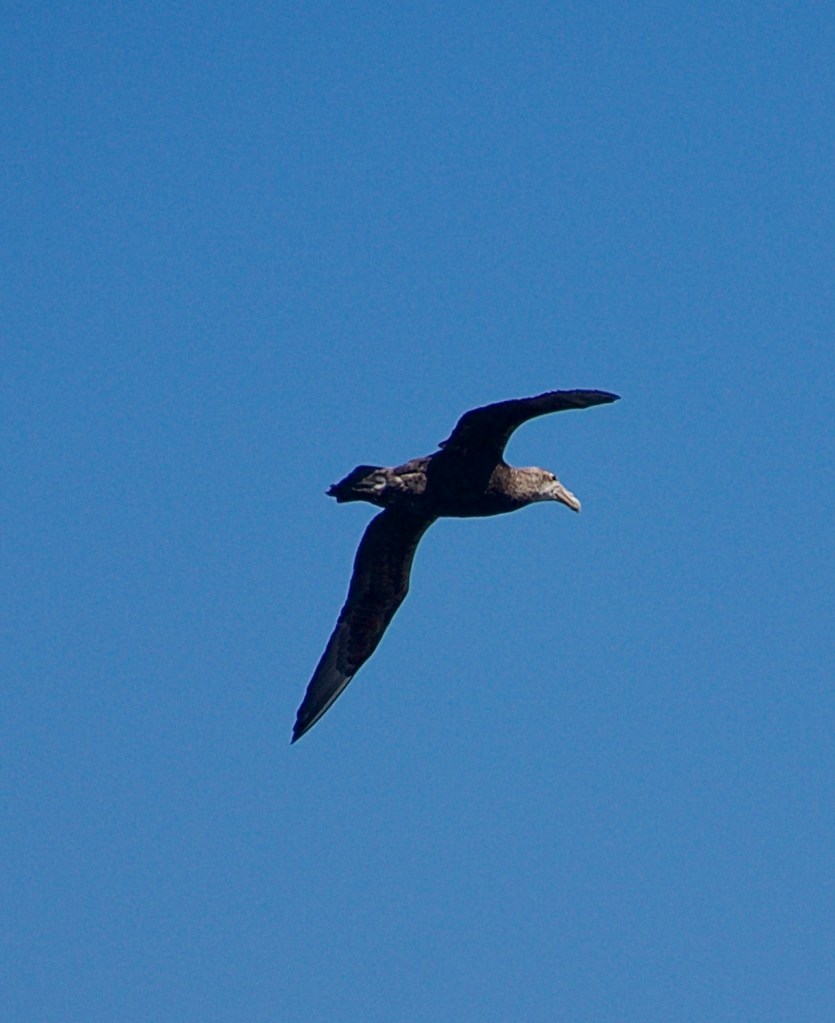
Around town there are the usual attractions (below left, gentoo penguins) and a view of the stormy sea, much enjoyed by birds fishing whatever is brought up by the currents (below centre). Below right is a Southern giant petrel.

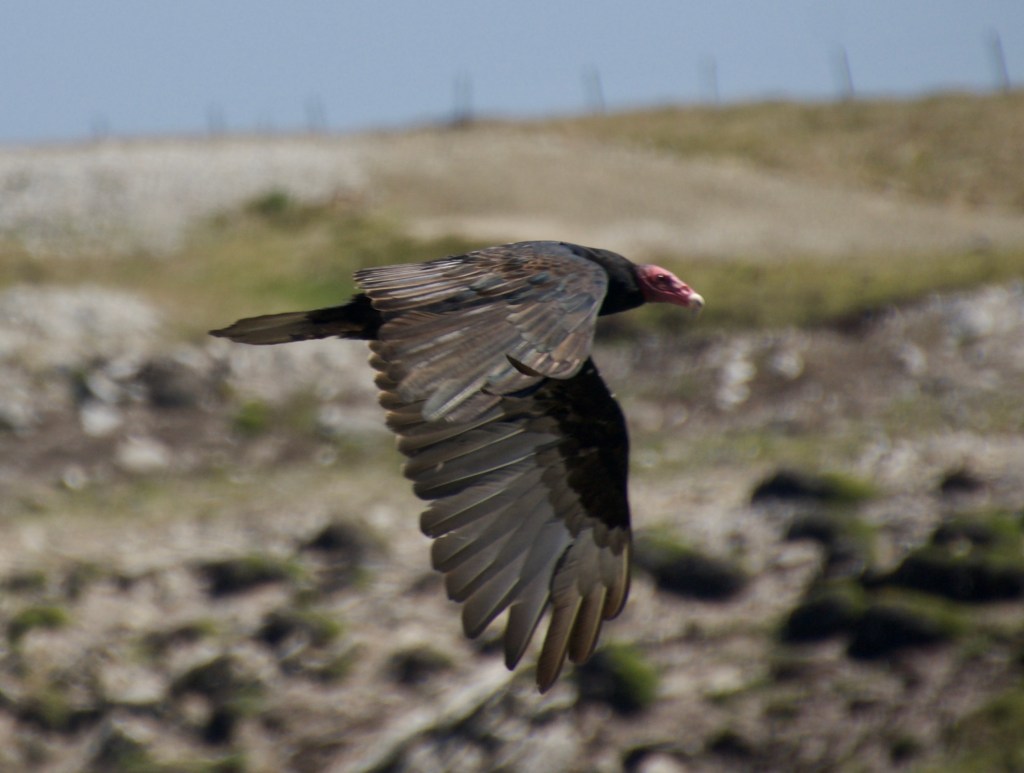
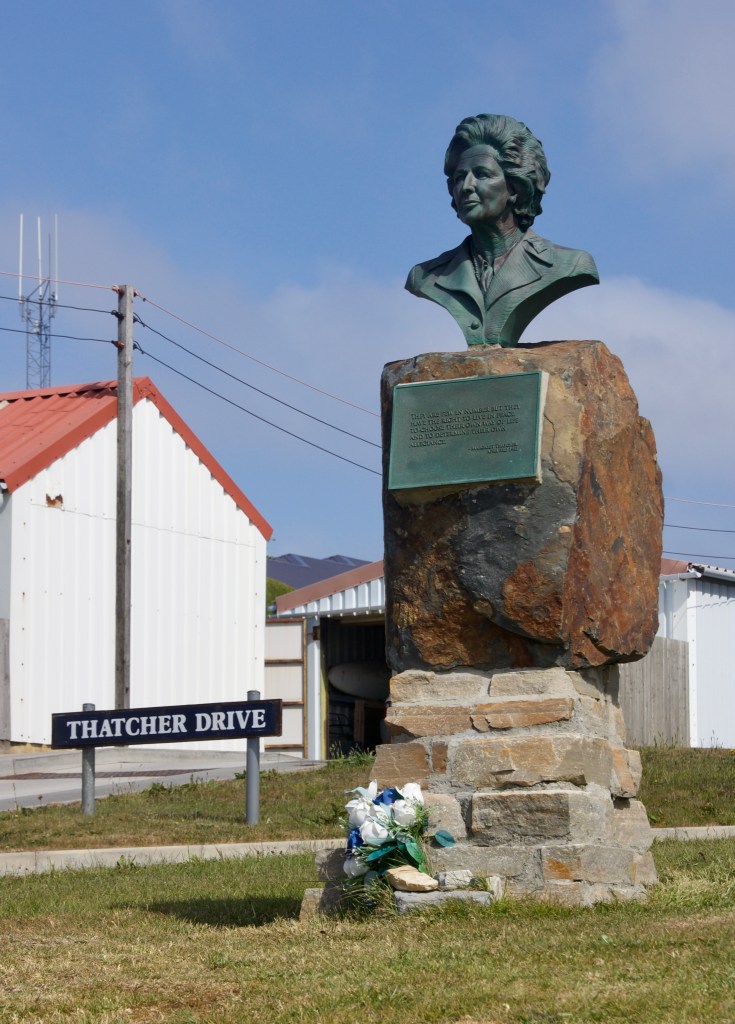
Above a turkey vulture seeking its pray. Below, back in town, the local hero Margaret Thatcher is watching from beside the memorial to the 1982 war. A view of the harbour on below left, with the Falkland Islands flag.

Carcass Island, Falkland Islands

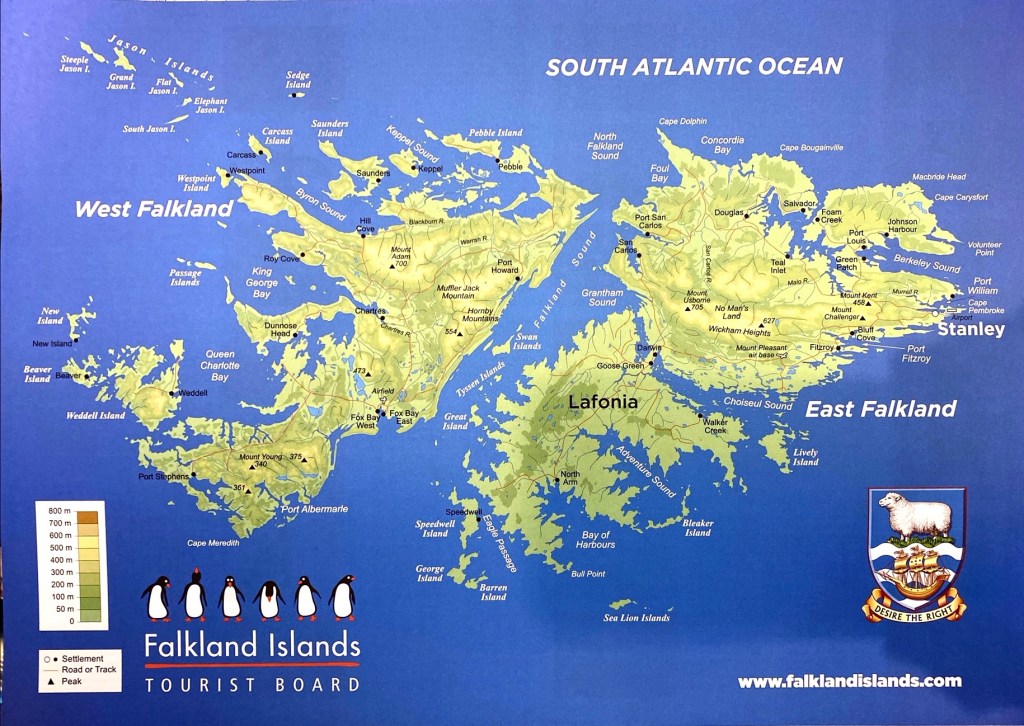
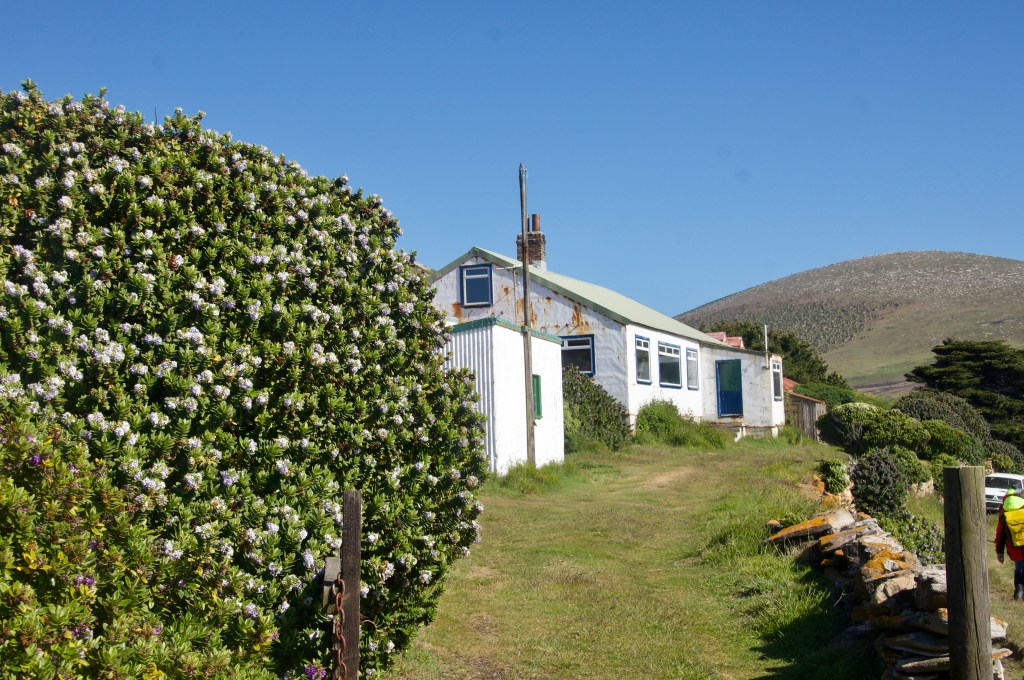
The Falklands consist of 778 islands (see below), of which one is Carcass Island in the Northwestern corner. As usual it is windy and desolate, but there are people living here. Not many, but a child was happy in a swing while tourists filed past on their way to see more penguins.

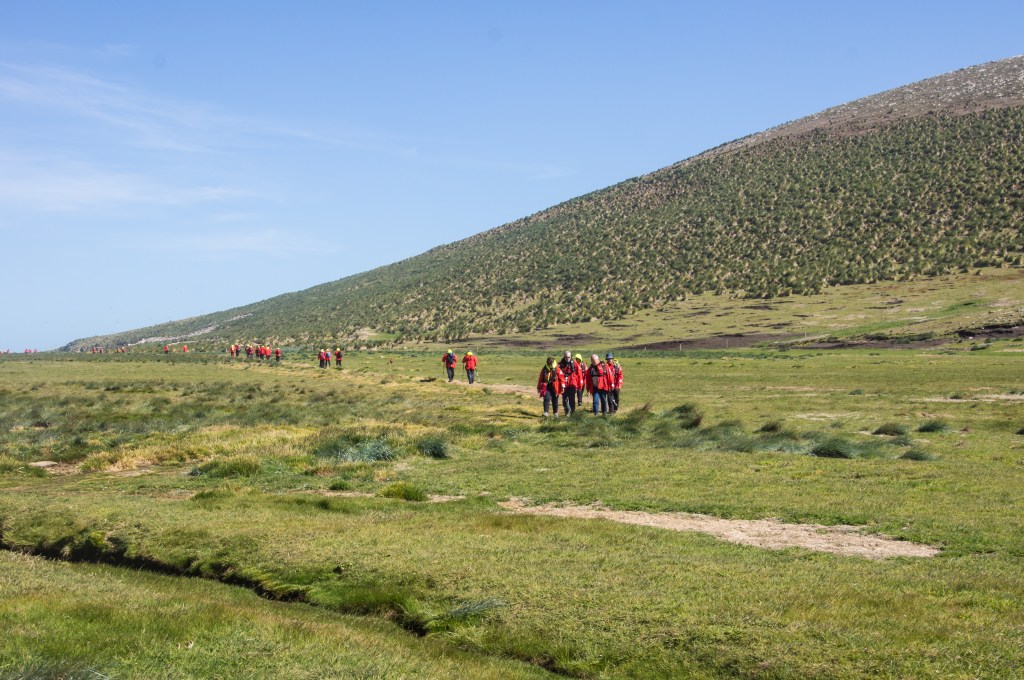
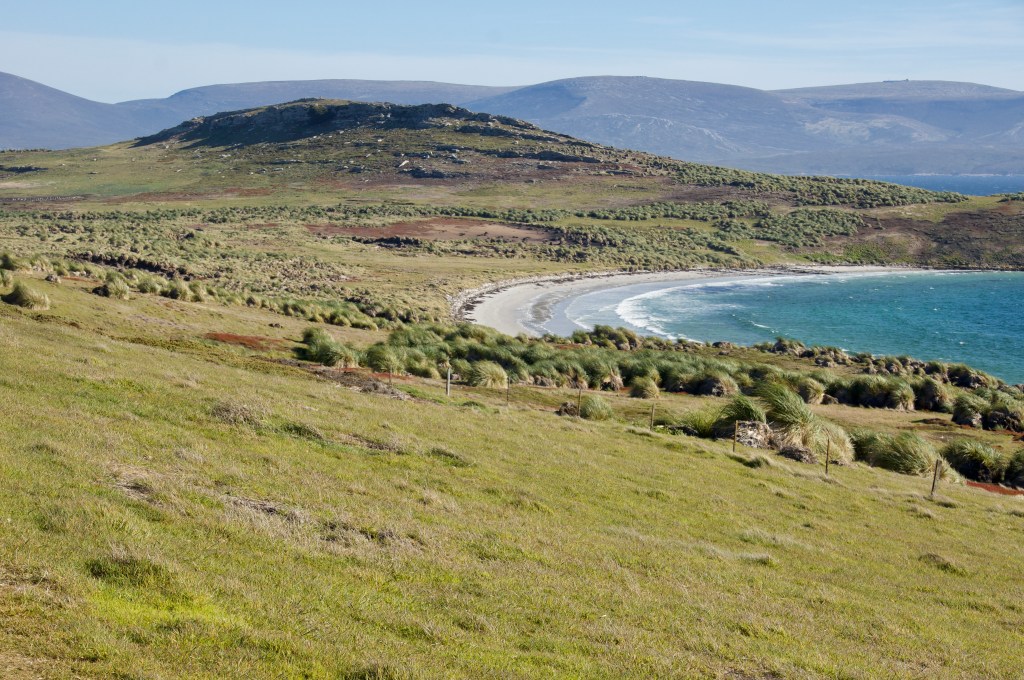
The path to the penguin beach is about four kilometres (below) and the wind is a constant companion.

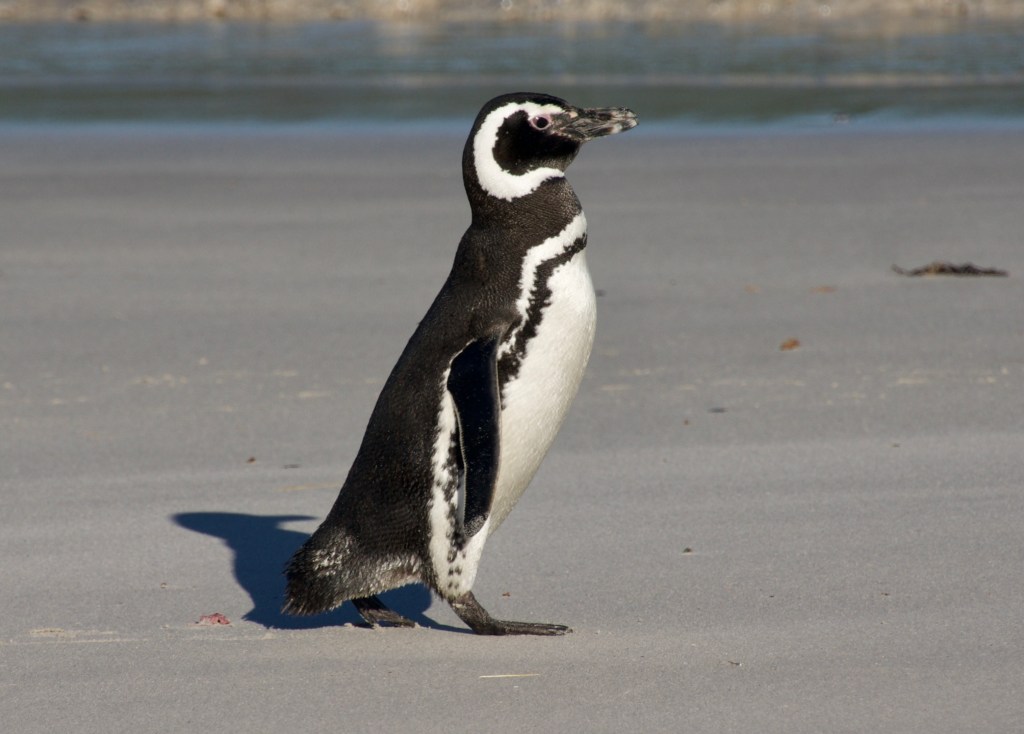
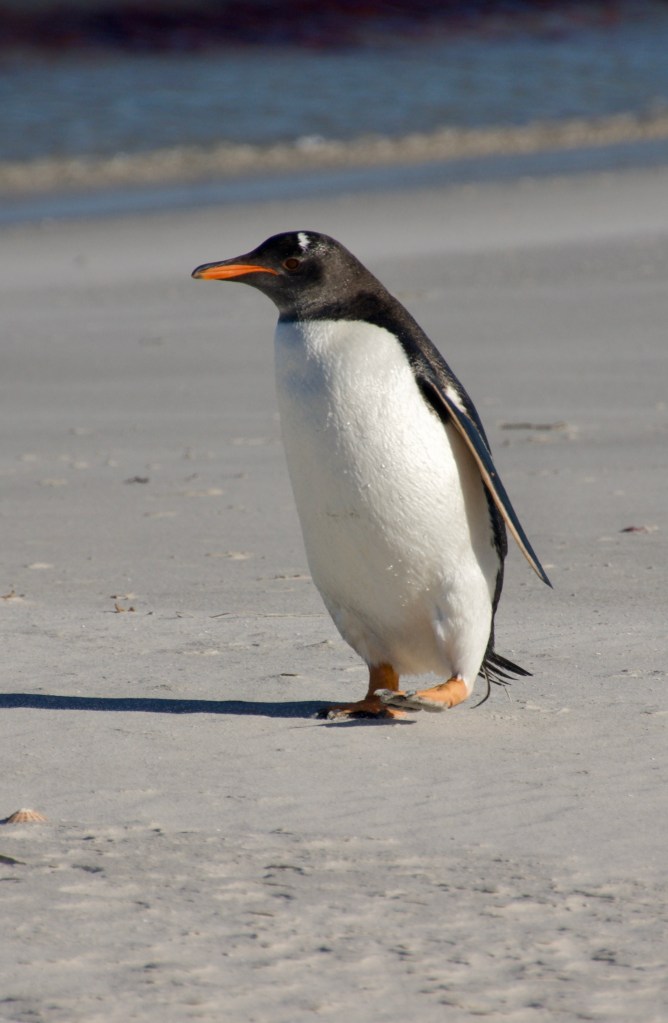
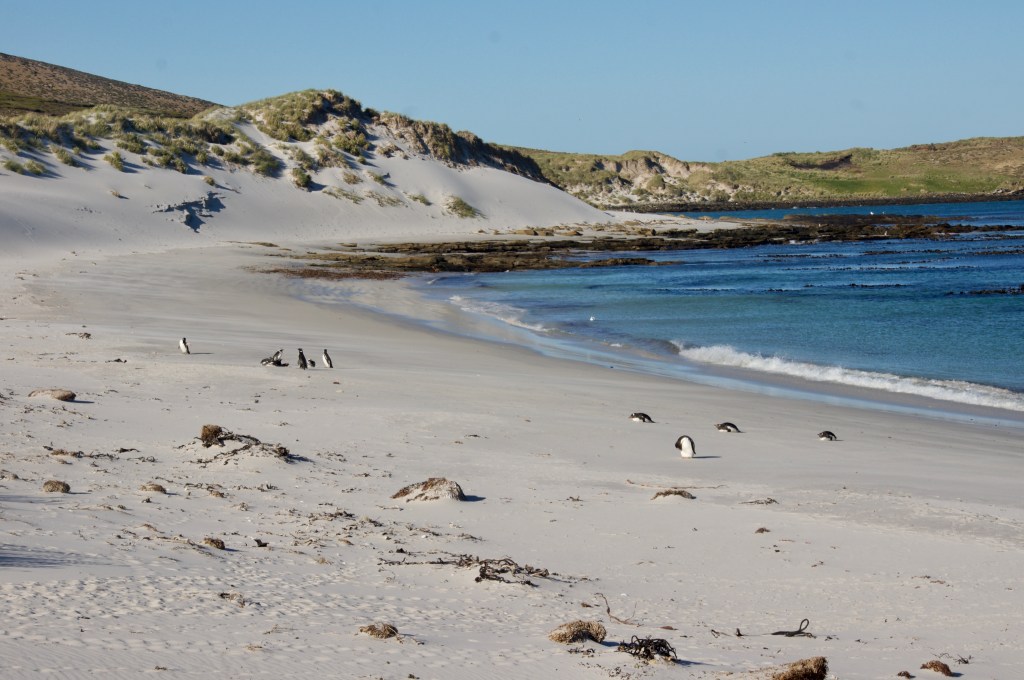
At the beach both Magellanic (below left) and gentoo (below right) penguins enjoy the winds.

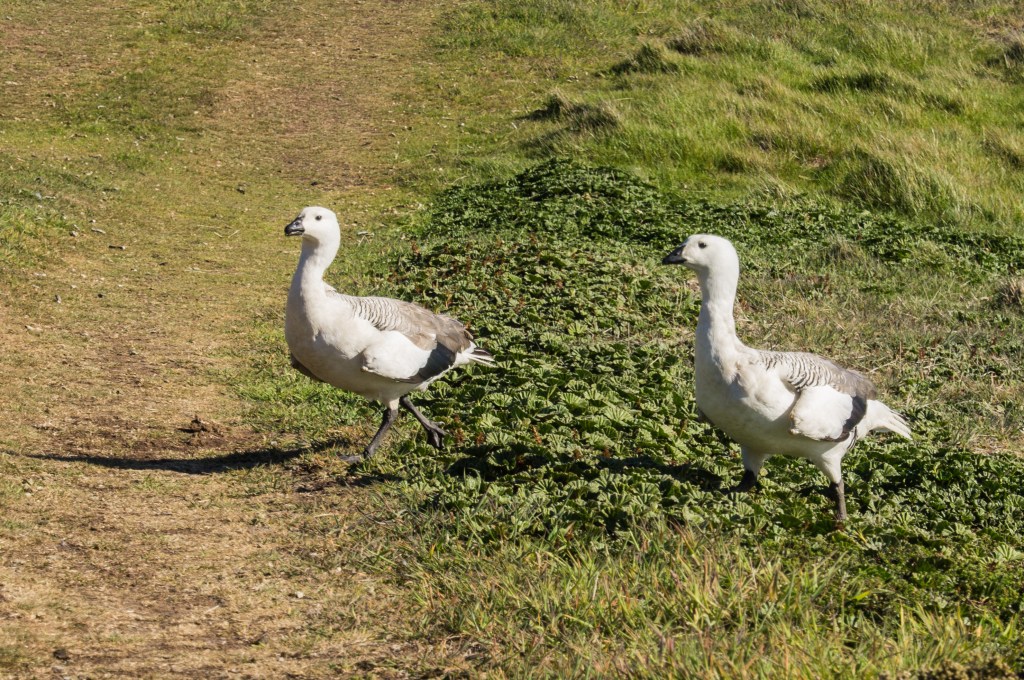
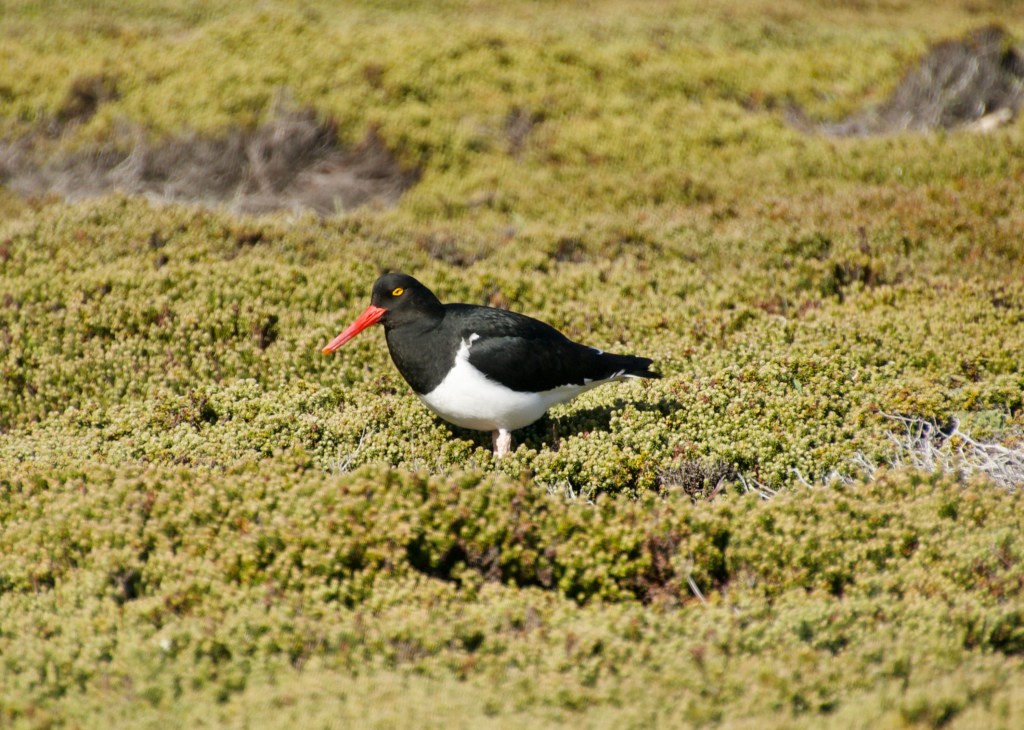
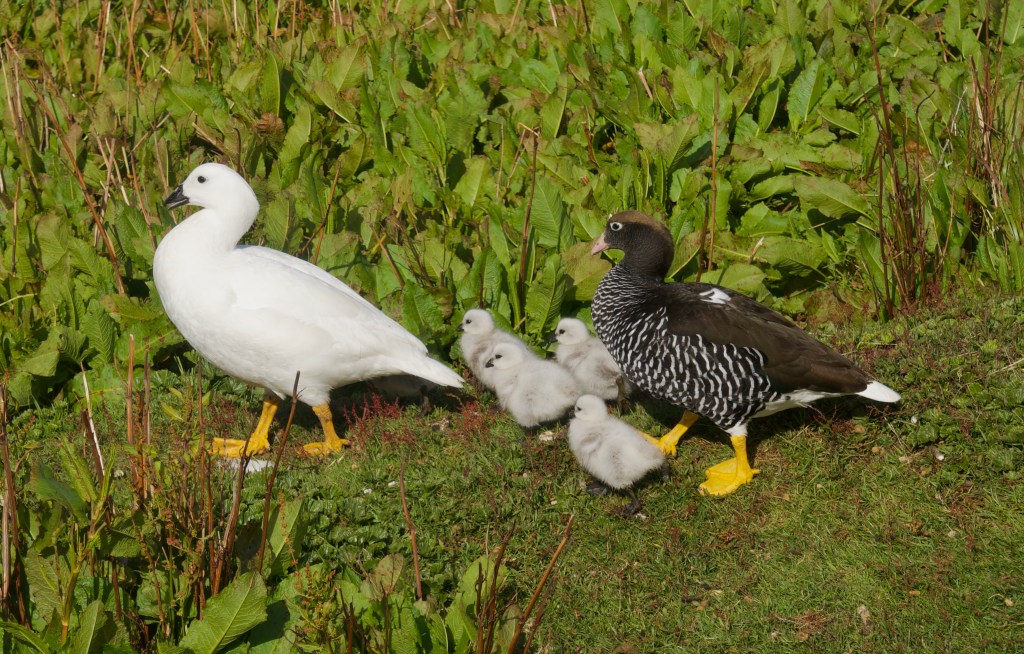
Other birds present include the upland goose (below left) and the Magellanic oystercatcher (below right). All the birds mostly ignore the humans marching by.

The beaches might look attractive, but the wind makes them suitable only for penguins. And it is only 11 degrees.

New Island, Falkland Islands

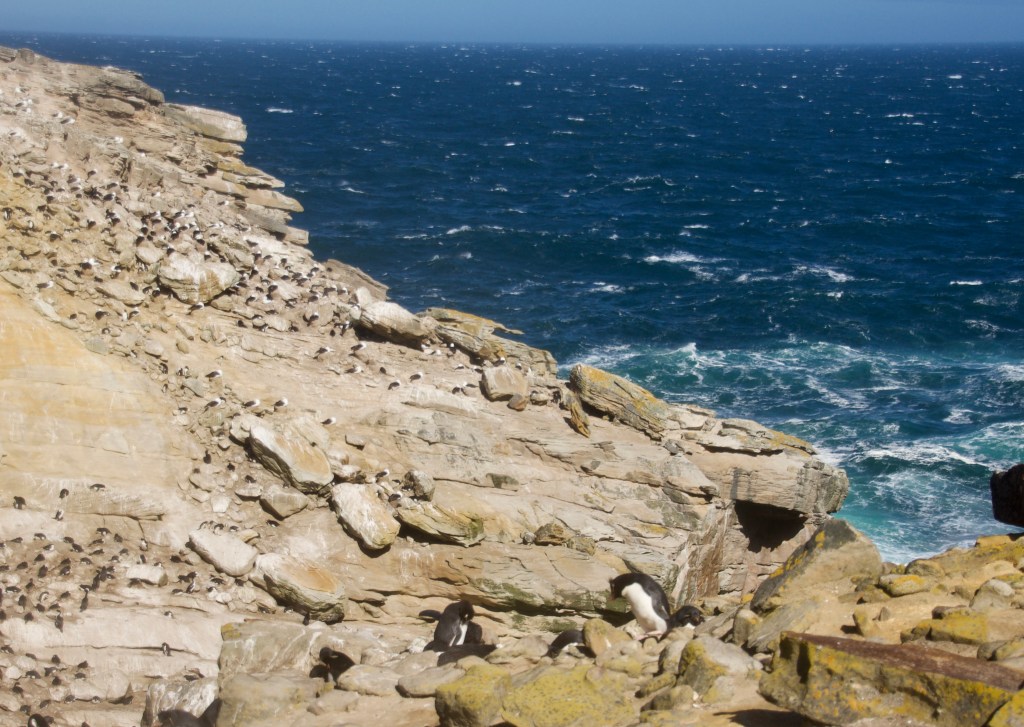
The nature reserve at New Island South has plenty of the native birds of the Falklands – and the word ’windy’ does not even begin to describe the gales blowing from the sea (below).
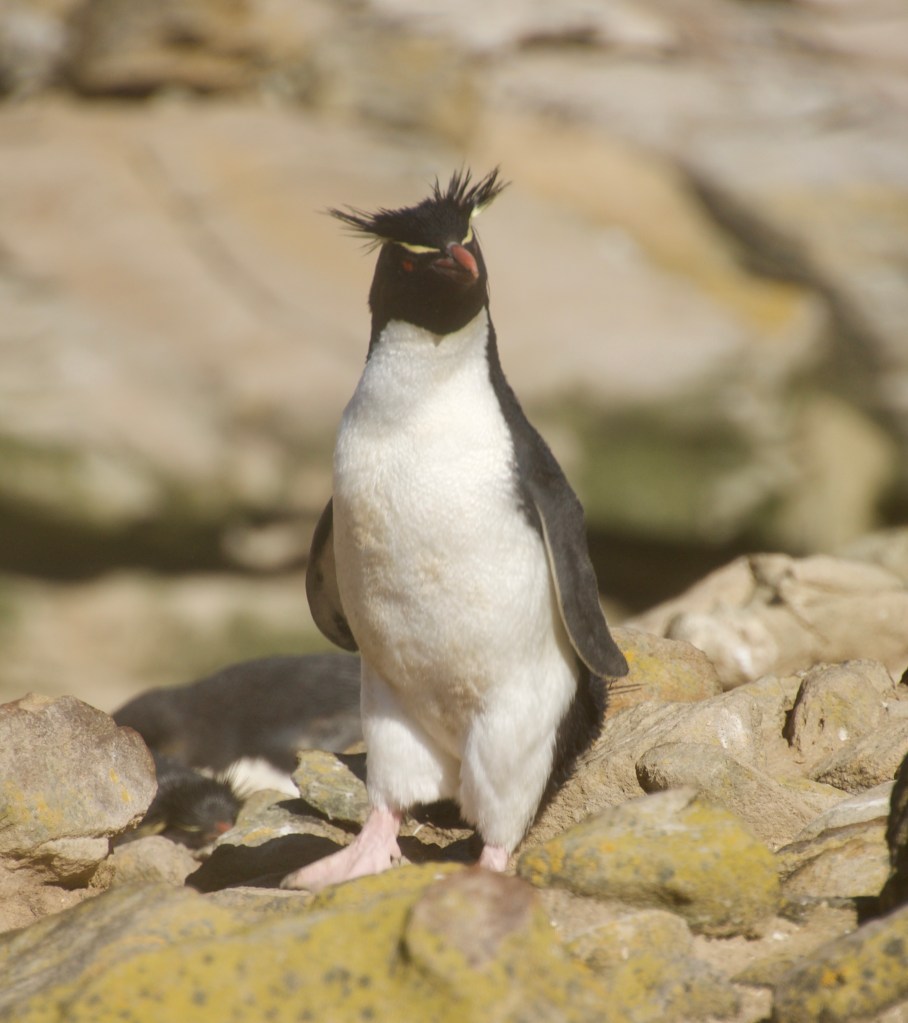
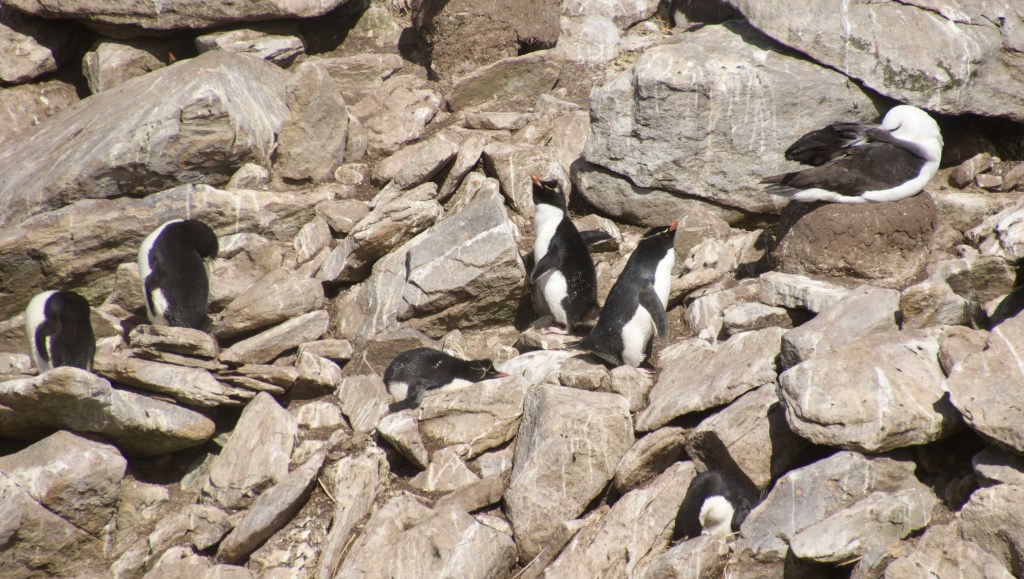
The rockhopper penguins (below left) seem positively to revel in the wind, as theirt colonies are mostly on the windier part of the island, although some (smarter?) have established themselves to a less windy area (below right).

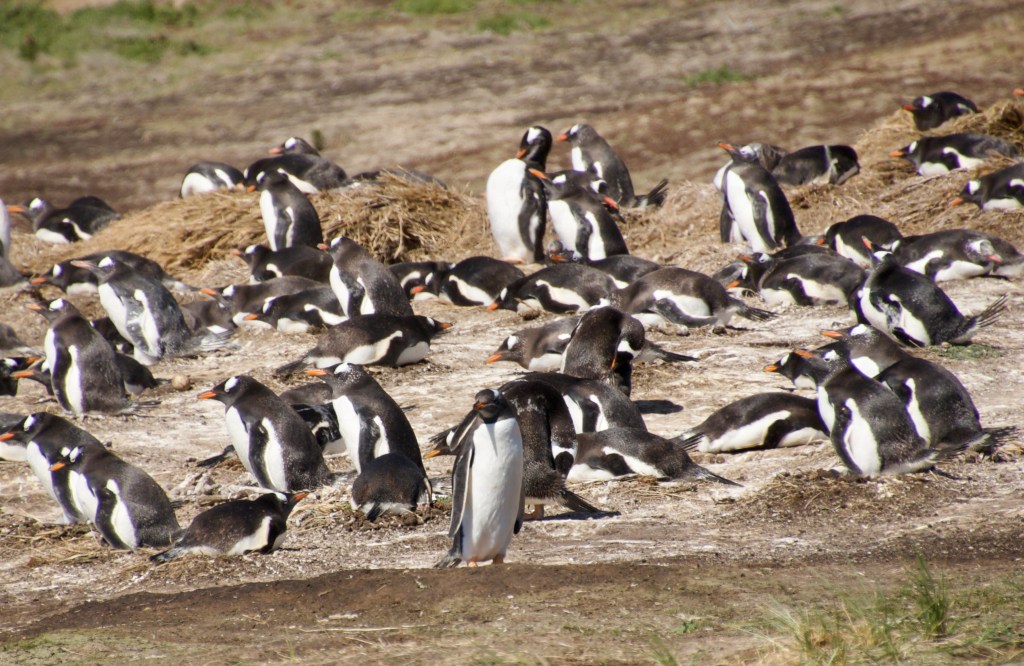
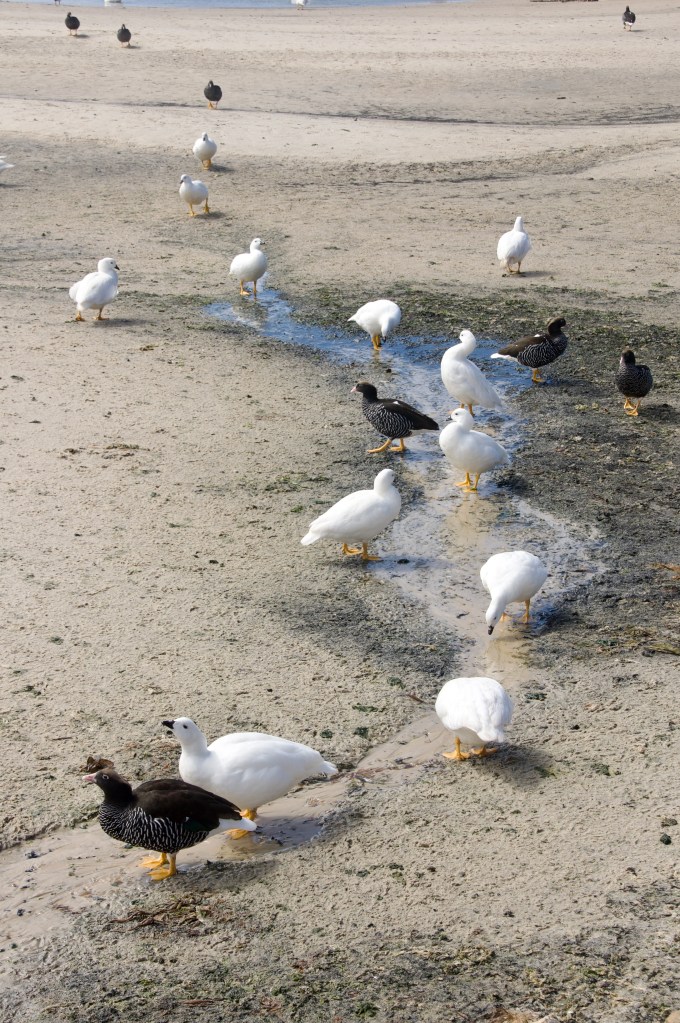
Other frequently seen species include the kelp goose (below left, the males are white, the females gray-brown). A rock shag is below right.

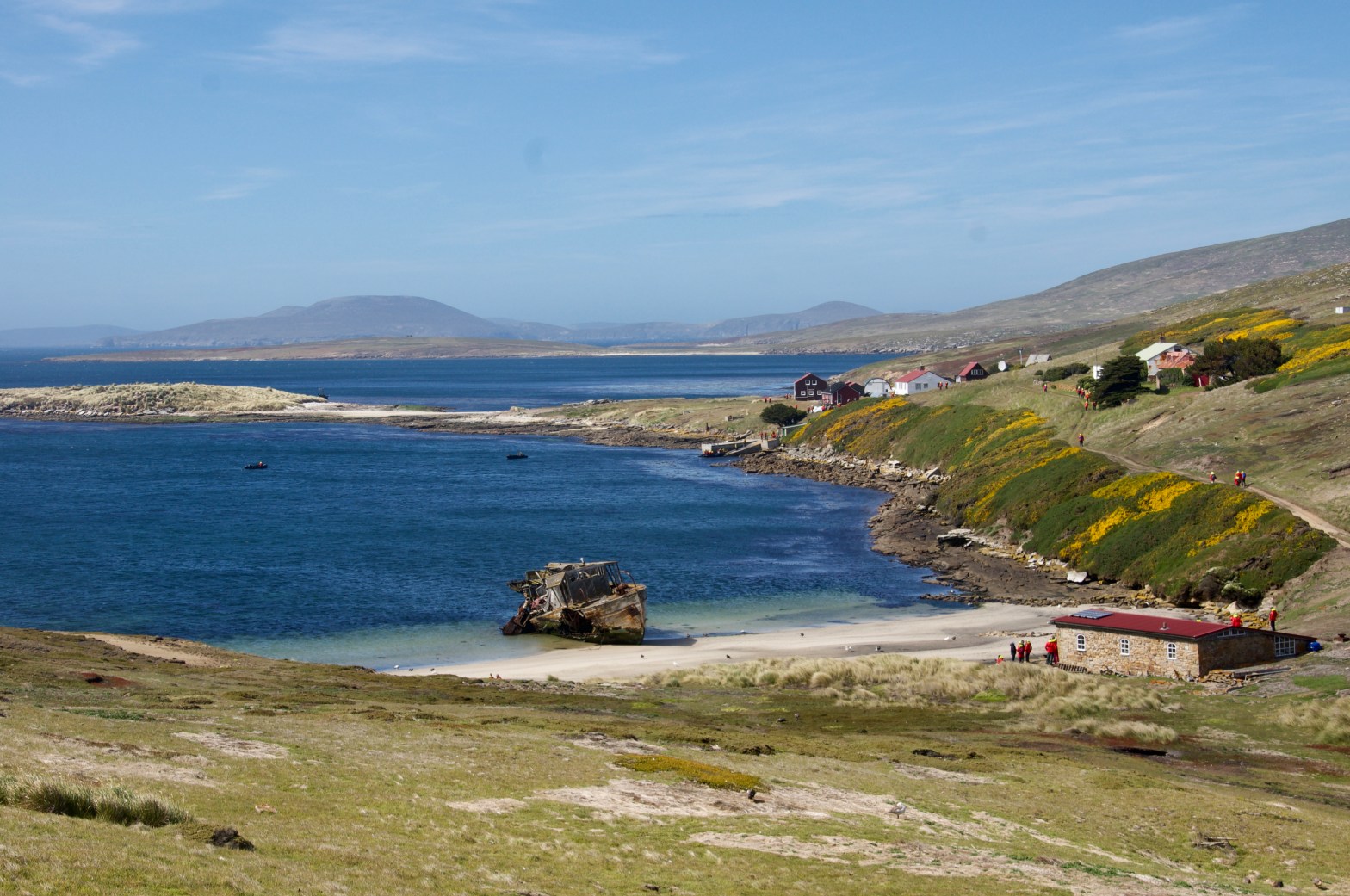
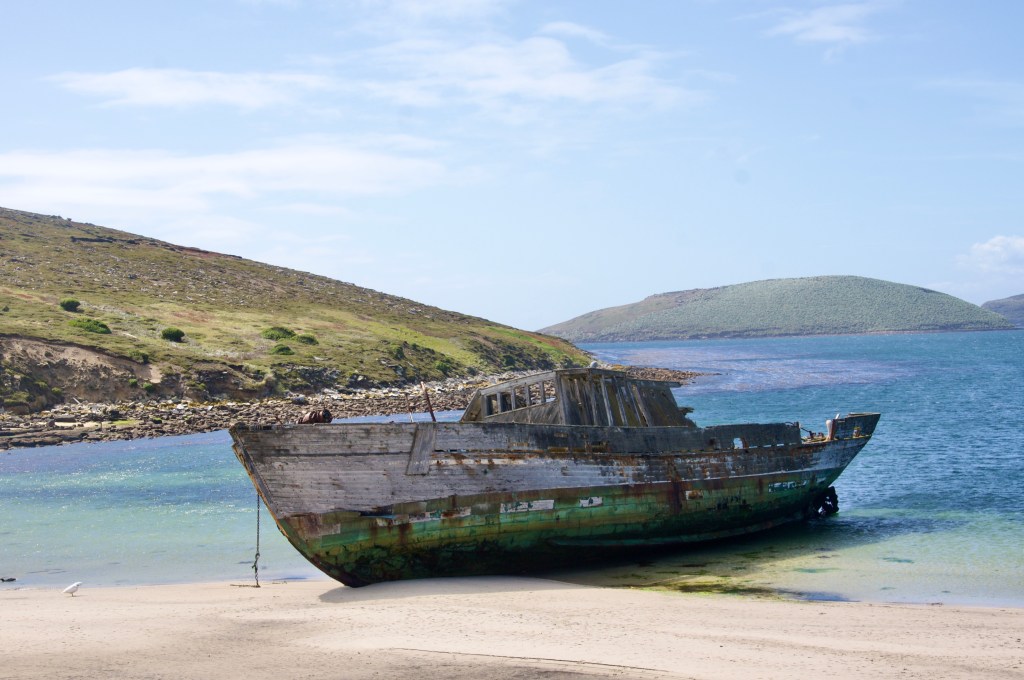
The wreck of the good ship ’Protector’ lies in Coffin’s Harbour (below left) near the settlement (title picture and below right).

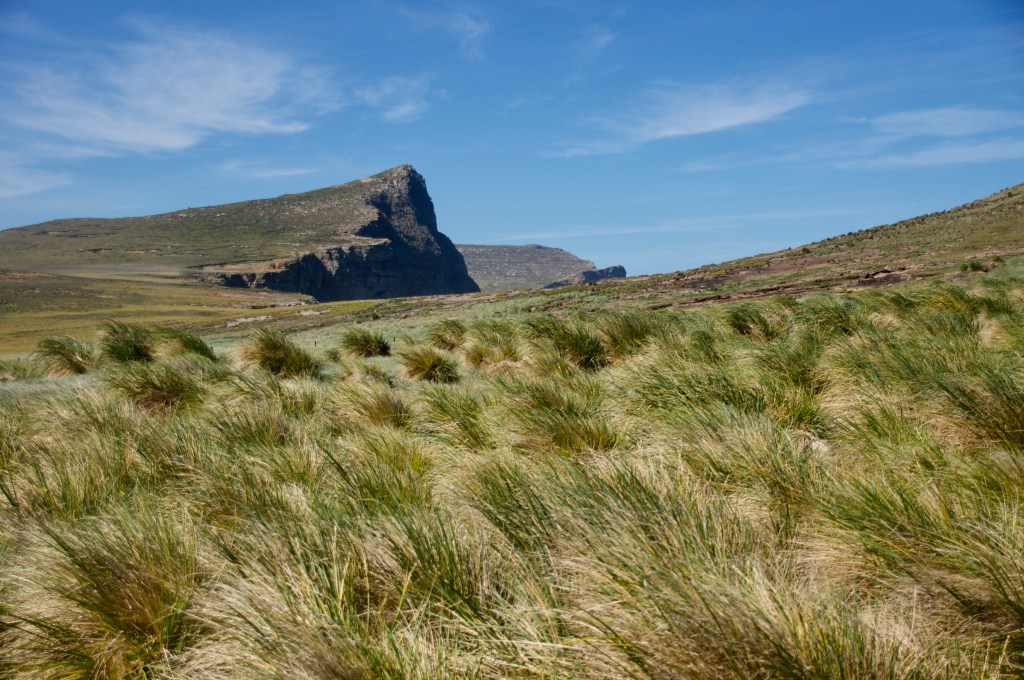
The Tussac grass grows everywhere (above) and among it the non-native red-and-yellow species ’Hurtigruten ordinaris’ performs its rituals (below).
West Point Island, Falkland Islands

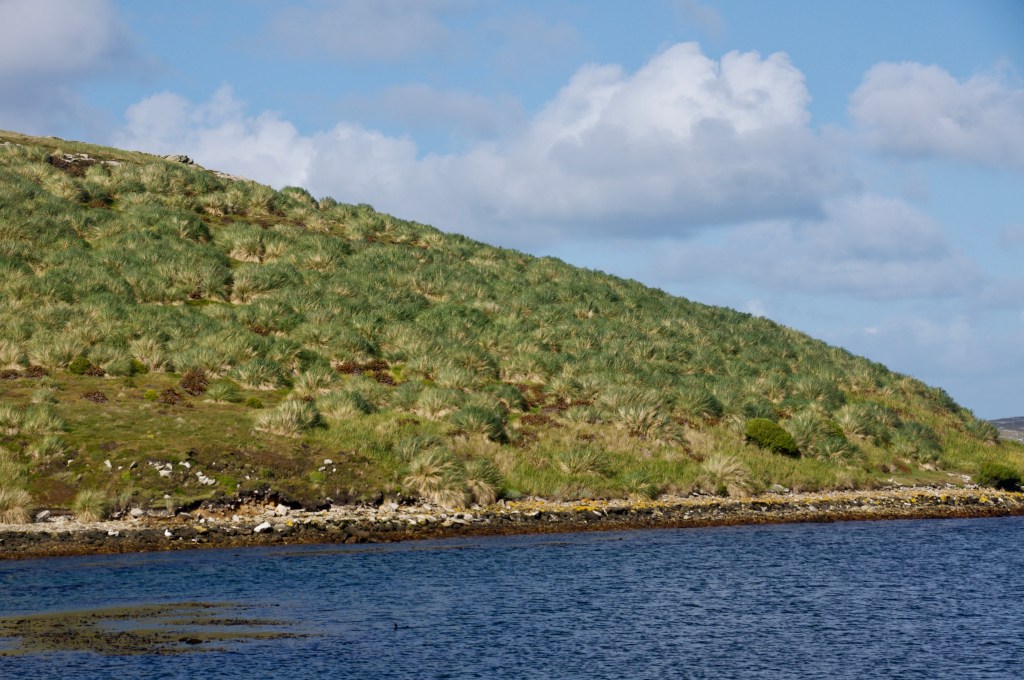
At the Northwestern part of the Falklands there is a small windswept island that houses a few humans (one farm) and plenty of birds. There are few trees, although the original vegetatlion (tussac grass, below) is slowly being reintroduced).

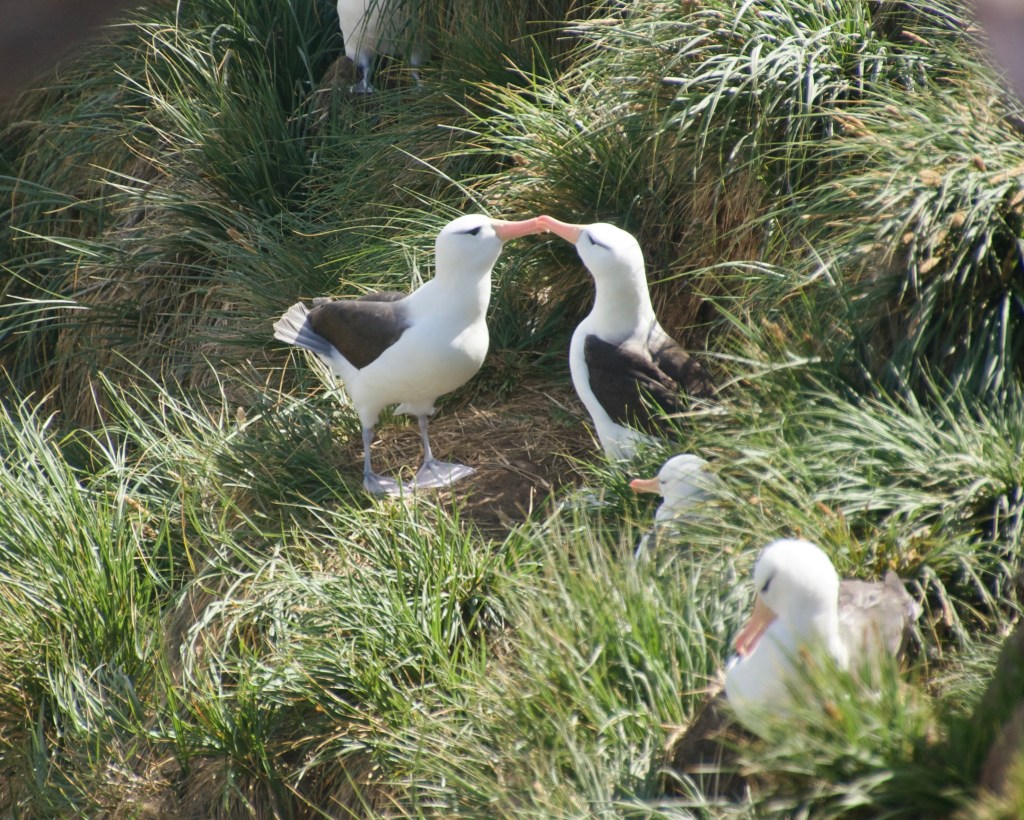
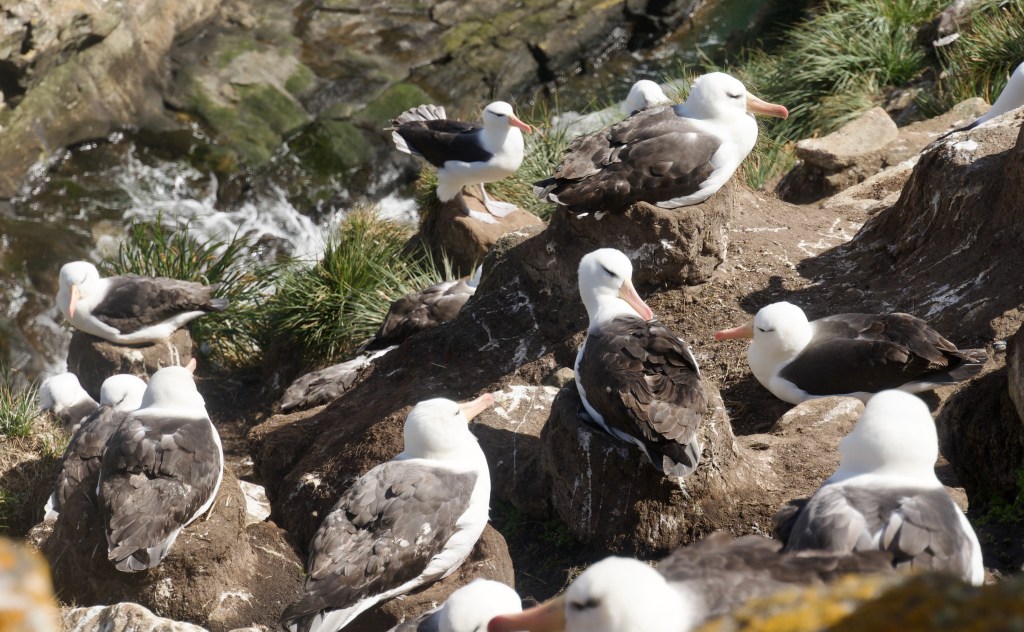
The birds do not pay much attention to visitors and go about their business, whether courtship (below left), tending their eggs (below centre), or raising families (below right).

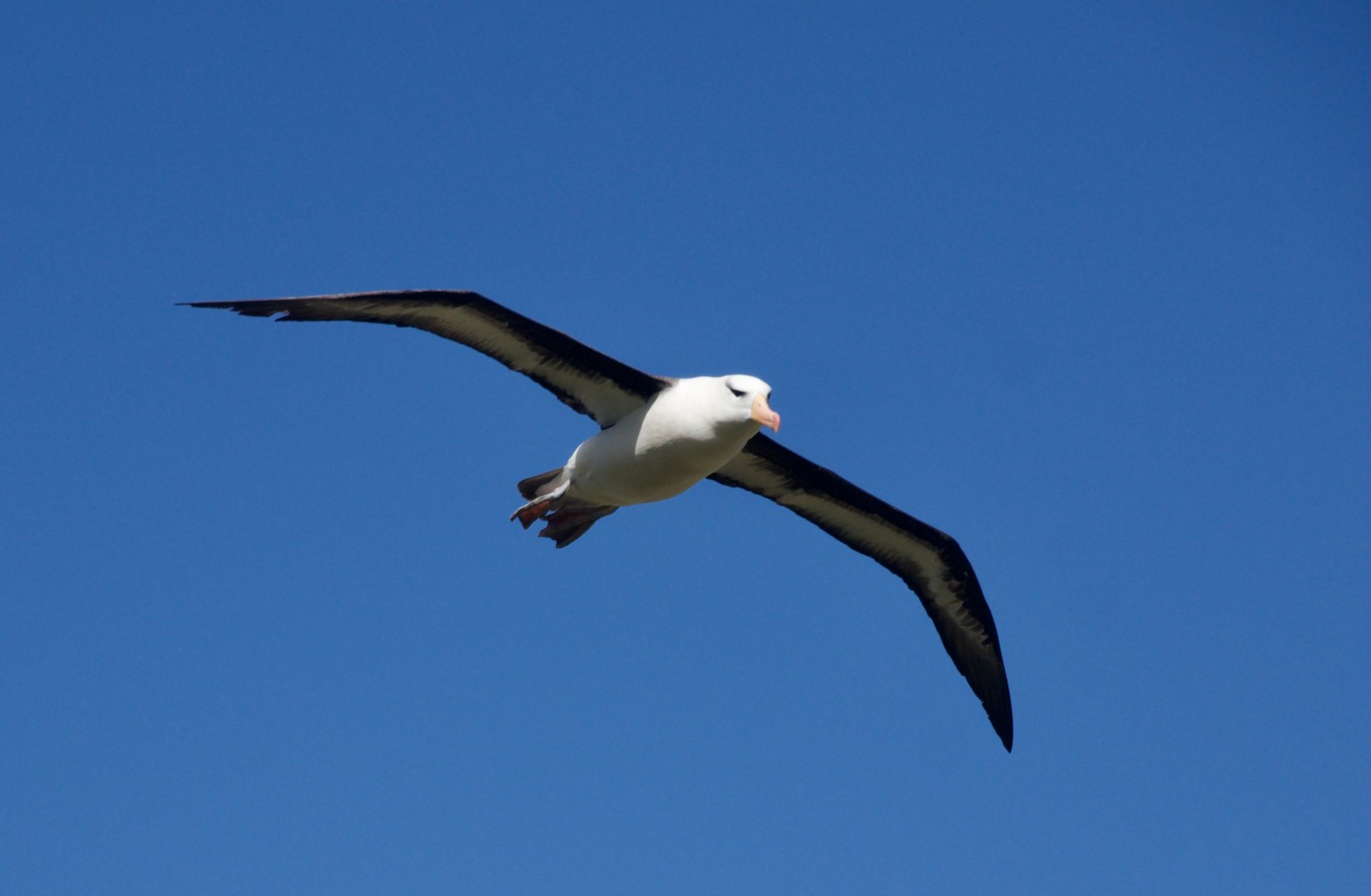
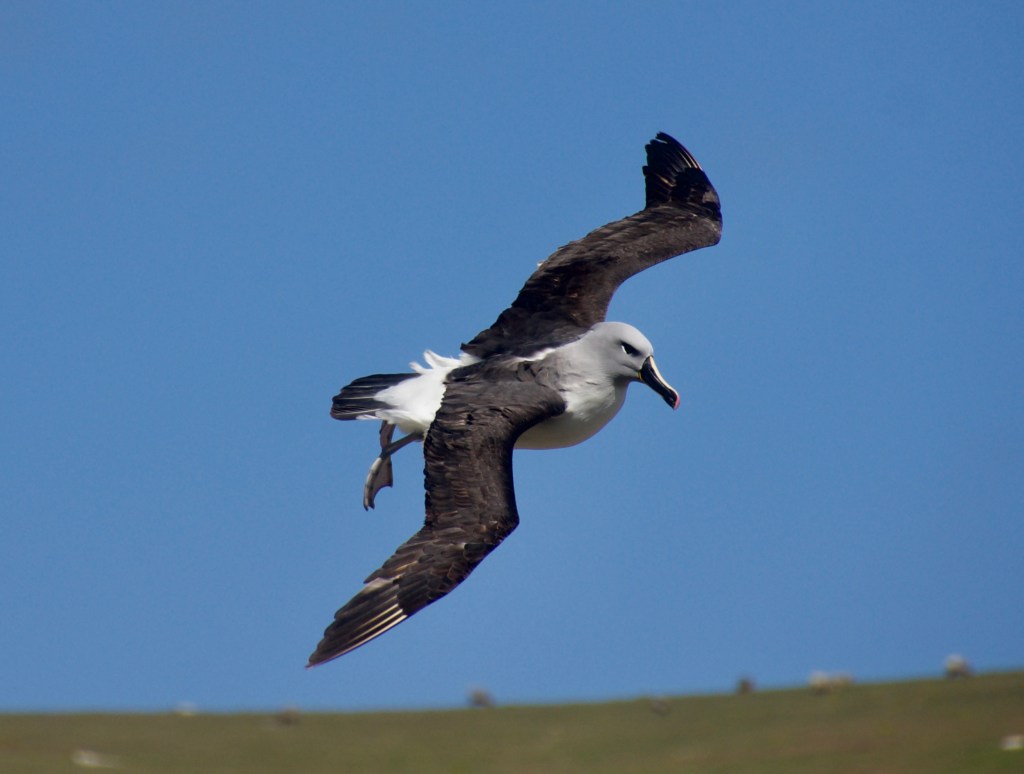
Albatrosses (below left), rockhopper (below centre) and Magellanic penguins (bottom) and whatever else there was (below right) did all this without bothering each other either.

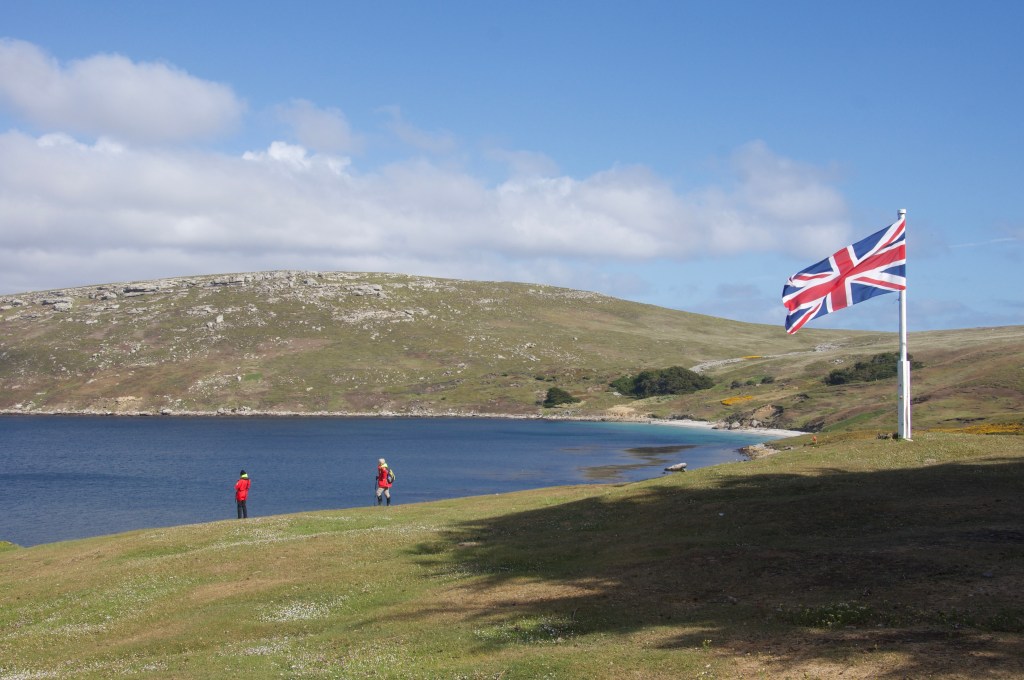
Despite the Falklands being essentially independent (formally a self-governing British overseas territory) that has its own flag. Pn the West Point Island the Union Jack was still flying (below).
Cinque Terre – The Fabulous Five

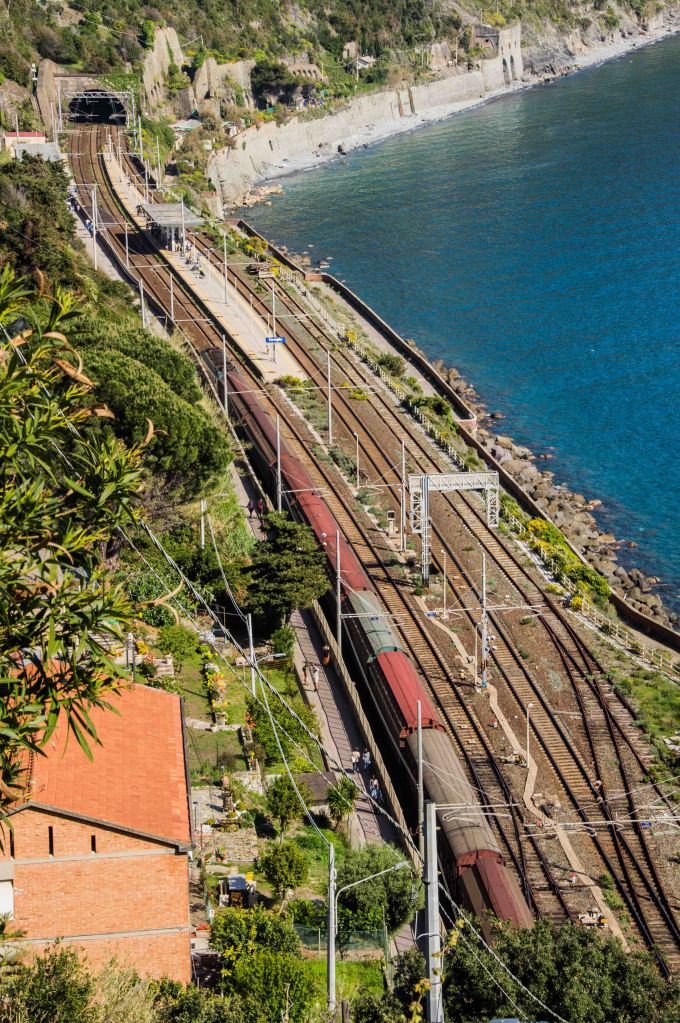
The five towns on the Riviera di Levante that together form the Cinque Terre take full advantage of the rocky coastline, designated as a national park. There is a hiking trail connecting them, as well as frequent boats and trains. Each of these provides a different view to the small towns, although the rocky coast means that the train mostly runs in tunnels.

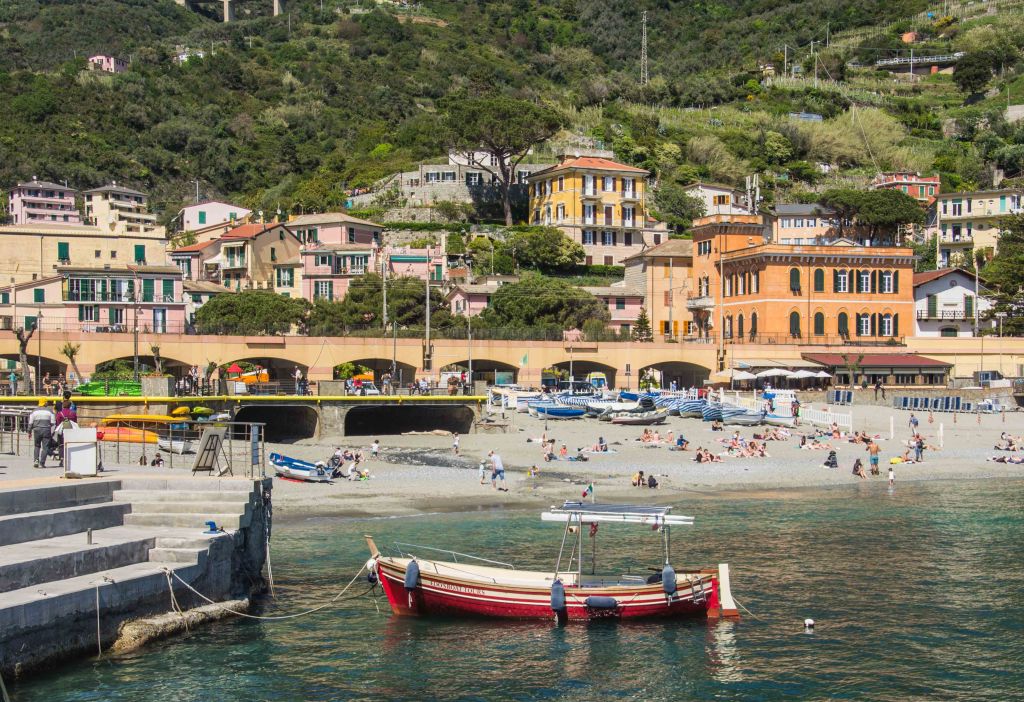
Of the five small towns, the most northerly one is Monterosso – on a relatively flat part of the coast, with a more normal town feel and even a beach (above).

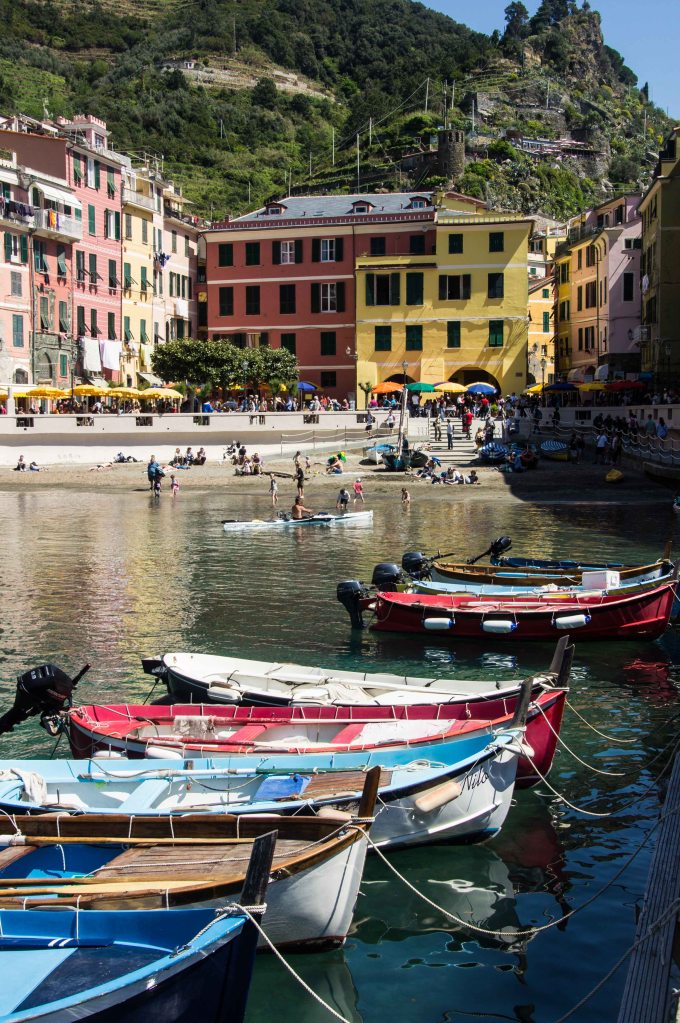
The next one going south is Vernazza (title picture and below), with a picturesque harbour and great views from the hiking path.

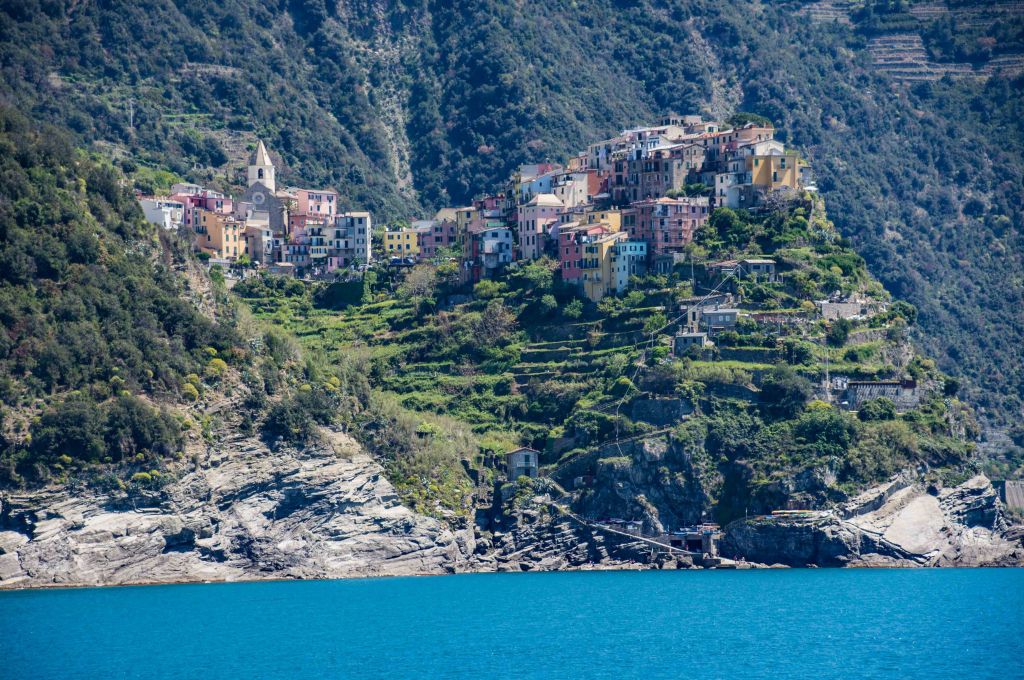
Corniglia is the most difficult to reach, as there is no harbour for the boats, and the hike from the train station is considerable (below).

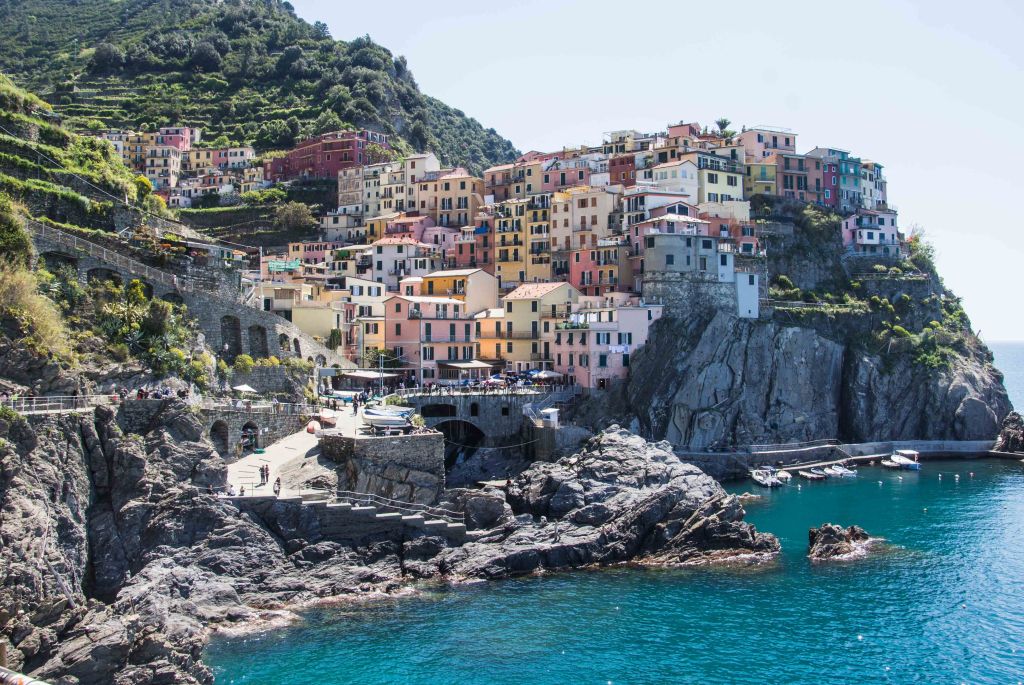
Manarola combines a rocky coastline, hillside houses and tourist groups (below).
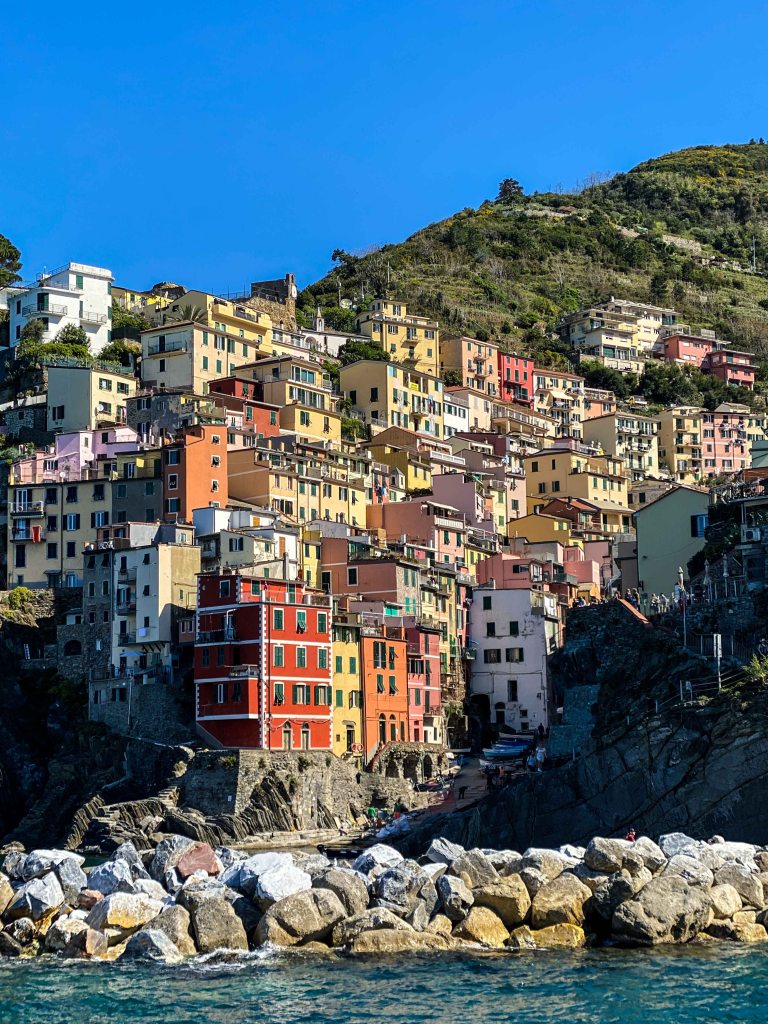
Riomaggiore is the southernmost of the towns, on a steep hillside (below).
For Genoa and St. George

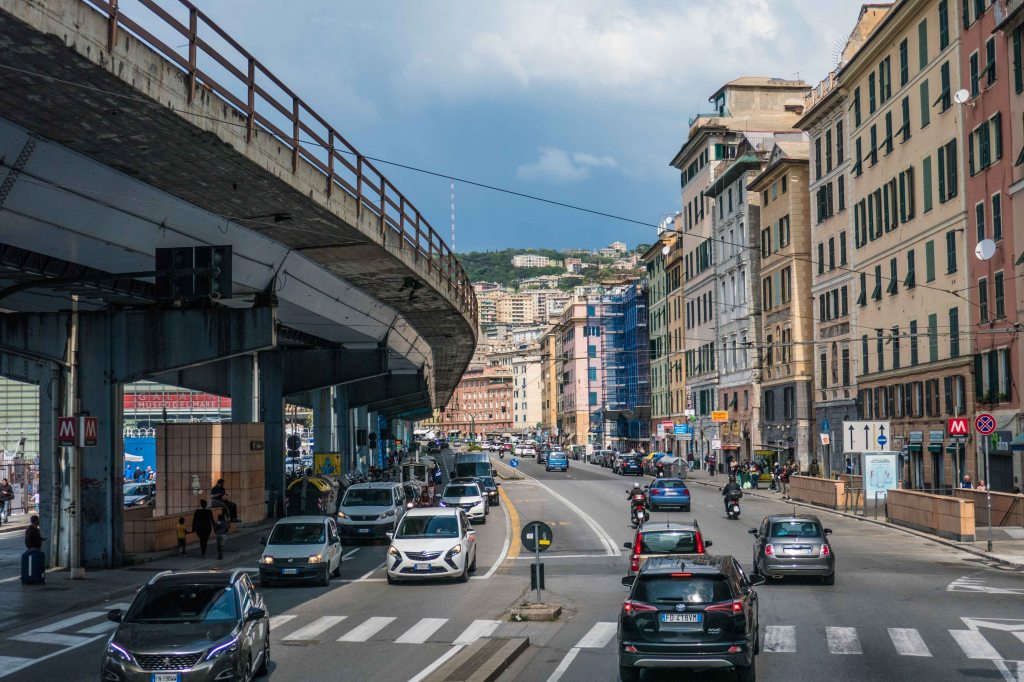
The reputation of Genoa rests on its past as a powerful maritime republic and Venice’s competitor for sea power in the Mediterranean. However, these days it is more of a modern port than Venice’s competitor for the tourist business.

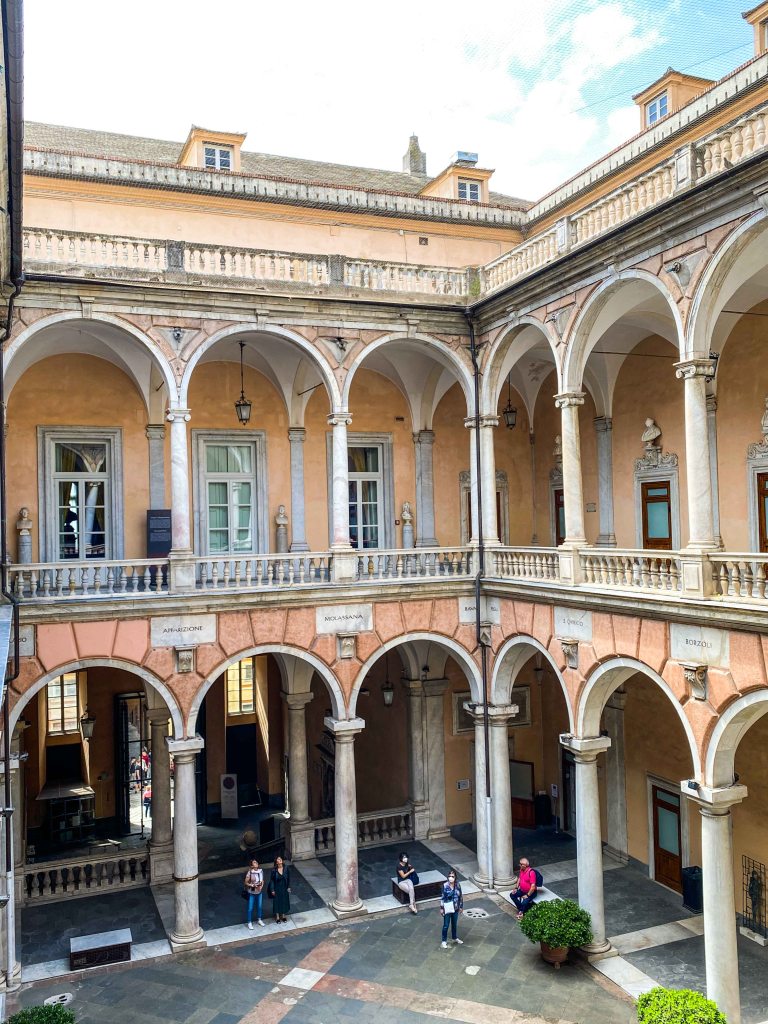
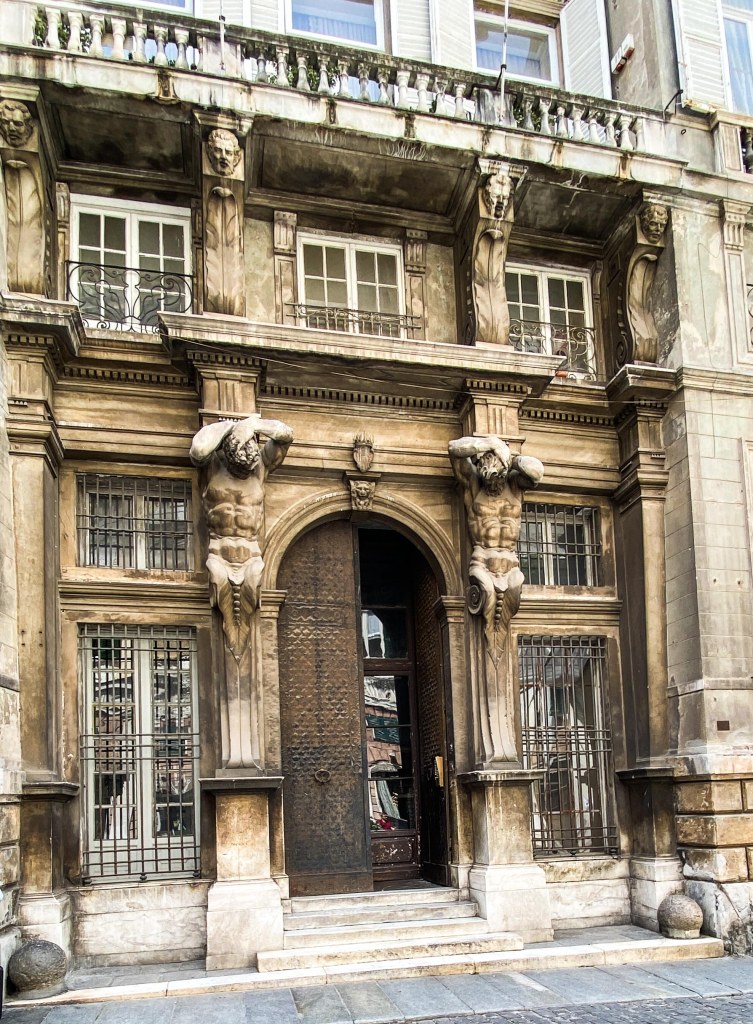
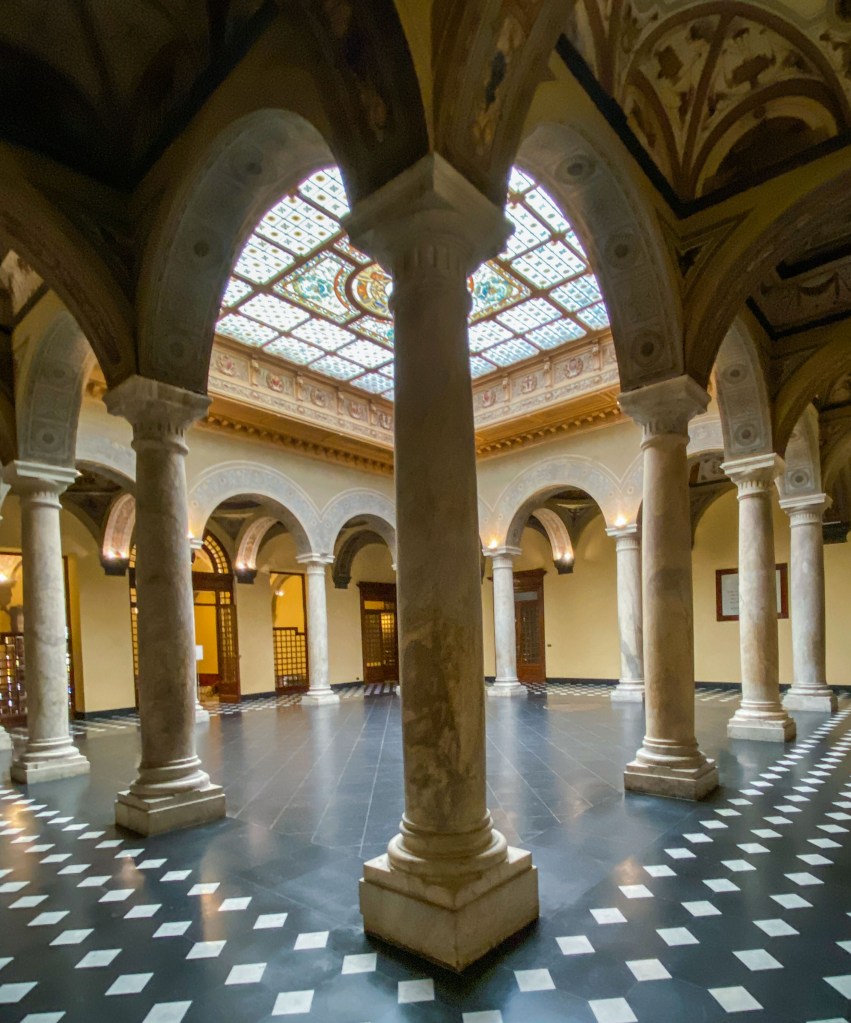
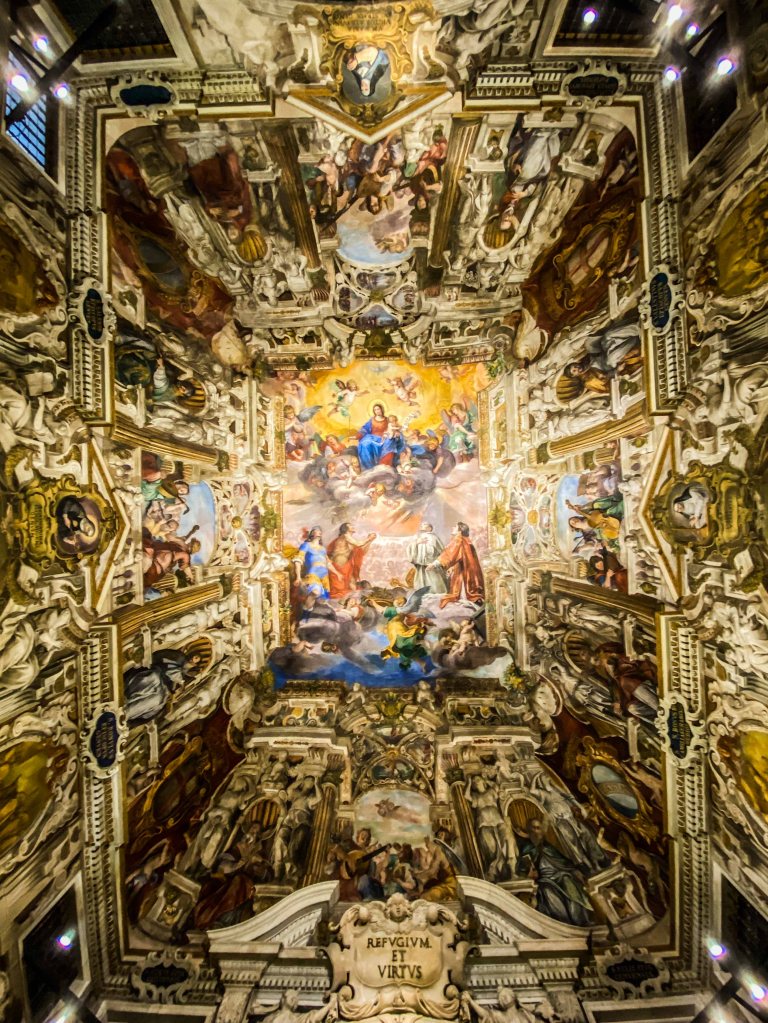
Unfortunately the city carries visible scars from 1960s urban planning (above), although many of its glorious palaces are still standing (below).
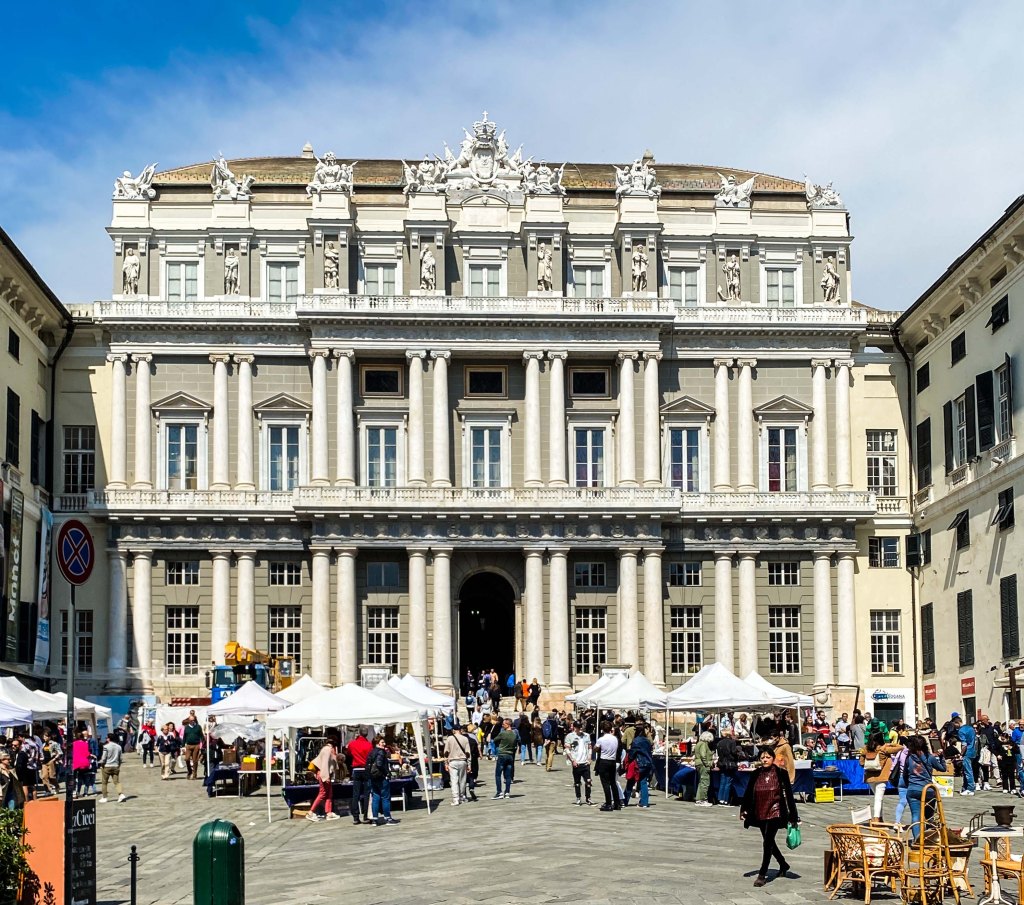
The Doge’s palace, although originally from mid 14th century, was largely rebuilt in the second half of the 18th after a fire (below). 

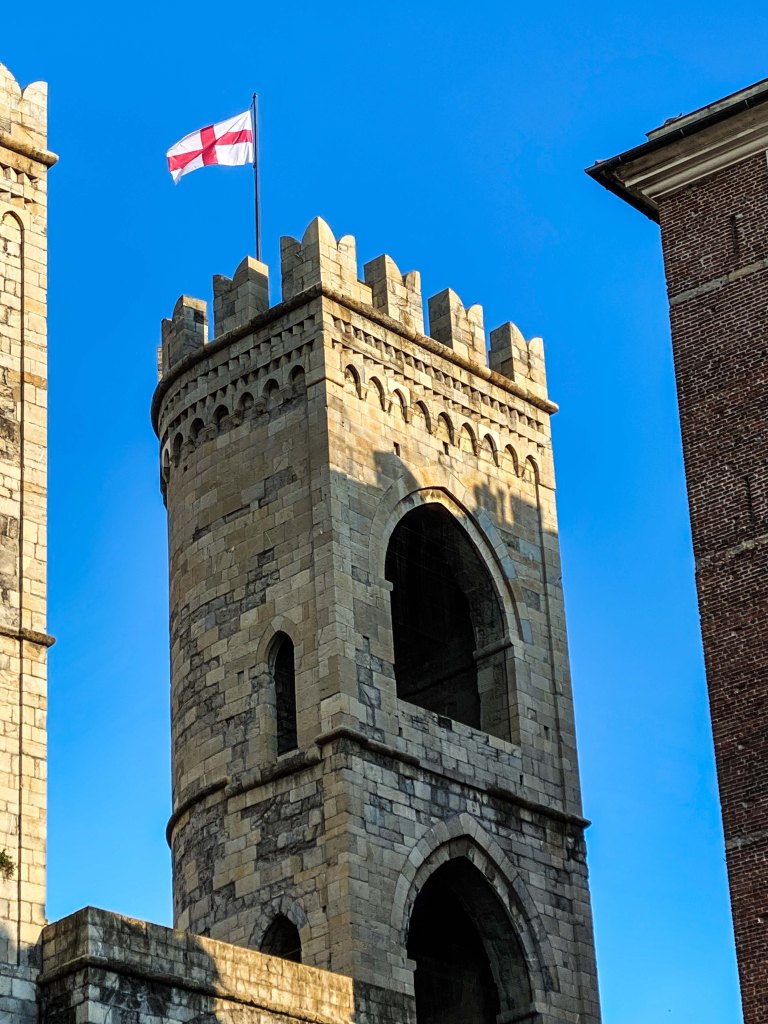
The emblem of Genoa is a red cross on a white background – St. George’s cross (below). It was one of the earliest adopters of this crusader emblem, although England was not far behind. According to a speech by the current Prince Edward (his speechwriters might have inside information), St. George’s Cross was adopted by the City of London and English soldiers in the 13th century, and the English Crown paid an annual tribute to the Doge of Genoa for the privilege, recognising their primary claim.

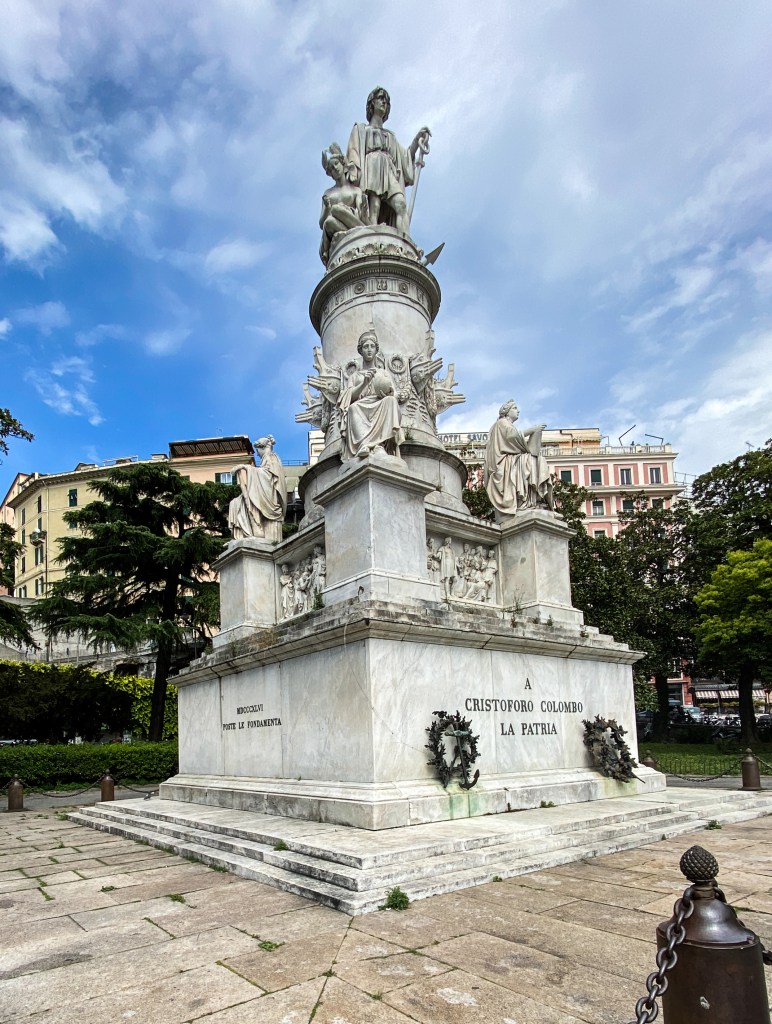
A certain Admiral Columbus is one of the more famous sons of Genoa, remembered outside the train station (below).

Passau – fit for a bishop or two

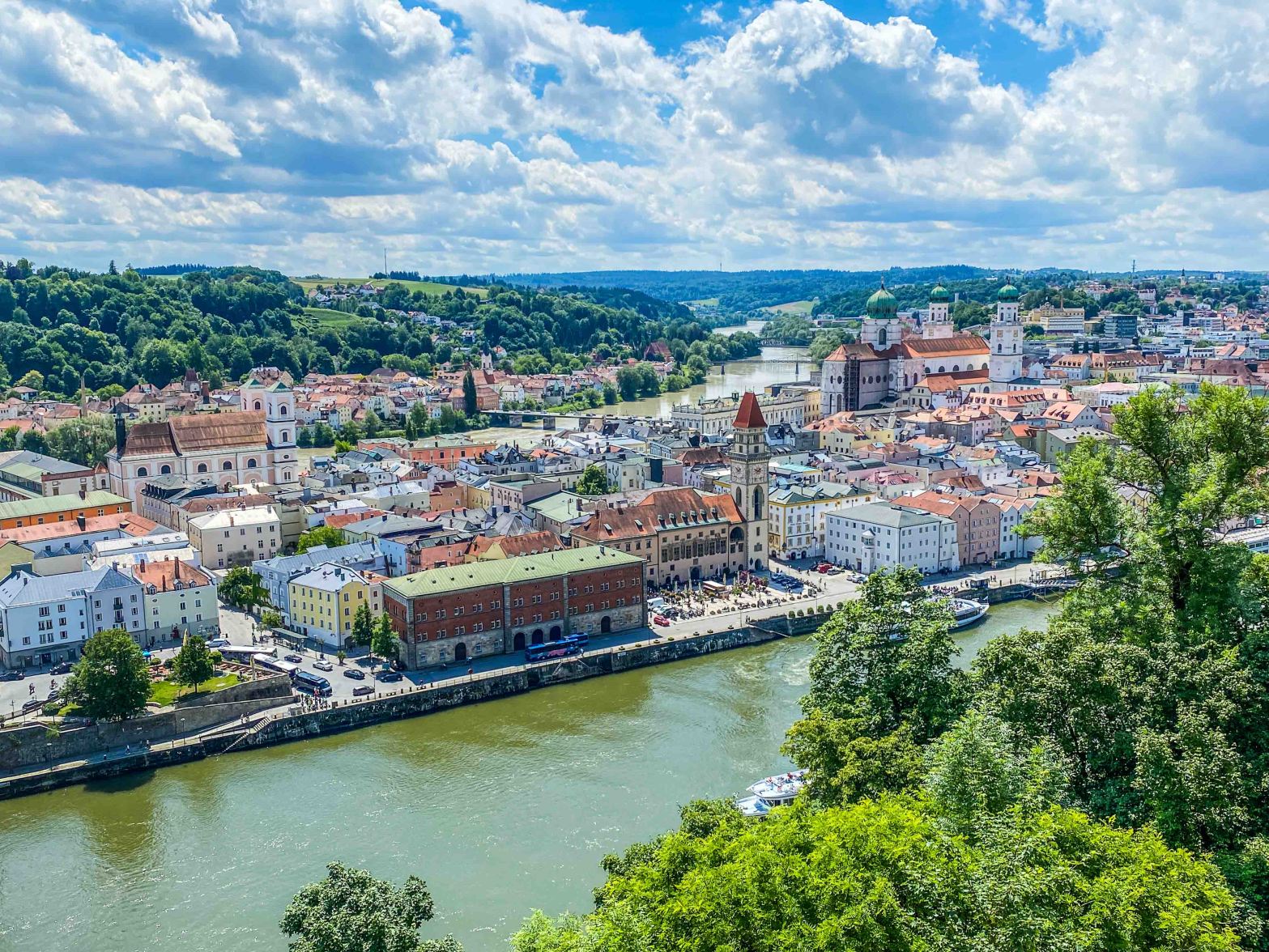
The Bavarian town of Passau sits at the point where rivers Danube, Inn and Ilz conflux. It is a cathedral city, and used to be the seat of the largest diocese in the Holy Roman Empire. It was established by an Anglo-Saxon monk, St. Boniface, in 739. The complexities of the setup of the Holy Roman Empire meant that the secular and ecclesiastical domains of the prince-bishop of Passau did not coincide – the diocese covered much of present-day Austria. Of course, the prince-bishop needed his capital to reflect the importance of the diocese (and his own). 

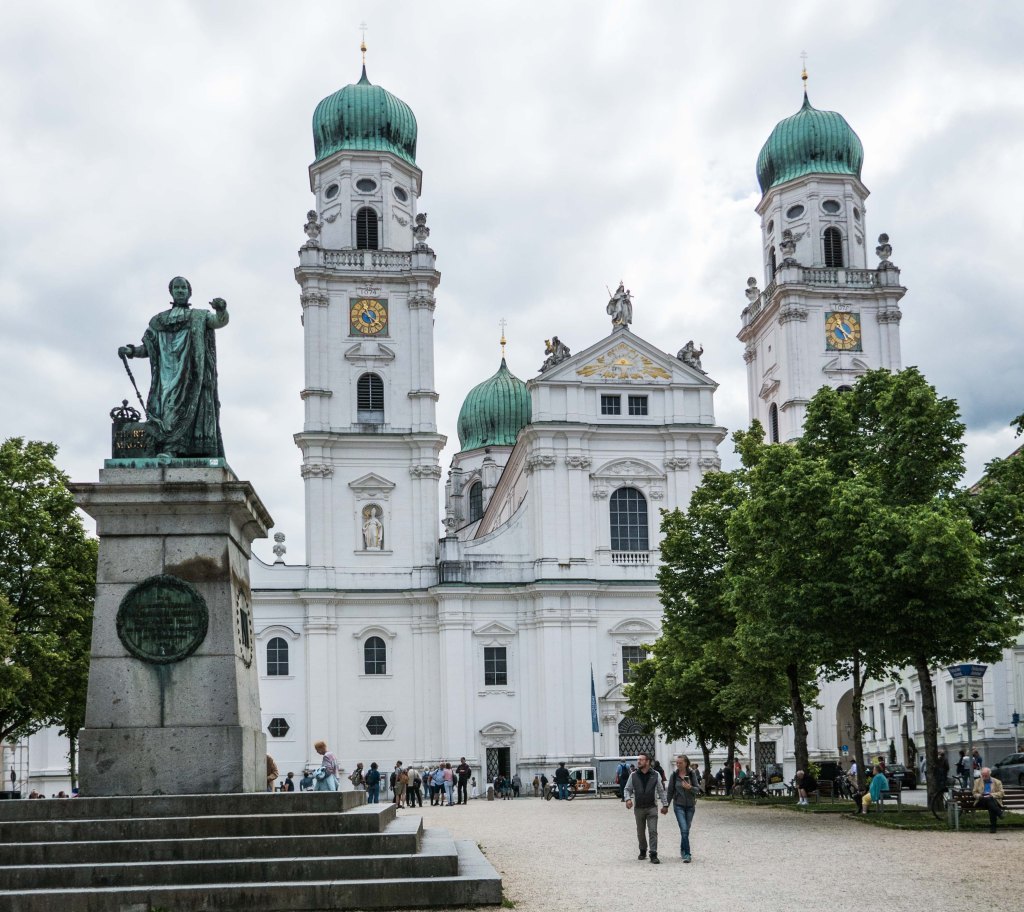
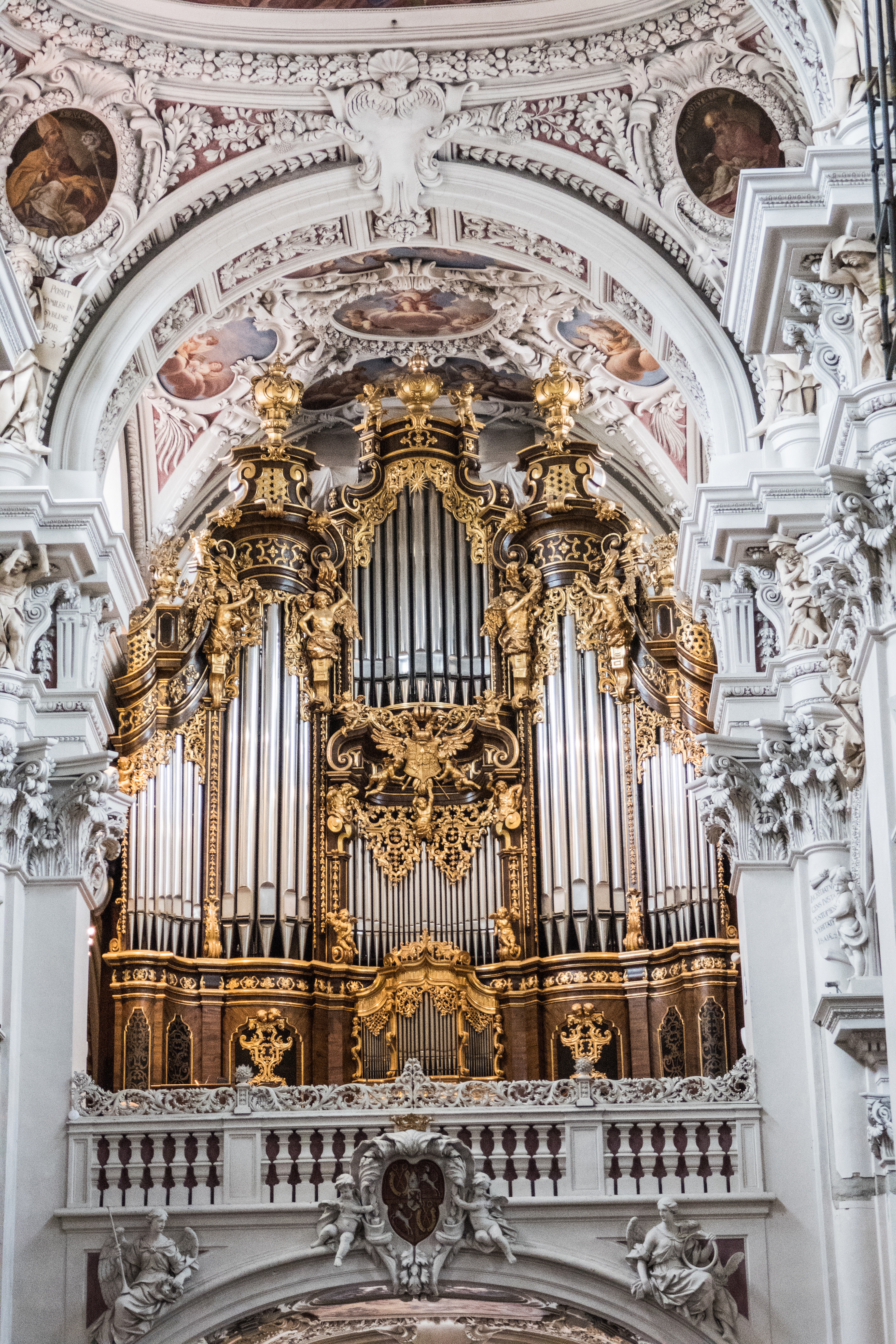
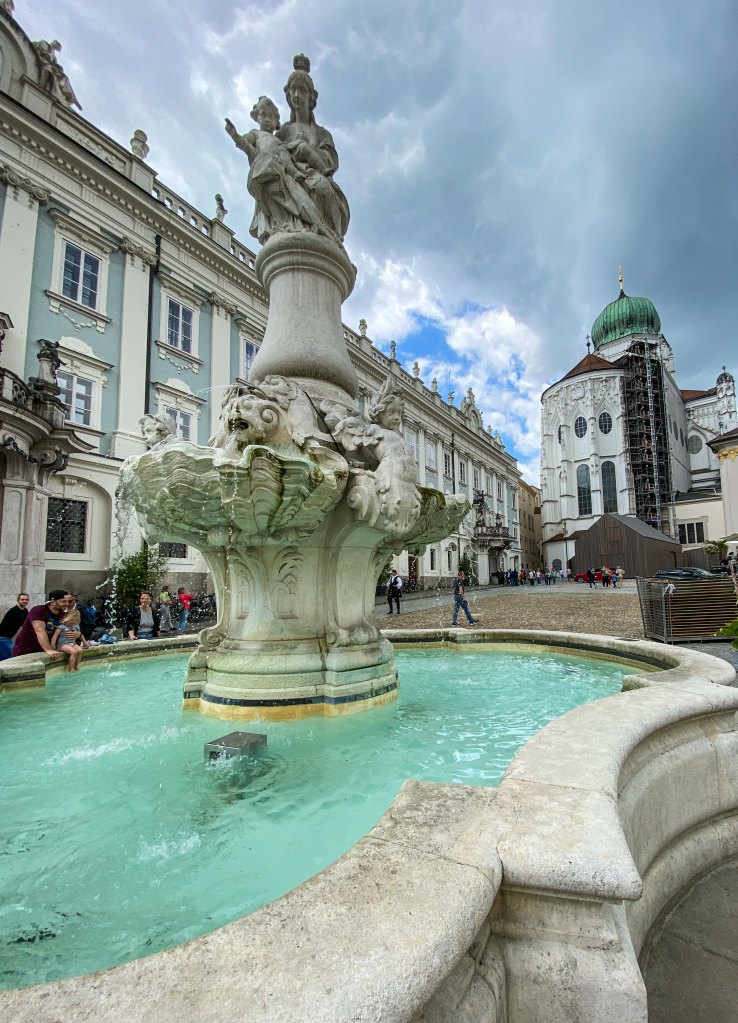
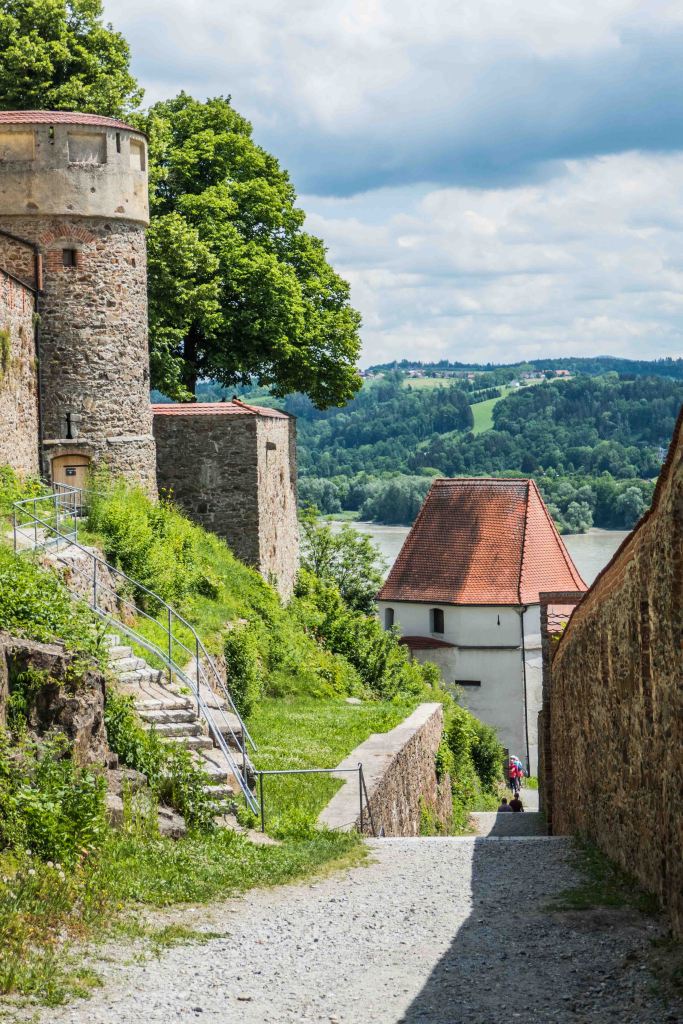
Fires destroyed much of the city in the second half of 17th century, and provided an opportunity to rebuild in Italian Baroque and Rococo styles. The Cathedral of St. Stephan (above) is a prime example of this – the organ is the largest church organ in Europe. To emphasise the power of the prince-bishop, a new residence (Neue Bischofsresidenz, below left). was also required to complement the old one in town and the castle above the city (Veste Oberhaus, below right).

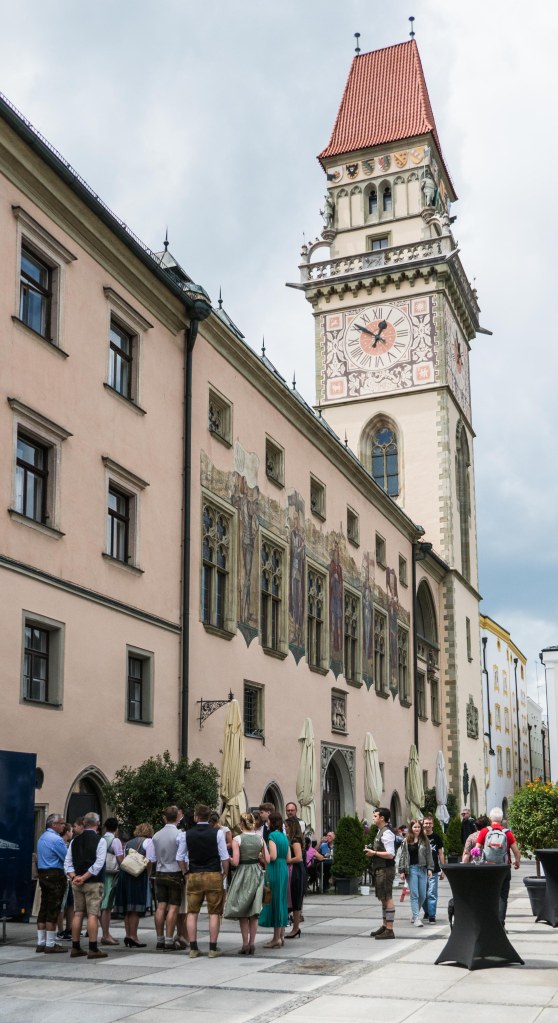
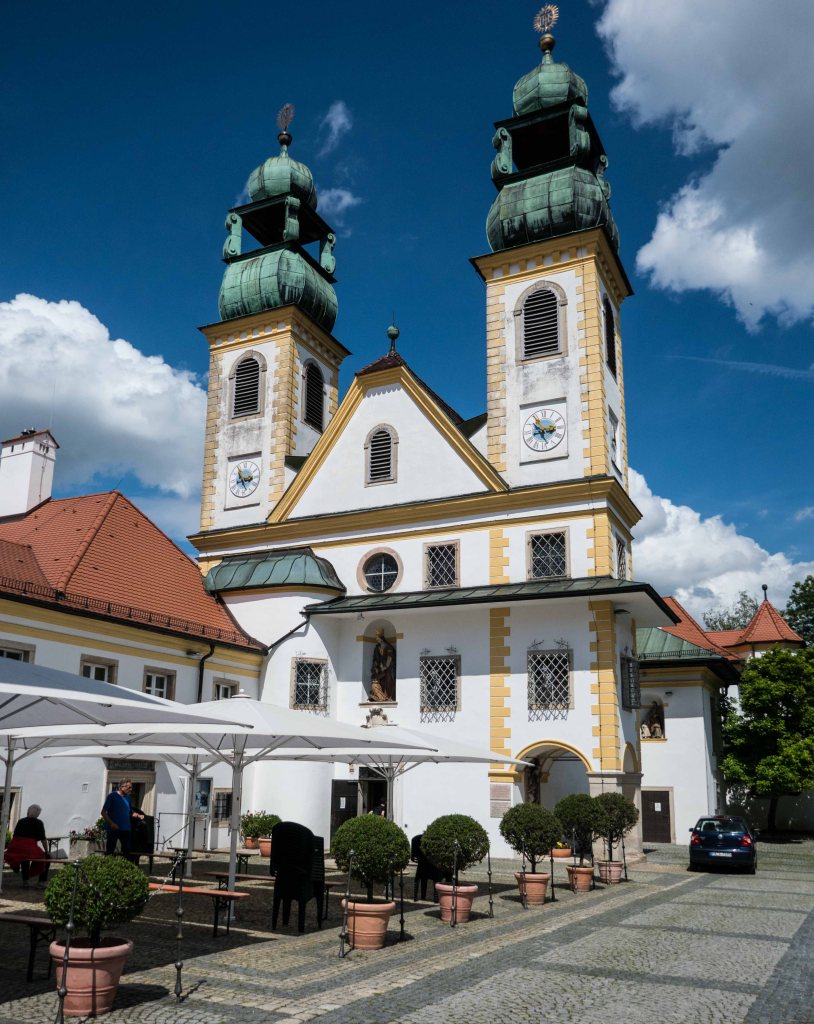
The Town Hall (Altes Rathaus, below left) has preserved its medieval character, whereas the pilgrimage church of Mariahilf high above the town (below right) is again Baroque. A covered stairway of 321 steps leads up to it – the old tradition was to climb these on your knees (evidently some still do). 

A temple of knowledge

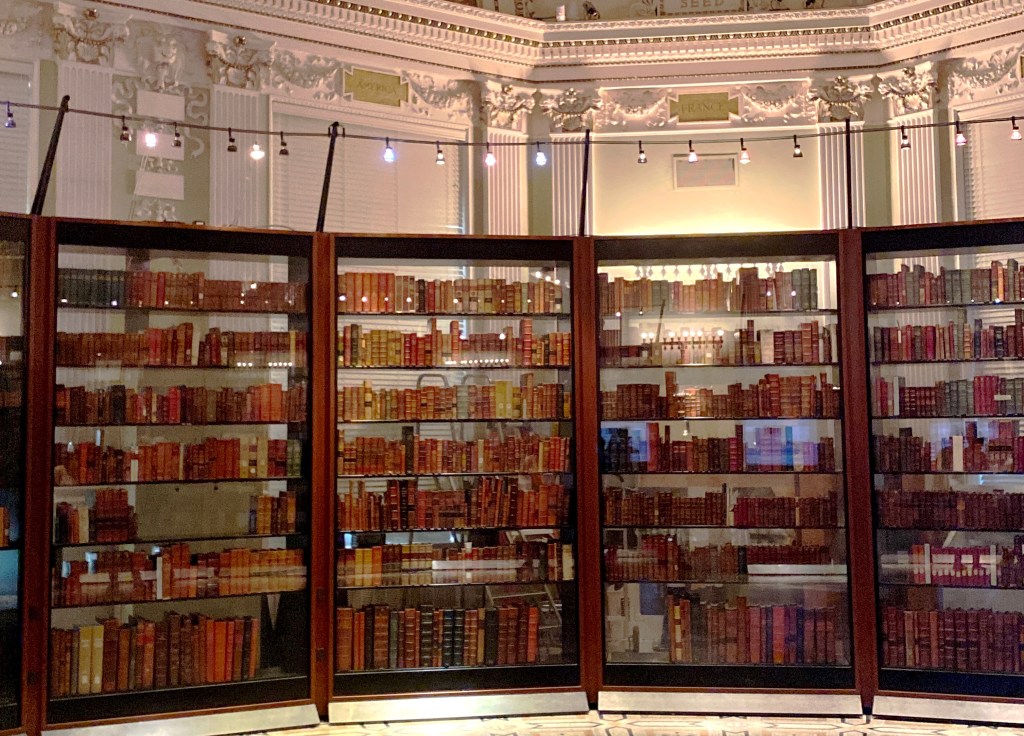
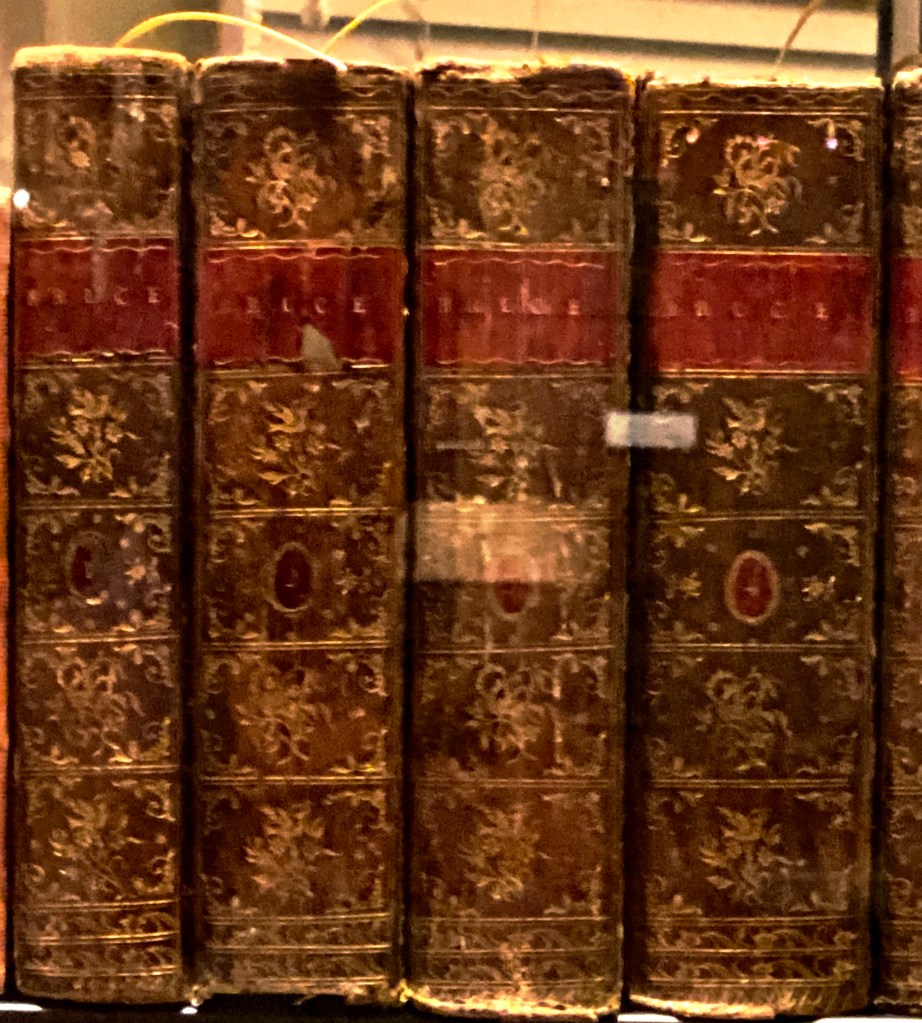
Books burn – easily. Also those in the Library of Congress that was established in 1800. First the Brits burned it down with the rest of the Capitol in 1814. It befell to Thomas Jefferson, who owned the largest personal. collection of books in the US, to sell his 6500 books to the nation to re-establish the Congressional library. The second fire occurred in 1851, when two thirds of Jefferson’s books turned into ashes. However, Jefferson’s library has since been reconstituted with the aim of repurchasing the original titles (the work goes still on). Two views of the current status of the Jefferson collection are below.

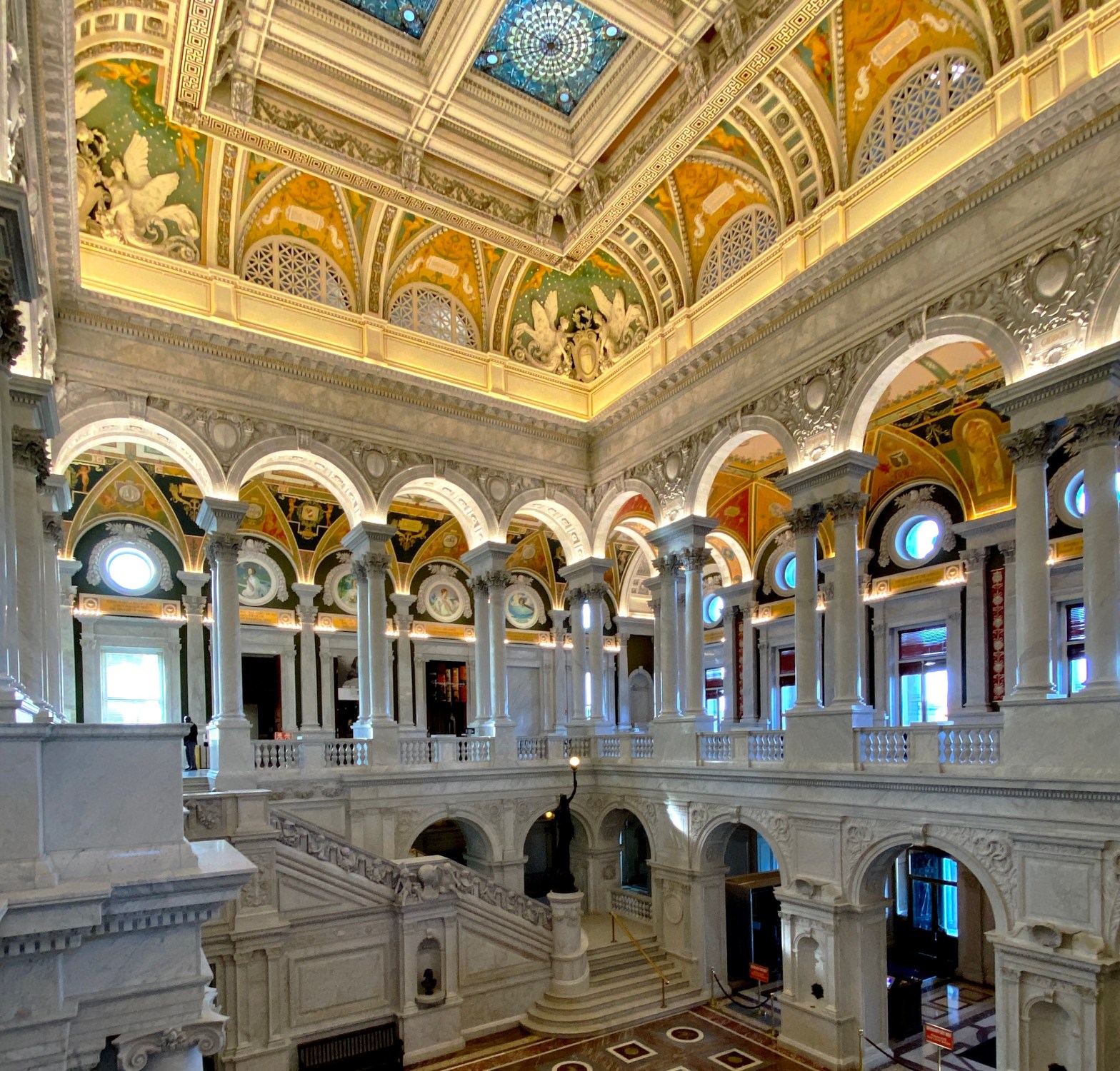
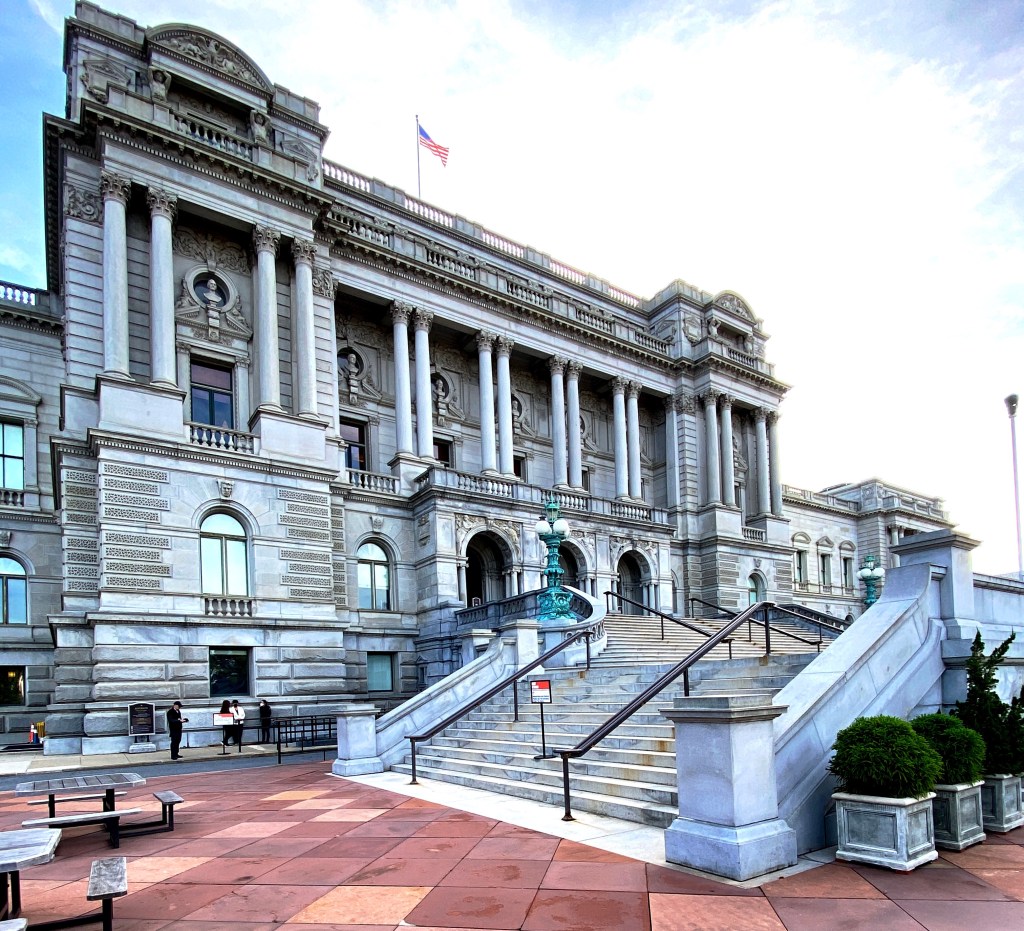
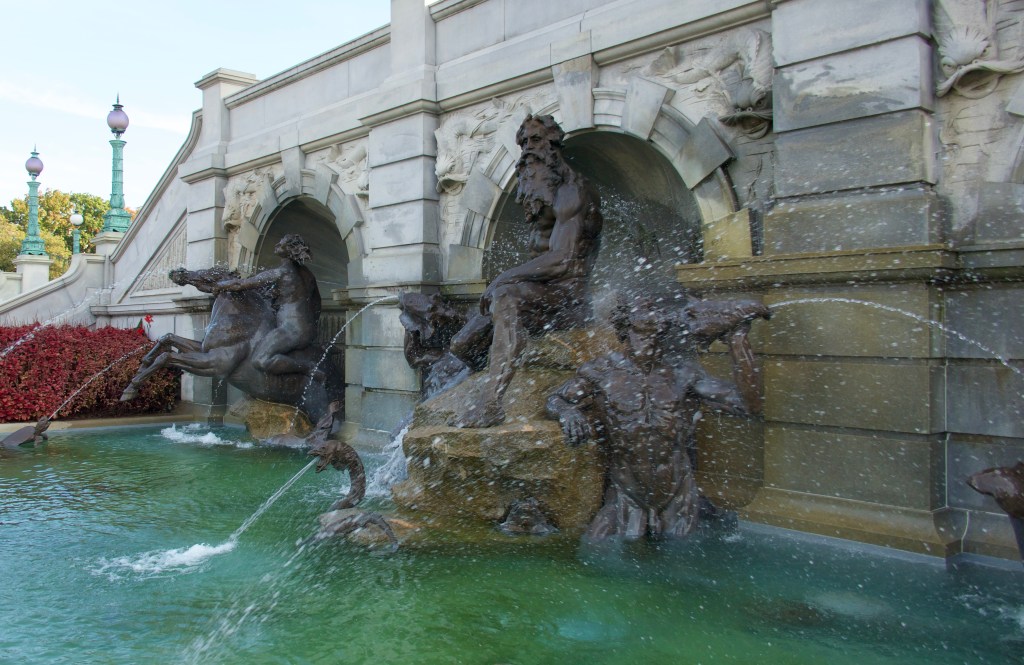
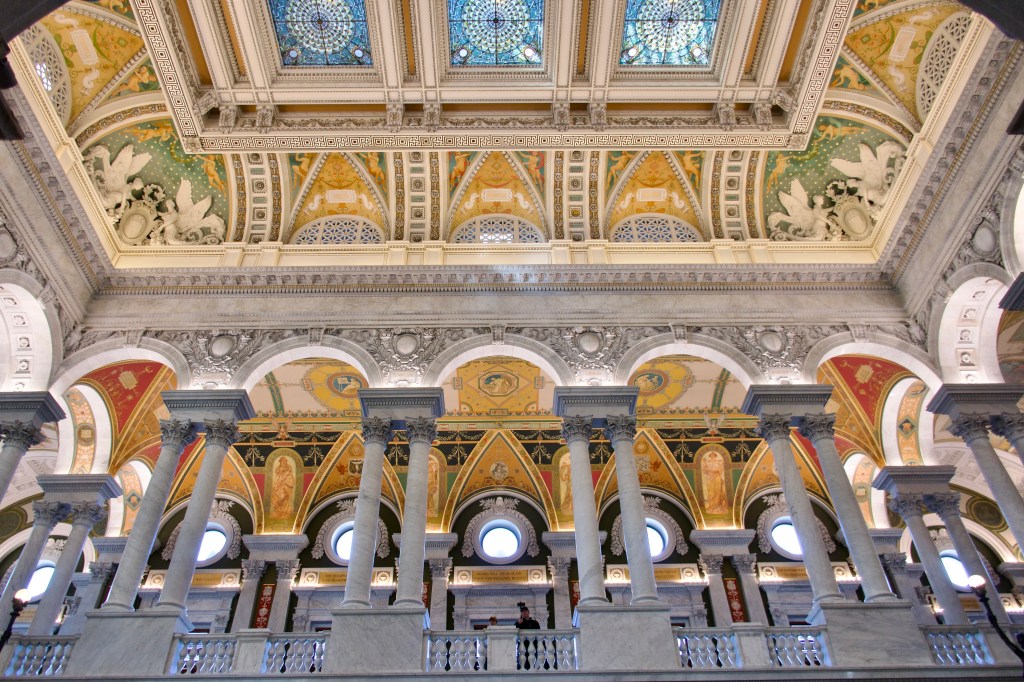
The Library of Congress only got its own building in 1897 (two views of the Jefferson Building below). As librarians well know, books will quickly fill all available space, and two further buildings were added in 1939 and 1980. The Library of Congress is the world’s largest library with over 200 million items in its collection.

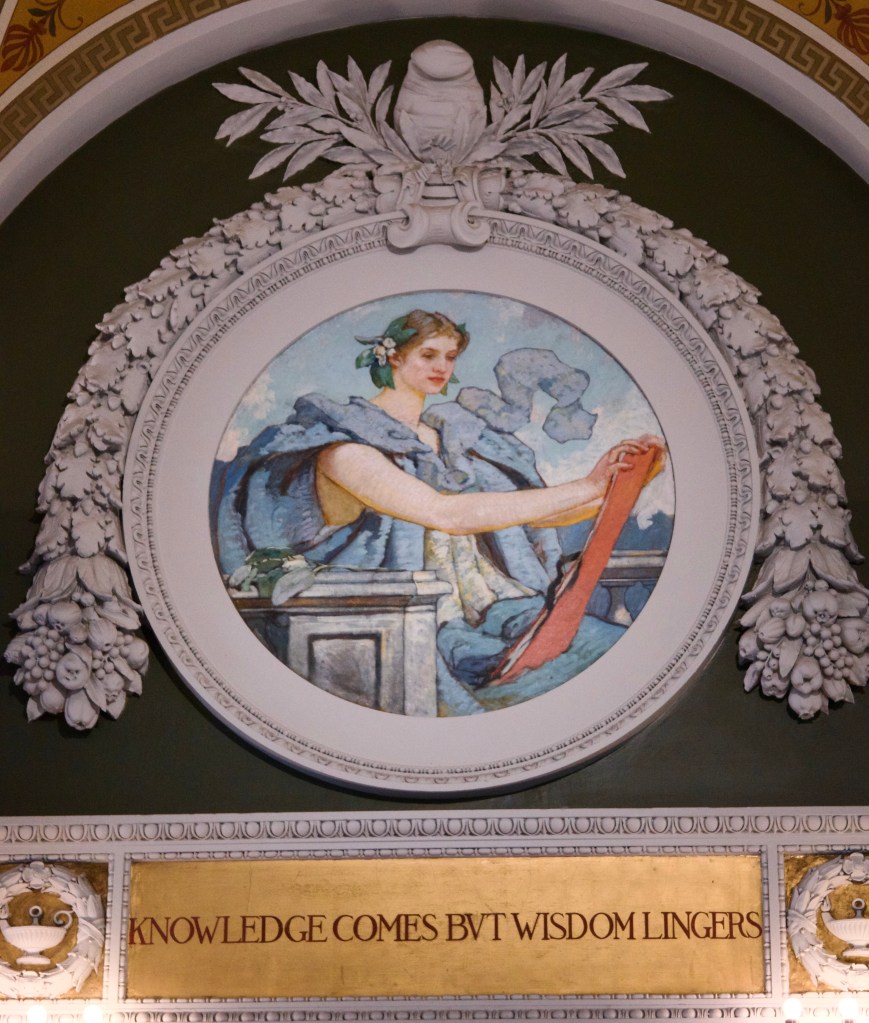
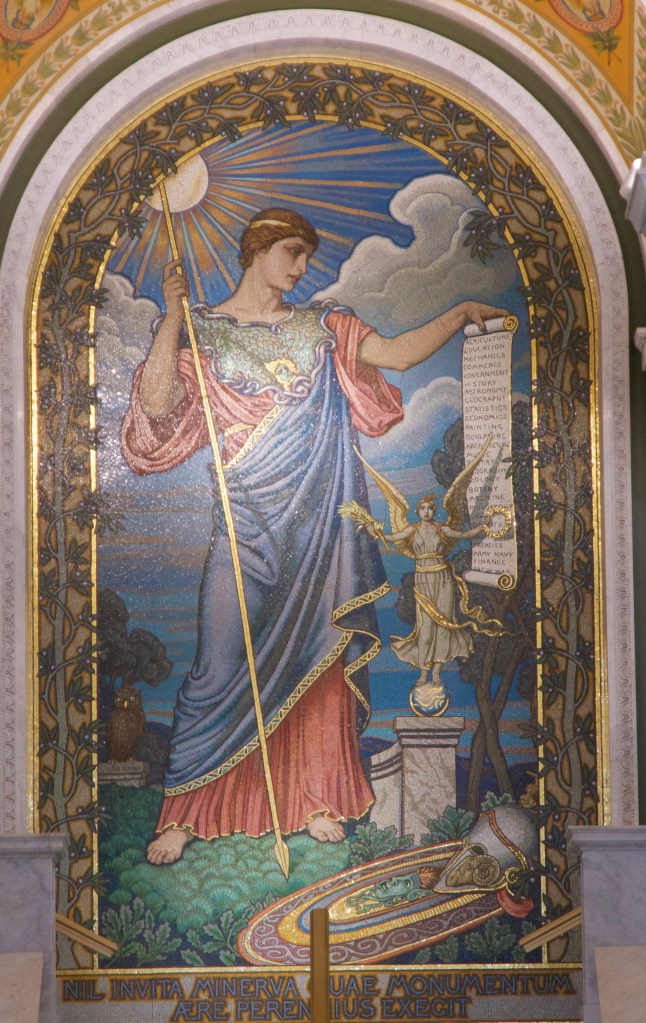
The Great Hall (title picture and further views below) makes references to artists and writers of history, in addition to mythodology and copious quotations.

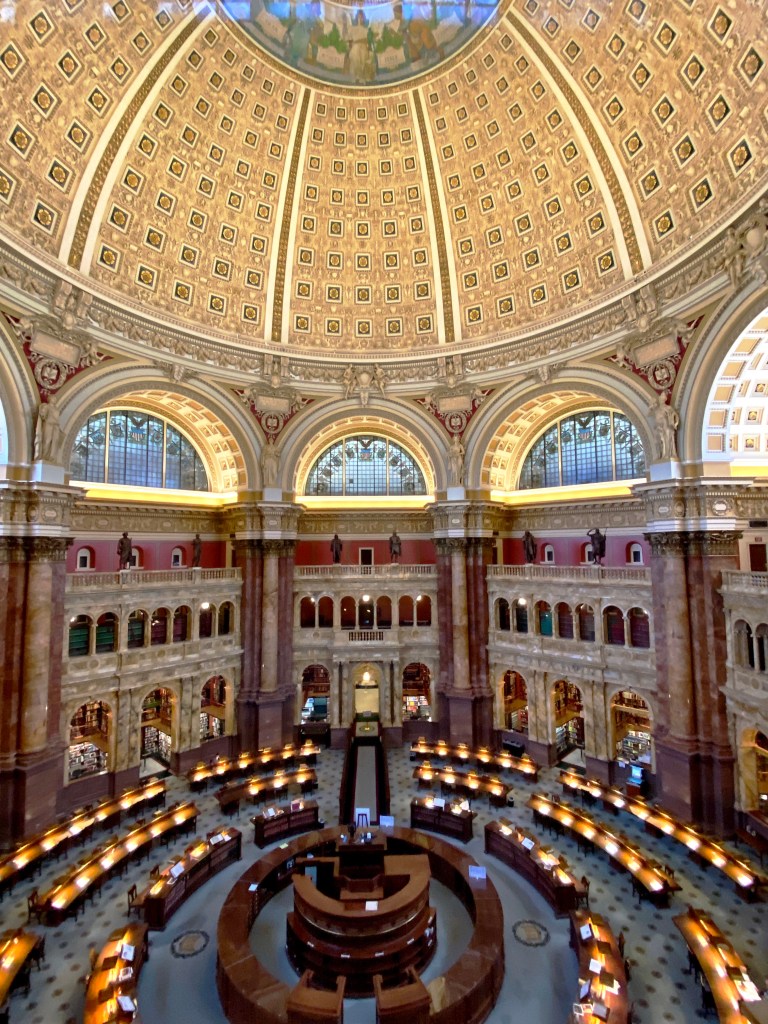
The building has consciously been fashioned as a temple of knowledge. Both the Great Hall and Main Reading Room (below) emphasise the desire to create a universal collection of knowledge.