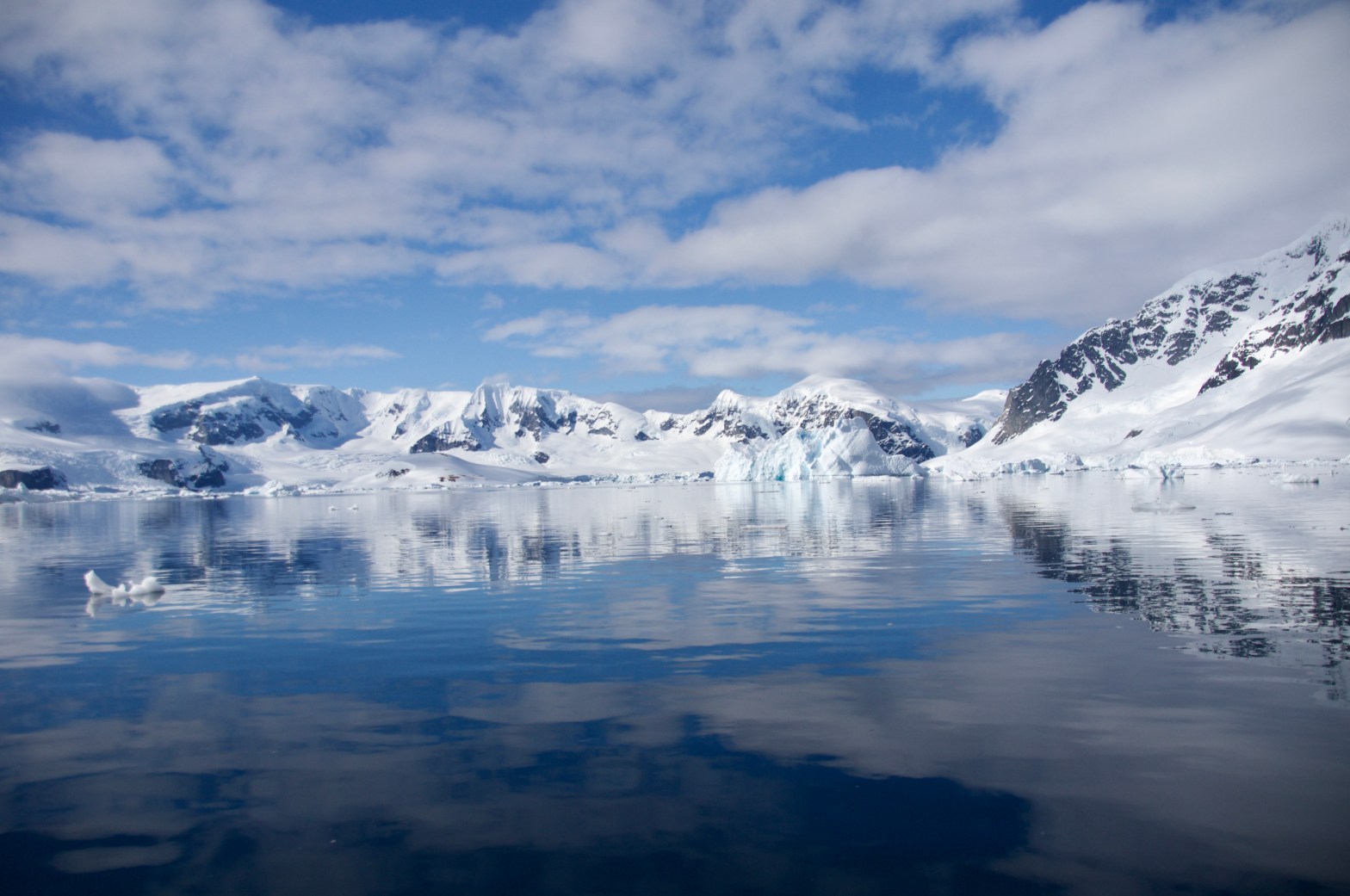
Cuverville island on the West coast of the Antarctic Peninsula was discovered by the Belgian Antarctic Expedition of 1897-1899. The leader of that expedition, Adrien de Gerlache, named the island after Jules de Cuverville, vice-admiral of the French Navy. The strait where the island lies is named after Gerlache himself. The bay of the islandContinue reading “Cuverville Island, Antarctica”
Category Archives: Worlds
Aitcho Islands, South Shetland Islands, Antarctica
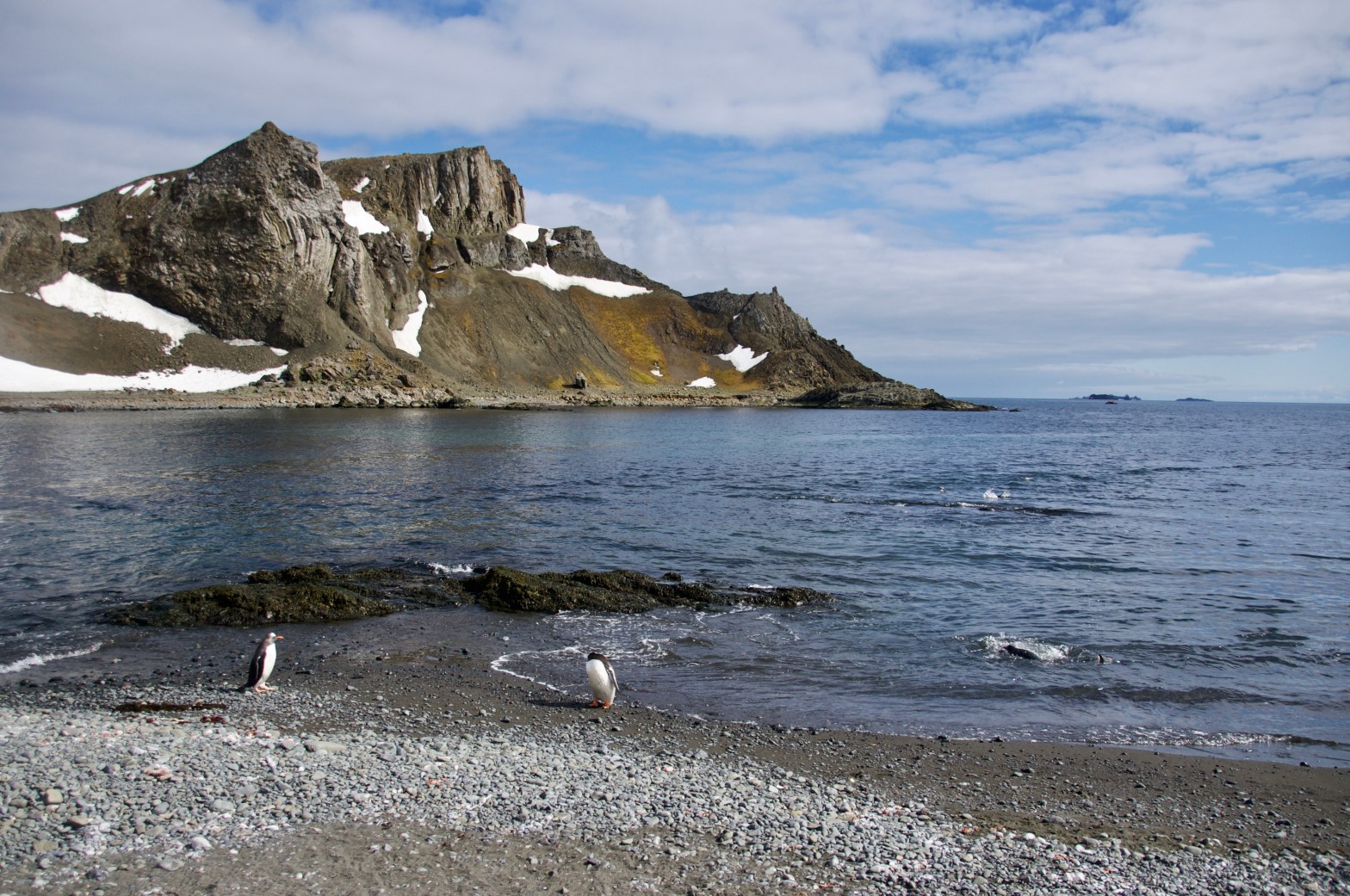
The curiously named Aitcho Islands get their name from ’H.O.’, i.e. Hydrographic Office of the UK Admiralty who mapped them in 1935. These days the inhabtants are mostly gentoo and chinstrap penguins (below a chinstrap). As this is peak hatching time, many gentoos had chicks peeking out from between their legs, where it is safeContinue reading “Aitcho Islands, South Shetland Islands, Antarctica”
Antarctic Sound and Hope Bay, Antarctica
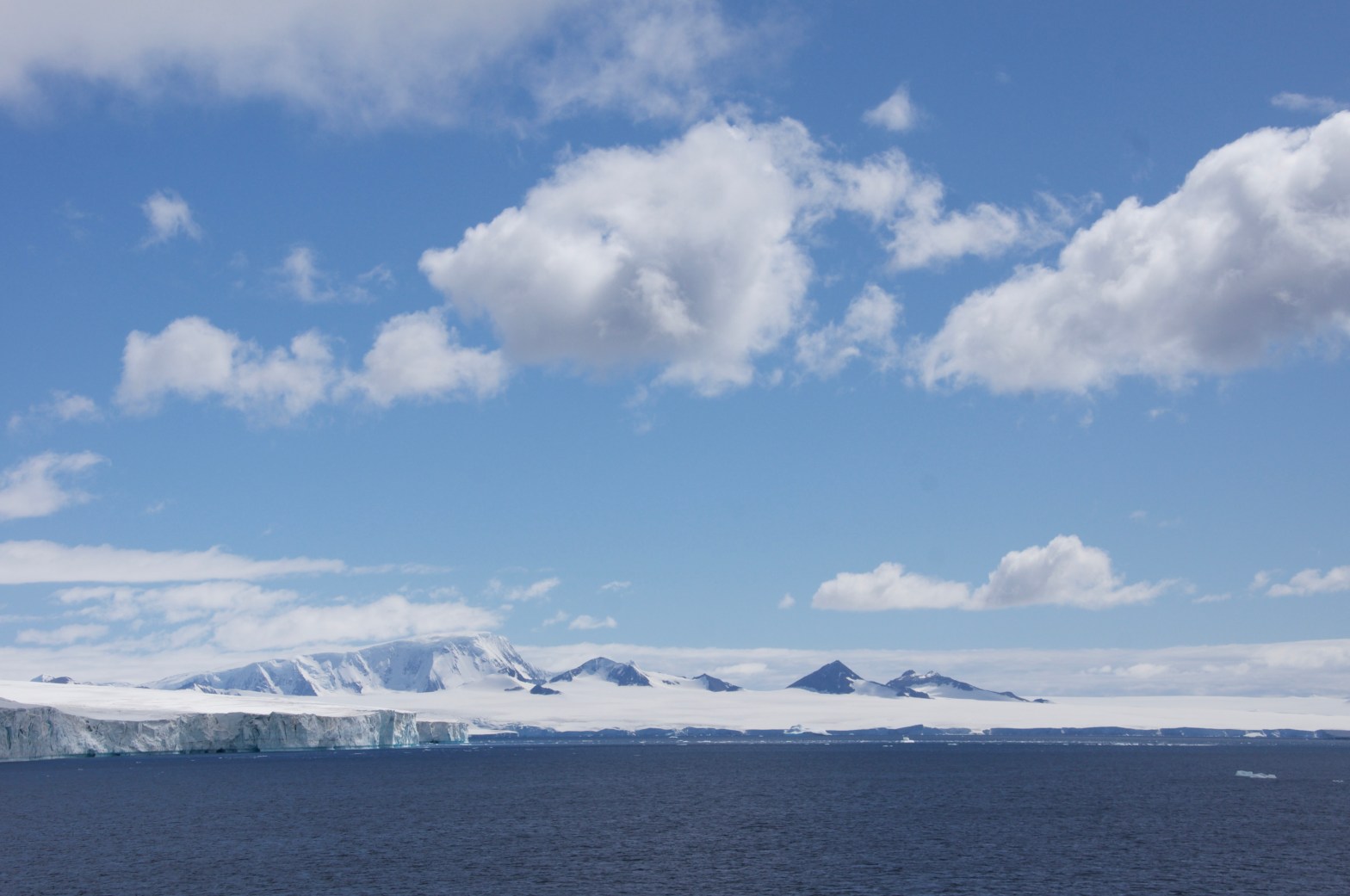
Antarctic Sound separates the continent from the island of Joinville. The sound is 56 km long and 13 – 22 km wide and has been nicknamed ’Iceberg Alley’ as numerous icebergs drift northwards through it. The rapidly changing weather conditions and the drifting icebergs create a dance of blues and whites that is strangely fascinating.Continue reading “Antarctic Sound and Hope Bay, Antarctica”
Brown Bluff, Antarctica
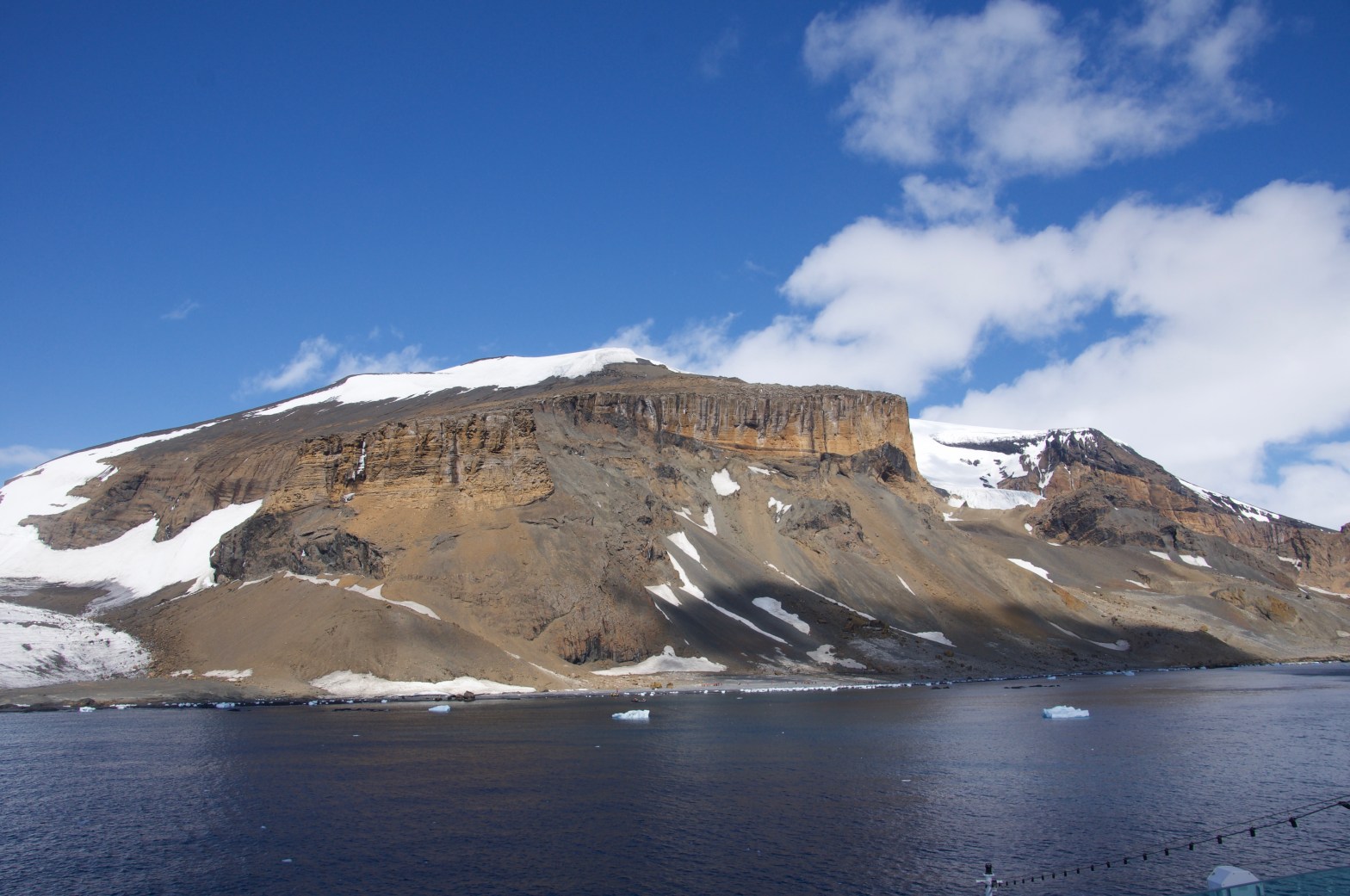
At the end of the Antarctic Peninsula stands Brown Bluff, a 745m high volcanic mountain. It has been named after its steep slopes and its brown-black stone. The stone is eroded by the constant winds (below). The redeeming feature of the mountain is the cobble and ash beach at its seaside. Elsewhre it is surroundedContinue reading “Brown Bluff, Antarctica”
Elephant Island, off the coast of Antarctica
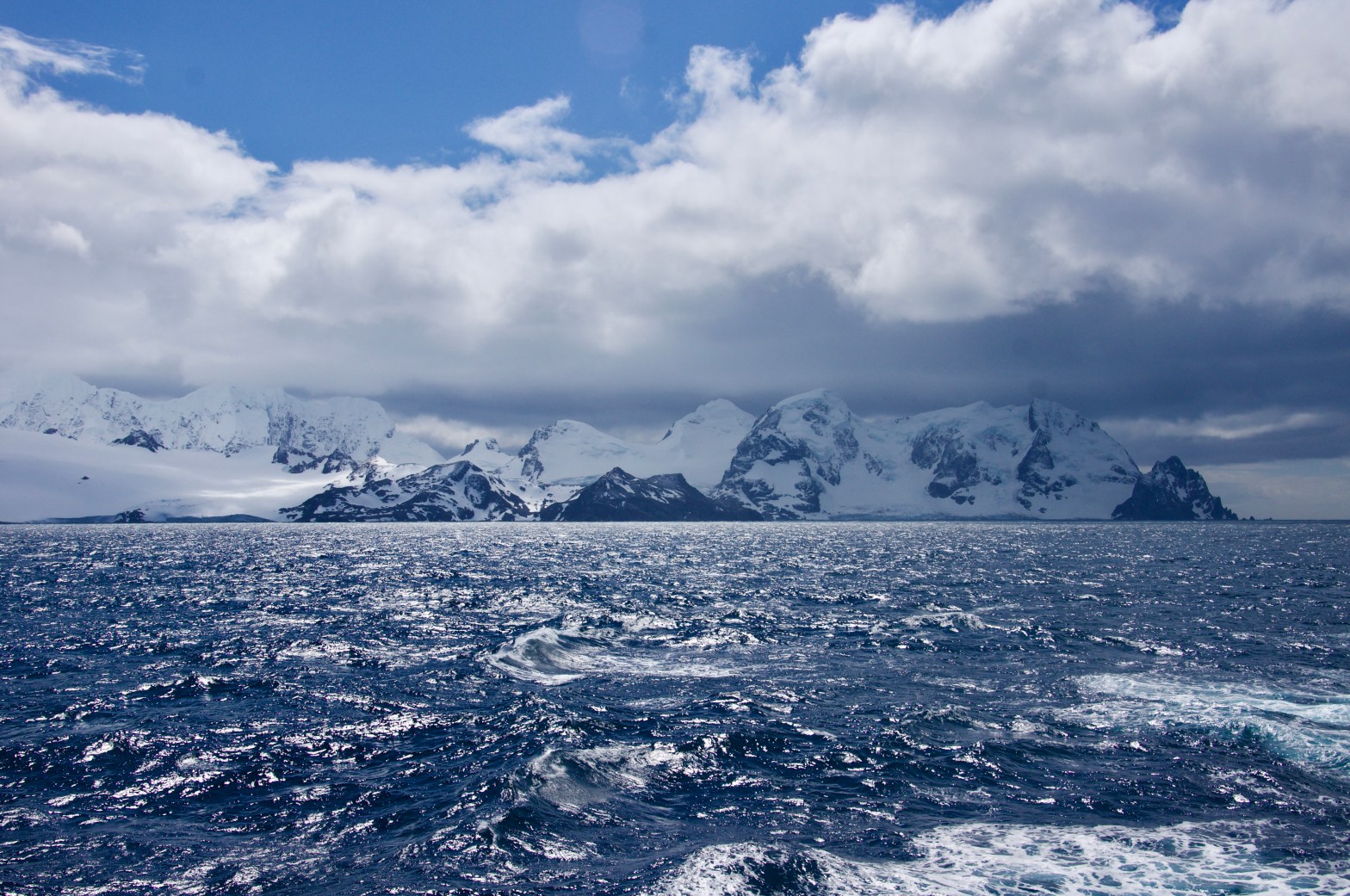
Elephant Island is covered by mountains, glaciers and snow. No humans here, but there are penguins (gentoos and chinstraps) and some seals. The island is named after elephant seals (or its form, or both). The island was found by the Brits and charted by the Russians. It is famous for providing shelter for Ernest Shackleton’sContinue reading “Elephant Island, off the coast of Antarctica”
A76A, South Atlantic
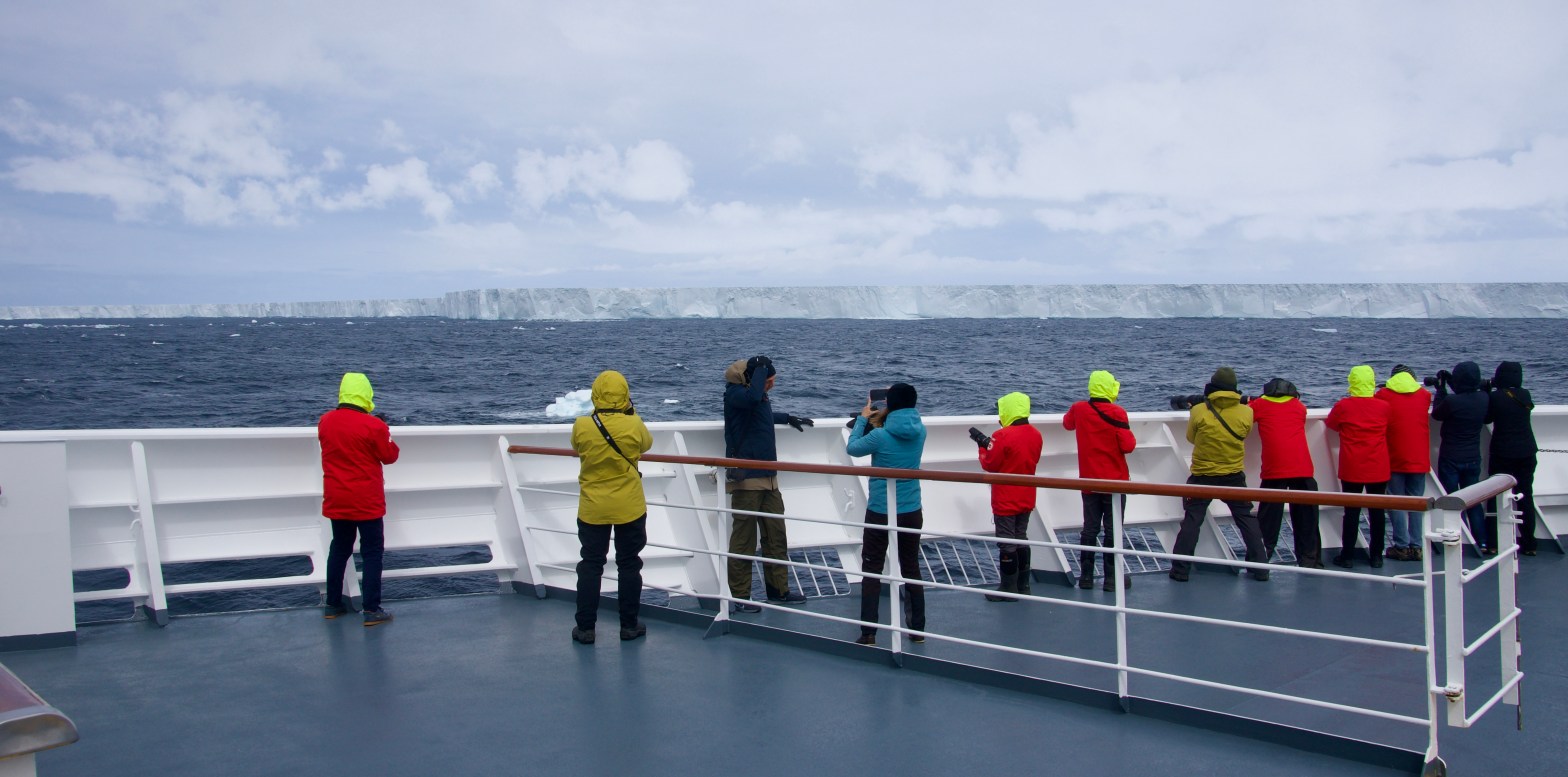
The imaginatevely named A76A is currently the world’s largest iceberg, about 135 km long and 26 km wide. It separated from the Ronne ice shelf in Antarctica as part of en even bigger iceberg, the A76, that soon broke into three parts. The biggest of these, A76A, has been drifting around Antarctica for a year,Continue reading “A76A, South Atlantic”
Macaroni in Hercules Bay
Hercules Bay is a small sheltered bay on the North coast of South Georgia. Its inhabitants consist mainly of macaroni penguins, and fur and elephant seals. The rocky and slippery coast poses some difficultes, even though the animals are quite adept at climbing it. The macaroni penguins are distinguished by the yellow feathered crest onContinue reading “Macaroni in Hercules Bay”
Grytviken, South Georgia
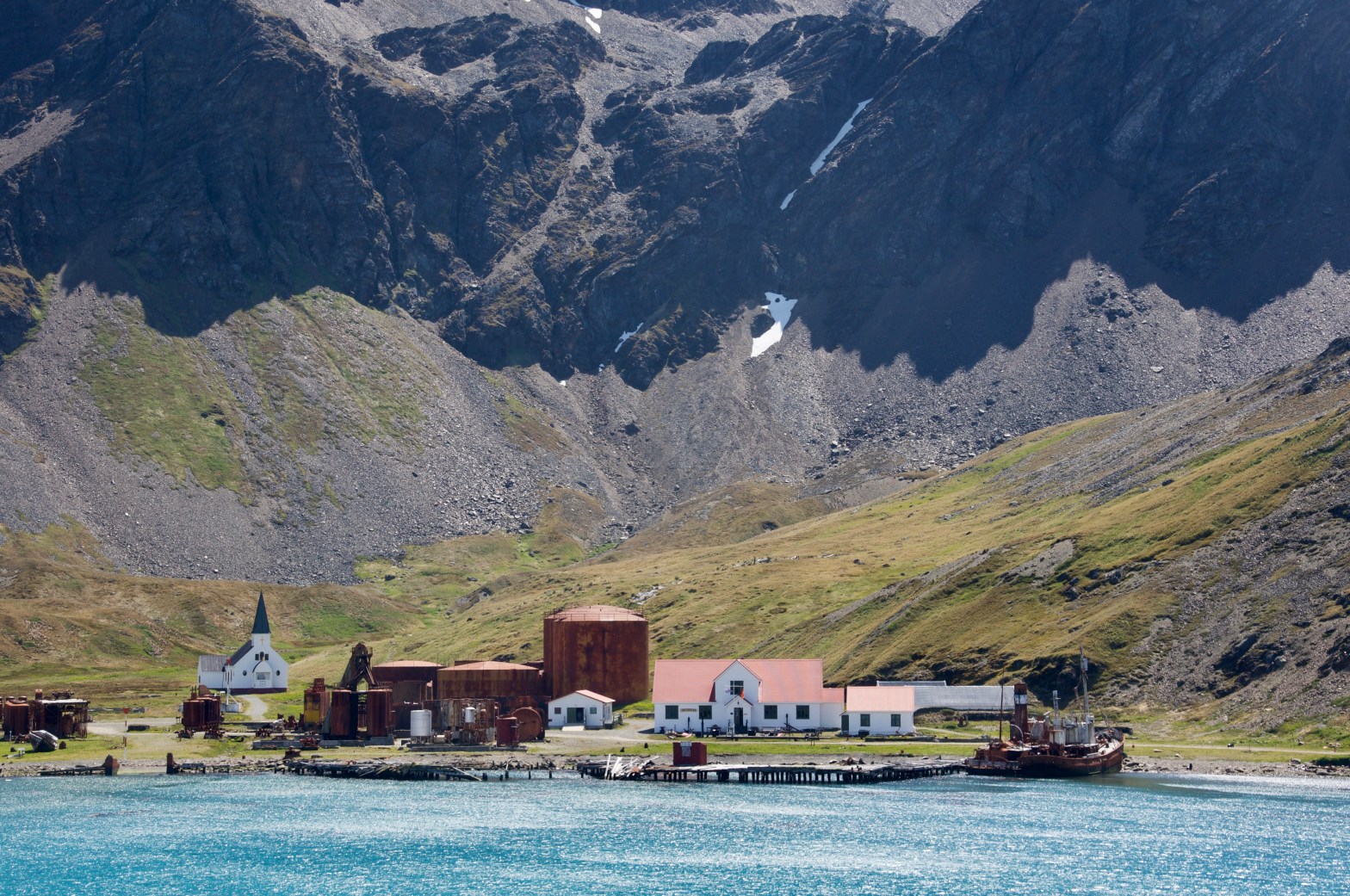
Grytviken, the ‘capital’ of South Georgia, used to be the main whaling station until 1962, when it closed. The reason for closing it was that after having processed over 175 000 whales, there were too few left. These days Grytviken is essentially a museum populated by seals and the odd penguin. In the surrounding waters,Continue reading “Grytviken, South Georgia”
Godthul, South Georgia
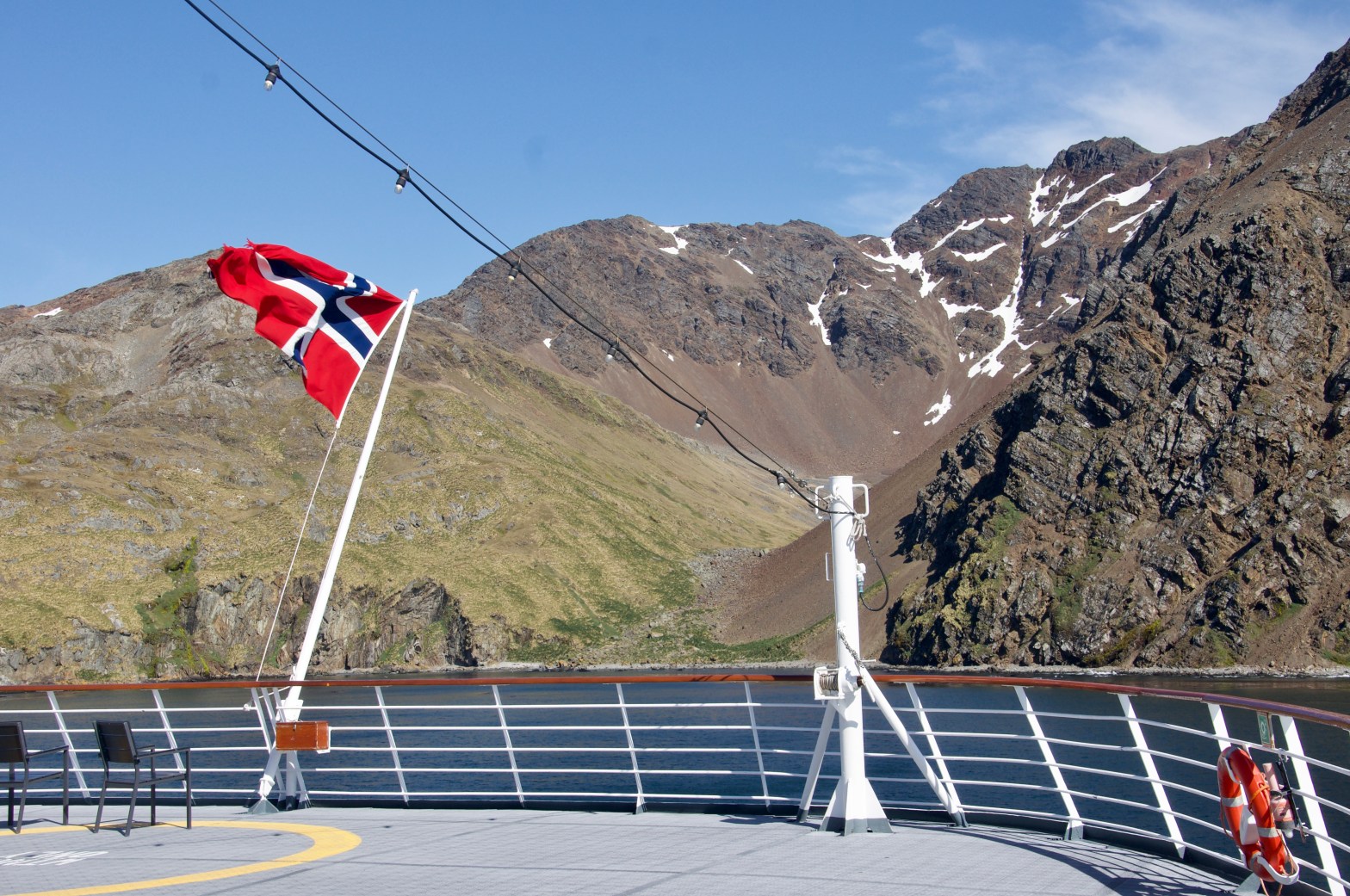
Godthul is a somewhat sheltered bay on the Northern coast of South Georgia. Until 1937 it hosted a whaling depot to keep some essentials. These days gentoo penguins, fur seals and elephant seals have the place to themselves, with giant petrels, sheathbills and Arctic terns flying around. Off the coastline humpback whales also enjoy theContinue reading “Godthul, South Georgia”
Salisbury Plain and Prince Olav Harbour, South Georgia
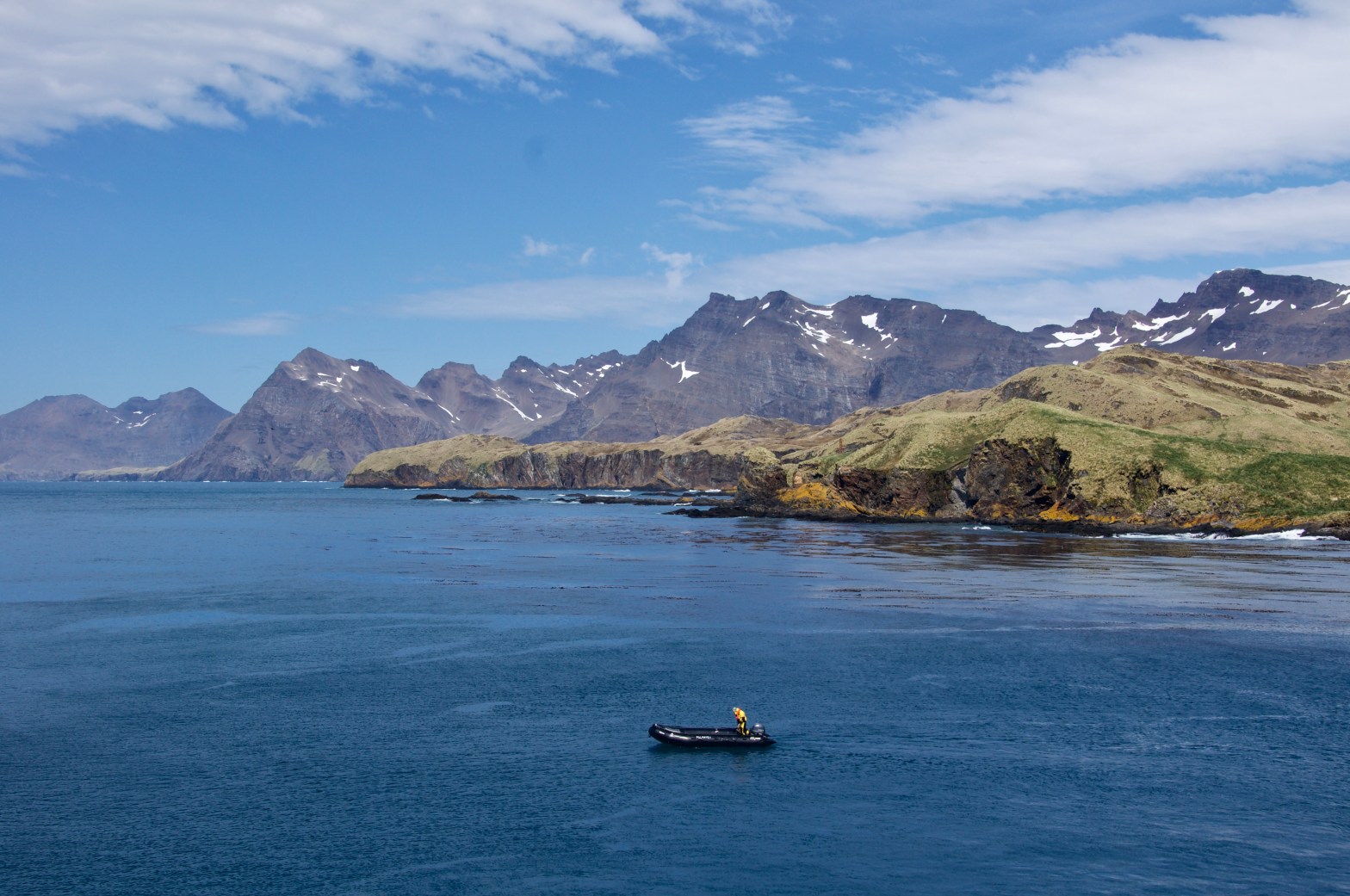
Both places can be found on the north shore of South Georgia (see below) – the Salisbury Plain is slightly inland from the Bay of Isles and Prince Olav Harbour is the small inlet just under Cape Buller. You could not land at the coast of the Salisbury Plain, as the beach was already occupiedContinue reading “Salisbury Plain and Prince Olav Harbour, South Georgia”
 Rails, wines, worlds