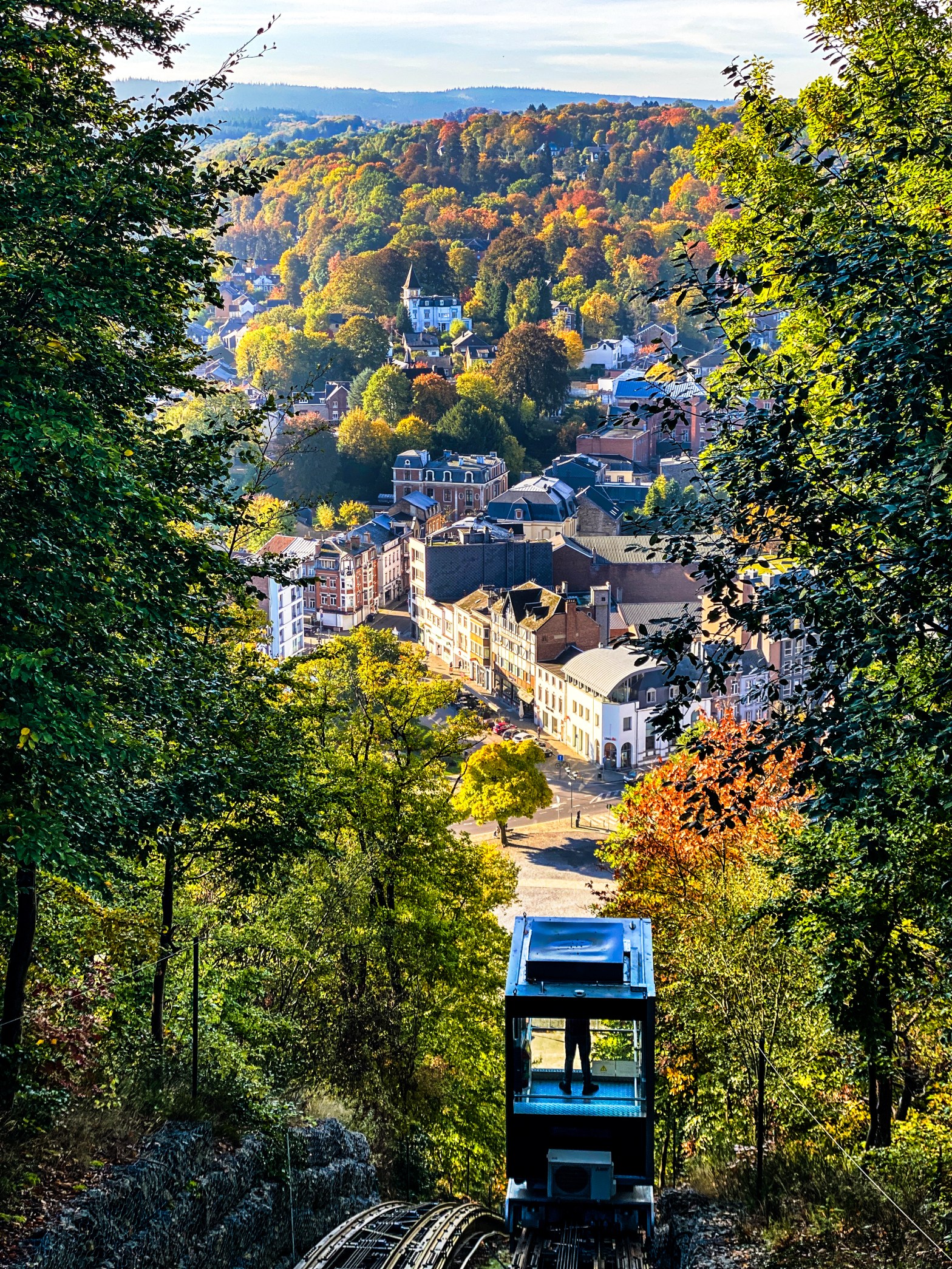
The Belgian town with many mineral springs – known already to the Romans – has given its name to all spas in English. In the 19th and the early years of the 20th century, it was the leading resort of its type, where aristocracy and crowned heads came to take the waters. Besides cures for the body,Continue reading “The faded glories of Spa”
Category Archives: Worlds
Art in Antwerp
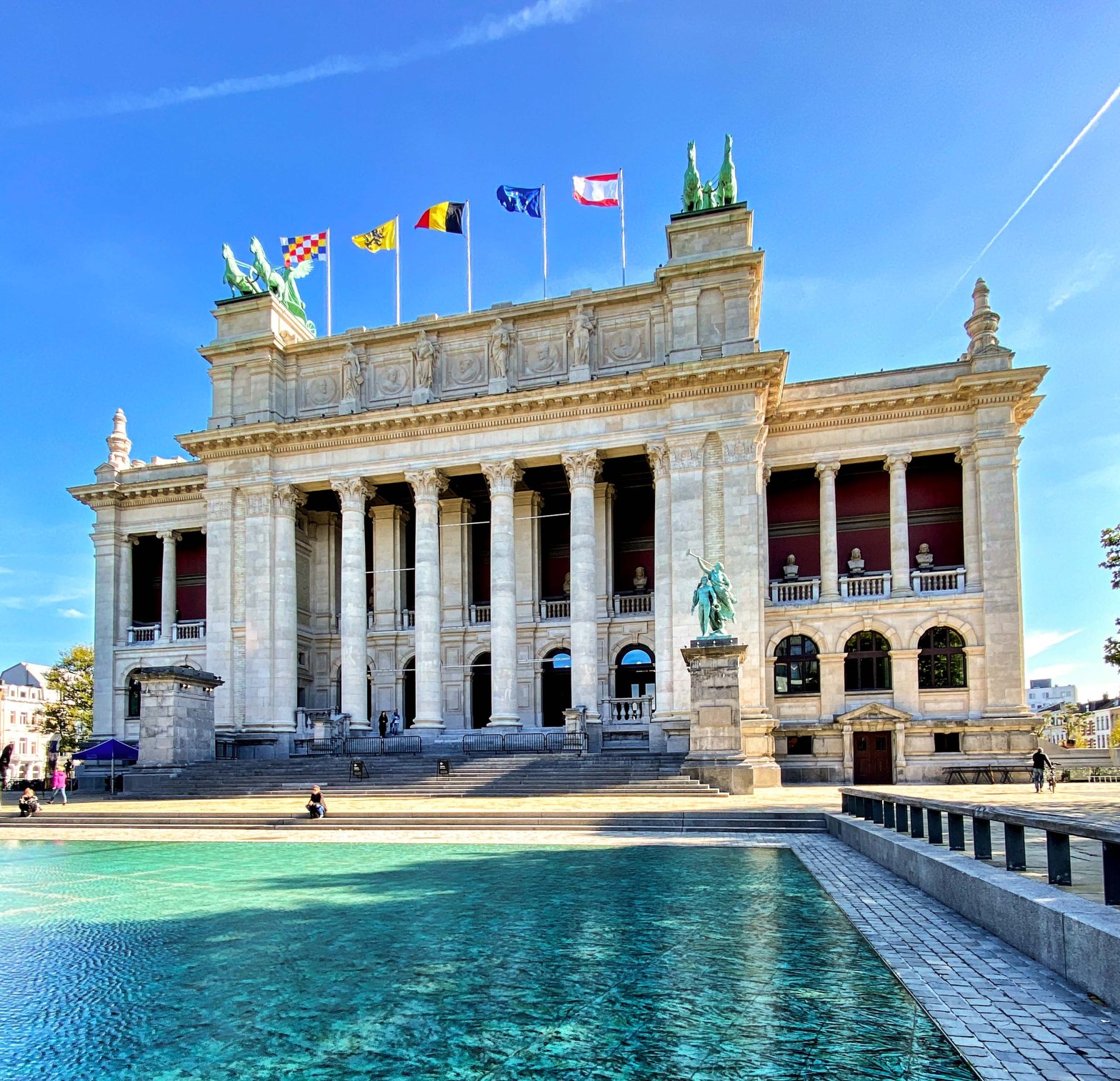
After 11 years of works, the Antwerp Museum of Fine Arts (officially Koninklijk Museum voor Schone Kunsten Antwerpen, or KMSKA for short) has reopened its doors. Mind you, in the Belgian context that time is nothing – scaffolding has surrounded the Palais de Justice in Brussels for more than 40 years – and counting. InContinue reading “Art in Antwerp”
The Riches of the Savoyards
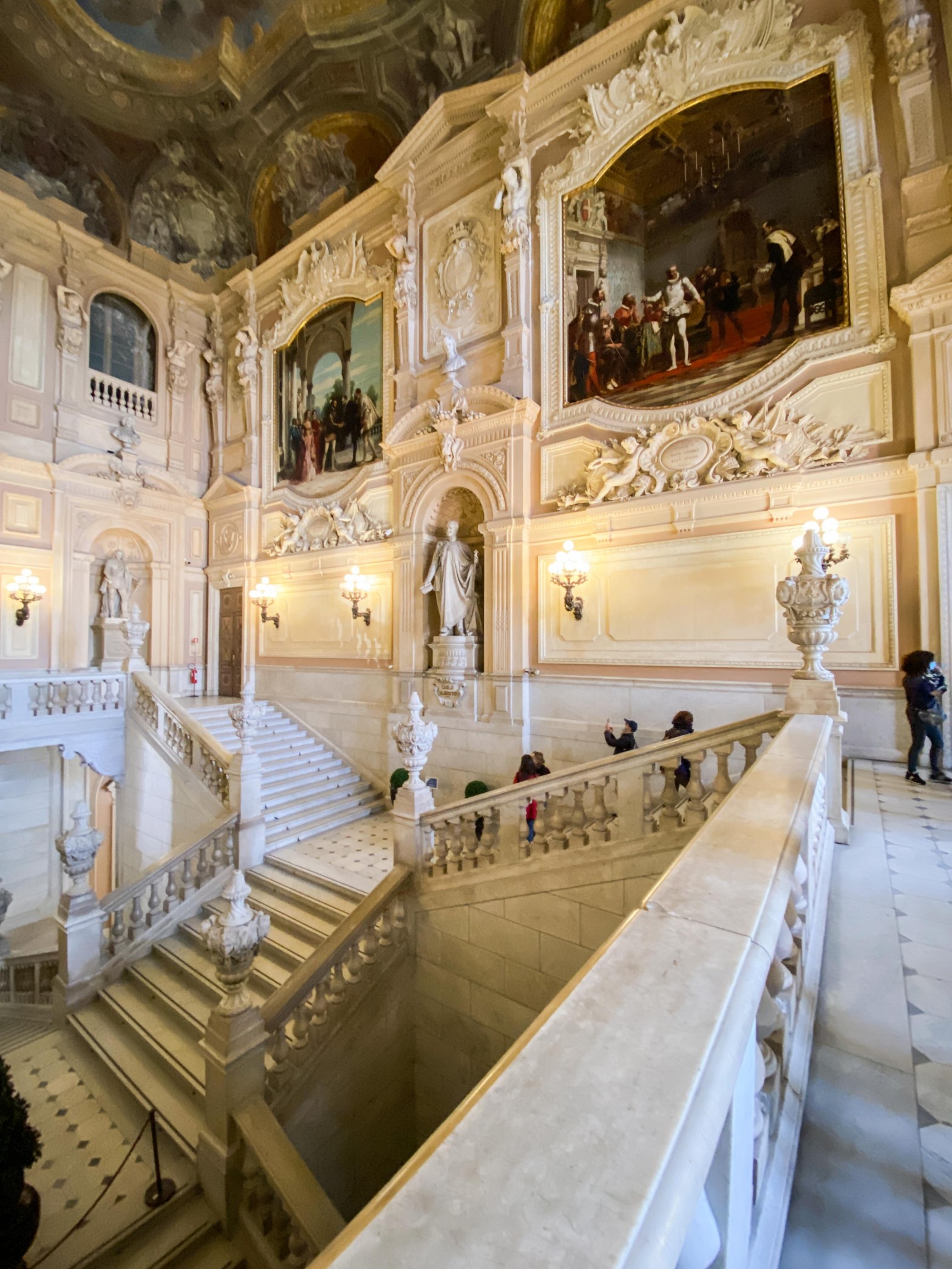
One of the sights of Turin is its royal palace. These royals were not your everyday small-kingdom-rulers, although the county and later duchy of Savoy was originally not very large. However, the family extended their reach to Sicily and Sardinia and finally became the kings of Italy in 1861. Thus, the palace needed to reflectContinue reading “The Riches of the Savoyards”
Kykuit: the Rockefeller lookout
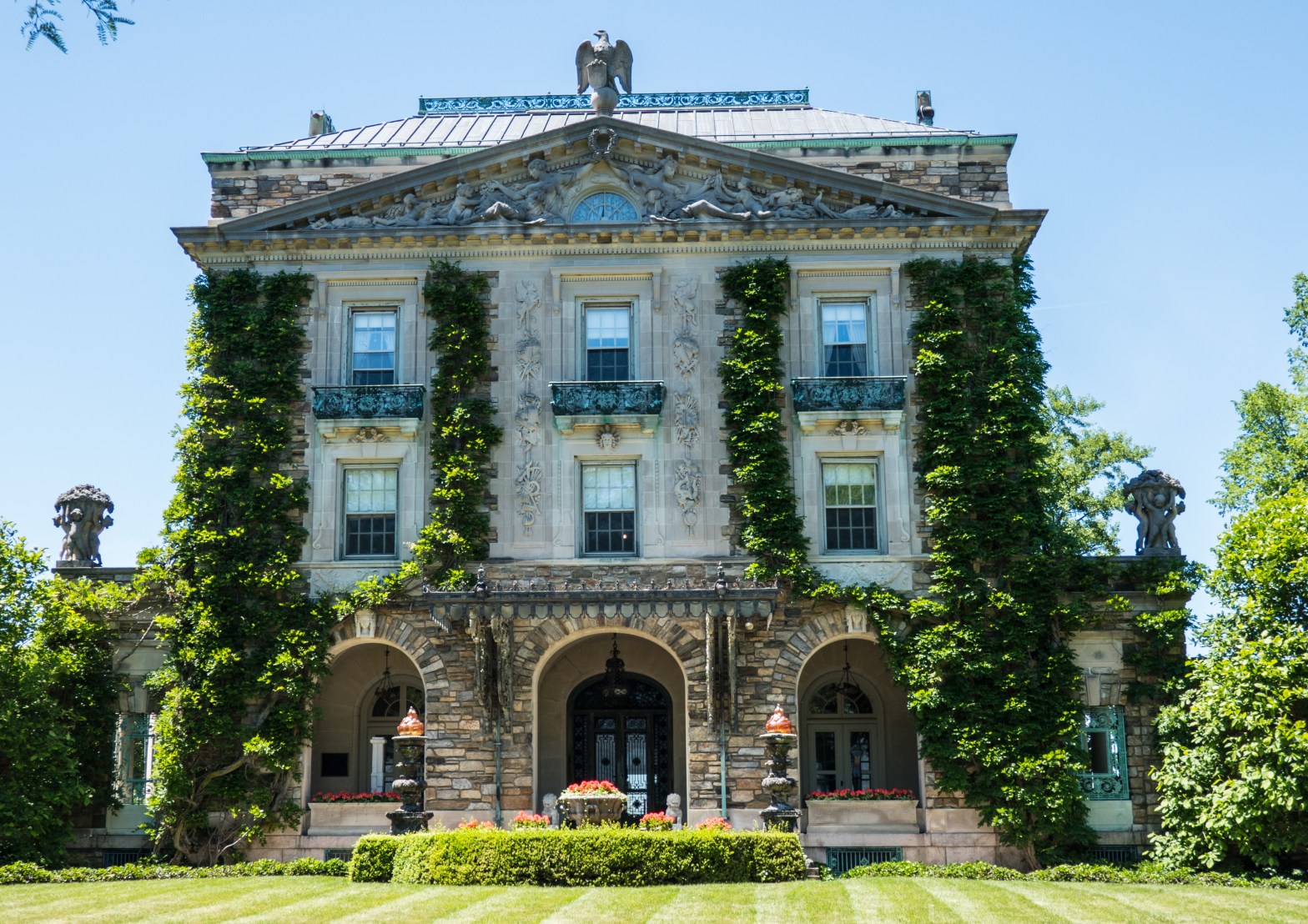
Sometimes even seriously rich people need houses that are more comfortable than showy. The Rockefellers had Kykuit as their modest retreat. From the patriarch of the family, oil magnate John D. (1839-1937) to Vice-President Nelson (1908-1979) and his sons, generations of Rockefellers lived in Kykuit on the Hudson River. The Dutch colonists had named theContinue reading “Kykuit: the Rockefeller lookout”
Speyer Cathedral: Emperors, kings, bureaucrats
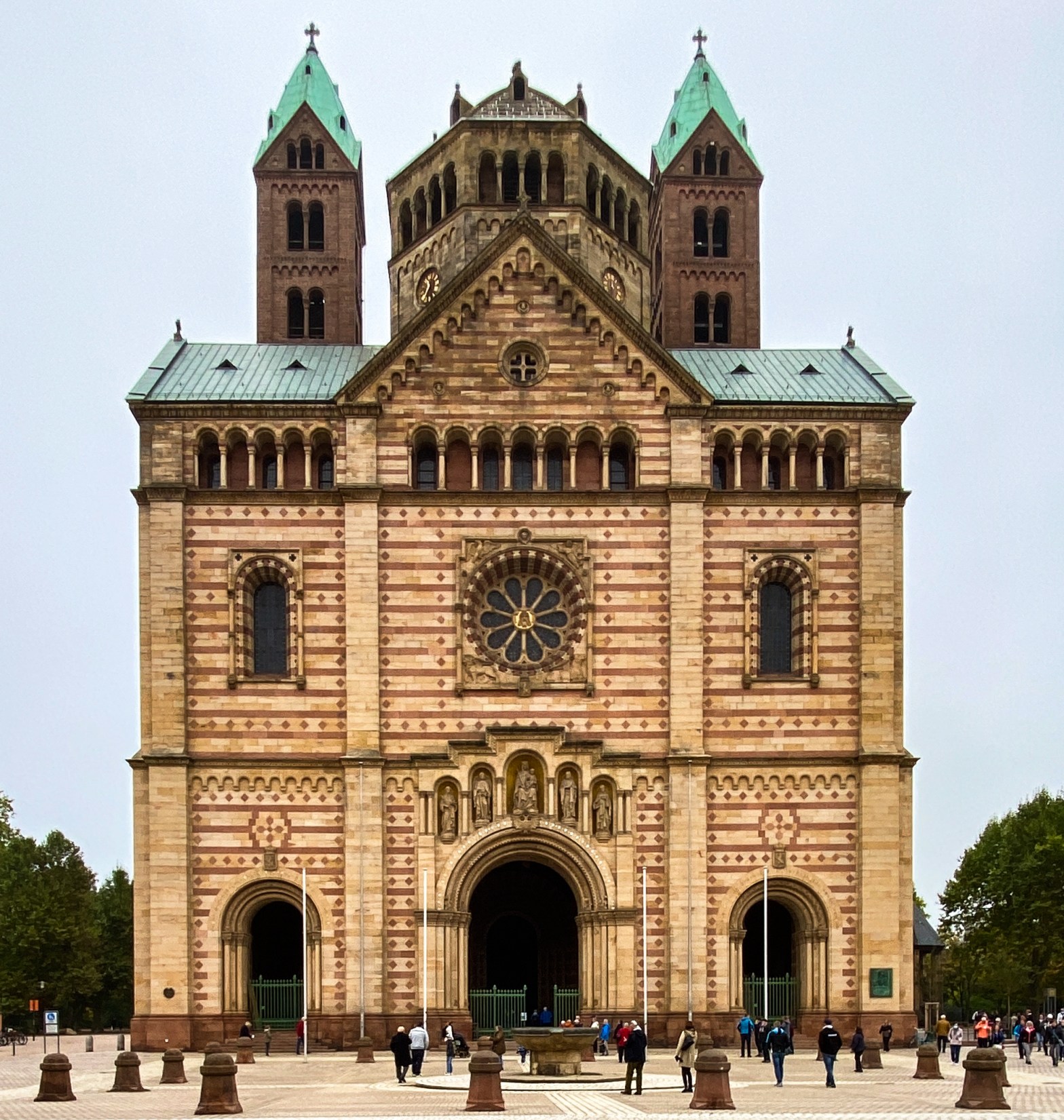
The Cathedral in Speyer (or Domus sanctae Mariae Spirae) was built at the initiative of Conrad II, first emperor of the Salian dynasty. The minor detail of actually getting anywhere took a couple of decades (and emperors), but the cathedral was consecrated in 1061, although further construction and expansion continued until 1106. The cathedral was heavilyContinue reading “Speyer Cathedral: Emperors, kings, bureaucrats”
World: The competitor of Elizabeth I and Maria Stuart
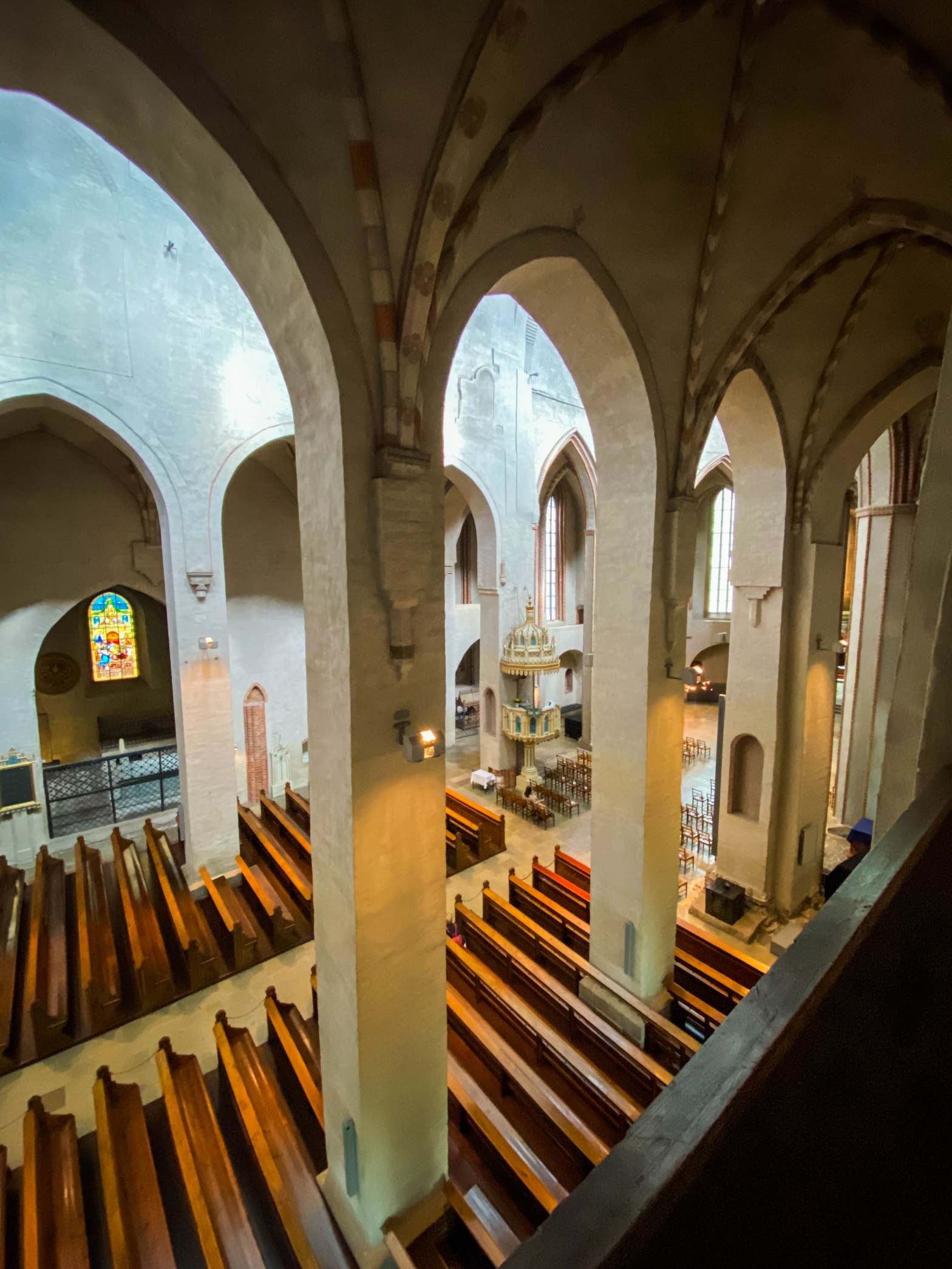
Erik XIV of Sweden, who ruled 1560-1568, was the eldest son of king Gustav Vasa, founder of the Vasa dynasty. Unfortunately Erik was somewhat unstable and violent, which led to strife between him and his brothers, and with the nobility. The last drop was that Erik married a commoner, Catharina Månsdotter, and made her hisContinue reading “World: The competitor of Elizabeth I and Maria Stuart”
Worlds: War and peace in the shadow of Russia
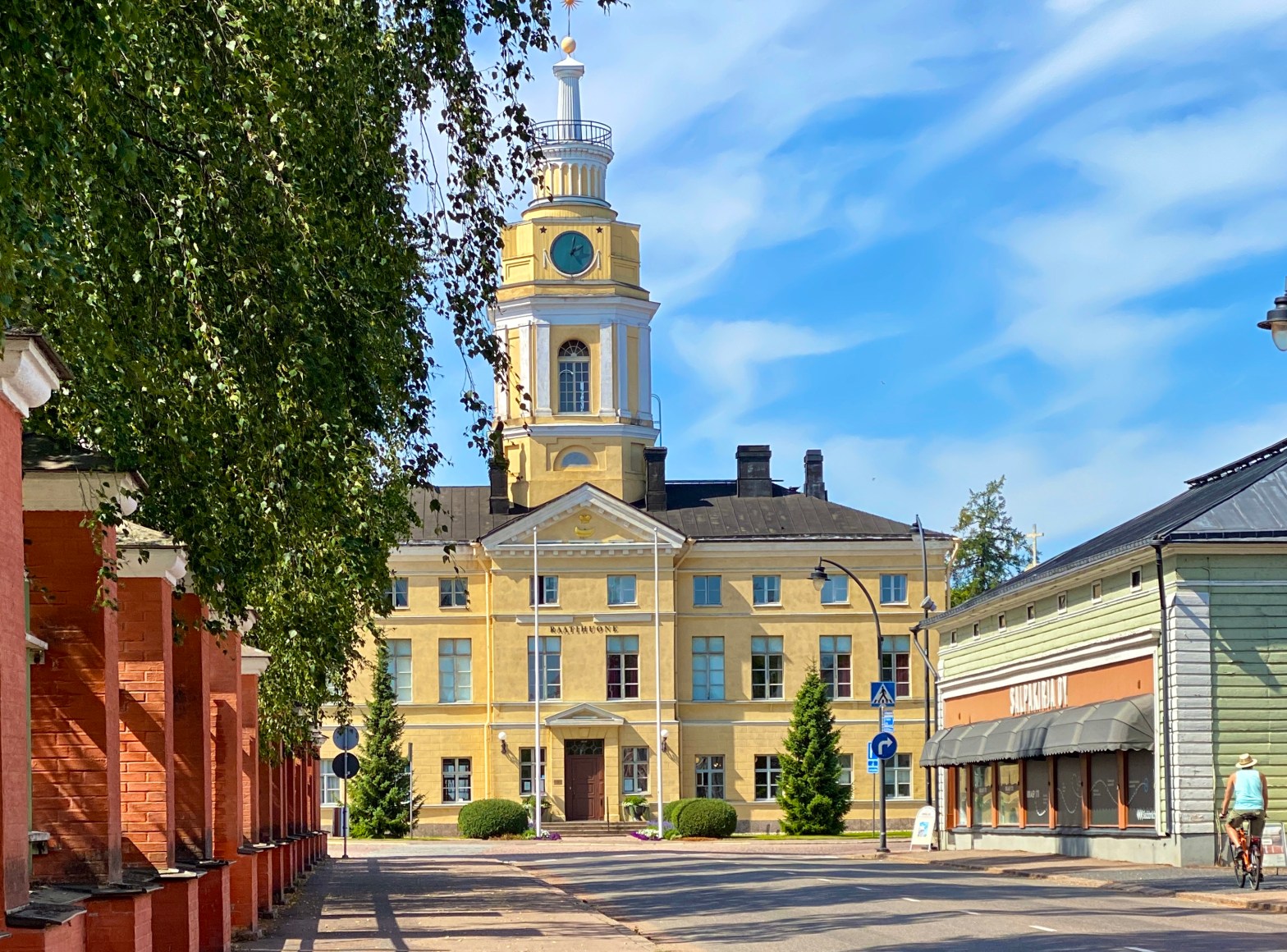
Built for war, famous for a peace treaty – that has been the fate of the sleepy garrison town of Hamina in South-Eastern Finland. In the 18th century, the conquests of the previous century that made Sweden a dominant power in Northern Europe, were gradually lost. In 1721 after the Great Northern War, the border withContinue reading “Worlds: War and peace in the shadow of Russia”
Worlds: How do buildings get their names?
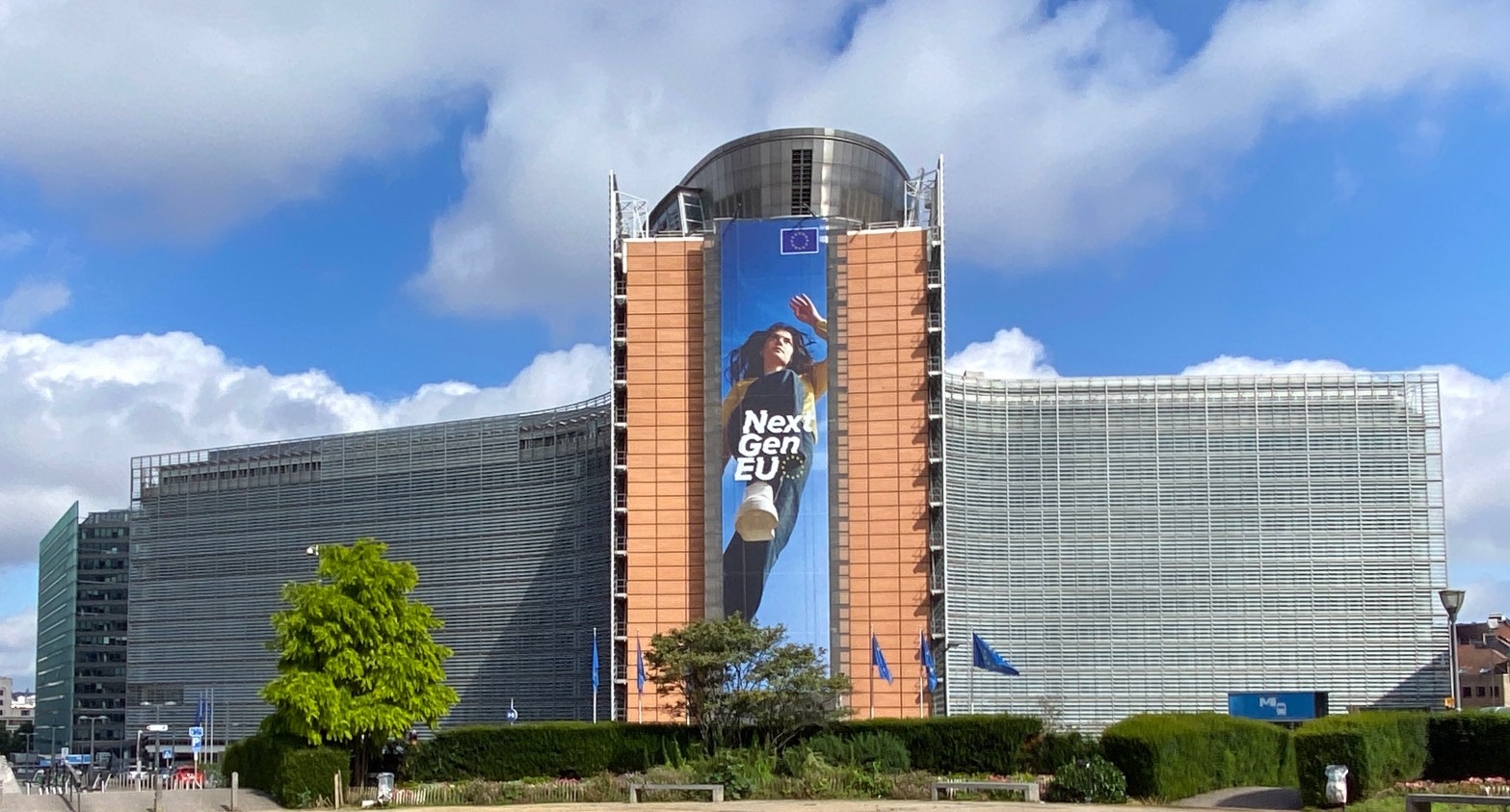
Major buildings in capitals are often named after prominent politicians of yesteryear, or worthy historical figures – there are plenty of those in Brussels. Then there are those buildings that seem to get their names by chance. The headquarters of the European Commission in Brussels is called the Berlaymont. Many people know that there wasContinue reading “Worlds: How do buildings get their names?”
Worlds: Teutonic Knights in the Belgian countryside

The Teutonic Order (aka Deutschorden, or officially Order of Brothers of the German House of Saint Mary in Jerusalem) was founded in 1190 to help pilgrims to the Holy Land and to establish hospitals. From 1220 onwards it set to conquer and convert the southern coast of the Baltic. So, what was it doing inContinue reading “Worlds: Teutonic Knights in the Belgian countryside”
Worlds: The fortress contributing to the French revolution
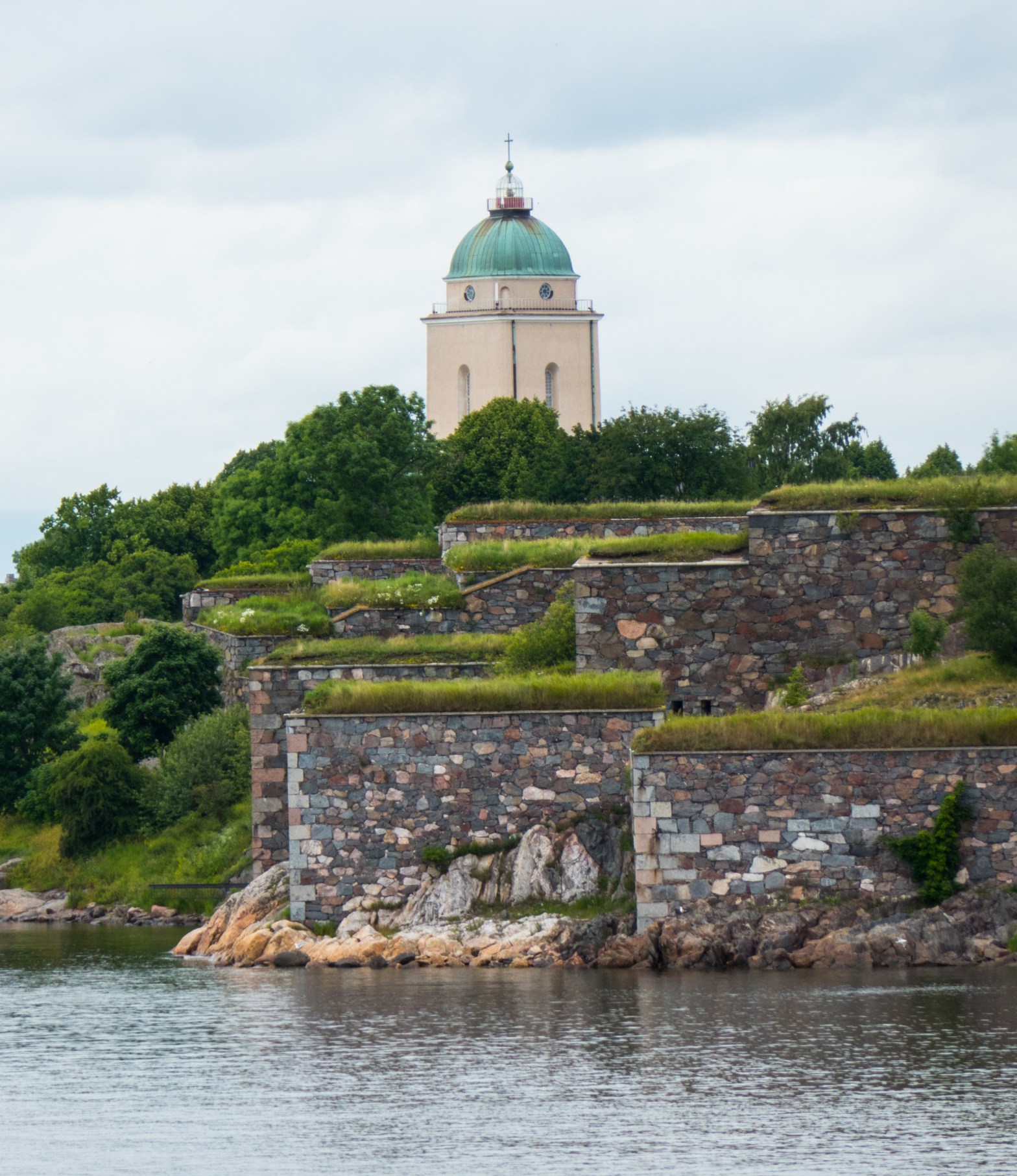
How did it come about that the Suomenlinna-Sveaborg fortress in front of Helsinki contributed to the French revolution? The answer can be found in the great power politics of 18th century Europe. Sweden, which at this time included Finland, had been a great power in the 17th century, ruling major areas around the Baltic and Northern Germany.Continue reading “Worlds: The fortress contributing to the French revolution”
 Rails, wines, worlds