
The Musée Condé at the Château de Chantilly outside Paris happens to own one of the best-known medieval manuscripts, ’Les très riches heures de duc de Berry’. As this well-known marvel needs to be rebound, there has been an exhibition around the famous illuminations depicting the months.
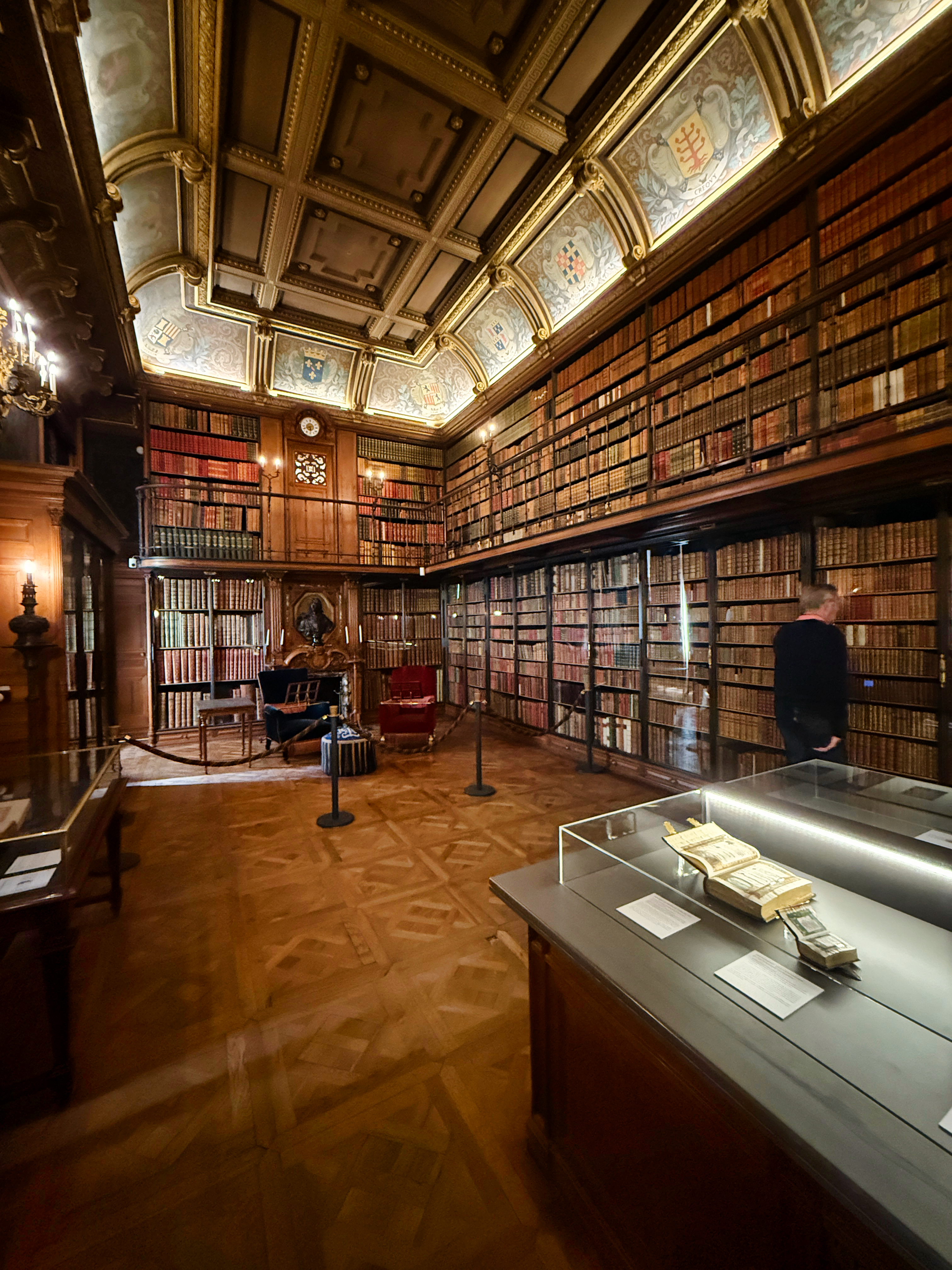
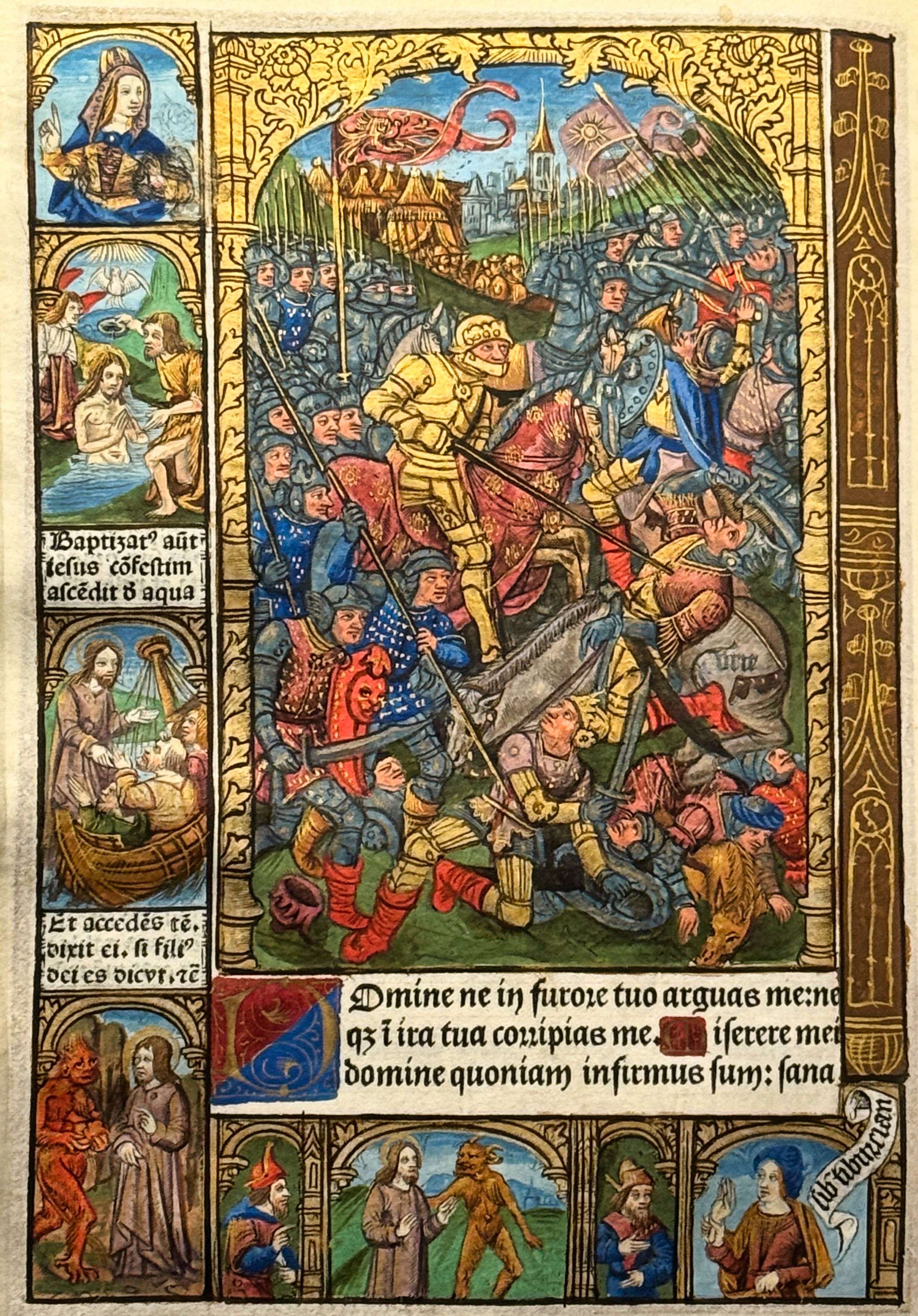
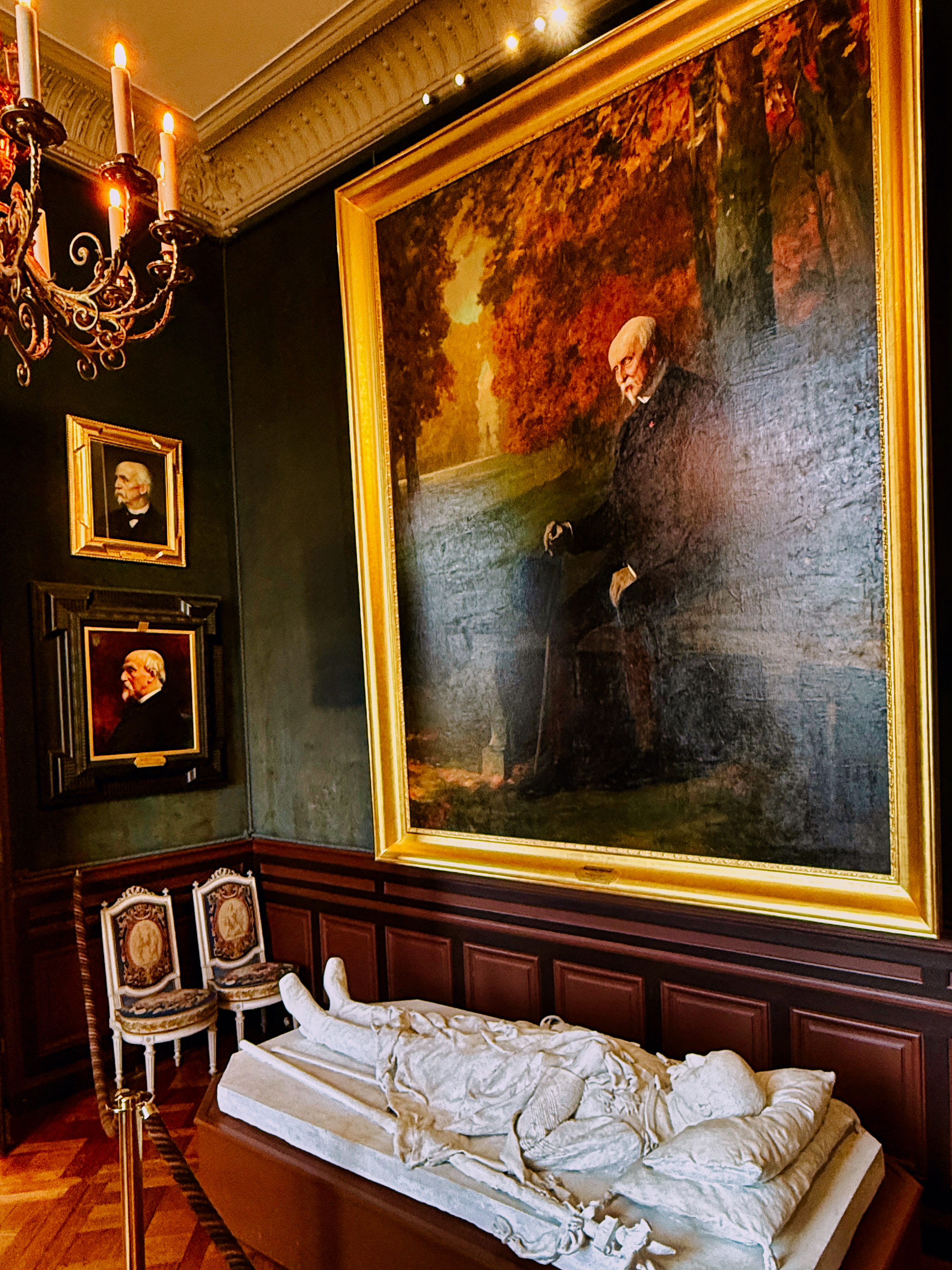
The château itself is mostly a reconstruction from the 19th century, when the duke of Aumale established his collection of books (the library above, with an illumination ’The Death of Uriah’ from a book of hours), paintings and furniture there. He left it all to the Institut de France that these days runs the show (portraits and an effigy of the duke below left).
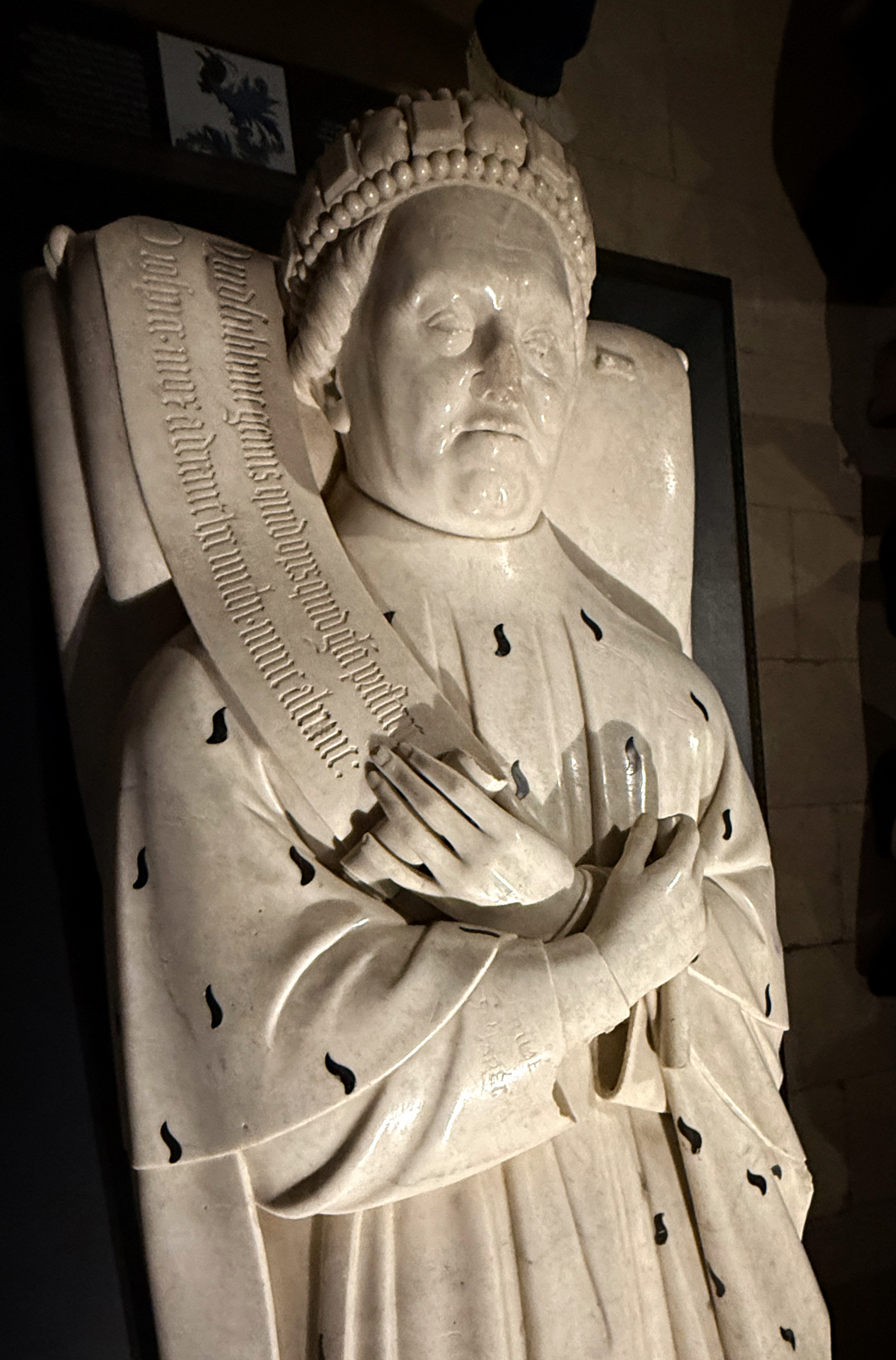
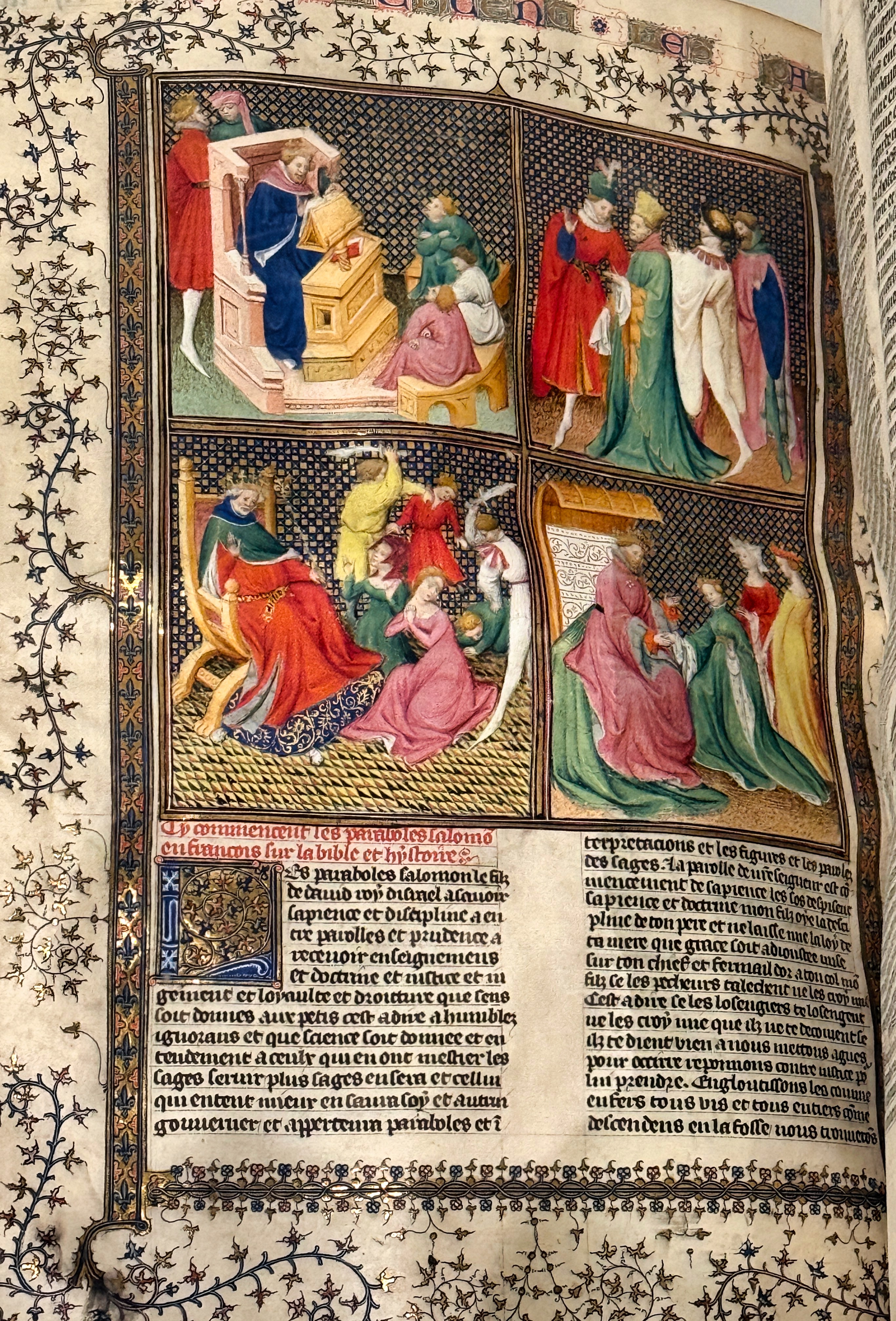
The exhibition of medieval manuscripts was built around the history of the duke of Berry (his effigy is above right), for whom the famous book of hours was made. Some of the manuscripts exhibited are below – left is a page from Wauchier de Denain’s ’Histoire ancienne jusqu’à César’ (1400) and on the right is a page from ’Grande Bible historiale compléte’ (1395-1400).

At the age of 69, the duke refused to die before he had the most beautiful book of hours. He employed three well-known illuminators from Flanders, the Limbourg brothers, to do the job. Beginning in 1409, they worked for seven years and finished 10,5 pages – and then the duke died. His inheritors were horrified of the cost and stopped the work.
In 1485, the duke of Savoy, the then owner, managed to finish the manuscript using another illuminator, Jean de Colombe. The book traveled through the courts of Europe until 1856, when the above-mentioned duke of Aumale, Henri d’Orléans, bought it for his collection at Chantilly.
Books of hours included religious texts (prayers, psalms, devotional content for all days of the week) and a calendar, phases of the moon and signs of the zodiac. Wealthy nobles had usually several for varous purposes. Below left, an illumination from ’Heures de Notre-Dame’ and right, ’Belles heures de duc de Berry’.
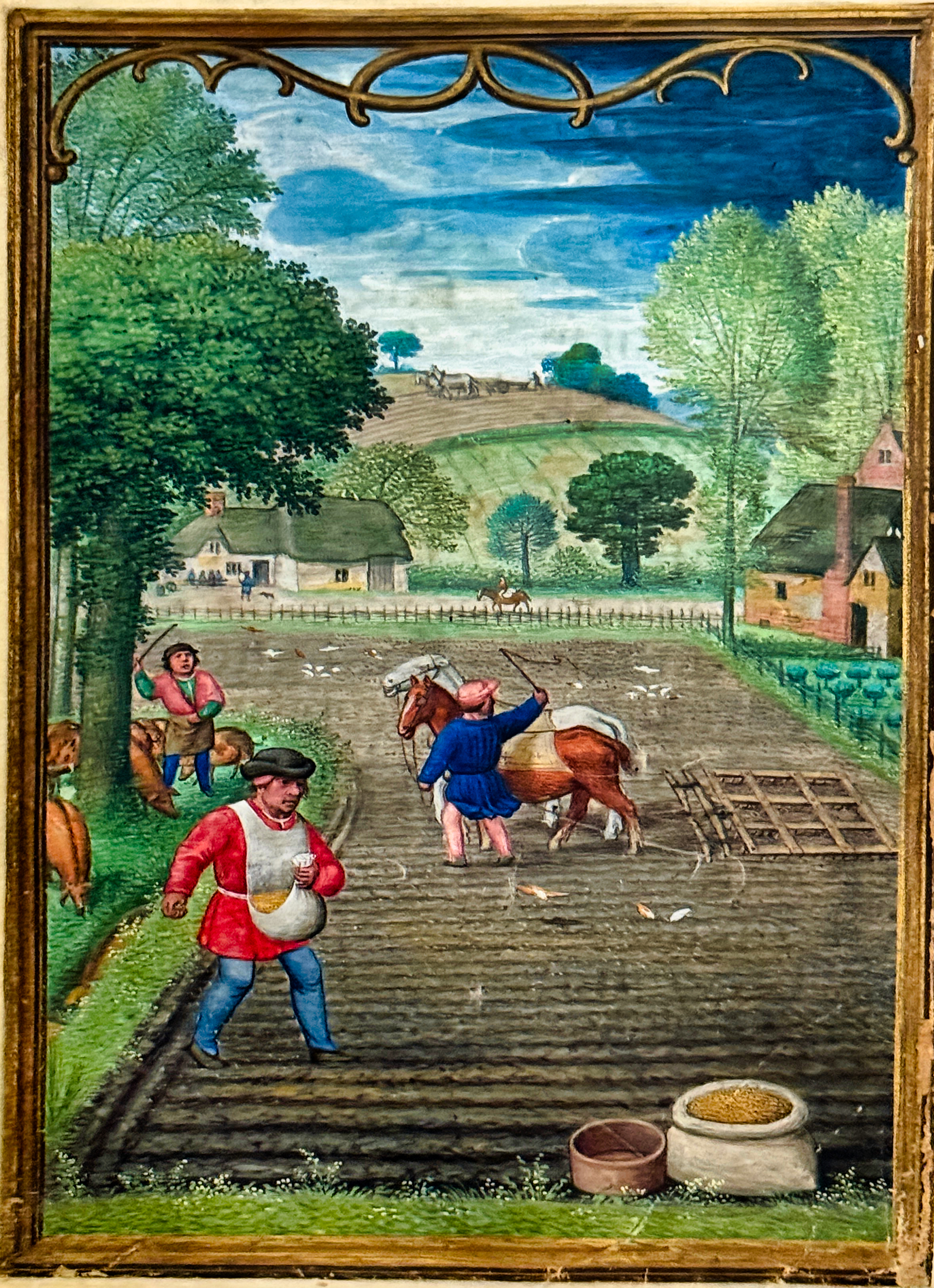
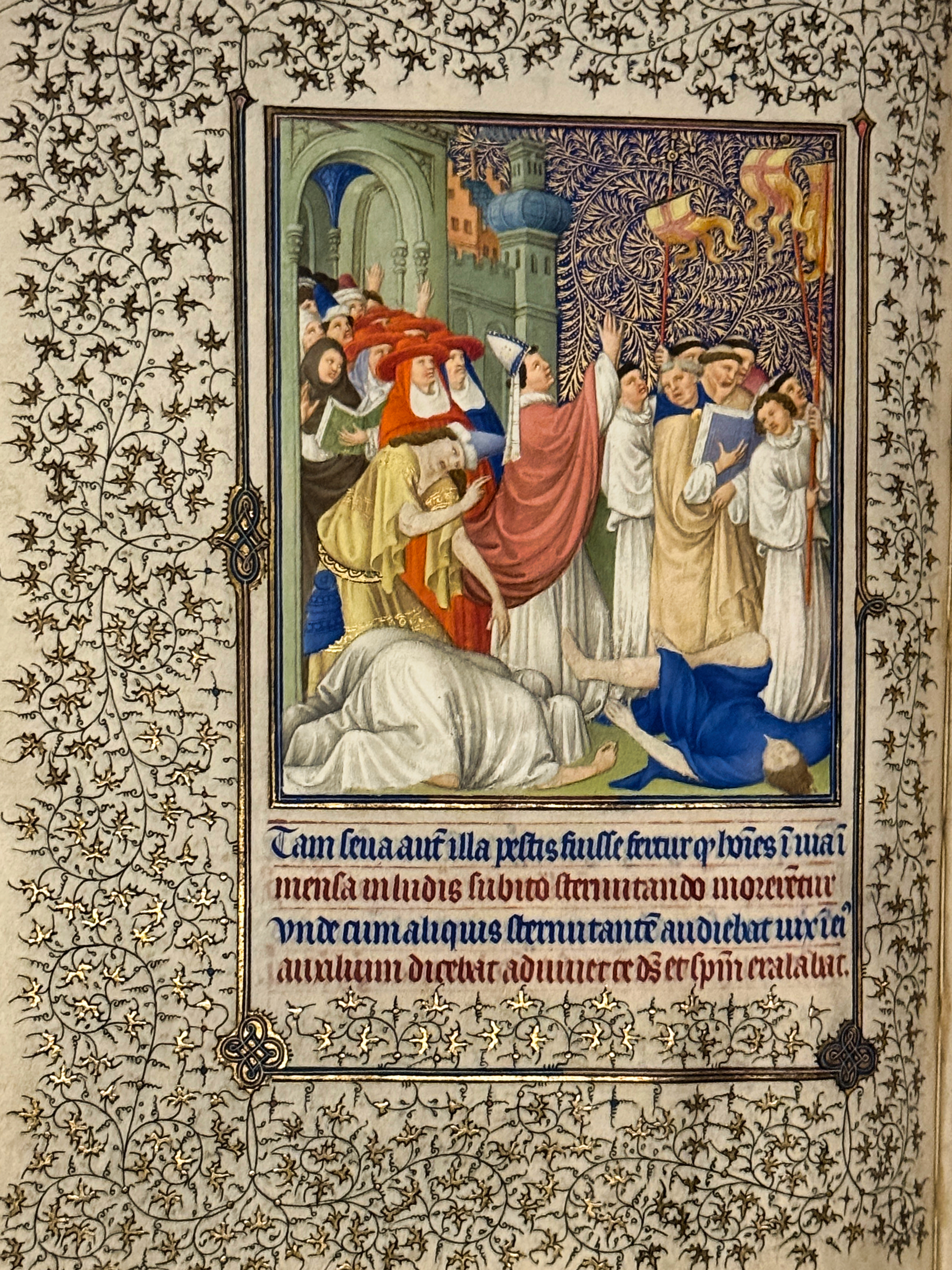
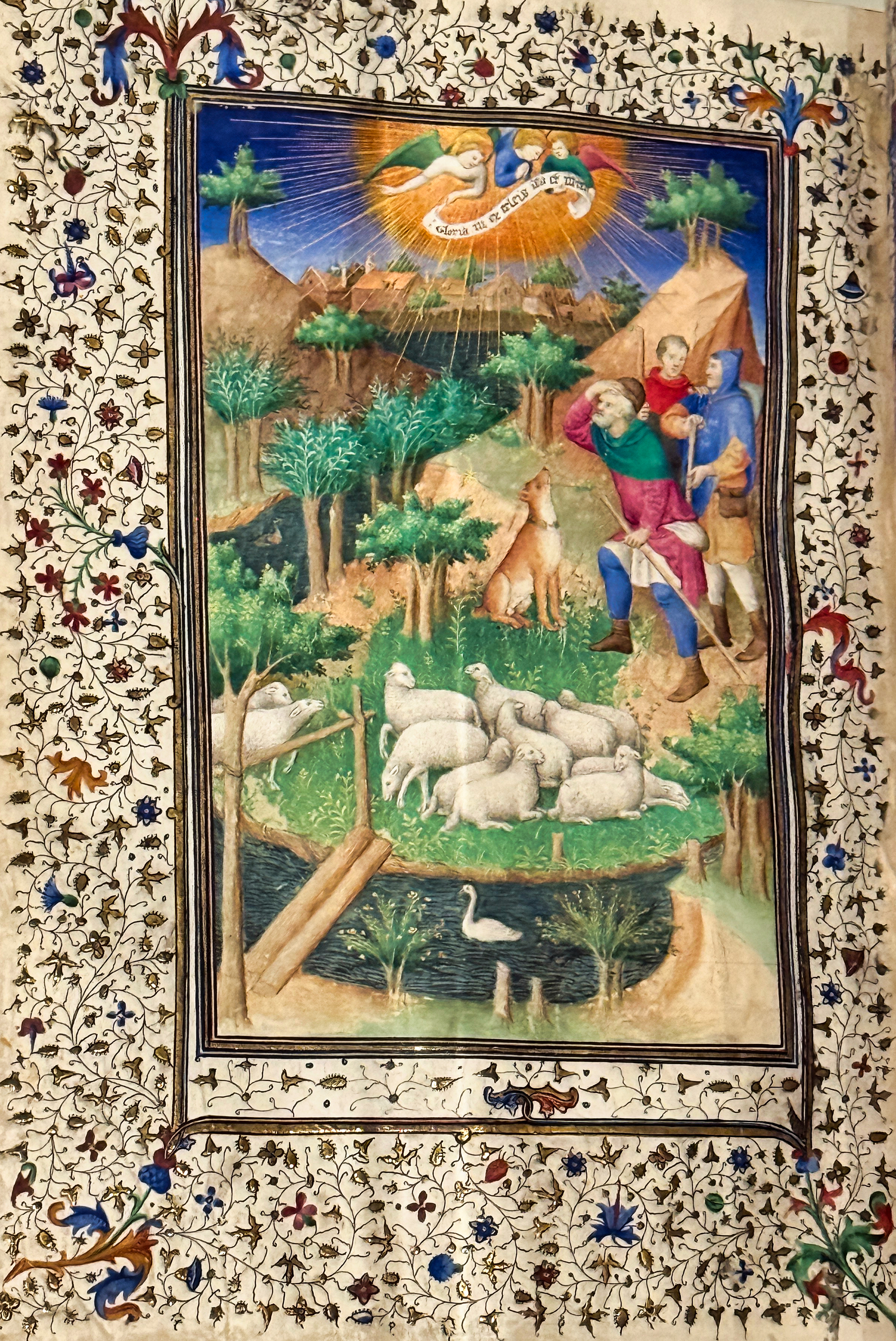

Above left, a plate from ’Heures du Maréchal de Boucicaut’ (1408-1409) and right, from ’Très belles heures du duc de Berry’ (1402-1403).
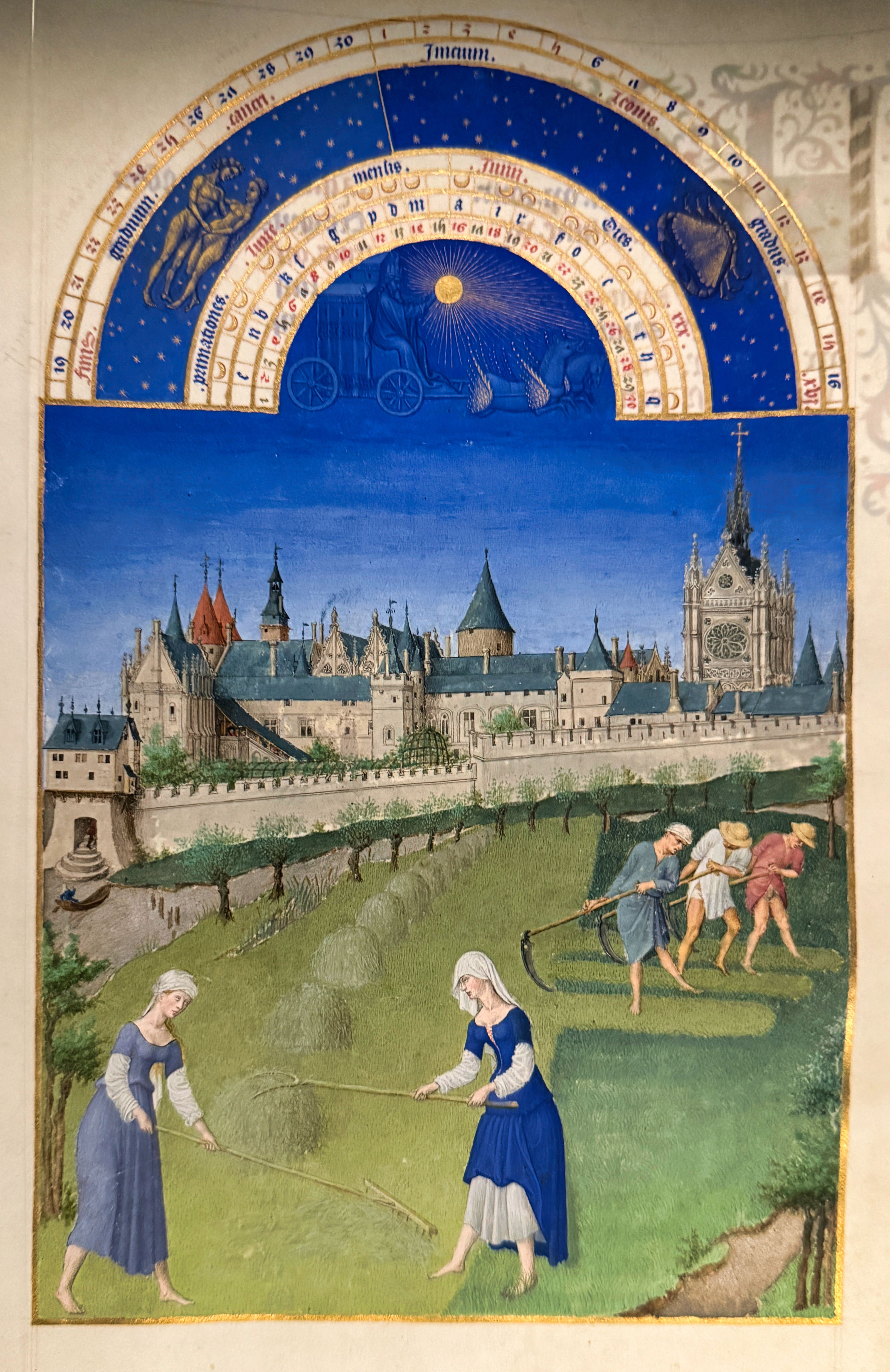
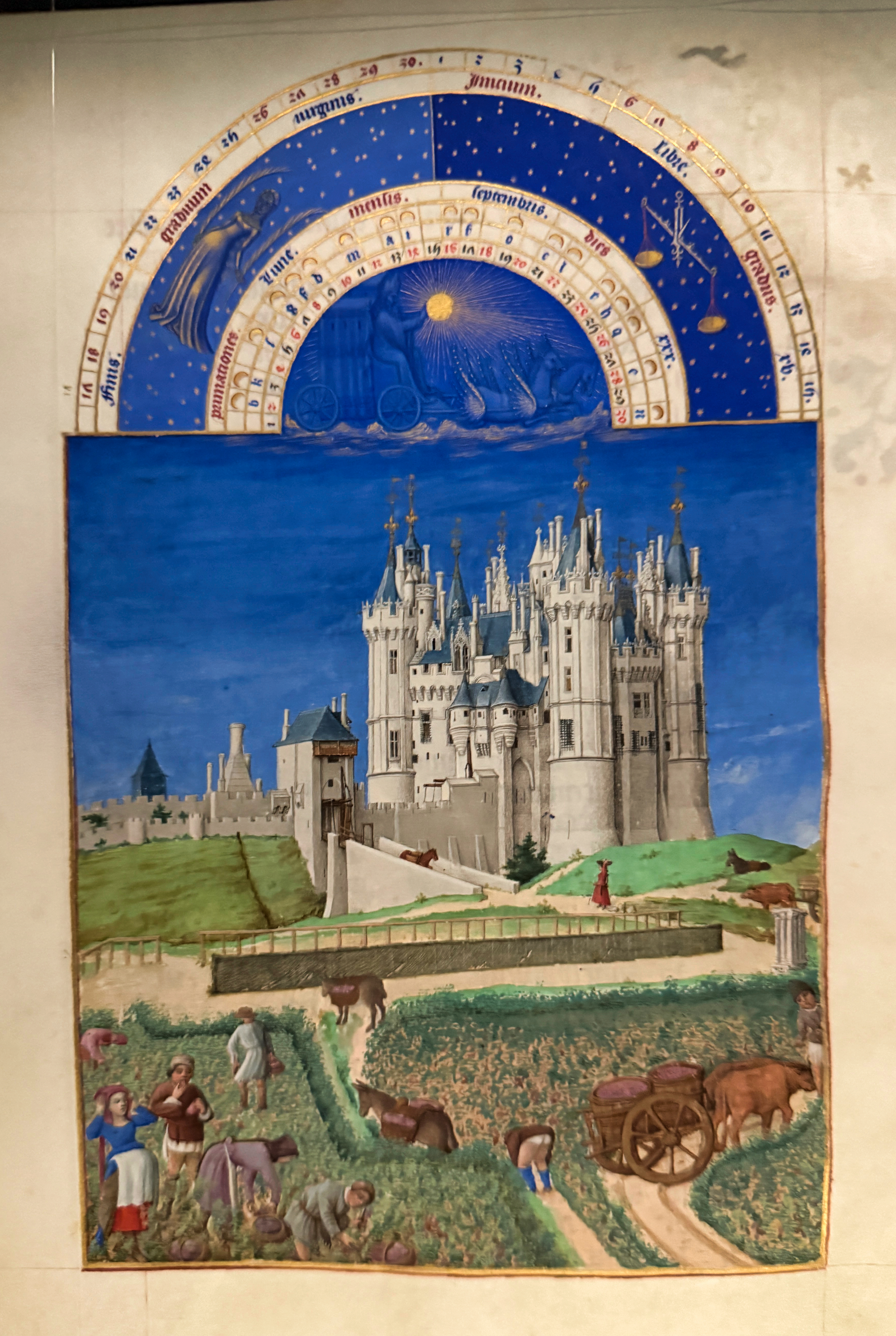
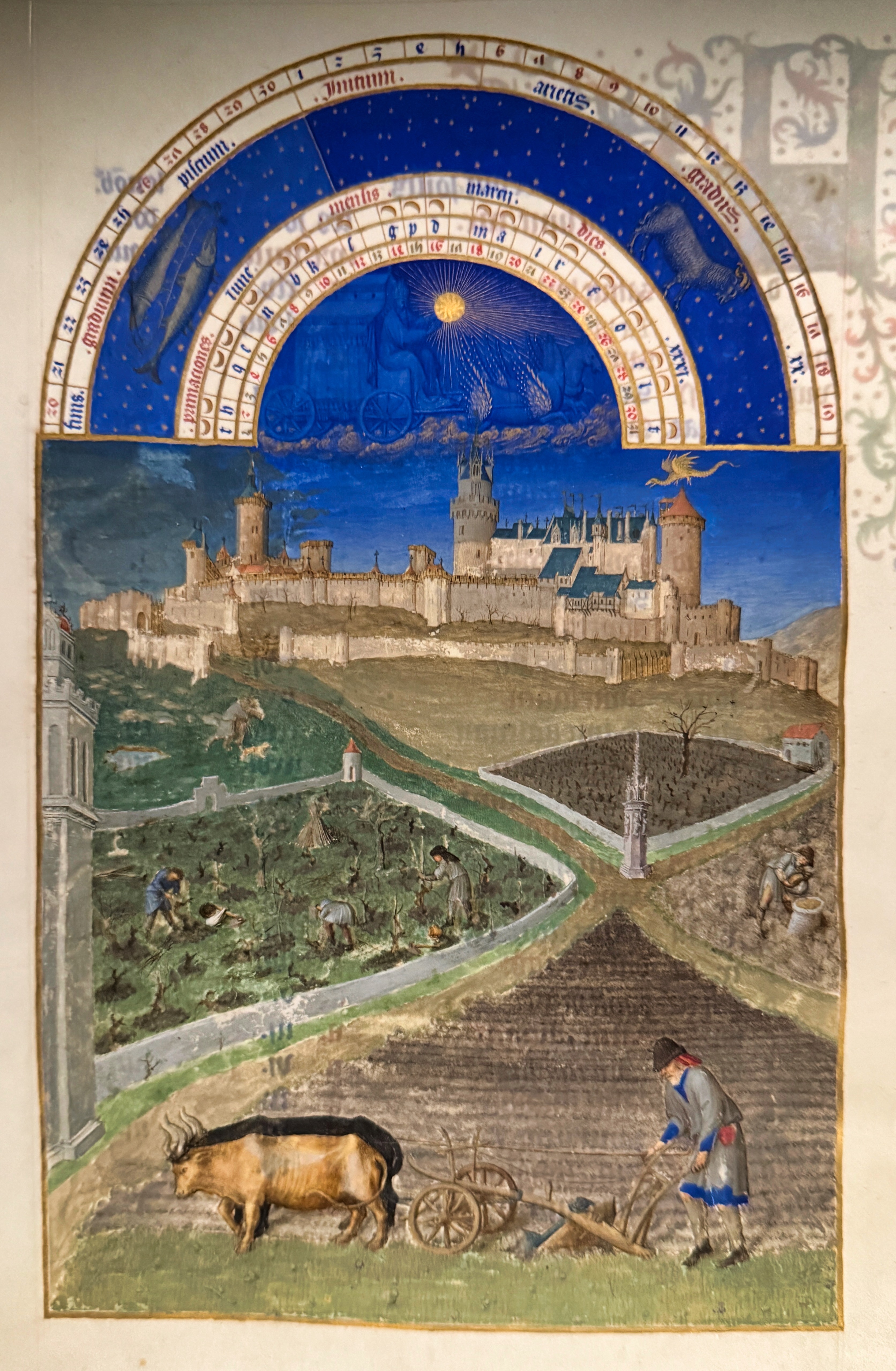
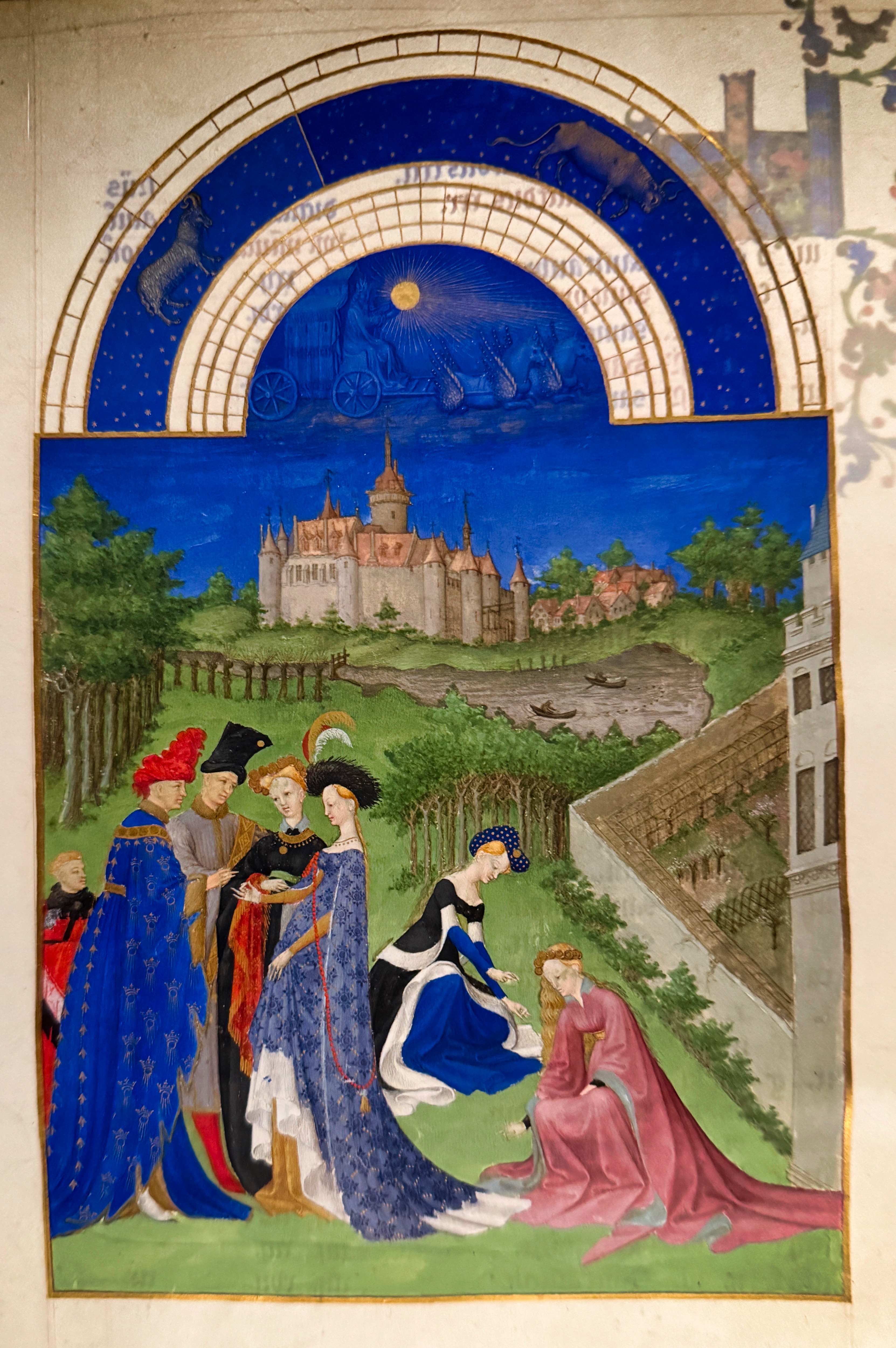
’Les très riches heures de duc de Berry’ is focused around the illuminations of months that depict medieval life around the year with magnificent castles in the background – most of these belonged to the good duke. Below are some of the month illuminations, June, September, March and April.
Latest posts:
 Rails, wines, worlds