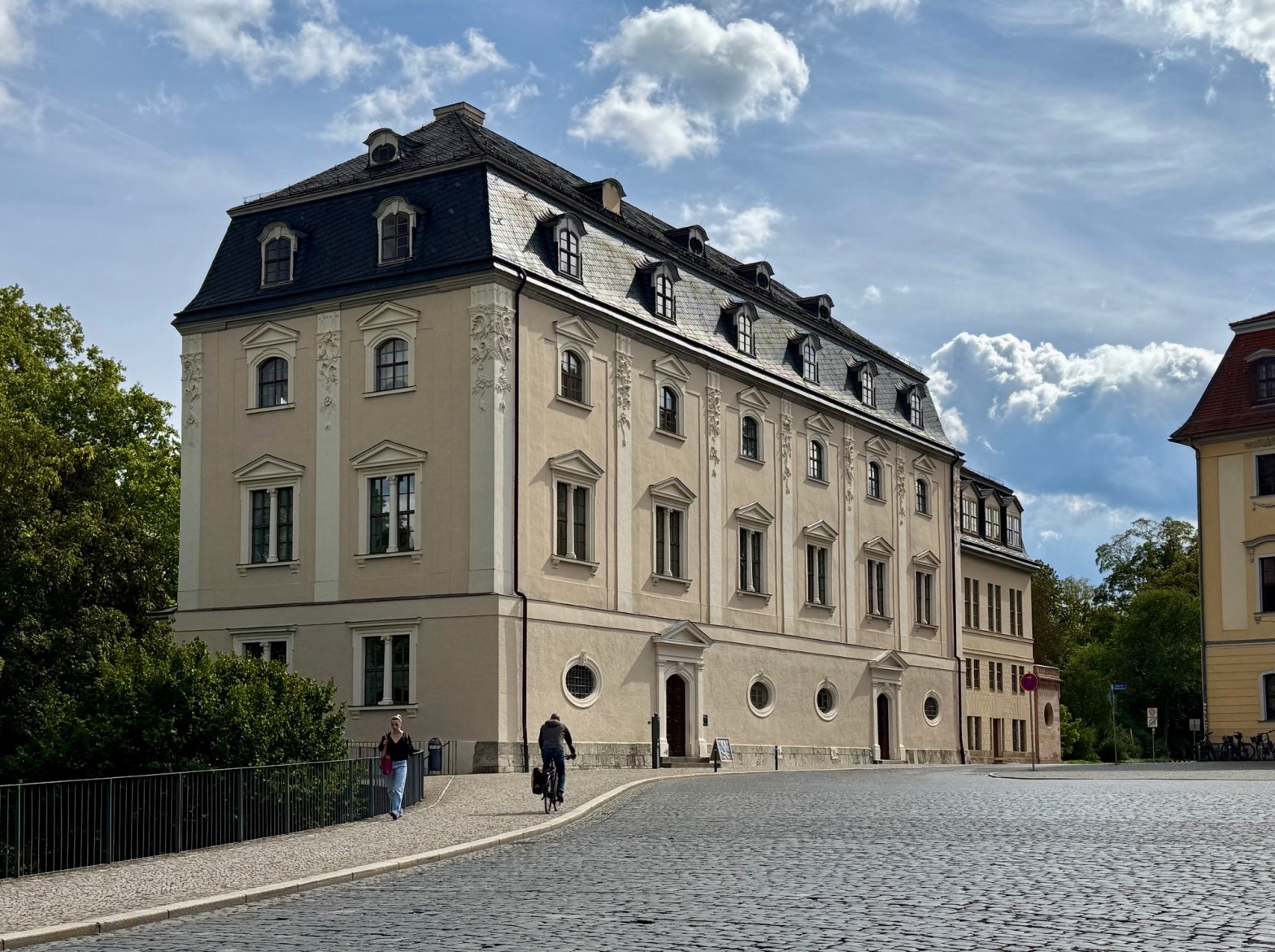
Anna Amalia, the Duchess of Saxe-Weimar-Eisenach, lives on in the name of the ducal library that she moved to the present buildings – in the 1760s, she was also responsible for building the magnificent rococo hall where the core of the collections are. Goethe was a librarian here for 35 years and stares at youContinue reading “Duchess Anna Amalia Library, Weimar”
Tag Archives: travel
University of Coimbra, Portugal
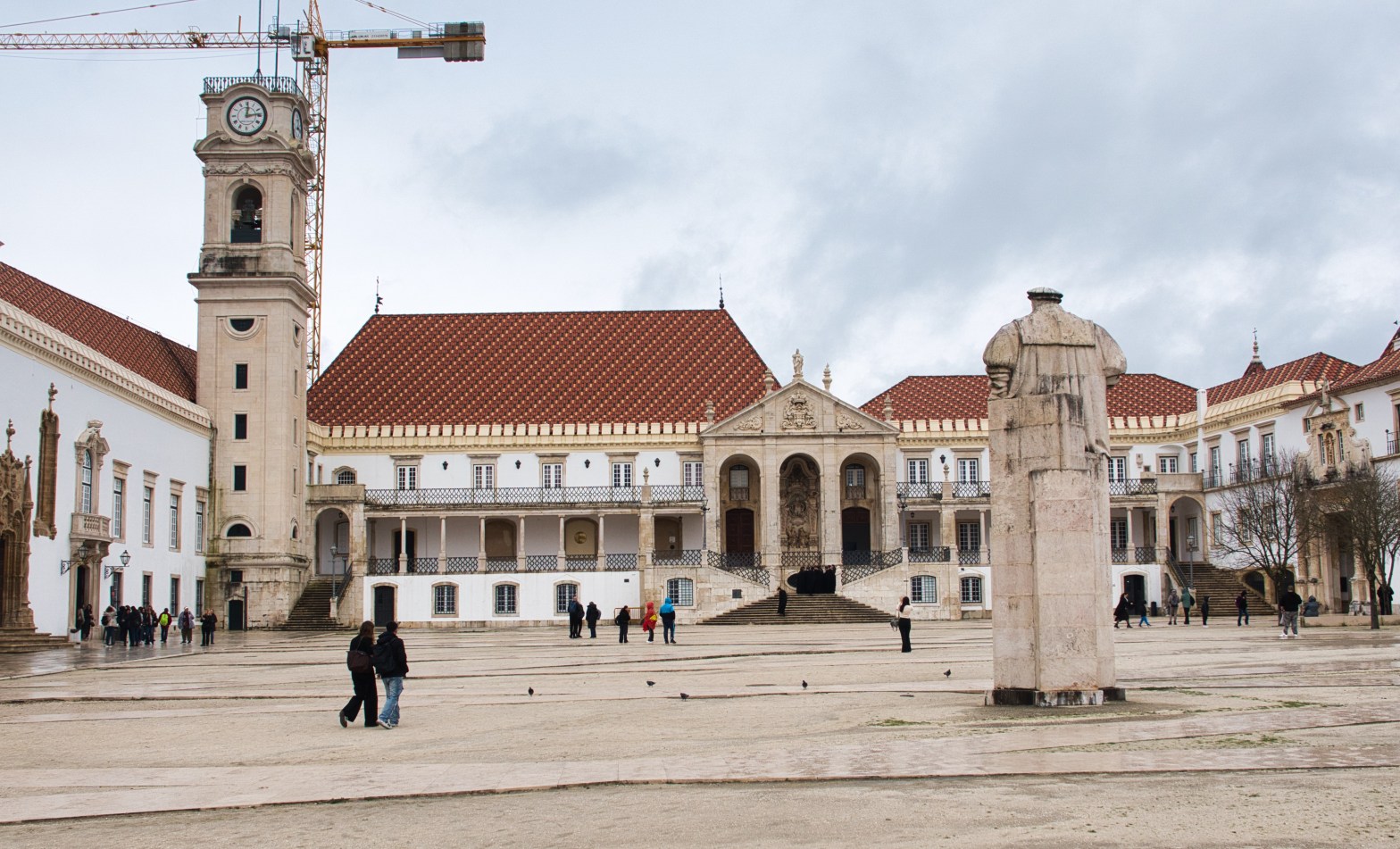
First founded in 1290 in Lisbon, the university moved to Coimbra in early 16th century, and was the only university in the Portuguese-speaking world until 1911. The university was founded by king Dinis, whose mortal remains were dug up (for research) recently, and, as is customary these days, a recreation of his facial features wasContinue reading “University of Coimbra, Portugal”
Books in Chantilly

The Musée Condé at the Château de Chantilly outside Paris happens to own one of the best-known medieval manuscripts, ’Les très riches heures de duc de Berry’. As this well-known marvel needs to be rebound, there has been an exhibition around the famous illuminations depicting the months. The château itself is mostly a reconstruction fromContinue reading “Books in Chantilly”
NE Greenland National Park
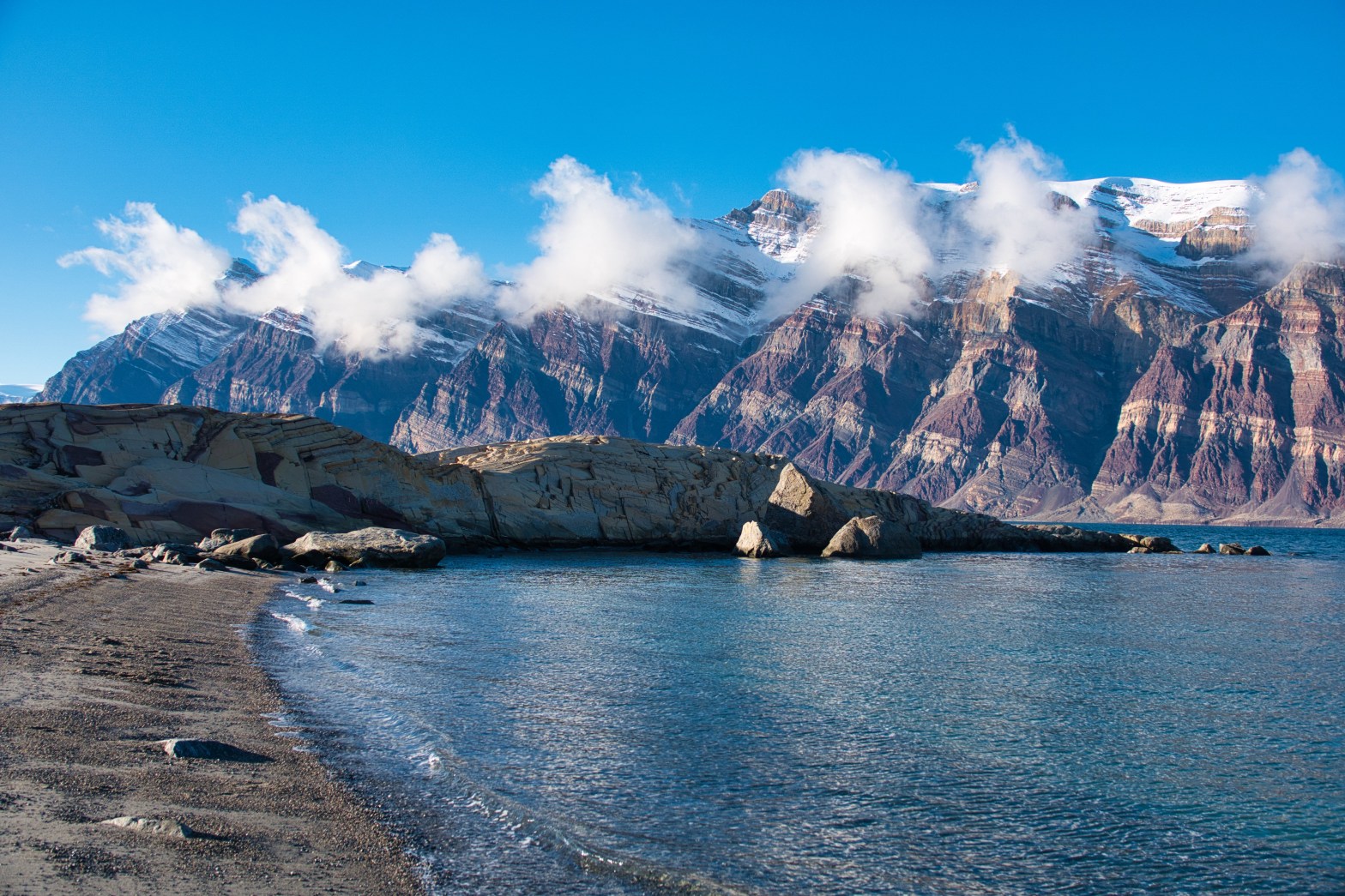
The Northeast Greenland National Park is the world´s largest at 972 000km2. The interior is covered by the Greenland ice sheet, but the coastal areas are ice free in the summer. There is no permanent population, only military and research posts with changing staff. The most accessible parts of the park are in the southeast,Continue reading “NE Greenland National Park”
Ittoqqortoormiit, Greenland
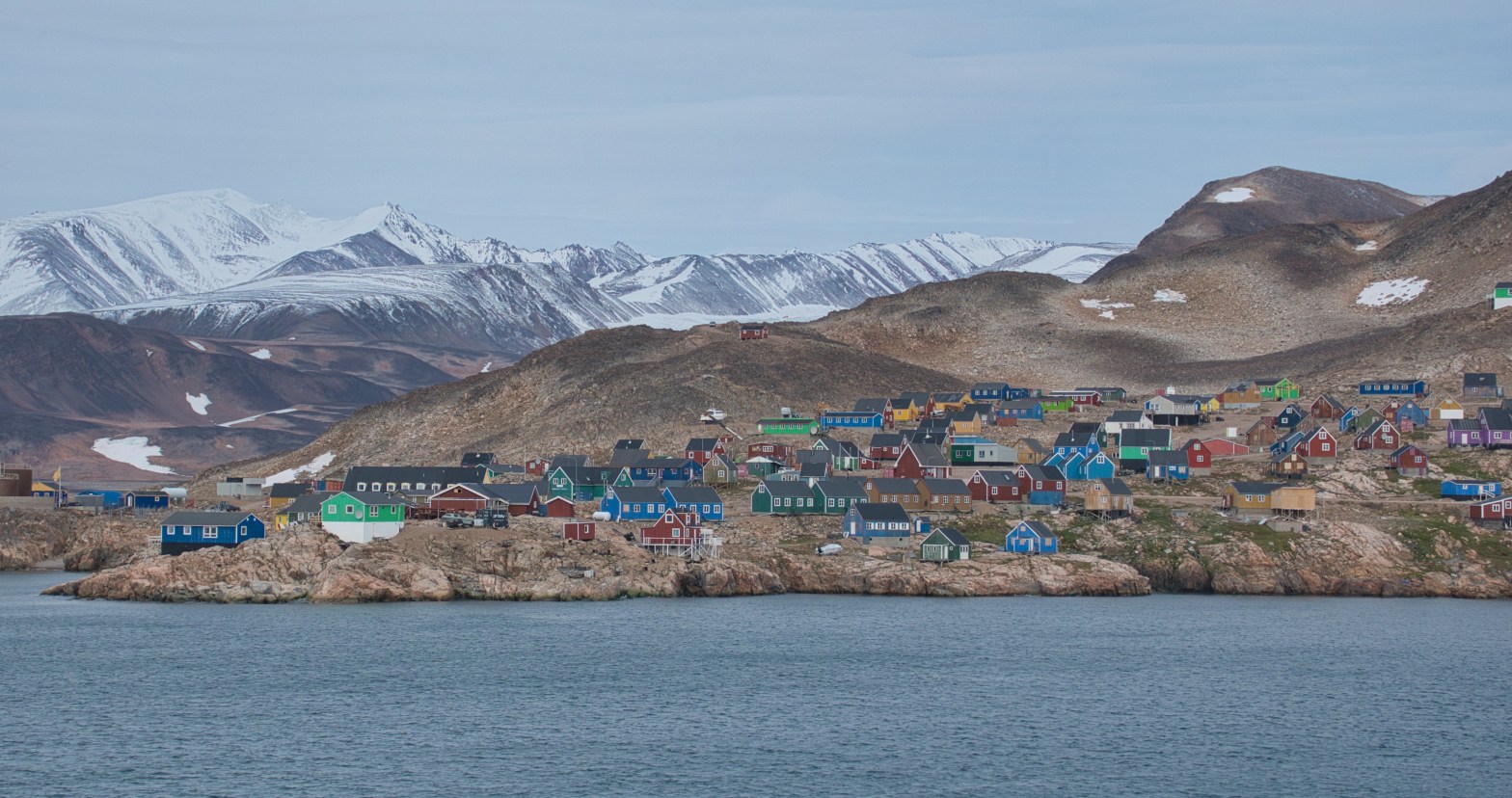
Ittoqqortoormiit is one of the world’s remotest settlements, on the east coast of Greenland, with a population of about 350. The name means ’big house dwellers’ and it was founded by a Dane, Ejnar Mikkelsen (his memorial is below left) and 85 inuits, in 1925. The village lives on services, hunting and fishing, and dogsContinue reading “Ittoqqortoormiit, Greenland”
Scoresby Sound, Greenland
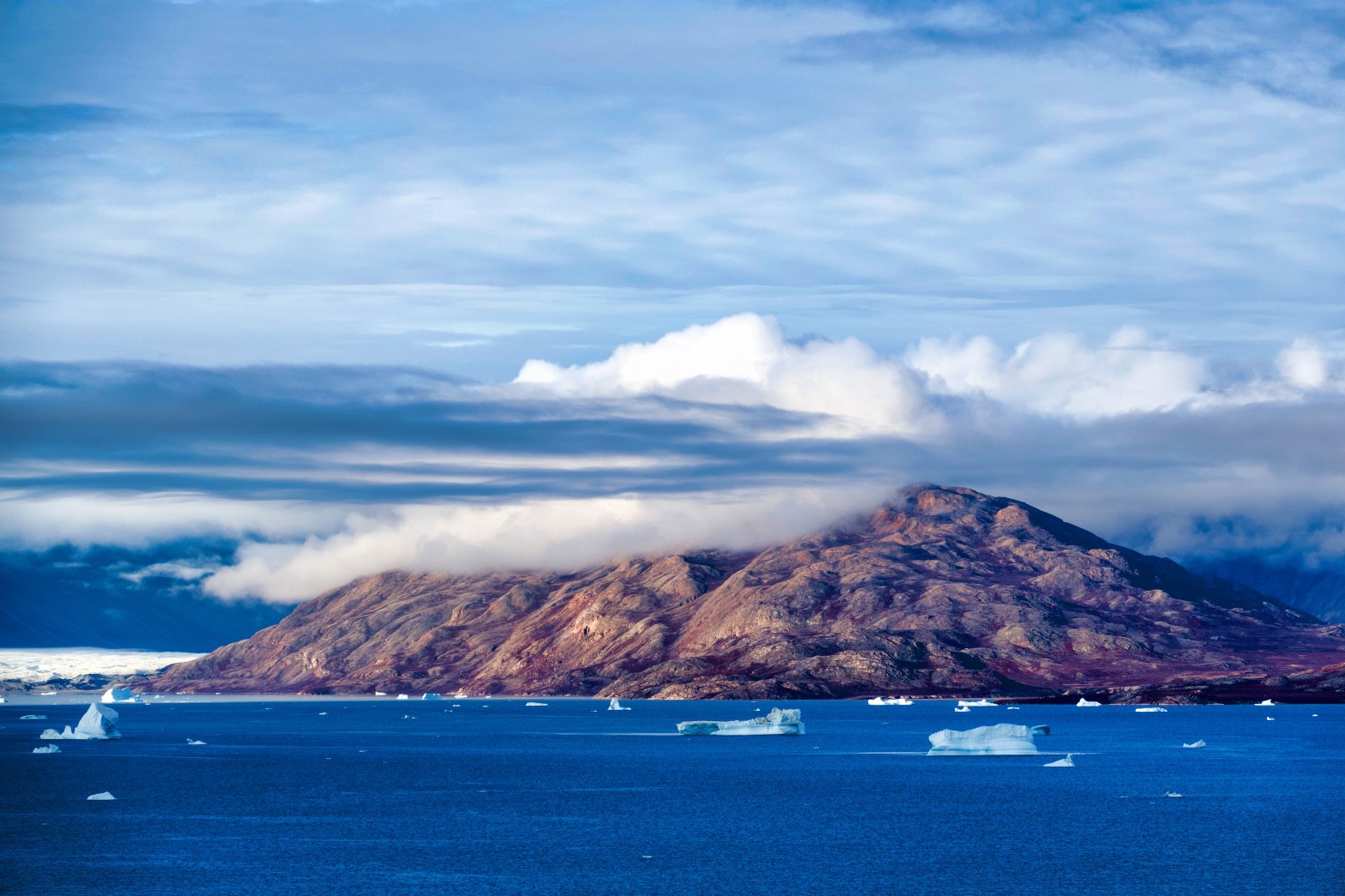
The Scoresby Sound (or Scoresby Sund in Danish, Kangertittivaq in Greenlandic) is the world’s largest fjord system, where the longest part extends 350 km inland. The name comes from the English explorer William Scoresby who mapped the area in 1822. The names given to the area are usually descriptive – for example, Bjørneøer (bear islands,Continue reading “Scoresby Sound, Greenland”
Art Nouveau, Latvian Style
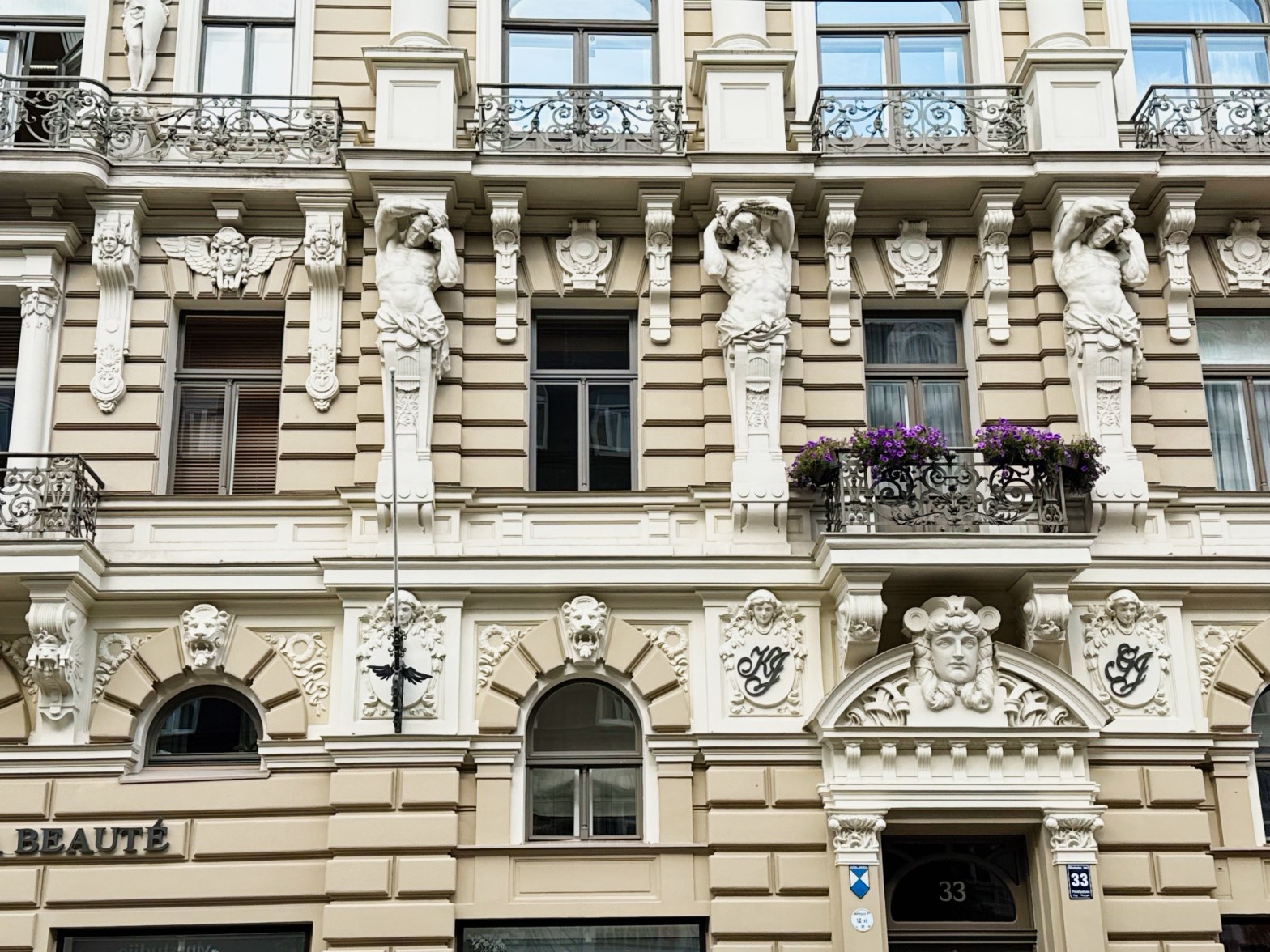
The architecture of Art Nouveau adapted itself to every city that took it on – Barcelona, Helsinki, Nancy, Brussels – developing a set of idioms particular to each city. This also holds for Riga. The freely flowing continuous decoration, the human form, the often asymmetrical facades are all common Art Nouveau features, but the interpretationContinue reading “Art Nouveau, Latvian Style”
The Jungfrau and Its Railways
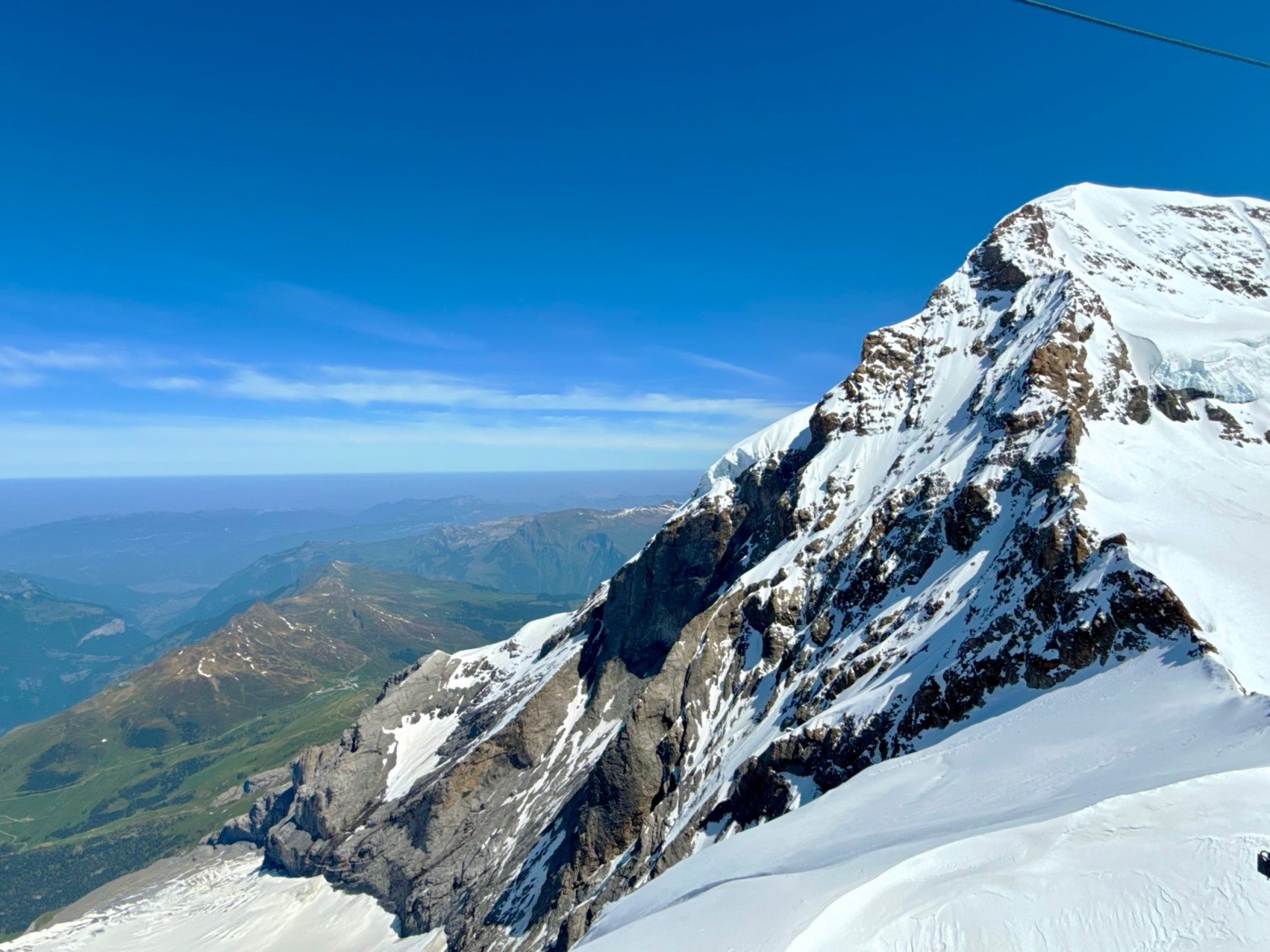
The Jungfrau Railway (Jungfraubahn) is the highest railway in Europe and takes you from the hamlet of Kleine Scheidegg to Jungfraujoch, the saddle between the peaks of Jungfrau and Mönch at the height of 3454m. The original goal was to add an elevator to the peak (4158m), but this was never done. The rack railwayContinue reading “The Jungfrau and Its Railways”
Neuf-Brisach – A Perfectly Formed Town
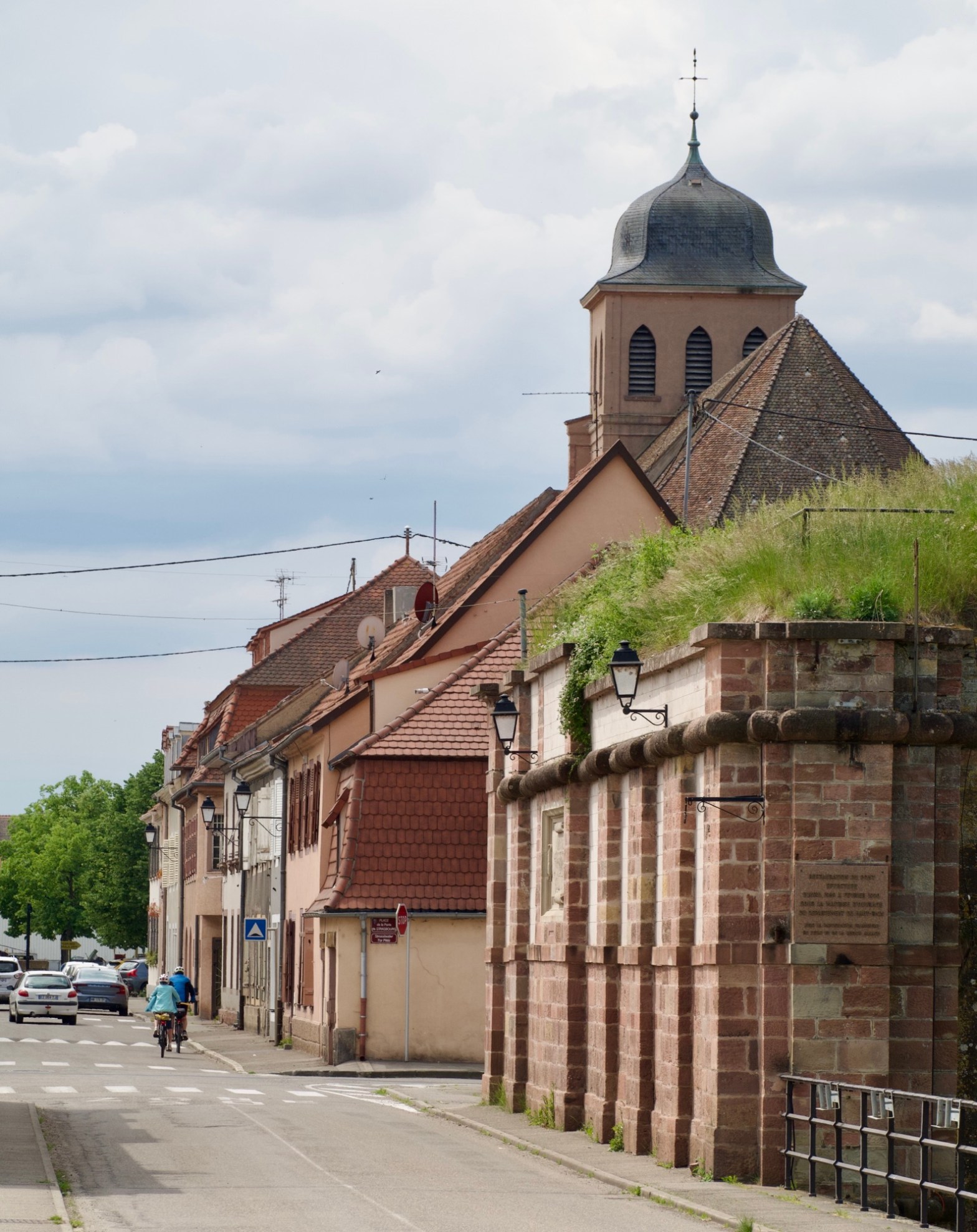
Neuf-Brisach might not be very big, but at least it is perfectly symmetrical. The reason, naturally, is that it was designed and built at one go – no natural growth here (see the plan below). The town was built around 1700 by Louis XIV’s famous fortification guru, Vauban (before ennobling called Sébastien Le Prestre). HeContinue reading “Neuf-Brisach – A Perfectly Formed Town”
Art Nouveau – The Ecole de Nancy
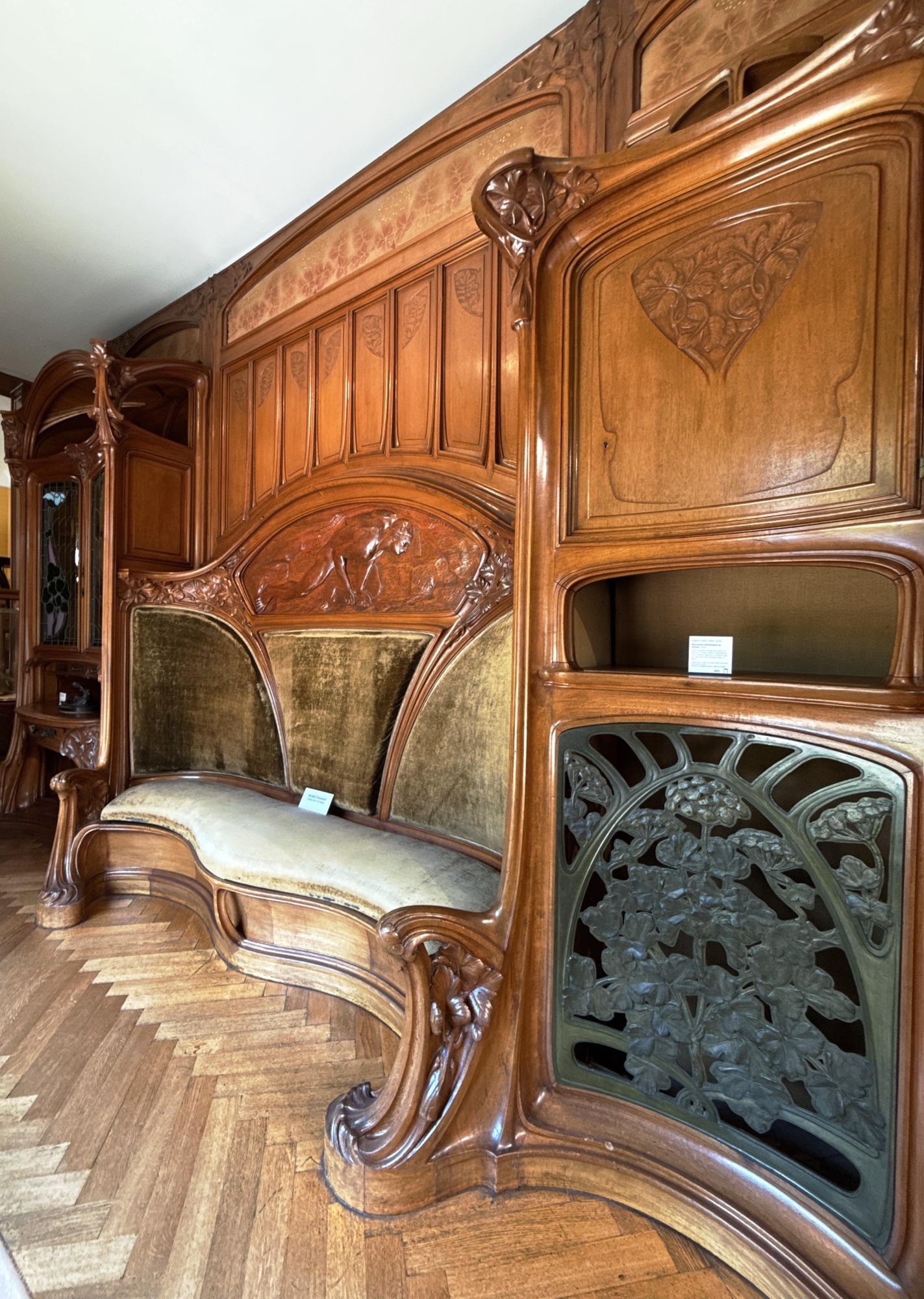
It is perhaps less well known for a hub of Art Nouveau, but Nancy had a burgeoning scene before the First World War. The focus was on furniture (below right a desk and chair by Eugène Vallin), but the city is also known for its Art Nouveau architecture (below left is the Chambre of Commerce).Continue reading “Art Nouveau – The Ecole de Nancy”

