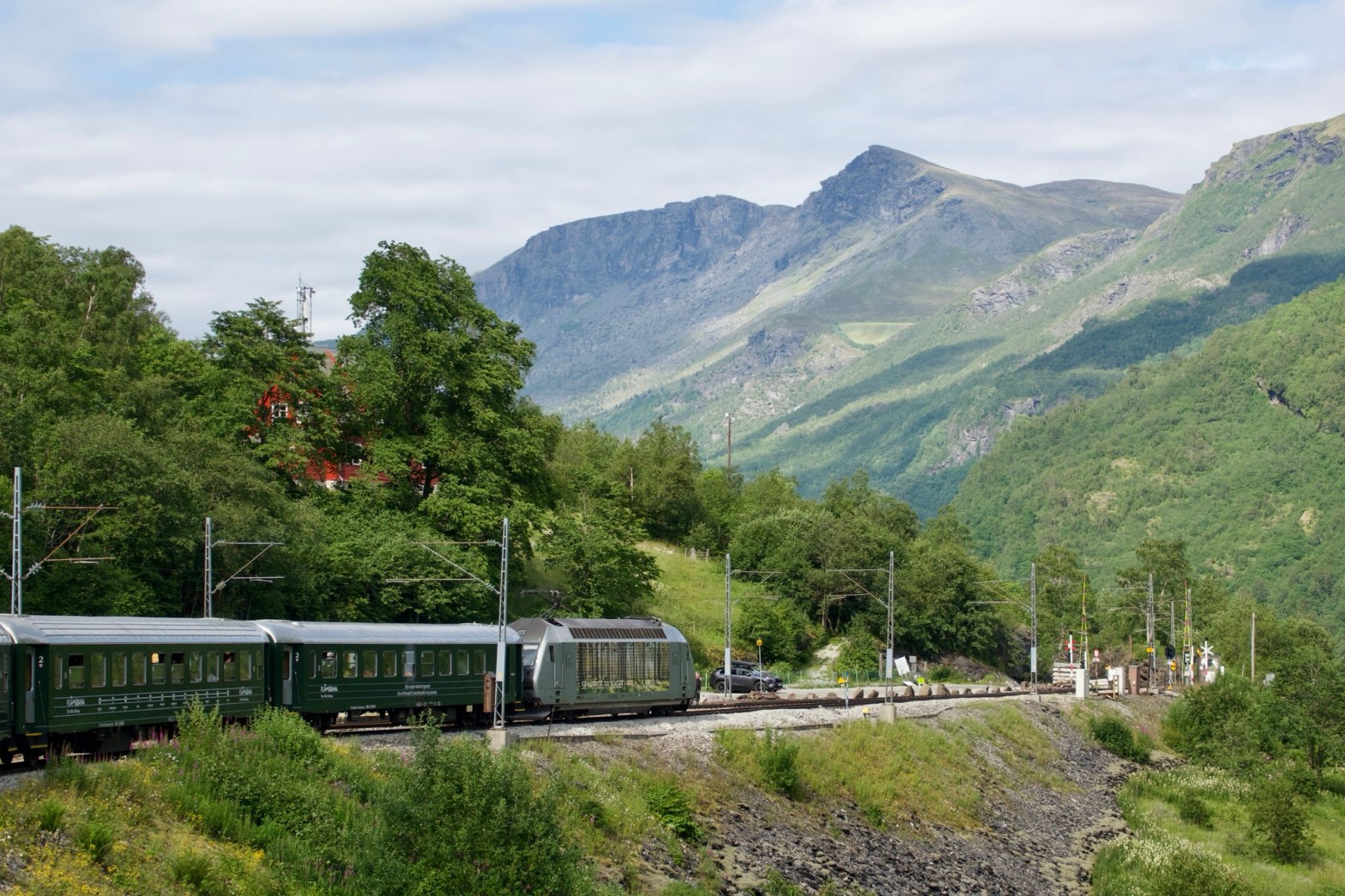
One of the well-known scenic stretches of track, the Flåmsbana between Myrdal and Flåm provides a quick descent from 867m to sea level over 20km in about an hour. Myrdal s a non-descript stop (above left) on the Oslo-Bergen track, a bit after the highest point of that stretch (which is at 1200m above seaContinue reading “The Flåm Railway, Norway”
Category Archives: Rails
The Jungfrau and Its Railways
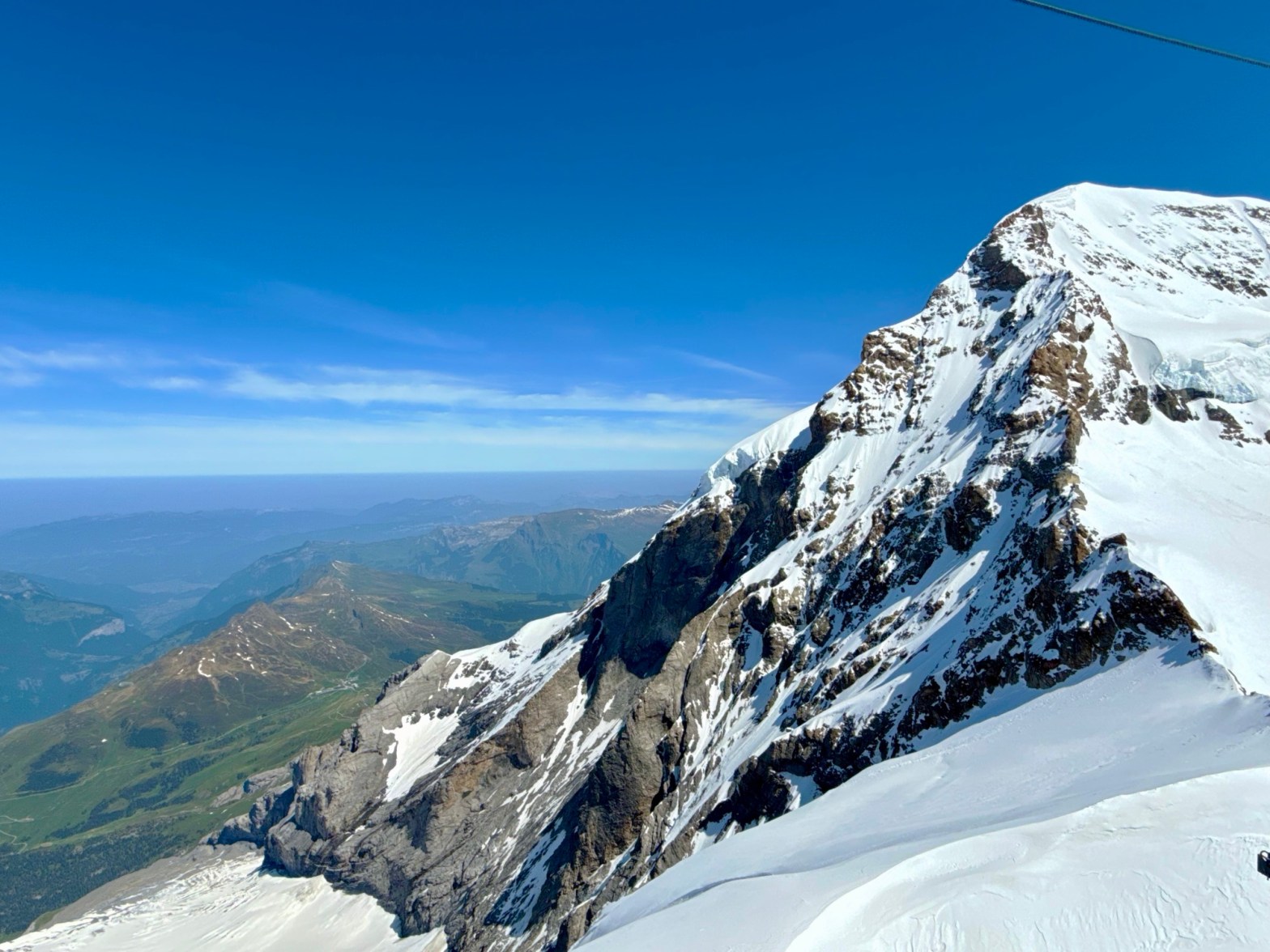
The Jungfrau Railway (Jungfraubahn) is the highest railway in Europe and takes you from the hamlet of Kleine Scheidegg to Jungfraujoch, the saddle between the peaks of Jungfrau and Mönch at the height of 3454m. The original goal was to add an elevator to the peak (4158m), but this was never done. The rack railwayContinue reading “The Jungfrau and Its Railways”
Cinque Terre – The Fabulous Five

The five towns on the Riviera di Levante that together form the Cinque Terre take full advantage of the rocky coastline, designated as a national park. There is a hiking trail connecting them, as well as frequent boats and trains. Each of these provides a different view to the small towns, although the rocky coastContinue reading “Cinque Terre – The Fabulous Five”
A new train shed in NYC
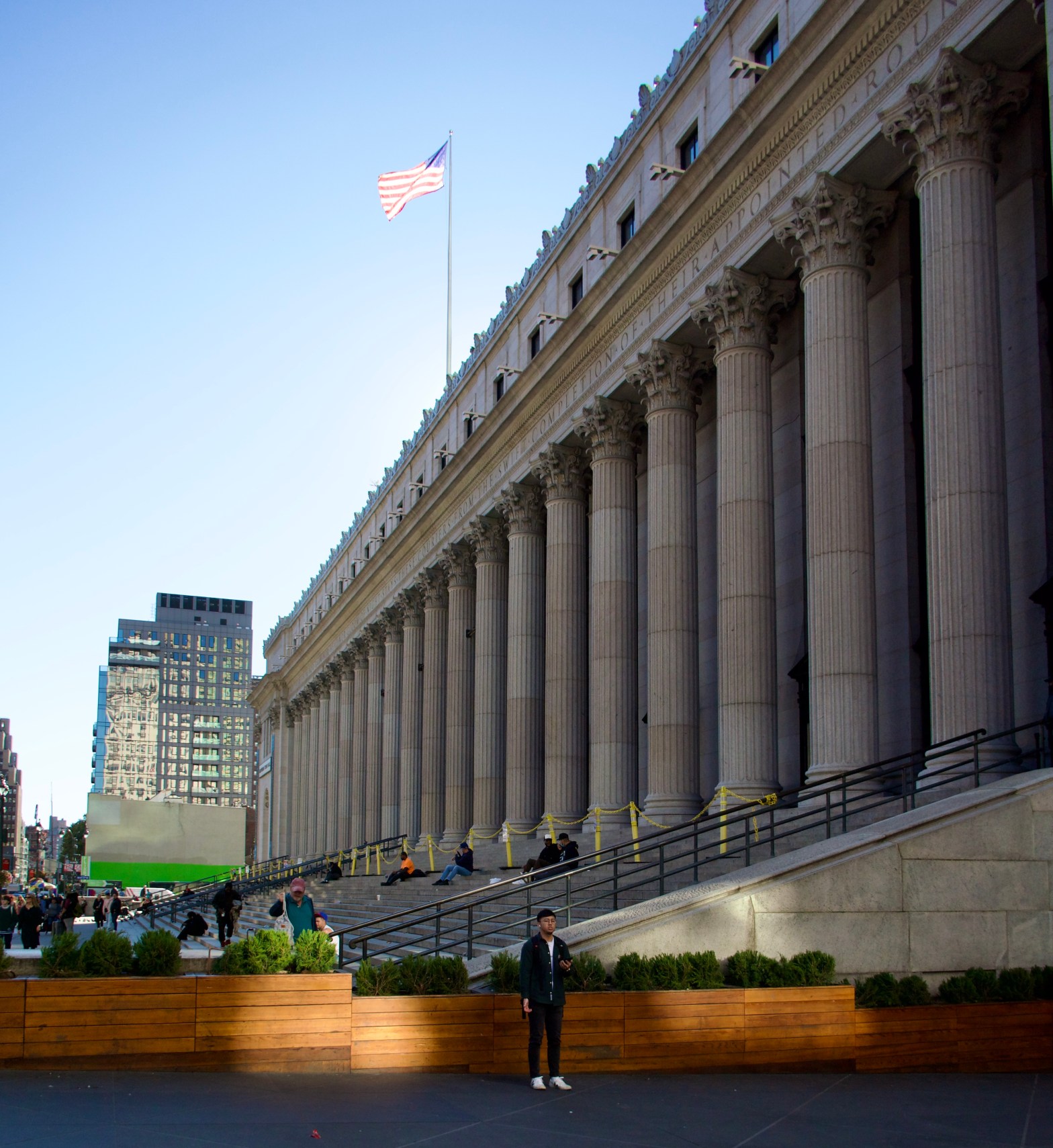
The destruction of the old Penn Station in New York in 1963 was pure vandalism – this 1910 structure was modelled after the baths of Diocletian, and provided a suitable combination of steel construction and Roman-inspired grandeur for the golden age of train travel. The rabbit warren of the modern Penn Station that followed wasContinue reading “A new train shed in NYC”
Wuppertal: Hanging in there
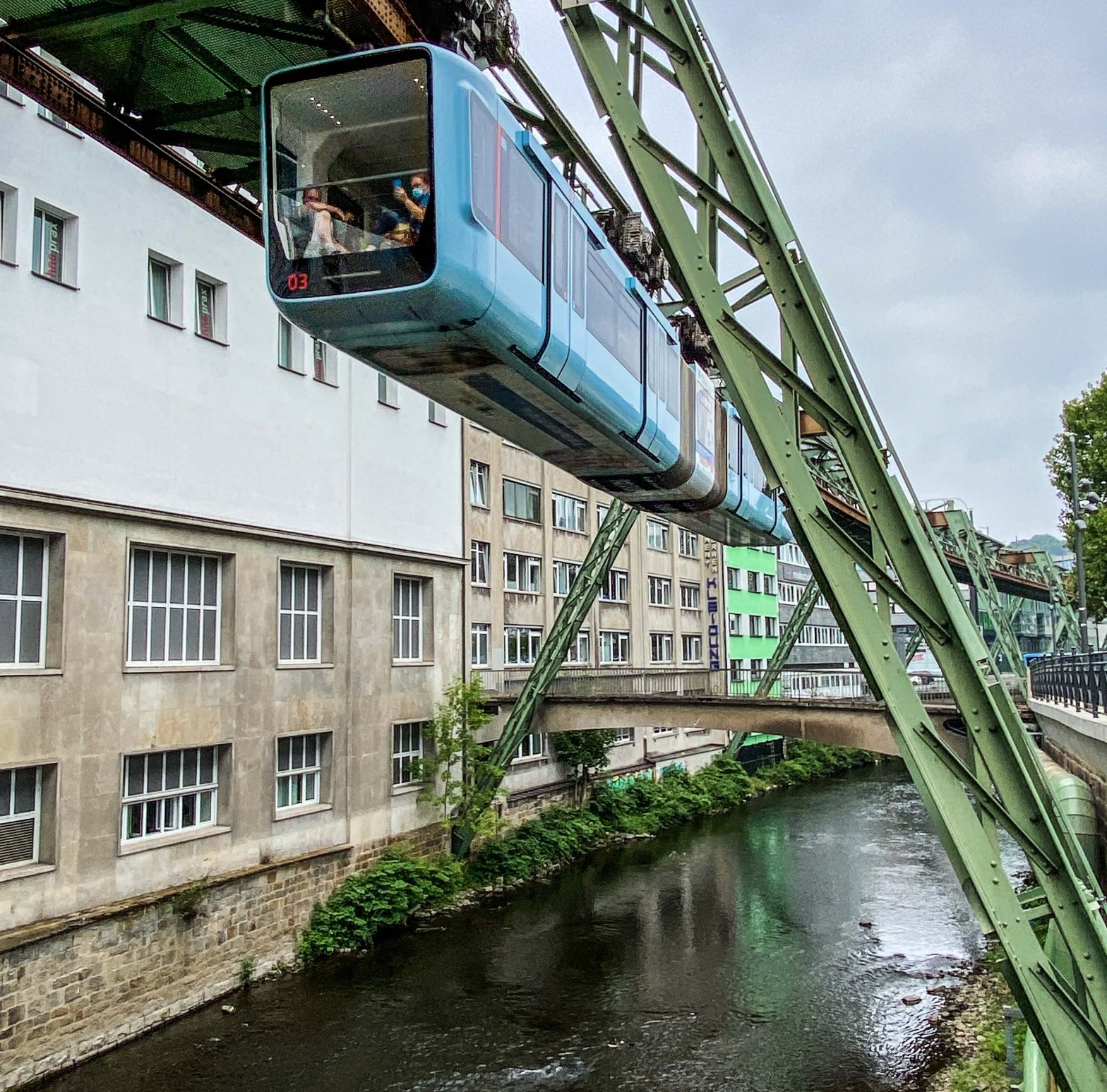
The city of Wuppertal is not particularly famous – a string of towns joined together administratively in 1929. However, it does boast one tourist attraction: the Schwebebahn – or suspension railway. This is the world’s oldest suspended railway and the only one in Germany. The 13 km railway runs mostly above the Wupper river, withContinue reading “Wuppertal: Hanging in there”
Rails: Travel in the time of pandemia
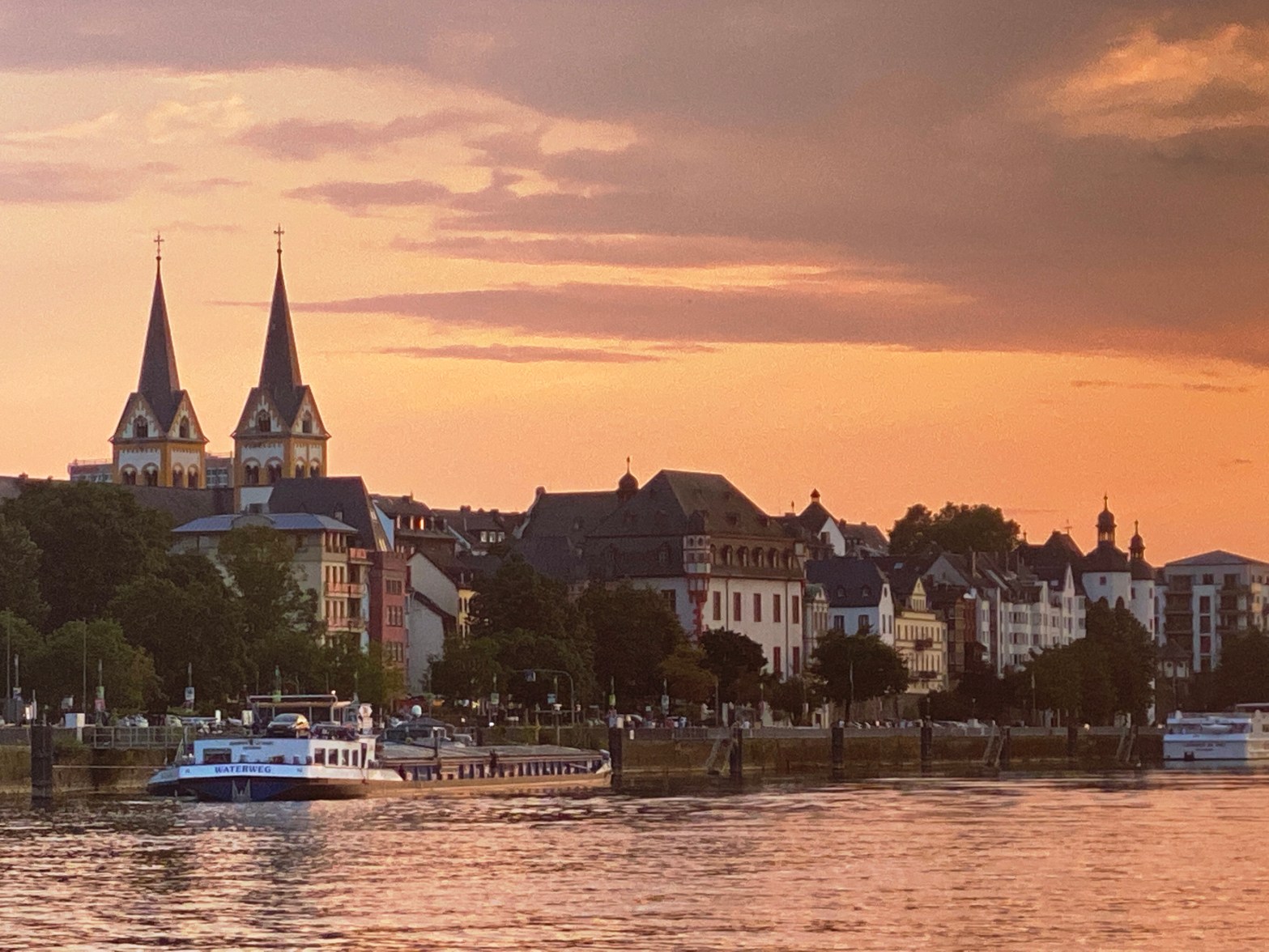
QR codes, tracing forms, masks, distances – travel these days is just an extension of home. My recent five-day trip to the parts of Germany that are near the border of Belgium (Aachen, Cologne, Koblenz, Trier) gives an indication how the Germans do travel these days – of course, all countries do their own thing,Continue reading “Rails: Travel in the time of pandemia”
Rails: Building the Peking–Hankow railway
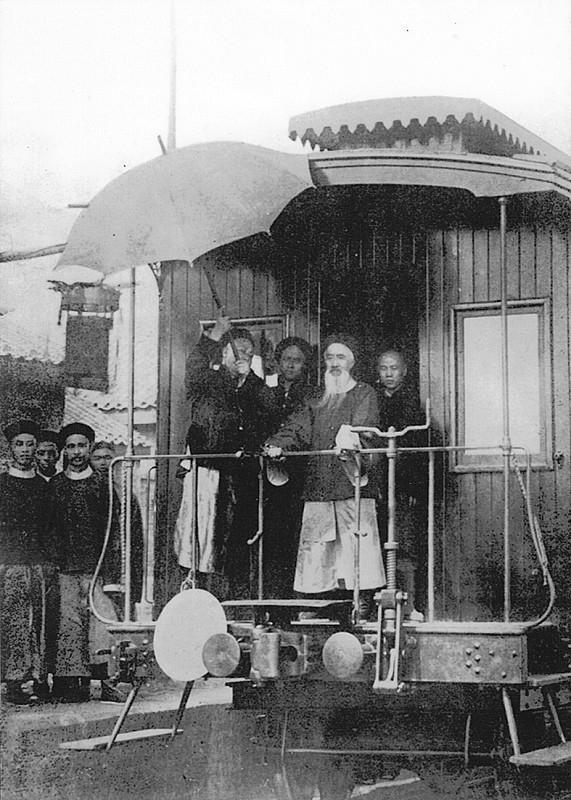
When imperial China wanted to construct the first major domestically-oriented railway line from Peking to Hankow (a city that in 1927 merged with Wuhan on the other side of the Yangtze river), they turned to a Belgian company. Why? In the turn of the 20th century, as part of its modernisation efforts, China wanted to connectContinue reading “Rails: Building the Peking–Hankow railway”
Rails: Of termini and through stations

The Berlin Hauptbahnhof is a glimmering modern version of the traditional train shed structure of classical main line stations. However, the difference is that it is a through station of both east-west and north-south connections, reflecting the needs of modern cities and train travel patterns. Historically Berlin railway stations were termini, like those in LondonContinue reading “Rails: Of termini and through stations”
Rails: Border architecture
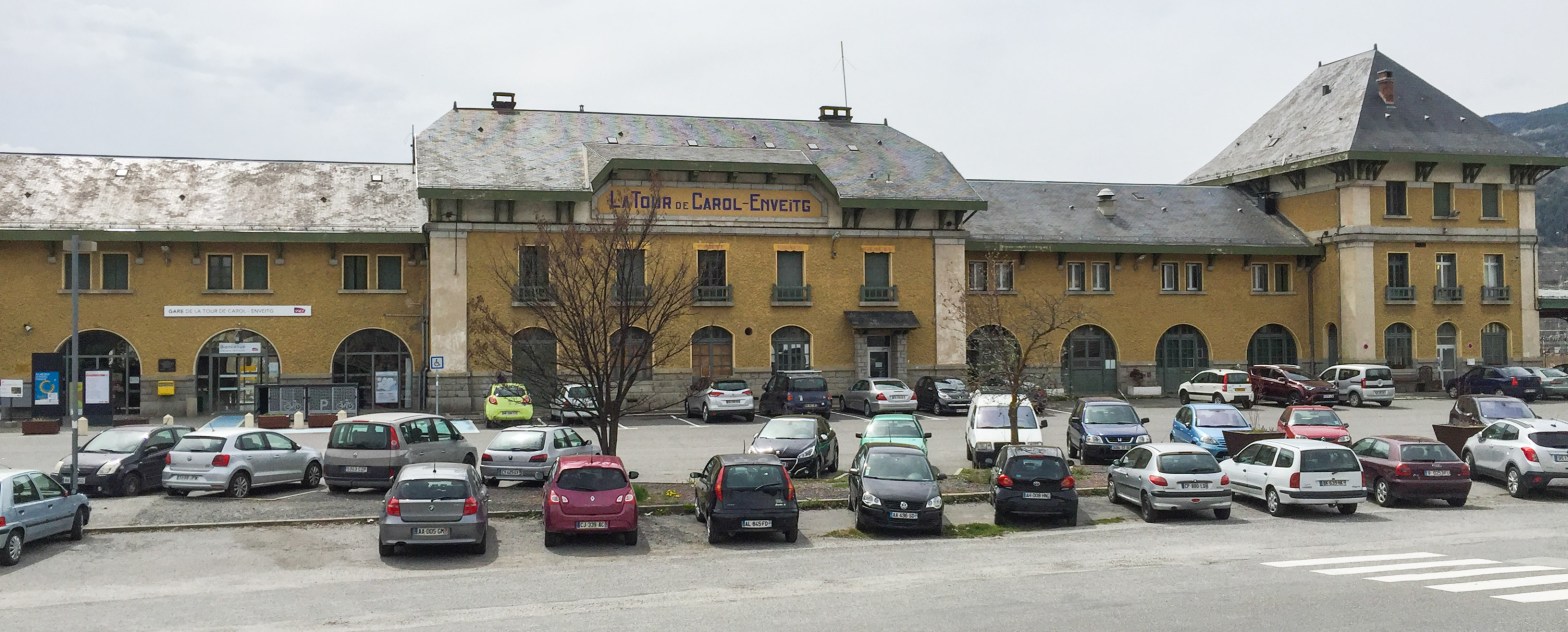
If you happen to look at the map of Barcelona commuter trains, you can see that line R3 continues outside the suburban area to somewhere called La Tor de Querol – Enveig. If you were to take the unassuming train to its final destination, you would have left Barcelona and Spain altogether and ended upContinue reading “Rails: Border architecture”
 Rails, wines, worlds