
The choir of the medieval churches was usually reserved for the clergy and separated from the churchgoers with a more or less closed screen. Rarely were there two screens – one at both ends of the church, but the Naumburg Cathedral is one of them. It is even rarer that the screens have survived reformationContinue reading “Upstairs, Downstairs – at the Naumburg Cathedral”
Tag Archives: Germany
From the scrapheap of Berlin history
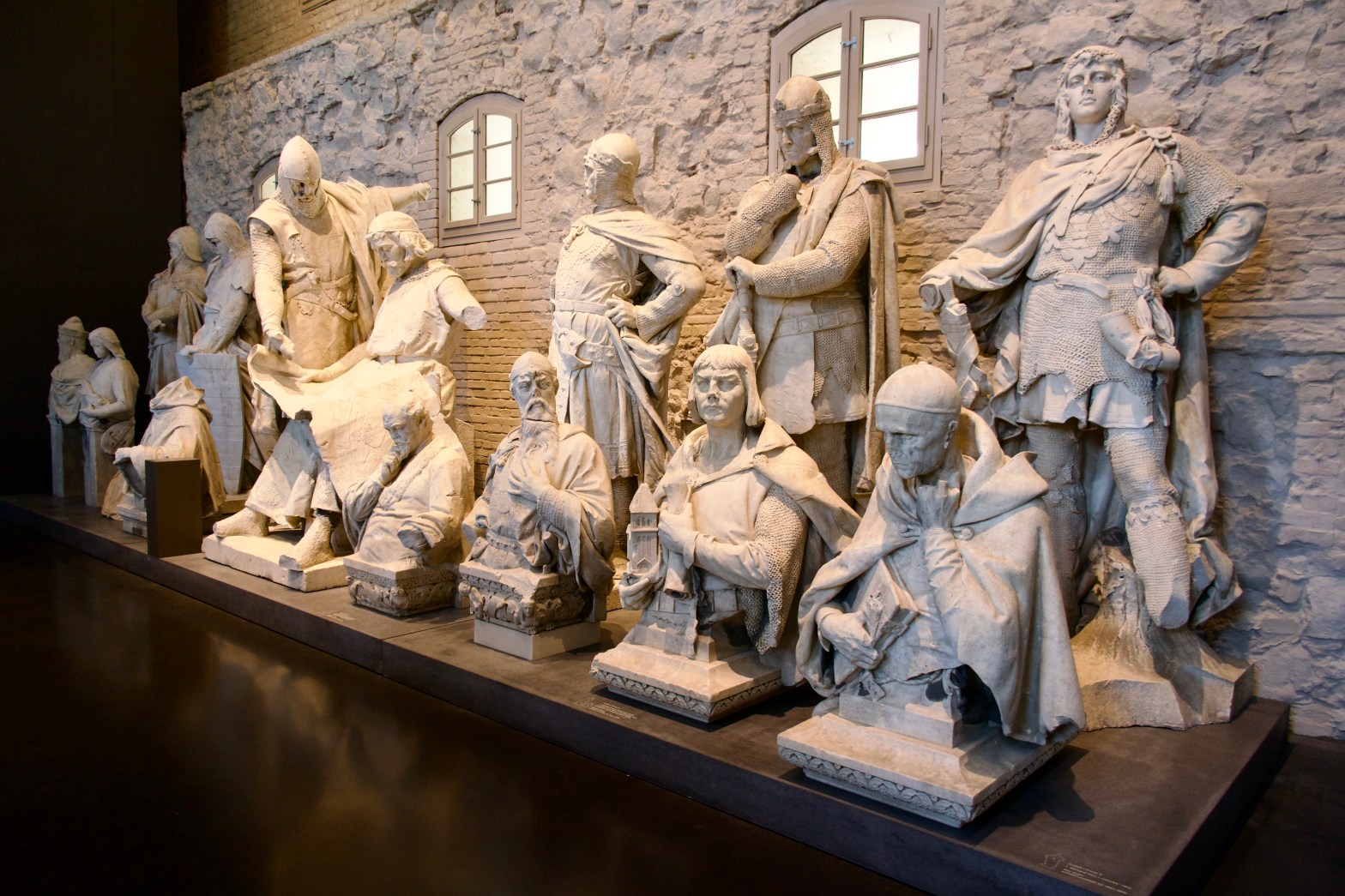
Berlin is well-known to have an overload of history. In fact, so much that some of it has been cleaned away to the cupboards. One such is in the Spandau Zitadelle, where unwanted statues have found their last resting place. Here we have a whole range of medieval knights, Prussian electors and kings, assorted supportingContinue reading “From the scrapheap of Berlin history”
Passau – fit for a bishop or two
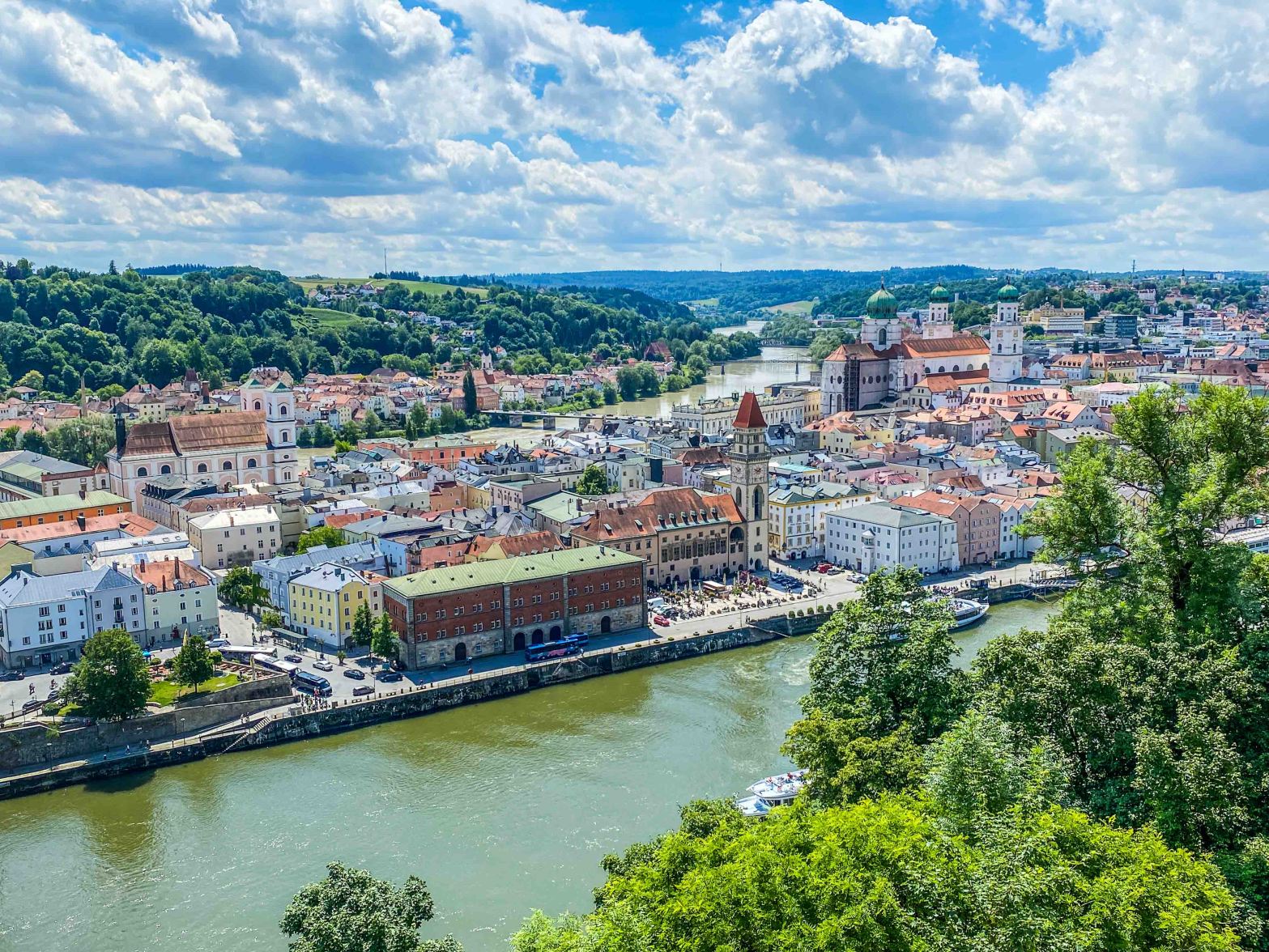
The Bavarian town of Passau sits at the point where rivers Danube, Inn and Ilz conflux. It is a cathedral city, and used to be the seat of the largest diocese in the Holy Roman Empire. It was established by an Anglo-Saxon monk, St. Boniface, in 739. The complexities of the setup of the HolyContinue reading “Passau – fit for a bishop or two”
Wuppertal: Hanging in there
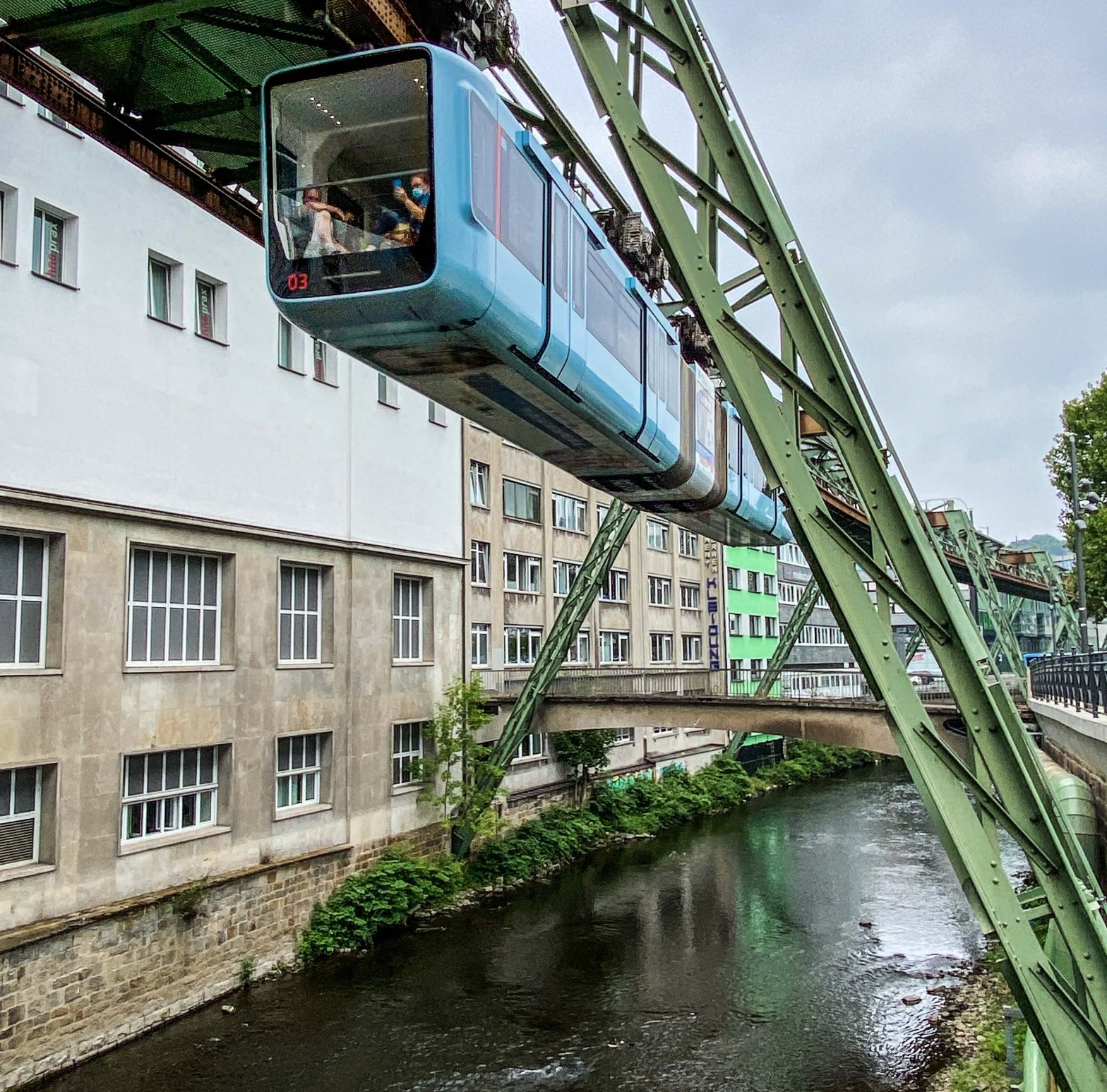
The city of Wuppertal is not particularly famous – a string of towns joined together administratively in 1929. However, it does boast one tourist attraction: the Schwebebahn – or suspension railway. This is the world’s oldest suspended railway and the only one in Germany. The 13 km railway runs mostly above the Wupper river, withContinue reading “Wuppertal: Hanging in there”
Rails: Travel in the time of pandemia
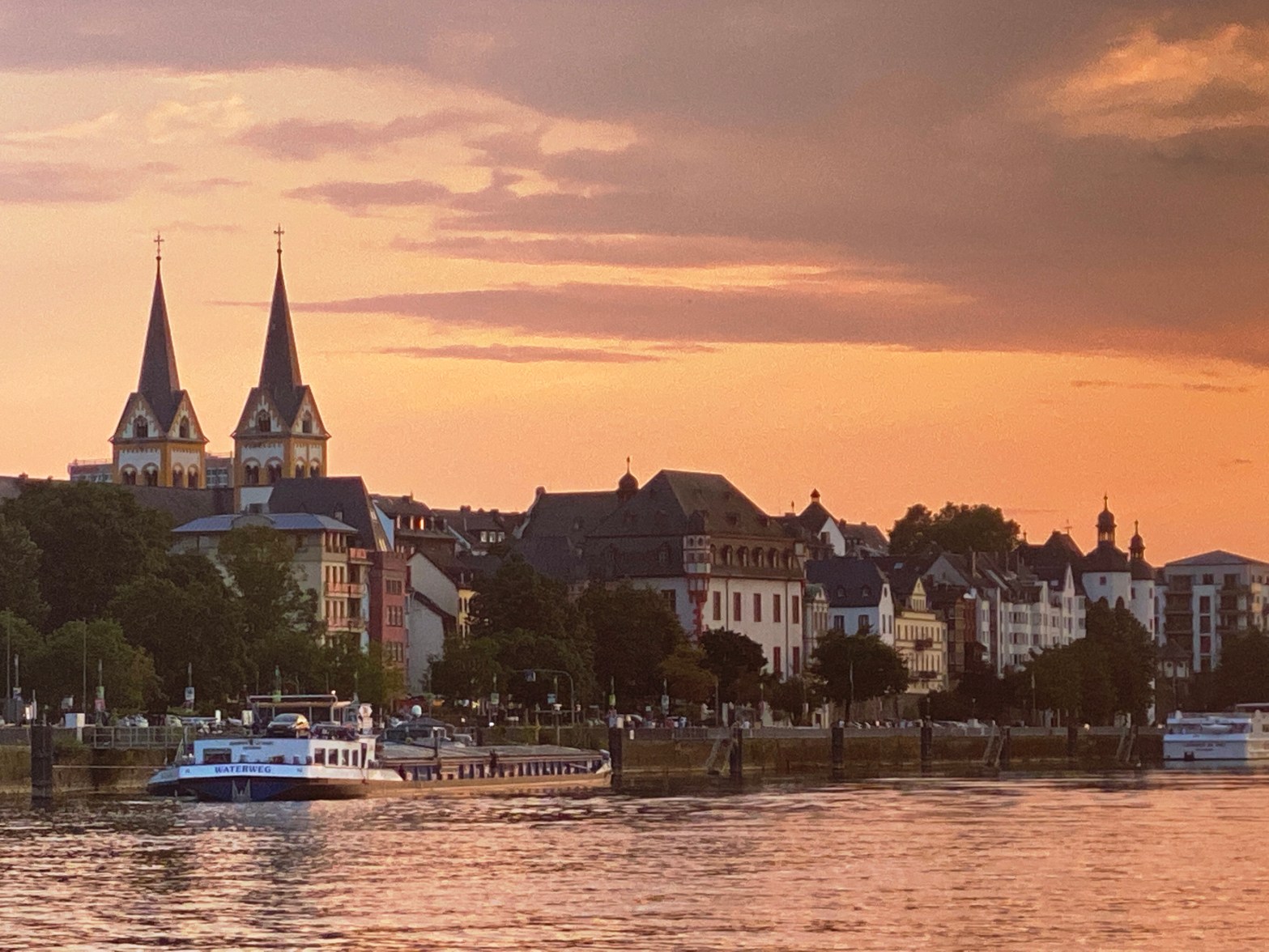
QR codes, tracing forms, masks, distances – travel these days is just an extension of home. My recent five-day trip to the parts of Germany that are near the border of Belgium (Aachen, Cologne, Koblenz, Trier) gives an indication how the Germans do travel these days – of course, all countries do their own thing,Continue reading “Rails: Travel in the time of pandemia”
 Rails, wines, worlds